

Reasons to Choose Travertine for Luxury Spaces

Selecting materials for luxury homes in Southern California often means balancing timeless beauty with the need for lasting durability. Travertine answers both demands, offering a distinct porous texture and remarkable color range crafted through natural mineral precipitation at springs. Its geological origins and unique surface patterns make every installation a sophisticated design statement. Discover how travertine brings unmatched elegance and resilience to upscale residential spaces.
Table of Contents
- What Makes Travertine Unique and Desirable
- Types of Travertine and Their Best Uses
- Aesthetic Versatility in High-End Projects
- Durability, Maintenance, and Longevity Factors
- Cost, Value, and Comparison With Other Stones
Key Takeaways
| Point | Details |
|---|---|
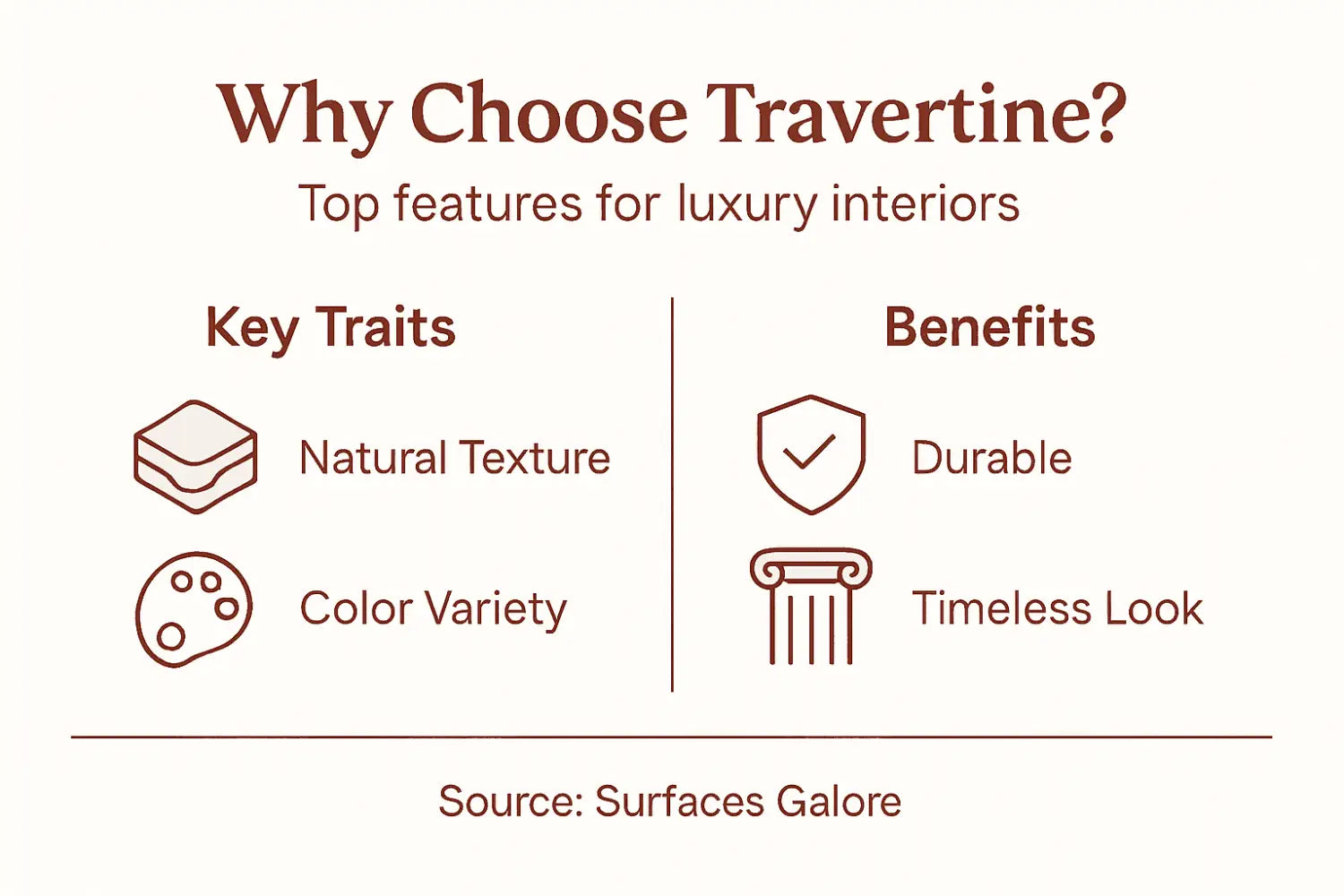
| Unique Characteristics | Travertine offers natural textures, multiple color variations, and exceptional durability, making it ideal for luxury designs. |
| Versatility | It can be used in various applications, from flooring to decorative elements, adapting to both traditional and contemporary styles. |
| Maintenance and Longevity | Proper sealing and care can maintain travertine’s appearance for over 30 years, highlighting its cost-effectiveness in luxury design. |
| Value Comparison | Travertine provides a lower-cost alternative to premium stones like marble, while enhancing property value through its natural aesthetic and durability. |
What Makes Travertine Unique and Desirable
Travertine stands out as a luxurious natural stone with extraordinary characteristics that elevate interior design. Chemical precipitation of minerals creates this remarkable stone, generating unique textures and visual depth that synthetic materials cannot replicate. Originating from calcium carbonate deposits in hot and cold springs, travertine possesses an inherent geological elegance that transforms spaces.
The stone’s distinctive attributes make it particularly appealing for high-end residential and commercial environments. Its natural formation process results in multiple color variations, including white, tan, cream, and rusty hues, providing designers with remarkable aesthetic flexibility. Hydrothermal geological processes contribute to travertine’s fascinating visual complexity, with each stone telling a unique geological story.
Key characteristics that distinguish travertine include:
- Highly variable porosity ranging from 10% to 70%
- Natural textured surfaces with organic patterns
- Exceptional durability from mineral-rich composition
- Wide range of color and finish options
- Ability to complement both traditional and contemporary design aesthetics
Travertine’s versatility extends beyond visual appeal. The stone’s thermal properties and durability make it an excellent choice for various applications, from flooring and wall cladding to decorative elements. Its ability to regulate temperature and provide a sophisticated, timeless look ensures it remains a premier choice for discerning designers and homeowners.
Pro tip: When selecting travertine, examine multiple stone samples to appreciate the unique variations and choose pieces that harmonize with your specific design vision.
Types of Travertine and Their Best Uses
Travertine offers designers and homeowners a remarkable range of aesthetic possibilities, with distinct varieties that suit different design contexts. Each type brings unique characteristics that transform spaces, making it a versatile natural stone for luxury environments. Understanding these varieties allows for strategic selection based on color, texture, and intended application.
The most prominent travertine types include:
- Classic Travertine: Neutral tones ideal for traditional and contemporary interiors
- Noce Travertine: Warm earthy browns creating inviting environments
- Silver Travertine: Grey and white blends offering modern sophistication
- Walnut Travertine: Balanced warm neutrals perfect for elegant spaces
- Ivory Travertine: Soft cream colors providing subtle versatility
Natural stone varieties exhibit varying porosity and density, which significantly impacts their practical applications. Exterior projects require denser, more durable travertine types capable of withstanding environmental challenges, while interior designs can utilize more delicate, intricately patterned stones. Professional designers carefully evaluate each stone’s specific characteristics to ensure optimal performance and aesthetic alignment.
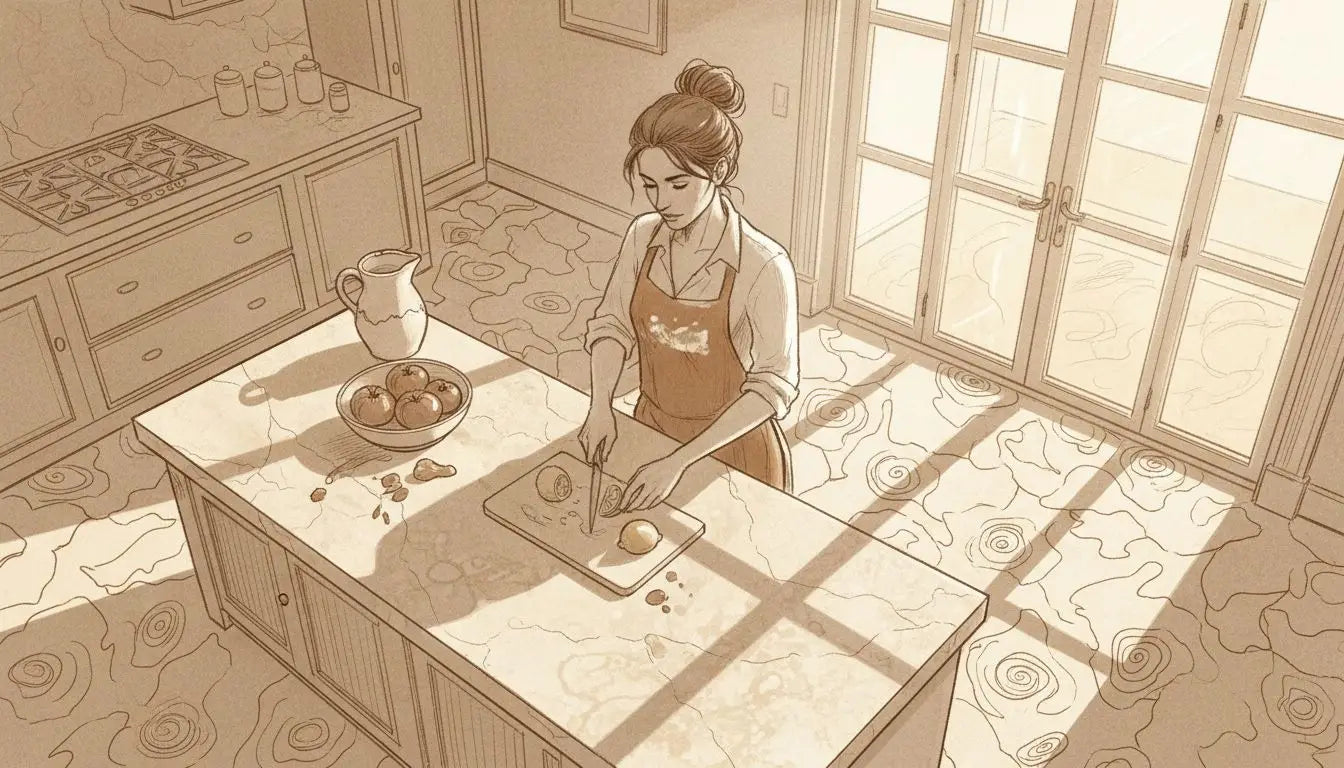
Travertine’s adaptability extends across multiple design scenarios, from luxurious kitchen countertops to sophisticated bathroom installations and dramatic exterior cladding. Its inherent variation means no two installations look exactly alike, providing a truly unique design statement that synthetic materials cannot replicate.
Here’s a summary comparing key travertine types and their ideal design uses:
| Travertine Type | Typical Color Range | Best Design Applications |
|---|---|---|
| Classic | Soft beige, light tan | Living rooms, hallways |
| Noce | Deep browns, rich earth | Cozy dens, rustic kitchens |
| Silver | Cool gray, subtle whites | Modern bathrooms, exteriors |
| Walnut | Warm chocolate, muted tan | Luxury offices, foyers |
| Ivory | Cream, pale beige | Light-filled bedrooms, spas |
Pro tip: Always request multiple stone samples and examine them under different lighting conditions to fully appreciate the nuanced variations within your chosen travertine type.
Aesthetic Versatility in High-End Projects
Travertine transforms luxury design with its extraordinary range of aesthetic possibilities. Architects and interior designers appreciate this natural stone’s ability to seamlessly adapt across diverse design philosophies, from minimalist contemporary spaces to richly detailed traditional environments. Its inherent color palette and texture variations make it an unparalleled material for creating distinctive, high-end interiors.
The stone’s remarkable versatility emerges through multiple finish options:
- Polished surfaces: Sleek and reflective, ideal for modern spaces
- Honed finishes: Soft matte appearance for understated elegance
- Tumbled textures: Rustic and natural look perfect for organic design schemes
- Varied color ranges: Cream, beige, and warm earth tones
- Unique veining: Dynamic visual interest in each stone piece
Architectural design flexibility allows travertine to transcend traditional material limitations. Professional designers leverage its adaptable nature to create stunning feature walls, luxurious flooring, sophisticated countertops, and dramatic exterior cladding. Whether integrated into a minimalist environment or an ornate classical setting, travertine delivers consistent aesthetic sophistication.
The stone’s natural characteristics enable designers to craft truly unique spaces where no two installations look identical. Its organic variations ensure that each project becomes a distinctive artistic statement, reflecting the nuanced vision of its creators.
Pro tip: Consider mixing different travertine finishes within the same space to create layered visual depth and architectural interest.
Durability, Maintenance, and Longevity Factors
Travertine’s remarkable durability makes it an exceptional choice for luxury spaces, but understanding its specific maintenance requirements is crucial for preserving its beauty. This natural stone offers impressive longevity when properly cared for, with the potential to maintain its elegant appearance for decades. Architects and designers appreciate its resilience, particularly in high-traffic areas where aesthetic quality must be sustained.
Key maintenance considerations include:
- Sealing: Critical protection against liquid absorption
- Cleaning: Gentle, pH-neutral products recommended
- Surface protection: Avoiding acidic substances that can cause etching
- Regular inspection: Monitoring for potential wear or damage
- Professional maintenance: Periodic professional treatment
Stone durability depends on porosity and density, with some travertine varieties demonstrating superior resistance to abrasion and environmental challenges. Dense varieties offer enhanced longevity, particularly in exterior applications where weather exposure can be harsh. Professional selection of the appropriate travertine type ensures optimal performance across different architectural contexts.
Unlike synthetic materials, travertine develops a unique patina over time, which many designers consider an enhancement rather than a defect. Its natural composition allows for subtle color transformations and character development, making each installation a living, evolving design element that tells a sophisticated architectural story.
Pro tip: Invest in professional sealing every two to three years to maximize your travertine’s protective barrier and maintain its pristine appearance.
For easier decision-making, compare maintenance needs and longevity by stone type:
| Stone Type | Maintenance Level | Expected Longevity | Patina Development |
|---|---|---|---|
| Travertine | Routine sealing, gentle care | 30+ years with upkeep | Subtle, enhances character |
| Marble | Higher due to etching risk | 20–30 years | Pronounced, may show stains |
| Granite | Low, infrequent sealing | 40+ years | Minimal, stays consistent |
| Quartzite | Very low, tough surface | 30–40 years | Little change, resists wear |
Cost, Value, and Comparison With Other Stones
Travertine represents an intelligent investment in luxury design, offering exceptional value compared to premium stones. While initial costs might seem higher than standard construction materials, its long-term benefits and aesthetic appeal make it a financially savvy choice for discerning homeowners and designers. The stone’s unique ability to enhance property value sets it apart from more conventional flooring and cladding options.
Key comparative advantages include:
- Lower cost than marble or quartzite
- Superior durability compared to synthetic materials
- Natural aesthetic that increases property value
- Diverse finish options reducing replacement needs
- Thermal and acoustic performance benefits
Stone selection requires careful cost-benefit analysis, considering factors beyond initial price point. Travertine’s moderate pricing, combined with its remarkable versatility, positions it as a strategic choice for luxury spaces. Unlike synthetic alternatives, it offers a genuine, timeless appearance that synthetic materials cannot replicate, delivering significant long-term value through its durability and aesthetic sophistication.
Designers appreciate travertine’s balanced approach to luxury, providing high-end visual appeal without the extreme expense of more exotic stone varieties. Its natural variations ensure each installation remains unique, transforming a functional surface into an artistic design element that continues to appreciate in visual and monetary value over time.
Pro tip: Calculate total lifecycle costs, not just initial installation price, when comparing travertine with alternative stone materials.
Elevate Your Luxury Spaces with Authentic Travertine from Surfaces Galore
Choosing travertine for your luxury projects means embracing a natural stone with unmatched aesthetic versatility and enduring beauty. If durability and unique visual depth are your goals keeping your designs timeless and sophisticated, Surfaces Galore offers you premium travertine tiles and decorative pieces that meet these exact needs. Our authentic, mineral-rich stones promise long-lasting elegance and the opportunity to create spaces that truly stand apart.
Discover how our direct import of premium natural stone can solve your challenges of finding durable and distinctive travertine that complements both traditional and contemporary styles. Act now to access exclusive selections of polished, honed, and tumbled finishes designed to match your vision perfectly. Explore our collection today at Surfaces Galore and make your luxury space a statement of timeless beauty and quality craftsmanship. For more inspiration and product details visit our landing page and start your project with confidence.
Frequently Asked Questions
What makes travertine unique for luxury spaces?
Travertine is unique due to its luxurious natural stone characteristics, created through the chemical precipitation of minerals. Its extraordinary textures, wide range of colors, and geological elegance elevate any high-end design.
What types of travertine are most popular and their best uses?
Popular types of travertine include Classic, Noce, Silver, Walnut, and Ivory. Classic is ideal for living areas, Noce suits cozy kitchens, Silver fits modern bathrooms, Walnut works well in luxury offices, and Ivory is great for light-filled bedrooms and spas.
How durable is travertine compared to other natural stones?
Travertine is highly durable and can last over 30 years with proper maintenance, outperforming synthetic materials. Its ability to develop a unique patina over time enhances its character and visual appeal, distinguishing it from stones like marble and quartzite.
What maintenance does travertine require to keep it looking its best?
Key maintenance for travertine includes routine sealing every two to three years, gentle cleaning with pH-neutral products, and avoiding acidic substances. Regular inspections help catch potential issues early, ensuring long-lasting beauty.
Leave a comment