
10 best marble for countertops for timeless kitchen design

Key Takeaways
The best marble for countertops balances the look you love with the way your kitchen actually works. Compare color, veining, finish, maintenance, and slab availability before ordering.
- Calacatta Gold and Statuary White create high-impact focal points.
- Carrara White and Bianco Dolomite offer adaptable white-marble looks.
- Atlantic Gray and Crema Marfil bring softer, more grounded color.
- Nero Marquina and Rosso Levanto suit dramatic, expressive kitchens.
- Sealing, gentle cleaning, and careful installation help preserve marble.
1. Calacatta Gold marble for luxurious statement countertops
Calacatta Gold is made for a countertop that commands attention. Its bright background and warm gold veining create a layered, luxurious look without making the kitchen feel cold. In a large island, the stone can become the room’s central design feature.
The strongest installations give the veining room to breathe. Pair it with simple cabinetry, quiet hardware, and a restrained backsplash so the natural pattern remains the star. A polished surface heightens the drama, while a honed finish makes the same stone feel softer and more relaxed.
Before buying, view the actual slab whenever possible. Natural marble varies from piece to piece, so the movement, color balance, and vein direction should work with the island layout. For smaller accents, a Calacatta Gold mosaic can carry the same warm, decorative character into a backsplash or adjoining surface.
2. Carrara White marble for classic, versatile kitchens
Carrara White remains one of the easiest marble choices to live with visually. Its white background and subtle gray veining suit farmhouse kitchens, traditional cabinetry, and clean contemporary spaces alike. The pattern is graceful rather than loud, which gives you flexibility as your style changes.
It also works well when the countertop needs to connect several finishes. Carrara can sit beside natural wood, painted cabinets, brass fixtures, or stainless steel without competing with them. A polished finish feels crisp and formal; honed Carrara has a quieter, velvety appearance.
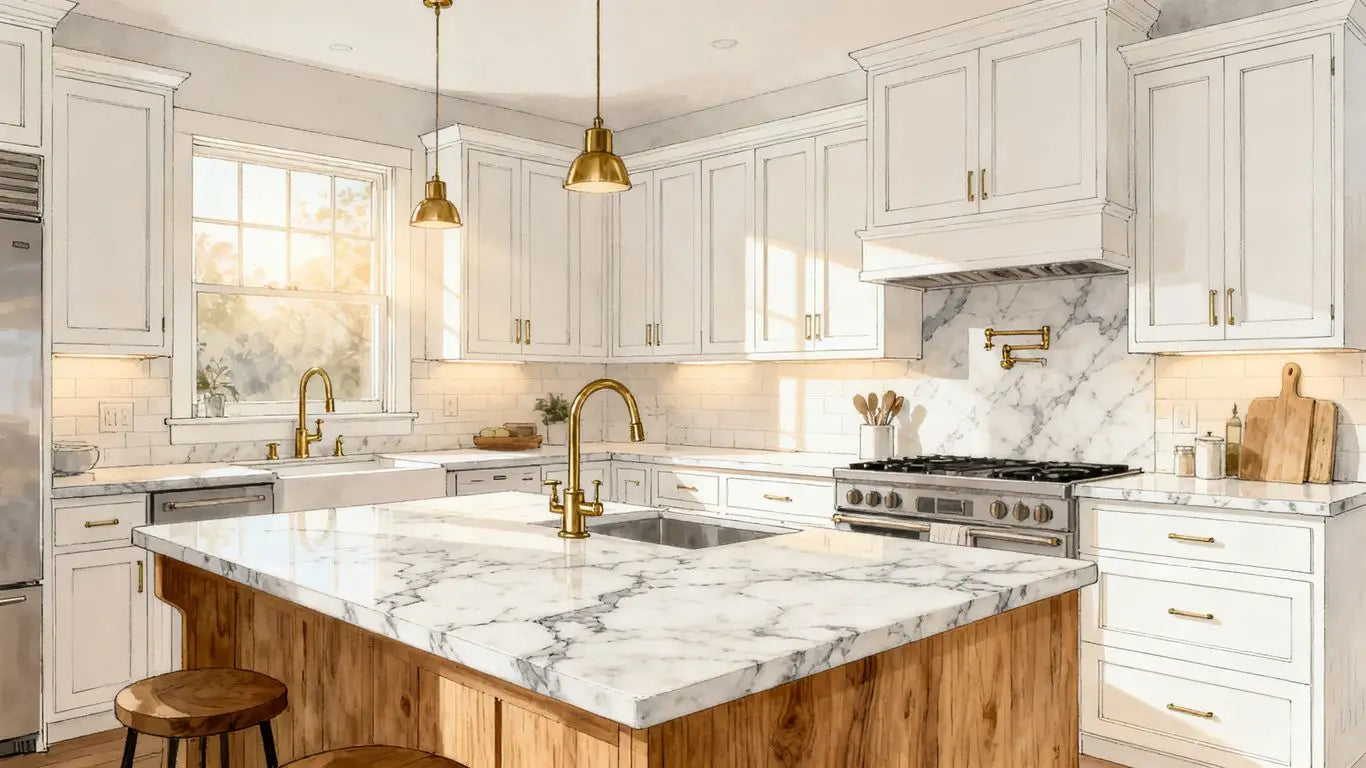
For a renovation, check edge details, seam placement, and the amount of veining visible at the sink and cooktop cutouts. Surfaces Galore describes its Carrara White collection as available in polished or honed finishes, with installation and maintenance guidance for natural stone projects. That practical information matters as much as the first impression.
3. Statuary White marble for dramatic veining and elegance
Statuary White offers a cleaner white field with more pronounced gray movement. It has the formal presence of a statement stone, but its cool palette remains easy to coordinate with black, gray, navy, or natural wood cabinetry. The result can feel architectural and polished.
This marble is especially effective on a waterfall island or a long uninterrupted run. Let the slab dictate the layout instead of cutting it into too many small sections. Bookmatching may create a striking effect where two slabs meet, although the pattern should be planned with an experienced fabricator.
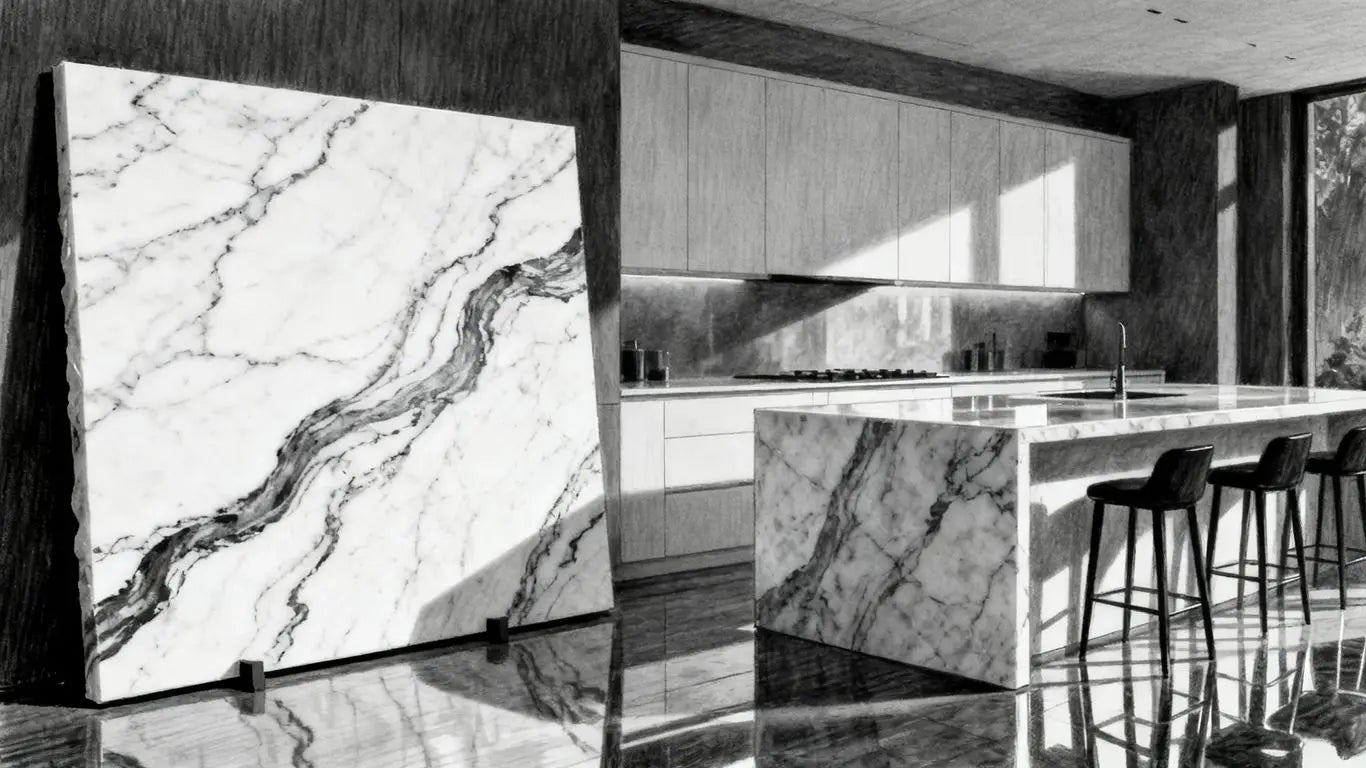
A finish changes the personality of the stone. Polished marble reflects more light and reads as glamorous, while honed marble softens the contrast and feels more understated. The Statuario White marble collection is described with both finish options, making it easier to align the material with the rest of the kitchen.
4. Arabescato marble for bold, artistic countertop patterns
Arabescato is a natural choice when you want the countertop to feel almost hand-drawn. Its white background is crossed by bold gray veining, often creating a lively pattern with strong visual rhythm. No two slabs will tell exactly the same story.
That individuality is beautiful, but it calls for planning. Ask the fabricator to mark the preferred face of the slab and discuss how veins will travel across corners, edges, and seams. A simple cabinet profile helps the marble feel intentional rather than busy.
Arabescato can bridge old and new design particularly well. Traditional shaker cabinets give it warmth, while flat-panel cabinets make the veining look more graphic. Because it already supplies plenty of movement, keep surrounding tile and wall color relatively calm.
5. Atlantic Gray marble for modern and traditional spaces
Atlantic Gray combines soft gray tones with intricate veining, giving a kitchen depth without relying on stark contrast. It can feel sleek in a modern room and welcoming in a more traditional one. The neutral palette is also forgiving when you are coordinating flooring, paint, and cabinetry.
The stone’s versatility makes it useful beyond the island. It is described as suitable for countertops, bathroom vanities, flooring, wall cladding, patios, and pool surrounds. That broad application range can help create a consistent material story across an entire home.
When comparing gray marbles, use a simple design check before committing. The table below highlights the visual direction each finish can bring to the same stone.
| Finish | Visual character | Good design pairing | Maintenance feel |
|---|---|---|---|
| Polished | Reflective and formal | Sleek cabinetry and metal accents | Shows more surface activity |
| Honed | Soft and matte | Wood, painted cabinets, classic rooms | Quiet and understated |
| Tumbled | Aged and textured | Rustic accents and relaxed spaces | Best suited to decorative applications |
Atlantic Gray is also noted for durability and ease of maintenance with proper care. Its ability to reflect light can be helpful in smaller kitchens or rooms with limited natural light, where a darker stone might feel heavy.
6. Bianco Dolomite marble for a durable white marble look
Bianco Dolomite is appealing when you want a white marble atmosphere with gentle gray variation. It feels lighter than many deeply veined stones and can make cabinetry appear more defined. The look is refined, but not overly formal.
Use it when you want the countertop to support the room rather than dominate it. White or pale gray cabinets create a seamless scheme, while walnut, oak, or painted green cabinetry brings out the stone’s natural contrast. A quiet backsplash keeps the installation feeling spacious.
Durability still depends on the quality of the slab, fabrication, sealing, and everyday care. Treat marble as a natural surface: use cutting boards, wipe spills promptly, and choose pH-neutral cleaners. These habits help preserve the smooth finish while allowing the stone to develop its own character.
7. Thassos White marble for bright, minimalist countertops
Thassos White is prized for its exceptionally bright, clean appearance. It suits minimalist kitchens where light, proportion, and texture do most of the decorating. The stone can make a compact room feel open and visually uncluttered.
Its simplicity gives you room to add personality elsewhere. Consider ribbed wood cabinetry, sculptural pendants, dark plumbing fixtures, or a softly textured backsplash. The countertop remains calm while those details provide contrast.
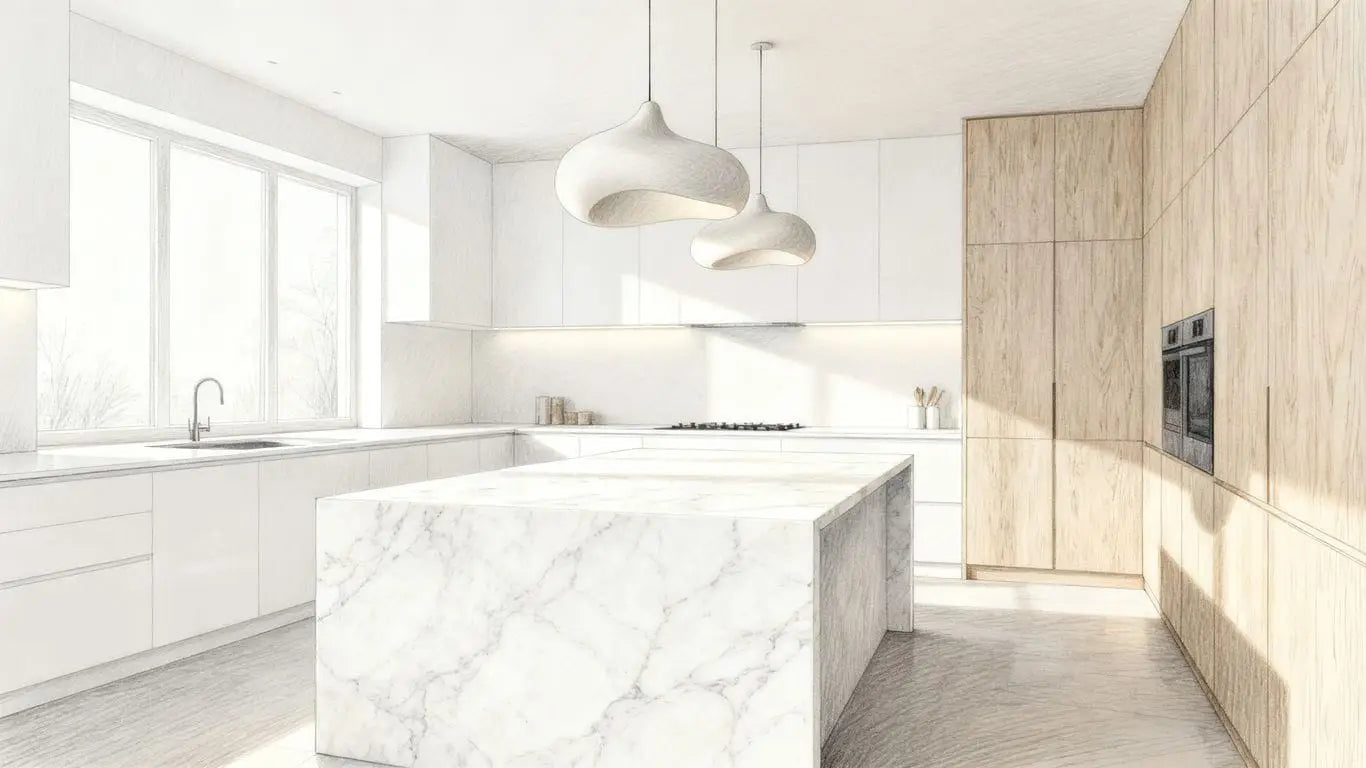
Thassos White is also useful when a project needs a crisp accent material. Marble mosaic collections commonly pair Thassos with Carrara, Calacatta Gold, and Dolomite in polished, honed, or tumbled formats. That makes it possible to repeat the same bright note on a backsplash or small decorative area without overwhelming the kitchen.
8. Crema Marfil marble for warm beige kitchen designs
Crema Marfil brings warmth where white marble may feel too cool. Its creamy beige background and delicate feathery veining create a welcoming, softly layered kitchen. The color works naturally with warm wood, cream cabinetry, bronze hardware, and terracotta accents.
This is a good direction for homeowners who want classic design with a relaxed mood. Rather than making the island a sharp contrast, use Crema Marfil to connect the countertop with the floor or backsplash. Repeating one warm undertone can make the entire room feel considered.
The stone is also a useful bridge between kitchen and adjoining living spaces. Customer feedback around premium marble and travertine selections frequently praises distinctive veining, well-cut pieces, and helpful service, while the Crema Marfil and Dolomite selection illustrates how warm and pale stones can be considered together. Review the exact material and finish before ordering, since natural variation is part of the appeal.
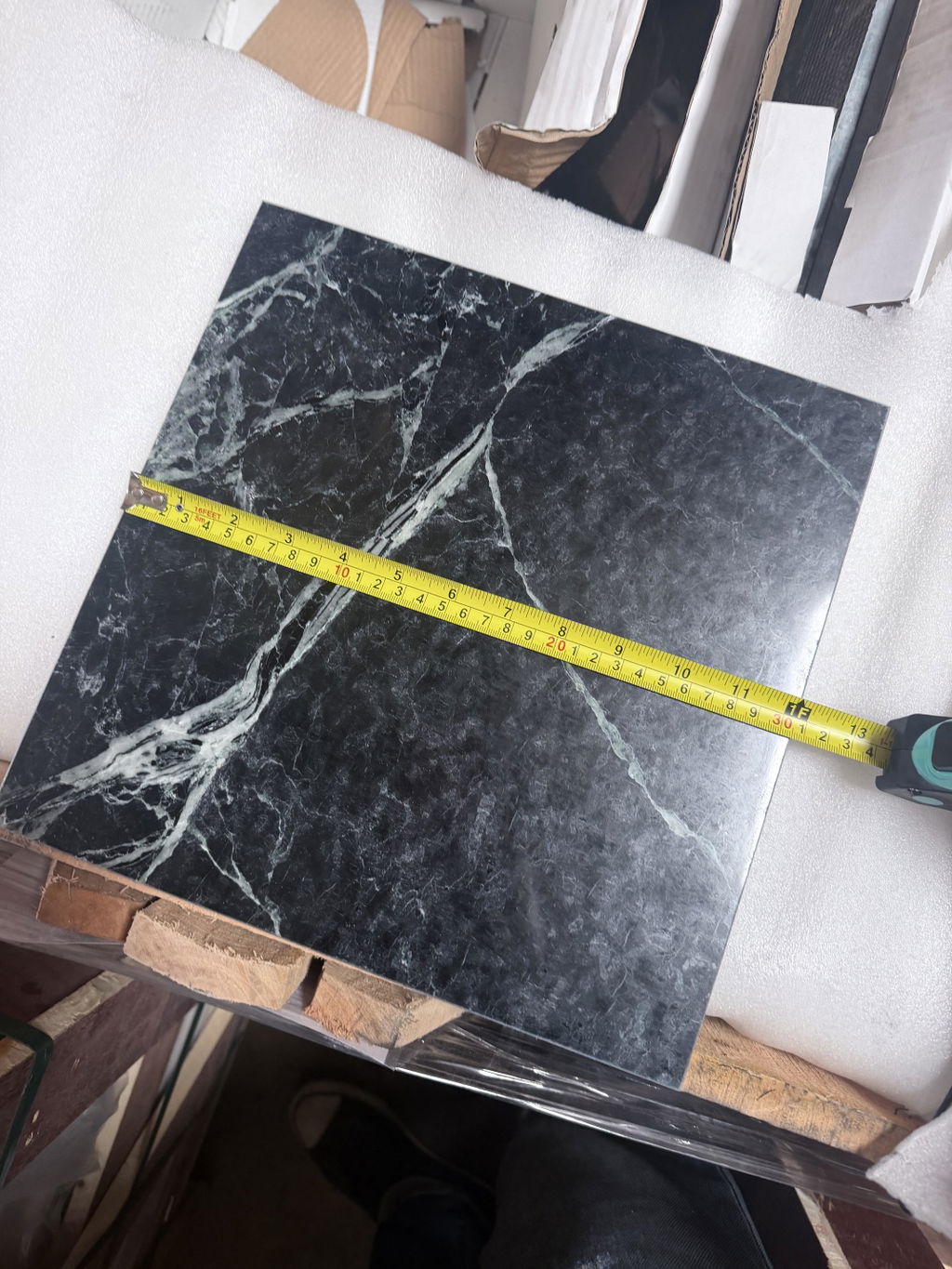
9. Nero Marquina marble for sophisticated black countertops
Nero Marquina reverses the usual white-marble formula with a deep black background and striking white veining. It creates instant contrast and gives an island, vanity, or perimeter counter a sophisticated, almost cinematic presence. The effect is especially strong against pale cabinetry.
Use it selectively if the room is small or receives limited daylight. A black island can be dramatic without making the entire kitchen feel dark, particularly when balanced with warm wood, reflective lighting, or light walls. Polished stone feels sleek and formal; honed stone has a more muted, tactile quality.
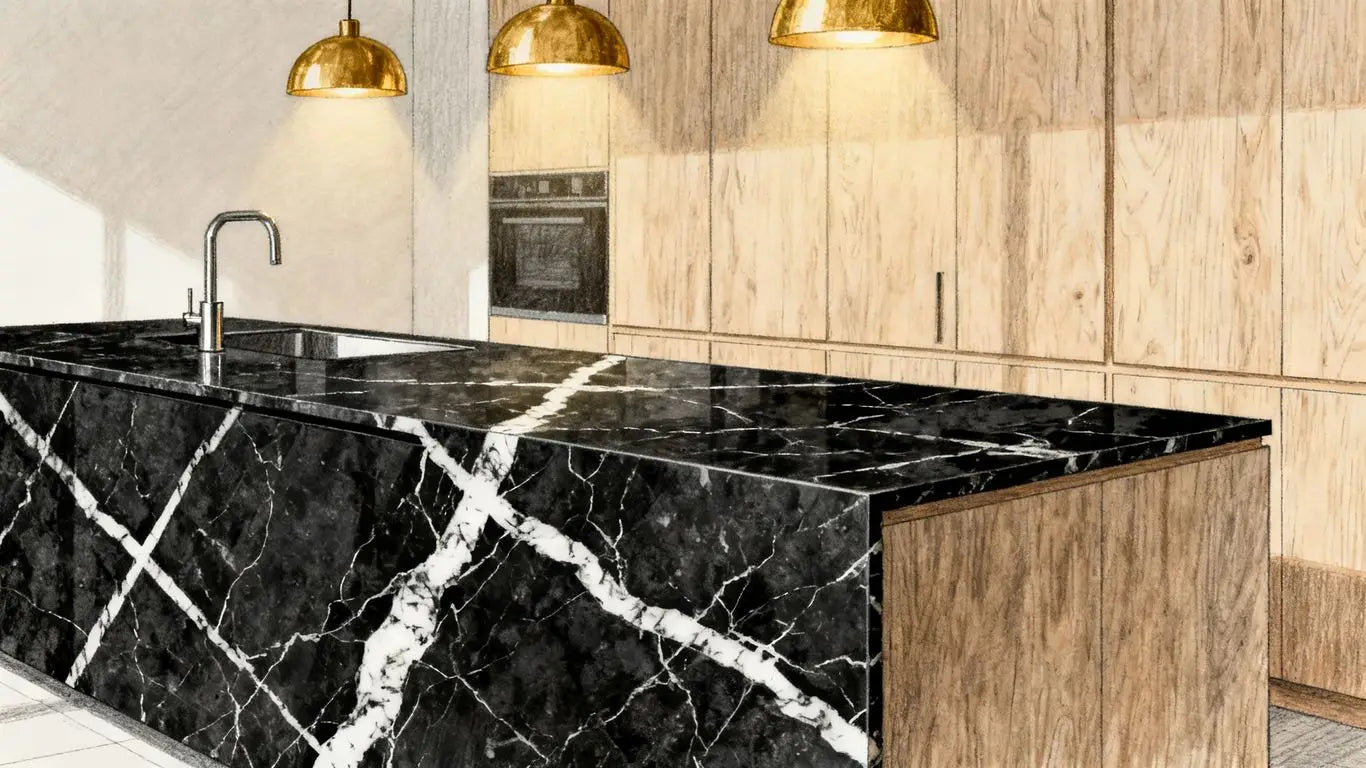
For a countertop-focused project, the Nero Marquina slab guide covers polished and honed finishes alongside installation, cleaning, and waste-factor considerations. Those details are worth reviewing before fabrication, because the bold pattern makes seams and layout choices highly visible.
10. Rosso Levanto marble for distinctive red and white contrast
Rosso Levanto is for the homeowner who wants color with unmistakable presence. Its deep red tones and contrasting light veining can turn a countertop into a memorable architectural accent. It feels rich, expressive, and far removed from an all-white kitchen formula.
The best approach is usually restraint. Pair the marble with cream, charcoal, natural wood, or simple painted cabinetry rather than several competing colors. A smaller island, bar, or baking station can introduce the stone beautifully without asking it to carry every surface.
Before choosing Rosso Levanto, study the slab in the room’s actual lighting. Red can shift warmer or cooler through the day, and vein direction will affect how the countertop reads from the main entry point. When the surrounding palette stays edited, the stone delivers a confident focal point instead of visual clutter.
Shop Marble With Confidence
Once you have narrowed the color and veining, request samples, confirm current stock, and compare the slab with your cabinet and flooring samples. Surfaces Galore is an Anaheim-based direct importer serving projects across the United States, so homeowners and designers can request a marble quote while planning quantities, finishes, and delivery.
Conclusion
The best marble for countertops is the one that fits both your design language and your daily habits. From quiet Carrara White and bright Thassos to expressive Arabescato, Nero Marquina, and Rosso Levanto, each variety creates a different atmosphere; careful slab selection, sealing, and maintenance help that beauty last.
Frequently Asked Questions
What is the best marble for countertops?
There is no single best option for every kitchen. Carrara White is versatile, Calacatta Gold is dramatic, Atlantic Gray is adaptable, and darker varieties such as Nero Marquina create strong contrast.
Is marble durable enough for a kitchen countertop?
Marble is a durable natural stone, but it can scratch, stain, or etch if neglected. Proper sealing, prompt spill cleanup, cutting boards, and suitable cleaners help protect the surface.
Which marble is easiest to coordinate with cabinets?
Carrara White, Bianco Dolomite, and Atlantic Gray are especially adaptable because their neutral backgrounds work with wood, white, gray, and colored cabinetry.
Should a marble countertop be polished or honed?
Polished marble has a reflective, formal appearance, while honed marble has a softer matte look. The better choice depends on the room’s style and how much surface variation you want to see.
Does every marble slab look the same?
No. Natural marble varies in background color, veining, movement, and density. Viewing the actual slab is the most reliable way to approve the material for a specific countertop layout.
How should marble countertops be cleaned?
Use a soft cloth, warm water, and a pH-neutral stone cleaner. Avoid acidic products such as vinegar or lemon-based cleaners, which may etch calcareous stone.
How can I choose the right marble color?
Start with the room’s natural light, cabinet color, flooring, and desired mood. Bring samples together and view them at different times of day before finalizing the slab.

Leave a comment