
Bardiglio marble 6X6 Tumbled: A complete guide to choosing, designing, and ordering this elegant gray tile

Key Takeaways
Bardiglio marble 6X6 Tumbled brings natural gray movement and a softly aged finish to both traditional and modern interiors.
- Expect natural variation in gray tone, veining, texture, and edge character.
- Use the 6X6 format for floors, walls, backsplashes, borders, and patterns.
- Plan grout, trim, mosaics, and companion stones as one visual composition.
- Confirm dimensions, thickness, finish, lot variation, samples, and waste before ordering.
- Work with an experienced natural stone installer and follow a careful sealing and cleaning routine.
What makes Bardiglio marble 6X6 Tumbled distinctive
Bardiglio marble 6X6 Tumbled has a composed, architectural presence without feeling severe. Its gray foundation works beautifully with bright whites, dark accents, aged metals, and warm wood. The smaller format also gives designers plenty of room to shape the rhythm of a room.
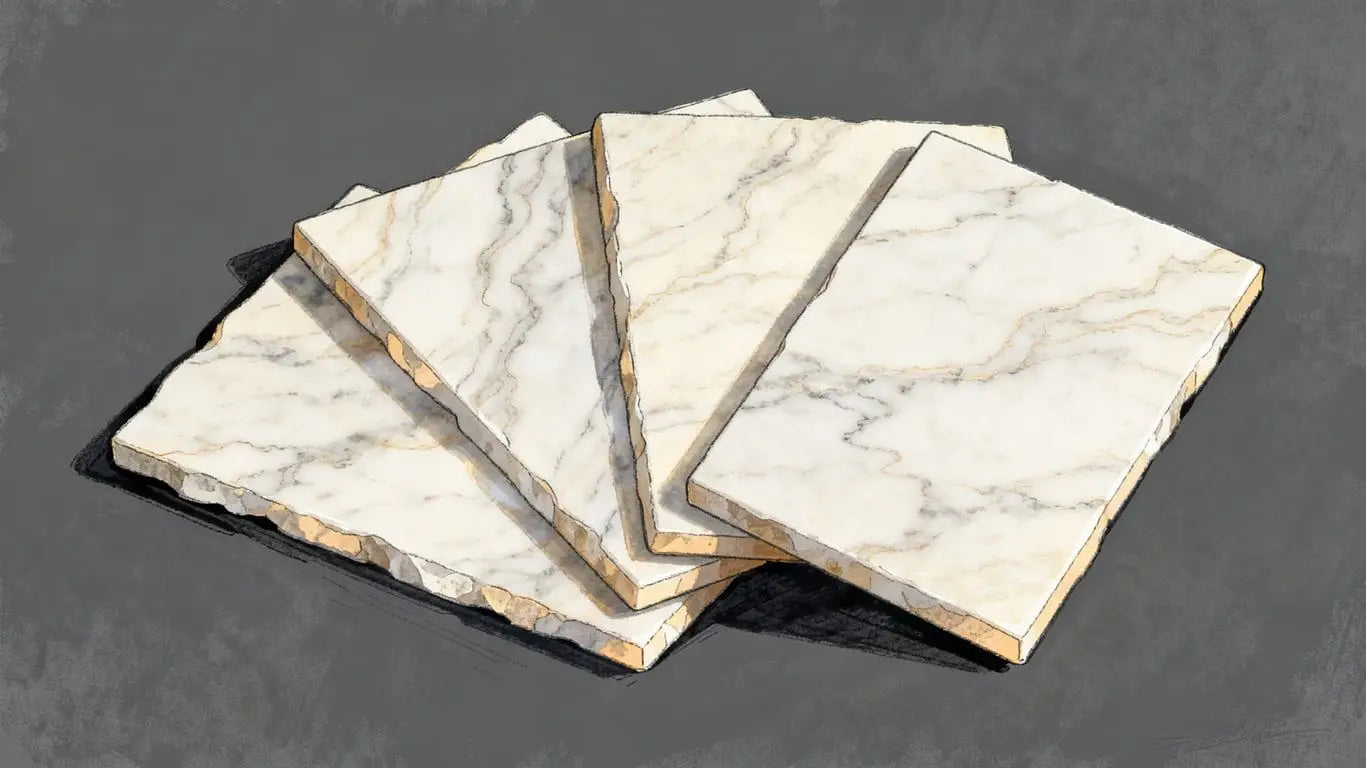
Gray tones, natural veining, and stone-to-stone variation
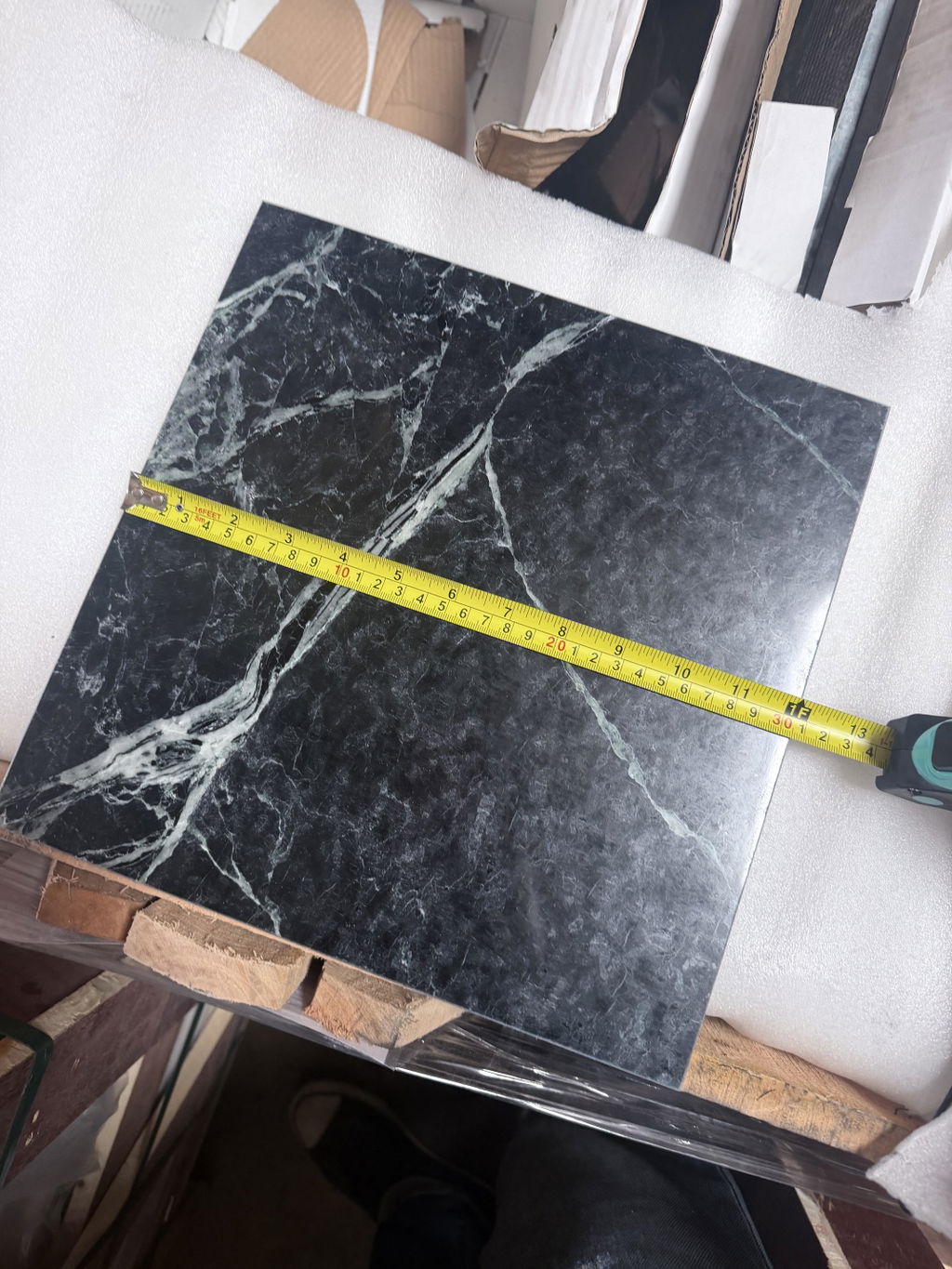
Bardiglio is valued for its rich gray tones and striking veining. Some pieces may read softly and evenly, while others carry stronger mineral movement. That variation is part of natural stone’s appeal, so the finished surface feels collected rather than mechanically repeated. Natural variation is the design feature, not a flaw to eliminate.
Before installation, lay tiles out in a dry arrangement and move pieces around until the overall balance feels right. A related Bardiglio Imperiale Marble tile format can also help when a project needs a larger scale on floors, walls, countertops, or backsplashes.
How the tumbled finish creates an aged, softened look
Tumbling gently softens the tile’s edges and surface character. The result is less formal than a crisp, sharply finished square, with a lived-in quality that suits old-world rooms and relaxed contemporary spaces alike. Light catches the small surface changes in a quiet, pleasing way.
Because the finish is textured and naturally varied, grout and cleaning choices matter. A sample should be viewed from several angles, especially where directional lighting will reveal the marble’s relief.
Why the 6X6 format suits classic and contemporary interiors
A 6X6 tile is large enough to feel orderly but small enough to support detail. It works in running-bond layouts, straight grids, checkerboards, framed panels, and transitions between larger field tiles. In a classic bathroom, it can feel appropriately established; in a contemporary kitchen, it adds texture without overwhelming clean cabinetry.
The format is also practical for defining zones. A border can frame a shower wall, a niche can receive a contrasting arrangement, or a modest accent area can gain visual weight without requiring a complicated custom design.
Bardiglio compared with other gray marble tiles
Gray marble is not one single look. Bardiglio tends toward a deeper, more dramatic gray presence, while lighter gray stones may create a brighter and airier background. The right choice depends on the room’s daylight, surrounding materials, and desired contrast rather than on color alone.
When comparing samples, assess the background tone, vein scale, edge softness, and surface texture together. A tile that looks similar online can feel quite different beside white paint, black hardware, or warm cabinetry.
Where to use Bardiglio marble 6X6 Tumbled
This tumbled gray marble is flexible enough for many interior applications. The natural stone can bring continuity from a bathroom floor to a shower wall, or create a focused moment behind a range. Start with the room’s moisture, traffic, and maintenance needs, then decide how much visual movement the space can comfortably carry.
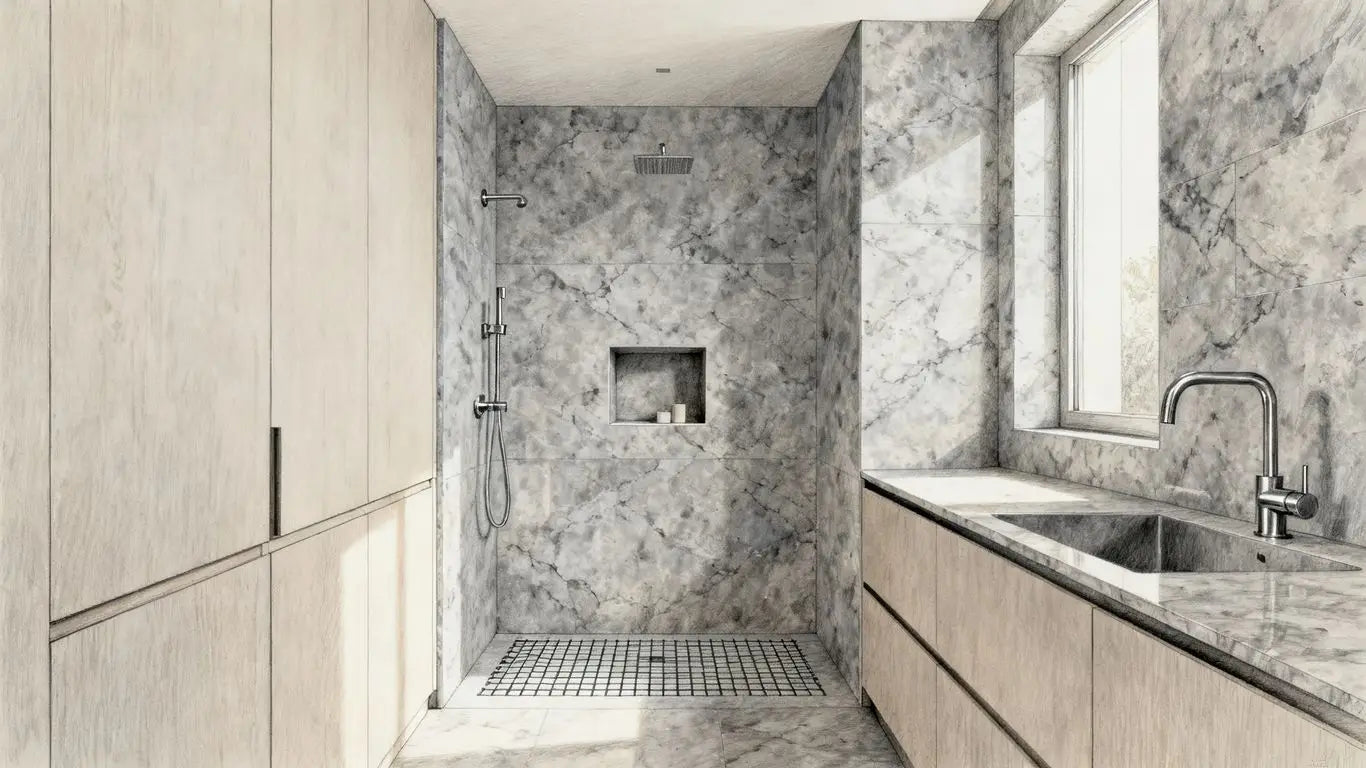
Bathroom floors, shower walls, and shower niches
Bardiglio can give a bathroom a grounded, spa-like mood. On a floor, the smaller square format creates a familiar tile rhythm; on shower walls, it adds depth without requiring a busy pattern. A niche or shower border can use the same stone in a different orientation for a subtle change.
Natural stone in wet areas needs proper substrate preparation, compatible setting materials, and sealing suited to the stone and installation. Confirm slip, drainage, and maintenance decisions with your installer before work begins.
Kitchen backsplashes and feature walls
A tumbled Bardiglio backsplash adds a soft gray layer behind white, charcoal, or wood cabinetry. The finish can temper polished surfaces and make a new kitchen feel less stark. Used across a feature wall, it becomes a calm backdrop for shelves, lighting, and metal fixtures.
For cooking areas, consider how the grout color will interact with splashes and daily cleaning. A sample board with cabinet, counter, and hardware finishes is often more revealing than a digital rendering.
Entryways, fireplaces, and accent areas
Entryways benefit from the tile’s visual structure and quietly varied surface. Around a fireplace, Bardiglio can create a tailored frame or a more relaxed surround, depending on the layout and trim. It also works well in small accent areas where a full slab would feel excessive.
Use transitions carefully when combining 6X6 tile with wood, another stone, or a larger marble size. The goal is a deliberate change in scale, not a collection of unrelated surfaces.
Interior design considerations for commercial spaces
In offices, hospitality interiors, and other commercial settings, gray marble can offer a polished foundation that does not compete with furniture or signage. The 6X6 format supports repeatable layouts and defined accent zones. Still, traffic, cleaning schedules, moisture exposure, and local installation requirements should guide the specification.
Review mockups in the actual project lighting. Commercial spaces often have stronger overhead illumination, which can make veining and texture appear more pronounced than they did in a sample room.
How to plan a design with tumbled Bardiglio tile
Good tile design begins before the first box arrives. Consider the complete palette: grout, cabinetry, paint, plumbing fixtures, trim, and adjacent flooring. Bardiglio is versatile, but a clear plan keeps its natural movement looking intentional.
Choosing grout color to complement the gray marble
A close gray grout can quiet the joints and let the veining lead. A lighter grout makes each square more visible and can produce a fresher, more graphic grid. A deeper charcoal tone increases contrast and gives the installation a stronger, more tailored outline.
Test grout on a sample assembly rather than judging a color card alone. Tumbled edges can create a softer joint than a straight-edged tile, and the final appearance may change as the grout cures.
Creating borders, checkerboard layouts, and decorative patterns
The 6X6 scale naturally supports borders and checkerboard compositions. Pairing Bardiglio with a light marble can brighten the pattern, while a darker companion creates a moodier floor. Borders can also organize a large room by framing the perimeter or separating a central field from circulation areas.
Keep the pattern proportional to the room. A strong checkerboard may be perfect in an entry, while a restrained border could be more comfortable in a compact bath.
Combining Bardiglio with white, black, or warm natural stone
White marble brings lift and clarity to Bardiglio’s gray depth. Black stone sharpens the contrast and creates a more dramatic scheme. Warm natural stone, wood, brass, and aged finishes soften the cooler side of gray and give the room a welcoming balance.
The best combinations usually share one connection, such as a repeated undertone, similar edge treatment, or related finish. Mixing every available texture at once can make even beautiful materials compete.
Coordinating tile, molding, trim, and mosaic elements
Trim should support the field tile rather than interrupt it. A narrow liner can finish a shower composition, while a molding may give a fireplace or backsplash a stronger architectural edge. Mosaic can define a niche or accent strip without forcing the entire room into a dense pattern.
The Bardiglio Collection includes marble tiles, slabs, mosaics, backsplashes, shower-floor tile, and other product types according to the available collection information. Sketch the elevations and note where each material begins and ends before finalizing quantities.
What to evaluate before purchasing
Natural stone deserves a closer buying process than a quick color selection. Confirm the physical specifications, inspect variation, and understand how much material the installation actually needs. These steps reduce surprises and make it easier to create a balanced finished surface.
Confirming tile thickness, edge profile, and surface texture
Ask for the nominal size, thickness, edge treatment, and finish of the specific tile being considered. Tumbled edges and textured surfaces may affect joint width, transitions, trim, and the amount of lippage that is visually acceptable. Also confirm whether the tile is intended for the application you have planned.
Do not assume that tiles from the same named collection feel identical across every size or finish. Compare the actual product specification and sample.
Reviewing color variation and veining across the lot
One tile can look beautiful in isolation while a full installation reveals a very different rhythm. Request representative pieces or photos from the available lot when possible. Look for the balance of light and dark gray, the direction of veins, and the concentration of movement.
A useful inspection checklist includes:
- Confirming the tile size and thickness.
- Checking for chipped corners, cracks, or unexpected surface defects.
- Reviewing several pieces together under project lighting.
- Separating pieces that need special placement near focal points.
This approach does not remove natural variation. It helps you place it thoughtfully.
Calculating square footage, waste, and replacement pieces
Measure each area separately, then add the quantities together only after accounting for layout changes. Include cuts around corners, niches, doors, fixtures, and transitions. Natural stone projects commonly need extra material for cuts, breakage, selection, and future repairs; the appropriate allowance depends on the pattern and installer’s plan.
Keep a few spare pieces after installation if storage allows. A replacement tile from the same material can be valuable years later, when color and availability may differ.
Requesting samples to assess the material in your lighting
A sample is one of the most useful purchases in the planning process. Place it beside flooring, cabinetry, paint, and metal finishes at different times of day. Examine it wet and dry where relevant, and view the edges from standing height as well as close up.
A broader tumbled Bardiglio tile sample can help you judge the architectural feel of the finish before committing to a larger order. This is especially helpful when the room has warm artificial lighting or limited daylight.
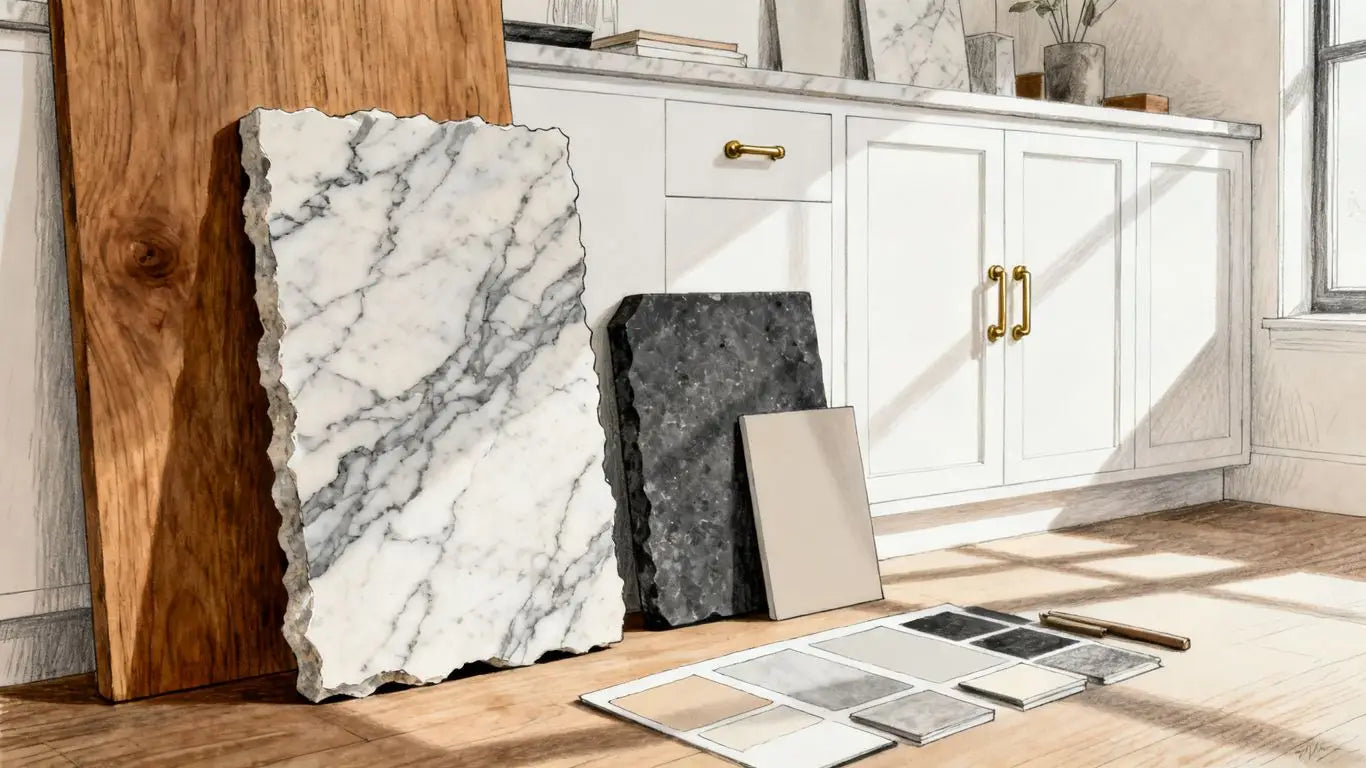
Installation and care requirements for Bardiglio marble
Marble rewards careful installation and gentle maintenance. The tumbled finish can be forgiving visually, but the stone still needs a sound base, correct setting products, and protection from unsuitable cleaners. Treat the material as a long-term surface rather than a disposable finish.
Preparing the substrate for natural stone tile
The substrate should be clean, stable, properly cured, and appropriate for natural stone. Any movement, moisture issue, unevenness, or weak area can affect the finished installation. Your installer should verify the surface and plan transitions before setting begins.
Dry-laying a portion of the tile helps reveal color distribution, pattern scale, and cut locations. It also gives the installer a chance to discuss joint alignment and focal areas before mortar is applied.
Selecting setting materials and an experienced installer
Choose setting materials according to the stone, substrate, location, and manufacturer instructions. An installer familiar with natural marble can plan for tumbled edges, variation, cutting, grout haze, and transitions with fewer surprises.
Ask how the installer will inspect, dry-fit, set, grout, seal, and clean the tile. Clear answers are more valuable than a rushed promise of a perfect result.
Sealing tumbled marble before and after grouting
Tumbled marble is often sealed before grouting to help reduce grout absorption and staining, followed by any post-grout protection recommended for the selected sealer. The exact sequence depends on the stone, grout, sealer, and project conditions.
Always test products in an inconspicuous area first. A sealer can deepen color or change the surface appearance, so the desired finish should be agreed upon before the full installation is treated.
Cleaning safely without dulling or staining the surface
Use a cleaner made for natural stone and follow its dilution directions. Avoid harsh acids, abrasive powders, and products that leave a sticky film. Wipe spills promptly, especially in kitchens and bathrooms, then use clean water and a soft cloth or mop for routine care.
The tumbled surface may hide minor marks better than a highly reflective finish, but it should still be cleaned regularly. If residue or staining persists, consult a stone-care professional rather than escalating to a stronger household chemical.
Managing moisture, etching, and everyday wear
Marble can react to acidic substances, while moisture can create problems when the installation or ventilation is inadequate. Use mats at entries, keep bathroom surfaces ventilated, and avoid leaving standing water on horizontal areas. Periodic inspection helps identify worn sealer, loose pieces, or failing caulk early.
For installation-specific guidance, review a detailed marble installation guide and confirm every step with the responsible installer. Product guidance is helpful, but the installer remains responsible for site conditions and workmanship.
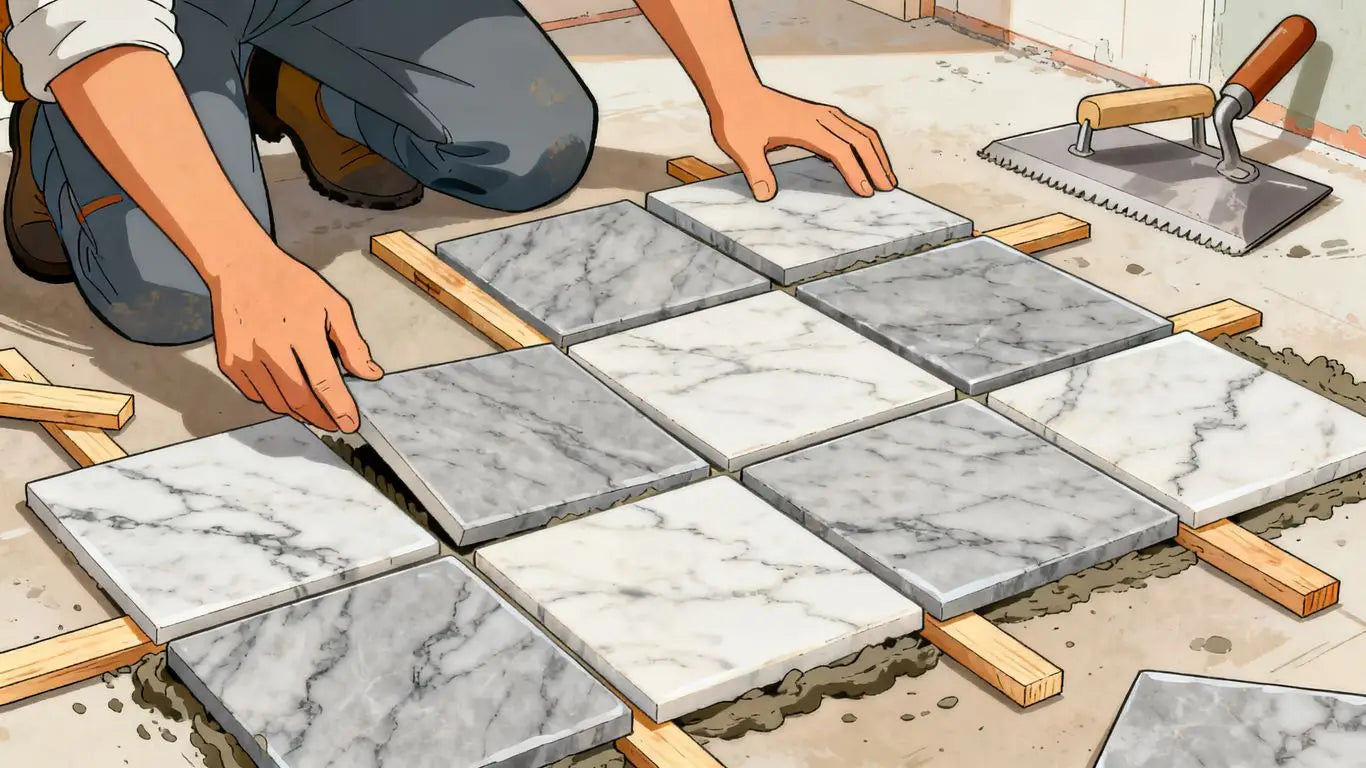
Ordering Bardiglio marble 6X6 Tumbled from Surfaces Galore
Ordering natural stone is easier when design decisions and logistics are handled together. Surfaces Galore is an Anaheim, California–based direct importer and nationwide supplier of premium natural stone, including marble and travertine tiles, mosaics, and moldings. For buyers who want to buy marble tiles online USA, the practical next step is to confirm the exact finish, quantity, and delivery requirements before placing an order.
Checking current Bardiglio Collection stock and availability
Stock can change, especially for a natural stone format with a specific size and finish. Ask about current Bardiglio Collection availability, lot characteristics, packaging, and expected timing. If the project is phased, confirm whether enough material can be reserved for the full installation.
The collection information identifies Bardiglio Imperiale Marble products in multiple forms, including tiles, slabs, mosaics, backsplashes, and shower-floor tile. Match the product type to the room rather than assuming every Bardiglio item has the same use or finish.
Requesting a quote for residential, design, and commercial projects
A useful quote should reflect the measured square footage, waste allowance, desired finish, delivery location, and any related trim or mosaic needs. Homeowners, interior designers, and architects can provide plans or elevations when requesting pricing so the material list is easier to review.
Surfaces Galore serves homeowners, interior designers, and architects across the United States with premium natural stone materials and competitive pricing. To move the conversation forward, request a quote with the project area and preferred Bardiglio format.
Using bulk discounts for larger installations
Larger projects may qualify for bulk discounts, but pricing depends on the material, quantity, and order details. Ask for the current terms before finalizing the specification. Ordering the complete project at once can also help maintain a more consistent lot and simplify freight planning.
Make sure the quote includes enough overage for cuts and future replacements. A lower initial quantity is rarely a saving if matching material must later be sourced.
Arranging nationwide shipping from Anaheim, California
Surfaces Galore ships nationwide from Anaheim, California. Provide the complete delivery address, site access details, contact information, and timing needs when requesting freight. Insured shipping and delivery coordination should be discussed before the order is released.
Inspect cartons promptly when they arrive and follow the seller’s process for reporting damage or shipping issues. Keep packaging and photographs if a claim is needed.
Getting assistance with samples, quantities, and material selection
A short conversation can clarify whether the 6X6 tumbled format suits the layout, whether a mosaic or molding is needed, and how much overage to include. Share inspiration images, room dimensions, cabinet samples, or a simple sketch. Those details make the material selection more focused.
Surfaces Galore’s Bardiglio Imperiale Marble offering is positioned for residential and commercial spaces, with products intended for floors, walls, countertops, backsplashes, and related applications. Final suitability still depends on the specific product, site conditions, installation, and care plan.
Conclusion
Bardiglio marble 6X6 Tumbled offers a rare balance of character and control: rich gray color, natural veining, softened edges, and a format that supports everything from quiet grids to expressive borders. With careful sampling, realistic quantities, qualified installation, and a considered maintenance plan, it can give bathrooms, kitchens, entries, and feature areas an elegant surface that feels established from day one.
Frequently Asked Questions
Is Bardiglio marble 6X6 Tumbled suitable for bathroom floors?
It can be suitable for bathroom floors when the specific tile, substrate, drainage, setting materials, and maintenance plan are appropriate. Confirm application details with an experienced natural stone installer.
What does a tumbled finish look like?
A tumbled finish usually has softened edges and a gently weathered surface. It creates a more relaxed, aged appearance than a sharply finished tile.
Does every Bardiglio tile have the same color and veining?
No. Natural marble varies from piece to piece in background tone, veining, mineral movement, and texture. Reviewing several tiles together helps you understand the overall lot.
What grout color works best with gray marble?
A matching gray grout creates a quieter field, while lighter or darker grout increases joint contrast. Test several options beside the actual tile before installation.
How much extra tile should be ordered?
The amount depends on room shape, cuts, pattern, installer technique, and the possibility of future repairs. Measure carefully and ask the installer to recommend a suitable allowance.
Can tumbled Bardiglio be used in a kitchen backsplash?
It can be considered for a backsplash when the selected tile and sealer are appropriate for the location. Plan for cooking splashes and use a cleaner intended for natural stone.
How should tumbled marble be cleaned?
Use a pH-neutral cleaner formulated for natural stone, avoid acids and abrasive products, and wipe spills promptly. Follow the sealer manufacturer’s care directions when applicable.

Leave a comment