
Designer Guide to Travertine: Elevating Luxury Spaces

Over 85 percent of top American luxury residences in California feature natural stone as a primary design element. For interior designers and architects, mastering travertine selection and installation is vital for creating visually stunning and functional spaces that impress discerning clients. This guide delivers practical strategies and design inspiration for incorporating travertine into elite projects, helping you achieve the refined look and performance your clients expect.
Table of Contents
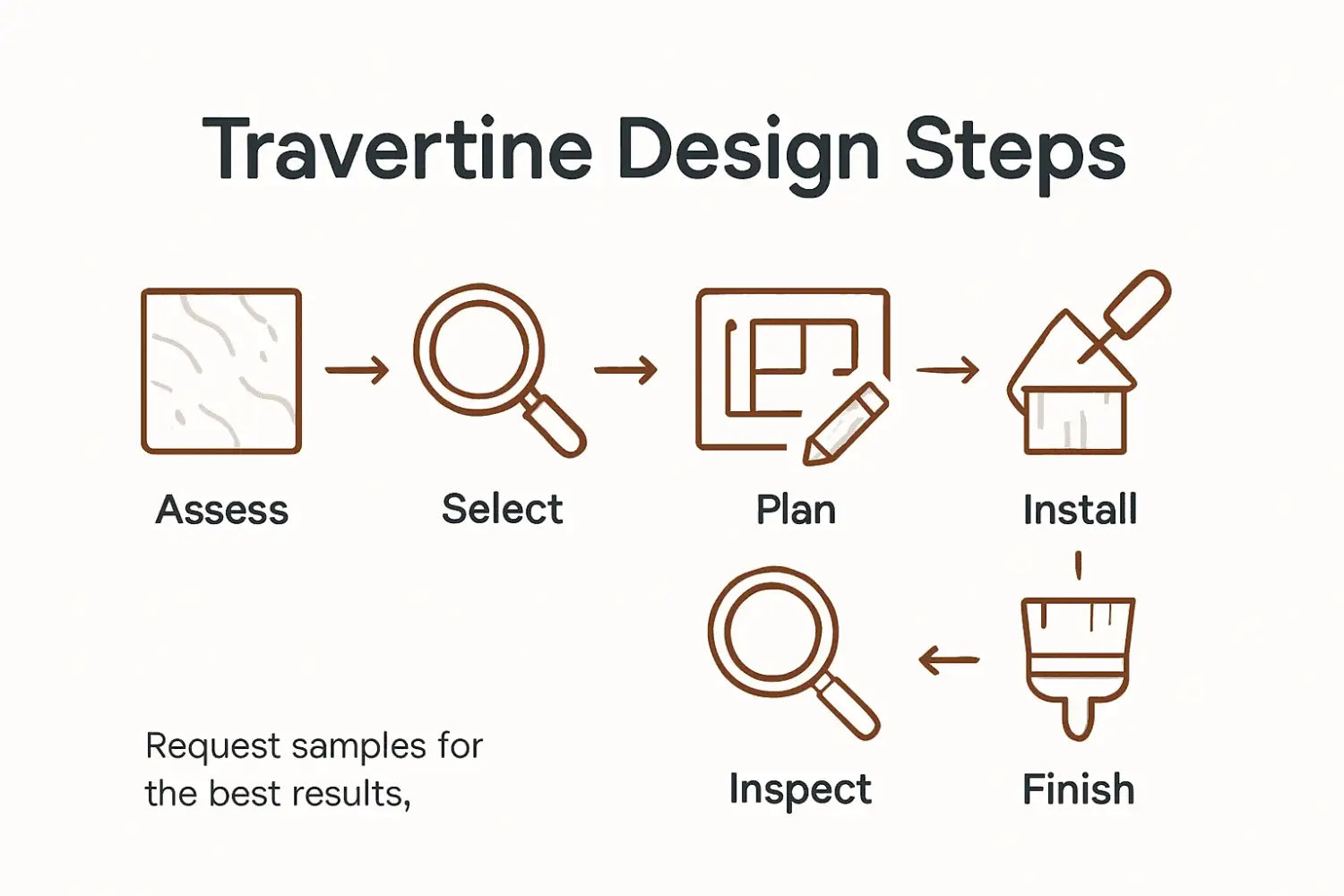
- Step 1: Assess Project Requirements And Style Goals
- Step 2: Select Premium Travertine For Your Design
- Step 3: Plan Layouts And Patterns For Visual Impact
- Step 4: Coordinate Installation With Precision
- Step 5: Verify Quality And Achieve A Polished Finish
Quick Summary
| Key Point | Explanation |
|---|---|
| 1. Define Project Requirements Clearly | Assess architectural elements and desired aesthetics to create a cohesive design with travertine. |
| 2. Choose Premium Travertine Wisely | Evaluate color consistency, density, and absorption to ensure durability and aesthetic appeal for the designated application. |
| 3. Plan Layouts for Maximum Visual Impact | Strategically position slabs and consider vein trends and color gradations to enhance the overall design. |
| 4. Coordinate Installation with Attention to Detail | Ensure level substrate preparation and precise handling to maintain the integrity and aesthetic of the travertine. |
| 5. Conduct Thorough Quality Checks Pre-Finish | Inspect slabs for color uniformity and surface consistency while confirming appropriate finishing techniques for durability. |
Step 1: Assess Project Requirements and Style Goals
Navigating the intricate world of travertine design requires a strategic approach to understanding your project’s core requirements and aesthetic vision. When working with natural stone, every detail matters. Effective project planning starts with clearly defining the project’s scope and style goals, ensuring you create a cohesive and stunning design that meets both functional and artistic objectives.
Begin by conducting a comprehensive assessment of your space. Examine the architectural elements, existing color palette, lighting conditions, and overall design aesthetic. For luxury residential projects in California, travertine often serves as a statement material that bridges elegance and functionality. Consider how the stone will interact with surrounding surfaces, furniture, and architectural features. Ask yourself critical questions: Will this be a flooring installation? A feature wall? A bathroom renovation? Each application demands unique considerations regarding stone selection, color variation, finish type, and installation method.
Your initial research should include gathering visual references, understanding client preferences, and evaluating the practical performance requirements of the space. Travertine offers remarkable versatility but demands careful selection based on traffic patterns, moisture exposure, and maintenance capabilities. Analyze samples under different lighting conditions, and create mood boards that showcase potential color and texture combinations.
Pro tip: Always request multiple travertine samples and view them in the actual project space to understand how natural light and surrounding elements influence the stone’s appearance.
Step 2: Select Premium Travertine for Your Design
Selecting the perfect travertine requires a nuanced approach that balances aesthetic beauty with technical performance. Professional designers understand that premium travertine selection involves evaluating its natural color variations, structural integrity, and sourcing authenticity to ensure exceptional design outcomes.
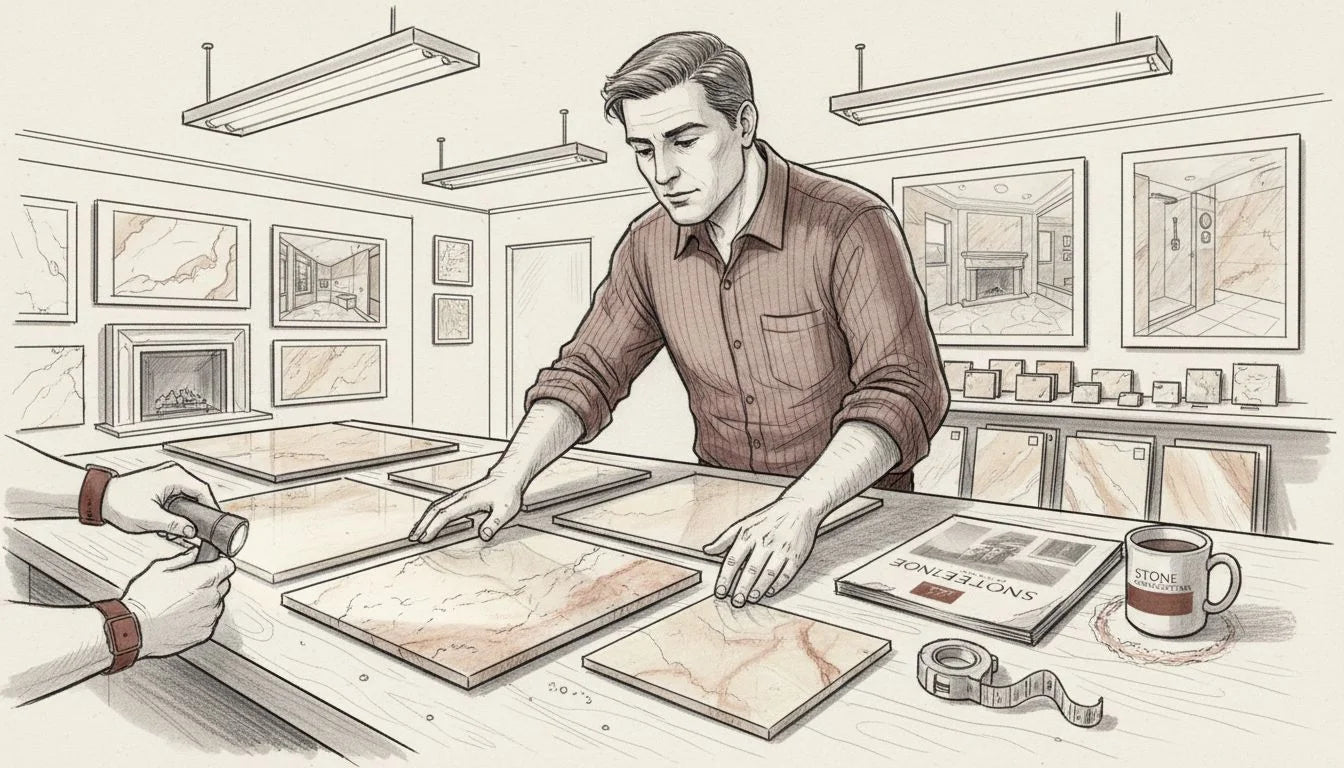
Understand the critical physical characteristics that define premium travertine. The ASTM C1527/C1527M standard provides comprehensive guidelines for material selection, specifying essential criteria like density, absorption rates, strength, and abrasion resistance. When examining potential travertine options, focus on key visual and structural elements: color consistency, natural veining patterns, surface finish options (polished, honed, tumbled), and overall structural integrity. Pay close attention to how different finish types interact with light and complement your specific architectural environment.
Consider the intended application carefully. Travertine used for high traffic areas like entryways requires different selection criteria compared to decorative wall features or bathroom installations. Analyze samples under various lighting conditions, examining how color and texture change throughout the day. Request multiple samples from different quarry locations to understand the full range of natural variation possible within a single stone type.
Pro tip: Request travertine samples cut from the same block to ensure consistent color and texture throughout your design project.
Here’s a summary of travertine finish types and their design impact:
| Finish Type | Appearance in Space | Best Use Case |
|---|---|---|
| Polished | Reflective, formal | Luxury bathrooms, walls |
| Honed | Matte, smooth | High traffic floors |
| Tumbled | Rustic, textured | Outdoor patios, accent walls |
| Brushed | Subtle texture | Entryways, feature areas |
Step 3: Plan Layouts and Patterns for Visual Impact
Creating a stunning travertine design requires strategic planning and an artistic approach to showcasing the stone’s inherent beauty. When planning layouts, designers must carefully consider the stone’s natural color, texture, and pattern characteristics to maximize visual appeal, transforming spaces from ordinary to extraordinary.
Effective travertine layout involves blending slabs with meticulous attention to vein trends, color variation, and overall visual harmony. Begin by creating a comprehensive mockup that reveals how different slabs interact. Pay special attention to natural vein directions and color gradations, ensuring each piece complements adjacent sections. Professional designers recommend using range mockups and mixed pallets to achieve balanced visual effects, strategically positioning tiles to create seamless transitions and highlight the stone’s unique characteristics.
Consider the specific architectural context of your space. Large format rooms might benefit from book matching techniques, where adjacent slabs mirror each other to create stunning symmetrical patterns. Smaller spaces could utilize more intricate laying patterns that create visual interest without overwhelming the environment. Always mock up your design before final installation, viewing samples under different lighting conditions to understand how natural and artificial light will interact with the travertine’s surface.
Pro tip: Create a full scale layout template on the floor using paper or cardboard to visualize tile placement and pattern flow before actual stone installation.
Step 4: Coordinate Installation with Precision
Successful travertine installation requires meticulous planning and expert coordination among all project stakeholders. Installation demands strict adherence to standards that detail proper handling, cutting, and laying techniques to maintain dimensional stability and surface integrity, ensuring your design vision translates perfectly from concept to reality.
Precise installation practices are critical, involving comprehensive verification of stone flatness, calibration of thickness, and ensuring consistent profiling of moldings and trims. Begin by scheduling detailed coordination meetings with your fabricator, installer, and design team to establish clear expectations. Discuss the unique characteristics of your selected travertine, including its natural variation, porosity, and potential structural nuances that might impact installation. Professional designers recommend creating a comprehensive installation guide that outlines exact placement specifications, highlighting areas requiring special attention such as corners, edges, and transitions between different surface types.
Pay particular attention to substrate preparation, which forms the critical foundation for a flawless installation. Ensure the underlying surface is completely level, clean, and structurally sound before stone placement begins. Consider potential moisture barriers, expansion joints, and environmental factors that could affect long-term performance. Communicate openly with your installation team about expected tolerances, discussing strategies for managing the natural variations inherent in travertine to achieve a seamless, professional finish.
Compare key site conditions affecting travertine installation and quality:
| Condition | Impact on Stone | Best Practice |
|---|---|---|
| Lighting Variation | Alters color | Examine samples under all lighting |
| Substrate Flatness | Prevents cracks | Level foundation before installation |
| Moisture Exposure | Increases wear | Use moisture barriers and sealants |
| Traffic Patterns | Leads to abrasion | Select dense, resistant stone |
Pro tip: Create a detailed installation mockup using actual stone samples to preview potential challenges and alignment issues before full project implementation.
Step 5: Verify Quality and Achieve a Polished Finish
Elevating your travertine design requires a meticulous approach to quality verification and surface finishing. Quality verification for travertine encompasses comprehensive inspection of color consistency, surface characteristics, and structural integrity, transforming raw stone into a luxurious design element.
The ASTM specification provides critical guidance for quality checks, including rigorous physical property tests that assess absorption, abrasion resistance, and overall stone strength. Professional designers recommend a systematic verification process that begins with visual inspection, examining each stone slab for color uniformity, natural variation, and potential surface imperfections. Pay special attention to hole filling quality, ensuring that any natural cavities are professionally treated to create a smooth, consistent surface. Consider the desired finish whether polished, honed, or textured and how it will interact with your specific design environment.
Understand that achieving a superior finish requires specialized techniques tailored to travertine’s unique properties. Work closely with stone fabrication experts who can demonstrate their proficiency in surface preparation, edge finishing, and final polishing techniques. Request sample boards that showcase different finish levels and examine them under various lighting conditions to understand how the stone will perform in your specific space. Evaluate not just the aesthetic appeal but also the long term durability and maintenance requirements of your chosen finish.
Pro tip: Request stone samples from different sections of the quarry to ensure consistent color and texture throughout your entire installation.
Elevate Your Space with Premium Travertine from Surfaces Galore
Designing with travertine demands attention to every detail from stone selection to installation. This article highlights the challenges of choosing consistent colors, understanding finishes, and planning layouts that bring out travertine’s timeless beauty. If you want to overcome these obstacles and achieve a luxury look that impresses, start with the highest quality material and expert guidance.
Discover how Surfaces Galore simplifies your travertine project with our direct import of premium natural stone. Whether you need carefully sourced tiles that meet ASTM standards or a variety of finishes and sizes for any design, we provide durable and authentic options shipped nationwide from Anaheim, California. Visit Surfaces Galore to browse our collections and access valuable resources that empower your creativity. Act now to secure stone that guarantees consistent color and superior performance, ensuring your design vision becomes reality without compromise.
Frequently Asked Questions
How do I assess my project’s requirements for using travertine?
Evaluating your project’s requirements involves examining your space’s architectural elements, existing color palette, and overall design aesthetic. Take detailed measurements and gather visual references to create mood boards that reflect your design vision.
What factors should I consider when selecting premium travertine?
Selecting premium travertine requires assessing its color variations, structural integrity, and finish types. Analyze samples for absorption rates and strength, and request pieces from the same block to ensure consistent color throughout your project.
How can I effectively plan layouts and patterns for my travertine design?
To create an appealing travertine layout, sketch mockups that consider natural vein trends and color variations. Experiment with different tile positions to achieve a harmonious design that enhances the space, and always verify your choice under varying lighting conditions.
What are the best practices for coordinating the installation of travertine?
Successful installation of travertine begins with thorough planning and open communication with your installation team. Schedule meetings to discuss handling techniques and ensure your underlying surface is prepared to prevent future issues during installation.
How can I verify the quality of my travertine before finalizing the installation?
Verify travertine quality by performing a visual inspection for color consistency and surface defects. Ensure holes are professionally filled, and assess the finish type under various lighting conditions to confirm it aligns with your design intentions.
Recommended
- The Enduring Appeal of Travertine Tile in Modern Homes
- Timeless Elegance of Travertine Ivory Stone Surfaces– SurfacesGalore
- Elegant Travertine Tile for a Stylish Bathroom Update
- Choosing the Right Travertine Flooring Tile for Your Home
- 10 Winning CEU Course Topics for Hospitality Manufacturers - CEU Builder

Leave a comment