
How to choose a natural stone tile supplier for a lasting, luxury installation

Key Takeaways
A lasting stone installation starts with a clear project brief and a supplier that can answer practical questions. Use these points to guide your comparison.
- Match the stone, finish, and format to the room’s use.
- Compare marble, travertine, and limestone by appearance and maintenance needs.
- Confirm sizing, stock, samples, freight, and delivery access before ordering.
- Plan for professional installation, sealing, cleaning, and replacement material.
- Choose a supplier with suitable collections and support for your project scale.
Define your project before comparing suppliers
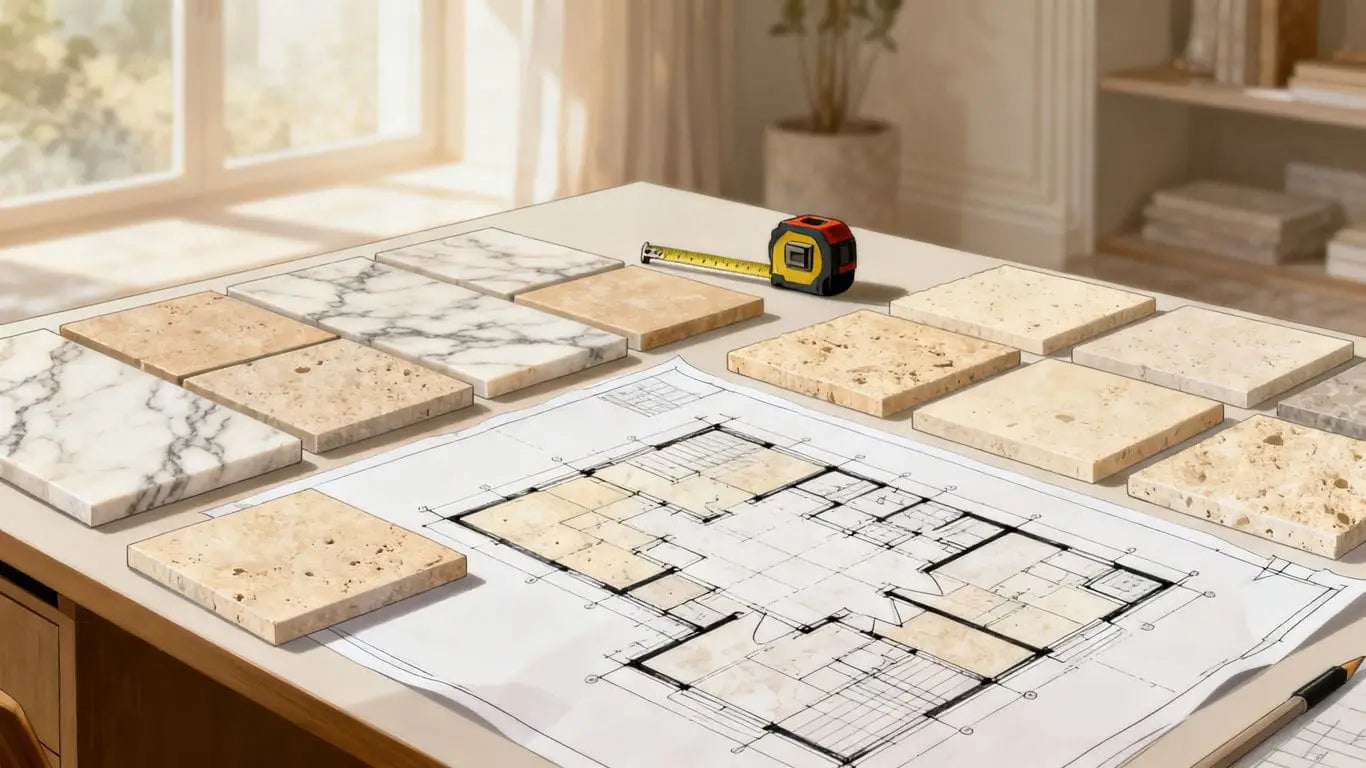
A beautiful tile can still be the wrong choice if it does not suit the room or installation conditions. Start with the space, the people using it, and the look you want to preserve for years. Then turn those decisions into a practical material list. A clear brief makes every natural stone tile supplier easier to compare.
Identify the room, application, and traffic level
A hallway, shower floor, kitchen backsplash, and covered patio each place different demands on tile. High-traffic floors need a surface that can handle regular wear, while wet areas call for suitable slip resistance and careful installation. Marble brings a refined look to bathrooms, entries, and feature walls; travertine is often considered for floors, patios, and pool areas; limestone offers a softer, quieter appearance.
Think beyond the room label. Note sunlight, moisture, furniture, pets, and the amount of cleaning the surface will receive. These details help narrow the material and finish before you fall in love with a particular color.
Set tile, mosaic, trim, and accessory requirements
Tile is only part of a finished installation. Write down whether you need field tile, mosaics, moldings, borders, thresholds, stair pieces, or custom-cut accessories. A restrained marble field tile may need a coordinating liner, while a travertine floor may look more complete with a matching border or paver.
Mosaics can shape the character of a room without covering every surface. For example, a small-format pattern can define a shower floor or backsplash while larger tiles keep the surrounding design calm. Request all related pieces early so color and finish decisions remain consistent.
Establish measurements, budget, and project timeline
Measure the installable area, then account for cuts, breakage, and natural variation. Your installer can help confirm the appropriate waste allowance, especially where the layout includes diagonals, borders, or intricate mosaics. Include setting materials, sealing, freight, and labor in the working budget rather than treating tile price as the complete cost.
A simple project sheet should record the following before you request quotes:
- Room dimensions and intended application.
- Preferred stone, color family, finish, and tile size.
- Quantities for field tile, mosaics, trim, and accessories.
- Target installation date and delivery deadline.
This preparation gives suppliers a useful brief and makes differences between quotes much easier to understand.
Compare marble, travertine, and limestone collections
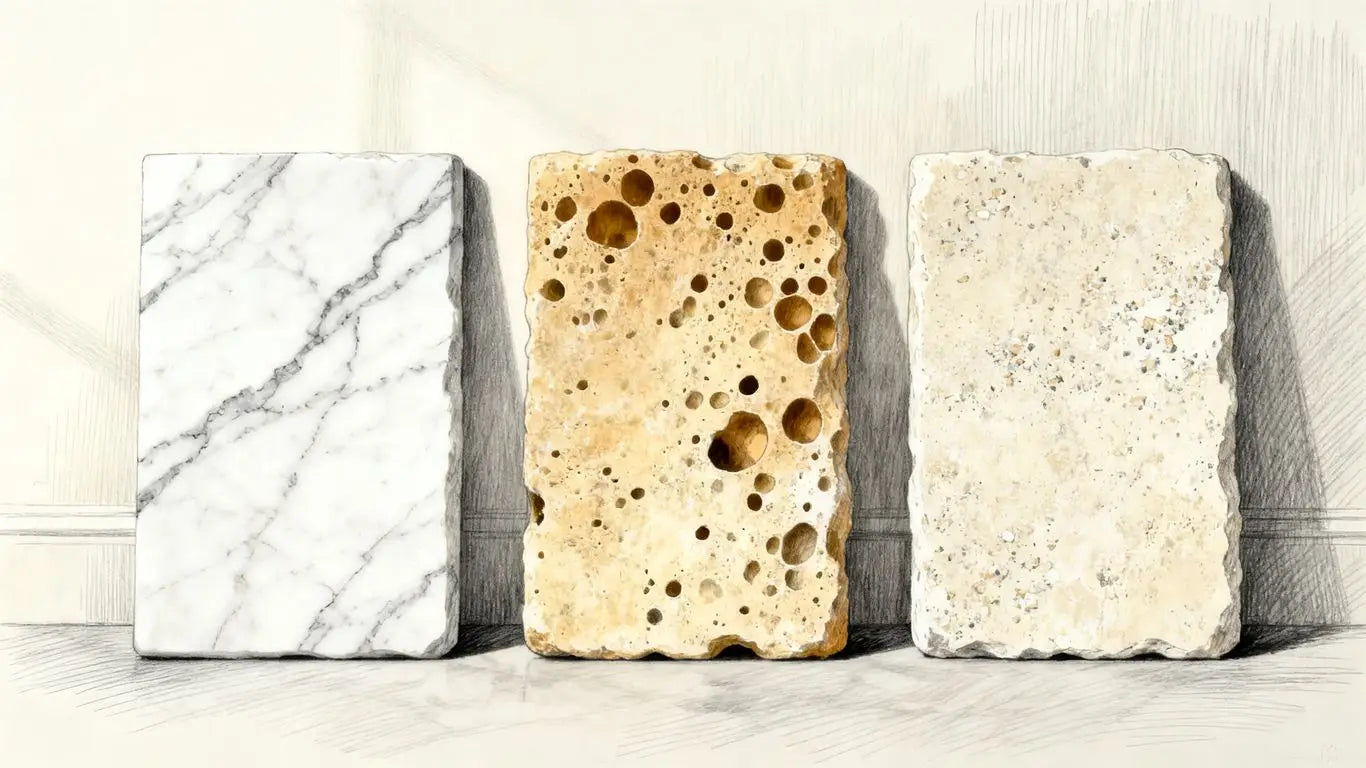
Natural stone earns its appeal from variation: veining, pores, tonal shifts, and a tactile surface that changes with the light. Marble, travertine, and limestone each create a different mood, even when they share a warm neutral palette. Compare them by both visual character and the way you expect the room to function.
Choose marble for distinctive luxury and veining
Marble is a natural choice when the design depends on movement and contrast. White varieties with delicate gray veining can keep a bathroom bright, while darker or more dramatic varieties create a strong fireplace, foyer, or accent wall. Polished marble reflects light; honed marble has a softer, matte presence.
For a classic reference point, Carrara White Marble offers a pristine white base with delicate gray veining and can suit kitchens, bathrooms, and living areas. Remember that marble is more prone to scratching and staining than harder stones, so the intended application and maintenance routine matter.
Select travertine for warmth and indoor-outdoor versatility
Travertine brings earthy color, visible texture, and an easy sense of warmth. It can work across indoor floors, walls, backsplashes, patios, and pool areas when the selected product is suitable for the application. Honed and filled surfaces feel smoother and more settled, while tumbled finishes create an aged, rustic impression.
The Antico Onyx Travertine collection illustrates how warm tones and intricate patterns can add character without making a room feel overly formal. Travertine is porous and generally needs sealing, but its natural variation is part of the reason it feels welcoming rather than manufactured.
Consider limestone for understated texture and timeless appeal
Limestone is well suited to designs that favor quiet texture over dramatic veining. Its lighter, marble-like appearance can bring continuity to floors, walls, and backsplashes, though it is softer and more porous than some alternatives. That makes application, sealing, and daily care especially relevant.
Use limestone when you want a calm foundation for wood, painted cabinetry, aged metals, or woven furnishings. Ask for the product’s specific recommendations instead of assuming every limestone tile will perform identically.
Match colors and patterns to your design vision
Begin with the room’s fixed elements: cabinetry, paint, counters, hardware, and natural light. Then decide whether the stone should blend quietly or become the focal point. Pattern, grout color, tile scale, and finish can change the impression as much as the stone type itself.
A sample viewed in a warehouse is useful, but a sample viewed beside your actual finishes is better. Place it in morning and evening light, and look at several pieces together. Natural variation should feel intentional across the installation, not like an unwelcome surprise.
Evaluate tile quality, finishes, and specifications
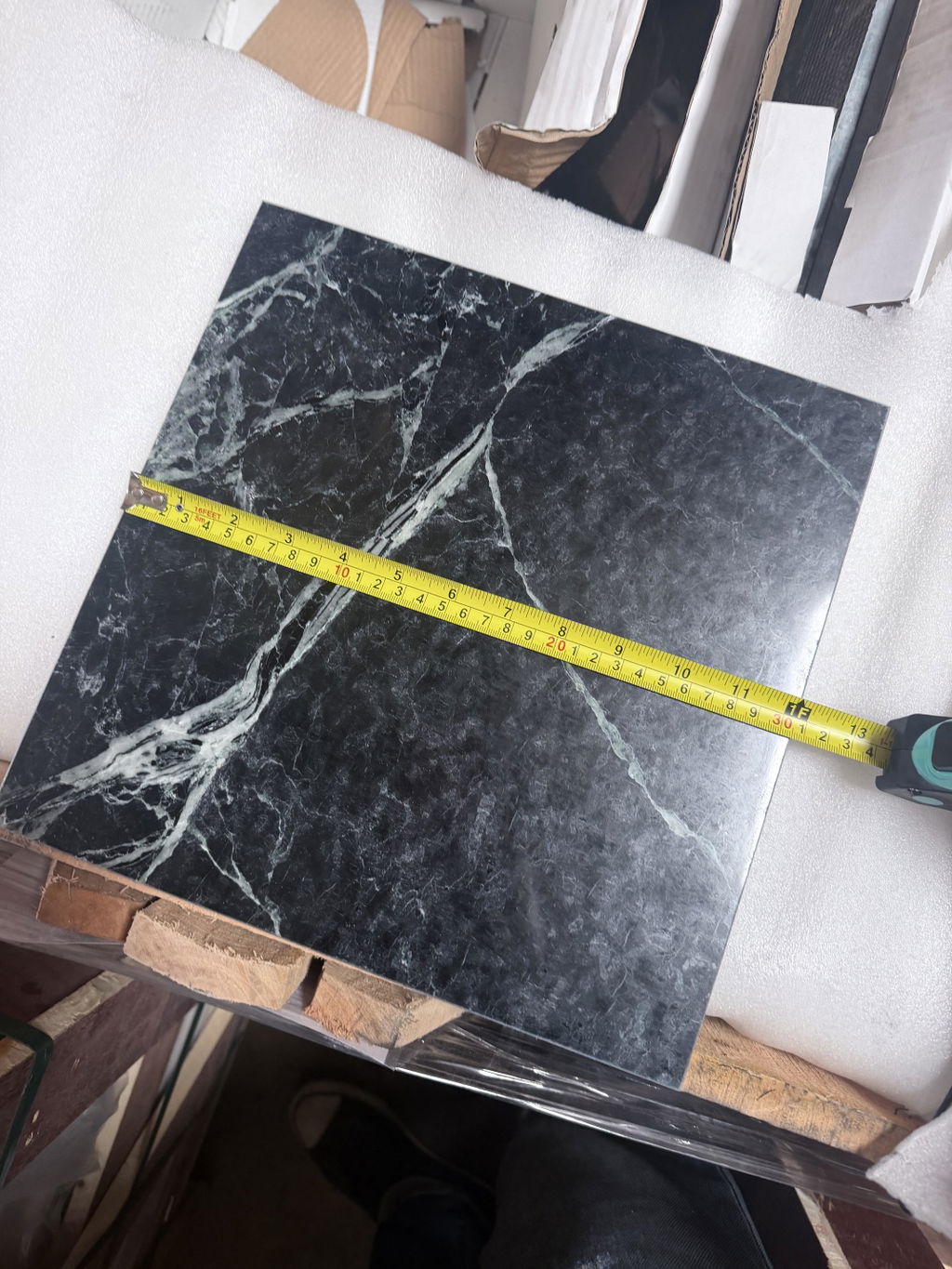
Quality is not only about a beautiful photograph. It includes consistent sizing, appropriate thickness, a finish suited to the use, and enough information for your installer to work confidently. Natural variation is expected, but cracks, chips, excessive warping, or unsuitable pieces should be identified before installation.
Review tile thickness, sizing, and surface consistency
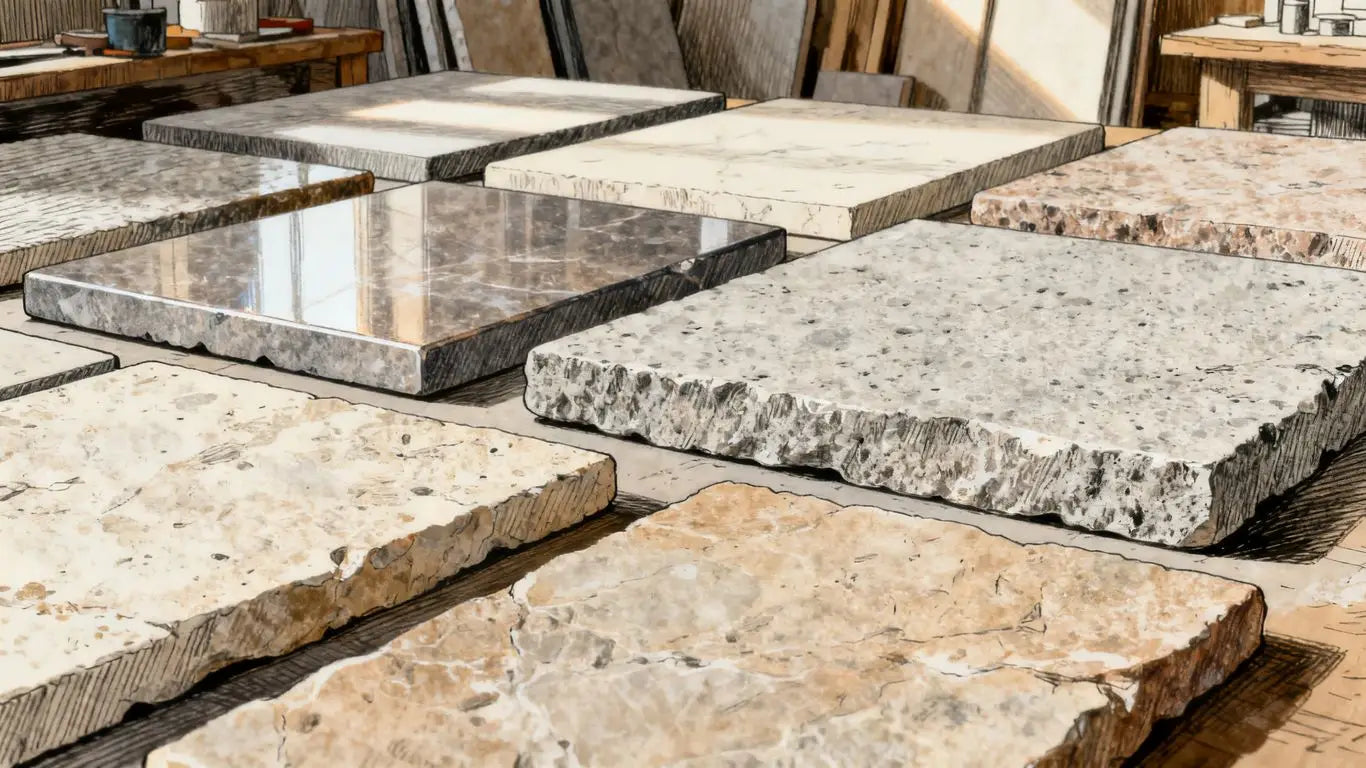
Ask for exact dimensions, thickness, edge treatment, finish, and recommended applications. Compare several pieces rather than judging one tile in isolation. This helps you understand the range of color, veining, pores, and texture that will arrive.
A dry layout is a sensible quality check. Arrange pieces before setting them to reduce awkward cuts and distribute natural variation attractively. If a tile looks questionable, set it aside and consult the supplier or installer before it is fixed in place.
Select polished, honed, tumbled, brushed, or textured finishes
Finish affects light, touch, traction, and upkeep. Polished surfaces are reflective and formal, honed surfaces are matte and restrained, and tumbled surfaces carry an aged, relaxed quality. Brushed or textured finishes can add grip and visual depth, particularly where a less-reflective appearance is preferred.
Choose the finish with the whole room in mind. A highly reflective floor may show marks more readily, while a textured surface can collect more dirt in its low points. The right finish is the one that supports both the design and the cleaning routine.
Check suitability for floors, walls, showers, and outdoor areas
Never rely on the stone name alone. Confirm whether the specific tile is recommended for floors, walls, showers, wet areas, or exterior use. Outdoor applications also require attention to climate, drainage, exposure, and installation method.
Natural stone can be versatile, but versatility is not a guarantee for every product. Product specifications and qualified installation advice should guide the final decision, especially for shower floors, pool surrounds, and areas exposed to freeze-thaw conditions.
Coordinate mosaics, moldings, borders, and custom-cut pieces
Decorative pieces give a project its finished edge. Mosaics can frame a niche or define a backsplash, while moldings and borders create transitions between materials. Check that the supporting pieces share the intended color family and finish with the main tile.
Custom-cut items can solve awkward corners and add useful details such as shelves, thresholds, or specialty shapes. Build those requirements into the first quote rather than treating them as last-minute additions. It is easier to coordinate a complete design before fabrication begins.
Look for direct-importer value and inventory depth
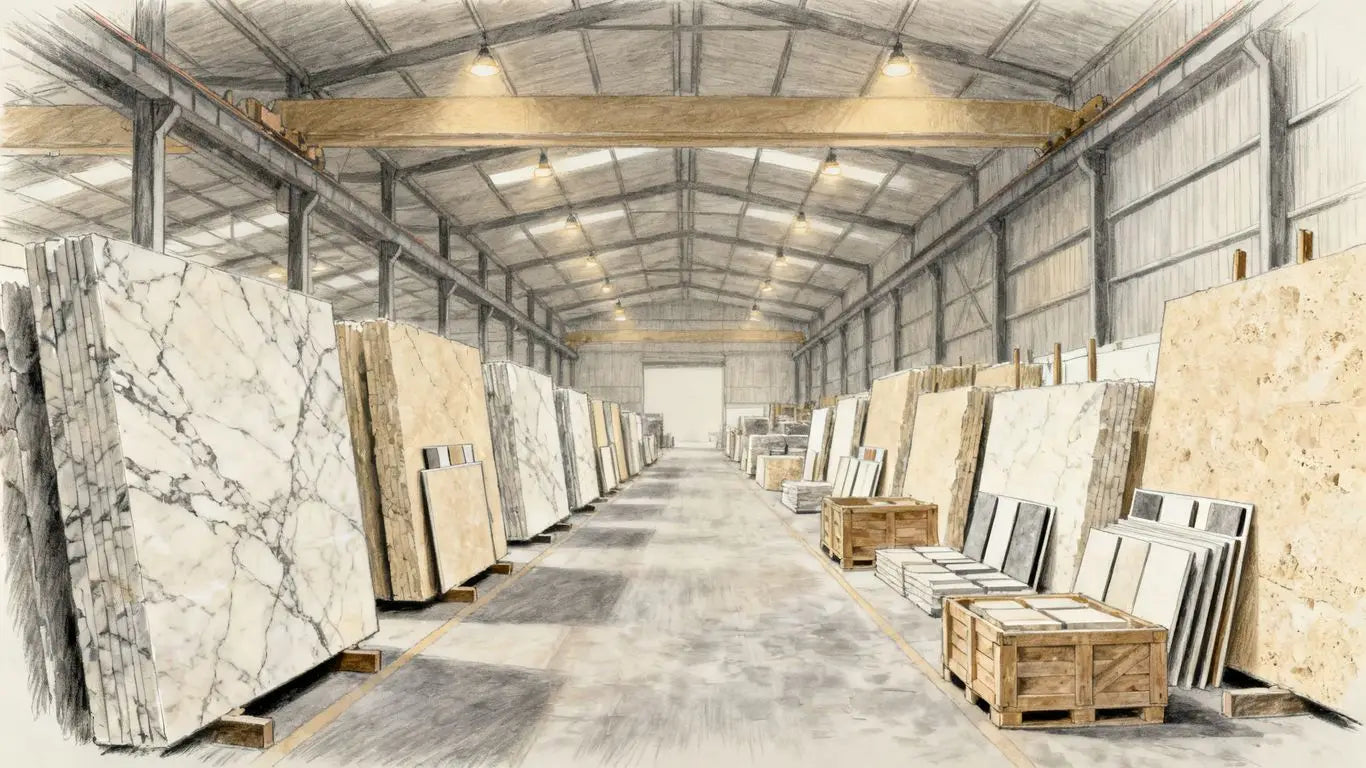
Price deserves scrutiny, but the lowest number is not automatically the best value. Ask what the quote includes, how the stone is sourced, and whether enough material is available for the full installation. Inventory depth can protect a timeline and reduce the risk of mixing visibly different lots.
Understand how quarry-direct sourcing affects pricing
A direct importer may reduce layers between quarry and customer, which can affect pricing and product access. Still, compare like with like: stone grade, thickness, finish, packaging, freight, and available support all influence the real cost.
Surfaces Galore describes itself as a direct importer of natural stone, with quarry-direct pricing for marble, travertine, and related materials. That positioning is most useful when paired with a clear quote and product details, not treated as a substitute for checking quality.
Compare available collections, colors, and natural variation
Request photographs, samples, and current product information for the collections you are considering. Compare the visual range, not just the best-looking individual tile. For a cohesive floor, ask how pieces can be blended across boxes or lots.
A useful comparison keeps the main variables visible:
| Comparison point | Why it matters | What to ask |
|---|---|---|
| Stone and color | Sets the room’s mood and variation | What range should I expect? |
| Finish and thickness | Affects appearance and installation | Is it suitable for my application? |
| Format and quantity | Determines layout and waste | How much is available now? |
| Freight and packaging | Influences delivered cost and condition | How will the order be protected? |
This approach turns a broad collection into a manageable shortlist. It also helps you spot a quote that looks inexpensive only because important project costs are missing.
Ask about bulk discounts, clearance tile, and trade accounts
If you are ordering for several rooms, a commercial project, or a repeat design program, ask about bulk pricing and trade accounts. Clearance material may suit a smaller accent area or a project with flexible quantities, provided the available lot is large enough and the condition is acceptable.
Clarify whether discounted material is final sale and whether additional pieces can be obtained later. A low price is less attractive if a repair requires a discontinued tile that cannot be matched.
Confirm current stock before finalizing your design
Availability should be confirmed immediately before you approve the layout. Ask how many square feet are ready to ship, whether the quantity is from one lot, and when any balance could be available. This is especially important for large-format floors, repeating patterns, and multi-room installations.
Do not order solely from an old photograph or a search result. Current stock, sample approval, and a written quote create a much safer path from inspiration to installation.
Assess shipping, samples, and customer support
A supplier’s service becomes most visible after you place an order. Samples, accurate packing, freight communication, and useful answers can prevent expensive delays. For a remote buyer, the delivery plan deserves as much attention as the tile itself.
Request samples to evaluate color and texture in your space
Samples let you see the stone beside your paint, cabinetry, flooring, and lighting. Order enough to understand the base color and variation, then inspect the surface from different angles. A polished finish may look completely different from a honed or tumbled version of the same stone.
Keep the approved sample with your project records. It gives you a practical reference when the shipment arrives and helps everyone discuss the intended look.
Confirm nationwide freight options from Anaheim, California
For buyers outside Southern California, ask how freight moves from the supplier’s Anaheim, California location to your address. Confirm whether delivery is available to your state, how the carrier contacts you, and whether the shipment is curbside or requires special access.
Surfaces Galore states that it offers nationwide freight and insured delivery from Anaheim across North America. If you are arranging a cross-country order, request the freight estimate alongside the material quote so the delivered figure is clear.
Review crating, insurance, lead times, and delivery access
Stone is heavy and needs thoughtful handling. Ask how the order is crated, whether it is insured against breakage, and what happens if cartons arrive damaged. Confirm lead times, appointment requirements, unloading equipment, and the condition in which the material should be inspected.
A delivery plan should account for narrow streets, stairs, shared loading areas, and job-site hours. Photograph the shipment before moving it, then compare the contents with the packing information while the carrier’s documentation is available.
A few minutes spent confirming logistics can save a project from a costly pause. Good support is practical: clear answers, realistic timing, and a defined next step when something goes wrong.
Choose a supplier that supports homeowners and design professionals
Homeowners often need help narrowing choices, while designers, architects, and installers may need quantities, specifications, and repeat access to a collection. Look for a supplier willing to explain the material without overwhelming you with jargon.
Support should continue from sample request through delivery and general installation guidance. Testimonials or case studies can offer useful context about appearance and service, but treat an individual customer’s experience as one example rather than a promise for every project.
Prepare for installation and long-term maintenance
The best tile can disappoint when the substrate, setting materials, or cleaning routine is wrong. Natural stone rewards preparation. Before ordering, confirm who will install it, what the surface requires, and how the finished room will be maintained.
Confirm substrate, layout, and professional installation needs
Stone tile needs a clean, dry, stable, and level substrate. Uneven or flexible surfaces can contribute to cracking or poor bonding, so preparation should be addressed before the boxes arrive. A professional installer can also verify mortar compatibility, grout joints, cuts, transitions, and layout.
Dry-lay the design first. Mix pieces from different boxes when appropriate to distribute natural variation, and keep light-colored stone compatible with the selected setting materials. The installation guidance for a natural stone floor is a useful reminder to inspect material, prepare the substrate, and plan waste before setting tile.
Plan sealing for porous natural stone surfaces
Marble, travertine, and limestone are porous to varying degrees. Sealing can help protect against stains and moisture, but the product, number of coats, curing time, and re-sealing interval should follow the stone and sealer instructions. A professional can confirm whether the surface is ready for use.
Plan sealing around the installation schedule rather than rushing the room into service. Keep a record of the sealer used and the date applied so future maintenance is easier to manage.
Use pH-neutral cleaners and avoid acidic products
Routine care is usually straightforward when the cleaner is appropriate. Use a pH-neutral, stone-specific cleaner and a soft cloth or mop. Avoid lemon, vinegar, abrasive powders, and acidic products, which can dull or etch sensitive surfaces.
Clean spills promptly, especially in kitchens and bathrooms. A gentle routine protects the finish while allowing the stone’s natural texture and color to remain the visual focus.
Order replacement material and waste allowance in advance
Natural variation and cutting make extra material worthwhile. Your installer can calculate a sensible allowance based on the layout, but ordering replacement pieces later may be difficult if a collection changes or a lot sells through.
Store spare tile in a dry, safe place with the product information. Keep enough detail to identify the stone, size, finish, and lot if a future repair is needed.
Shop natural stone tile from Surfaces Galore
Choosing a natural stone tile supplier is easier when the supplier can support both the design decision and the practical order. Surfaces Galore is an Anaheim, California–based direct importer and nationwide supplier specializing in marble and travertine tiles, mosaics, and moldings. Its materials are positioned for homeowners, interior designers, and architects seeking quality stone with competitive pricing.
Explore marble, travertine, limestone, and mosaic collections
Start with the material that best suits your room, then compare formats and finishes within that family. Marble collections can bring veining and polished elegance to a bathroom or entry, while travertine collections offer warm tones for indoor and outdoor applications. Limestone and mosaics can provide quieter texture or a detailed accent.
The natural stone tile collection is a useful place to broaden your visual shortlist before requesting samples. Compare complete combinations rather than choosing a field tile in isolation.
Request a quote for residential, commercial, or bulk orders
A useful quote should reflect the full scope: tile, mosaics, trim, accessories, quantity, finish, freight, and timing. Homeowners can request help with a renovation quantity, while designers and contractors may need bulk or wholesale pricing for larger work.
Send room measurements and application details with your inquiry. The more complete the brief, the easier it is to receive a practical response instead of a generic price.
View current inventory and ask about custom fabrication
Before you finalize a pattern, verify current stock and ask whether related pieces are available. Surfaces Galore’s documented offerings include tiles, mosaics, moldings, and custom-cut natural stone pieces, including accessories such as corner shelves and soap holders.
Custom fabrication can be especially helpful around niches, thresholds, corners, and other areas where standard pieces leave an awkward finish. Confirm dimensions, lead time, and approval details before fabrication begins.
Arrange nationwide delivery for your project materials
Once the sample and quantity are approved, coordinate the shipment around the installer’s schedule and the site’s unloading limitations. Ask about crating, insurance, freight timing, and inspection at delivery. For buyers across the United States, nationwide shipping can make a carefully selected collection practical even when the supplier is based in California.
If you are ready to move from research to a material conversation, request a project quote with your measurements, preferred stone, and delivery location.
Ready to Choose Your Stone?
Bring your measurements, samples, and design questions to Surfaces Galore, then request a quote for the marble, travertine, limestone, or mosaic materials that fit your project.
Conclusion
A lasting luxury installation comes from matching the stone to the room, checking the details before purchase, and planning installation and care from the start. Compare collections, confirm current inventory and freight, and choose materials you will enjoy living with for years.
Frequently Asked Questions
How do I choose between marble, travertine, and limestone?
Consider the room’s traffic, moisture, desired appearance, finish, and maintenance routine. Marble offers expressive veining, travertine brings warm texture, and limestone creates a quieter, understated look.
Is natural stone suitable for high-traffic floors?
Many natural stones can suit busy floors when the specific product, finish, installation method, and maintenance plan are appropriate. Confirm product recommendations and use a qualified installer.
Should I order samples before buying tile?
Yes. Samples help you evaluate color, veining, texture, and finish in the actual lighting of your space. View them beside cabinetry, paint, counters, and adjacent flooring.
How much extra tile should I order?
The allowance depends on room shape, tile size, pattern, cuts, and natural variation. Ask your installer to calculate the quantity and include additional material for future repairs when practical.
Does natural stone need to be sealed?
Many natural stones are porous and benefit from sealing to help protect against stains and moisture. Follow the selected stone’s care guidance and the sealer manufacturer’s instructions.
What cleaner is best for natural stone tile?
Use a pH-neutral, stone-specific cleaner and avoid acidic products such as vinegar or lemon-based cleaners. Abrasive powders can also damage or dull some finishes.
What should I confirm before delivery?
Confirm the quantity, lot or color range, packaging, insurance, freight timing, delivery access, and inspection process. Have the installation site prepared before the shipment arrives.

Leave a comment