
How to choose natural stone for countertops: A professional guide

Key Takeaways
Selecting the perfect natural stone for your kitchen helps ensure both a durable workspace and a timeless visual center for your home. These points will guide your journey:
- Evaluate your daily routines to match the stone's hardness to your cooking habits.
- Understand that porous materials require consistent sealing to prevent long-term damage.
- Leverage the natural aesthetic variation of stone like marble to add architectural depth.
- Always factor in a 10-30% waste margin when calculating your total material requirements.
- High-quality natural stone installations can significantly boost your home’s resale value.
Understanding the unique characteristics of natural stone varieties
Choosing the right material begins with an appreciation for what nature provides. Every slab tells a story through its mineral composition and structural veins, and knowing these physical traits ensures your stone choice aligns with your lifestyle. Whether you prefer the raw, industrial feel of granite or the sophisticated elegance of white marble, Surfaces Galore provides professional guidance during this crucial decision phase.
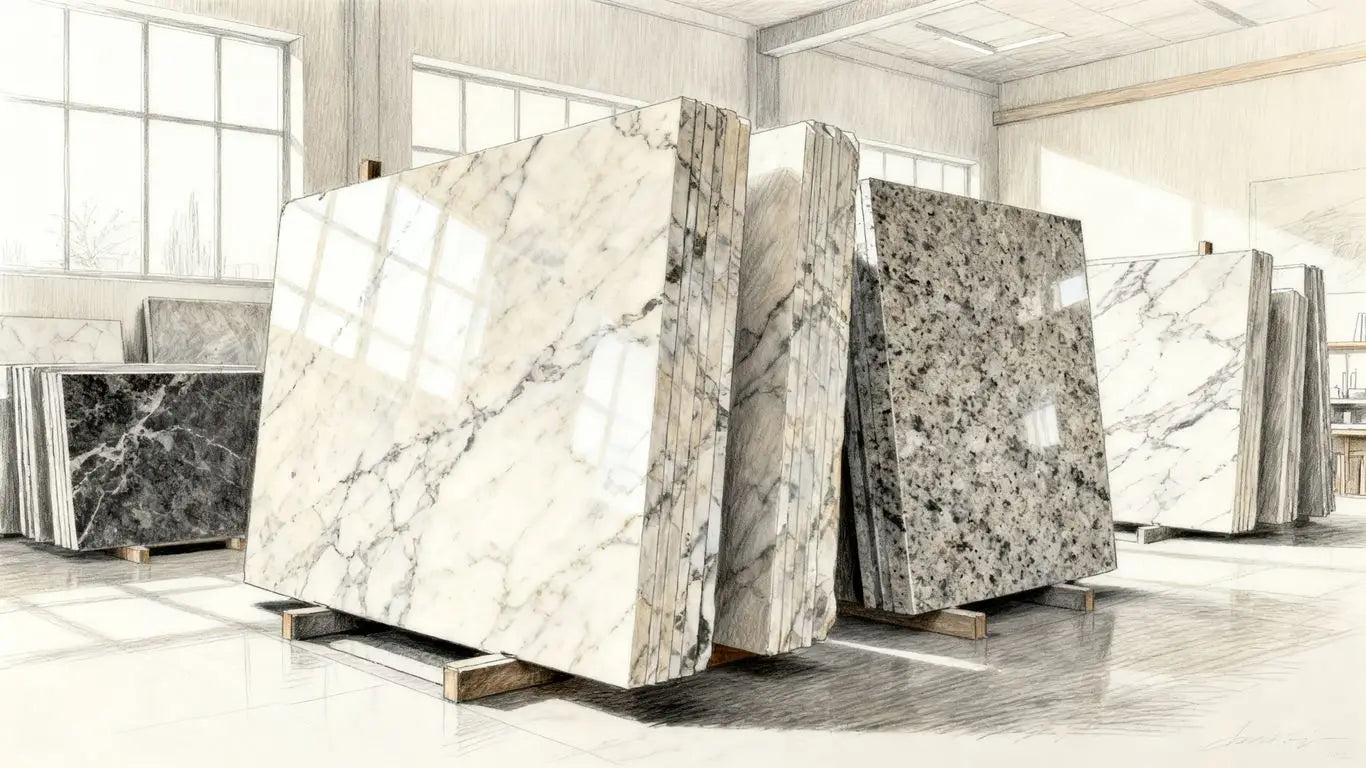
Granite: The durable choice for high-traffic kitchens
Granite remains one of the most reliable materials for those who want a low-maintenance, high-performance surface. Its dense structure makes it resistant to scratches and heat, which is ideal for busy family kitchens where countertops see constant daily action.
Marble: Achieving a classic luxury aesthetic
Marble serves as the definitive symbol of elegance in high-end design. With iconic varieties like Carrara White Italian Premium Marble offering soft, gray veining, it brings a sense of history and light to any room, though users should be prepared for its more porous nature.
Quartzite: Combining hard-wearing performance with natural beauty
For those who adore the look of marble but desire the toughness of granite, quartzite is an exceptional compromise. It naturally resists etching from acids and extreme temperatures, making it a favorite for culinary enthusiasts who enjoy frequent cooking sessions.
Soapstone: A chef’s preference for heat and stain resistance
Soapstone is celebrated by professional chefs for its unique, matte finish and remarkable thermal resistance. It is non-porous and naturally resistant to most stains, providing a quiet, tactical beauty that actually gains character over years of heavy use.
Matching stone performance to your kitchen lifestyle
Your kitchen is a high-functioning environment that requires materials suited to your specific habits. Understanding how you interact with your workspace daily is essential before you commit to a specific slab purchase.
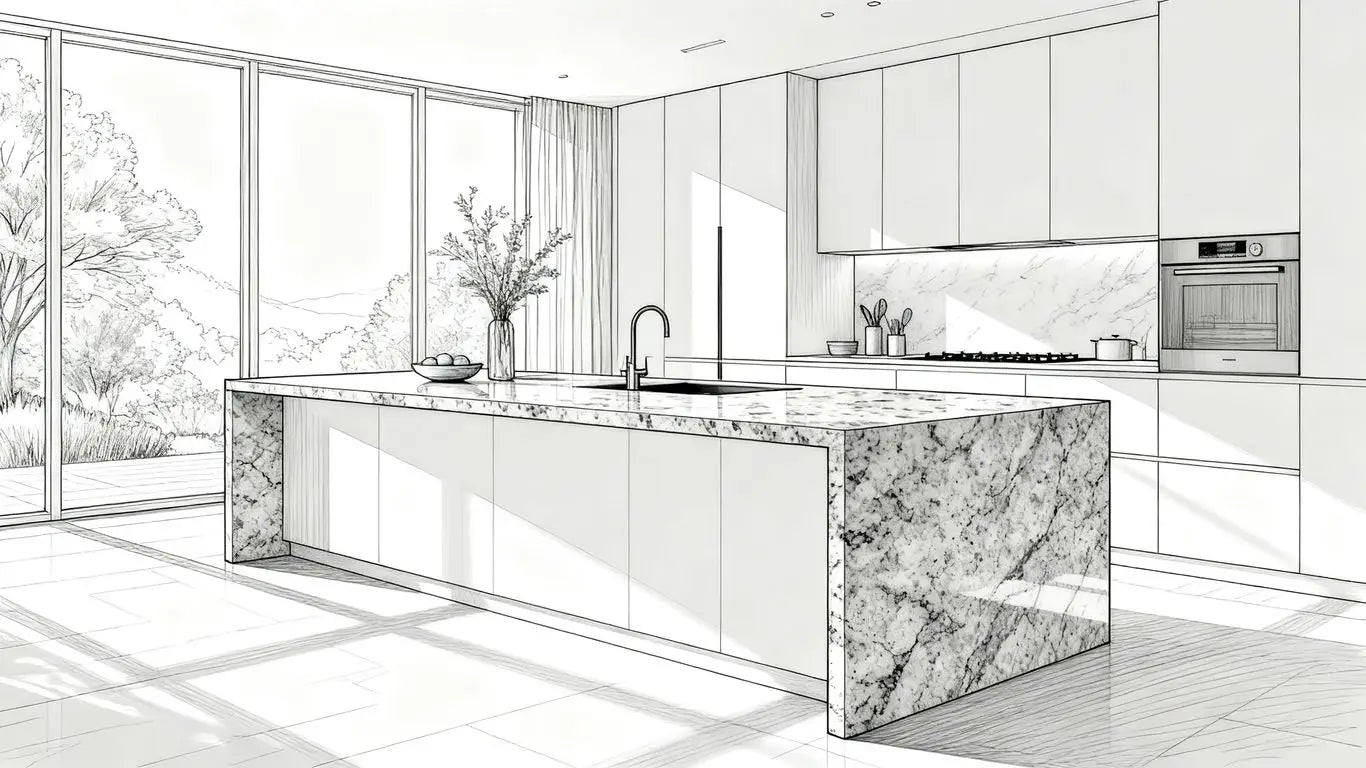
Assessing daily kitchen usage and traffic patterns
If your household treats the kitchen as a production hub, you need a surface that handles heavy impact and constant cleaning. We often recommend denser stones for these environments to minimize long-term wear and surface dulling.
Heat resistance considerations for cooking enthusiasts
Serious home chefs know that hot pans eventually land on the counter. While granite and quartzite handle high heat with ease, other materials may require protective trivets to maintain a pristine aesthetic for decades to come.
Stain susceptibility and your maintenance capacity
Some stones are more porous and can soak up oils or citrus acids if a spill isn't wiped quickly. Evaluating your willingness to re-seal stone annually helps determine if you should lean toward lower-maintenance varieties.
Choosing between porous and dense stone surfaces
Understanding porosity is the key to longevity. Use the following guide to assess your preferred level of care:
| Stone Category | Typical Porosity | Maintenance Needs | Ideal Application |
|---|---|---|---|
| Granite | Low | Minimal | High-traffic counters |
| Marble | High | Moderate/Regular | Decorative features |
| Quartzite | Low/Medium | Low | Heavy-duty kitchens |
Selecting a dense surface like granite usually means less time spent worrying about maintenance and more time enjoying your space.
Evaluating surface finishes and edge profiles
The finish of your stone changes not only how it looks but also how it interacts with the light in your unique home environment. Choosing between polished and honed is often the final step in finalizing your stylistic direction.
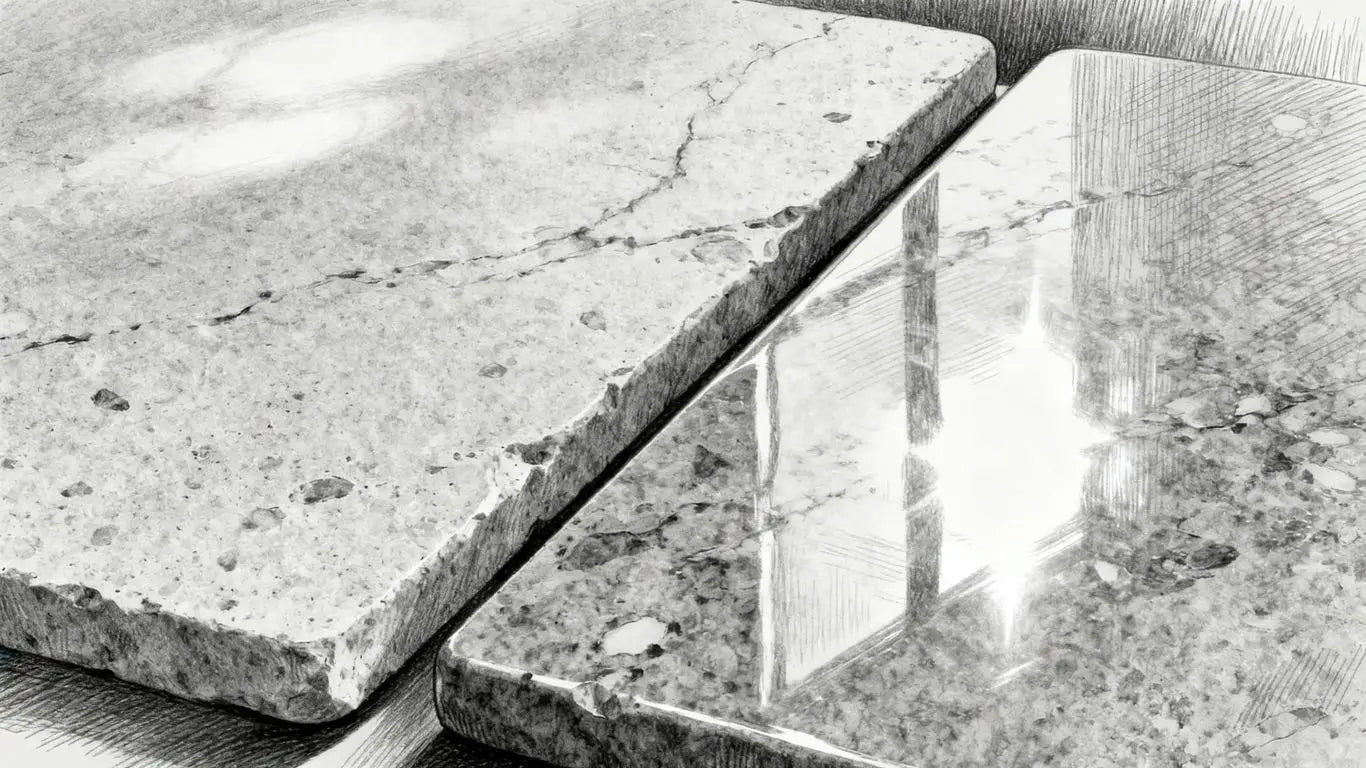
Polished finishes: Achieving a reflective, formal look
Polished stone provides a mirror-like shine that intensifies the colors and veining of the material. This look is usually preferred in formal spaces where you want a clean, bright, and polished presentation.
Honed surfaces: The sophisticated, matte alternative
For a softer, contemporary touch, honed surfaces provide a velvet-like matte appearance. This finish hides surface imperfections better than polished options, making it a great choice for family spaces that see frequent, casual use.
Selecting edge profiles for safety and style
Edge profiles define the transition from your cabinetry to the stone surface. Simple eased edges are modern and clean, while more decorative rounded or bullnose options add a traditional warmth to the visual design.
How finish affects long-term maintenance and visibility of wear
Choosing a finish also impacts how you clean your counters. Polished surfaces highlight every smudge, whereas honed finishes offer an forgiving, lived-in texture that ages beautifully over time.
Aesthetic considerations and design integration
Design integration is about how your new countertops harmonize with the kitchen’s overall energy. Your slab should serve as the canvas for your larger design choices, from flooring to cabinetry color.
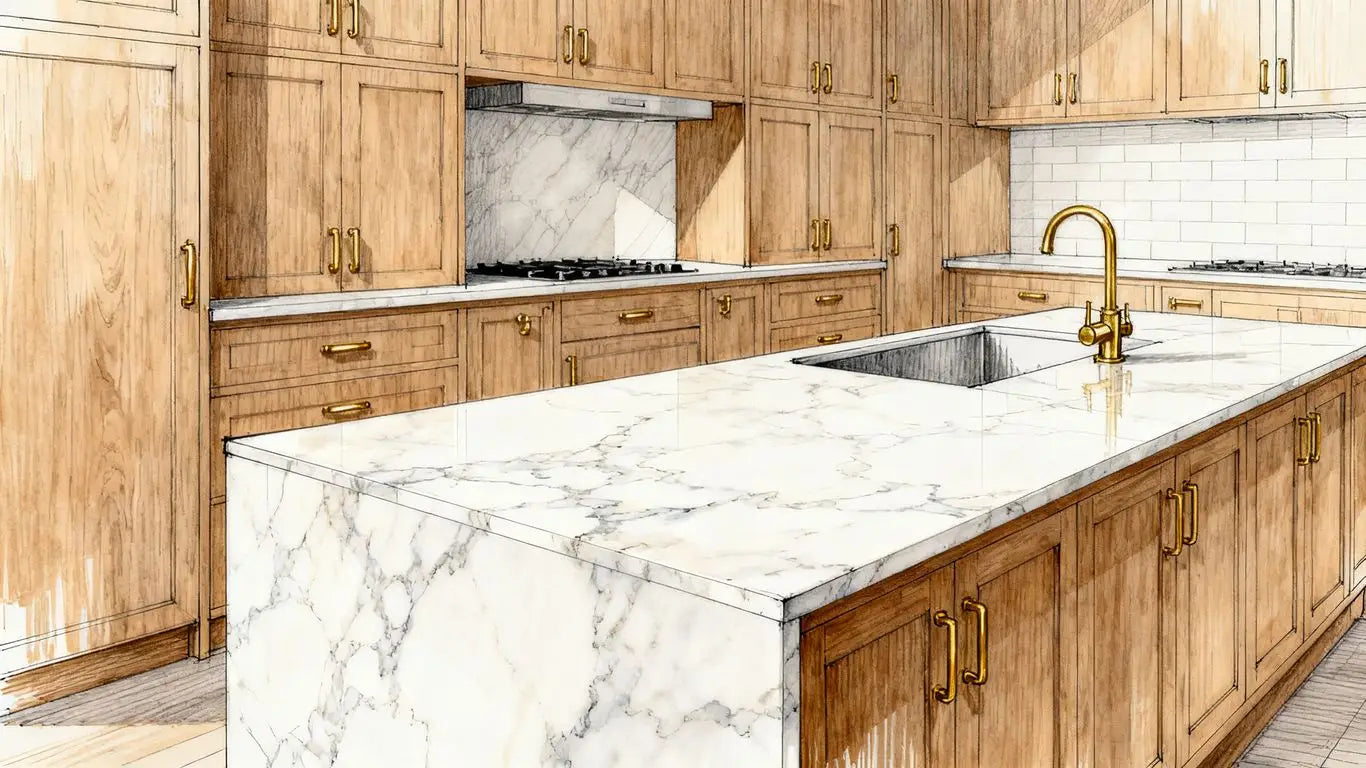
Interpreting natural veining and color variations
Every piece of earth-quarried stone has its own character. Recognizing that these variations aren't defects, but rather hallmarks of quality, will give you confidence as you finalize your design and integration plan.
Coordinating stone selection with existing cabinetry and flooring
Balance is everything. If your cabinets have intricate moldings, opt for a subtle, neutral stone pattern. If your cabinets are sleek and minimalist, a high-vein marble makes a striking accent piece.
Utilizing samples for on-site lighting assessments
Never judge a slab under warehouse lights alone. Bringing stone samples into your specific home environment ensures that the color rendering matches your expectations throughout the day as natural sunlight changes.
Creating seamless transitions with backsplashes and islands
Using identical stone for the countertop and backsplash creates a clean, architectural look. For a personalized design, consider adding an Absolute Black Granite Bullnose Liner Mosaic around the perimeter to tie disparate elements together visually.
Economic and investment factors
Investing in premium stone is a fiscal decision that impacts your property value for years. Homeowners often find that high-quality stone upgrades serve as a major selling point in competitive markets.
Impact of premium natural stone on property resale value
Real estate data consistently shows that natural stone is one of the top-tier upgrades. By choosing premium natural stone options, you are effectively securing a 5-15% increase in your property’s potential appreciation through high-quality finishings.
Analyzing quarry-direct pricing versus retail markups
Many buyers pay exorbitant retail prices by going through middleman showrooms. Surfaces Galore eliminates those unnecessary steps, allowing you to access elite, import-grade material at more accessible, quarry-direct pricing.
Accounting for professional installation and logistics costs
Your total investment must include more than just the product price. Factoring in professional installation ensures the structural integrity of your countertops and manages the logistics of moving heavy slabs from port to home.
Factoring in the waste factor for custom cuts and layout
When calculating how much raw material to buy, you must account for the waste factor. We recommend our statuario white marble waste factor guide to help you estimate the extra material needed for precise pattern matching on large sections.
Protecting your investment with proper maintenance
Once installed, your stone requires a simple protection strategy to stay pristine. Proper upkeep is the difference between a surface that lasts a lifetime and one that loses its luster within a few years.
The importance of immediate initial sealing
Every unsealed natural stone is susceptible to absorbing liquids. Applying a professional-grade sealer before the first day of use is the most critical step you can take to prevent dark stains from settling into the pores.
Establishing a routine for pH-neutral cleaning
Avoid harsh household detergents at all costs. Using a pH-neutral cleaner designed specifically for stone maintains the integrity of your sealant while removing grime without leaving streaks or dull spots.
Scheduling annual re-sealing intervals for longevity
Consider re-sealing as an annual health check for your kitchen. A quick 15-minute application ensures that your counters remain as resistant to water and acids as the day they were first installed.
Handling spills and acidic exposures on natural surfaces
Even with a good sealer, acts happen. Keep a supply of absorbent cloths handy to act quickly on vinegar or wine spills, as acidic substances can etch delicate surfaces if left to pool for too long.
Navigating the procurement and shipping process
Procuring high-end stone requires transparency and logistical reliability. From selecting the right slab to ensuring it arrives in perfect condition, the process is streamlined when working with experienced trade partners.
Benefits of sourcing from direct importers
Direct importers allow you to see exactly what you are purchasing before it ships. You benefit from lower costs and a stronger guarantee that you are receiving an authentic, high-quality product from the origin quarry.
Understanding insured nationwide logistics and crating
Moving slabs is an art form. By choosing suppliers like Surfaces Galore, your order is secured in professional-grade crating and remains fully insured throughout the transit process, protecting you against breakage during the long-haul shipment.
Coordinating custom-cut orders and specialty dimensions
For unique layouts, we provide custom sizing to match your exact floor plan. This reduces the time an installer needs to spend cutting on-site, which in turn reduces dust and potential installation errors.
Leveraging professional trade support for complex projects
Don't hesitate to reach out to a professional before finalizing your cart. Experts in the trade can offer specialty stone installation advice to assist you with layout planning and material ordering, ensuring that nothing is left to chance.
Conclusion
Selecting the right natural stone involves balancing your aesthetic dreams with the realities of daily performance. By understanding the unique maintenance needs of your preferred variety and working with an experienced direct importer, you can feel confident that your kitchen remodel will yield a durable, beautiful, and valuable result for years to come. Shop our premium stone collection today to begin your transformation.
Frequently Asked Questions
Why is natural stone considered a premium investment?
Natural stone is prized for its unique aesthetic and significant durability, which can increase property value. Because it is a permanent mineral material harvested from the earth, it rarely loses its visual appeal and offers a level of raw beauty that synthetic alternatives cannot match.
Is natural stone difficult to keep clean?
Maintenance is surprisingly straightforward when done correctly. Most stone surfaces only require a standard pH-neutral soap and water cleaning, followed by a simple re-sealing process once every year or two to ensure long-term resistance to staining.
Are some stones more heat-resistant than others?
Yes, stones like granite, quartzite, and soapstone are excellent for high-heat environments. These stones are naturally resistant to the high temperatures associated with typical kitchen stovetop usage, though professional care is always recommended.
Can I use natural stone in a high-traffic area?
Absolutely, provided you choose the right density. Granite and quartzite are specifically favored for high-traffic zones because they can withstand significant impact and ongoing wear without losing their structural integrity or appearance.
What does the term porosity mean for my countertops?
Porosity refers to how many microscopic air pockets are inside the stone, which dictates how easily it can absorb liquids. Stones with higher porosity require more diligent sealing, while denser stones naturally repel moisture and spills more effectively.
How should I handle spills on delicate stones like marble?
Speed is essential when dealing with spills on more porous stones. Use a soft cloth to blot the area immediately rather than wiping, which can smear liquids into the stone, and clean with a mild, stone-specific solution.
Should I buy extra stone beyond my exact measurement?
It is standard practice to buy 10-30% more material than your floor plan requires. This account for the necessary cuts around corners and edges, and provides a small store of matching material for any future maintenance needs.

Leave a comment