
How to select marble for renovations: A pro guide to quality and aesthetics

Key Takeaways
Renovating with natural stone requires thoughtful planning to balance aesthetic desires with practical lifestyle needs. Follow these five essential steps to ensure your project brings lasting value to your home.
- Research specific marble varieties to match your desired visual outcome.
- Evaluate the structural requirements and porosity of stone based on room usage.
- Select a finish that complements your household activity level and maintenance capacity.
- Inspect all materials for natural integrity before confirming your purchase.
- Invest in a precise dry-lay process to ensure professional installation results.
Understanding marble types and characteristics
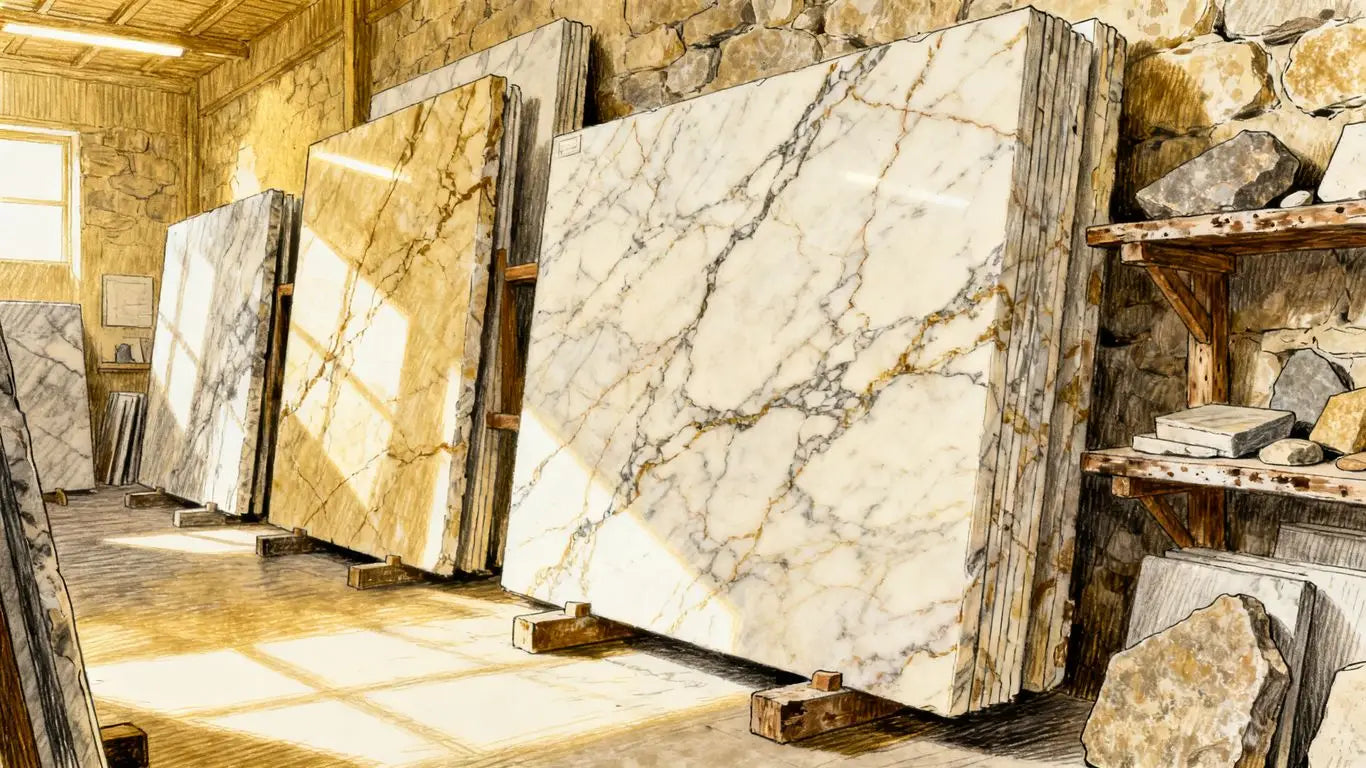
Choosing the right stone begins with an appreciation for the geologic history written into every piece of rock. Marble is a metamorphic masterpiece that offers unique aesthetic depth, capable of transforming mundane surfaces into high-end design features. Understanding the nuances of marble and what makes each variety special is the first step in successful planning.
Differentiating between diverse marble varieties
Each region produces stone with distinct mineral compositions and color palettes. Italian varieties like Carrara White are known for their soft, grey-veined consistency, while bolder stones like the black-and-white Nero Marquina offer dramatic contrast. Understanding these broad categories helps you narrow down what will suit your home best.
Identifying unique veining patterns and color variations
No two slabs are identical, which is why your design becomes a bespoke addition to your living space. You might find delicate clouds in one piece or pronounced jagged lines in another, so prioritize viewing samples early in your process. This natural variation is the hallmark of authentic quality.
Considering the structural durability and porosity of different stones
Marble is inherently porous compared to granite or engineered quartz, meaning it requires mindful handling regarding liquid spills and acidic substances. You must be aware of how the stone performs in humid or high-traffic areas, as its hardness levels can fluctuate based on the specific mineral makeup of the quarry output.
Assessing the long-term investment value of premium natural marble
Investing in a high-grade stone is a smart financial decision that adds timeless appeal to any architectural project. When you choose a premium marble source, you are not just selecting a material; you are securing a legacy product that generally improves the resale potential and overall luxury perception of your property.
| Marble Type | Aesthetic | Best Primary Use | Maintenance |
|---|---|---|---|
| Carrara | Subtle veining | Bathrooms | Moderate |
| Nero Marquina | Bold black/white | Accent walls | Moderate |
| Calacatta | Dramatic contrast | Countertops | High |
Evaluating marble for specific living spaces
Marble transforms spaces by introducing organic beauty that synthetic materials simply cannot mimic, regardless of the room’s purpose. Whether it is a kitchen that serves as a culinary hub or a serene bathroom, the stone must integrate seamlessly into your daily life. Proper selection according to room function ensures your natural stone investment remains beautiful for years.
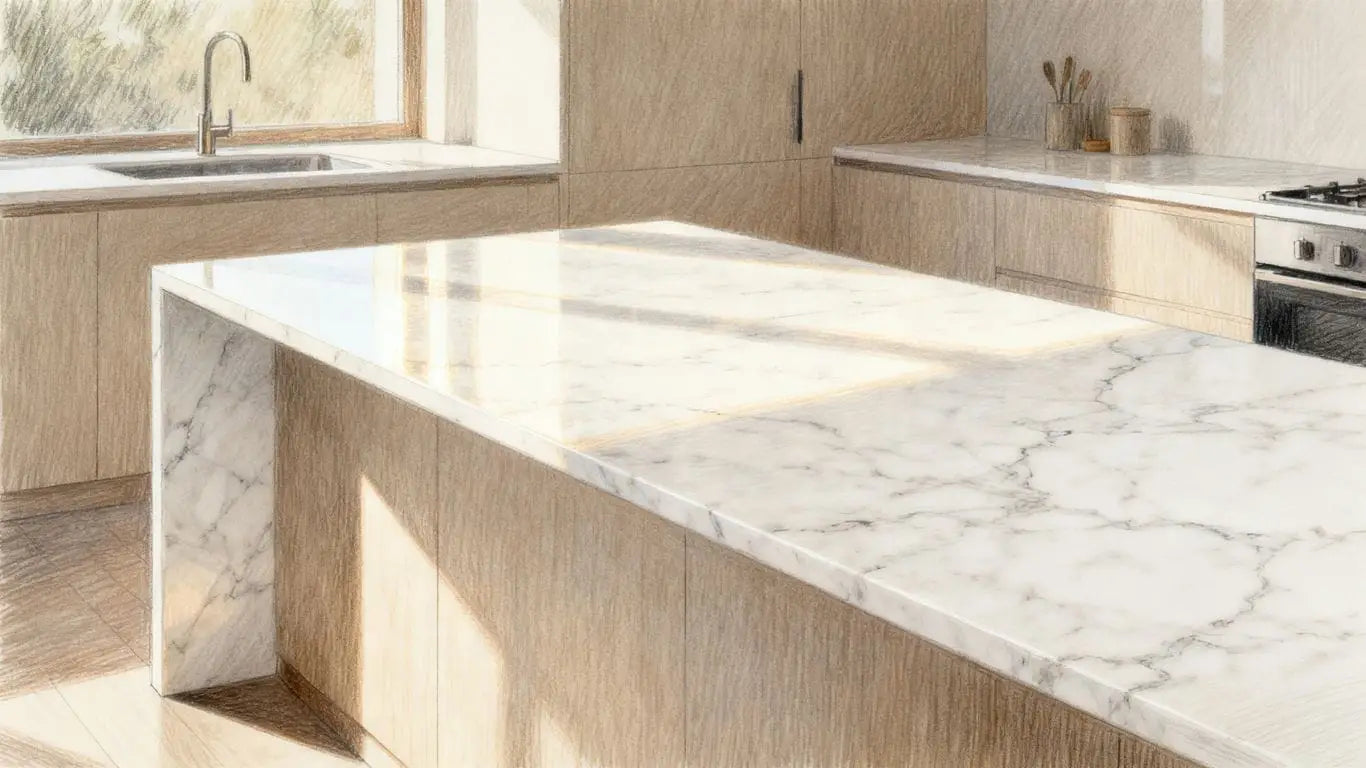
Selecting robust materials for high-traffic kitchen countertops
In the kitchen, durability is paramount, so consider sourcing denser stone varieties that handle heavy daily use more effectively. You should avoid stones that are overly soft if you know your kitchen experiences rigorous cooking activity involving citrus or wine. Always discuss your cooking habits with specialists to ensure the stone matches your work intensity.
Identifying the best stone choices for spa-inspired bathroom designs
Create a tranquil oasis by using lighter, softer marbles that evoke a spa atmosphere through subtle tonal transitions. These spaces often benefit from honed marble finishes, which provide better slip resistance in damp environments while maintaining that characteristic soft touch beneath your feet.
Best practices for marble flooring in entryways and hallways
Entryways serve as the first impression of your home and require material that commands respect while standing up to footwear traffic. Choose larger tiles to minimize grout lines, which can become dirt traps in busy areas, and opt for lighter tones to make narrow halls feel expansive and welcoming.
Incorporating natural stone into fireplace surrounds and accent walls
Vertical applications allow you to utilize bolder veining without worrying about food stains or floor wear. A striking marble feature wall can serve as the centerpiece of a living room, drawing the eye and grounding the space with an immediate air of luxury and architectural gravitas.
Choosing the right finish for your design goals
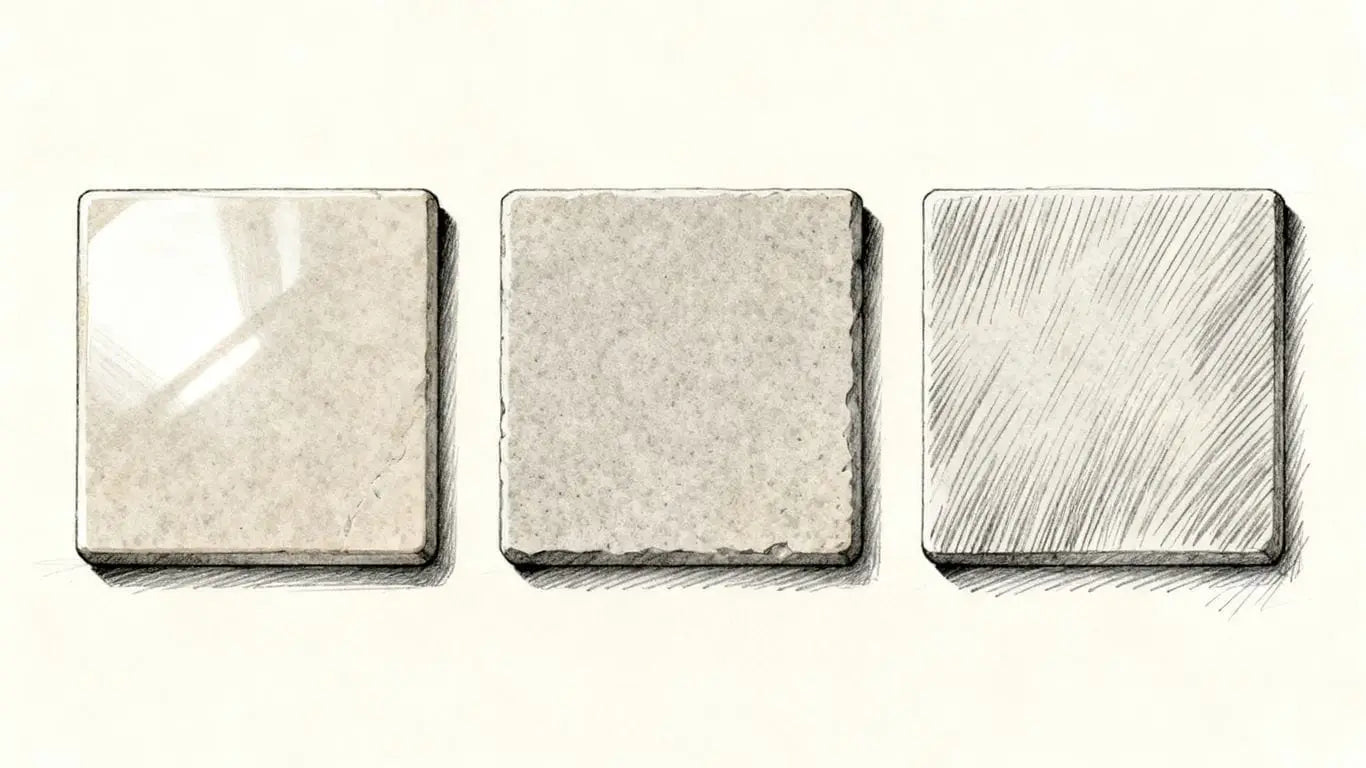
Selecting a finish is as critical as choosing a color because it determines how the stone interacts with light and touch. A polished surface can turn an ordinary room into a gallery, whereas a matte approach whispers sophistication and calm. Your lifestyle, defined by energy and mess, should ultimately dictate which finish will best serve your day-to-day requirements.
Benefits of polished finishes for depth and light reflection
Polishing brings out the hidden richness of color trapped deep within the stone’s crystalline structure. This finish reflects light across the room, which makes it a phenomenal choice for smaller spaces or dark areas that need a brightness boost to feel more awake and alive.
Advantages of honed surfaces for a modern, matte aesthetic
For a softer, more grounded look, a honed finish removes the reflection but keeps the smoothness. This creates a cozy, understated luxury that hides minor scratches far better than glossy alternatives, making it very popular for households seeking a more relaxed internal vibe.
Using brushed or tumbled textures for warmth and rustic appeal
If you are aiming for a classic or Mediterranean aesthetic, brushed and tumbled surfaces introduce tactile warmth. These textures feel intentional and aged, which works wonders for homeowners looking to create a space that feels lived-in and comfortable from the moment it is finished.
Matching finish density to lifestyle and household requirements
Before you finalize your order, check if your family lifestyle aligns with your surface choice with the following practical criteria:
- High-gloss polished surfaces are ideal for guest baths but may show high traffic wear in kitchens.
- Matte-honed surfaces provide significant slip resistance for families with children or pets.
- Textured, tumbled surfaces offer the most forgiveness for busy spaces with significant movement.
Inspecting quality and authenticity before purchasing
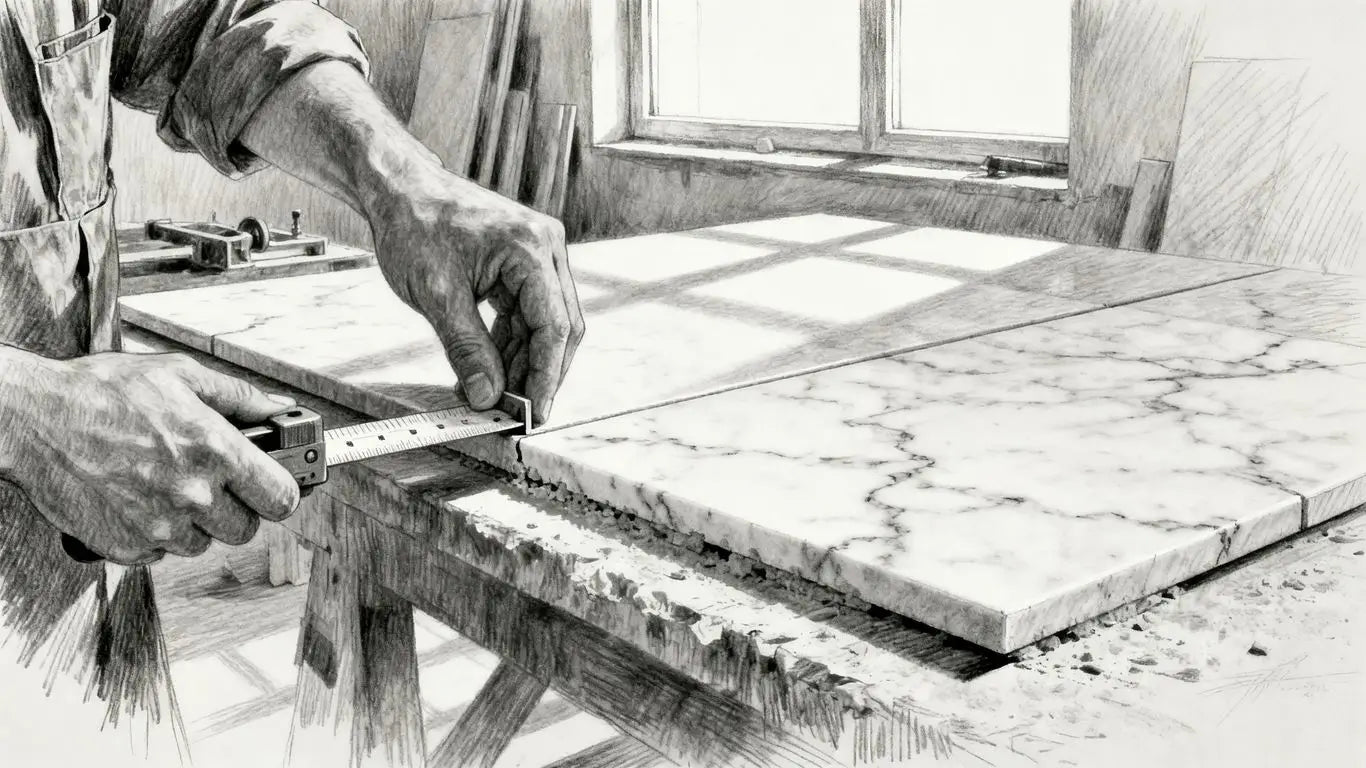
When we talk about how to select marble for renovations, one critical factor is the physical inspection of your material. Being a natural product, marble arrives with inherent variances, but there is a clear distinction between a character-filled vein and actual structural damage. Always work with a trusted direct importer to ensure the pedigree of your stone is verified and the logistical chain is secure.
Checking for structural integrity, chips, and hairline fractures
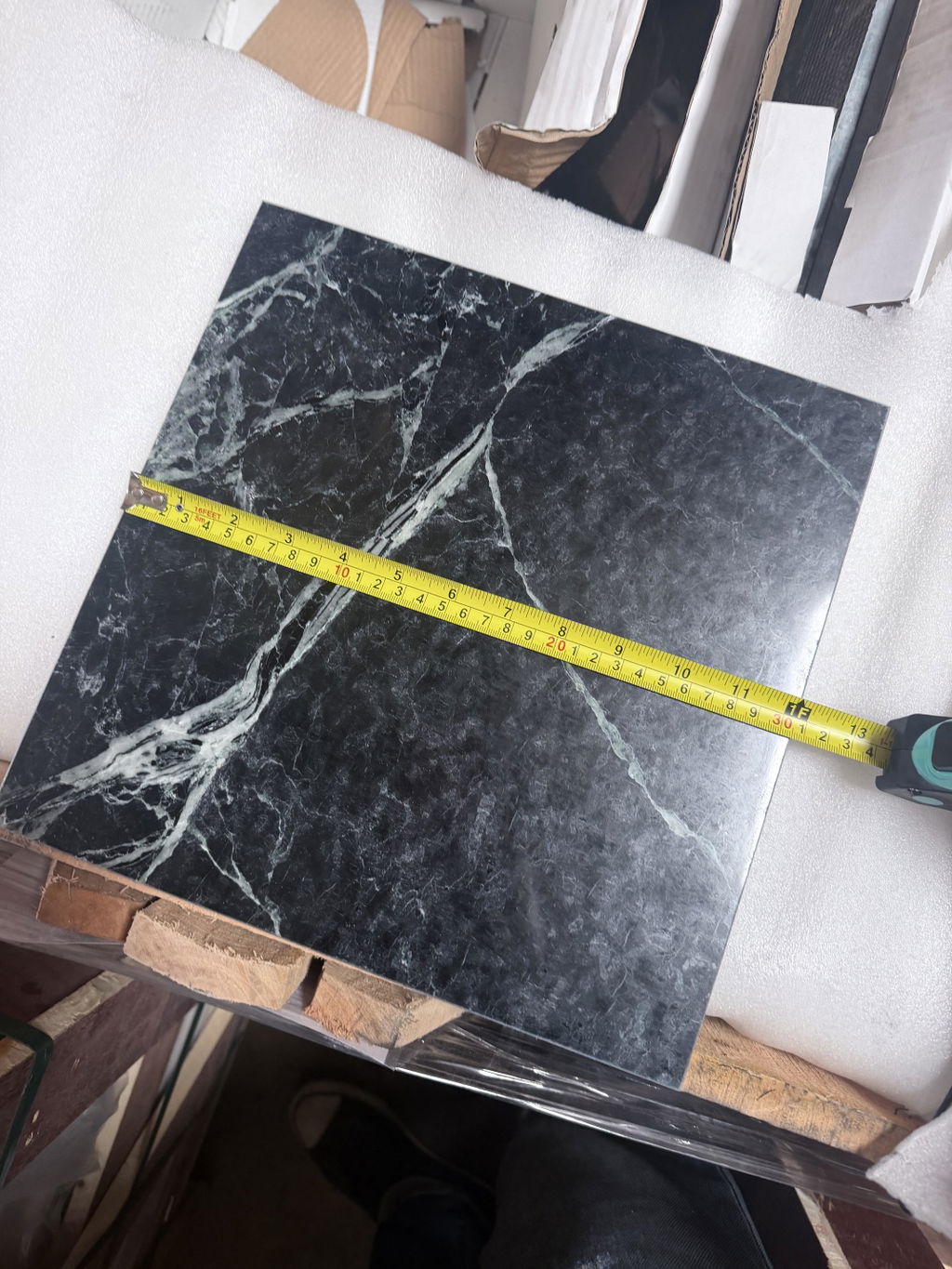
Always inspect your shipment upon arrival. While natural pits are standard, look closely for jagged cracks that could indicate stress fractures from transit. Catching these early allows for quick replacements and keeps your timeline on track for a successful finish.
Distinguishing acceptable natural variances from product defects
Understanding that your stone may have slight color fluctuations is part of the charm. Natural veining, by definition, implies movement and color shifts; however, true defects—such as inconsistent shading across a massive lot or manufacturing flaws—are different and should always be addressed with the supplier immediately.
Importance of sourcing from a trusted direct importer for quality assurance
Direct importers eliminate the middleman and ensure they know exactly what came out of the quarry. This translates into better quality control and faster solutions if anything requires replacement. A direct importer of stone provides the best bridge between the quarry source and your project site.
Requesting professional samples to evaluate color accuracy in your home light
Natural stone behaves differently under your specific lamps and through your windows compared to a showroom floor. Order samples so you can observe the stone at all times of the day, ensuring the color temperature aligns perfectly with your existing wall paint and cabinetry hardware.
Planning your layout for optimal results
Great results hinge on preparation that happens off the wall and off the floor. Before you commit to thin-set or grout, you need to see how the natural patterns align visually. Successful designers utilize the dry-lay method to ensure that the beauty of the stone is showcased to its maximum potential without awkward visual interruptions.
The necessity of a dry-lay process before anchoring tiles
Laying out your tiles in an open space allows you to balance the distribution of veining and color across the entire room. This step ensures that no two identically veined tiles sit side-by-side, which would create a distracting visual pattern. It turns a standard install into an artistic installation.
Preventing awkward cuts through precise spatial measurement
If your room has uneven walls or corners, you need a plan that accounts for those slight variations to avoid jagged, tiny cuts near the trim. Pre-measuring and identifying those border zones allows you to adjust your starting position, ensuring full-tile profiles meet the walls for a cleaner look.
Harmonizing color and veining across large surface areas
Large spaces can easily look busy if the stone is not blended well, but a cohesive layout unifies the flow. Think about the path of travel and how your eye will move through the room when assessing which piece goes where. This consideration bridges the gap between scattered stones and a unified surface.
Determining appropriate grout joint spacing for professional installations
Marble typically looks best with precise, tight joint lines that allow the stone to appear as one giant, continuous surface. Discuss these details with your installer beforehand, as the wrong spacing can distract from the scale of the stone pieces you have chosen for your renovation.
Essential maintenance and long-term care considerations
Protecting your purchase requires a shift toward mindful behavior regarding day-to-day cleaning and chemical exposure. Marble is a living finish that will change slightly over time, but the right protection protocol preserves its structural longevity. By treating the stone with respect, you ensure that it remains a focal point of luxury and elegance for years.
Initial sealing requirements for new stone installations
Immediately after your stone is set and the grout has cured, apply a professional-grade impregnating sealer. This invisible barrier fills the microscopic pores, preventing common household liquids from diving deep into the surface where they might cause long-term discoloration.
Daily cleaning practices to prevent surface staining and etching
Most etching happens because of acidic spills like lemon juice, vinegar, or harsh kitchen cleaners. A simple cloth with warm water is often enough, but keep the space clear by cleaning up spills as they happen. Establishing these simple habits will significantly extend the time between deep professional cleanings.
Identifying pH-neutral products suitable for natural stone
When cleaning your marble surfaces, never reach for household vinegar or bleach. Use only products specifically labeled as pH-neutral, which are formulated to lift debris without affecting the sensitive mineral structure or the finish of the stone.
Professional strategies for protecting and refreshing aged marble surfaces
Over the years, if your stone shows signs of heavy foot traffic or dullness, a professional honing or regrinding service can bring it back to life. You do not have to live with a worn-out look; refreshing your stone periodically is the secret for homeowners who keep their marble looking brand new decade after decade.
Conclusion
Selecting the right marble for your home renovation is a rewarding journey that balances your personal style with the timeless endurance of natural stone. By understanding the unique character of different varieties, choosing appropriate finishes for your specific living spaces, and committing to careful maintenance, you create an environment that reflects beauty and sophistication. As direct importers of these exquisite surfaces, we are here to support your design vision with high-quality materials and professional insights to ensure your project exceeds every expectation.
Frequently Asked Questions
Does marble require a lot of maintenance for a busy kitchen?
It does require more care than synthetic alternatives, such as immediate cleanup of spills and regular sealing, but many find that the unique aesthetic gain is worth the effort involved.
Can I use marble tiles in my bathroom shower floor?
Yes, marble is a popular choice for showers, though choosing a honed or tumbled finish is essential to provide the necessary traction for safety in wet conditions.
How often should I reseal my marble surfaces?
Depending on the foot traffic and the type of sealant used, a standard recommendation is to reseal your marble surfaces at least once every twelve months to maintain maximum protection.
Will natural marble increase my homes resale value?
High-quality natural stone is a major asset in modern real estate, often viewed by buyers as a mark of luxury that can provide significant equity growth over manufactured solutions.
Is it normal to see small variations or pits in my marble tiles?
Yes, small variations in color and natural pitting are inherent features of genuine natural stone and are not considered defects, as they testify to the stone's organic origin.
Can I mix different finishes in the same room?
Mixing finishes can create a sophisticated design layer, though it requires a cohesive plan to ensure the visual impact feels intentional rather than fragmented across the space.
What do I do if I spill something acidic on my marble?
If you spill an acidic substance, blot it immediately with water and a pH-neutral cleaner to prevent the acid from etching the surface finish of your stone tiles.

Leave a comment