
Luxury Retail Marble Flooring: Design, Specs and Care

A luxury retail floor in marble works when three decisions are made together: the stone and its tones, the finish, and a maintenance plan sized to the foot traffic. Get those right and the floor does what the best flagships ask of it. It sets the brand’s tone and moves shoppers through the space. We import marble, travertine and limestone directly, so this guide covers the choices designers, architects and contractors face from the first sketch to the first cleaning schedule.
TL;DR
- Marble earns its place in retail by guiding movement: tonal gradients, bookmatched veining and borders steer customers without signs.
- Finish is a performance choice as much as a look. Polished reflects light and deepens color, while honed and textured finishes read softer and hide wear differently.
- Specify the stone against the real use: strength, thickness, finish, size, availability and testing, then confirm any sealer in writing for that stone.
- Commercial installation depends on substrate prep, the right mortar, movement joints and high mortar coverage.
- Order extra for yield and waste, and match the cleaning routine to the stone from day one.
Table of Contents
- Why luxury retailers keep choosing marble
- Design choices that shape the result
- Specifying marble for foot traffic
- Installation: where commercial floors succeed or fail
- Sealing and day-to-day care
- What drives the cost
- Where to find the right stone
- Explore the collection
- Our perspective
- FAQ
- Sources
Why luxury retailers keep choosing marble
Shoppers read a floor before they read a single price tag. Marble signals permanence and craft, and no printed surface reproduces the way real veining shifts as you walk past it. That is why flagship stores in London and elsewhere have treated the floor as a design element in its own right and not as a neutral base.
Two well-documented examples show what that looks like in practice.
- Selfridges, London. For its Galleries, Jamie Fobert Architects layered a palette of ten marble tones across the floor to strengthen the sense of journey, and shaped the floor so it merges into each brand boutique with little visible demarcation.
- Dolce & Gabbana, London. Architectural Record’s 2018 coverage of the flagship describes bookmatched varieties of stone flooring whose flowing patterns subtly guide customers through the retail spaces.
Both stores use the stone’s natural variation as a tool. The lesson for a boutique, a showroom or a hotel lobby is the same at any scale: the floor can lead the eye, define zones and carry the brand’s identity before a single fixture is placed.
Design choices that shape the result
Tone and gradient
A single flat white floor can feel clinical. Layering several related tones, as Selfridges did, gives a large floor depth and a sense of direction. Practically, that means choosing a base marble and two or three companions in the same color family, then planning where each one sits on the plan rather than letting the installer scatter them.
For tile-based projects, ask for tiles from the same lot, and lay them out dry before setting. Natural stone varies from piece to piece, which is the point, but a designer should decide where that variation shows. Blending tiles from several cartons as they are laid keeps one batch from creating a visible patch.

Bookmatching and directional veining
Bookmatching mirrors adjacent pieces so the veining forms a continuous, symmetrical pattern. In retail it works best along a main approach path or at a focal point such as a cash wrap, a fitting-room entrance or a display plinth. Directional veining, with every tile turned the same way, makes a corridor feel longer and pulls the eye to the far end of the store.
Choose the pattern before you choose the quantity. A herringbone, a basketweave or a checkerboard layout changes cut waste and installation time, and it changes how much the veining shows.
Borders, inlays and mosaics
A contrasting border defines a zone without a physical divider: a seating area, a jewelry counter or a threshold from the street. Small-format stone mosaics suit these accents because they bend around curves and corners and can mark a transition in material. Our marble mosaic and tile collections include formats for exactly this layering of field, border and accent.

Finish: polished, honed or textured
The finish changes how the same stone looks under store lighting. The National Stone Institute’s 2022 design manual explains that a polished finish reflects light and brings out the stone’s color, while textured finishes appear lighter, and that combining finishes can add visual interest.
That gives designers a simple toolkit:
- Polished for mirror-like depth in showpiece zones and low-glare lighting plans.
- Honed for a matte, softer look that suits busy areas and lighting with strong downlights.
- Mixed finishes for borders and field in one stone, so the contrast comes from sheen and not color.
If you are weighing the two main options, our guides on polished versus honed marble walk through how each looks and behaves in daily use.
Specifying marble for foot traffic
Aesthetics usually start the conversation, but they should not finish it. The NSI manual notes that selection also depends on strength, durability, texture, finish, size, thickness, availability, testing and cost. That list works well as a project checklist.
- Define the traffic. A boutique with a few hundred visitors a day is a different brief from a department-store atrium. Say which zones carry the most traffic, usually the entrance, the main aisle and the checkout.
- Choose the finish by zone. Use the most polished surfaces where footwear and weather are least likely to reach, and honed or textured finishes near doors.
- Set thickness and format. Larger formats show fewer joints, which suits a calm, high-end look. They also need a flat substrate and careful handling.
- Check availability. Confirm that the full quantity, including overage, is available in the same lot before you lock the design.
- Ask for the performance data you need for your project and jurisdiction, including slip-resistance ratings for the finish you choose, and review them with your architect or code consultant before ordering.
A more open plan, a wet entry or a ramp deserves extra attention to slip resistance. That is a safety and code question, so involve your architect or the authority having jurisdiction early.
Installation: where commercial floors succeed or fail
The stone gets the attention, but the setting bed decides how the floor looks in year five. A contractor should plan these points before the first tile is opened.
- Substrate preparation. The base must be flat, clean and stable. Stone shows every flaw in the slab beneath it.
- Mortar matched to the stone and the traffic. Some light marbles can show mortar color through the stone, so installers often choose a white setting material for them. Confirm the choice with the mortar manufacturer.
- Movement joints. Large retail floors move with temperature and structure. Joint locations belong on the plan, not left for the field crew.
- High mortar coverage. Dynamic Stone Tools’ April 2026 guide notes that commercial work cites at least 95% coverage under ANSI A108.5. Full coverage matters because voids under a tile leave it unsupported.
A dry layout before setting lets the designer approve veining, tone distribution and border alignment. It is cheap insurance on a floor that customers will see on day one.
For a deeper walk through selection, installation and care in a residential setting, our luxury marble flooring guide covers the same ground in more detail.
Sealing and day-to-day care
Marble is a calcium-carbonate stone, which is what gives it its glow, and it also defines how to care for it. Multi-Clean’s stone floor guide describes marble as a soft, porous calcium-carbonate stone that even fruit-juice acids can etch. Etching is a dulled mark left when an acid reacts with the surface, different from a stain, which is a discoloration that soaks in. A good care plan handles both.
A routine that fits a retail floor
- Dust mop often. PROSOCO’s stone care guide recommends frequent dust mopping, more often on high-traffic commercial floors. Grit is what scratches polished stone, so removing it protects the finish.
- Use the right cleaner. The same guide points to pH-neutral or slightly alkaline cleaners and says to avoid acids such as vinegar on marble. Put that on the janitorial checklist so a substitute product does not creep in.
- Mat the entrances. Walk-off mats at every door catch grit and moisture before they reach the stone.
- Clean spills promptly. Coffee, wine, citrus and oils are the usual culprits in a store with a café corner or tasting bar.
- Watch the grout. PROSOCO notes that grout pigment can stain some honed marble, especially with contrasting grout, so choose a grout color with that in mind.
Sealer, in writing
A sealer slows liquids from soaking in. It does not make stone immune to acids. The NSI manual recommends that any proposed sealer be tested and its performance confirmed in writing for the specific stone and application. Get that confirmation before the floor is sealed, and keep it with your project documents.
If a floor does show an etched spot, our guides explain what marble etching is, how to remove it without damage and which acid-safe cleaners to use for upkeep. Periodic professional refinishing is a normal part of a long-lived polished stone floor, and budgeting for it from the start keeps the floor looking its best.
What drives the cost
A marble floor’s price is more than the price of the tile. The NSI manual advises specifiers to establish the real stone cost, including design and installation, account for size-related yield and waste, and investigate maintenance requirements and costs. It also says cost can depend on stone size and the yield from blocks relative to the finished project.
In practice, these are the line items to put in the budget:
- Stone variety. Rarer, more heavily veined marbles cost more than classic, uniform ones.
- Format and thickness. Larger and thicker pieces change both stone cost and handling.
- Pattern complexity. Bookmatching, borders and herringbone add cutting and labor.
- Overage. Order extra for cuts, breakage and future repairs, and keep a few spare tiles from the same lot.
- Substrate work, sealing and trim. These are separate from the material and belong in the estimate.
- Maintenance. Daily care products, mats and periodic refinishing recur over the life of the floor.
Buying direct from an importer removes a layer from the material line, which leaves more of the budget for the parts of the project customers actually see.
Where to find the right stone
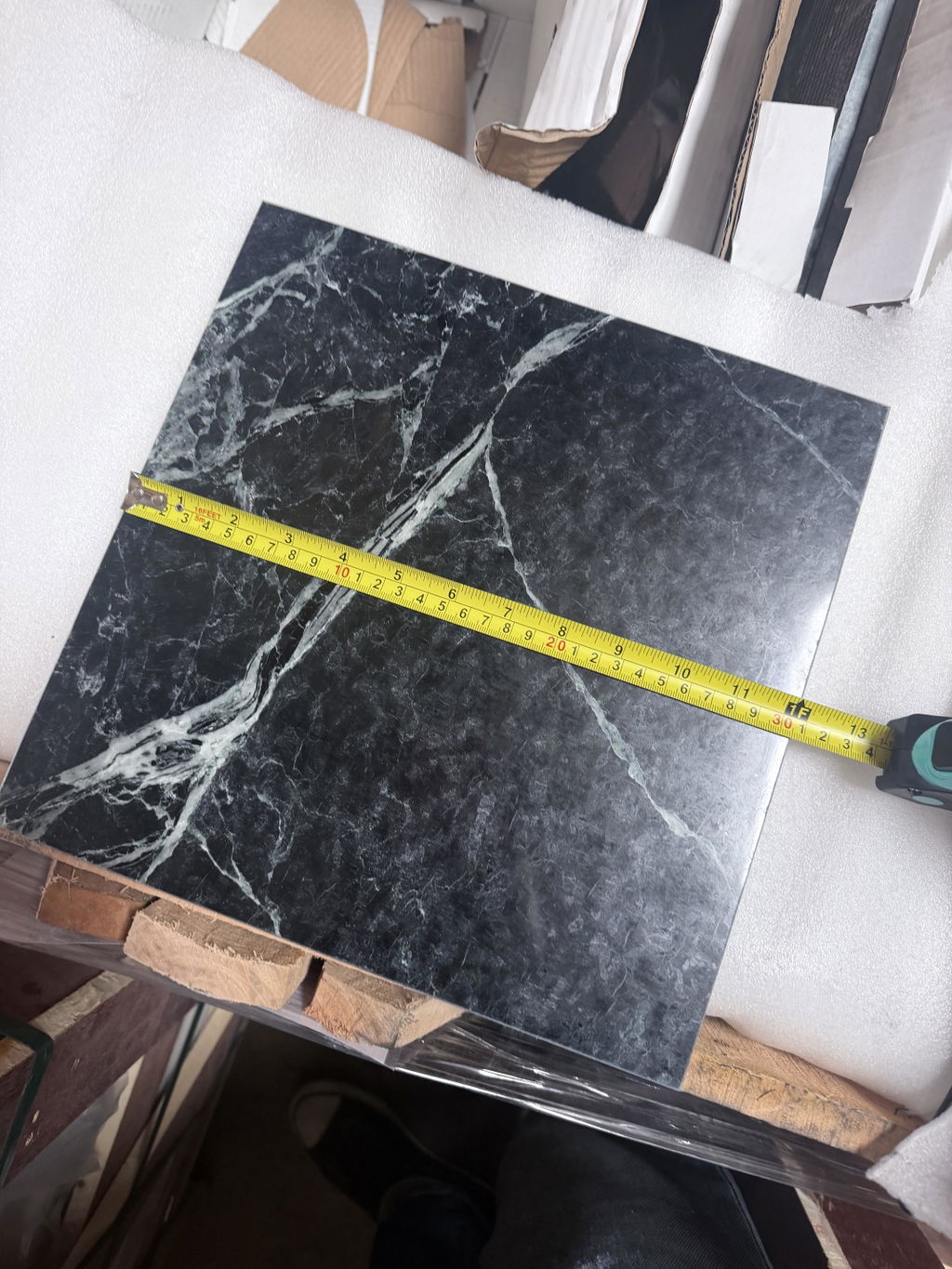
For a retail floor, we would start with classic, pale and creamy marbles and build outward. Crema Marfil in a 2x2 mosaic is a warm option for borders and accents and comes polished or honed. The Crema Marfil Manhattan random-strip mosaic adds texture to feature walls and thresholds. For field tile, the Mink Marmara Equator Zebra 12x12 in a polished finish brings dramatic linear veining to a main aisle or focal point.
We offer free sample shipping, so you can see the stone under your own lighting and next to your fixtures and wall finishes before you commit a quantity.
Explore the collection
Surfaces Galore is a direct importer of marble, travertine and limestone tiles, mosaics, moldings and pavers, based in Anaheim, California, and shipping nationwide. Our inventory is premium only, with no commercial-grade material, and we support custom orders, bulk quotes and trade projects for designers, contractors and builders.

Browse the marble tiles and mosaics to build a palette, or start from our main collection if you are comparing marble with travertine and limestone. For multi-zone floors, ask us about a bulk quote and custom project support so the whole order arrives matched.
Our perspective
Most retail floor problems we hear about were decided before the stone arrived. The tone plan was never drawn, the finish was chosen from a photo, or the overage was trimmed to save a few percent.
We think the best marble floors are specified like architecture. Decide where the stone leads the eye, choose the finish by zone, and commit to a care routine your staff can actually follow. Natural variation is the reason to use marble, so plan for it instead of fighting it.
That is also why we import direct and keep premium-only inventory. A floor that has to look the same in year five as it did on opening day needs architectural-grade stone and a supply you can rely on for the full quantity and the spares. Free samples let you test tone and finish in your own light first.
Whether you are fitting out a boutique, a hotel lobby or a showroom, send us the plan and the quantity. We will help you match the stone to the job.
John | Surfaces Galore
FAQ
Is marble a good choice for a luxury retail floor?
Yes, when it is specified for the traffic. Flagships such as Selfridges and the Dolce & Gabbana store in London use marble’s tone and veining to guide shoppers and express the brand. Choose the finish by zone, install it with full mortar coverage and follow a neutral-pH cleaning routine.
Should a store floor be polished or honed?
Polished marble reflects light and deepens color, and honed marble looks softer and matte. Many stores use both: polished in feature areas and honed near entrances and high-traffic aisles. Review slip-resistance data for the finish you choose with your architect.
How do I keep a marble retail floor looking new?
Dust mop frequently, use a pH-neutral cleaner, put mats at every entrance and wipe up spills promptly, especially acidic ones like citrus and wine. Have the sealer confirmed for your specific stone and plan periodic professional refinishing for polished areas.
How much extra marble should I order?
Order beyond the measured area to cover cuts, breakage and future repairs. The right amount depends on tile size, pattern and layout, because the NSI manual notes that yield and waste affect stone cost. Keep spare tiles from the same lot for later repairs.
Can I get samples before placing a bulk order?
Yes. Surfaces Galore ships samples free and supports custom orders and bulk quotes for trade and commercial projects. Request samples of your short-listed stones and view them in your store’s lighting.
Sources
- Marble floor, Selfridges - Jamie Fobert Architects
- Dolce&Gabbana’s London Flagship by Curiosity, Architectural Record
- National Stone Institute Design Manual 2022, Dimension Stone Selection
- Stone & Tile care guide, PROSOCO
- Ceramic & Stone Floors guide, Multi-Clean
- Natural Stone Flooring for Commercial Spaces, Dynamic Stone Tools
Recommended
- Luxury Marble Flooring Guide Selection Care Tips
- Marble Maintenance for Lasting Luxury Surfaces
- Marble Flooring Design Trends for 2024
- Choose Install And Care For Marble Floor Tile
This article is provided for general informational guidance only. Natural stone varies in color, veining, texture and performance. For installation, sealing, cleaning and maintenance, follow the product manufacturer’s instructions and consult a qualified installer or stone-care professional. Always test cleaning and sealing products in an inconspicuous area first. Surfaces Galore is not responsible for damage, discoloration, etching, staining, installation issues or other problems resulting from

Leave a comment