
Quartzite vs Marble Tile: Mohs 3 to 4 or 7? Verify the Slab

If you want marble’s classic look and accept higher maintenance, choose marble. If you want marble-like veining with greater scratch and etch resistance, choose true quartzite, but verify the slab before you buy. Mislabeling between the two stones is common enough that testing matters as much as the material choice itself.
TL;DR:
- True quartzite measures near Mohs 7 versus marble at 3 to 4, but test the slab because dolomitic marble is often mislabeled.
- Seal schedules vary: polished marble needs refinishing every 2 to 3 years, while porous quartzite may need resealing every 1 to 3 years.
- Use neutral cleaners on both stones, keep acids off marble, and choose honed or textured finishes to hide wear and reduce slipping on floors.
- Order 10 to 15% extra from the same production lot for pattern matching, and ask fabricators about waste allowances, seams, and bookmatching costs.
Table of Contents
- Marble vs Quartzite at a Glance
- Appearance and Design: Veining, Color, and Finish
- Durability and Hardness: What the Mohs Scale Really Means
- Maintenance, Sealing, and Long-Term Care
- Cost and Value: What Drives the Price
- Suitability by Room and Application
- How to Verify a Slab Is True Quartzite
- How We Source and Support Slab Verification
- Common Installation Challenges for Each Stone
- How Polishing and Finishing Change Look and Durability
- Environmental and Sustainability Considerations
- Availability and Sourcing Differences
- Natural Variation and Design Consistency
- Balancing Beauty and Durability in Practice
- Explore Our Marble and Quartz Tile Collections
- FAQ
- Sources
Marble vs Quartzite at a Glance
Marble brings soft, flowing veins and a cool, luminous surface that interior designers have relied on for centuries. True quartzite can mimic that look while standing up to daily wear far better, because its mineral structure is fundamentally harder and less reactive to acids.
- Appearance: marble offers classic veining and translucency; quartzite can look nearly identical in white and gray varieties, sometimes with more texture.
- Hardness: marble sits around Mohs 3 to 4, while true quartzite measures near Mohs 7, according to Stonify’s comparison of the two stones.
- Porosity and etching: marble etches easily from acidic foods and cleaners; true quartzite resists etching but still needs sealing.
- Maintenance: marble needs more frequent resealing and occasional refinishing; quartzite needs sealing on a longer cycle depending on porosity.
- Cost: quartzite often costs more to fabricate due to tool wear; marble pricing varies widely by rarity and origin.
- Best uses: marble suits lower-traffic bathrooms and accent walls; quartzite suits heavy-use kitchens and flooring.
Appearance and Design: Veining, Color, and Finish
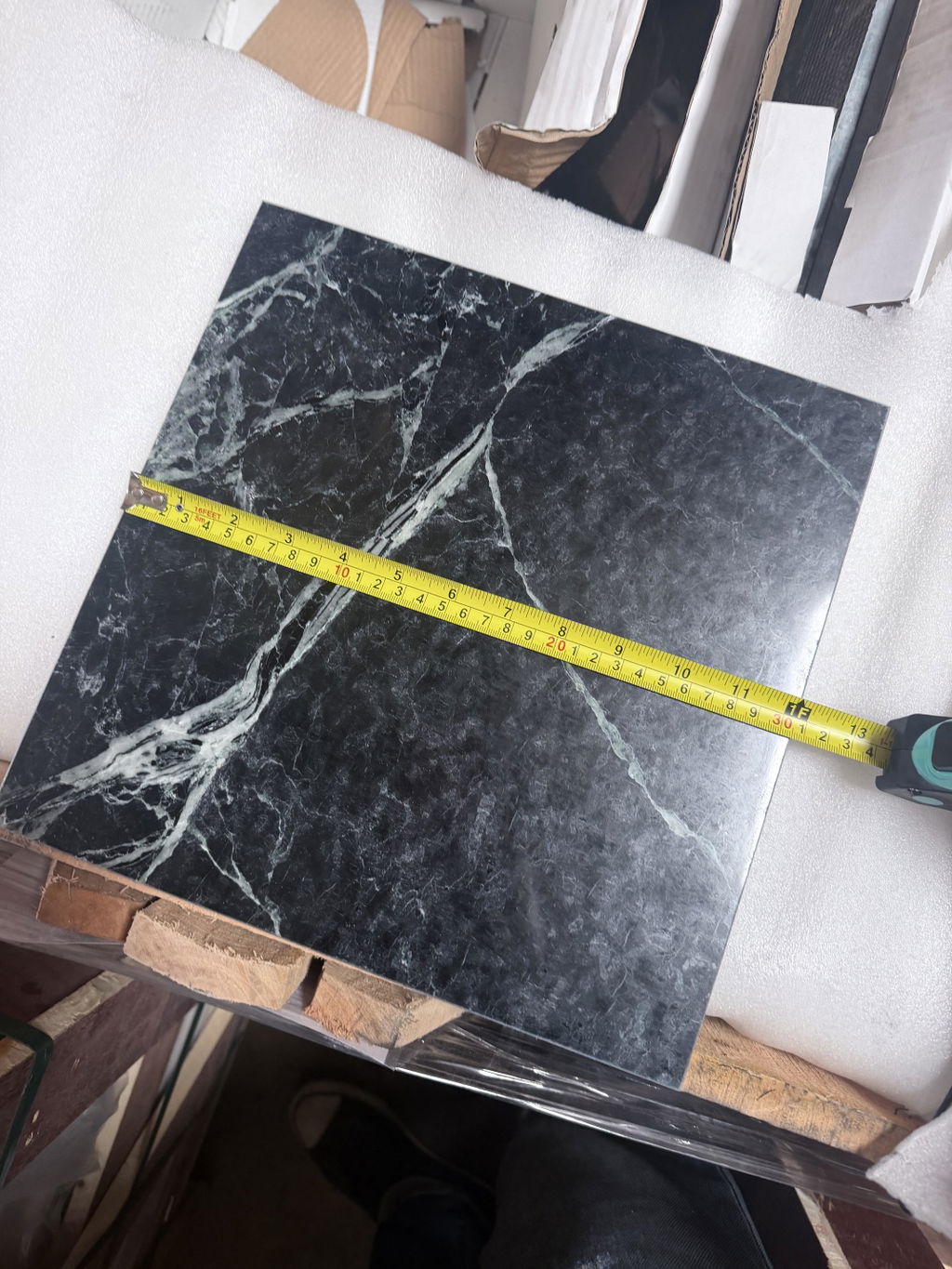
Marble’s veining tends to be soft and feathered, with colors ranging from pure white Carrara to deep green or black varieties with dramatic contrast. True quartzite often reproduces that same visual language, sometimes with a slightly more granular or crystalline sparkle under light, since it started as sandstone before heat and pressure recrystallized it.
Finish changes everything about how either stone reads in a room:
- Polished finishes deepen color and sharpen veining but show etching and scratches more readily.
- Honed finishes mute the shine and hide minor wear, a common choice for marble kitchen counters.
- Leathered or brushed finishes add texture and work well on quartzite floors where slip resistance matters.
When ordering, request extra material from the same lot to match veining across a large floor or a bookmatched backsplash. Our guide to matching marble slabs walks through how to order for seamless pattern continuity.
Pro Tip: Lay out slabs or tile sheets on the floor before installation to approve veining placement, especially for a bookmatched focal wall.
Durability and Hardness: What the Mohs Scale Really Means
The Mohs scale measures scratch resistance, and the gap between marble and true quartzite is significant in practical terms. Marble measures roughly Mohs 3 to 4, while true quartzite measures closer to Mohs 7, which is harder than a steel knife blade, according to Stonify’s material comparison. That difference shows up daily: a dropped knife or a dragged pot can leave a mark on marble but will rarely scratch genuine quartzite.

Heat resistance follows a similar pattern. Both stones tolerate brief contact with warm cookware better than many engineered surfaces, but setting a hot pan directly on either without a trivet risks thermal shock or localized discoloration over time.
The catch is that not every slab sold as quartzite is actually quartzite. A soft, calcite-rich dolomitic marble is frequently mislabeled as quartzite at the point of sale, which is why field testing before purchase or fabrication matters more than the name on the tag.
Maintenance, Sealing, and Long-Term Care
Daily care differs enough between these stones that it should factor into your decision before you commit to one over the other.
- Clean with pH-neutral stone cleaners on both materials, and keep vinegar, citrus, and other acids away from marble since they cause visible etching.
- Seal marble on a shorter cycle. Polished marble often needs refinishing every 2 to 3 years, while honed marble can stretch to 3 to 5 years, per Use Natural Stone’s marble care guidance.
- Seal quartzite based on porosity. Dense true quartzite can go longer between sealings, while more porous varieties may need resealing every 1 to 3 years, according to Use Natural Stone’s quartzite care guide.
- Run a water test periodically. Drip water on the surface; if it darkens the stone within a few minutes, it is time to reseal.
- Choose honed or textured finishes on high-traffic marble floors to mask the look of fine scratches between refinishing cycles.
Cost and Value: What Drives the Price
Installed pricing depends on more than the raw material. Rarity, slab yield, and how difficult the stone is to cut all factor into the final bid you receive.
- Fabrication difficulty raises cost. True quartzite’s hardness wears down cutting tools faster, which adds labor and equipment time compared to softer marble.
- Slab yield affects waste allowance. Highly veined or figured slabs often yield less usable material per sheet, raising the effective cost per square foot.
- Edge profiles and seaming add labor. Mitered or ogee edges and bookmatched seams take more fabricator time than a simple eased edge.
When comparing bids, ask each fabricator about their waste allowance, whether they can bookmatch your pattern, and where seams will fall. For a broader look at how natural stone pricing compares to other countertop materials, see this overview of countertop durability and cost from a residential remodeling contractor.
Suitability by Room and Application
Matching the stone to the room matters as much as matching it to your design taste.
- Kitchen counters: dense, verified quartzite handles daily acid exposure and knife contact better; honed marble can work for homeowners committed to careful upkeep.
- Bathrooms and showers: marble is a traditional, acceptable choice in lower-contact areas like vanity tops and walls; quartzite is the safer pick near soap scum and acidic cleaning products.
- Flooring and entryways: both stones resist abrasion well, though a honed or textured finish reduces slip risk in high-traffic zones.
- Outdoor applications: quartzite’s lower porosity generally handles freeze-thaw cycles and UV exposure with fewer issues, though any outdoor installation still benefits from sealing and proper drainage planning.
How to Verify a Slab Is True Quartzite
Because mislabeling is widespread, a short field test before you buy or fabricate can save a costly mistake.
- Run a glass scratch test. True quartzite scratches glass easily; a softer, calcite-based stone will not, according to the University of Auckland’s geology reference on quartzite.
- Try a small acid test. A drop of diluted hydrochloric acid will fizz on marble or dolomitic stone but show no reaction on true quartzite, per field testing guidance from Dynamic Stone Tools.
- Check water absorption. A few drops of water that bead and sit on the surface indicate low porosity consistent with dense quartzite.
- Commission lab testing for high-value jobs. Petrographic analysis typically costs $150 to $400 per sample and confirms mineral composition beyond doubt, according to the University of Auckland reference.
- Request offcuts before fabrication begins, since fabricators need to know the true material to select the right tooling and blade bonds.
Pro Tip: Ask your supplier for a small sample or offcut specifically for testing, not just for color matching.
How We Source and Support Slab Verification
As a direct importer and nationwide supplier of premium natural stone, we specialize in marble, travertine, and limestone, serving homeowners, designers, architects, contractors, builders, and tile professionals across the country. We offer samples so you can run your own scratch and water tests before committing to a full order. A detailed comparison of marble and quartzite covers additional renovation considerations, and trade buyers can request bulk quotes and project-specific sourcing support.
Common Installation Challenges for Each Stone
Marble and quartzite present different headaches on the job site, and knowing them ahead of time helps you brief your installer properly.
Marble’s softness means installers need to handle slabs carefully during transport and cutting to avoid chipping edges, and its sensitivity to acid means grout haze removal must use pH-neutral products rather than standard acidic cleaners. Polished marble also shows lippage, meaning uneven tile edges, more visibly than a textured surface, so precise leveling during setting is worth the extra time it takes.
True quartzite’s hardness creates the opposite problem: standard diamond blades wear out faster, and installers who do not switch to quartzite-rated tooling risk chipped edges or an uneven cut line. Because quartzite can vary in density even within the same quarry block, some tiles in a shipment may cut more easily than others, so experienced installers test-cut before committing to a full room.
Both stones benefit from back-buttering during setting to avoid hollow spots, and both require careful grout line planning since natural variation in tile size is more common than with manufactured materials. For marble backsplashes specifically, our installation considerations guide covers layout planning and substrate prep in more detail. Whichever stone you choose, hiring an installer with specific natural stone experience, not just tile experience, reduces the risk of costly mistakes.

How Polishing and Finishing Change Look and Durability
The finish applied to marble or quartzite affects both how it looks on day one and how it ages over years of use. A polished finish creates a mirror-like reflective surface that deepens color saturation and makes veining pop, but it also shows every scratch, etch mark, and water spot far more readily than a matte surface.
Honed finishes sand the surface to a soft, flat sheen. On marble, honing is often chosen specifically because it hides the small etch marks and scratches that accumulate in a working kitchen over time, trading some of the glossy depth for lower-maintenance appearance. On quartzite, honing is more of an aesthetic choice since the stone resists etching regardless of finish, though a honed surface will still show scratches more subtly than a polished one.
Textured finishes, including leathered and brushed options, add tactile depth and work particularly well for flooring where slip resistance matters. Leathering slightly reduces the stone’s reflectivity but can also mask minor surface imperfections.
Because finish is largely a fabrication choice rather than a fixed property of the stone, it’s worth discussing with your fabricator before the slab is cut. A polished quartzite counter and a honed quartzite counter will perform similarly in terms of hardness, but they will age very differently in appearance, so matching finish to your household’s habits matters as much as matching the stone type to your priorities.
Environmental and Sustainability Considerations
Both marble and quartzite are quarried stone, and their environmental footprint depends heavily on extraction methods, transportation distance, and the stone’s working lifespan. Natural stone generally lasts for decades when properly cared for, which spreads its embodied energy over a long service life compared to materials that need replacement every decade or two.
Quartzite’s hardness means it resists the wear that leads to premature replacement, which can extend its functional lifespan in high-traffic applications. Marble’s greater susceptibility to etching and scratching can shorten the interval before refinishing or replacement in heavy-use settings, though careful maintenance significantly narrows that gap.
Sourcing distance matters as well. Stone imported from overseas quarries carries transportation impact, so working with a supplier who manages direct import logistics efficiently can reduce unnecessary handling steps compared to stone that passes through multiple distributors before reaching a fabricator. Because natural stone is a byproduct of geological processes rather than a manufactured material, it also avoids the chemical binders and resins used in some engineered alternatives, though quarrying itself carries its own land and energy impact that varies by region and operator.
Availability and Sourcing Differences
Marble is quarried in a wide range of countries and has been a global trade commodity for centuries, which generally keeps a broad palette of colors and price points in steady supply. True quartzite deposits are geologically less common than marble deposits, and because demand for quartzite has grown as homeowners seek marble’s look with more durability, high-quality true quartzite slabs can be harder to source consistently.
This supply gap is part of why mislabeling happens: suppliers under pressure to meet quartzite demand sometimes substitute dolomitic marble, whether through confusion or misrepresentation. Working with a supplier who imports directly and can speak specifically to a slab’s origin and composition reduces that risk. We source marble, travertine, and limestone from established quarry relationships and offer trade pricing options for contractors and designers managing multiple projects, which helps smooth out the sourcing uncertainty that affects piecemeal purchasing.
Natural Variation and Design Consistency
Every slab of marble or quartzite is geologically unique, which is part of the appeal but also a planning challenge. Veining, color saturation, and even translucency can shift noticeably from one end of a slab to the other, let alone between different slabs from the same quarry block.
For large installations like open-concept flooring or a kitchen with a waterfall island, this variation means ordering from the same production lot is essential to keep veining and tone consistent across the finished space. Bookmatching, where adjacent slabs are cut and mirrored to create a symmetrical pattern, requires even tighter coordination between supplier and fabricator since the slabs must be cut sequentially from the same block.
Quartzite’s natural variation can include differences in density alongside color and pattern, which affects how evenly it cuts and polishes. Marble’s variation is typically more visual than structural, though some varieties include natural fissures that fabricators fill before installation. In both cases, ordering 10 to 15% extra material beyond your calculated square footage gives installers room to match patterns and avoid running short mid-project, a detail our slab matching guide covers in more depth.
Balancing Beauty and Durability in Practice
My rule of thumb: pick marble when the room gets light use and you love the softness of its veining, and pick verified true quartzite when the space sees daily abuse but you still want that marble look. Either way, inspect the actual slab in person and request a sample before you sign off on a full order.
— John | Surfaces Galore
Explore Our Marble and Quartz Tile Collections
Whether you land on classic marble or a verified true quartzite look, samples are available so you can test before you buy, and competitive pricing keeps premium material within reach for both homeowners and trade buyers. Browse our marble, travertine, and limestone selection or compare full-body polished options like Riviera Quartz, Andromeda Quartz, and Elyas Quartz in our marble and mosaic tile collection.

Reach out for a trade quote or request samples for your next project, with support available to help you match the right stone to your space.
FAQ
Which is better, marble or quartzite?
Neither stone is universally better since the right choice depends on your priorities. Marble offers classic veining and a softer surface ideal for lower-traffic spaces, while true quartzite offers similar beauty with far greater scratch and etch resistance for heavy-use areas like kitchens.
What is the downside of quartzite?
True quartzite costs more to fabricate because its hardness wears down cutting tools faster, which raises labor time and installed price, according to Stonify’s cost comparison. It can also be harder to source consistently, and mislabeled stone sold as quartzite may not perform as expected.
What is more expensive, quartzite or marble?
True quartzite is often more expensive to fabricate than marble because its hardness increases tool wear and cutting time, with installed quartzite commonly ranging from about $70 to $200 or more per square foot, according to Stonify’s pricing data. Marble pricing varies widely depending on rarity and origin, so direct comparison depends on the specific slabs involved.
Can I put a hot pan on quartzite?
True quartzite resists heat better than marble due to its hardness and mineral structure, but setting a very hot pan directly on any natural stone surface risks thermal shock or discoloration over time. Using a trivet protects the surface and the sealer regardless of which stone you choose.
Sources
- Quartzite — University of Auckland Rocks & Minerals
- How to Care for Your Marble Countertops — Use Natural Stone
- Caring For Quartzite Countertops — Use Natural Stone
- Quartzite field testing — Dynamic Stone Tools
Recommended
- Marble vs. Quartzite: Key Differences for Your Renovation
- Choosing the Perfect Marble Slab for Kitchen Countertops
- Understanding Marble Tile Hardness Scale Durability
- Marble Slab Types Uses and Value for Homes and Design
This article is provided for general informational guidance only. Natural stone varies in color, veining, texture and performance. For installation, sealing, cleaning and maintenance, follow the product manufacturer’s instructions and consult a qualified installer or stone-care professional. Always test cleaning and sealing products in an inconspicuous area first. Surfaces Galore is not responsible for damage, discoloration, etching, staining, installation issues or other problems resulting from

Leave a comment