

Travertine: A Complete Guide to Tile, Finishes, Uses, and Care

Key Takeaways
Travertine brings natural texture and earthy color to a wide range of indoor and outdoor projects. The right finish, placement, and care plan help the stone look its best over time.
- Travertine is a natural limestone shaped by mineral-rich water.
- Its colors, pores, and patterns vary from piece to piece.
- Finish and placement influence the look, upkeep, and surface feel.
- Samples and a planned layout make tile selection more confident.
- Use stone-appropriate cleaning and sealing guidance for ongoing care.
What travertine is and how it forms
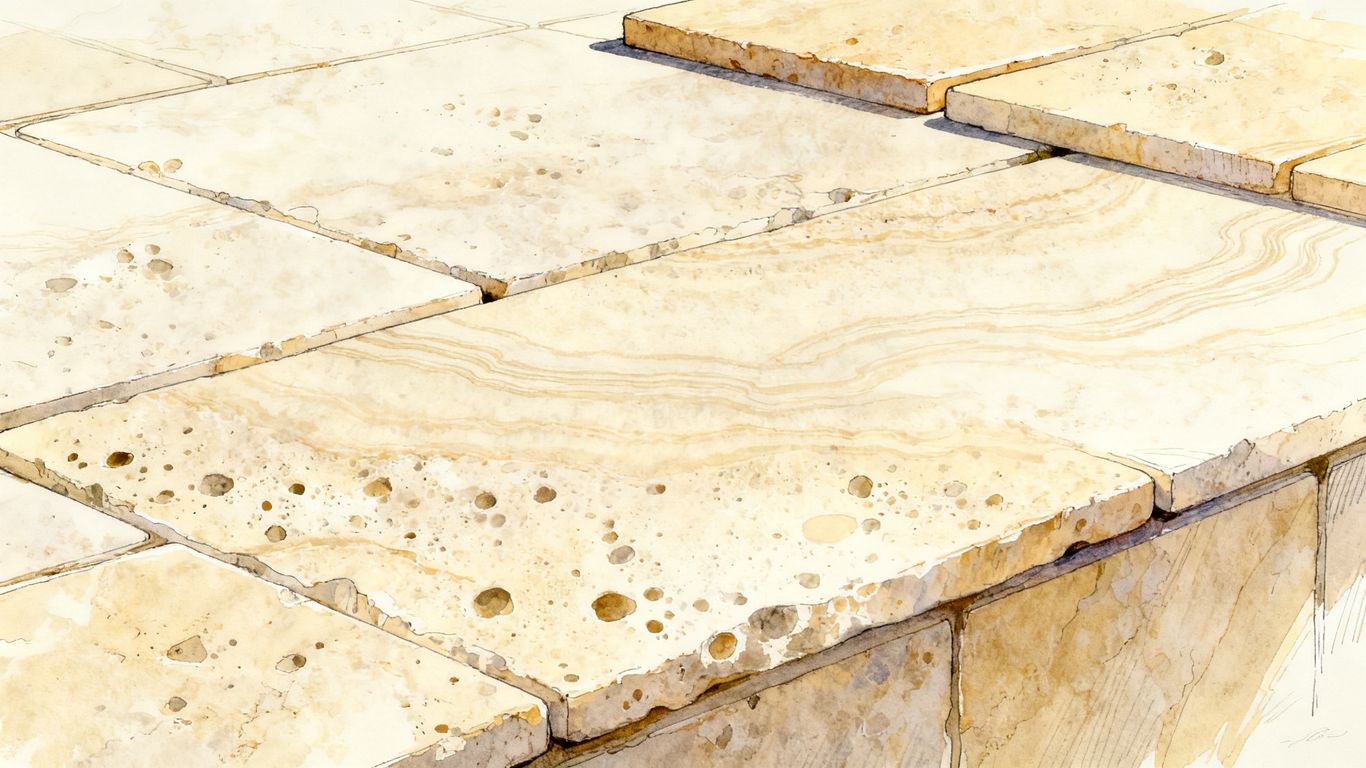
Travertine is a natural stone with a distinctive combination of color, texture, and small surface openings. Its formation begins as mineral-rich water deposits calcium carbonate over time. That origin gives the stone an organic look that works in both traditional and contemporary rooms. A little context about how it forms makes its variations easier to appreciate.
A natural stone shaped by mineral-rich water
Travertine forms when calcium carbonate carried by freshwater is deposited around mineral springs and other water sources. As layers build up, they create the familiar bands and textures found in quarried stone. The details vary with local conditions, so a finished tile can hold a quiet record of its natural formation. For more on its mineral-spring formation, consider how water and time shape the stone’s character.
How pores, veining, and color variations develop
Small openings are a natural feature of travertine, and the stone’s veining can range from delicate lines to more pronounced bands. Mineral content and the conditions during formation influence its palette, which commonly includes cream, ivory, beige, brown, and gray tones. These differences are part of the material, not a printed pattern repeated across every tile. They also mean that a sample is a useful guide, but not a promise that every piece will look identical.
Travertine compared with marble and limestone
Travertine is a form of limestone, while marble is a different natural stone with its own visual qualities and care needs. Travertine is often recognized by its open pores and earthy, layered appearance; marble is commonly selected for its distinct veining and smoother visual impression. Both are natural materials, so color and pattern vary. Compare actual samples and consider the room’s use before deciding which stone suits the project.
Why each piece has a distinct appearance
Quarrying reveals natural variation in tone, veining, and surface details, so two tiles may not match exactly. That variation gives a floor or wall a more collected, less uniform feel, especially when the pieces are viewed together. Before installation, arrange several tiles in a dry layout and move pieces around until the overall distribution feels balanced. The aim is a cohesive surface, not identical tiles.
Travertine colors and finishes
Color and finish work together to set the mood of a travertine installation. Pale shades can feel open and calm, while deeper tones bring warmth and visual weight. Surface treatments also change how the stone reflects light and feels underfoot. Exploring samples side by side is often the easiest way to find the right combination.
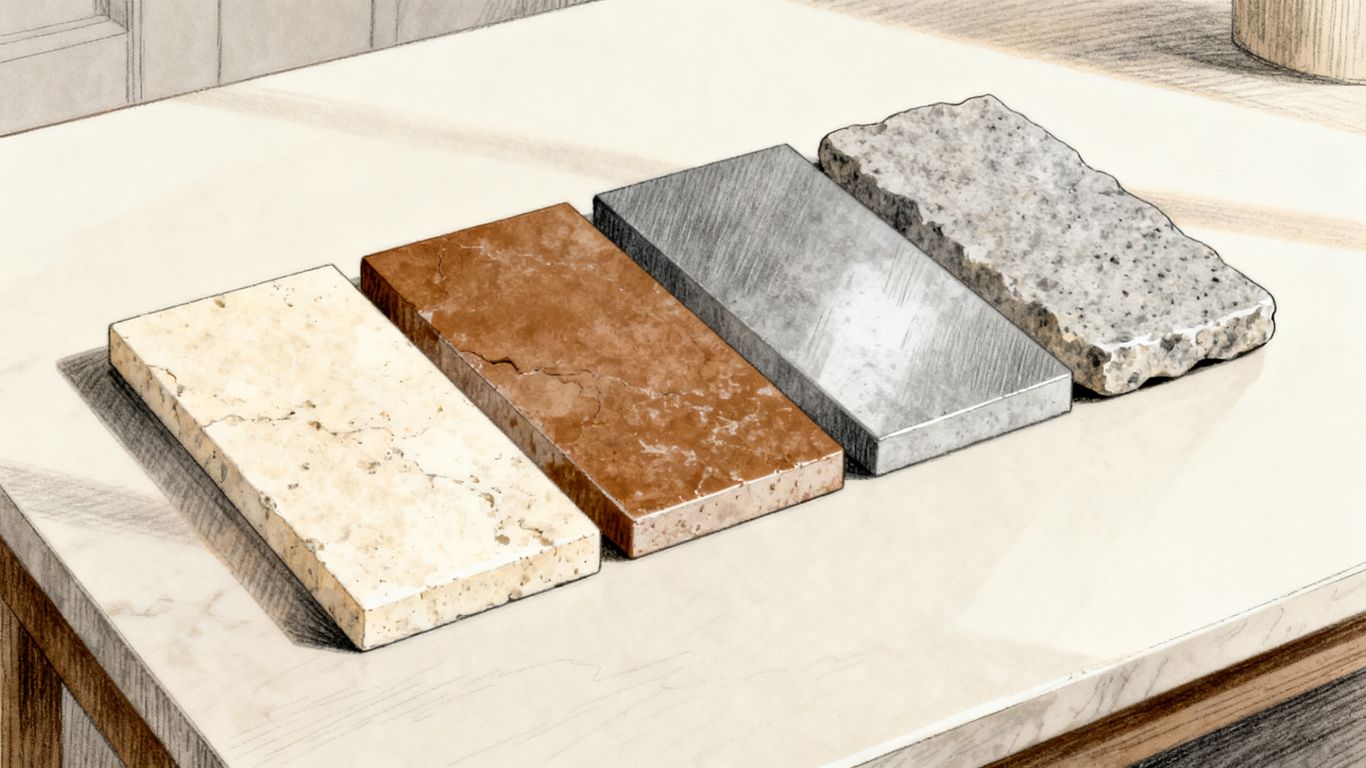
Popular shades, from ivory to Noce and silver
Ivory and cream tones pair easily with light woods, painted cabinetry, and quiet neutral palettes. Noce and walnut shades bring a richer brown note, while silver travertine offers a cooler gray direction. Gold and Scabos options add warmer, more varied color. At Surfaces Galore, the La Travonya Travertine 12-by-12 filled and honed tile is one example of the warm, earthy tones and natural textures available for floors, walls, and backsplashes.
Honed and filled finishes for a smooth, matte look
Filling the stone’s openings and honing the surface creates a smoother, matte appearance. This finish can make the natural color and veining feel understated rather than glossy, and it is a popular option for many interior settings. The exact look depends on the tile and its natural variation, so inspect more than one piece if possible. A filled, honed surface still calls for care suited to natural stone.
Polished, brushed, and tumbled finishes
Polished travertine has a more reflective surface, while brushed finishes retain a textured feel. Tumbled stone has softened edges and a timeworn appearance that suits relaxed, rustic designs. Chiseled finishes can add a more pronounced edge detail. Surfaces Galore offers travertine tiles in polished, honed, brushed, chiseled, and tumbled finishes, so consider both the room’s style and the surface feel you want.
Vein-cut and cross-cut patterns for different effects
Vein-cut travertine reveals linear bands that can make a surface feel directional and graphic. Cross-cut stone presents a more cloudlike, open pattern, with softer shifts rather than long lines. Neither approach is inherently better; each changes how the stone reads across a large floor or wall. Compare the pattern in a full tile or a group of samples, since small chips can hide the overall effect.
Where travertine works best
Travertine can suit many parts of a home, from an entry floor to a bathroom wall or patio. The key is to match the stone and finish to the way the surface will be used. Consider moisture, traffic, cleaning habits, and the amount of texture that feels comfortable in the space. With a clear plan, the same natural material can bring continuity across several areas.
Flooring for entryways, living areas, and commercial spaces
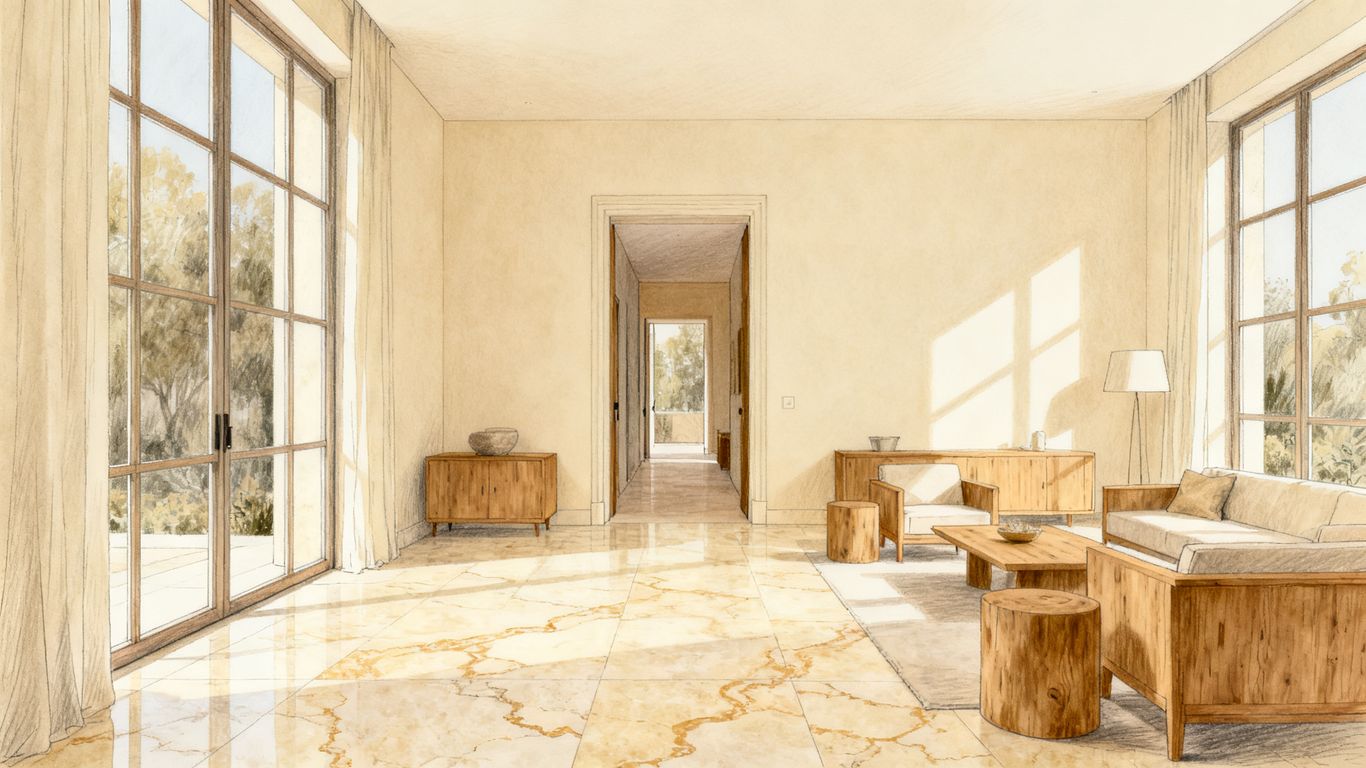
Travertine flooring brings natural variation to busy shared areas, including entryways, living rooms, and some commercial settings. Its varied tones can help a floor feel welcoming without relying on a strong printed motif. Choose a finish that suits the room’s daily use, and plan for regular care. In an entry, for instance, a mat can help reduce the grit tracked across the stone.
Bathroom walls, shower floors, and vanities
Travertine can be used on bathroom walls, shower floors, and vanity areas, with the specific finish and installation selected for the conditions in each location. Smaller mosaic pieces can create more grout lines in a shower floor, while larger tiles give walls a quieter visual rhythm. Water management and suitable sealing matter in wet areas. Confirm installation and maintenance recommendations for the exact stone and setting.
Kitchen backsplashes and decorative accents
A travertine backsplash adds texture and an earthy note behind a range or sink. Mosaics are useful when a smaller scale or repeating shape suits the design, while field tile creates a calmer plane. For example, travertine mosaic tiles can bring natural color variation to a backsplash or accent area. Surfaces Galore also offers travertine mosaics in designs such as herringbone, hexagon, subway, basketweave, and penny round.
Patios, pool surrounds, and other outdoor areas
Travertine pavers and outdoor stone can bring warm, natural color to patios, walkways, and pool surrounds. Outdoor applications need materials and installation suited to local weather and exposure, so check the product guidance before ordering. A textured finish may be preferable where a smoother surface would not suit the setting. For a coordinated look, carry a related stone tone from an exterior living area toward nearby walls or steps.
Benefits and considerations before choosing travertine
Travertine offers a natural surface with visual variation that is difficult to reproduce with a uniform manufactured pattern. It can suit many design styles, but it is still a stone that needs thoughtful selection and care. Porosity, moisture exposure, and surface texture all deserve attention before purchase. Weighing those details early helps avoid choosing by appearance alone.
Natural character and lasting design appeal
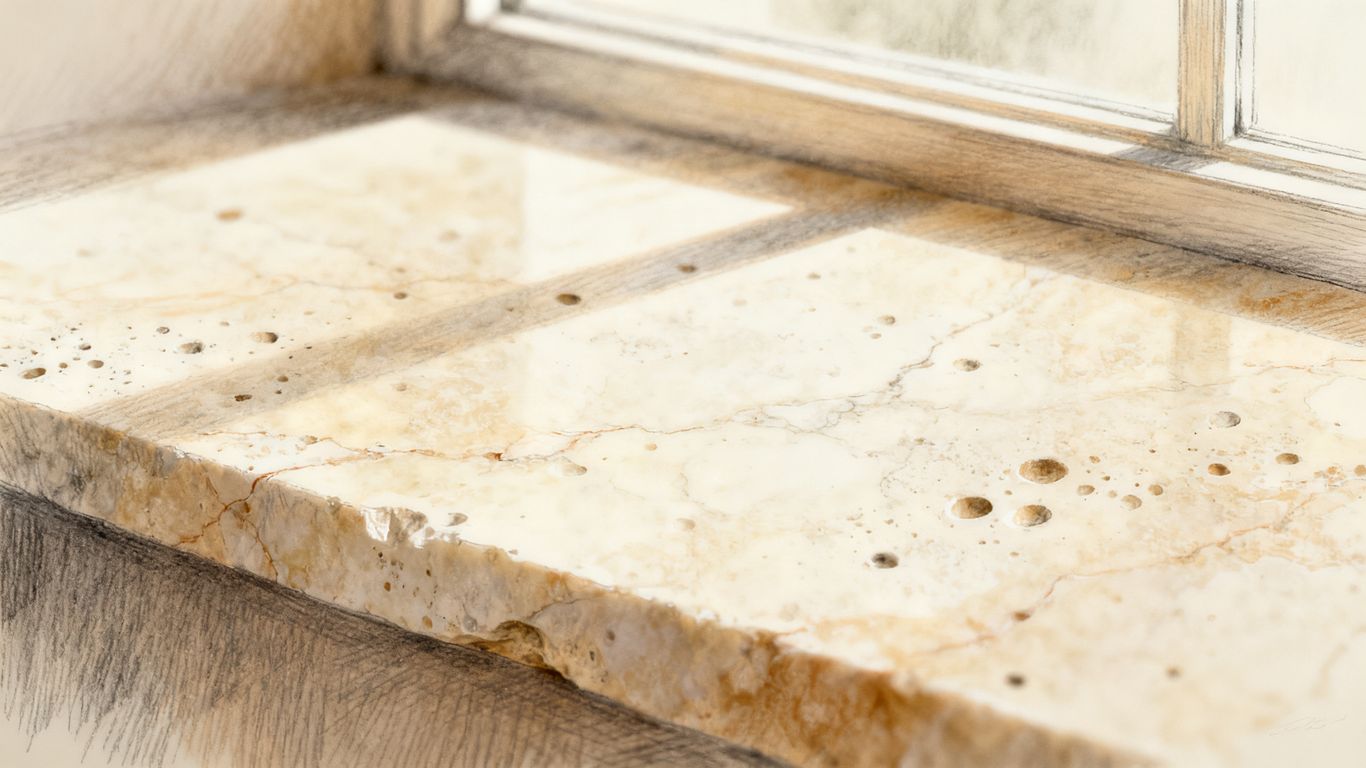
The appeal of travertine comes partly from its individuality: bands, pores, and color shifts make each installation distinct. Earthy shades can sit comfortably beside wood, metal, and painted finishes, which gives the stone flexibility as a room changes around it. Its enduring natural look is a reason many people choose it for both classic and newer interiors. Think about how the variation will read across the full surface, not only in one tile.
Durability in busy spaces and outdoor settings
Travertine is used in residential and commercial spaces, as well as in outdoor applications, but durability depends on the stone, finish, installation, and care. A floor that sees frequent foot traffic needs a practical cleaning routine and a finish appropriate for its use. Outdoors, climate and exposure should inform the selection. Ask for product-specific guidance rather than assuming every travertine tile is suitable for every location.
Porosity, sealing, and moisture considerations
Because travertine is porous, moisture and staining deserve consideration, especially in kitchens and bathrooms. A suitable sealer can help protect natural stone, but it does not make the surface maintenance-free or eliminate the need to clean spills. Follow the stone and sealer manufacturers’ instructions for application and reapplication. If the use area has unusual exposure, confirm that the chosen product and installation are appropriate.
How finish and placement affect slip resistance
Texture and placement influence how a surface feels underfoot, particularly around showers, patios, and pools. Tumbled or other textured finishes may be considered where a smoother polished surface is not the desired feel, but the right choice depends on the specific tile and conditions. Ask for product information relevant to the intended use. A sample can help you assess texture, though it cannot replace installation guidance.
How to choose travertine tile for your project
The most satisfying choice is usually the one that works both visually and practically. Start with the room’s light, existing materials, and everyday use, then narrow down color, finish, and format. A few deliberate checks can prevent rushed decisions once installation begins. Give samples and layout planning enough time to do their job.
Match color and pattern to the room’s style
Begin with the larger palette: cabinetry, wall color, wood tones, and fixtures. A light ivory tile can keep a compact room feeling open, while Noce or walnut can ground a larger space with warmth. Vein-cut patterns may add direction; cross-cut patterns can feel softer and more dispersed. Look at the stone beside the materials already chosen rather than judging it in isolation.
Select tile size, layout, and mosaic details
Tile size affects how many joints appear across a floor or wall, and the layout can change the room’s visual rhythm. Larger formats may create a more expansive look, while mosaics add pattern and detail. Some available options include square and rectangular formats as well as French, or Versailles, patterns. A tile such as La Travonya Travertine in a Versailles pattern illustrates how the layout itself can become part of the design.
Compare samples under your project’s lighting
Natural and artificial light can make the same stone look warmer, cooler, lighter, or more muted. Set samples near the floor or wall where they will be installed and view them at different times of day. Compare finishes as well as colors; a reflective surface behaves differently from a matte one. Keep the samples beside grout and nearby materials, since those details affect the finished impression.
Plan for installation, waste, and future repairs
Measure the area carefully, discuss layout and installation with a qualified professional, and account for cuts or breakage when estimating quantities. Natural stone varies, so inspect tiles before installation and blend pieces from different boxes where appropriate. Keep extra material from the same purchase if practical, since future batches may not match precisely. These planning steps help make the finished surface more consistent and leave a path for repairs.
A project may also involve decisions beyond tile. If you are organizing broader plans, these guides cover kitchen remodel planning, family coverage choices, Barcelona property checks, training video planning, and online site safety. They are separate topics, but a clear list of project priorities helps keep stone selections focused.
Travertine maintenance and care
Regular, gentle care helps preserve travertine’s natural appearance. The details can vary by finish and location, so follow instructions for the specific stone and products used. In general, remove grit and spills promptly, and avoid cleaners that may react with natural stone. A simple routine is easier to maintain than occasional aggressive cleaning.
Clean stone with a pH-neutral product
Use a pH-neutral cleaner formulated for natural stone, following its label directions. Dust and loose grit can be removed with a soft broom or a clean, non-abrasive cloth before damp cleaning. Too much water is not a substitute for an appropriate cleaner, especially where moisture can linger. Test a new product in an inconspicuous area if its suitability is uncertain.
Protect surfaces with suitable sealing
Sealing can help protect porous stone from moisture and staining, but the right product and schedule depend on the surface and how it is used. Follow the sealer instructions for application, curing, and future maintenance. Avoid treating sealing as a guarantee against every mark. Regular cleaning remains part of caring for the surface.
Avoid acidic cleaners and abrasive tools
Acidic products, including some common household cleaners, can damage natural stone. Abrasive pads and powders may also scratch or dull the finish. Choose soft cleaning tools and a stone-safe product instead. When in doubt, check with the stone or cleaning-product supplier before applying something new.
Address spills, stains, and routine wear promptly
Blot spills rather than spreading them across the surface, then clean with a suitable stone product. The right response can depend on what was spilled and the stone’s finish, so seek professional guidance for a persistent mark. Routine sweeping helps limit grit that can contribute to surface wear. Prompt, gentle attention is generally preferable to forceful scrubbing.
Finding travertine tiles and stone for your project
Once you have a sense of color, finish, and application, compare products in the format that best suits the project. Tile, mosaics, slabs, and pavers serve different design needs, and available choices can vary. Confirm stock and dimensions before finalizing the plan, especially when ordering for a larger area. Surfaces Galore is an Anaheim-based direct importer and nationwide supplier of natural stone, including travertine tiles, mosaics, and moldings.
Compare tiles, mosaics, slabs, and pavers
Field tiles can cover floors and walls, while mosaics bring smaller-scale pattern to backsplashes and accent areas. Slabs are an option for larger uninterrupted surfaces, and pavers are intended for outdoor projects. Compare the format with the surface area and installation details in mind. A product’s intended application should guide the decision more than its appearance alone.
Review available colors, sizes, and finishes
Ask which colors, dimensions, and finishes are currently available, and compare those choices with your samples and layout plan. Natural stone can vary, so review multiple pieces where possible and confirm the material before installation. If the project includes more than one format, check that the selected items work together in tone and finish. Surfaces Galore’s collection includes travertine tiles, slabs, mosaics, and pavers for a range of indoor and outdoor projects.
Request a quote and check current stock
A quote can help you compare the planned quantity and finish against current availability. Share the project area, preferred format, and any relevant layout details so the estimate reflects your needs. You can request a travertine quote and check current stock before making a final selection. Samples can also help you see the stone in your own space before ordering.
Arrange nationwide shipping and ask about bulk pricing
For projects outside Southern California, ask about shipping arrangements and timing before placing an order. Surfaces Galore serves customers nationwide and offers bulk discounts; confirm current terms, quantities, and availability directly for your project. Careful coordination of delivery and installation dates can make a large order easier to manage. If a project calls for a substantial quantity, include that information when requesting pricing.
When you are ready to compare options, explore travertine products from Surfaces Galore, review current stock, and request a quote for your project. The team can help you consider available formats and finishes, while samples offer a useful way to check color and texture at home.
Conclusion
Travertine’s natural pores, earthy colors, and varied patterns give each installation its own character. Choose a finish and format suited to the room, review samples in place, and plan for appropriate installation and care. With those decisions made thoughtfully, travertine can bring a warm, enduring natural-stone look to floors, walls, and outdoor spaces.
Frequently Asked Questions
Is travertine a type of limestone?
Yes. Travertine is a natural form of limestone that develops as calcium carbonate is deposited by mineral-rich water.
What colors does travertine come in?
Common shades include ivory, cream, beige, brown, gold, and silver-gray. Exact tones and patterns vary naturally from piece to piece.
Is travertine suitable for bathrooms?
Travertine can be used for bathroom walls, shower floors, and vanity areas. Choose a product and finish suited to the location, and follow appropriate installation and care guidance.
What is the difference between honed and tumbled travertine?
Honed travertine has a smooth, matte appearance, while tumbled travertine has softened edges and a more textured, aged look.
Does travertine need to be sealed?
Travertine is porous, and sealing may help protect it from moisture and stains. Follow product-specific directions for the appropriate sealer and maintenance schedule.
How should travertine be cleaned?
Use a pH-neutral cleaner intended for natural stone and soft, non-abrasive tools. Avoid acidic cleaners and abrasive products that may harm the surface.
Can travertine be used outdoors?
Travertine products are available for outdoor uses such as patios and pool surrounds. Confirm that the specific product, finish, and installation suit the site and local conditions.
Leave a comment