
Travertine vs marble tiles: a comprehensive comparison for your next project

Key Takeaways
Choosing between natural stone options is a transformative step in any renovation journey. These essential summaries highlight the most critical differences for your project:
- Marble forms under intense geological pressure to create a smooth, crystalline surface structure.
- Travertine originates in natural hot springs, producing distinct pores that grant a tactile, earthy appearance.
- Durability varies between the stones, with travertine often offering superior wear resistance for high-traffic or outdoor areas.
- Proper maintenance, including regular sealing and pH-neutral cleaning, is mandatory for preserving any natural stone surface.
- Budgeting should account for material, professional labor, and protective sealing to protect your investment over the long term.
Understanding the geological differences
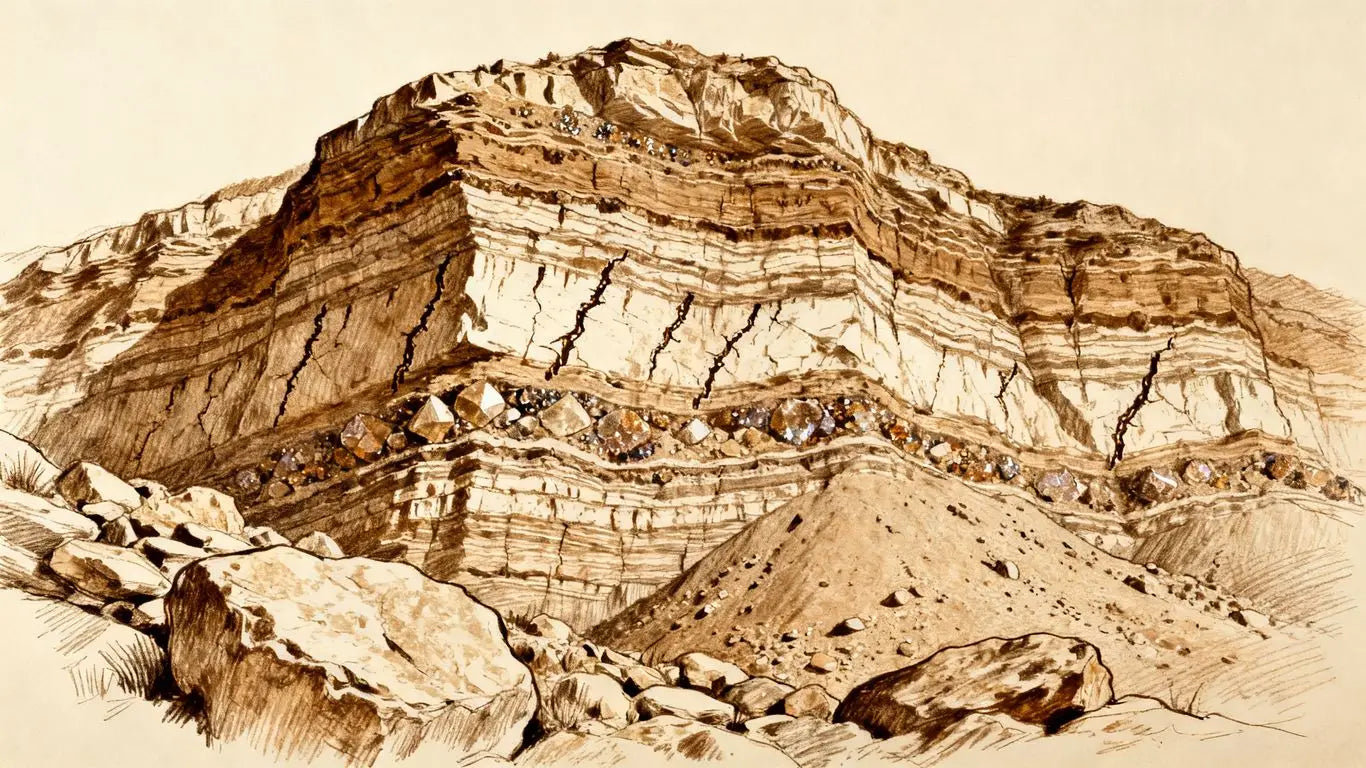
How marble is formed and its mineral composition
Marble is a metamorphic rock that begins its life as limestone, undergoing extreme heat and pressure beneath the Earth's surface. This intensive process rearranges the minerals into a denser, crystalline structure that glows when polished. The purity of the original limestone determines the vibrancy of the final product, often resulting in classic, sophisticated patterns.
Origins and characteristics of travertine stone
Travertine is a form of limestone deposited by mineral springs, particularly hot springs. As rushing water and trapped gases escape during formation, they leave behind characteristic small cavities and channels. This unique growth environment gives the stone its warm, naturally aged profile that feels organic and welcoming underfoot.
Why geological formation impacts tile porosity
Because travertine naturally features more surface voids than the tightly packed structure of marble, its porosity is fundamentally higher. This doesn't necessarily mean it is weaker, but it does mean it requires a different approach to filling and surface treatment. Understanding this porosity is vital for selecting the appropriate installation environment, whether indoors or out.
Distinguishing natural variations in stone structure
Individual tiles will always display unique streaks, veins, and pitting, as no two pieces of natural stone are identical. Suppliers like Surfaces Galore ensure that the natural variation in each shipment adds to the authenticity of your final floor design. It is this inherent unpredictability that makes every installation a singular piece of art rather than a mass-produced imitation.
Comparing aesthetic profiles for interior design
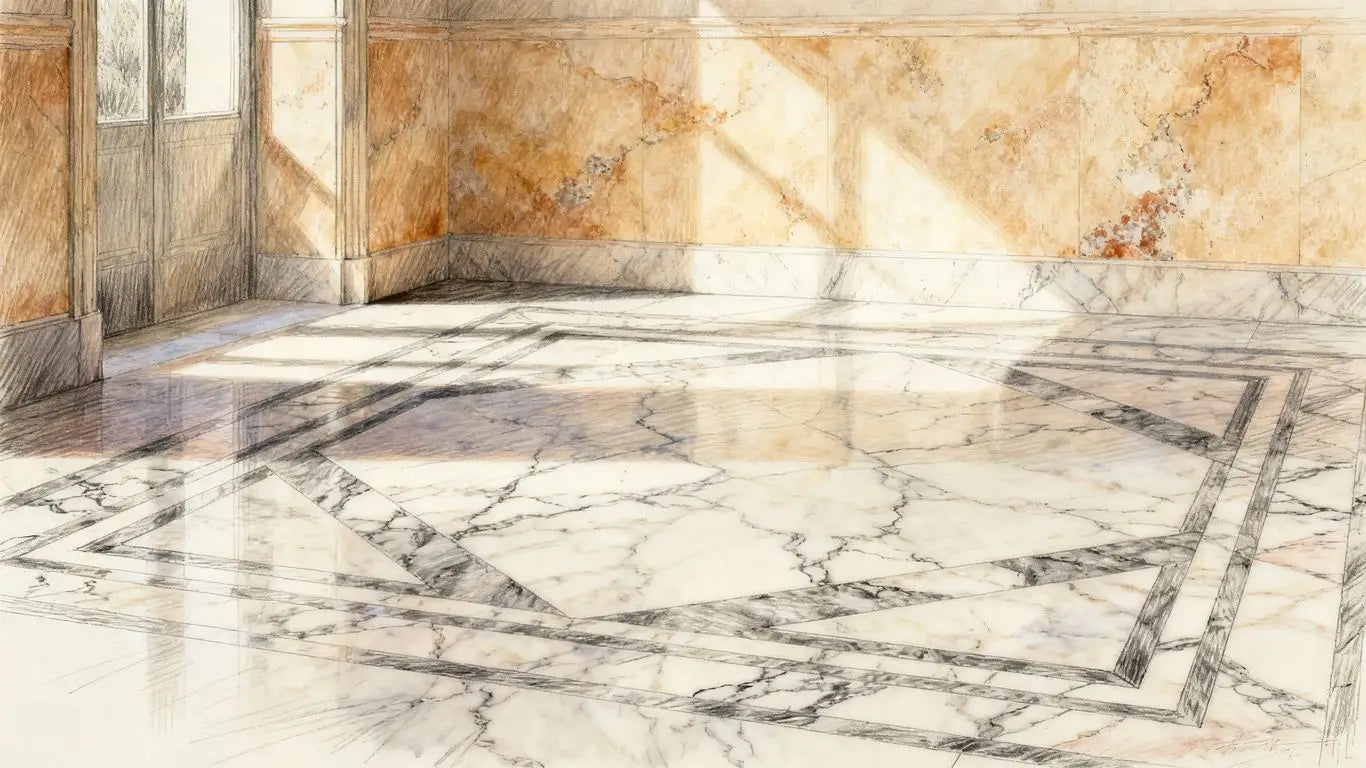
The classic veining patterns of premium marble
Marble is celebrated for its striking, fluid veins that wind through the face of the stone like rivers. These bold movements make it a centerpiece in luxury design, especially in bathrooms or entryways where the dramatic patterns draw the eye. High-quality Carrara White Marble provides a crisp, luminous backdrop that elevates the entire aesthetic.
Earthy tones and natural textures in travertine
Travertine brings a grounded, warm sensation to a room through its palette of ivory, beige, and walnut hues. Unlike the cool, polished precision of marble, this stone feels lived-in and soft to the touch. These features offer a distinct design benefit:
- Ideal for creating a warm, cozy atmosphere in living spaces.
- Natural color blends that hide minor dust and debris effectively.
- Textural variety that prevents the room from feeling sterile.
- Versatile aesthetic that pairs well with both wood and metal.
How lighting affects the visual appeal of different stones
Lighting acts as a filter for your natural stone surfaces. Polished marble tiles bounce artificial and natural light around the room, which makes cramped spaces feel bright and open. Conversely, the matte or tumbled surface of travertine absorbs light softly, emphasizing the depth and variation of its natural pores and textures.
Matching natural stone with modern and traditional decor
Both materials are surprisingly adaptable, crossing the bridge between vintage and contemporary styles with ease. A modern design might leverage clean, white stones to maintain a minimalist look, while traditional spaces often favor the rugged textures of unfilled travertine pieces. When comparing differences between marble and travertine, the final decision often hinges on whether your home seeks a serene, elegant finish or an organic, rustic texture.
Assessing durability and high-traffic suitability
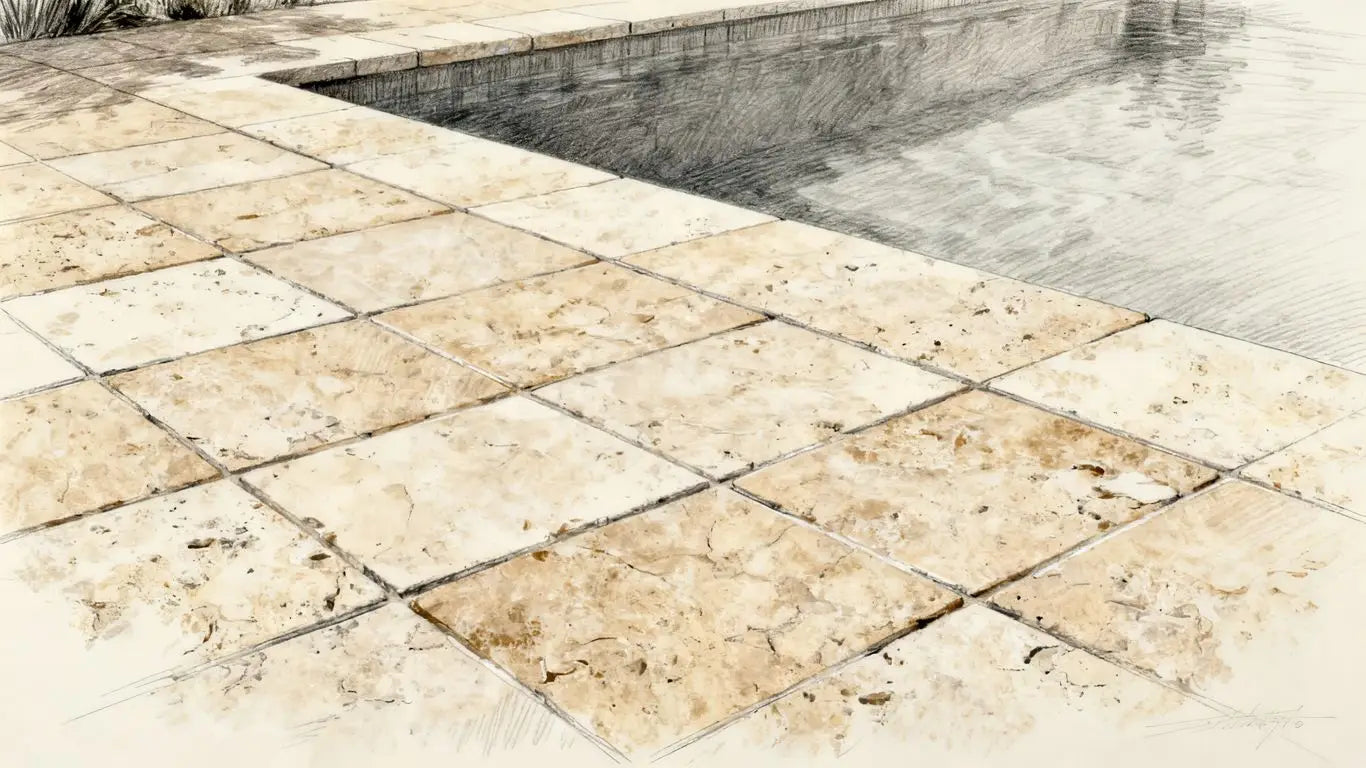
Hardness ratings and wear resistance for flooring
Natural stones are valued for their incredible longevity, though they perform differently depending on the setting. While marble is prized for its high-impact, refined look, travertine often holds up better against the abrasive nature of tracked-in sand or gravel in high-traffic zones. Choosing the right material ensures your floors remain a lasting foundation for years of daily activities.
Resistance to surface scratches and impact cracks
To help you decide which material fits your unique needs, consider the following performance comparison:
| Feature | Marble Performance | Travertine Performance |
|---|---|---|
| Scratch Resistance | Moderate to High | Moderate |
| Impact Resilience | Excellent | Excellent |
| Maintenance Needs | High Sensitivity | Moderate Maintenance |
| Best Location | Formal Interiors | Indoor & Outdoor |
Evaluating structural integrity for residential versus commercial use
Commercial environments demand surfaces that resist foot traffic and heavy usage without losing their luster. While marble creates a striking first impression for lobbies or salons, those spaces must be maintained rigorously. Travertine’s natural robustness makes it a viable candidate for heavier usage, provided it is installed with professional-grade adhesives and proper supporting substrates.
Long-term performance in high-moisture environments
Large formats, such as La Travonya Travertine 12x24, perform exceptionally well in moisture-prone zones when sealed properly. The ability of stone to withstand humidity is essential for shower floors and pool surrounds. However, one must always prioritize non-slip finishes in bathrooms to improve safety for everyone in the home.
Maintenance and professional care protocols
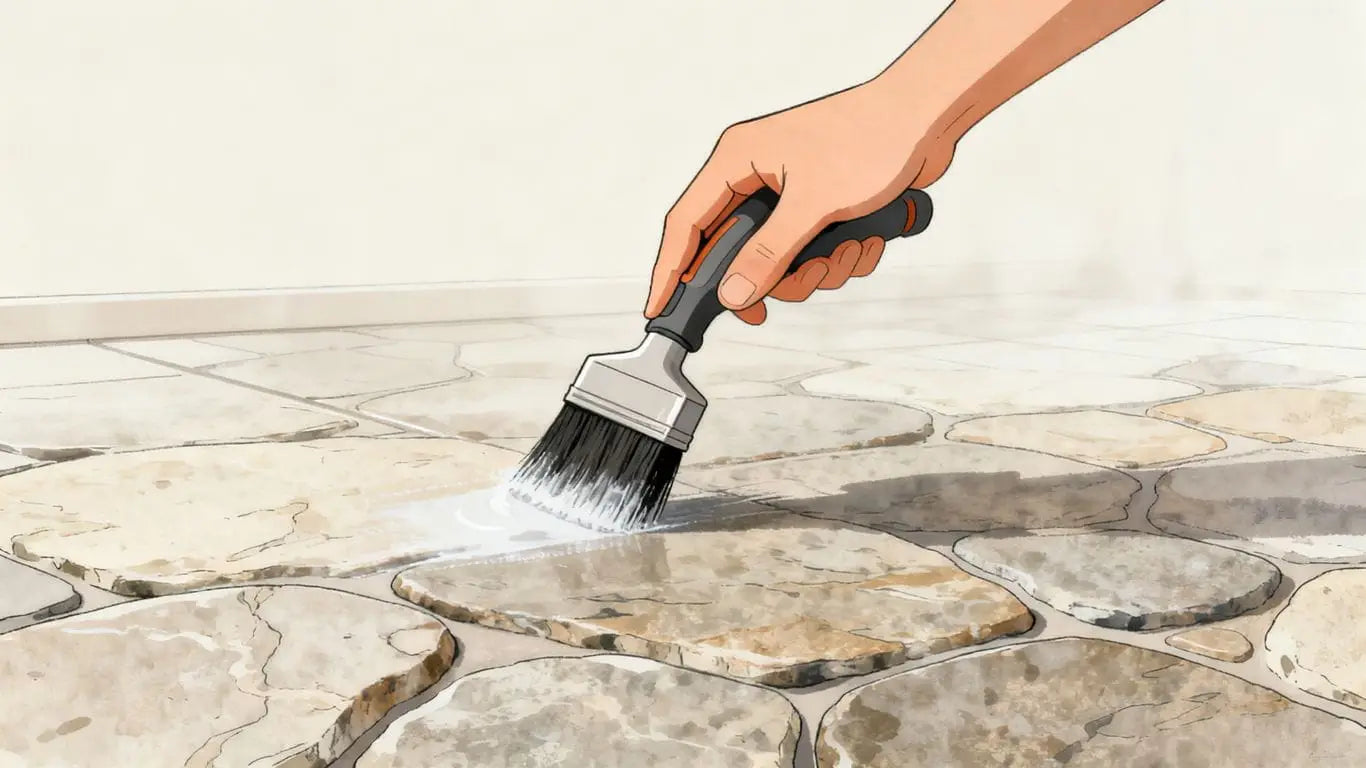
Daily cleaning routines for natural stone surfaces
Daily care is remarkably simple when you avoid harsh chemicals. A gentle dust mop or a broom with soft bristles is usually sufficient to remove loose grit that could scratch the surface. Following this with a damp cloth or a mop using only warm water maintains the natural sheen of your flooring without degradation.
The critical role of sealing in protecting stone health
Sealing is the single most important action you can take to protect your stone from spills and stains. A high-quality penetrating sealer fills the microscopic pores in the stone, creating an invisible barrier that guards against acidic liquids. This is the difference between a pristine, long-lasting surface and one that stains under the smallest accident.
Addressing common stains and acidic etching accidents
Acidic substances like lemon juice or red wine react poorly with many natural stones, leaving what is often called an "etch." If an accident does occur, do not panic or use abrasive scouring pads. Instead, use a pH-neutral cleaner specifically formulated for stone to treat the area immediately and neutralize the spot until a professional can step in.
Choosing the right cleaning agents to preserve natural luster
Avoid generic bathroom cleaners often found in grocery stores, as these frequently contain strong acids that can permanently dull your stone. Stick to professional-grade supplies that are designed specifically to nourish the stone rather than strip its surface. These products ensure your floor retains its original luster and natural color integrity throughout its life.
Cost factors and project budgeting
Comparing material cost per square foot for premium marble
Premium marble is typically considered an investment-level material, reflecting its prestige and the labor-intensive quarrying required to source high-quality specimens. Budgeting for these tiles involves more than just the surface area; you must also factor in higher freight costs due to the weight of the stone and the refined techniques required for professional installation.
Assessing the investment value of travertine options
Travertine is frequently more budget-friendly than rare marble varieties while providing the same natural, upscale appeal. This allows homeowners to extend stone coverage to larger areas, such as backyard patios or open-floor kitchens, without compromising on luxury. This makes it an ideal choice for those who want to maximize square footage while staying within a tighter project scope.
Understanding expenses beyond material: shipping and bulk delivery
Shipping is a crucial expense that is often overlooked in early estimates. Ordering through a direct importer can significantly offset these costs by removing intermediaries and potentially qualifying you for bulk shipping discounts. Always calculate for a waste factor to ensure you do not run short mid-project, as a matching dye lot is impossible to locate after the fact.
Leveraging professional installation and supplier discounts
Working with an established importer allows you to access deep industry knowledge regarding installation, which saves money in the long run by preventing errors. Do not hesitate to ask about ongoing promotions, as suppliers frequently provide value through reduced shipping rates or volume discounts on materials.
Ideal interior and exterior applications
Best uses for marble in master bathrooms and formal kitchens
Marble is the undisputed queen of formal, indoor elegance. It naturally reflects light, creating a bright, clean, and spa-like atmosphere in master bathrooms that cannot be replicated. When utilized in formal kitchens, its cool surface temperature and classic beauty serve as the perfect contrast to modern cabinetry, creating a sophisticated environment for entertaining guests.
Why travertine is the premier choice for pool decks and outdoor patios
Travertine remains a top-tier choice for outdoor spaces because it is naturally cooler to the touch than other rocks, even when under direct sunlight. This functional benefit prevents burned feet, making it both a safe and luxurious selection for pool surrounds and veranda flooring. Its inherent slip resistance is a welcome bonus in wet, outdoor climates.
Creating seamless indoor-outdoor transitions with stone flooring
Bringing the same or complementary stone through a sliding glass door creates a visual bridge that expands the perceived space of the entire home. By utilizing consistent materials for your living room and patio, you craft a unified design language that draws the eye toward the landscape, effectively blending your home environment with nature.
Architectural accents: where both stones shine in design
Both stones act as excellent architectural anchors. Use marble for intricate fireplace surrounds or mantels that demand attention, or deploy travertine in ledger-stone applications along an exterior wall to add architectural depth. Their distinct physicalities mean they can fill different roles within the same project, provided the color temperatures are chosen to complement one another.
Selecting the perfect finish for your style
The polished finish for maximum luxury and light reflection
Polished finishes are synonymous with high-end, classic luxury. This finish involves an intensive grinding process that brings the stone to a high-gloss reflective state, showcasing the deepest veins, colors, and patterns within the material. While it looks pristine, it demands careful placement to avoid slipping, making it best for low-traffic feature walls rather than bathroom floors.
Benefits of honed and matte surfaces for a subtle look
If you prefer an understated, cozy, or modern appeal, a honed finish is the way to go. This matte surface is achieved by sanding the stone until it is smooth but completely non-reflective. It is remarkably forgiving, as it hides small surface imperfections and minimizes the appearance of scratches, making it ideal for high-traffic entryways and kitchens.
Choosing tumbled or chiseled finishes for rustic character
For those who love the charm of aged architecture, a tumbled or chiseled finish is your best friend. This process rounds the sharp edges of the stone, giving it a weathered, old-world vibe. It perfectly complements farmhouse decor or outdoor garden paths where a bit of texture is needed to ground the design and allow the stone to settle into the landscape.
How finishes influence slip resistance and safety
Safety is the primary consideration when selecting a finish, especially in wet rooms or outdoor terraces. A textured, tumbled, or brushed finish provides much higher traction than a slippery polished surface, ensuring you and your guests can move through your space with confidence. Always prioritize tactile grip over shine in any area where water is present.
Conclusion
Whether you choose the crystalline sophistication of marble or the organic warmth of travertine, you are selecting a timeless material that will define your home for decades. By properly assessing your space's specific lighting, traffic patterns, and moisture exposure, you ensure that your investment in quality stone brings lasting beauty to your lifestyle. As you finalize your plan, remember that our team of design experts is ready to help you navigate selection, installation tips, and final finishing to turn your renovation vision into a stunning reality.
Frequently Asked Questions
Is marble stronger than travertine for flooring?
Marble is denser and often harder than travertine, but travertine is surprisingly resilient and can often handle wear and traffic just as effectively, particularly when installed correctly.
Can travertine be used successfully in a bathroom?
Yes, travertine is excellent for bathroom floors and showers, especially when finished with a honed or tumbled surface to provide better grip and safety.
Does marble tile always need to be polished to look luxury?
No, honed marble can look incredibly sophisticated and modern while offering a softer, more matte appearance that is perfect for contemporary or transitional interior design styles.
Is it possible to use the same stone inside and outside?
Yes, selecting a versatile, weather-resistant stone like travertine allows for a beautiful, seamless visual flow from the kitchen or living room directly onto a patio or pool deck.
Why does my supplier recommend ordering extra tiles?
Ordering an additional percentage of your total square footage is standard practice to account for breakage during cutting, tile selection, and future repairs to ensure all tiles come from the same authentic stone batch.
How often should natural stone flooring be sealed?
While this depends on traffic and liquid exposure, a fresh coat of high-quality penetrating sealer should generally be applied once every year or two to ensure your stone remains fully protected.
Can I install these stone tiles on my own?
While an experienced DIY enthusiast might handle smaller sections, natural stone installation requires specialized tools such as wet saws, careful substrate preparation, and structural leveling that often makes professional help the best choice for large or high-value residential projects.

Leave a comment