
Best Entryway Stone Tiles for Lasting Style

A front entry has to handle more than a beautiful first impression. It is where wet shoes pause, pets race through, grocery bags land, and grit collects before it reaches the rest of the house. The best entryway stone tiles balance that daily reality with the visual authority natural stone brings: depth of color, authentic movement, and a finish that looks considered from the moment the door opens.
For homeowners, designers, and builders, the right choice is rarely about choosing the most dramatic slab or the palest marble sample. It comes down to the stone's density, finish, format, maintenance expectations, and the way it connects the entryway to adjoining rooms. A well-specified stone floor should feel substantial underfoot, age gracefully, and support the architecture rather than compete with it.
What Makes the Best Entryway Stone Tiles?
An entryway is a high-traffic transition zone, so material performance should lead the decision. Natural stone is an excellent choice when it is properly selected, installed, and maintained, but not every stone or finish serves every household equally.
The most reliable entryway floor generally has a honed, tumbled, brushed, or otherwise low-sheen finish. These surfaces provide better traction than highly polished stone and do a better job of disguising dust, water spots, and the occasional scratch. Polished marble can be appropriate in a formal, low-exposure foyer, particularly where outdoor debris is limited. In a busy family entrance or a mudroom-style hall, a honed finish is usually the more practical specification.
Color variation also matters. Stone with natural tonal movement, such as a warm walnut travertine or a soft gray limestone, is forgiving between cleanings. Very dark polished floors can show dust, while very white floors may reveal tracked-in soil. This does not rule out Nero Marquina or Carrara marble. It simply means their finish, grout tone, and entry mat strategy need to be chosen with care.
A quality installation is equally important. The substrate must be flat and properly prepared, grout joints should suit the tile format, and the stone should be sealed with a penetrating sealer appropriate for natural stone. Premium material deserves premium preparation. Cutting corners below the tile is one of the fastest ways to undermine a floor built to last.
The Best Stone Types for an Entryway
Travertine: Warm, practical, and naturally forgiving
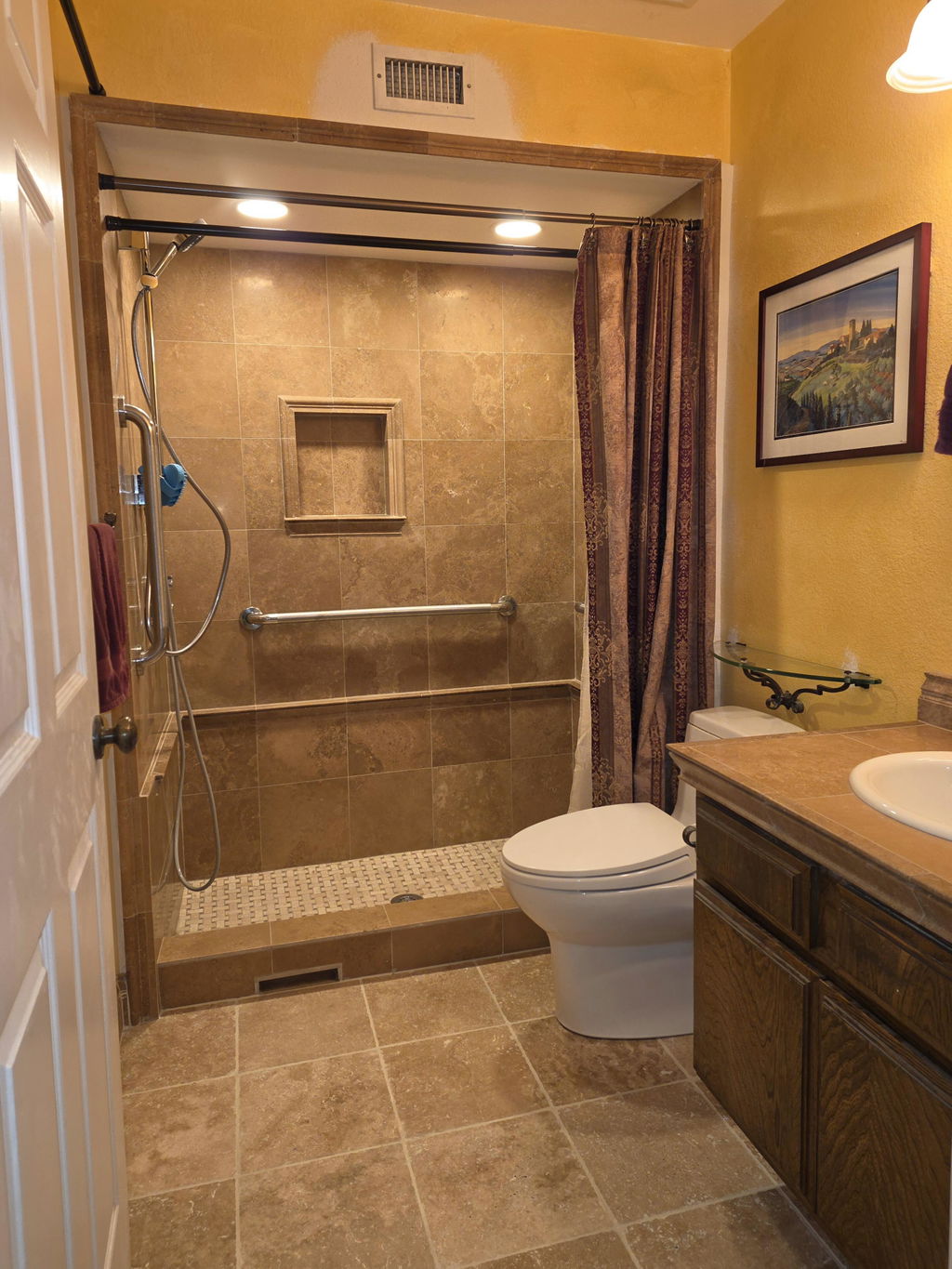
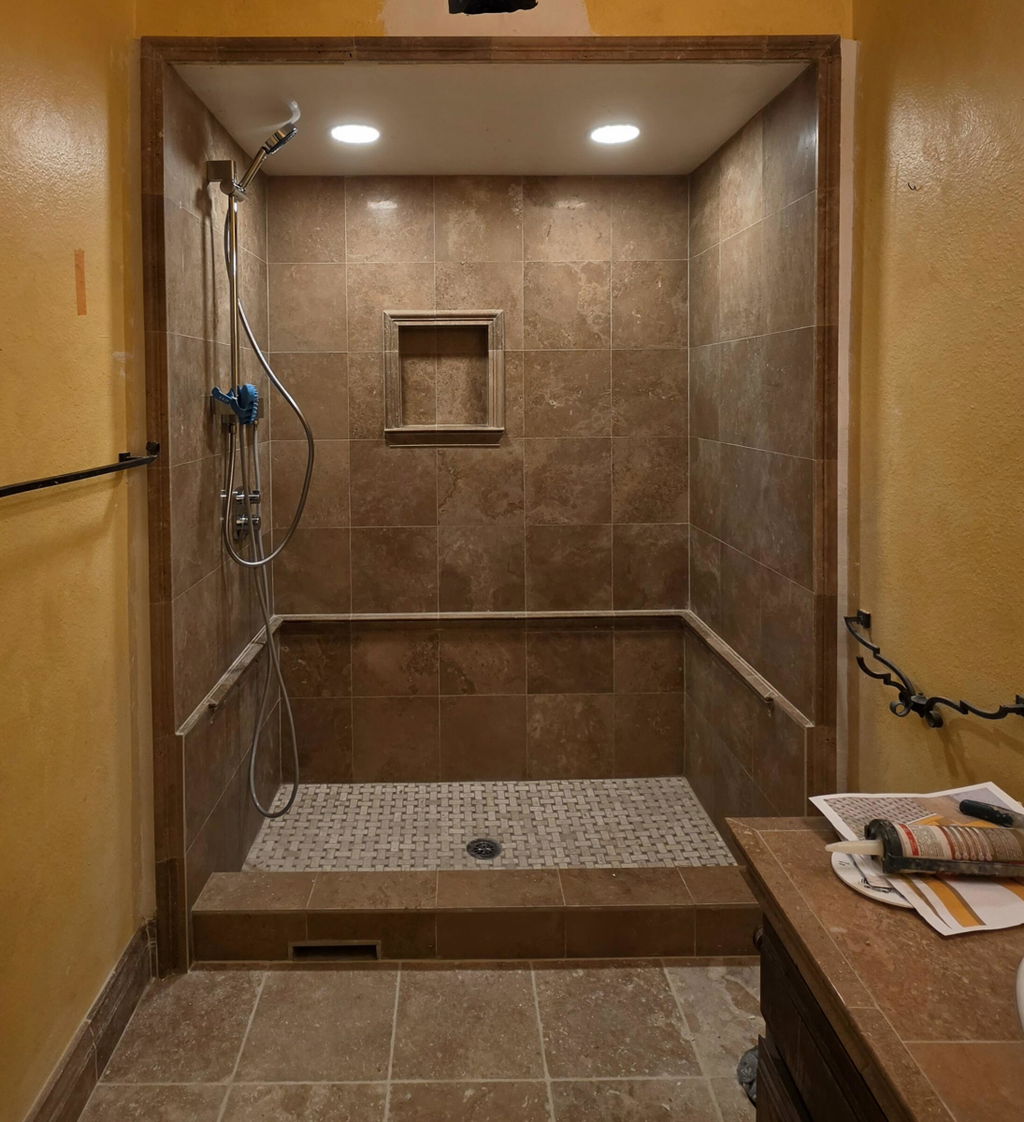
Travertine remains one of the strongest choices for an active entryway. Its earthy range, from ivory and beige to silver and noce brown, creates a welcoming surface that does not feel precious. Honed and filled travertine offers an elegant, lightly refined look, while tumbled travertine adds texture and old-world character.
Noce travertine is especially effective where traffic is heavy and a richer floor is desired. Its deeper brown tones can conceal everyday debris more effectively than pale stone, while its variation keeps the floor from reading flat. Ivory travertine works beautifully in Mediterranean, coastal, transitional, and European-inspired interiors, especially when continued into a kitchen or main living area.
Travertine is porous and requires sealing, as do most natural stones. That is not a weakness, but it is part of responsible ownership. With routine resealing and pH-neutral cleaning, it is a proven flooring material for homes, boutique hospitality settings, and renovation projects that call for real architectural character.
Limestone: Quiet luxury with excellent versatility
Limestone offers a refined, grounded appearance that suits both traditional and contemporary homes. It is often chosen for its softer, more consistent color field and its ability to make an entry feel calm rather than overly decorative. Beige, taupe, charcoal, and gray limestones work particularly well with wood doors, plaster walls, iron details, and white oak flooring.
For entryways, look for a honed or brushed limestone with enough tonal movement to accommodate daily use. A pale limestone can make a compact foyer feel larger, but it benefits from a darker or medium-toned grout and a properly placed walk-off mat. In a grander entry, larger limestone tiles create a clean architectural plane with fewer grout lines.
Because limestone is generally softer than denser stones, it is best for owners who appreciate a naturally aged surface. A few subtle signs of use are part of the material's character. If a flawless, highly polished look is the priority, limestone may not be the best fit for a busy exterior-facing door.
Marble: Formal impact when the setting supports it
Marble is the statement choice. Carrara, Calacatta, Thassos, and Nero Marquina can transform an entryway into a focal point before any furniture is added. Marble is particularly compelling in historic homes, city apartments, classic transitional interiors, and formal foyers with controlled traffic.
The key is specifying marble honestly. Highly polished white marble is more likely to show etching, fine scratching, and water marks over time. A honed Carrara floor is often the smarter balance, retaining the stone's recognizable veining while reducing glare and making normal wear less conspicuous.
Marble also performs exceptionally well in patterned applications. A checkerboard floor in Carrara and Nero Marquina, or Carrara and a soft gray stone, gives an entry immediate architectural identity. Small-format mosaics bring traction and detail, while a border or inset pattern can define the entry zone in an open-plan home. For a high-traffic household, choose honed pieces and accept that genuine marble develops a lived-in patina.
Slate and quartzite: Worth considering for rugged entries
While marble, travertine, and limestone are central to many premium stone designs, slate and quartzite deserve consideration where weather and wear are the main concerns. Their cleft or textured surfaces offer traction, and their stronger color variation can be ideal for rustic, mountain, farmhouse, and indoor-outdoor settings.
These stones have a more rugged visual language than refined marble or limestone. They are best selected when that character supports the larger design. A heavily textured slate may feel out of place in a polished neoclassical foyer, just as a bright white marble checkerboard may not suit a working side entry exposed to snow and mud.
Choose the Right Tile Size and Pattern
Tile scale changes how an entryway feels. Large-format stone tiles can make a modest foyer appear broader and calmer because there are fewer grout joints interrupting the surface. A 16-by-24-inch or 24-by-24-inch layout is often an excellent choice for contemporary and transitional entrances, provided the floor is sufficiently flat for installation.
Smaller tiles offer more visual rhythm and can be more accommodating in narrow entries, irregular floor plans, and homes with many door thresholds. They also create more grout lines, which can increase slip resistance. This makes mosaics and smaller modular patterns a smart choice for wet locations, though they require more attention during grout cleaning.
French pattern or Versailles sets are particularly effective in larger foyers and homes with a European or old-world point of view. The mixed tile sizes create movement without relying on bold color contrast. They should be laid out intentionally, with cuts planned around doorways and focal points so the pattern feels tailored rather than accidental.
Checkerboard is another enduring option. It works because it is graphic, familiar, and adaptable. Keep the contrast soft for a quieter entry, such as Carrara paired with a warm gray limestone. Choose black and white marble for stronger formality. The best checkerboard floors use accurately cut, premium-grade material so the joints read crisp and the pattern remains balanced across the room.
Finish, Grout, and Details That Protect the Investment
A honed finish is the default recommendation for most stone entryway floors. It offers a low-luster surface that feels sophisticated without the maintenance sensitivity of a mirror polish. Tumbled stone is ideal when texture and aged character are part of the design direction. Brushed finishes can provide a slightly tactile quality while maintaining a more tailored appearance than heavily tumbled edges.
Grout should complement the stone, not create a grid unless a graphic look is intentional. A medium neutral grout is often the practical choice for travertine and limestone because it softens routine soil visibility. For marble checkerboard, grout color must be selected carefully to preserve the clean contrast of the pattern.
At exterior doors, use a substantial mat both outside and inside whenever possible. This single detail reduces abrasion from sand, salt, and grit. Use felt pads beneath entry furniture, clean spills promptly, and avoid acidic cleaners. Natural stone should be maintained with a pH-neutral cleaner and sealed on a schedule that reflects the stone, finish, and amount of traffic.
Specify Stone With Confidence
Online stone shopping should not require guesswork. Requesting samples lets you see color movement, finish, and scale under your own lighting before committing to a full floor. It is also wise to order enough material for a proper overage, particularly with patterned layouts, diagonal installations, and spaces that require careful color blending.
At Surfaces Galore, premium imported natural stone is selected for buyers who expect real quality, not commercial-grade shortcuts. For a complete entryway specification, evaluate the stone by material, finish, tile format, and the adjacent surfaces it must meet. A beautiful sample is only the starting point. The right tile needs to perform in the actual space.
Choose the stone that fits how the entry will be used, then let its natural variation do what manufactured flooring cannot: make the first room in the house feel genuinely established from day one.

Leave a comment