
Budget-Friendly Stone Options for Homeowners in 2026

The cheapest landscaping rocks are crushed stone, pea gravel, decomposed granite, river rock, and lava rock. For indoor renovation, the most affordable natural stones are sandstone, limestone, travertine, slate, and granite remnants. Here is what each is best for at a glance:
Landscaping rocks:
- Crushed stone / crushed concrete — large-area coverage, driveways, drainage beds
- Pea gravel — walkways, play areas, mulch replacement
- Decomposed granite (DG) — compacted paths and patios with a natural look
- River rock — decorative dry creek beds, drainage channels
- Lava rock — lightweight mulch alternative, raised beds, fire pits
Budget interior natural stones:
- Sandstone — flooring, accent walls, low-traffic areas
- Limestone — floors, bathroom surrounds, fireplace facings
- Travertine — showers, patios, entryways
- Slate — floors, outdoor steps, shower floors
- Granite remnants — vanity tops, small islands, fireplace surrounds
The trade-off every homeowner faces: upfront material cost is only part of the picture. Sealing schedules, delivery weight surcharges, and base-prep labor can double what you spend if you do not plan for them from the start.
Table of Contents
- 1. Affordable landscaping rocks: types, costs, and best uses
- 2. Budget natural stones for interiors: costs and where to use them
- 3. What “cheap” really costs: installation, transport, and lifecycle
- 4. How to buy stone affordably: sourcing, remnants, and DIY tips
- Key Takeaways
- The case for buying real stone on a real budget
- Authentic natural stone at prices that work for your project
- Useful sources and further reading
- FAQ
1. Affordable landscaping rocks: types, costs, and best uses
Crushed stone and crushed concrete are consistently the least expensive landscaping rocks by volume, making them the go-to for large coverage areas like driveways, drainage swales, and utility paths. Pea gravel and river rock cost a bit more per ton but earn their place as decorative options for walkways and mulch replacement.
| Rock type | Typical cost | Best for | Durability | Maintenance | Aesthetic |
|---|---|---|---|---|---|
| Crushed stone | least expensive per ton | Driveways, drainage, base layer | Very high | Low; top-up after heavy rain | Gray/tan angular texture |
| Crushed concrete | least expensive per ton | Large coverage, sub-base | High | Low | Gray, utilitarian |
| Pea gravel | affordable, slightly higher per ton | Walkways, play areas, mulch replacement | Moderate | Raking to redistribute | Smooth, warm tan/brown |
| River rock | affordable, slightly higher per ton | Dry creek beds, decorative borders | High | Low; occasional cleaning | Rounded, multi-color |
| Decomposed granite | moderately priced per ton | Compacted paths, patios | Moderate | Re-top every 1–2 years; needs edging | Earthy gold/brown |
| Lava rock | moderately priced per ton | Raised beds, fire pits, mulch alternative | High | Very low; lightweight | Deep red/black, porous |
| Crushed granite | moderately priced per ton | Paths, patios, driveways | High | Low | Speckled gray/pink |
Installation note on base prep: Decomposed granite compacts into a firm walking surface, but it needs a solid edging system and a geotextile weed barrier underneath or it migrates into lawn edges within a season. Pea gravel, by contrast, stays loose by design, so it drains freely but shifts underfoot and requires no compaction step. That difference matters when you are pricing labor.
Pro Tip: Buy crushed stone or DG in full truckload quantities (typically 10–15 tons) rather than by the bag. Per-ton prices can drop by 30–40% at bulk suppliers, and mixing two sizes (e.g., 3/4-inch base stone topped with 3/8-inch DG) creates better weed suppression than a single size alone.
2. Budget natural stones for interiors: costs and where to use them
Affordable natural stone for indoor projects is less about finding a “cheap” stone and more about matching the right material to the right room. Some stones are genuinely low-cost per square foot; others become affordable only when you buy remnants or limit them to accent areas.
- Sandstone: Typically $3–$8/sq ft for tile; installed cost runs $8–$18/sq ft. Works well for flooring, accent walls, and low-traffic areas. Highly porous, so it needs sealing before use and resealing every 12–18 months. Avoid wet areas unless you use a penetrating sealer consistently.
- Limestone: Ranges $5–$12/sq ft for tile; installed $12–$25/sq ft. A natural fit for bathroom surrounds, fireplace facings, and entry floors. Moderate porosity; seal annually. Avoid acidic cleaners, which etch the surface.
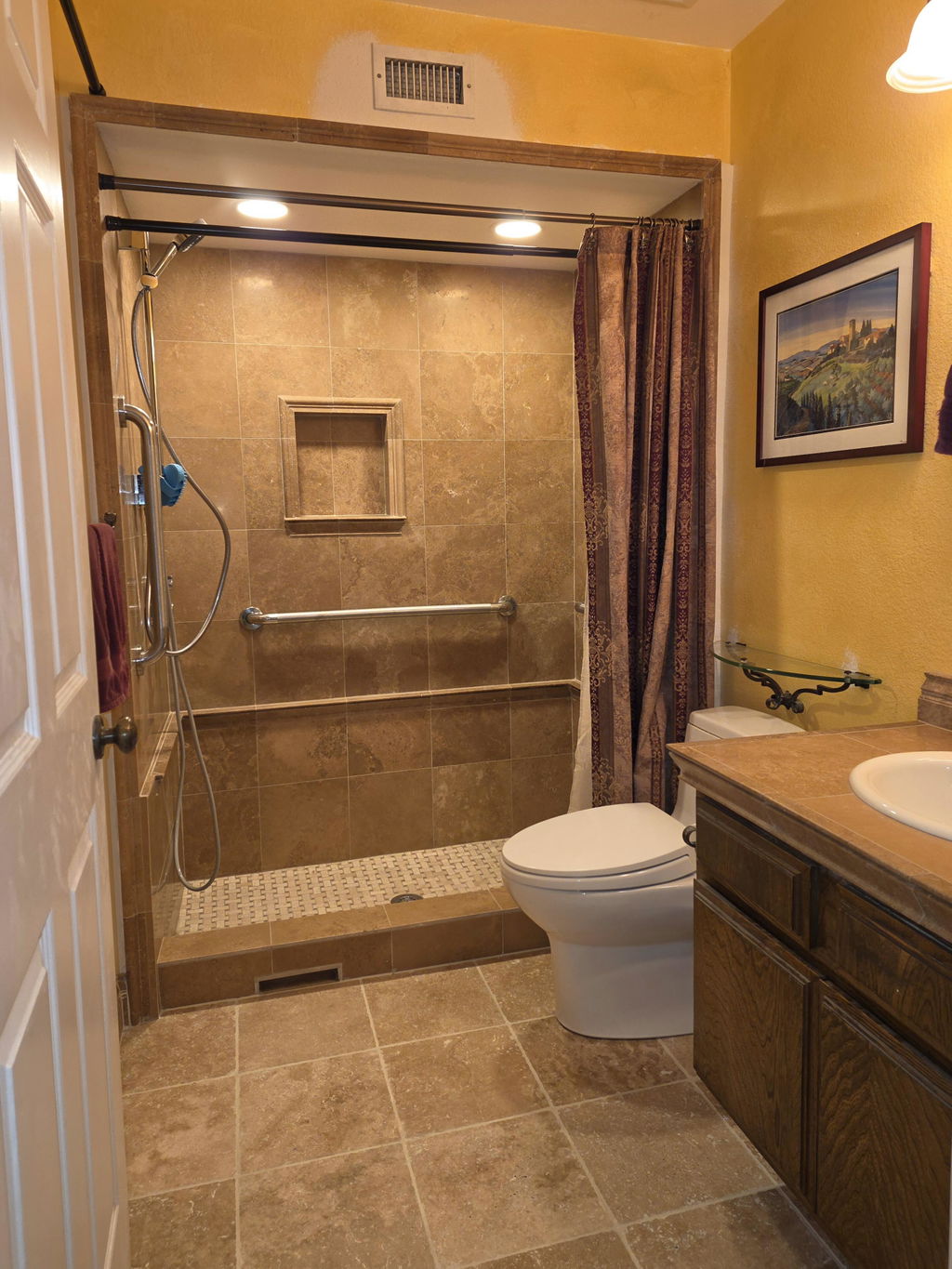
- Travertine: Tile runs $3–$10/sq ft; installed $10–$22/sq ft. One of the most versatile budget natural stones. Works in showers, patios, and entryways. Fill-grade travertine (pre-filled holes) is the more affordable cut and holds up well in wet areas with proper sealing.
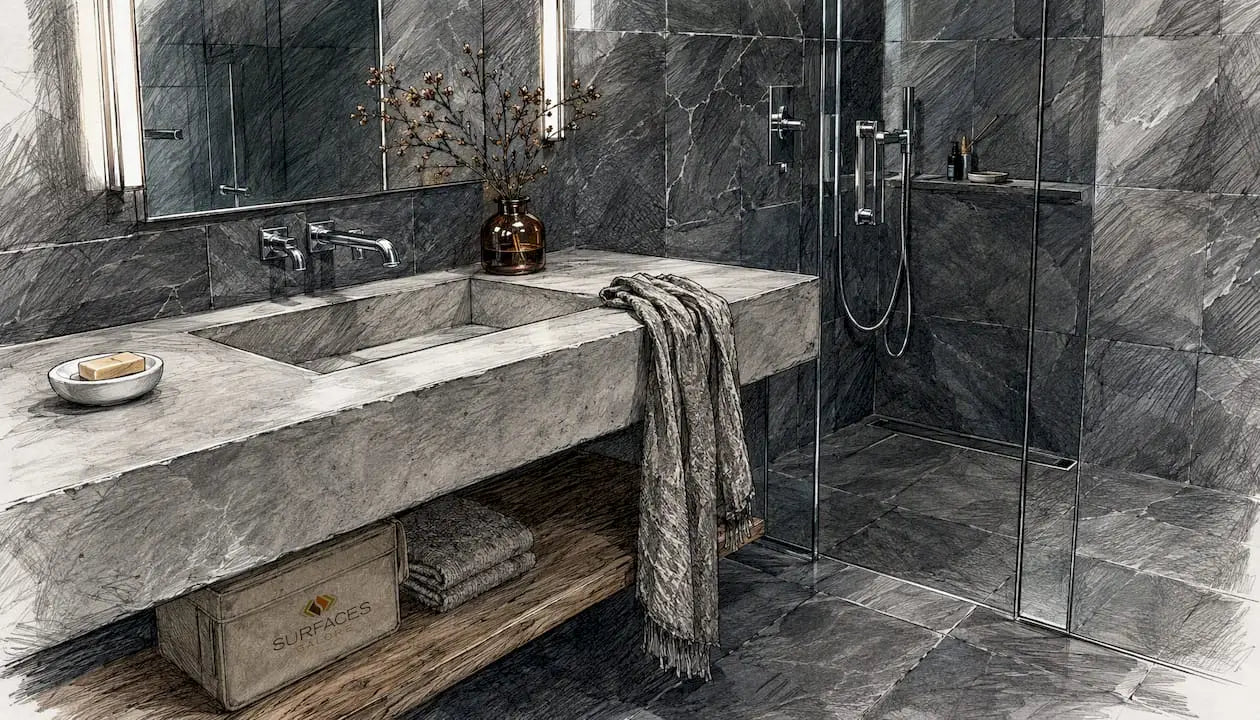
- Slate: Tile runs $4–$10/sq ft; installed $10–$20/sq ft. Naturally slip-resistant, which makes it a strong choice for shower floors and outdoor steps. Low porosity compared to sandstone or limestone; some slates need no sealing at all.
- Granite remnants: Full slabs of granite can run $50–$100+ per square foot installed, but remnant slabs from fabricators sell at steep discounts — often 40–60% off slab price — because they are too small for large countertops. Perfect for vanity tops, small islands, and fireplace surrounds.
For a useful reference on how these stones compare across different rooms and styles, the types of natural stone guide at Surfacesgalore covers performance and maintenance in detail.
Cost context: Budget quartz and solid surface countertops have installation costs that vary, with solid surface usually less expensive. Sandstone, limestone, and travertine tile can land well below both when purchased as tile rather than slab, which is why natural stone remains competitive for floors and walls even against engineered alternatives.
Porcelain and ceramic tiles that mimic natural stone can be a cost-effective, low-maintenance alternative, though they lack the variation and authenticity of real stone. For kitchens and natural stone backsplash applications, the real thing still delivers a look that engineered options cannot fully replicate.
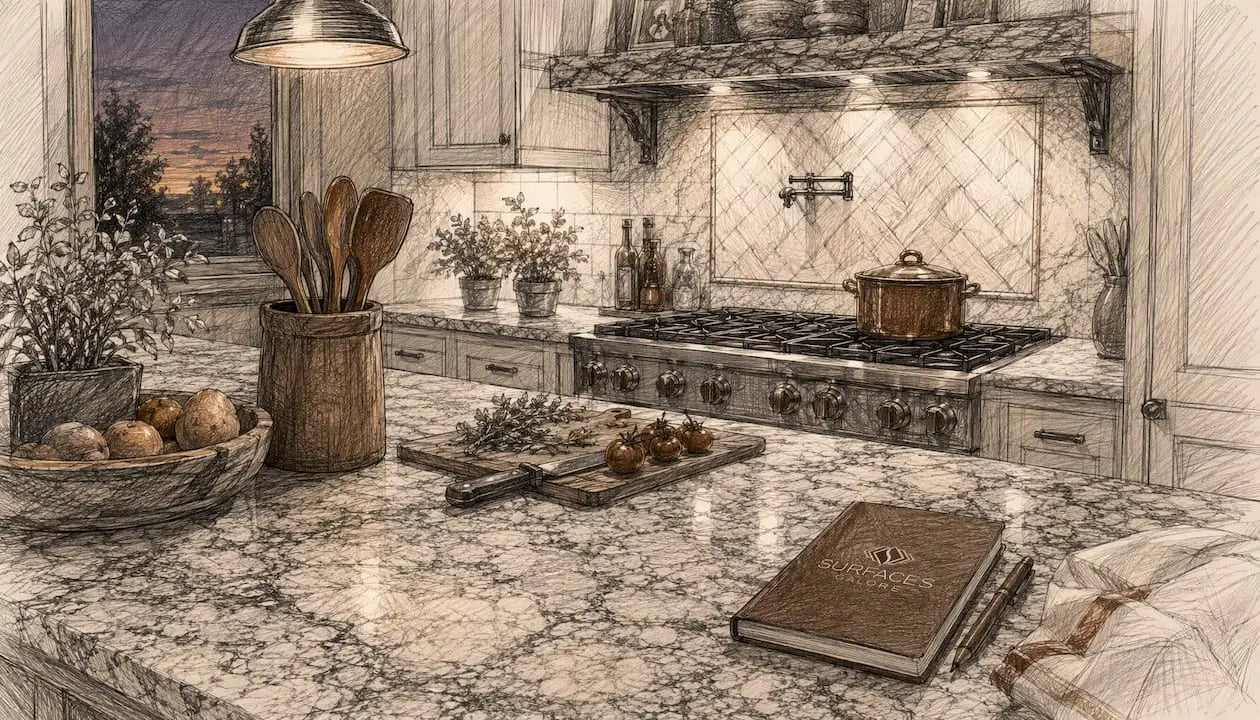
Granite is considered a practical natural stone countertop option for homeowners who want genuine stone. It starts at lower price points than marble for many projects and requires less maintenance than marble over time, making it a practical first choice when budget and durability both matter.
3. What “cheap” really costs: installation, transport, and lifecycle
Material price is the number you see first. It is rarely the number that determines your final budget.
Heavy stone projects carry real transport costs. A ton of river rock or a full granite slab does not ship cheaply, and weight, handling, and fabrication can push total installed costs well above what the per-unit price suggests. Sourcing locally quarried stone or buying from a regional supplier cuts freight costs significantly and reduces the risk of damage in transit.
Lifecycle timeline for porous natural stone:
- Initial install: Seal before grouting or exposing to moisture.
- Year 1: Reseal at 12 months, or sooner if water no longer beads on the surface.
- Years 2–5: Reseal every 12–18 months for sandstone and limestone; every 2–3 years for slate and denser granite.
- Year 5+: Inspect grout lines and filled travertine holes; regrout or refill as needed.
- Ongoing: Budget for professional cleaning every few years for high-traffic floors.
Sealing costs vary depending on method and professional involvement. Over a 10-year period, that adds up on a large bathroom floor.
Pro Tip: Choose lower-porosity stones like slate or dense granite for wet and high-traffic areas to reduce maintenance. Save the more porous sandstone and travertine for walls and dry areas where resealing is less frequent. That one decision can cut your 10-year maintenance spend noticeably.
DIY vs. hiring a pro: Pea gravel and DG paths are genuinely DIY-friendly if you are comfortable with a plate compactor and a wheelbarrow. Interior stone tile installation is manageable for experienced DIYers with a wet saw and proper substrate prep. Slab countertops are not. A full granite or marble slab weighs hundreds of pounds, requires precision cuts around sinks and appliances, and needs cabinet reinforcement. Hire a fabricator for slabs; save the DIY effort for tile and landscaping rock.
4. How to buy stone affordably: sourcing, remnants, and DIY tips
Finding low-cost stone is less about luck and more about knowing where to look and what questions to ask.
Low-cost sourcing options
- Local quarries: Often the cheapest source for bulk landscaping rock. No middleman markup, and you avoid freight surcharges on heavy loads.
- Fabricator remnants: Call stone fabricators directly and ask about leftover slabs. Remnants from large countertop jobs are ideal for vanities, small islands, and fireplace surrounds — and fabricators often price them to move. For natural stone sourcing guidance, Surfacesgalore covers ethical procurement and how local buying reduces transport costs.
- Reclaimed stone yards: Salvaged limestone, bluestone, and slate from demolition projects can be 50–70% cheaper than new material. Sizes are irregular, so plan for extra cuts.
- Bulk landscape suppliers: Buy by the ton, not the bag. Bag pricing at home improvement stores runs 3–5x the bulk rate for the same material.
- Direct importers: For interior tile, buying from a direct importer like Surfacesgalore cuts out distributor markups on marble, limestone, and travertine.
How remnant slabs work
Remnants are the pieces left over after a fabricator cuts a full slab for a large countertop. They typically run 10–30 square feet. That is enough for a bathroom vanity, a small fireplace surround, or a bar top. Ask the fabricator for their remnant inventory list, specify your dimensions, and confirm edge-finishing costs before committing. The ordering natural stone step-by-step guide at Surfacesgalore walks through what to confirm before placing an order, including delivery fees and minimum quantities.
DIY landscaping install checklist
- Mark the project area and remove existing vegetation.
- Excavate 3–4 inches for paths; 6 inches for driveways.
- Lay a geotextile weed barrier cut to size.
- Add a compacted base layer (crushed stone or road base) for paths and patios.
- Install edging (steel, aluminum, or plastic bender board) to contain loose rock.
- Spread your chosen surface rock to the desired depth (2–3 inches for most applications).
- Compact DG with a plate compactor; rake pea gravel and river rock level.
Essential tools: plate compactor (rent for $60–$100/day), landscape rake, wheelbarrow, utility knife for geotextile, rubber mallet for edging stakes.
Buying tips to avoid surprise fees
- Ask about delivery weight minimums before ordering. Many suppliers charge a flat delivery fee only up to a certain tonnage; going slightly over triggers a surcharge.
- Confirm fabrication seam placement on countertops before signing off. Seams in high-visibility spots cost extra to minimize.
- Check minimum order quantities for tile. Some importers require a full pallet (typically 150–200 sq ft) to ship at the advertised price.
For pool surrounds and exterior hardscape where stone durability under water exposure matters, the pool renovation materials guide covers material comparisons worth reviewing alongside your stone selection.
Key Takeaways
Crushed stone, pea gravel, and decomposed granite are the most cost-effective landscaping rocks; sandstone, limestone, travertine, and granite remnants offer the best value for interior natural stone projects when lifecycle costs are factored in.
| Point | Details |
|---|---|
| Cheapest landscaping rocks | Crushed stone and crushed concrete are consistently the least expensive landscaping rocks by volume. |
| Best budget interior stones | Sandstone, limestone, and travertine tile generally cost less than engineered alternatives installed. |
| Lifecycle costs add up | Porous stones need resealing every 12–18 months; choosing lower-porosity slate or dense granite for wet areas reduces that cost. |
| Transport and labor matter | Always include delivery weight surcharges and base-prep labor in your budget; local sourcing and remnants reduce both. |
| Surfacesgalore for interior stone | As a direct importer of marble, limestone, and travertine, Surfacesgalore ships nationwide and carries remnant-friendly tile sizes for budget projects. |
The case for buying real stone on a real budget
The conventional wisdom is that natural stone is a luxury material and budget projects should default to porcelain lookalikes. That framing is outdated, and it costs homeowners money in the wrong direction.
Porcelain tile that mimics travertine is not cheaper over a decade when you factor in the resale story. Buyers notice real stone. Appraisers notice it. A bathroom tiled in genuine travertine from a direct importer at $6/sq ft tells a different story than one done in ceramic at $3/sq ft, and the gap in perceived value far exceeds the gap in material cost. The math only works against natural stone when homeowners buy it at retail slab prices without exploring remnants, direct importers, or tile formats.
The remnant strategy is genuinely underused. Most homeowners do not know they can call a fabricator directly and walk out with a granite vanity top for a fraction of what a showroom would charge. That is not a workaround. That is how the trade buys stone.
What actually matters for a budget project is matching porosity to application, sourcing locally where possible, and buying in formats (tile, remnant) that fit the job rather than defaulting to full slabs. Surfacesgalore’s direct-import model exists precisely for this: authentic stone at prices that make the lifecycle math work for homeowners, not just designers with unlimited budgets.
Authentic natural stone at prices that work for your project
Surfacesgalore is a direct importer of marble, limestone, and travertine tiles, mosaics, and decorative pieces, based in Anaheim, California, and shipping nationwide. Cutting out the distributor layer means the price you see on a limestone tile or a travertine mosaic reflects the actual import cost, not a retail markup. For budget projects, that difference is real.
Remnant-friendly tile formats, small-run mosaics, and custom cuts make it practical to use genuine stone on a bathroom vanity, a kitchen backsplash, or an entryway floor without committing to full-slab pricing. Whether you are planning a single bathroom refresh or a whole-home renovation, shop natural stone tiles at Surfacesgalore to see current collections across marble, limestone, and travertine. If you want guidance on which stone fits your specific room and budget, the team ships samples nationwide so you can check color and texture before you commit.
Useful sources and further reading
- 6 Cheap Landscaping Rocks for a Beautiful Yard (Stone Center) — Price comparisons and best-use guidance for crushed stone, pea gravel, DG, river rock, and lava rock.
- How Much Does a Stone Kitchen Benchtop Cost? (Koris) — Installed cost ranges for granite, marble, quartz, and solid surface; remnant-buying tips.
- Solid Surface vs. Quartz vs. Granite for Commercial Use (Koris) — Weight, labor, and fabrication cost context for heavy stone projects.
- Quartz vs. Solid Surface Countertops (SlabWise) — Budget price brackets for engineered alternatives; useful for comparing against natural stone tile costs.
- Budget-Friendly Natural Stone Flooring Ideas (Build LSD) — Porcelain and ceramic lookalike options for wet areas and lower-maintenance installs.
- The Most Affordable Natural Stone Countertops (Earth Art Kitchen & Bath) — Positions granite as a budget-friendly natural stone countertop with durability notes.
- Types of Natural Stone Guide (Surfacesgalore) — Comprehensive stone-type descriptions, performance, and maintenance for interior applications.
FAQ
What is the least expensive landscaping rock?
Crushed stone and crushed concrete are consistently the cheapest landscaping rocks by volume, making them the best choice for large coverage areas like driveways and drainage beds.
Which natural stone is the cheapest for indoor projects?
Sandstone, travertine, and limestone tile are among the most affordable natural stones for interiors, often starting at $3–$5 per square foot for tile, with granite remnants offering steep discounts for small countertop and vanity projects.
What countertop looks like natural stone but costs less?
Porcelain slabs and solid surface materials mimic the look of marble and granite at lower installed costs, with solid surface typically running $40–$55 per square foot installed versus $50–$100+ for natural granite slabs.
What is a cheaper version of stone for landscaping?
Decomposed granite is one of the most cost-effective surface materials for paths and patios, compacting into a firm walking surface at roughly $20–$40 per ton while delivering a natural, earthy look similar to more expensive flagstone.
Does natural stone always need sealing?
Most porous natural stones, including sandstone, limestone, and travertine, need sealing before use and resealing every 12–18 months. Slate and dense granite are lower-porosity options that require sealing far less frequently, and some slates need none at all.

Leave a comment