
Stone Tile Layout Patterns Explained: Creating Lasting Impact

Most American homeowners are surprised to learn that even a small change in stone tile layout can impact a space’s entire feel. The right pattern does so much more than cover a floor or wall. It sets the tone, alters light, and shapes first impressions. Whether you seek timeless order or dramatic energy, understanding stone tile patterns unlocks design options that reflect your unique style and vision.
Table of Contents
- Stone Tile Layout Patterns Defined
- Popular Types of Stone Tile Patterns
- Choosing Patterns For Different Spaces
- Installation Techniques And Layout Precision
- Design Impact And Common Mistakes
Key Takeaways
| Point | Details |
|---|---|
| Understanding Layout Patterns | Various stone tile layout patterns can dramatically enhance both aesthetic appeal and spatial perception in environments. |
| Choosing the Right Pattern | Selection of tile patterns should consider room dimensions, architectural style, and intended visual impact for optimal design results. |
| Importance of Precision in Installation | Meticulous installation techniques are essential for achieving precise, professional results that elevate the overall design. |
| Avoiding Common Design Mistakes | Awareness of potential errors in pattern selection and installation can lead to more successful and visually appealing outcomes. |
Stone Tile Layout Patterns Defined
Stone tile layout patterns represent strategic approaches to arranging natural stone tiles that transform ordinary surfaces into extraordinary design statements. Designers and homeowners can leverage multiple configurations to create visual interest, enhance spatial perception, and establish unique aesthetic experiences in residential and commercial spaces.
At its core, a stone tile layout pattern refers to the systematic arrangement of individual tiles to create cohesive, visually compelling surfaces. These patterns range from traditional grid-based designs to intricate geometric configurations that challenge conventional installation techniques. Classic tile arrangement techniques involve carefully considering tile size, orientation, and relationship to surrounding elements.
Some fascinating tile layout approaches draw inspiration from mathematical and geometric principles. Truchet tiles, for instance, demonstrate how seemingly simple square tiles can generate complex visual narratives when strategically rotated. These innovative patterns reveal how precise tile placement can transform raw materials into sophisticated design expressions.
Key considerations when selecting stone tile layout patterns include room dimensions, architectural style, lighting conditions, and desired visual effect. Popular layout strategies include:
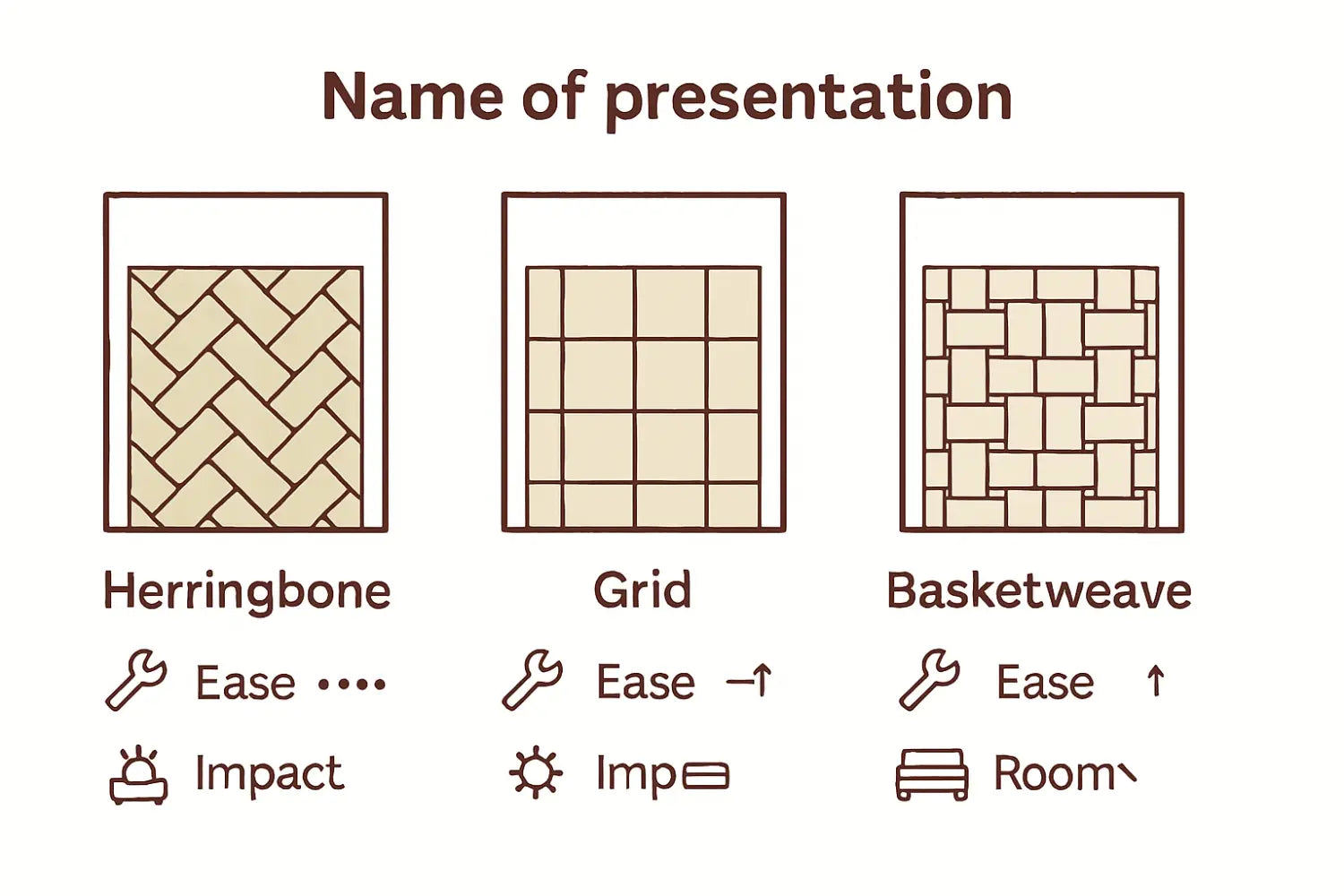
- Grid/Straight Lay: Traditional, uniform arrangement creating clean lines
- Herringbone: Diagonal placement creating dynamic movement
- Basketweave: Interlocking rectangular tiles mimicking textile patterns
- Chevron: Angled tiles forming distinctive V-shaped configurations
- Random: Varied tile sizes and orientations for organic, natural appearances
Understanding these patterns empowers design professionals to create spaces that transcend mere functionality, turning stone tiles into genuine artistic statements that reflect individual creativity and architectural vision.
Popular Types of Stone Tile Patterns
Stone tile patterns transform spaces from ordinary to extraordinary, offering designers and homeowners a rich palette of visual possibilities. These patterns go beyond simple floor covering, serving as artistic expressions that define architectural character and create unique spatial experiences.

Some of the most compelling stone tile patterns draw inspiration from historical design traditions and geometric principles. Classic French tile patterns exemplify how strategic tile placement can elevate a space’s aesthetic appeal, blending traditional craftsmanship with contemporary design sensibilities.
The most popular stone tile layout patterns include:
-
Grid/Straight Lay Pattern
- Simplest and most traditional arrangement
- Tiles placed parallel to walls
- Creates clean, uniform visual effect
- Ideal for minimalist and contemporary spaces
-
Herringbone Pattern
- Rectangular tiles arranged in diagonal zigzag formation
- Creates dynamic visual movement
- Adds sophistication and energy to spaces
- Particularly striking with marble mosaics
-
Basketweave Pattern
- Interlocking rectangular tiles
- Mimics woven textile appearance
- Creates intricate, textured visual interest
- Works well in both traditional and modern settings
-
Chevron Pattern
- Angled tiles creating distinctive V-shaped configuration
- Generates sense of motion and directionality
- Adds architectural drama to floors and walls
- Popular in contemporary and European-inspired designs
-
Random/Broken Joint Pattern
- Tiles placed with intentionally offset joints
- Creates organic, natural-looking surface
- Reduces visual monotony
- Ideal for creating relaxed, dynamic environments
Choosing the right stone tile pattern involves considering room dimensions, architectural style, lighting conditions, and desired visual impact. Each pattern tells a unique design story, transforming natural stone from mere building material into a powerful artistic medium that reflects personal style and architectural vision.
Choosing Patterns for Different Spaces
Selecting the right stone tile pattern requires thoughtful consideration of each space’s unique characteristics, functional requirements, and aesthetic goals. Different rooms demand distinct approaches to tile layout, with each pattern offering unique visual and practical benefits that can dramatically transform the environment.
Herringbone and chevron layouts create dynamic directional effects that can visually expand or define spaces, making them particularly powerful design tools for various room types. Understanding how specific patterns interact with room dimensions and architectural elements is crucial for achieving optimal design impact.
Kitchen Considerations
- Grid/Straight Lay: Ideal for modern, minimalist kitchens
- Herringbone: Adds movement and visual interest to cooking spaces
- Recommended for creating depth in smaller kitchen areas
Bathroom Design Strategies
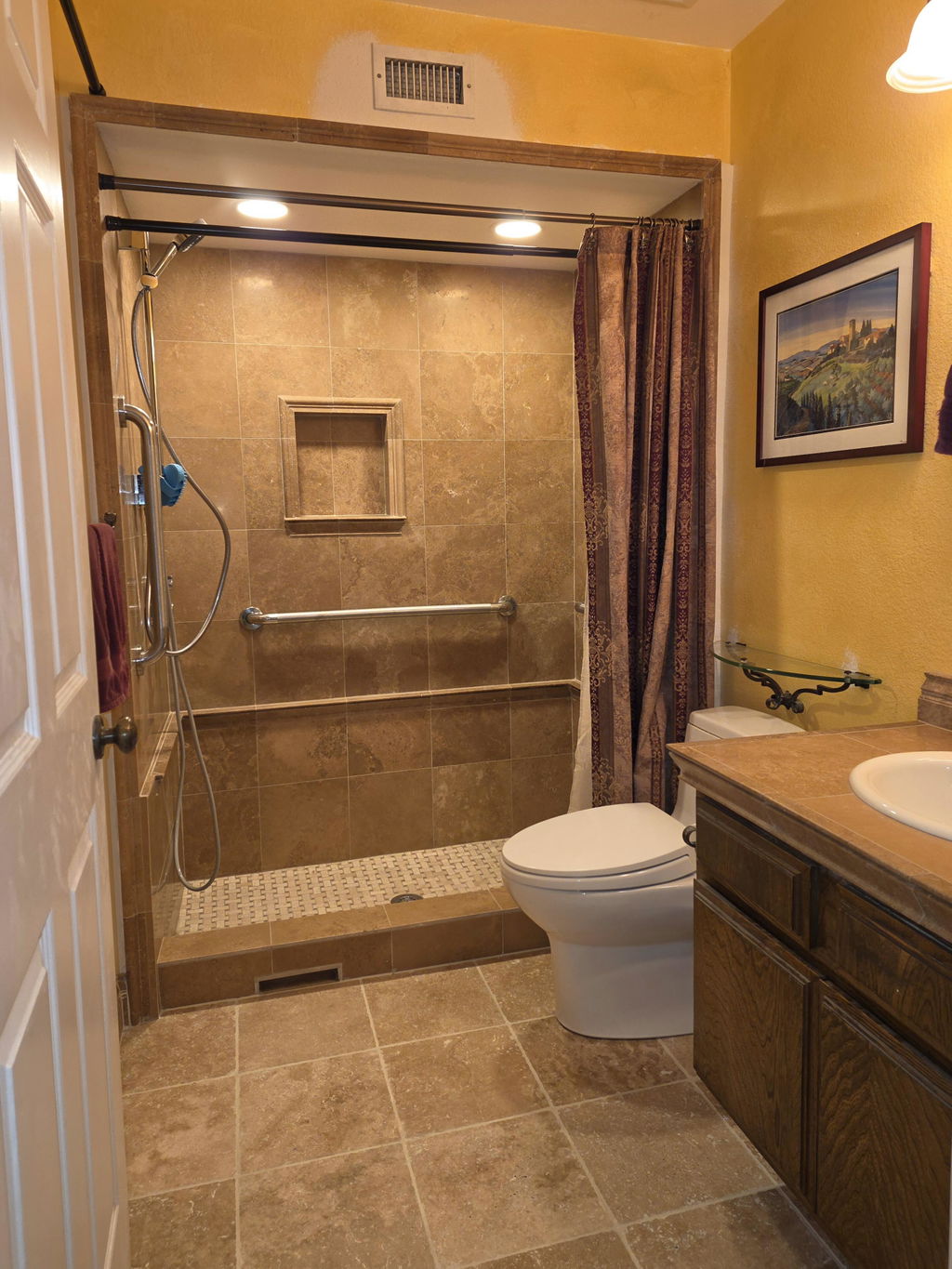
- Basketweave: Creates intricate texture in shower and floor areas
- Random Joint: Provides organic, less structured visual appeal
- Helps minimize perceived bathroom size
Living Area Approaches
- Chevron: Generates dramatic architectural statement
- Diagonal Grid: Makes rooms appear larger and more expansive
- Enhances sense of movement and spatial complexity
Specific Pattern Recommendations
-
Compact Spaces
- Use diagonal or offset patterns
- Creates illusion of expanded square footage
- Breaks visual monotony
-
Large Open Areas
- Grid or herringbone patterns work exceptionally well
- Provides structured visual consistency
- Maintains clean architectural lines
-
High Traffic Zones
- Random joint patterns minimize visible wear
- Distributes visual weight more effectively
- Camouflages potential scratches or imperfections
Successful stone tile pattern selection transcends mere aesthetic preference. It requires understanding how geometric arrangements interact with light, space, and architectural context. Timeless French tile patterns demonstrate that masterful design is about creating harmonious relationships between material, form, and environment.
Installation Techniques and Layout Precision
Precise stone tile installation represents a critical intersection of technical skill and artistic vision. Professional installers understand that successful tile placement goes far beyond simply arranging materials, requiring meticulous planning, precise measurements, and sophisticated technical knowledge.
The ultimate guide to tile installation emphasizes the importance of comprehensive preparation and strategic approach. Achieving exceptional layout precision demands careful consideration of multiple technical and design factors.
Key Precision Considerations
-
Substrate Preparation
- Ensure completely level surface
- Remove all debris and imperfections
- Check for structural integrity
- Use appropriate leveling compounds
Measurement and Alignment Techniques
-
Initial Layout Strategies
- Start from room’s central point
- Use laser levels for perfect alignment
- Create reference lines
- Mock up tile placement before permanent installation
-
Cutting and Fitting Approaches
- Use professional wet saws for precise cuts
- Maintain consistent grout line width
- Plan cuts to minimize waste
- Account for potential expansion gaps
Advanced Installation Principles
-
Tile Selection Factors
- Consider tile size and thickness
- Evaluate surface texture
- Understand material-specific installation requirements
- Select appropriate adhesives and grouts
Critical Installation Tools
- Professional laser level
- High-quality wet saw
- Notched trowels
- Spacers
- Professional measuring tape
- Spirit level
- Rubber mallet
- Tile cutting tools
Successful stone tile installation requires a combination of technical precision, design understanding, and patient craftsmanship. Every tile placement represents a deliberate artistic decision that impacts the entire space’s aesthetic and functional integrity.
Design Impact and Common Mistakes
Stone tile design transcends mere surface covering, representing a sophisticated language of architectural expression that can dramatically transform spaces. Professional designers understand that tile selection and placement carry profound visual and emotional implications far beyond basic functionality.
Emerging design trends like onyx tiles highlight the nuanced approach required in contemporary stone tile selection. These materials offer luxurious alternatives that go beyond traditional expectations, bringing flowing patterns and grounding aesthetic qualities to interior environments.
Critical Design Considerations
-
Pattern Complexity
- Balance visual interest with spatial harmony
- Consider room size and architectural context
- Avoid overwhelming smaller spaces
Common Design Mistakes to Avoid
-
Inappropriate Pattern Selection
- Mismatching tile pattern with room scale
- Ignoring architectural style
- Neglecting light and spatial dynamics
-
Technical Installation Errors
- Poor substrate preparation
- Inconsistent grout line width
- Incorrect tile cutting techniques
Advanced Pattern Strategies
- Versailles pattern configurations demonstrate sophisticated tile placement
- Creates puzzle-like, natural stone arrangements
- Adds timeless luxury to interior spaces
Psychological Design Impacts
- Tile patterns influence perceived room dimensions
- Create emotional responses through visual texture
- Communicate design sophistication
- Establish architectural narrative
Successful stone tile design requires a delicate balance between technical precision and artistic intuition. Each tile placement becomes a deliberate visual decision that shapes spatial experience, transforming ordinary surfaces into extraordinary design statements.
Elevate Your Space With Expert Stone Tile Layout Solutions
Selecting the perfect stone tile layout pattern can feel overwhelming when you want to create lasting impact and seamless design harmony. Whether you are balancing room dimensions, architectural style, or aiming for flawless installation precision, the right natural stone sets the foundation for elegance and durability. Our wide selection of premium marble and travertine tiles empowers you to bring sophisticated patterns like herringbone, chevron, and basketweave to life with confidence.

Discover the difference authentic natural stone can make by exploring our carefully curated collections. At Surfaces Galore, we provide designers, architects, contractors, and homeowners nationwide with quality materials and expert guidance needed to master stone tile layout patterns. Start transforming your project today by visiting Surfaces Galore and learning how our premium products align perfectly with innovative design strategies. Explore rich textures and timeless styles that transform any space into a stunning statement.
Frequently Asked Questions
What are stone tile layout patterns?
Stone tile layout patterns refer to the systematic arrangement of natural stone tiles to create visually appealing and cohesive surfaces. These patterns can enhance spatial perception and add unique aesthetic experiences to different spaces.
What are some popular stone tile layout patterns?
Some popular stone tile layout patterns include Grid/Straight Lay, Herringbone, Basketweave, Chevron, and Random/Broken Joint patterns. Each pattern offers a distinct visual impact and can be suited for various design styles.
How do I choose the right stone tile pattern for my space?
Choosing the right stone tile pattern involves considering room dimensions, architectural style, lighting conditions, and the desired visual effect. Patterns like Herringbone or Chevron can expand small spaces, while Grid patterns provide a clean, uniform look for minimalist designs.
What common mistakes should I avoid when installing stone tile?
Common mistakes include inappropriate pattern selection for the space, poor substrate preparation, inconsistent grout line widths, and incorrect tile cutting techniques. It’s essential to plan and execute the installation carefully to achieve a professional result.

Leave a comment