
Thassos White Marble Texture: A Guide to Its Look, Finishes, and Uses

Key Takeaways
Thassos marble is prized for a clean white ground and a crystalline look, while its finish and format shape the final effect. A sample, a considered layout, and advice from a qualified installer can help you choose with confidence.
- Thassos marble is known for its pure white color and crystalline appearance.
- Natural stone can vary from tile to tile, so review samples before ordering.
- Polished and honed finishes create different visual effects and practical considerations.
- Tiles, slabs, and mosaics suit different surfaces and design goals.
- Confirm layout, care, suitability, and current product details before installation.
What makes the Thassos white marble texture distinctive
The appeal of Thassos marble starts with its clarity: a pale, bright surface that feels crisp without relying on dramatic veining. Its crystalline structure gives the stone a subtle visual depth that can shift with the light. The overall effect is restrained, making it a natural fit for rooms where color, form, or furnishings should remain in focus.
Pure white color and crystalline appearance
Thassos white marble is associated with a pure white background and a crystalline appearance. Rather than reading as a flat, uniform white, the surface has a delicate mineral character that becomes more noticeable up close. This gives the stone a quiet richness while preserving its clean, open look. The result can feel especially striking beside wood, dark cabinetry, or warm metal accents.
Natural variation from tile to tile
As a natural stone, Thassos can show variation between individual pieces. The overall palette remains light, but subtle differences in tone and crystalline detail are part of the material’s character. That variation may be understated in a small sample and more apparent across a full floor or wall, so it is worth reviewing several pieces together when possible. A little planning helps the finished surface feel cohesive without expecting every tile to match exactly.
How it differs from veined white marble
Some white marbles are defined by visible lines and sweeping patterns; Thassos is often chosen for a more uninterrupted white field. That distinction makes it useful when a design calls for brightness without a strong vein pattern competing for attention. For contrast, Carrara White offers a different white-marble look, with delicate gray veining described in its product details. Choosing between the two comes down to whether you want a quieter crystalline surface or more visible movement.
How marble finish changes the surface
Finish affects how a stone reads in a room, from its reflection to the way its texture catches the eye. A polished surface feels bright and formal, while a honed surface has a softer, less reflective appearance. Both can work beautifully with Thassos, but the best choice depends on the space, lighting, and intended use. Consider the finish early, not as a final detail after choosing the stone.
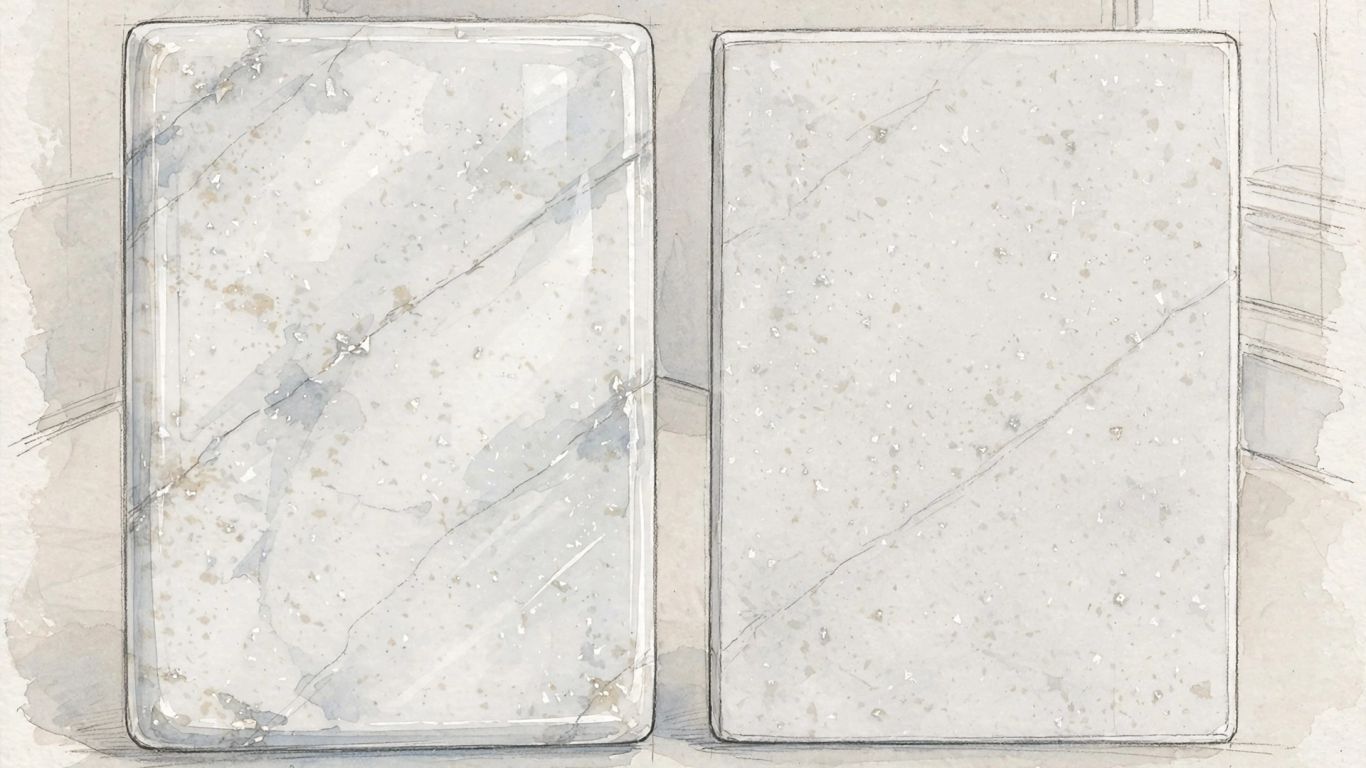
Polished marble for a reflective, luminous look
Polished marble has a smooth, glossy surface that reflects light and brings extra sparkle to the crystalline character of Thassos. It can make a wall or backsplash feel particularly luminous, especially when paired with simple cabinetry and restrained accents. The reflectivity also makes surface marks and everyday residue more noticeable, so think about how much upkeep suits the room. For floors, take slip resistance into account rather than choosing a finish on appearance alone.
Honed marble for a soft, matte appearance
Honed marble has a more subdued, matte look. It softens the visual brightness without losing the pale character of the stone, which can make a room feel calm and understated. A honed surface may also be a good way to reduce glare in a space with abundant daylight. Finish availability varies by product, so check the details of the specific tile or slab you are considering.
Choosing a finish based on room and use
The same stone can feel quite different from one finish to another, so compare the options in the room’s actual light if you can. This quick guide summarizes the visual choice and a few practical points to discuss with your installer.
| Finish | General appearance | Questions to consider |
|---|---|---|
| Polished | Smooth and reflective | Will glare or visible residue be a concern? |
| Honed | Soft and matte | Does the quieter surface suit the room’s light? |
| Mosaic finish | Patterned across smaller pieces | Is the format appropriate for the specific surface? |
Use the table as a starting point, not a substitute for product-specific advice. In particular, a polished floor should be evaluated for slip resistance, and any wet-area use should be reviewed with the installer. For an additional product reference, honed Thassos tile is listed for floors and walls, including outdoor applications; confirm current specifications before planning around it.
Where Thassos white marble works best
Thassos white marble can bring a sense of light and continuity to a range of interior surfaces. Its restrained color works well as a main material or as a detail alongside stronger tones and textures. The right application depends on the specific product, finish, and installation conditions, especially in wet areas. Reviewing the space first makes it easier to choose a format that feels intentional rather than simply bright.
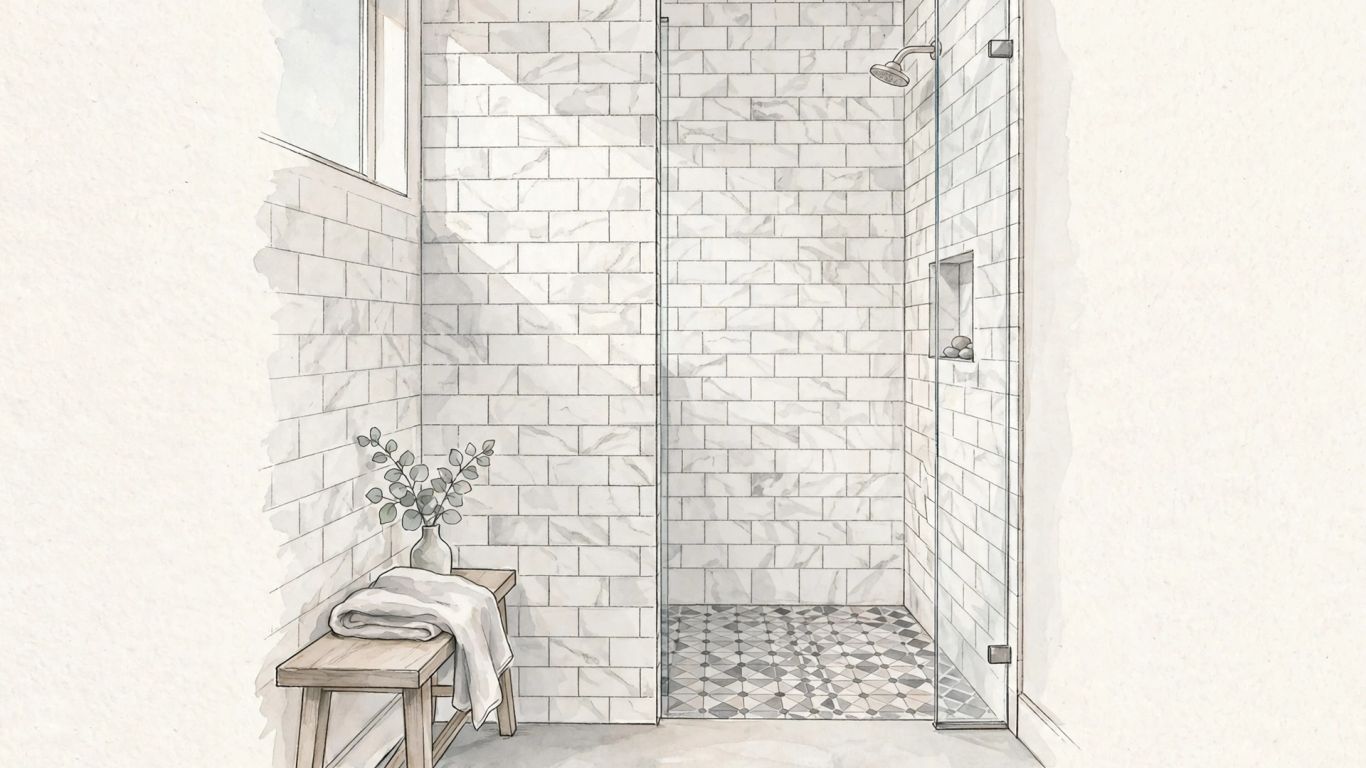
Bright, elegant floors and wall surfaces
On floors and walls, a pale stone surface can help a room feel open and composed. Larger tiles create fewer visual breaks, while smaller formats add rhythm and detail. Thassos is listed in tile products for flooring and wall applications, but suitability depends on the exact product and conditions. For a relevant product example, Thassos White tile is described as a bright, refined natural-stone option.
Kitchen backsplashes and design accents
A Thassos backsplash can provide a crisp backdrop for cabinetry, counters, and hardware. The white surface works especially well when the rest of the kitchen already has a clear palette, whether warm and natural or cool and minimal. Mosaics can introduce a little pattern without changing the overall color story, while a larger tile keeps the effect quiet. Think about how grout lines, lighting, and nearby materials will shape the finished look.
Bathroom walls, shower floors, and mosaics
In bathrooms, Thassos can be used for wall surfaces, shower-floor tile, and mosaic accents, according to the available product range. Small mosaic pieces can create a more detailed pattern and may be worth considering for shower floors, but the selected product’s suitability must be confirmed for the intended use. Wet-area installation calls for careful planning, sealing, and ongoing care. Check the product guidance and ask an experienced installer to assess the surface and conditions.
How to choose the right Thassos marble product
Start with the surface you want to finish, then decide how much pattern and visual scale the room can support. Thassos is offered in tiles, slabs, and mosaics, and each format creates a different effect. Product dimensions, finish, and availability can change, so verify the details rather than relying on a general description. That small step can prevent mismatches between the design plan and the material on hand.
Comparing tiles, slabs, and mosaics
Each format serves a distinct design purpose, and the comparison below can help narrow the options. Tiles suit floors, walls, and backsplashes; slabs are listed for countertops; mosaics are intended for patterns and accent areas, including backsplashes and shower floors.
| Format | Common design role | Consider before choosing |
|---|---|---|
| Tile | Floors, walls, and backsplashes | Size, finish, and layout |
| Slab | Countertop surface | Dimensions and the desired seamless look |
| Mosaic | Pattern and accent areas | Sheet pattern and suitability for the intended surface |
These are broad format distinctions, not a guarantee that every product is suitable for every location. Confirm the specific item’s dimensions and application notes before ordering, and ask your installer to review the project requirements. A Thassos mosaic, for example, is described as a linear pattern suited to indoor walls, shower walls, and kitchen backsplashes.
Selecting a format and pattern for the space
Room size and sightlines can guide the format choice. A large tile may make a compact area feel less busy, while a mosaic can add texture to a niche or backsplash. In a larger room, a consistent field of tile can create a calm backdrop; the pattern can then come from cabinetry, lighting, or furnishings. If you are considering a mosaic, lay out a sample sheet alongside grout and adjacent materials before settling on the design.
Reviewing samples, dimensions, and current stock
Natural stone is best considered in person whenever possible. A sample helps you judge tone and finish against the room’s light, while current product information confirms size and availability. Surfaces Galore offers Thassos tiles in various sizes and finishes, along with slabs and mosaics; contact the team to confirm current options for your project. If your renovation also involves a structural surface decision, separate references such as stone slab types may help clarify that distinct part of the project.
What to consider before installation
A thoughtful installation begins well before the first tile is set. Natural variation, surface preparation, material quantity, and care expectations all affect the result. Discussing these details with a qualified installer helps align the design with the actual conditions in the room. Keep the product information and samples close at hand as the plan takes shape.
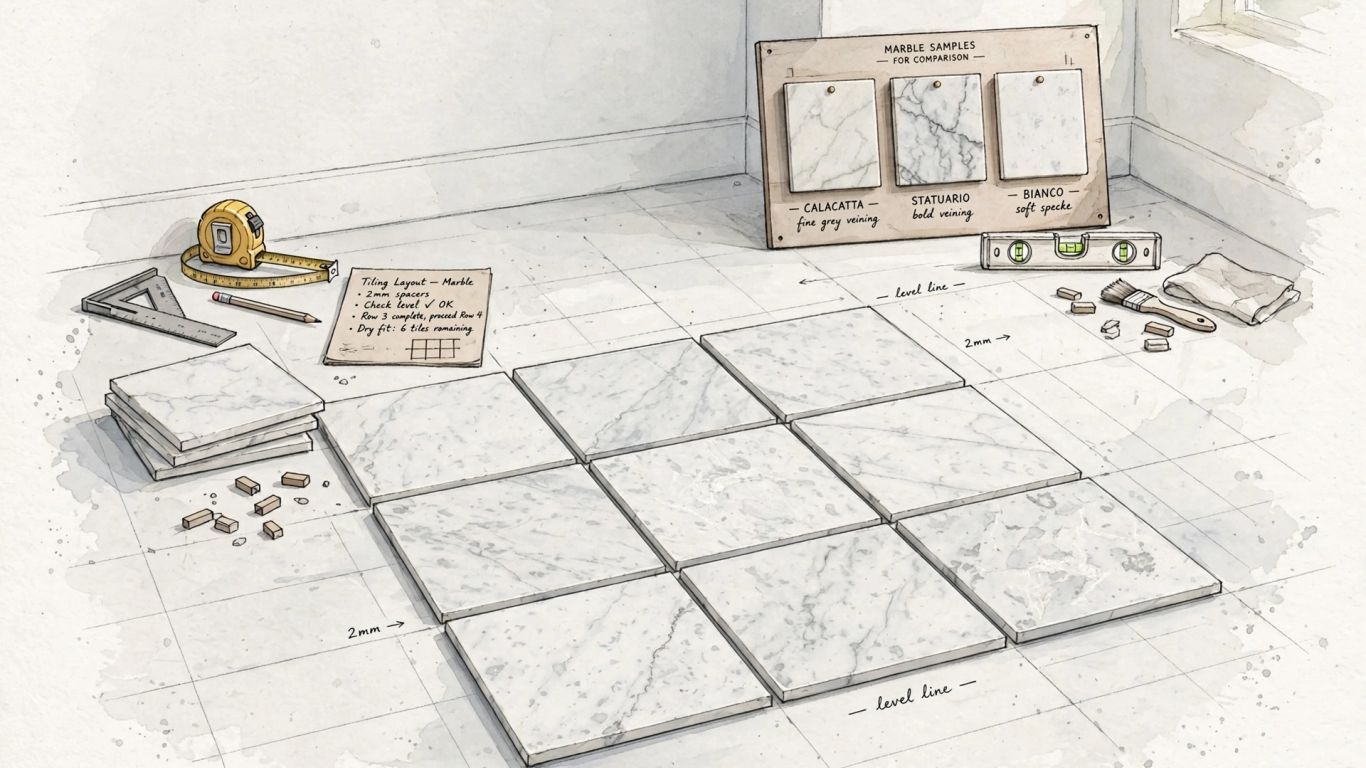
Planning layout and coordinating natural variation
Before installation, open and review material from multiple cartons when possible, then plan how the pieces will be distributed across the surface. This makes it easier to avoid an accidental concentration of similar or noticeably different pieces in one area. A practical pre-installation checklist can keep the conversation focused:
- Confirm the finished dimensions and tile layout.
- Review pieces for natural variation before setting them.
- Allow for cuts and discuss the appropriate order quantity.
- Confirm grout, edges, and transitions with the installer.
The installer can advise how these details apply to the room and the selected product. Reviewing the layout in advance also gives you a chance to adjust the pattern before the material is fixed in place.
Discussing sealing and ongoing stone care
Ask your installer or stone-care professional whether the selected product should be sealed and what routine care it needs. Marble care guidance can depend on the surface, product, and location, so avoid assuming that one approach suits every installation. If the stone will be used in a wet area, discuss sealing and maintenance before work begins. A clear care plan helps protect the appearance you chose.
Confirming suitability with your installer
The name of a stone alone does not determine whether a specific tile is suitable for every floor, wall, or wet-area condition. Review the product’s stated application, finish, and technical details with the installer, and consider slip resistance where people may walk on a wet surface. If your broader renovation includes unrelated decisions, keep those research paths separate—for example, tile roofing guidance concerns a different building material. For other personal planning, references such as Des Moines rehab centers, an Eastern Cape safari guide, or Secured Storage Solutions are likewise outside the scope of choosing marble. Keeping material and installation questions focused makes the consultation more useful.
Find Thassos white marble for your project
Once you know the desired finish, format, and application, it is easier to compare products and request the details you need. Thassos is available as tile, slab, and mosaic, with product specifications and stock to confirm before purchase. Surfaces Galore is an Anaheim-based direct importer and nationwide supplier of natural stone, serving customers across the United States. Ask about current options, sample availability, project quantities, and shipping before finalizing your order.
Explore available products and finishes
Browse the available Thassos products and compare their sizes, finishes, and stated uses. A sample can help you judge the color and crystalline appearance against your planned materials; the site notes that samples ship for a fee. As you review the options, keep the room’s lighting and the intended surface in mind. Those details matter just as much as the stone’s name.
Request a quote and ask about bulk pricing
For a larger project, share the product, quantity, finish, and project location when requesting a quote. That information helps the team respond to the actual scope of your order, and you can ask about bulk pricing at the same time. To start, request a quote and include any questions about samples or current stock. Clear details make it easier to compare the right options.
Arrange nationwide shipping from Surfaces Galore
If the material is a fit, confirm shipping timing and order details before scheduling installation. Surfaces Galore serves customers nationwide, so homeowners and design professionals can inquire about delivery beyond California. For a Thassos project, compare the available product details, request a quote, and coordinate the material arrival with your installer. A well-chosen white marble surface can bring a composed, luminous finish to the room.
Conclusion
Thassos white marble stands out for its pure color and crystalline character, while finish, format, and natural variation shape the final impression. Review samples, confirm the intended application with your installer, and compare current product details before ordering. With those decisions in place, you can choose a surface that feels bright, considered, and suited to the room.
Frequently Asked Questions
What does Thassos white marble look like?
It is known for a pure white background and crystalline appearance, with natural variation that may be visible from piece to piece.
Does Thassos marble have prominent veining?
Thassos is often selected for a quieter white field rather than a strongly veined look, though natural stone can still show variation.
What is the difference between polished and honed Thassos marble?
Polished marble has a glossy, reflective appearance, while honed marble has a softer, matte look.
Can Thassos marble be used on floors?
Some Thassos products are listed for flooring, but suitability depends on the specific product, finish, and installation conditions. Consider slip resistance and consult an installer.
Is Thassos marble suitable for a shower?
Some Thassos products are listed for shower walls, shower floors, or mosaics. Confirm the specific product’s suitability and care requirements before installation.
Does Thassos white marble need sealing?
Sealing recommendations can vary by product and application. Ask the installer or stone-care professional for guidance on the selected material.
Should I order extra marble for cuts and variation?
Discuss the project layout, cuts, and natural variation with your installer before ordering so the material quantity is appropriate for the job.

Leave a comment