
Why Natural Stone Wins Every Home Renovation in 2026

Natural stone is the best material for home renovations because nothing else combines permanent durability, genuine sustainability, and the kind of beauty that actually grows over time. Whether you’re planning a kitchen remodel, a bathroom overhaul, or a full-scale home renovation, the case for choosing natural stone over synthetic alternatives gets stronger every year.
Why natural stone for renovations: the core advantages at a glance
Before diving into the details, here is what sets natural stone apart from every manufactured alternative:
- Durability: Natural stone can outlast the building it’s installed in, while engineered stones generally require replacement within a few decades.
- Sustainability: Stone production consumes 60% less energy and generates 50% fewer carbon emissions compared to manufactured stone, with zero VOCs.
- Aesthetics: Every slab is geologically unique. No two pieces of marble, limestone, or travertine are identical.
- Financial return: Homes with natural stone features like soapstone countertops sell for up to 3.5% more than comparable homes without them.
- Repairability: Scratches, etching, and surface wear can be professionally restored. Engineered surfaces generally cannot.
- Thermal performance: Stone absorbs heat during the day and releases it at night, reducing HVAC loads in renovated homes.
How long does natural stone actually last?
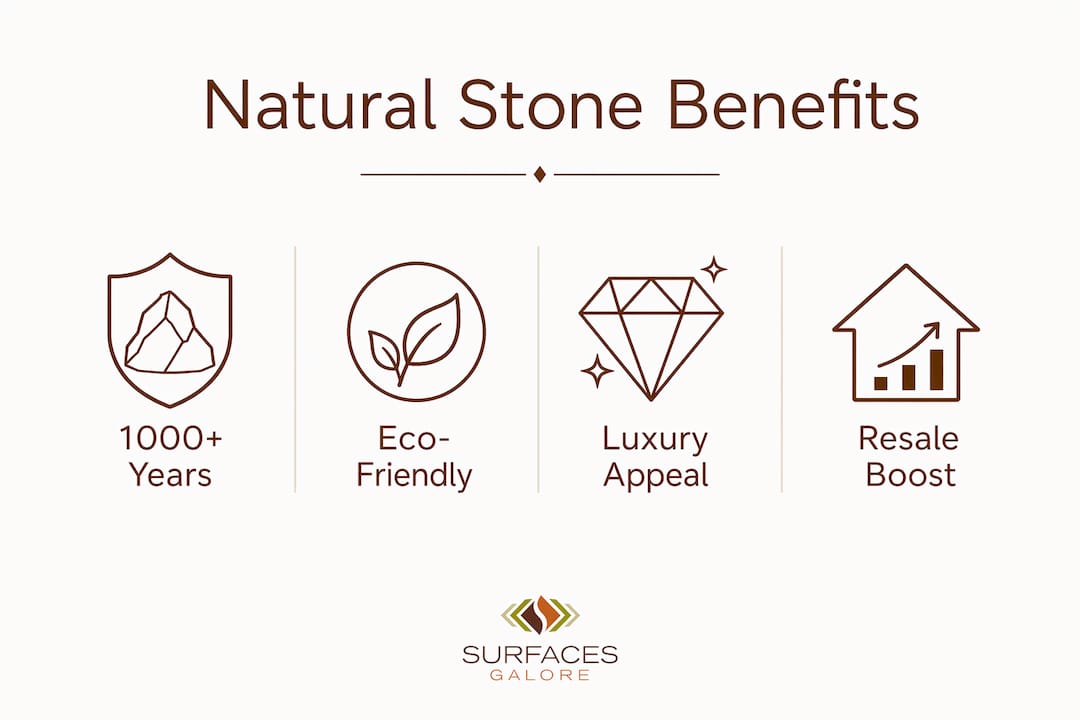
The Parthenon, built from Pentelikon marble, has stood for millennia. That is not a marketing claim. It is the clearest possible proof that properly maintained natural stone does not have an expiration date.
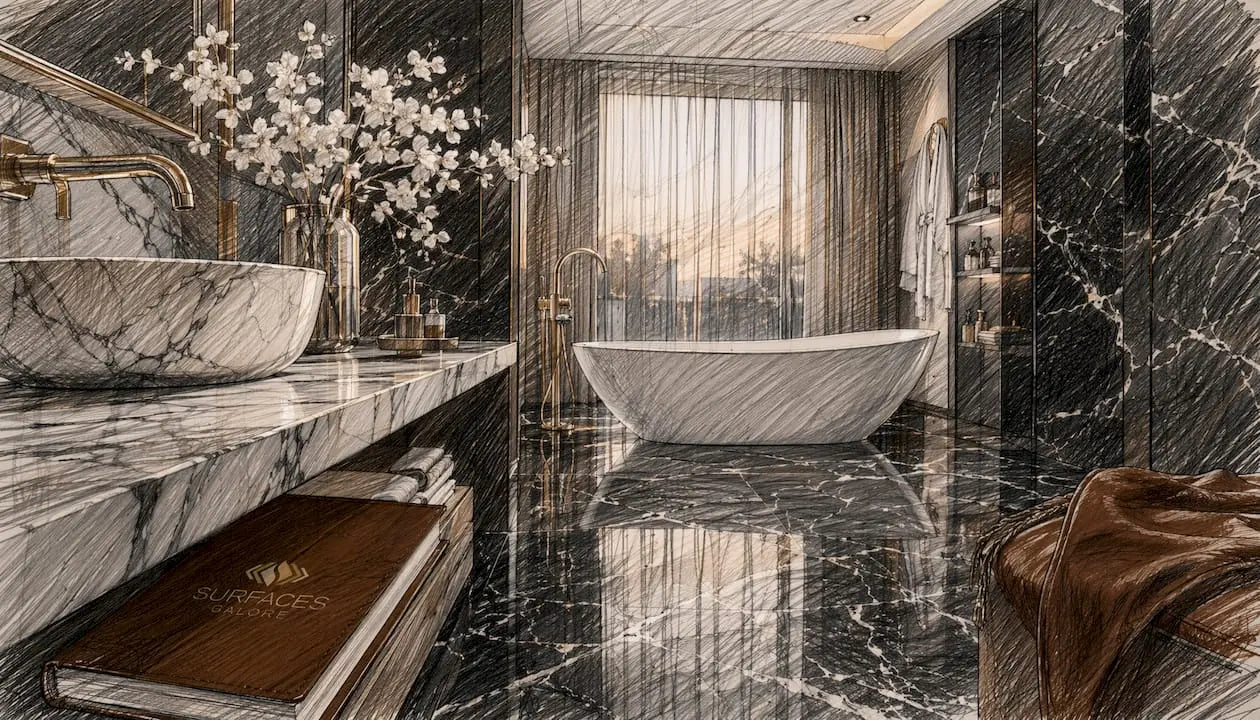
Engineered stone is a different story. Quartz composites typically require replacement after 25–50 years due to resin degradation or surface fading. Once an engineered surface is damaged, matching the original production batch years later is often impossible. Natural stone, by contrast, can be re-polished, re-honed, or refinished repeatedly, returning it to original condition each time.
Pro Tip: Properly sealed natural stone typically needs resealing periodically, making upkeep less demanding than most homeowners expect.
For renovation projects in older homes, natural stone also handles imperfect subfloors better than thin synthetic panels. Because it can be bedded in mortar, it adapts to uneven surfaces without the cracking risk that plagues thinner engineered materials. That matters enormously in retrofit work, where subfloor conditions are rarely perfect.
- Stone develops a patina over decades that adds warmth and character.
- Engineered surfaces either hold their factory look (which can read as artificial) or simply look worn.
- A 20-year-old marble floor looks lived-in and timeless. A 20-year-old quartz surface just looks 20 years old.
Natural stone is one of the most eco-friendly renovation materials available
Stone production consumes significantly less energy and produces fewer carbon emissions than manufactured stone. It contains no synthetic resins, no chemical binders, and no volatile organic compounds. For homeowners pursuing LEED certification or simply trying to make responsible material choices, natural stone qualifies for LEED credits and actively improves indoor air quality.
The lifecycle picture is equally strong. A natural stone wall that lasts 50–100 years eliminates multiple replacement cycles, each of which carries its own manufacturing and transportation footprint. Offcuts and waste material can be crushed and reused. Reclaimed stone from one project can serve the next.
- No VOC off-gassing: Stone is inert and non-toxic from day one.
- Thermal mass: Stone stabilizes indoor temperatures by absorbing heat during the day and releasing it at night, often allowing for smaller HVAC systems.
- 100% recyclable: Natural stone can be repurposed at the end of any project’s life.
- LEED credits: Qualifying stone products contribute toward green building certification.
Manufactured stone relies on cement-based construction, which carries the environmental costs of cement production. When you evaluate both materials across a full building lifecycle, natural stone’s minimal processing and extraordinary longevity give it a clear sustainability edge.
The variety and aesthetic appeal of marble, limestone, and travertine
No manufactured material fully reproduces what geology creates over millions of years. The veining in a slab of Calacatta marble, the warm fossilized texture of limestone, the porous honeycomb character of travertine: these are not patterns a factory can replicate with complete authenticity. You can see the difference up close, and experienced architects and designers spot manufactured imitations immediately.
Marble
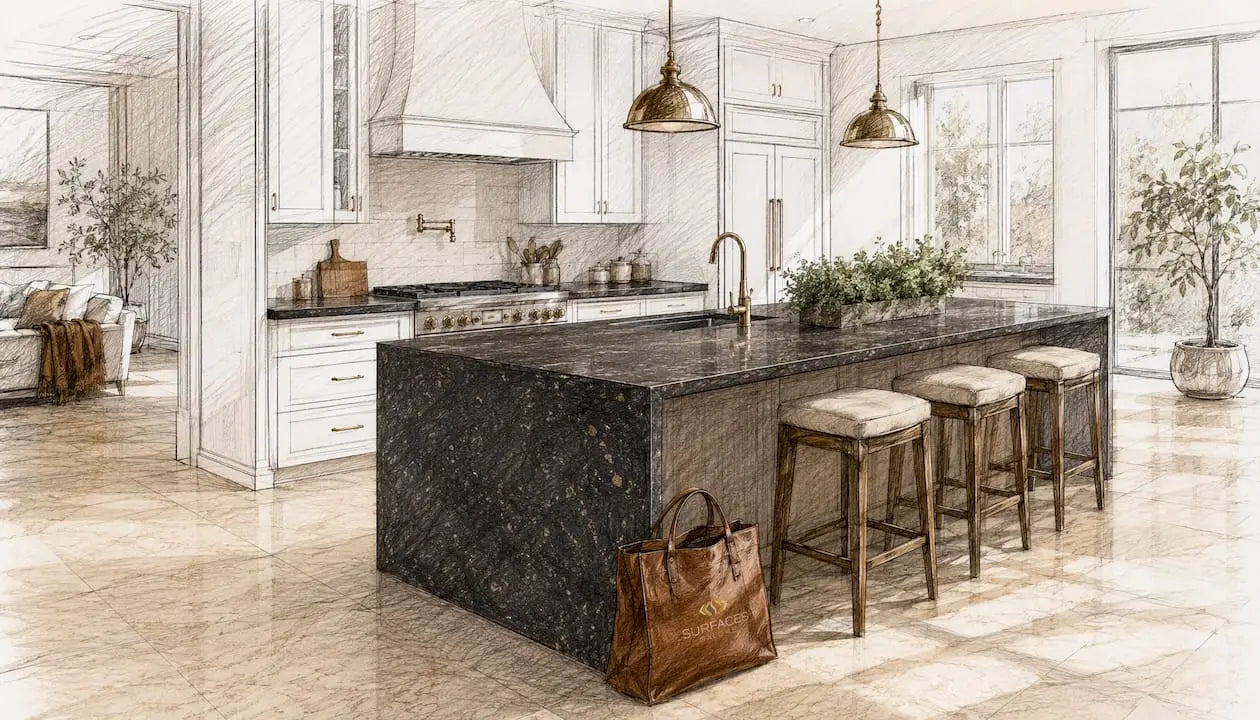
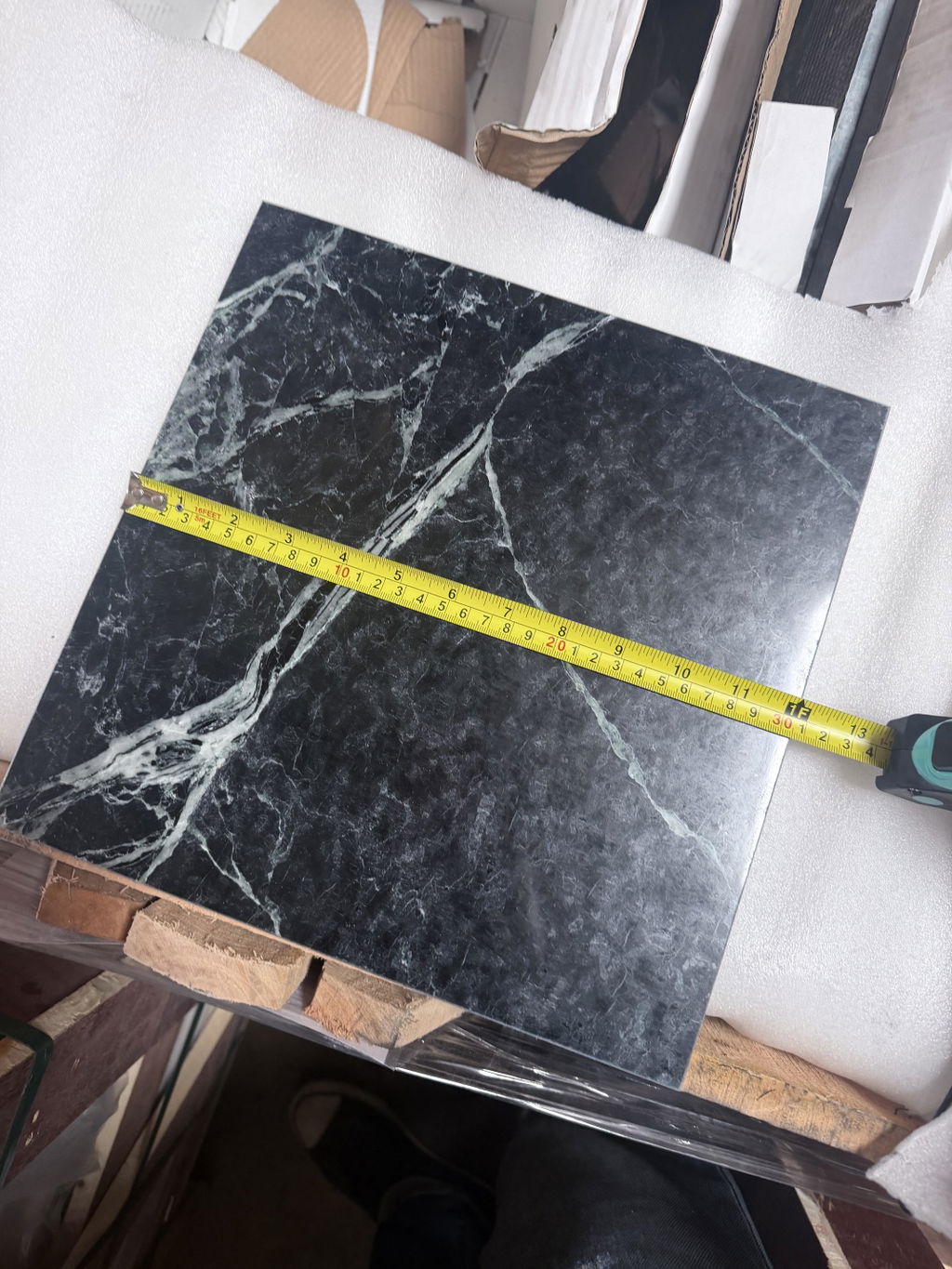
Marble is the benchmark for luxury renovation materials. Its dramatic veining, depth of color, and reflective surface make it the go-to choice for statement countertops, feature walls, and bathroom floors. Carrara, Calacatta, and Statuario are the most recognized varieties, each with distinct veining patterns and background tones ranging from bright white to warm gray.
Limestone
Limestone offers a softer, more matte aesthetic that suits transitional and organic design styles. Its natural fossil inclusions and subtle color variation make it popular for flooring, wall cladding, and exterior applications. It tends to be more porous than marble, so sealing is especially important in wet areas.
Travertine
Travertine’s distinctive pitted surface and warm earth tones have made it a staple in Mediterranean-inspired and contemporary organic interiors alike. It works beautifully as bathroom and shower tile, flooring, and fireplace surrounds. Filled and honed travertine offers a smoother surface for high-traffic areas.
Beyond stone type, finishing options dramatically change the character of any installation. Polished surfaces maximize reflectivity and drama. Honed finishes deliver a matte, understated look that hides minor scratches. Leathered finishes add tactile texture and a contemporary feel. The same slab of marble can read as formal or casual depending entirely on how it’s finished.
Does natural stone increase home value? The financial case
The upfront cost of natural stone tends to be higher than most synthetic alternatives. That is simply true. But the financial comparison changes completely when you account for lifespan, maintenance costs, and resale value.
Zillow research published in March 2025 found that homes featuring natural stone elements like soapstone countertops sell for up to 3.5% more than comparable homes, adding approximately $12,500 to a typical U.S. home’s sale price. Soapstone specifically outperformed quartz, which contributed a 2.6% premium. These are not small numbers in a competitive market.
Long-term ownership costs also favor stone. An engineered surface replaced at the 40-year mark becomes waste and expense. A natural stone surface restored at 40 years becomes heritage. The math over a 40–50 year horizon consistently favors stone, even when the initial price is higher.
- No replacement cycles: Stone does not need to be swapped out every generation.
- Resale premium: Buyers at the upper-mid and luxury market recognize and pay for authentic stone.
- Lower maintenance cost per year: Resealing every 6–24 months is the primary recurring expense.
- Appreciation, not depreciation: Stone surfaces tend to read as timeless rather than dated.
One honest caveat: the resale premium does not always fully recoup the initial material investment. Homeowners should prioritize personal enjoyment and lasting quality alongside financial return, not treat stone purely as a flip strategy.
Where natural stone works best in a home renovation
Natural stone is genuinely versatile. It performs well in nearly every residential application, though each stone type has a natural home.
Flooring
Stone flooring is the most durable option available for high-traffic areas. Marble and travertine are traditional choices for entryways, living rooms, and bathrooms. Limestone works well in lower-traffic areas where its softer surface is less exposed to abrasion. For renovation projects with older subfloors, stone bedded in mortar adapts better than thin synthetic panels, which tend to crack over uneven surfaces.
Countertops
Marble countertops require sealing and careful handling around acidic foods, but they deliver a surface character that no engineered material matches. For homeowners who cook heavily and want zero maintenance, engineered stone has practical advantages. For those who want a kitchen that looks better at year 20 than it did at year one, marble is the answer.
Backsplashes and walls
Stone mosaics and tile backsplashes add texture and depth that painted or ceramic surfaces cannot approach. Travertine and marble mosaics work particularly well in kitchen and bathroom applications, where the variation in each piece creates a surface that reads as handcrafted.
Fireplaces and feature walls
A limestone or marble fireplace surround is one of the highest-impact renovation upgrades available. Stone’s heat resistance makes it practical, and its visual weight anchors a room in a way that manufactured materials rarely achieve.
Pro Tip: When installing natural stone in a shower, use a penetrating impregnating sealer rather than a topical coating. It protects from within without altering the stone’s natural texture or finish.
Natural stone and the 2026 design trend you need to know about
“Organic Modernism is the new modern farmhouse,” said Amanda Pendleton, Zillow’s home trends expert, in March 2025. The style, defined by natural stone, wood flooring and cabinetry, and textured walls, has gone fully mainstream. Buyers are actively competing for homes with these finishes, and that competition is pushing prices higher.
The Zillow data is specific: soapstone countertops contribute a 3.5% sale premium, wet rooms with natural stone tile add 3.3%, and outdoor features like bluestone patios boost resale value by 2.2%. These are 2025 figures from an analysis of millions of home listings, and the trend has only accelerated into 2026.
For architects and designers, Organic Modernism validates what the profession has always known: authentic materials age better than manufactured ones, both aesthetically and financially. For homeowners, it means that choosing natural stone for a 2026 renovation is not just a personal preference. It is a market-aligned decision.
Surfacesgalore’s collection of marble, limestone, and travertine tiles, mosaics, and decorative pieces is built specifically for this moment. As a direct importer based in Anaheim, California, Surfacesgalore ships nationwide and works directly with homeowners, designers, architects, and contractors who want authentic natural stone at prices that reflect direct sourcing rather than retail markup.
Ready to bring natural stone into your next renovation? Explore Surfacesgalore’s full collection of marble, limestone, and travertine at surfacesgalore.com and find the material that fits your project, your budget, and your timeline.
Key Takeaways
Natural stone outperforms synthetic alternatives in durability, sustainability, and long-term financial return, making it the strongest material choice for residential renovations in 2026.
| Point | Details |
|---|---|
| Lifespan advantage | Natural stone outlasts engineered surfaces, which typically require replacement after 25–50 years. |
| Sustainability edge | Stone production uses 60% less energy and emits 50% fewer carbon emissions than manufactured stone. |
| Resale premium | Homes with natural stone features sell for up to 3.5% more, adding roughly $12,500 to a typical U.S. sale price. |
| Maintenance reality | Properly sealed stone needs resealing only every 6–24 months, making upkeep straightforward. |
| Design alignment | Organic Modernism, the dominant 2026 design trend, is built around natural stone, wood, and textured surfaces. |
FAQ
What are the main benefits of natural stone in a renovation?
Natural stone offers permanent durability, zero VOC emissions, unique aesthetics, and strong resale value. It can be refinished repeatedly, unlike engineered surfaces, which typically require full replacement when damaged.
Does natural stone increase home value?
Yes. Zillow research found that homes with natural stone features like soapstone countertops sell for up to 3.5% more than comparable homes, adding approximately $12,500 to a typical U.S. home’s sale price.
How long does natural stone last?
Natural stone can last for generations, often outliving the buildings it’s installed in. Historical marble installations remain in excellent condition after more than 2,400 years, while engineered stones typically require replacement after 25–50 years due to resin degradation or aesthetic fading.
What are the cons of natural stone?
Natural stone requires periodic sealing (every 6–24 months), costs more upfront than most synthetic alternatives, and some varieties like marble are sensitive to acidic substances. The resale premium also does not always fully recoup the initial material investment.
Which natural stone is best for bathroom renovations?
Marble, travertine, and limestone all perform well in bathrooms when properly sealed. Travertine’s warm tones and texture suit shower walls and floors, while marble works beautifully for vanity tops and feature walls.

Leave a comment