
A comprehensive guide to selecting premium marble tiles for luxury interiors

Key Takeaways
Selecting the right natural stone involves balancing long-term maintenance needs with your specific aesthetic goals for luxury interiors.
- Prioritize authentic natural stone for its unique veining and inherent property value.
- Choose a finish that matches your functional needs and desired design theme.
- Use mosaics or patterned stone to create intentional focal points in bathrooms or entryways.
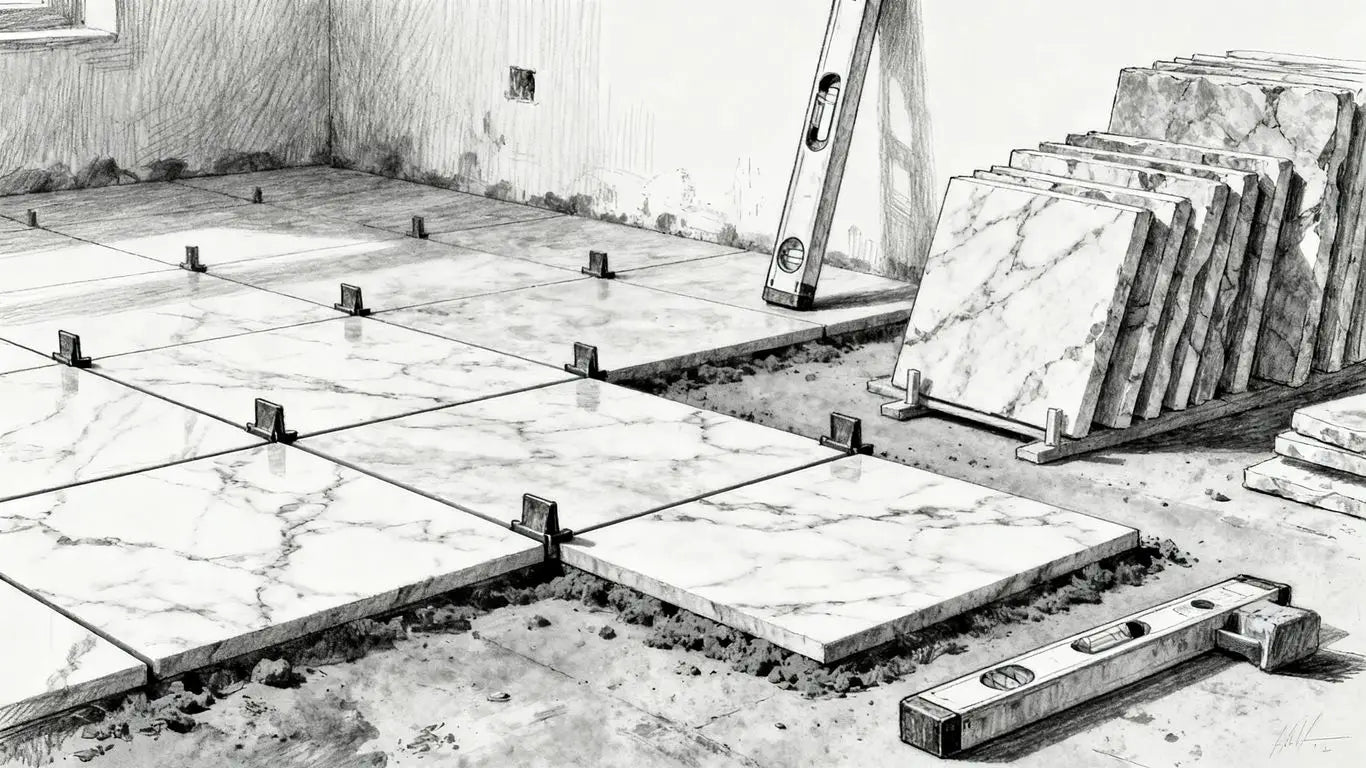
- Always dry-lay your tiles before permanent installation to manage color and veining variation.
- Lean on direct importers for cost-efficient access to high-quality marble collections.
Understanding the allure of premium marble tiles
The timeless aesthetic appeal of natural stone
Natural stone possesses an inherent depth that manufactured products simply cannot replicate. Each slab tells a geological story through unique veining, making every installation a singular piece of art. High-end design thrives on this visual complexity, which turns standard surfaces into expressive, tactile environments characterized by a classic touch.
Durability and long-term investment value
Investing in premium marble tiles serves as both an aesthetic upgrade and a strategic increase in property equity. When properly installed, these natural stones withstand years of foot traffic while maintaining their luster. The structural integrity and sophisticated aging process of marble ensure the material remains a centerpiece of the home for decades.
Why authenticity matters in high-end design
Authenticity brings a level of prestige to residential projects that synthetic alternatives fall short of achieving. Experienced designers look for the raw, tactile quality that only authentic stone offers, ensuring their spaces feel genuine and grounded. Sourcing authentic materials from a trusted supplier like Surfaces Galore is vital for those who value long-term quality over imitation.
Elevating residential and commercial spaces
Whether you are refreshing a private primary bath or outfitting a boutique lobby, marble elevates the atmosphere immediately. The reflective qualities of high-quality stone change with the natural light, breathing life into interior designs. Using premium stone creates a sense of luxury that defines high-end architectures, offering a smooth finish that feels both modern and historically significant.
Popular types and varieties of premium marble
The classic elegance of Italian Carrara and Calacatta
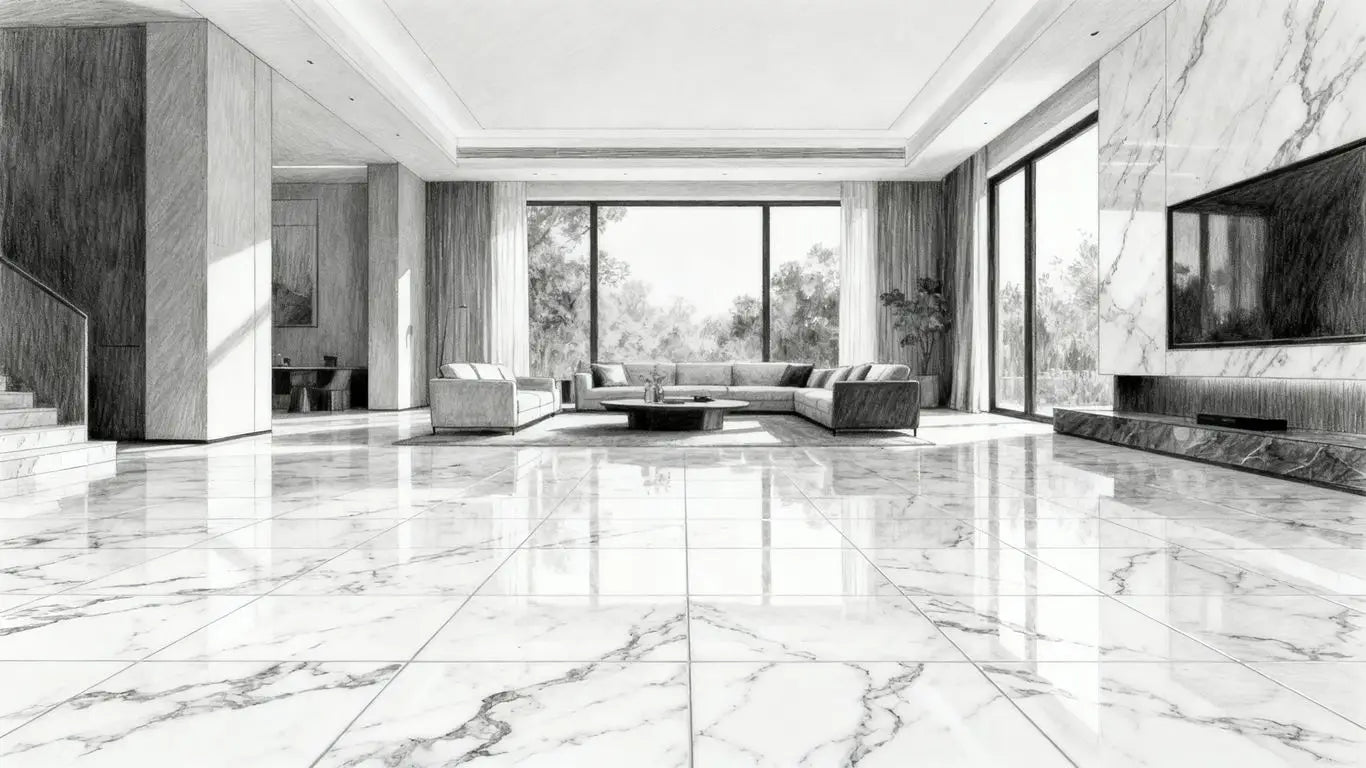
Italian stones remain the hallmark of traditional luxury, beloved for their bright backgrounds and subtle, flowing veins. Carrara White marble offers a reliable, sophisticated light palette, while Calacatta Gold provides a more dramatic, high-contrast look that commands attention. These varieties serve as the standard by which all other white marbles are judged.
Modern appeal with Atlantic Gray and Tundra Gray
For those seeking a contemporary vibe, cool and neutral gray stones offer a clean, architectural aesthetic. These marbles provide a bridge between minimalist design and the rich complexity of natural veining, making them perfect for spacious, open-plan living areas. They pair excellently with metallic fixtures and bold interior colors.
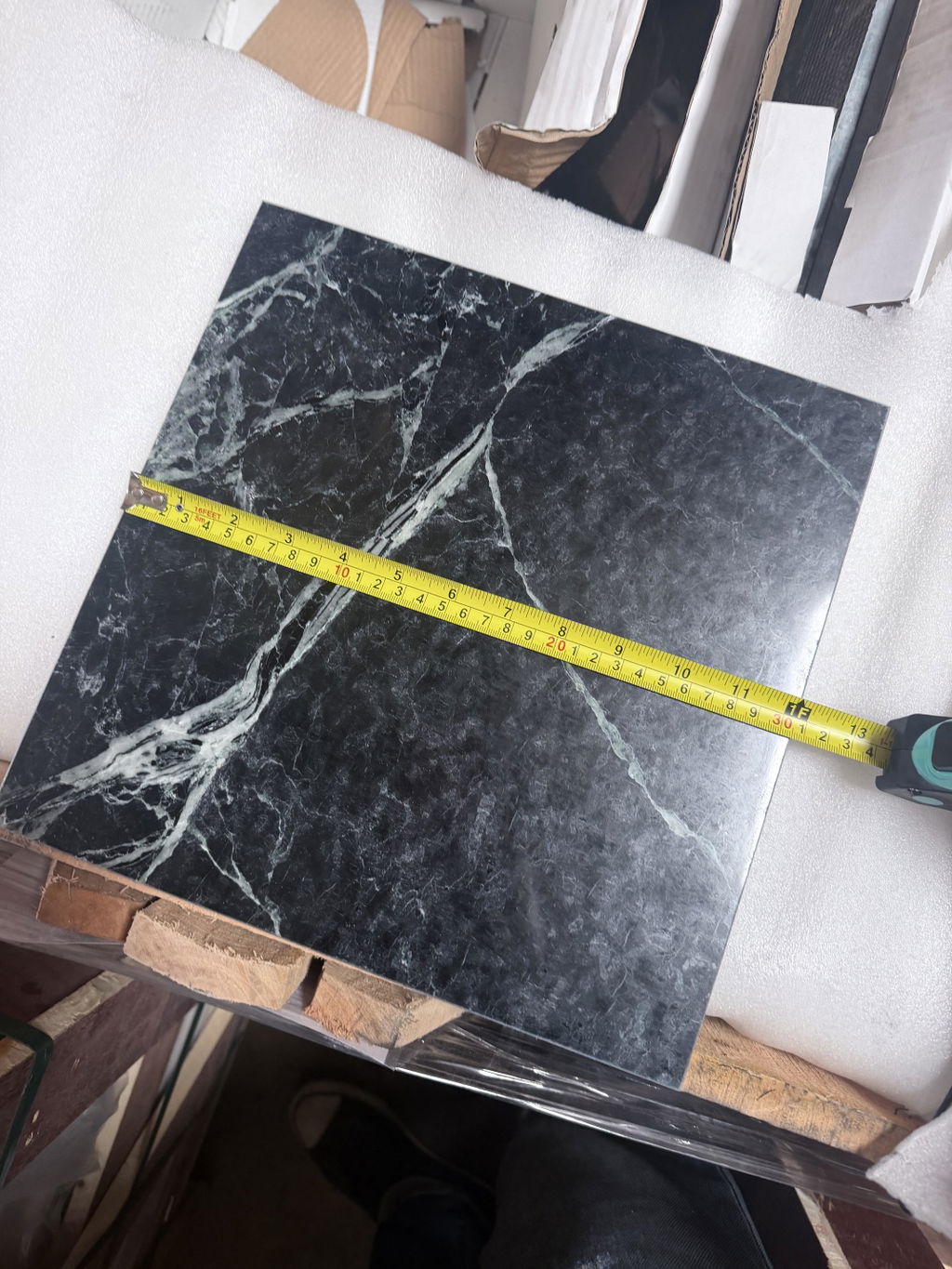
Bold style statements using Nero Marquina black marble
| Feature | Nero Marquina | Usage Context |
|---|---|---|
| Background | Deep Black | Dramatic Contrast |
| Veining | Crisp White | Sharp Geometry |
| Finish | Polished | High Gloss Luxury |
Dark stones create an unparalleled sense of drama and intimacy in luxury interiors. Using Nero Marquina specifically allows designers to leverage a sharp contrast that makes light colors pop and focal points feel intentional. Adding this type of stone creates a moody, refined environment.
Unique textures from exotic vein-cut stones
Vein-cut options showcase the internal layers of the stone, providing patterns that feel linear and organized. These exotic cuts are highly sought after by designers who want a sophisticated, modern alternative to standard cross-cuts. They are perfect for feature walls where the pattern takes center stage.
Selecting the perfect finish for your application
Benefits of polished finishes for reflective luxury
Polished surfaces are the preferred choice for those who want to maximize light within a room. The high-gloss sheen highlights the natural vibrancy of the stone, making it appear deeper and more intense. This is particularly effective in spaces like formal dining areas or primary bathrooms.
Advantages of honed surfaces for a modern, matte look
Conversely, a honed finish offers a soft, matte tactile experience. It is the perfect choice for a modern home that prioritizes organic, muted elegance over high-shine opulence. Hone also hides minor wear better, making it practical for heavy-use zones.
Using tumbled stone for traditional or rustic aesthetics
The beauty of natural stone is fully expressed when the surface is finished to reveal its rugged character, offering warmth and elegance to any rustic space.
Stone that has been tumbled creates a lived-in feel, perfect for kitchens or spaces where a softer edge is desired. Each piece feels like it has aged beautifully, providing a timeless charm that coordinates well with wooden cabinetry. This finish is exceptionally versatile and inviting.
Evaluating slip resistance for bathroom and shower floors
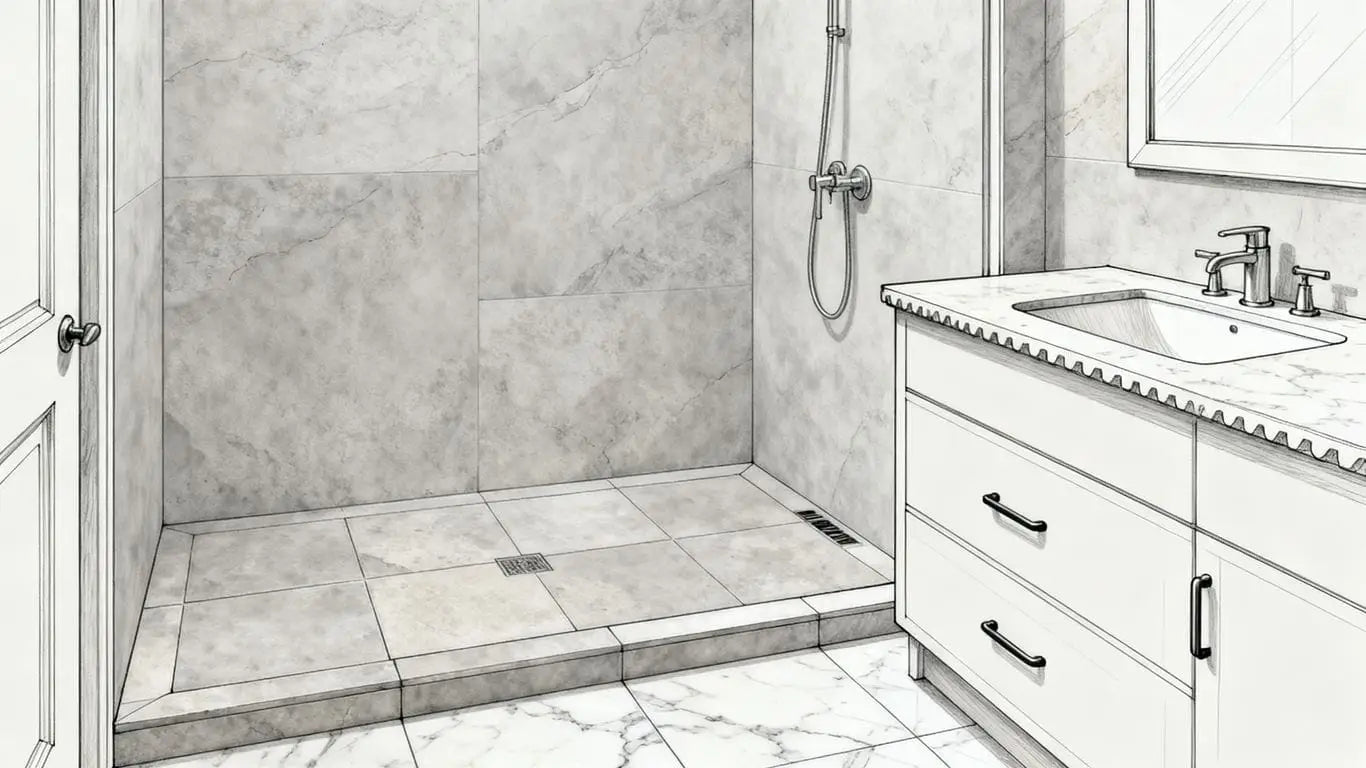
Safety is paramount when choosing finishes for water-exposed areas. A honed or brushed surface provides the necessary grip without sacrificing the visual beauty of the marble. Avoid highly polished surfaces inside wet-room environments to ensure both function and beauty are addressed.
Integrating marble mosaics and decorative elements
Creating focal points with waterjet and floral patterns
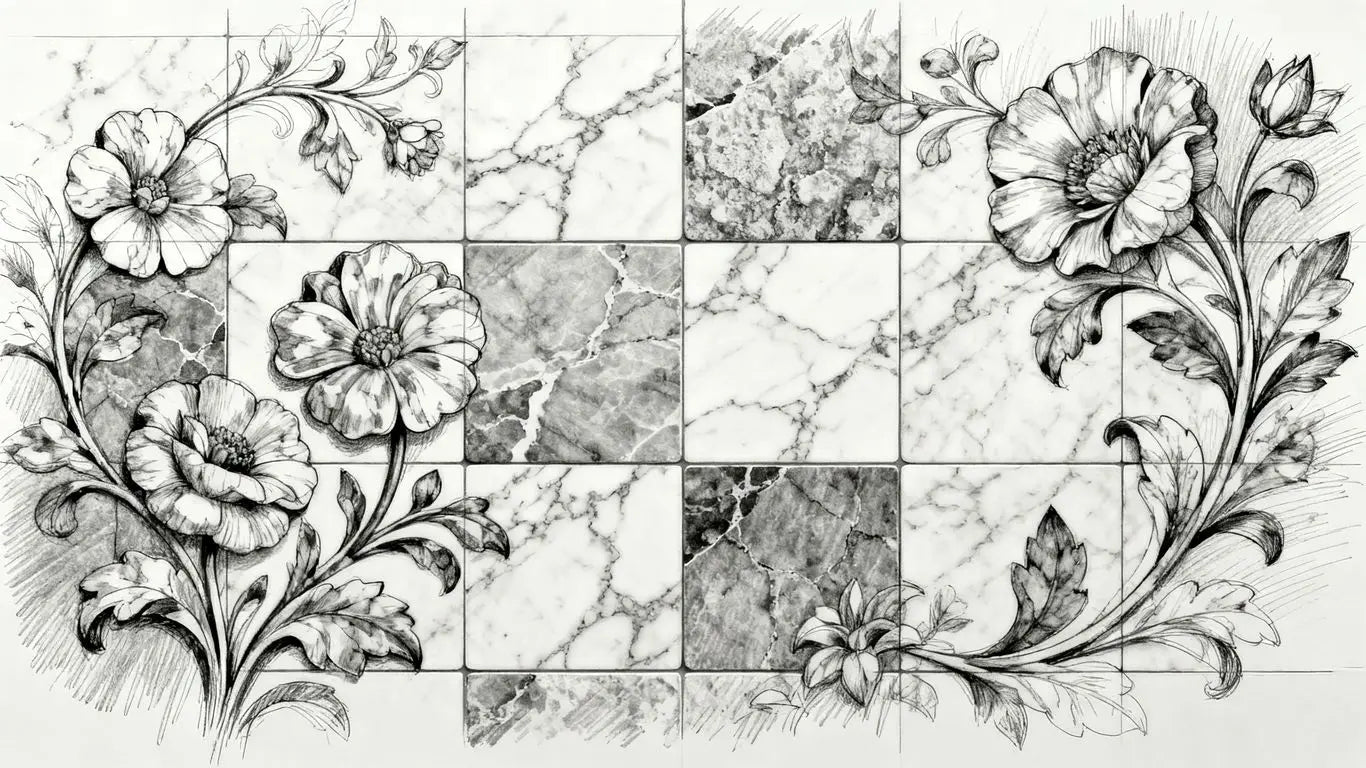
Waterjet technology allows for precision cuts that turn stone into intricate, flowing murals on your walls or floors. These designs function as the artwork of the room, drawing eyes and defining the boundaries of an area beautifully.
Playing with geometry through herringbone and basketweave designs
Geometric patterns introduce a rhythmic movement to the floor. These classic shapes are excellent for breaking up large, monotonous spaces, providing a visual texture that feels both ordered and energetic. Consider the following popular mosaic layouts:
- The timeless sophistication of Carrara White herringbone mosaics.
- Classic basketweave patterns featuring contrasting stone dots.
- Hexagon mosaics for a contemporary, honeycomb-inspired look.
- Arabesque shapes that provide a soft, traditional curve.
Enhancing architectural detail with marble moldings and trims
Trims and moldings provide the finishing touches that make a room look fully realized. These pieces allow you to frame feature areas, create transitions between different materials, and add a decorative edge to cabinets or backsplashes. They act as the frame to your larger stone masterpiece.
Designing seamless transitions with baseboards and thresholds
Transitions are often ignored, but they are critical for a professional, high-end result. Using matching baseboards and thresholds ensures a continuous design flow throughout the home. This consistency is exactly what differentiates a standard remodel from a professionally designed, luxury space.
Professional tips for installation and maintenance
Essential considerations for high-traffic entryways
Entryways demand a material that is both stunning and resilient enough to handle dirt and grit. Proper initial sealing is the absolute most important step to prevent staining. Request a quote today to ensure you have the right material specs for these high-visibility areas.
Proper sealing techniques for long-lasting protection
Sealing is not a one-time event but a vital part of stone maintenance. Use quality penetrating sealers to shield your marble from spills and moisture. This creates an invisible barrier, maintaining the stone's integrity while letting it breathe.
Expert advice on daily cleaning for natural stone
Maintain the shine of your floors by using pH-neutral cleaners specifically formulated for natural stone. Avoid vinegar, lemon, and other acidic agents at all costs, as these will etch the surface. A simple damp cloth is often the best long-term care tool.
Coordinating material batching for color consistency
Because stone is natural, batches often vary in intensity. Always check to see if your order comes from the same quarry run to avoid unintended color shifts. Proper planning here ensures your floor looks cohesive from corner to corner.
Sourcing and shipping with a direct importer
The advantages of sourcing bulk orders from a direct importer
Working directly with Surfaces Galore removes unnecessary markups, allowing you to secure luxury goods at competitive rates. Bulk orders also benefit from curated batching, ensuring better uniformity across your entire project requirements. This model allows interior designers and homeowners to accomplish more with their renovation budgets.
Nationwide shipping logistics for high-end renovations
Moving heavy, fragile stone across the country requires specific logistics expertise. Professional direct importers manage the padding, strapping, and freight handling necessary to ensure your tiles arrive in pristine condition. Knowing your shipment is insured and expertly packed takes the stress out of the delivery process.
Requesting quotes for custom or large-scale projects
Large projects require individualized attention to pricing and availability. Engaging with an expert team early in the design stage allows for custom planning and logistical coordination. Always share your square footage and finish requirements to get the most accurate and efficient proposal.
Leveraging expert customer service for material selection
Design choices can be overwhelming given the breadth of natural stone. A direct importer provides the benefit of expertise; they know which stone types perform best in specific environments, helping you avoid costly mistakes. This collaborative process ensures your final material selection meets all your performance and aesthetic criteria.
Conclusion
Choosing premium marble tiles is a transformative step that infuses your home with enduring luxury, tactile beauty, and significant architectural character. By focusing on authentic materials, quality finishes, and professional installation practices, you create a space that stands as both a beautiful home and a sound financial investment for years to come.
Frequently Asked Questions
Why does marble require sealing?
Marble is a porous natural stone, meaning it can absorb liquids and become prone to staining if left unprotected. High-quality penetrating sealers create a defensive layer that prevents spills from penetrating the surface, ensuring the marble remains clean and brilliant.
Can marble be used in heavy traffic kitchen areas?
Yes, marble is a durable choice for kitchens, though it requires intentional maintenance to handle the daily use of food and liquids. Using honed or tumbled finishes can help hide signs of wear, making it a very practical yet elegant flooring and wall solution.
How does tile finish affect the room's lighting?
Polished finishes are highly reflective and act almost like a mirror, which helps to bounce light around a room and make it feel more expansive. Honed and matte finishes absorb light differently, creating a softer, more grounded ambiance that feels warmer and more intimate.
What is a dry-lay installation?
Dry-lay means laying out your tiles on the subfloor without using adhesive or grout before committing to the final installation. This process is essential for ensuring that the variation in veins and tones is distributed evenly across the floor for a balanced, natural appearance.
How often should I re-seal my marble floors?
For residential floors, a high-quality sealant typically provides protection for six to twelve months, though this depends on the intensity of foot traffic. Experts suggest conducting a simple water bead test; if water no longer beads up on the surface, it is time to re-seal.
Is marble considered an eco-friendly flooring option?
As a 100% natural material quarried from the earth, marble has a much smaller chemical and industrial footprint than synthetic tiles like porcelain or ceramic. Its longevity also makes it a sustainable choice, as it rarely requires replacement compared to manufactured products.
What are the main differences between marble and limestone?
While they are both natural stones with similar geological origins, marble is typically harder and more crystalline due to greater heat and pressure during formation. Limestones are often softer with a more matte, earthy aesthetic, whereas marble is prized for its high-contrast veining and potential for a glossy polish.

Leave a comment