
Limestone tile guide: how to choose the right style, finish, and application

Key Takeaways
Limestone tile brings natural texture and soft color to a room, but choosing well means balancing appearance with the needs of the space. Consider the finish, format, installation, and ongoing care before ordering.
- Natural variation gives limestone tile a distinctive, organic look.
- The stone is softer and more porous than some alternatives, so care and placement matter.
- Finish, tile size, and layout affect both the look and feel of an installation.
- Review samples and product-specific guidance before committing to a full order.
- Plan quantities, installation, and maintenance early to avoid surprises.
What makes limestone tile distinctive?
Limestone is a natural stone with gentle color shifts and a tactile quality that can make a room feel settled rather than overly polished. Its appeal is often in the details: small changes in tone, texture, and pattern from one tile to the next. Those qualities are part of the material, not flaws to be edited out. Consider how that natural character will work with the room and the way you use it.
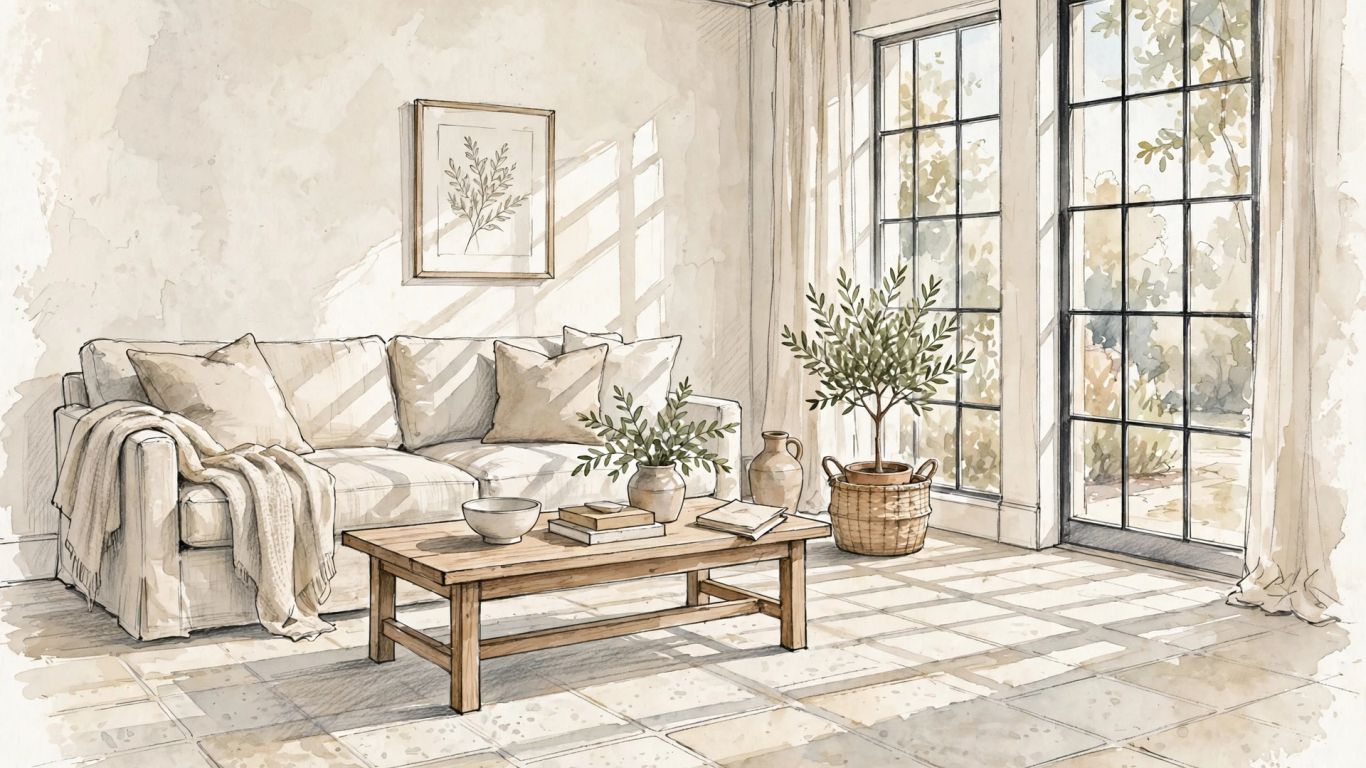
Natural color, texture, and variation
Limestone often sits in a softer palette of cream, beige, gray, and earthy shades. Natural differences between pieces create a surface that feels varied without demanding attention. Subtle shifts in tone can bring warmth to a pared-back room, while a more pronounced texture can add interest to a simple layout. Because each tile can differ, viewing a sample in the intended space is a useful step.
How limestone compares with marble and travertine
All three stones bring natural character, but their appearance and care needs differ. Marble is often recognized by its veining and can feel more formal, while limestone tends toward quieter patterning and a softer look. Travertine has a distinctive porous appearance and is a type of limestone. Limestone is also relatively soft and porous, so it may need more attentive care than some harder materials.
Durability and everyday wear
Limestone is a durable natural stone, and it can be used in a range of interior and exterior applications when the product and installation suit the setting. Still, durability does not mean imperviousness. Softer stone can be more vulnerable to scratches, staining, and wear, especially in busy areas or where spills are common. Think about traffic, moisture, and how much upkeep feels reasonable before choosing a location.
Considerations before choosing natural stone
Natural variation, porosity, and maintenance are all part of the decision. Ask what sealing is recommended for the specific tile, whether the finish suits the room, and how the surface should be cleaned. A little planning can help you choose a stone that feels right not only on installation day, but through everyday use. If low-maintenance performance is your top priority, compare materials and product guidance carefully before you buy.
Explore limestone tile styles and finishes
Limestone’s range of color and surface treatments makes it adaptable to quiet, contemporary rooms as well as more rustic designs. The same stone can feel quite different depending on its finish, size, and arrangement. Start with the overall mood you want, then check whether the available options suit the room’s practical demands. A sample is especially helpful when choosing among subtle color variations.
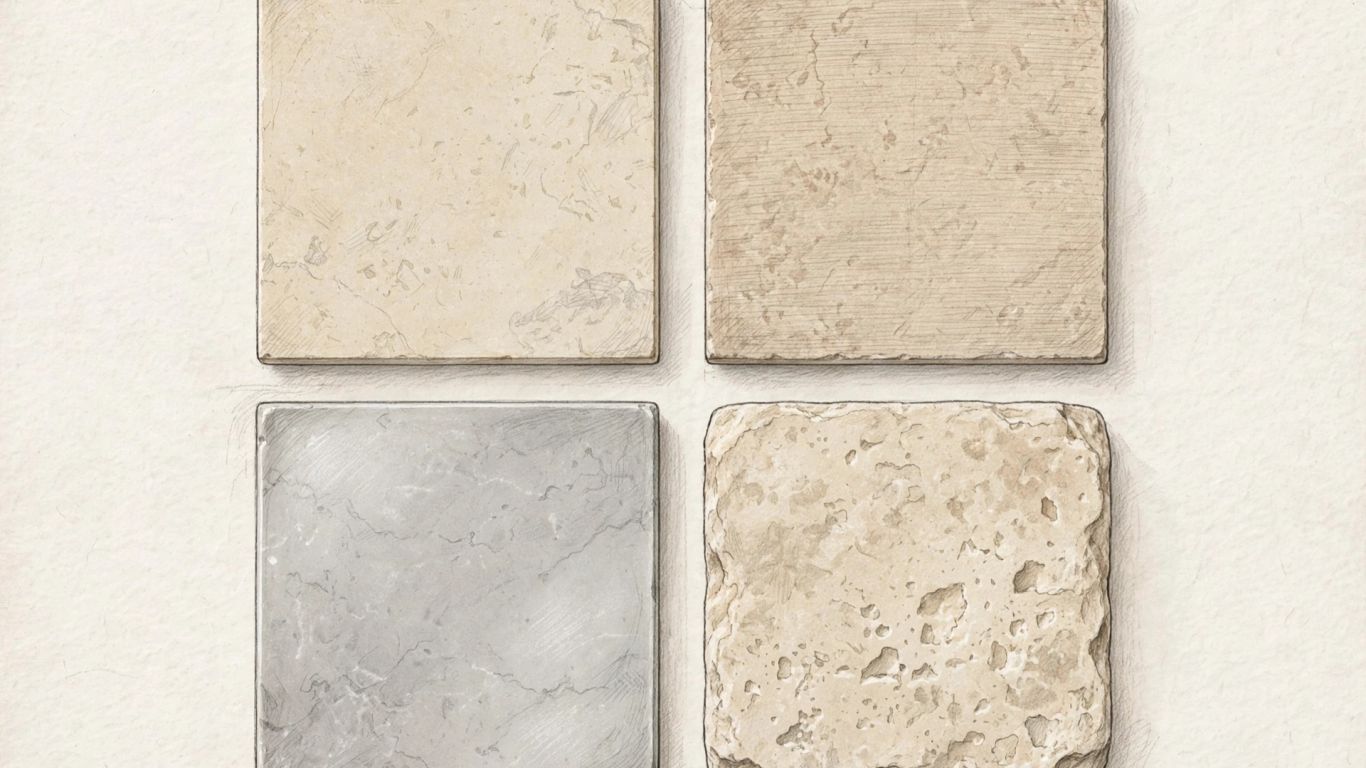
Warm beige, cream, gray, and other color options
Cream and beige tones create a warm, familiar backdrop, while gray shades can feel cooler and more understated. Some collections have a more earthy or varied appearance, so compare pieces in the light where they will be installed. For instance, Haisa Light honed limestone has natural variations in color, veining, and texture. These shifts are part of the stone’s character, and viewing a sample helps you understand how they read in your home.
Polished, honed, brushed, and tumbled finishes
A finish changes both the appearance and the feel of limestone. Polished surfaces look smoother and more reflective; honed surfaces have a softer, matte appearance. Brushed and tumbled treatments offer additional texture and a more relaxed character. The right choice depends on the visual effect you want and the conditions of the room, so ask for product-specific guidance rather than assuming one finish suits every use.
A quick comparison can clarify the design trade-offs:
| Finish | General appearance | A point to consider |
|---|---|---|
| Polished | Smooth and reflective | Can create a more formal look |
| Honed | Matte and understated | Works well with a quieter design |
| Brushed | Tactile surface | Adds visible texture |
| Tumbled | Aged, softened character | Suits rustic or relaxed schemes |
These descriptions are starting points, not a substitute for seeing the actual tile. Look at samples alongside cabinetry, paint, or other finishes in the room, and ask whether the selected surface is appropriate for the intended application.
Mosaics, patterns, and decorative trim
Mosaics can bring detail to a backsplash, shower wall, or accent area without requiring a large expanse of patterned stone. Larger tiles tend to make a layout feel calmer, while smaller pieces add rhythm and more grout lines. Decorative trim can provide a considered edge or transition between surfaces. Surfaces Galore’s limestone offerings include tiles, mosaics, slabs, pavers, and bricks, so the project can be planned around more than a single tile format.
Limestone collections for different design preferences
Some collections lean toward soft, creamy tones; others offer gray or deeper earthy color. The limestone collection at Surfaces Galore includes options such as Dolce Crema, Greyhaven, and Obsidian Ash, with varied natural character. Compare the named products and their current specifications rather than relying on a color name alone. The sample and product details will give you a clearer sense of the tone and texture you can expect.
Where limestone tile works in the home
Limestone can be considered for floors, walls, backsplashes, and outdoor features, but each placement has different demands. A floor needs to suit foot traffic; a wet area calls for careful attention to finish, installation, and maintenance. The stone’s natural softness and porosity make product-specific recommendations important. Think about the room’s use first, then choose a look that supports it.
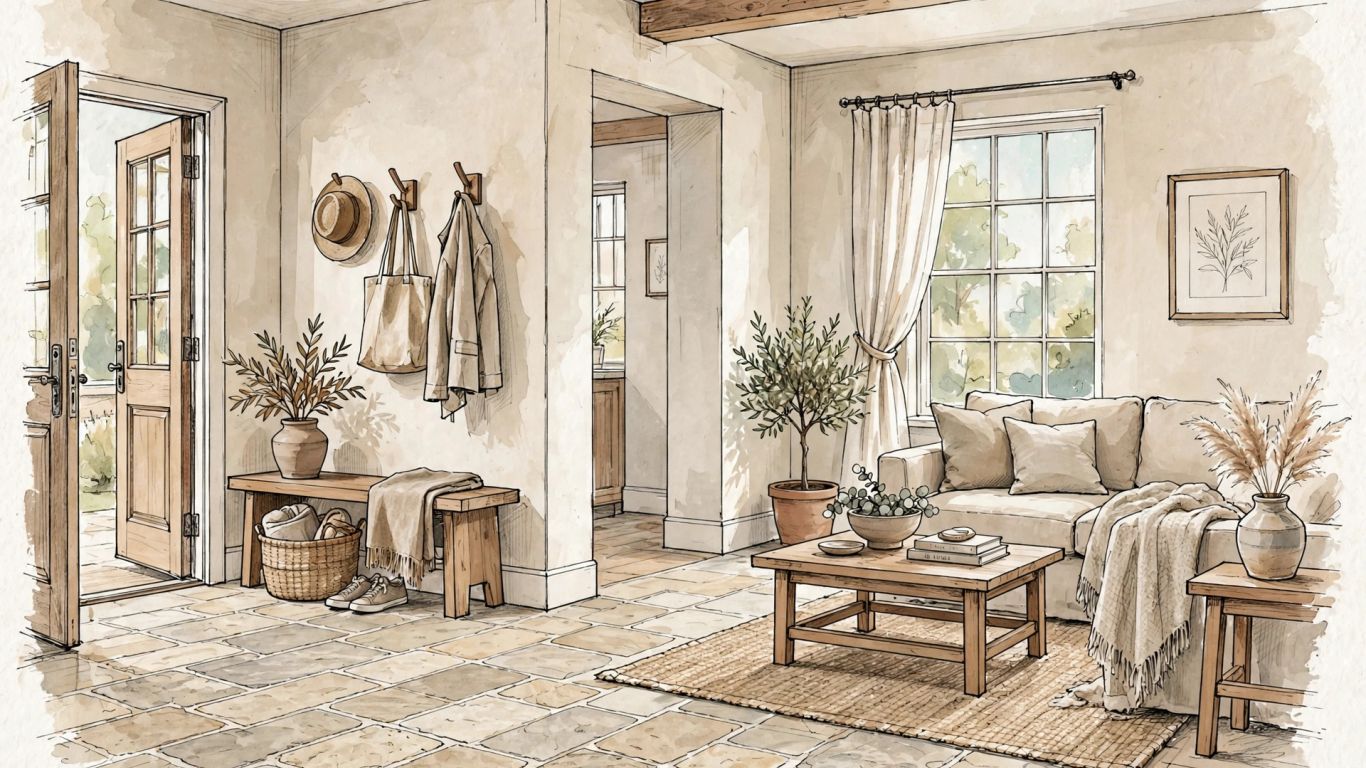
Flooring for entryways and living spaces
A limestone floor can give an entryway or living area a warm, grounded appearance. In high-traffic spaces, evaluate the tile’s durability and maintenance needs, and ask whether its finish suits the expected use. A natural surface may develop signs of wear over time, so consider whether that change would feel like character or a drawback. Layout and grout color also influence how prominent the stone’s variation appears across a larger floor.
Bathroom walls, floors, and shower areas
Limestone can be used on bathroom walls and floors, and mosaics are one format for shower walls or accent areas. Bathrooms bring regular moisture, so confirm the tile’s suitability for the exact location and follow guidance on sealing and care. For floors, consider the texture and the manufacturer’s recommendations for the intended use. Good planning matters: a stone that looks lovely in a sample still needs to suit the practical conditions of the installation.
Kitchen backsplashes and feature walls
A limestone backsplash can soften the look of a kitchen, pairing naturally with wood, painted cabinetry, or other stone surfaces. Since kitchen areas may encounter oils, food, and cleaning products, ask how the chosen limestone should be sealed and maintained. Mosaics or small-format tiles can add detail, while a simpler layout keeps the stone’s own variation in focus. Samples make it easier to compare the tile with counters and cabinet finishes.
Outdoor applications and weather-related considerations
Limestone products may be used outdoors, including pavers for patios, driveways, and walkways. Outdoor exposure brings weather and environmental conditions into the decision, so confirm that a specific product is intended for the planned setting. Check installation and maintenance recommendations, too. For a more grounded design reference, limestone tile for indoor and outdoor spaces can help you consider how natural color and pattern work across different applications.
How to choose limestone tile for your project
Start with the room, not the color chart. A tile that works beautifully on a low-traffic wall may not be the best choice for a busy floor or a wet area. Then narrow the options by finish, format, and overall style. Taking these decisions in order makes it easier to compare samples and confirm that your selection suits the project.
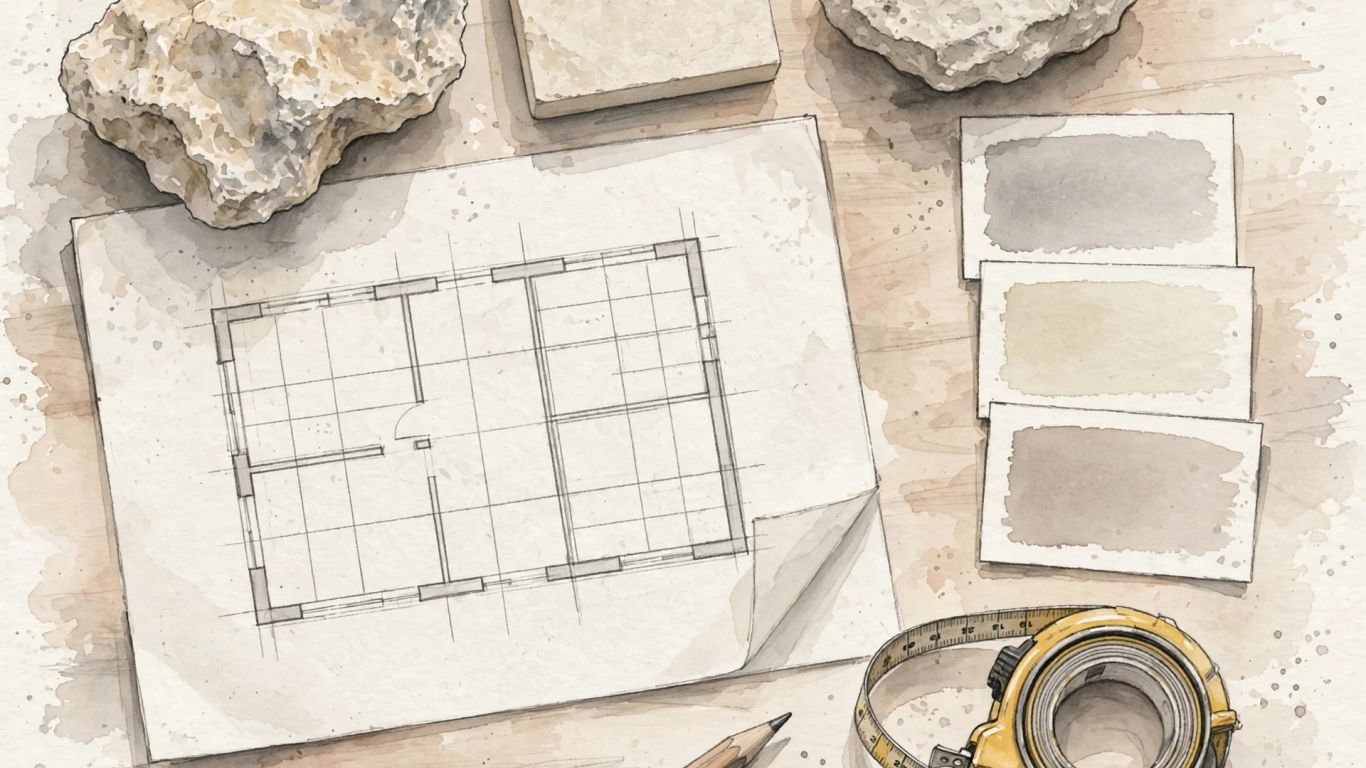
Match the stone to the room’s use and traffic
Make a realistic assessment of foot traffic, moisture, likely spills, and the level of care you are willing to provide. Limestone is softer and more porous than some stones, so high-use areas deserve particular attention. Discuss the planned location with the supplier and installer, and ask for guidance specific to the product. The goal is to match the tile to the conditions rather than rely on a broad claim about natural stone.
Select a finish for the look and function you want
Choose a finish for its appearance, then confirm that it is suitable for the intended application. A polished finish may feel sleek, while honed, brushed, or tumbled options bring a quieter or more textured quality. Where a floor may become wet, ask an experienced installer or supplier to confirm the product’s suitability for that use. Looking at samples under your own lighting can reveal details that product photos do not.
Plan tile size, layout, grout, and coordinating details
Tile size and layout affect the visual rhythm of a room, as well as the amount of cutting and grout required. Before ordering, sketch the layout and think about edges, transitions, and any trim. A short planning list helps keep the details together:
- Measure the full installation area and identify edges or obstacles.
- Decide on tile size, direction, and pattern before placing the order.
- Choose grout that works with the stone’s color and natural variation.
- Confirm how trim, transitions, and adjoining surfaces will meet.
These choices are easier to adjust on paper than after the tile arrives. If you are unsure about spacing or cuts, ask your installer to review the plan before confirming quantities.
Review samples and confirm current stock
Natural stone varies, so use samples to assess color and texture in the actual room rather than relying on a screen. Compare more than one piece if possible, and ask how the sample relates to the current product. Confirm the selected size, finish, quantity, and availability before placing an order. When reviewing product information, keep stone specifications separate from unrelated research such as cutting board construction, traditional gemstone selection, Azure time tracking, estate-sale planning, or local marketing tips; those subjects do not determine tile suitability.
Installation, sealing, and limestone tile care
The long-term appearance of limestone depends on more than the material itself. Preparation, installation, and routine care all contribute to how the finished surface performs. Natural stone can vary in color and pattern, so plan the layout before fixing tiles in place. Follow product-specific instructions from the manufacturer and consult an installer familiar with natural stone.
Prepare the substrate and plan for professional installation
The installation surface should be clean, dry, and level, and the layout should be planned before adhesive is applied. Dry-laying tiles can help you review the distribution of color, avoid awkward cuts, and settle the grout spacing. Inspect pieces for visible damage or irregularities before installation, and raise concerns with the supplier before setting them. Professional installation is a sensible choice when the work involves complex layouts, large areas, or wet locations.
Follow product-specific guidance for sealing
Limestone is porous, and sealing may be recommended to help protect it from moisture and staining. The right product and timing depend on the tile and the installation, so follow the manufacturer’s directions rather than applying a general rule to every stone. Ask whether the surface should be sealed before or after grouting and how long it needs to cure. Keep the instructions for future reference, since resealing guidance can vary by use and product.
Clean with stone-safe products and methods
Use cleaning products intended for natural stone and follow their labels. Avoid assuming that an everyday household cleaner is suitable; acidic products such as vinegar or lemon-based cleaners can be inappropriate for stone. Use gentle methods and a soft cloth or mop, and test any new product in an inconspicuous spot if the care instructions allow. Simple, consistent cleaning helps the stone remain attractive without adding unnecessary wear.
Manage spills, moisture, and routine maintenance
Wipe spills promptly, especially where food, oils, or other staining substances may come into contact with the stone. Keep the surface free from abrasive grit, and use mats where they make sense for the room. In wet areas, follow the installer’s recommendations for ventilation, sealing, and upkeep. Regularly check the surface and grout so that small maintenance needs do not go unnoticed.
Buying limestone tile from a trusted supplier
Buying natural stone means choosing both a material and a plan for getting it installed. Product format, finish, and the amount needed all affect the order, so compare the details before deciding. If you are ordering from a distance, confirm the current stock and shipping arrangements early. Clear information at the start can help you avoid last-minute changes.
Compare price factors, including finish and format
Price can vary with stone selection, finish, size, and format, so compare like with like when reviewing options. Ask whether the quoted product is tile, mosaic, paver, or another form, and confirm its dimensions and finish. Do not choose on appearance alone: maintenance expectations and suitability for the room matter too. A clear comparison helps you judge the overall fit for the project budget.
Estimate quantities and account for extra material
Measure the area carefully and calculate quantities using the dimensions of the selected product. Add material for cuts and waste, with the amount depending on the layout and the room’s shape. If the installation includes corners, niches, or a pattern, ask your installer to estimate the extra needed. Confirm the final quantity before ordering, since natural stone pieces can vary and matching later may be difficult.
Check shipping options, bulk pricing, and availability
Before committing, confirm whether the product is currently available, how it will be shipped, and whether the quantity qualifies for any bulk pricing. Ask how samples can be ordered and how the material is packaged for delivery. Surfaces Galore is an Anaheim-based direct importer and nationwide supplier of natural stone; its offerings include limestone tiles and related formats. Verify the details that apply to your specific order rather than assuming every product has identical terms.
Request a quote from Surfaces Galore and explore the limestone collection
A quote is a practical next step once you have chosen a likely style, finish, and quantity. Surfaces Galore offers limestone products for applications including flooring, walls, and backsplashes; check current product details and availability for your project. You can request a limestone quote after reviewing samples and confirming measurements, then compare the quote with your installation plan before ordering.
Conclusion
Limestone tile offers natural warmth, varied texture, and a range of design possibilities, but the best choice is the one that suits the room as well as your style. Compare finishes, review samples, confirm product-specific installation and care guidance, and plan quantities before ordering. With those details settled, you can choose a stone surface that feels considered from the first layout to everyday use.
Frequently Asked Questions
Is limestone tile suitable for floors?
It can be used for flooring, but suitability depends on the specific tile, finish, location, traffic, and installation. Ask for product-specific guidance before choosing it for a busy area.
Does limestone tile need to be sealed?
Limestone is porous, so sealing may be recommended to help protect it from moisture and stains. Follow the product and sealer instructions for the right application and maintenance schedule.
What is the difference between honed and polished limestone?
Honed limestone has a matte, understated appearance, while polished limestone has a smoother, more reflective look. The finish also affects the overall feel of the room, so compare samples before deciding.
Can limestone tile be used in a bathroom?
Limestone may be used on bathroom floors, walls, or shower areas when the product and installation are suitable for the location. Confirm guidance on moisture, finish, sealing, and routine care.
How should limestone tile be cleaned?
Use products intended for natural stone and follow their directions. Avoid cleaners that may damage the surface, and wipe spills promptly as part of regular care.
Does every limestone tile look the same?
No. Natural stone can vary in color, pattern, and texture from piece to piece. Reviewing samples in the room can help you understand the variation before ordering.
How much extra limestone tile should I order?
The amount depends on the room, tile size, layout, and expected cuts or waste. Measure carefully and ask your installer or supplier to help confirm the quantity before placing the order.

Leave a comment