
Silver travertine: Design ideas, finishes, and a buying guide

Key Takeaways
Silver travertine brings cool gray, cream, and silver tones together with the natural variation that makes every stone surface distinctive. A thoughtful choice of format, finish, and layout helps the material feel at home in your project.
- Silver travertine’s gray and cream palette can suit both contemporary and transitional interiors.
- Veining, pores, and color variation are natural features, not flaws to eliminate.
- Tiles, mosaics, and slabs each serve different design needs.
- Samples and a carefully planned quantity help reduce surprises during installation.
- Follow the stone and setting-material guidance for installation, sealing, and care.
What makes silver travertine distinctive
Silver travertine has a cooler character than the familiar warm-beige look often associated with natural stone. Its blend of gray, cream, and silver tones creates a refined backdrop without feeling flat or manufactured. Because every piece is formed by nature, the pattern shifts from tile to tile, adding a little individuality to the finished space.
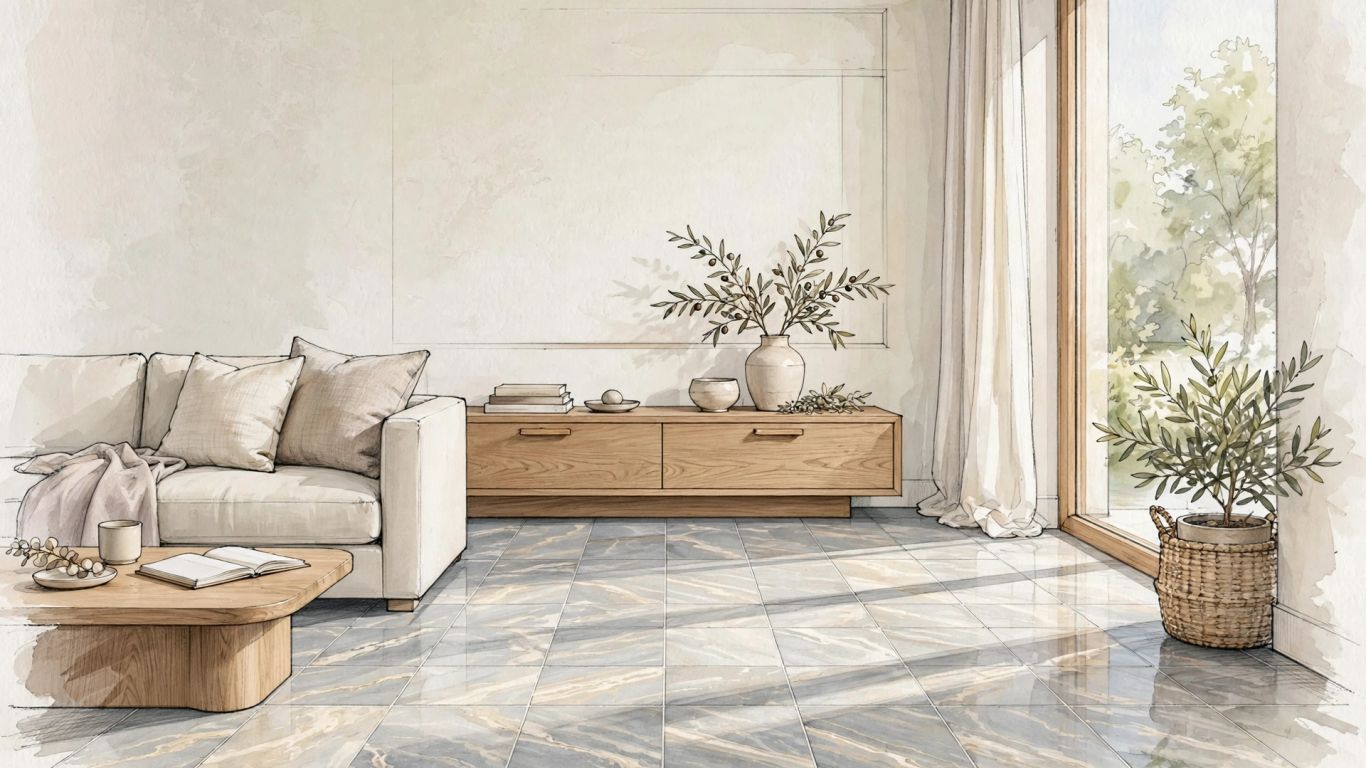
Natural gray, cream, and silver tones
The palette can move between soft gray, pale cream, and deeper silver notes, with the balance changing from one piece to another. Natural and room lighting both affect how those tones read, so a tile that looks cool in a showroom may feel warmer beside wood or under evening light. That flexibility makes silver travertine a considered option for rooms where you want color, but not a bold, single-tone statement.
Veining, pores, and stone-to-stone variation
Veining gives the surface its movement, while small pores and shifts in color reveal the stone’s natural character. These details are part of the material rather than a printed pattern repeated across every tile. If you prefer a more even installation, review multiple pieces together before setting them; for a livelier surface, allow the variation to remain visible. The natural variation is one of the reasons the finished room feels personal.
How vein-cut patterns affect the look
The direction in which stone is cut influences how its lines appear. A vein-cut look can bring linear movement to a wall or floor, drawing the eye across the surface rather than toward a scattered pattern. For a broader look at silver-toned stone with a vein-cut appearance, explore this silver-gray stone collection. In a room with long sightlines, repeating the same general orientation can help the pattern feel intentional.
Pairing silver travertine with other materials
Cool stone tones pair naturally with warm wood, matte black details, brushed metal, and simple painted surfaces. A small amount of contrast can make the stone’s veining easier to notice, while quieter neighboring finishes create a softer, more continuous mood. Try samples beside cabinet doors, paint chips, or flooring in the actual room; seeing the materials together is more useful than choosing each one in isolation.
Silver travertine formats and finishes
The right format depends on how much visual movement you want and where the stone will be installed. Field tiles create a clear, repeatable layout; mosaics add detail at a smaller scale; slabs are suited to expansive surfaces such as countertops. Silver Travertine products from Surfaces Galore include tiles in various sizes and finishes, as well as mosaics and slabs, so you can consider the format alongside the room’s purpose.
Tiles for floors, walls, and backsplashes
Tiles offer an adaptable starting point for flooring, wall surfaces, and kitchen backsplashes. Larger pieces can make a surface read more continuous, while smaller tiles bring a more pronounced grid and more grout lines. Before committing, check the nominal dimensions and layout requirements for the specific product, then compare the visual effect against the scale of the room.
Mosaics for shower floors and accents
Mosaics bring smaller pieces together in patterns that can add texture or define a feature area. They are suited to accents, backsplashes, and shower floors, where a finer pattern may complement the overall design. The exact format and finish affect both appearance and installation details, so confirm product guidance and suitability for the intended location before ordering.
Slabs and other project-specific formats
A slab can create a broad, uninterrupted look on a countertop or another custom surface. The stone’s natural movement becomes especially visible across a larger area, making it worthwhile to review the slab itself and plan where its veining will fall. For other project-specific formats, take precise measurements and confirm fabrication needs before deciding how much material to purchase.
Comparing honed, polished, brushed, and tumbled finishes
Finish changes the way light moves across stone and how its texture feels to the hand. The table below gives a general design comparison; availability can vary by product, so confirm which finish is offered for the exact silver travertine format you are considering.
| Finish | General appearance | Design consideration |
|---|---|---|
| Honed | Smooth, matte look | A quieter surface with less shine |
| Polished | More reflective surface | Highlights color and pattern under light |
| Brushed | Textured, softened look | Adds tactile character |
| Tumbled | Aged, softened edges | Brings a more rustic, timeworn feel |
Think about the room’s lighting and the surrounding materials, not just the finish name. A sample can help you compare the surface in daylight and after dark, and it gives you a better sense of texture before you plan the full installation.
Where silver travertine works best
Silver travertine can bring a cool, natural note to kitchens, bathrooms, and living spaces. Its varied tones work as a restrained backdrop or as a feature, depending on the scale and pattern you choose. For each application, confirm that the selected product and finish are suitable for its location and follow the relevant installation guidance.
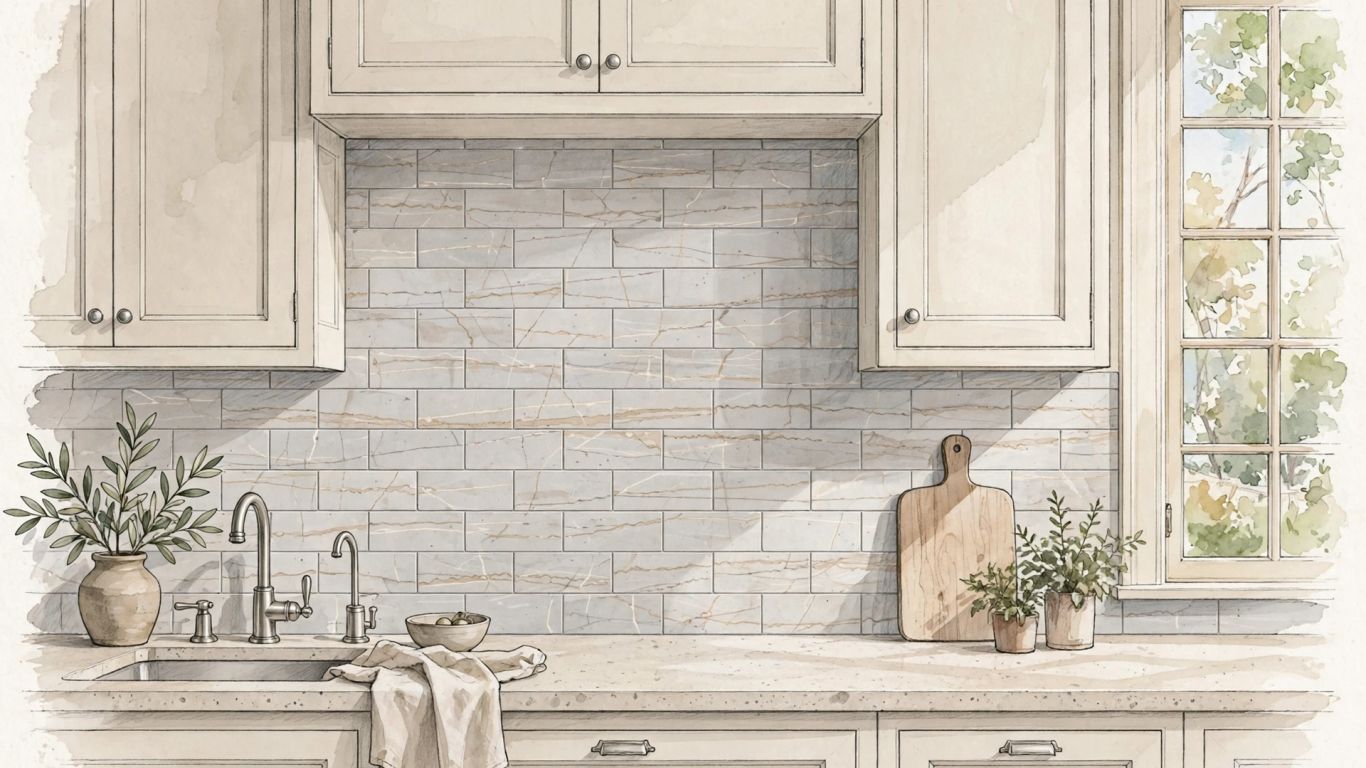
Creating a refined kitchen backsplash
A backsplash is a useful place to introduce the stone without covering every surface in the room. Silver travertine can sit alongside cabinetry and counters, while its veining adds texture behind the work area. Try a larger tile for a calmer arrangement or a mosaic when a smaller-scale pattern better suits the design; grout color will also influence how clearly the layout reads.
Designing bathroom floors and shower walls
In bathrooms, tiles and mosaics can give floors, shower walls, and accent areas a coordinated natural-stone look. A mosaic may be a useful format to explore for a shower floor, while larger wall tiles can make a surround feel more open. For an illustrative design exercise, imagine a pale vanity, silver-gray wall tile, and a small mosaic detail: the combination keeps the palette gentle while giving the room several layers of texture.
Using the stone in living areas and feature walls
A fireplace surround or feature wall lets the stone’s lines take center stage. Consider how the pattern will relate to furniture, flooring, and the direction of light before settling on a layout. In a living area with simple furnishings, a run of vein-cut-looking tile might supply enough visual interest on its own; in a room with patterned fabrics, a more restrained arrangement may feel calmer.
Planning patios and other outdoor applications
Travertine is used in outdoor projects, but the specific stone, finish, and installation system matter. Before using silver travertine outside, confirm that the selected product is intended for the conditions at your site and ask an installation professional about substrate, drainage, and weather exposure. The safest choice is the one supported by product guidance, rather than an assumption based on appearance alone.
How to choose silver travertine for your project
A strong selection balances appearance with measurements, site conditions, and the practical details of installation. Start with the room’s dimensions and intended use, then narrow the options by format and finish. If you are weighing other flooring materials for a wider renovation, this guide to custom timber flooring may help frame those separate design decisions.
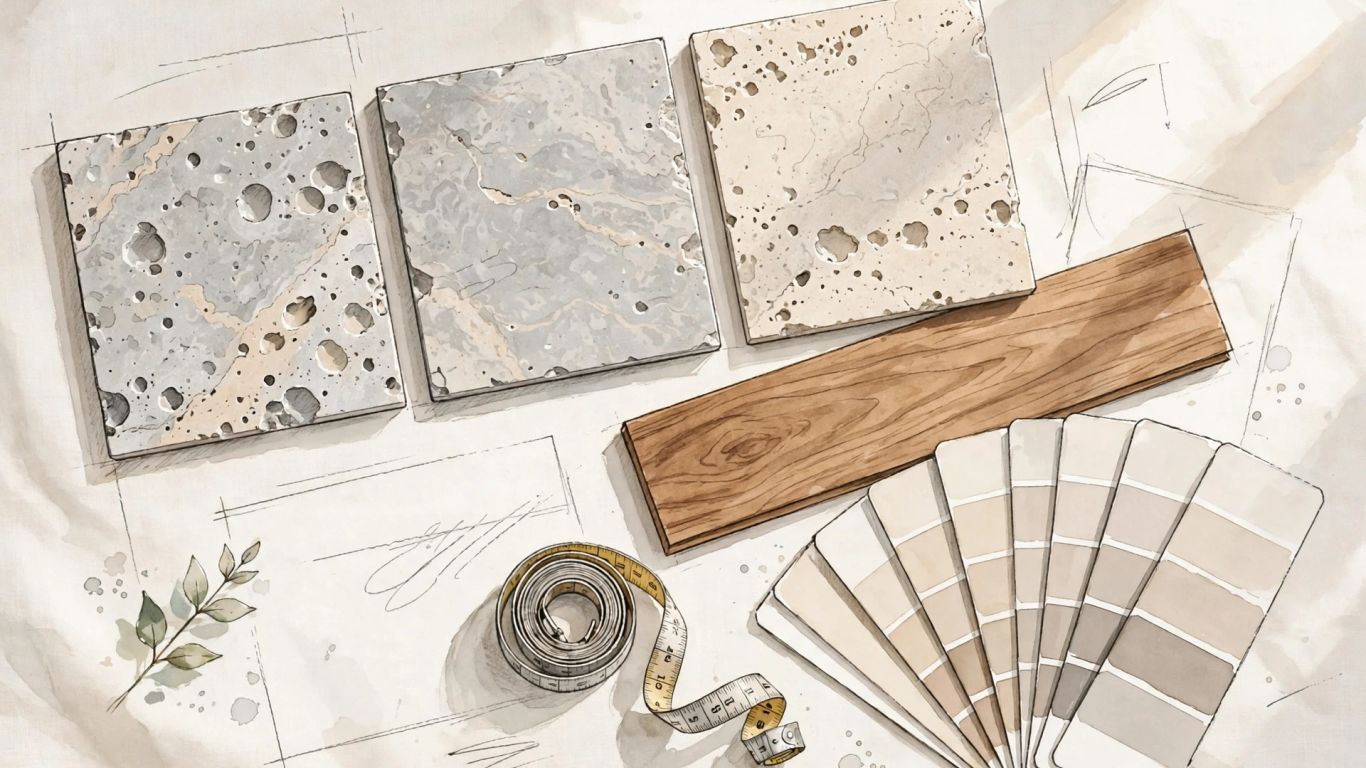
Match tile size and pattern to the space
Tile scale affects how a room feels as much as its color does. Larger tiles can create fewer visible divisions, while smaller formats introduce more pattern and grout lines. Measure the space and mark out a sample layout, paying attention to doorways, corners, niches, and transitions so that cuts and edges feel planned rather than incidental.
Consider finish, texture, and intended use
Think first about how the surface will be used, then compare finishes that suit the room’s look and maintenance expectations. A finish that feels right on a wall may not be the best choice for every floor or wet area. Check the product’s stated application guidance and consult a qualified installer when the demands of the site are uncertain.
Review samples and natural color variation
A sample makes it easier to see how silver and cream tones sit beside your existing finishes. Surfaces Galore offers Silver Travertine tiles, mosaics, and slabs; for another example of why samples matter, order a travertine sample and compare natural color and pattern variation at home. Look at more than one piece where possible, since a single tile cannot show the full range of a natural stone.
Calculate quantities, overage, and project needs
Measure the areas to be covered and account for cuts, breakage, and the specific layout before placing an order. The installer can help confirm the quantity and any special pieces the design may require. A simple planning list keeps the conversation focused:
- Measure each floor, wall, backsplash, or countertop area separately.
- Note openings, edges, transitions, and areas that need cuts.
- Confirm tile dimensions, pattern, and installation direction.
- Ask the installer how much extra material to allow for the layout.
Review the final quantity with the person installing the stone, since the pattern and site conditions can change what is needed. In a larger renovation, budgets and coordination may also involve topics beyond tile, such as contractor payment platforms, college football odds, Traffic Secrets, or ABA therapy costs; keep those separate from your stone specification and quote. For the stone itself, confirm size, finish, and quantity together before ordering.
Installation and long-term care
Natural stone rewards careful preparation and steady care. Installation details vary with the product, substrate, and site, so use the manufacturer’s guidance and work with a qualified installer. Surfaces Galore also states that its product information is an overview and that customers are responsible for selection, installation, and associated outcomes.
Prepare the substrate and plan the layout
Before setting tile, make sure the substrate is appropriate, clean, and prepared for the installation system. Dry-lay a portion of the pattern to check the direction of veining, the placement of cuts, and how adjacent pieces look together. That preview can reveal awkward transitions early, when a layout adjustment is still straightforward.
Select appropriate setting and grouting materials
Choose setting and grouting materials according to the stone, the installation location, and product guidance. A tile professional can advise on the appropriate materials and joint dimensions for the project. Test the proposed grout color against a sample when possible; even a small change in contrast can make the pattern look more defined or more blended.
Seal the stone according to product guidance
Sealing requirements depend on the product and its intended use, so follow the guidance supplied for the specific stone rather than relying on a generic schedule. If you are unsure, ask the installer or stone-care professional what is appropriate before applying a sealer. Keep a record of the product used and any care instructions provided with it.
Clean regularly and address spills promptly
Use cleaning products recommended for natural stone, and avoid experimenting with harsh or acidic cleaners unless the stone-care guidance specifically allows them. Wipe spills when they occur and use a soft cloth for routine cleaning. Periodic checks help you notice changes in grout or surface condition early, when it is easier to ask for appropriate advice.
Buying silver travertine from Surfaces Galore
Choosing a stone is easier when you can compare formats, finishes, and quantities together. Surfaces Galore is an Anaheim, California-based direct importer and nationwide supplier of natural stone, including marble and travertine tiles, mosaics, and moldings. Review current product details, then confirm stock and project requirements before you place an order.
Compare current tiles, mosaics, and finishes
Compare available tiles and mosaics by size, finish, and the look of their natural variation. Slabs are also part of the documented Silver Travertine collection, while exact formats and finishes should be confirmed against current listings. To browse the stone, view silver travertine and note which options fit the room and design you have in mind.
Confirm stock, sizing, and project quantities
Product dimensions are nominal, so confirm the listed sizing and current stock before finalizing your plan. Check the total area, intended pattern, and overage with your installer, and make sure the selected product is appropriate for its application. Those small checks can prevent a mismatch between the sample, the order, and the finished layout.
Request a quote and ask about bulk discounts
If you are planning a larger installation, request a quote with the product, finish, and quantity you are considering. Surfaces Galore serves customers across the United States and offers bulk discounts, according to the supplied business information. Include your project details when you ask, so the quote can reflect the scope you are planning.
Arrange nationwide shipping from Anaheim, California
Surfaces Galore is based in Anaheim, California, and supplies customers nationwide. Confirm shipping details, timing, and the order information before purchase, especially if materials need to arrive in step with an installer or renovation schedule. A little coordination up front makes receiving and inspecting the stone a more manageable part of the project.
Conclusion
Silver travertine brings natural gray, cream, and silver tones to floors, walls, backsplashes, and other considered design moments. Compare formats and finishes, review samples in your own space, and confirm installation and care guidance for the product you choose; when you are ready, explore current options and request a quote to take the next step.
Frequently Asked Questions
Is silver travertine a natural stone?
Yes. Travertine is a natural stone, so pieces can differ in color, veining, and surface character. Reviewing samples helps you understand that variation before choosing a format.
What colors appear in silver travertine?
Silver travertine commonly includes gray, silver, and cream tones. The balance can vary from piece to piece and may look different under changing light.
Where can silver travertine be used?
Depending on the specific product and its guidance, travertine formats may be used for floors, walls, backsplashes, shower areas, and other applications. Confirm suitability for the location before ordering.
What is the difference between tile, mosaic, and slab formats?
Tiles cover larger areas in a regular layout, mosaics use smaller pieces for detailed patterns or accents, and slabs create broad surfaces such as countertops. The best format depends on the area and design.
How do I choose a finish?
Consider the room, intended use, texture, and the appearance you want, then check which finishes are available for the specific product. Comparing samples in the actual room can clarify the choice.
Should I expect every tile to look the same?
No. Natural stone varies in tone, pattern, and texture. Looking at several pieces together gives a more realistic sense of how the finished installation may appear.
How should silver travertine be cleaned and maintained?
Follow the care instructions for the particular stone and installation. Use recommended natural-stone cleaners, address spills promptly, and ask a qualified professional if you are uncertain about sealing or cleaning products.

Leave a comment