
Advantages of Natural Stone: Beauty, Longevity, Value

Choosing the right materials defines the lasting impression of luxury California residences. For designers and architects focused on elegance and durability, the appeal of natural stone as Mother Nature’s original green building material stands out. Its unmatched blend of authentic beauty, remarkable strength, and environmentally friendly qualities supports high-end renovations that withstand the test of time. Explore how natural stone elevates sophisticated spaces through distinctive patterns, enduring value, and proven sustainability.
Table of Contents
- Defining Natural Stone and Its Core Benefits
- Types of Natural Stone Used in Design
- Unique Aesthetic Qualities and Customization
- Durability, Longevity, and Low-Maintenance Appeal
- Sustainability and Environmental Impact
- Natural Stone Versus Manmade Alternatives
Key Takeaways
| Point | Details |
|---|---|
| Natural Stone’s Environmental Benefits | Natural stone is 100% recyclable, does not emit VOCs, and is sourced directly from the earth, making it a sustainable choice. |
| Aesthetic and Customization Potential | Each type of natural stone offers unique aesthetic qualities and can be customized through various surface finishes and cut patterns. |
| Durability and Low Maintenance | Natural stone maintains its beauty and structural integrity over decades with minimal maintenance, making it a cost-effective investment. |
| Natural vs. Manmade Materials | Natural stone offers authenticity and sustainability that manmade alternatives cannot replicate, with a significantly lower environmental impact. |
Defining Natural Stone and Its Core Benefits
Natural stone represents an extraordinary building material quarried directly from the earth, offering unparalleled aesthetic and functional advantages for modern architectural and design projects. Unlike synthetic alternatives, natural stone provides a unique combination of beauty, durability, and environmental sustainability that makes it a premier choice for discerning designers and homeowners.
At its core, natural stone is Mother Nature’s original green building material, prized for its inherent characteristics that extend far beyond mere visual appeal. The material encompasses a diverse range of stone types, including marble, granite, limestone, travertine, and slate, each with distinct visual textures, color variations, and structural properties.
Key advantages of natural stone include:
- 100% recyclable and environmentally friendly
- Sourced directly from the earth without synthetic bonding agents
- Does not emit volatile organic compounds (VOCs)
- Provides exceptional durability and long-term value
- Offers unique aesthetic variations impossible to replicate with manufactured materials
The environmental credentials of natural stone are particularly compelling. Sustainable stone practices reduce overall environmental impact through responsible quarrying, minimal processing, and the material’s remarkable longevity. Unlike engineered products that require frequent replacement, natural stone maintains its structural integrity and aesthetic appeal for decades, making it a genuinely sustainable building solution.
Pro tip: When selecting natural stone, consider not just its immediate aesthetic, but its long-term performance and environmental sustainability.
Types of Natural Stone Used in Design
Natural stone varieties offer designers and architects an extraordinary palette of materials, each with unique characteristics that transform spaces through texture, color, and structural integrity. From sleek contemporary interiors to rustic traditional environments, these stones provide unparalleled aesthetic and functional opportunities for creative expression.
Architectural stone selections range from alabaster to basalt, encompassing an impressive spectrum of visual and structural properties. Each stone type brings distinctive qualities that make it suitable for specific design applications, allowing architects and designers to craft truly personalized environments.
Key natural stone types include:
- Marble: Renowned for luxurious veining and translucent qualities
- Granite: Extremely durable with speckled, complex patterns
- Limestone: Soft, neutral tones perfect for minimalist designs
- Travertine: Characterized by unique porous textures
- Slate: Offering rich, layered color variations
The specific characteristics of different stones make them ideal for various design applications. Alabaster, for instance, provides a soft, translucent quality perfect for artistic lighting installations. Basalt offers remarkable strength for exterior cladding and flooring, while flint delivers subtle color gradations ideal for architectural accents.
Here’s a quick comparison of natural stone varieties and their typical design applications:
| Stone Type | Visual Qualities | Common Uses |
|---|---|---|
| Marble | Elegant veining, translucent | Countertops, flooring, wall cladding |
| Granite | Speckled, complex patterns | Kitchen surfaces, exterior facades |
| Limestone | Soft, neutral tones | Interior floors, wall panels |
| Travertine | Porous texture, earthy hues | Bathrooms, patios, pool surrounds |
| Slate | Layered colors, matte finish | Roofing, outdoor walkways, fireplaces |
Pro tip: Consider the specific environmental conditions and aesthetic goals when selecting a natural stone to ensure optimal performance and visual impact.
Unique Aesthetic Qualities and Customization
Natural stone represents an artistic canvas where geological processes create breathtaking visual narratives that synthetic materials cannot replicate. Each stone slab tells a unique story through intricate patterns, color variations, and mineral compositions that transform design spaces into extraordinary environments.
Natural stone exhibits extraordinary aesthetic diversity, offering designers unprecedented opportunities for creative expression. The inherent variations in color, texture, and pattern ensure that no two stone installations are exactly alike, providing architects and designers with truly bespoke design elements.
Key customization options include:
- Surface finishes: Polished, honed, brushed, or textured
- Edge treatments: Beveled, bullnose, chiseled, or waterfall
- Cut patterns: Linear, herringbone, basketweave, or random
- Color selection: From subtle neutrals to dramatic statement pieces
- Thickness variations: Allowing for different installation techniques
Designers can further enhance natural stone’s aesthetic potential through specialized fabrication techniques. Some stones can be backlit to reveal translucent qualities, while others can be cut into intricate mosaic patterns or large-format slabs that create seamless visual landscapes. The mineral inclusions and natural veining provide depth and character impossible to achieve with manufactured materials.
Pro tip: Request sample slabs and view them in your specific lighting conditions to fully appreciate the stone’s unique aesthetic qualities before making a final selection.
Durability, Longevity, and Low-Maintenance Appeal
Natural stone represents an extraordinary investment in architectural durability, offering unparalleled performance that transcends traditional building materials. Its inherent strength and resilience make it a superior choice for spaces demanding long-term structural integrity and aesthetic consistency.
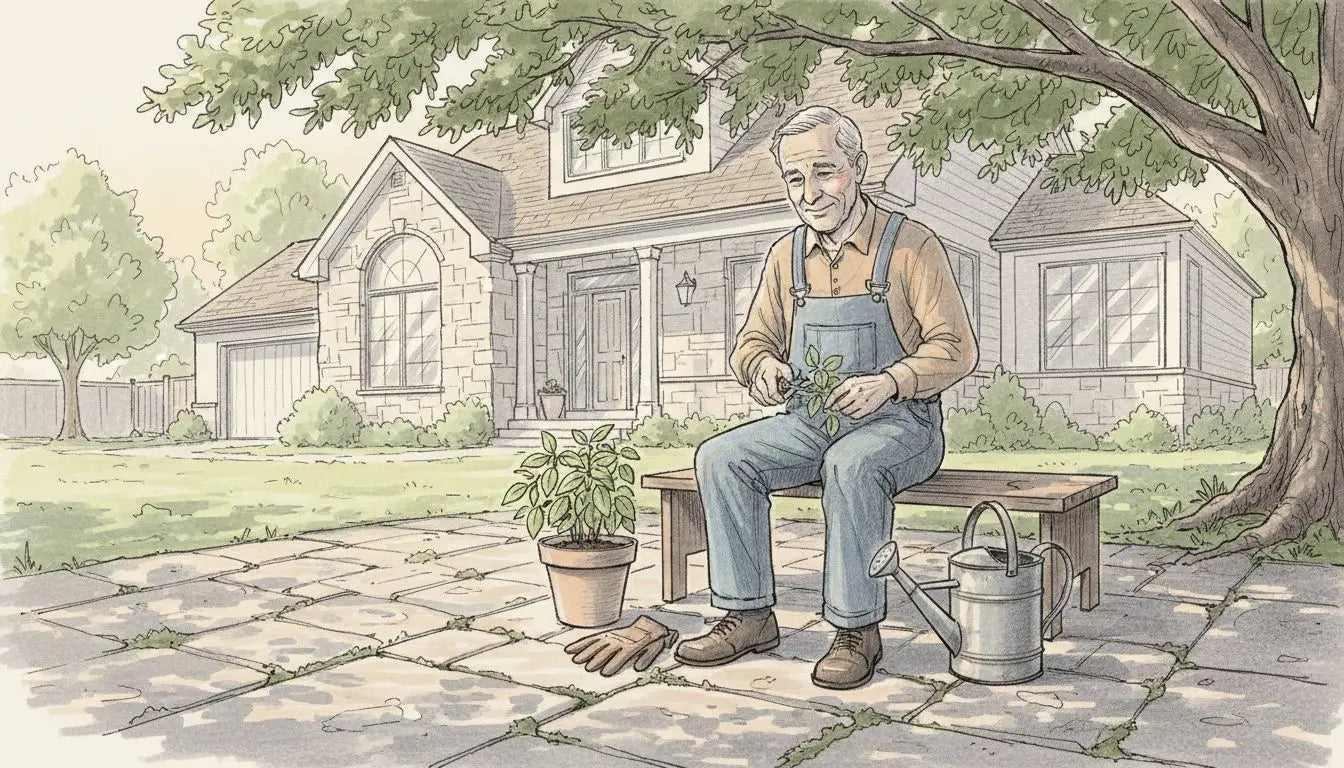
Natural stone provides exceptional durability and enduring performance, withstanding decades of use with minimal maintenance requirements. Unlike synthetic materials that degrade quickly, natural stone maintains its structural and visual qualities through extensive environmental challenges, making it a cost-effective solution for discerning designers and homeowners.
Key durability characteristics include:
- Resistance to wear: Maintains surface integrity under heavy traffic
- Heat tolerance: Withstands high temperatures without degradation
- Impact protection: Minimizes damage from physical stress
- Weather resilience: Performs consistently in diverse climatic conditions
- Stain resistance: Repels liquids when properly sealed
The maintenance profile of natural stone is remarkably straightforward. Regular cleaning with pH-neutral products and periodic professional sealing can preserve the stone’s appearance and structural integrity for generations. Some natural stone installations in historical buildings have remained pristine for hundreds of years, demonstrating the material’s extraordinary longevity and performance potential.
Pro tip: Invest in professional sealing and use stone-specific cleaning products to maximize your natural stone’s durability and aesthetic appeal.
Sustainability and Environmental Impact
Natural stone emerges as a premier sustainable building material, representing an environmentally conscious choice that transcends traditional construction approaches. Its ecological credentials stem from intrinsic characteristics that minimize environmental degradation while providing exceptional long-term performance.
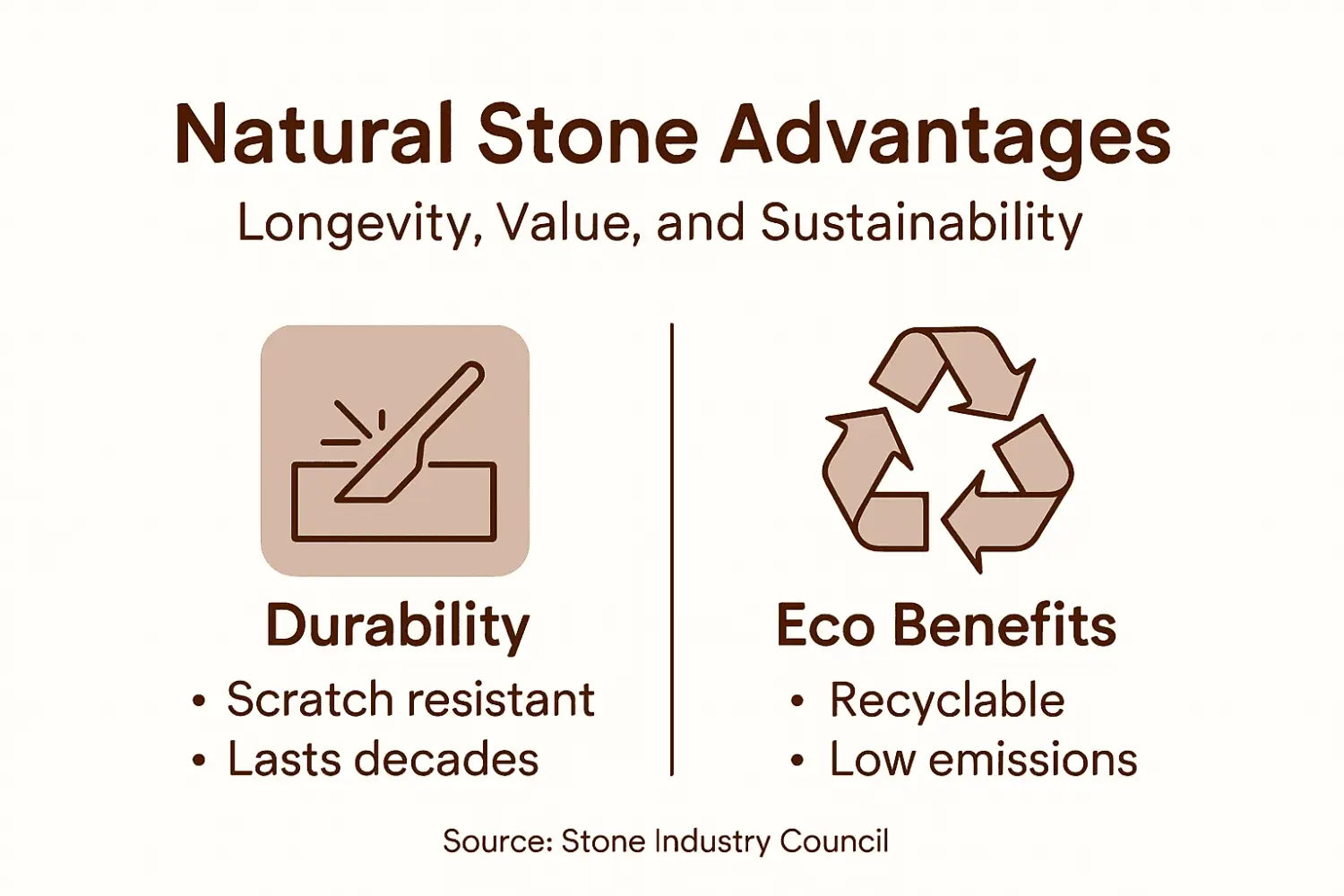
Natural stone contributes significantly to green building practices, offering a holistic approach to environmental stewardship. Unlike synthetic materials that generate substantial carbon emissions during production, natural stone requires minimal processing and maintains a remarkably low environmental footprint throughout its lifecycle.
Key sustainable characteristics include:
- 100% recyclability without quality degradation
- Locally sourced with reduced transportation emissions
- Minimal manufacturing energy requirements
- Zero synthetic resin or VOC emissions
- Extended lifecycle reducing replacement frequency
The stone industry has made substantial investments in sustainable quarrying practices, implementing advanced technologies that minimize ecological disruption. Modern extraction techniques prioritize land restoration, biodiversity preservation, and responsible resource management, ensuring that natural stone production aligns with broader environmental conservation goals.
Pro tip: Request environmental certifications and quarry sustainability reports when selecting natural stone to ensure your project supports responsible ecological practices.
Natural Stone Versus Manmade Alternatives
Natural stone represents an authentic, irreplaceable material that fundamentally differs from synthetic alternatives in composition, performance, and environmental impact. While manufactured materials attempt to mimic stone’s aesthetic, they invariably fall short of capturing the genuine complexity and unique character inherent in natural stone.
Natural stone offers unmatched authenticity and sustainability, distinguishing itself through geological formation processes that create truly one-of-a-kind surfaces. Engineered materials rely on artificial replication, whereas natural stone emerges from millions of years of mineral compression, resulting in unreproducible textures, color variations, and structural integrity.
Key differentiating characteristics include:
- Unique geological origin: Formed through natural processes
- Inherent variability in pattern and color
- Superior durability and long-term performance
- Lower environmental manufacturing footprint
- Natural thermal and acoustic properties
- Zero synthetic chemical emissions
Manufactured alternatives like engineered quartz or ceramic tiles often require substantial energy for production, incorporate petroleum-based resins, and generate significant carbon emissions. In contrast, natural stone maintains a minimal ecological footprint, with many quarries implementing responsible extraction and land restoration practices that prioritize environmental stewardship.
Compare the sustainability attributes of natural stone and manufactured materials:
| Attribute | Natural Stone | Manmade Materials |
|---|---|---|
| Production Energy | Minimal processing | High energy consumption |
| Material Origin | Quarried from earth | Synthetic and industrial sources |
| Lifecycle | Lasts decades or longer | Frequent replacement needed |
| Recyclability | 100% recyclable | Limited or not recyclable |
| VOC Emissions | None | Possible emissions present |
Pro tip: Request material origin documentation and environmental certifications to thoroughly compare the ecological impact of natural stone versus manufactured alternatives.
Discover Timeless Beauty and Lasting Value with Surfaces Galore
Choosing natural stone is a smart decision for anyone who values authenticity, durability, and environmental sustainability as highlighted in our article. If you are facing challenges in finding premium-quality natural stone that meets both aesthetic goals and long-term performance, Surfaces Galore is here to help. We specialize in premium marble and travertine tiles, mosaics, and decorative pieces that deliver unparalleled beauty and resilience to every project.
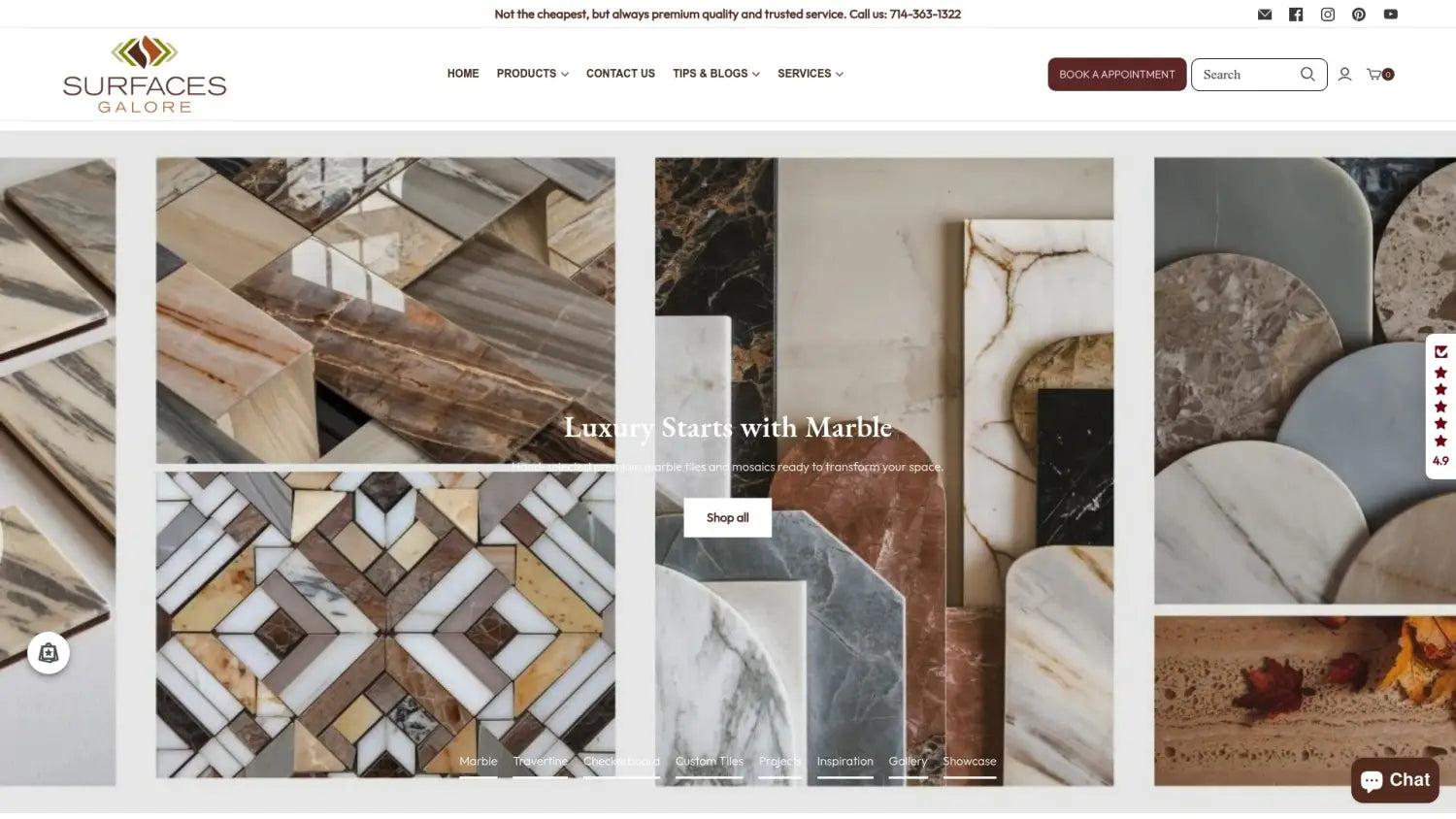
Experience the extraordinary benefits of natural stone by exploring our carefully selected collections at Surfaces Galore. Whether you are a designer, architect, contractor, or homeowner, now is the perfect time to invest in stone that will last for decades while adding undeniable elegance. Visit our site to browse authentic natural stone solutions and bring your vision to life with confidence and style. Start your journey to timeless beauty today at Surfaces Galore.
Frequently Asked Questions
What are the main benefits of using natural stone?
Natural stone offers several key benefits, including environmental sustainability, durability, unique aesthetic variations, and low maintenance requirements. It is fully recyclable, does not emit volatile organic compounds, and maintains its beauty and structural integrity for decades.
How does natural stone compare to synthetic materials?
Natural stone is formed through geological processes and offers unique patterns and colors that synthetic materials cannot replicate. Additionally, natural stone has lower environmental manufacturing footprints and longer lifespans compared to manmade alternatives, which often require more frequent replacement.
What types of natural stone are commonly used in design?
Common types of natural stone used in design include marble, granite, limestone, travertine, and slate. Each type has unique visual qualities and is suitable for different applications such as countertops, flooring, and wall cladding.
How can I maintain the appearance of my natural stone surfaces?
To maintain the beauty of natural stone, regularly clean with pH-neutral products and apply a professional sealant periodically. This will help preserve the stone’s aesthetics and structural integrity, ensuring it lasts for many years.

Leave a comment