
How Long Does Marble Tile Last? A Real Lifespan Guide for Your Home

So, you're thinking about marble tile for your home? Awesome choice! It looks super fancy and can really make a place feel more upscale. But a big question on everyone's mind is, 'How Long Does Marble Tile Last? (Real Lifespan Guide)'. It's not just about the initial wow factor; you want something that holds up over time. We're going to break down what you need to know to get the most out of your marble, from picking the right kind to keeping it looking great for years.
Key Takeaways
- Marble tile can last for decades, even centuries, with proper care and installation, making it a long-term investment.
- Factors like marble type, finish, installation quality, and maintenance routine significantly impact its lifespan and appearance.
- Regular cleaning, prompt stain removal, and annual sealing are vital for protecting marble from daily wear, scratches, and moisture damage.
- While marble is durable, it's softer than some other stones, making it best suited for areas with moderate to low traffic or requiring careful protection in high-use zones.
- Choosing quality marble from reputable suppliers like Surfaces Galore and adhering to care guidelines ensures your investment retains its beauty and value over time.
Understanding Marble Tile Lifespan
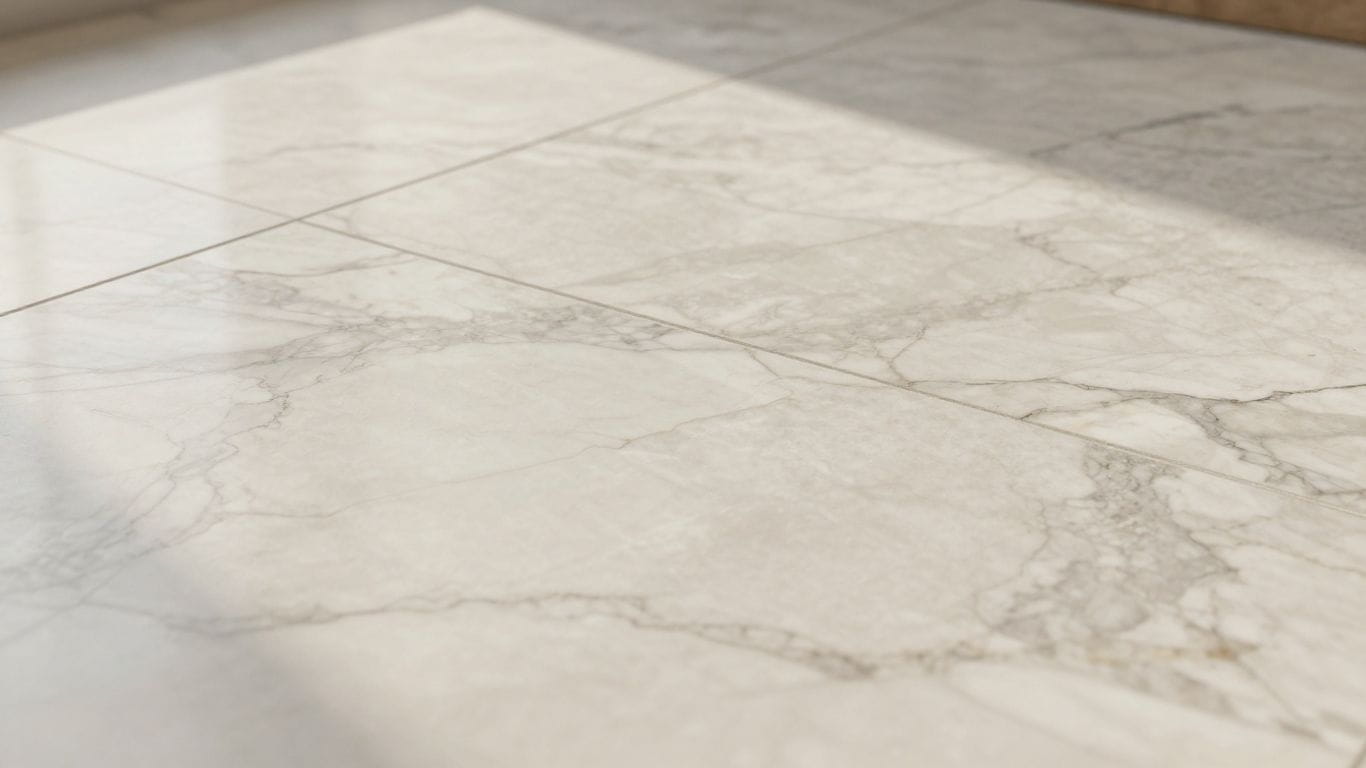
When you're thinking about upgrading your home, one of the first things that comes to mind is flooring. And when it comes to flooring, marble tiles are a top contender for many homeowners. They look amazing, right? But a big question always pops up: how long do these beautiful tiles actually last? It's a fair question, especially when you're investing in something that's meant to be a long-term feature of your home. Let's break down what you can expect from marble tile lifespan.
The Enduring Nature of Natural Stone
Marble isn't just a trend; it's a material that has graced some of the most iconic buildings and homes for centuries. Think about it – ancient structures are still standing, showcasing the incredible resilience of natural stone. When you choose marble tiles, you're not just buying flooring; you're investing in a piece of history that brings timeless elegance and a sense of luxury to your space. It's a material that ages gracefully, often becoming more beautiful with time. If you're looking to buy marble tiles online in the USA, you're tapping into a legacy of enduring quality.
Factors Influencing Marble Tile Longevity
So, what makes one marble floor last longer than another? It's not just about the stone itself. Several factors play a role. The type of marble, how it's installed, and how well it's maintained all contribute to its lifespan. For instance, a marble tile in a busy entryway will naturally experience more wear and tear than one in a guest bedroom. We'll explore these elements in detail, but know that with the right care, marble can last for decades, often outliving other flooring options. It's a smart choice for adding lasting value to your home.
Marble's Place in Home Value
Beyond its aesthetic appeal and durability, marble tiles are a significant asset when it comes to your home's value. Potential buyers recognize the quality and luxury that marble brings. A home featuring well-maintained marble flooring is often perceived as more upscale and better cared for. This can translate into a higher resale value and a quicker sale. It's an investment that pays off not just in daily enjoyment but also in the long run. Consider it a permanent upgrade that enhances your property's appeal.
Case Study: The Historic Estate Renovation
A historic estate in New England underwent a significant renovation. The original marble flooring in the main hall, laid over 80 years ago, was still in remarkably good condition, showing only minor wear in high-traffic areas. After professional cleaning and sealing, it was preserved as a key feature. This demonstrated the incredible longevity of quality marble when properly installed and maintained, adding immense character and value to the restored property. The new owners were particularly drawn to the home because of its authentic, timeless features like the original marble floors.
Key Considerations for Marble Durability
When you’re thinking about marble tiles, you’re probably picturing that classic, luxurious look. And you’re right, marble brings a certain elegance that’s hard to match. But how tough is it, really? Let’s break down what makes marble durable and what you need to know before you buy marble tiles online in the USA.
Assessing Marble's Natural Hardness
Marble is a natural stone, and like all natural things, it has its own unique characteristics. It’s formed under heat and pressure, which gives it a certain strength, but it’s not as hard as, say, granite. Think of it like this: it’s strong enough for most home uses, but you wouldn’t want to use it for a workshop floor where heavy tools might be dropped. Its hardness is measured on the Mohs scale, and while it varies between marble types, it’s generally softer than granite or quartz. This means it can be more susceptible to scratches if you’re not careful.
- Marble is a medium-hard natural stone.
- It’s durable for everyday home use but requires mindful care.
- Different marble types have varying degrees of hardness.
Case Study: A family in Chicago opted for Carrara marble countertops in their kitchen. While they loved the look, after a year of heavy use, including chopping directly on the surface and dropping a few utensils, they noticed noticeable scratches and chips. This highlights the importance of understanding marble’s natural hardness and using appropriate care.
Porosity and Its Impact on Longevity
This is a big one for marble. Marble is a porous material. What does that mean for you? It means it can absorb liquids. If you spill something like red wine, coffee, or even just water and don’t wipe it up quickly, it can soak in and leave a stain. It can also lead to etching, which is a dull mark left by acidic substances like lemon juice or vinegar. The more porous the marble, the more likely it is to stain or etch. This is why sealing your marble is so important – it creates a barrier to help prevent these issues.
- Porous nature requires prompt spill cleanup.
- Acids can cause etching, dulling the surface.
- Regular sealing is key to protecting against stains and etching.
Case Study: A homeowner in Florida installed Calacatta marble tiles in their master bathroom. Despite regular cleaning, they noticed a faint ring mark on the floor near the vanity after a bottle of perfume spilled and wasn't immediately cleaned. This was a clear sign of the marble absorbing the liquid due to its porosity.
The Role of Finish in Durability
The finish on your marble tiles plays a significant role in how they hold up over time and how they appear. You’ll typically see two main finishes: polished and honed.
- Polished Finish: This gives you that high-gloss, reflective look. It’s beautiful and makes the marble’s colors and veining pop. However, the shine can make minor scratches and etches more visible. It can also be more slippery when wet.
- Honed Finish: This offers a more matte, satin look. It’s less reflective, which means minor scratches and etches are less noticeable. Honed marble is also generally less slippery, making it a good choice for areas where safety is a concern.
| Finish | Appearance | Scratch Visibility | Slip Resistance | Best For |
|---|---|---|---|---|
| Polished | High-gloss, shiny | More visible | Lower | Living areas, decorative walls, low-traffic |
| Honed | Matte, satin | Less visible | Higher | Bathrooms, kitchens, high-traffic areas |
Case Study: A couple renovating their kitchen in Austin decided on a honed finish for their marble floor tiles. They found that even after a year of kids and pets running through the kitchen, the floor still looked great. Small spills were easily wiped up, and any minor scuffs were barely noticeable against the matte surface, proving the practical advantage of a honed finish for durability in busy homes.
Installation: The Foundation of Longevity
Think of installing your marble tiles like building a house. You wouldn't skimp on the foundation, right? The same goes for your beautiful marble. Proper installation is absolutely key to making sure those tiles last for generations, looking as stunning as the day you bought them. It’s not just about slapping them down; it’s a careful process that sets the stage for their entire lifespan. Get it wrong, and you could be looking at cracks, chips, or uneven surfaces down the line. Get it right, and you’ve got a floor that’s built to endure.
Proper Substrate Preparation
Before a single tile is laid, the surface underneath needs to be perfect. We're talking clean, level, and stable. Any dirt, dust, or old adhesive can mess with the bond. Uneven floors? That’s a recipe for disaster, leading to tiles that can crack under pressure. For wood subfloors, we need the right underlayment, and for concrete, a crack-isolation membrane is a smart move. This prep work might seem tedious, but it’s the bedrock of a long-lasting marble installation. It’s the difference between a floor that stands the test of time and one that starts showing wear too soon. Investing in a solid foundation means investing in the future beauty of your home.
Strategic Tile Layout and Grouting
This is where the artistry meets the science. Before the adhesive even comes out, we do a 'dry lay.' This means arranging the tiles without glue to check the pattern, color variation, and veining. It’s your chance to see how everything will look together and make adjustments. We also decide on the grout joint spacing – often tight for marble to minimize grout lines and let the stone shine. When it comes to grouting, using the right type of grout is important, and applying it correctly ensures those joints are filled properly without staining the marble. A well-planned layout and precise grouting make the whole floor look cohesive and polished.
The Importance of Professional Installation
Look, we know DIY projects can be tempting. But when it comes to natural stone like marble, it’s often worth calling in the pros. Professional installers have the experience, the right tools, and the know-how to handle marble correctly. They understand the nuances of the stone, how to mix adhesives and grouts properly, and how to cut and fit tiles without damaging them. They’ll also know how to check for material compatibility, making sure everything used is specifically rated for natural stone. A professional installation isn't just about saving yourself a headache; it's about protecting your investment and ensuring your marble tiles deliver that lifetime of beauty you expect. If you're looking to buy marble tiles online in the USA, pairing them with expert installation is the smartest move you can make for a truly enduring result. For instance, a client in Scottsdale, Arizona, initially planned a DIY installation for their Calacatta marble kitchen backsplash. After a few tiles cracked during cutting and the grout lines ended up uneven, they hired a professional. The final result was stunning, with perfectly aligned tiles and a flawless finish that they still admire years later. Another case involved a homeowner in Miami, Florida, who opted for professional installation of their Crema Marfil marble flooring. The installer meticulously prepared the substrate and laid out the tiles in a sophisticated pattern, resulting in a seamless, elegant floor that significantly boosted the home's appeal and resale value. This highlights how professional care transforms a beautiful material into a lasting masterpiece.
Routine Maintenance for Lasting Beauty
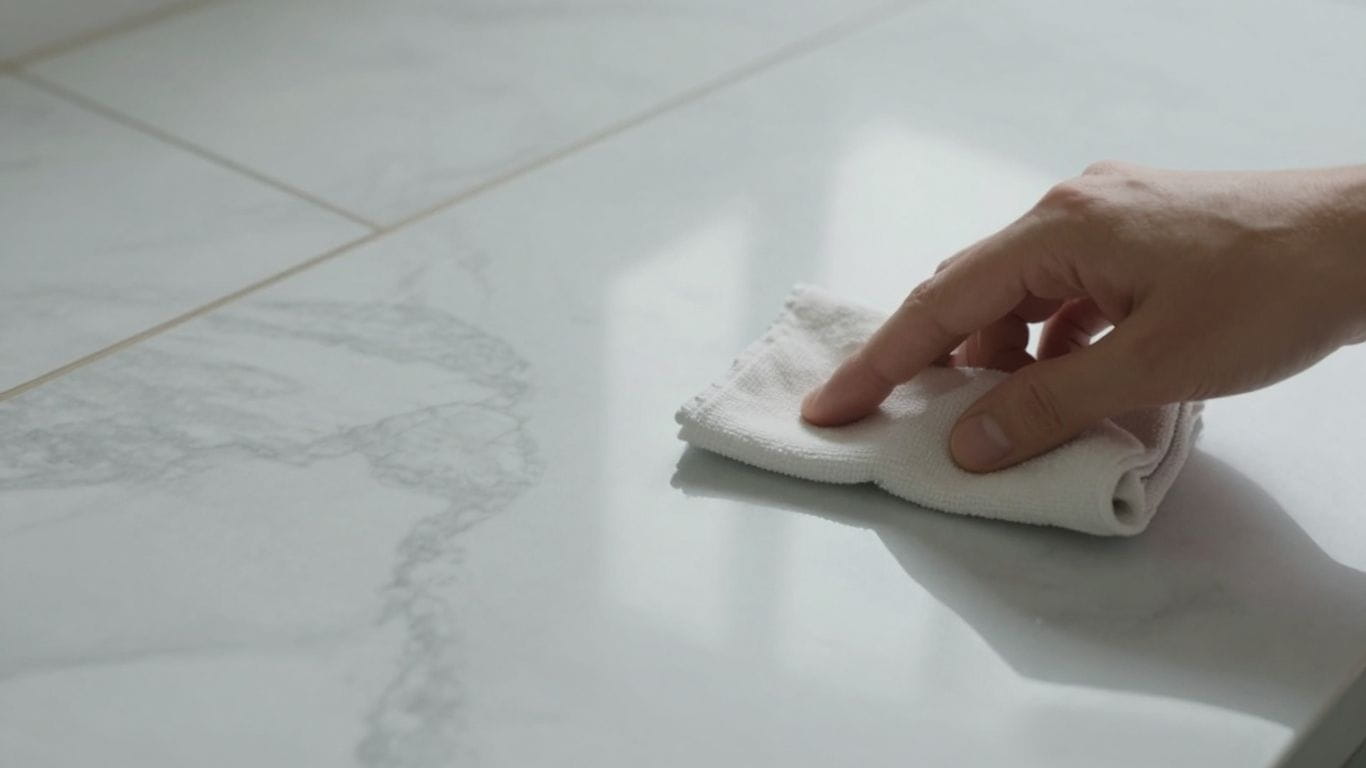
Keeping your marble tiles looking their best isn't a chore, it's an investment in their enduring elegance. Think of it like caring for a fine piece of art – a little attention goes a long way. With simple, regular care, your marble will maintain its stunning appearance for decades, truly living up to its reputation as a timeless material. You can even buy marble tiles online in the USA and have them delivered right to your door, making the initial step of beautifying your home easier than ever.
Daily Cleaning Practices
Daily upkeep is your first line of defense. It’s about preventing small issues from becoming big ones. For everyday spills and dust, a quick wipe-down is usually all that's needed. This prevents dirt from getting ground into the surface and keeps your marble looking fresh.
- Gentle Wiping: Use a soft, damp cloth or a microfiber mop. Avoid abrasive materials that could scratch the surface.
- pH-Neutral Cleaners: Stick to cleaners specifically designed for natural stone. Harsh chemicals can damage the sealant and the marble itself.
- Immediate Spill Cleanup: Don't let spills sit. Blot them up immediately with a soft cloth to prevent staining.
Effective Stain Prevention and Removal
Marble is porous, meaning it can absorb liquids. While this is part of its natural charm, it also means stains can happen. Being proactive with prevention and knowing how to tackle stains quickly is key.
The best way to prevent stains is to seal your marble regularly.
For existing stains, a poultice can work wonders. A poultice is a paste made from an absorbent material (like baking soda or diatomaceous earth) and a cleaning agent. You apply it to the stain, cover it, and let it draw the stain out of the stone.
- Grease Stains: Use a poultice made with baking soda and water.
- Organic Stains (food, coffee, tea): Try a poultice with hydrogen peroxide and a few drops of ammonia.
- Water Spots: Often, these can be buffed out with a dry cloth. For tougher spots, a gentle polish might be needed.
The Necessity of Regular Sealing
Sealing is like giving your marble a protective shield. It fills the tiny pores in the stone, making it much harder for liquids to penetrate and cause stains or etching. Think of it as a spa treatment for your floors and surfaces.
- Frequency: Most marble needs sealing at least once a year. High-traffic areas or kitchens might benefit from sealing every 6-12 months. Always check the sealer manufacturer's recommendations.
- Application: Ensure the surface is clean and dry before applying. Use a quality stone sealer and follow the product's instructions carefully. You can often buy marble tiles online USA, and the suppliers will also offer the appropriate sealants.
- Testing: To see if your marble needs sealing, sprinkle a little water on the surface. If it beads up, your sealer is still effective. If it soaks in and darkens the stone, it's time to reseal.
Case Study: The Miller Residence
The Miller family installed beautiful Carrara marble countertops in their kitchen five years ago. Initially, they were diligent with cleaning but let sealing slide after the first year. Within two years, they noticed water spots and a few faint coffee stains that wouldn't come out. After a professional consultation, they learned the importance of annual sealing. They resealed the countertops themselves and have since maintained a yearly sealing schedule. Now, their countertops look as good as new, proving that consistent sealing is vital for preserving marble's pristine appearance and preventing costly repairs.
Proper maintenance isn't just about cleaning; it's about understanding the material and giving it the protection it needs to last. Regular sealing is non-negotiable for maintaining the beauty and integrity of your marble tiles.
Protecting Marble from Daily Wear and Tear
Marble is a natural wonder, but it's not indestructible. Daily life can take its toll, leading to scratches, dull spots, and stains. But don't worry, with the right approach, you can keep your marble looking stunning for decades. Think of it as giving your investment a little TLC. We're talking about simple steps that make a huge difference in preserving that luxurious look you fell in love with. Ready to shield your beautiful stone?
Mitigating Scratches and Etching
Marble's beauty can be marred by scratches and etching, especially in busy areas. Scratches are physical marks, while etching is a dulling caused by acidic substances. The key is prevention and quick action.
- Use Coasters and Trivets: Always place coasters under glasses and mugs, and use trivets for hot dishes. This is non-negotiable for marble countertops and tables.
- Employ Felt Pads: Attach felt pads to the bottom of furniture legs (chairs, tables, sofas) to prevent dragging scratches.
- Clean Spills Immediately: Acidic spills (like lemon juice, vinegar, or wine) can etch marble. Blot them up right away with a soft cloth.
- Avoid Abrasive Cleaners: Stick to pH-neutral cleaners specifically designed for natural stone. Harsh chemicals are a marble's worst enemy.
Case Study: The Miller Residence
The Millers installed a beautiful Carrara marble countertop in their kitchen. Within months, they noticed dull spots around the sink from cleaning products and minor scratches from daily use. After a consultation, they implemented a strict coaster and trivet policy and switched to a stone-specific cleaner. They also learned to blot spills instantly. Today, their marble still looks as good as new, a testament to consistent, simple protective measures.
Protecting your marble isn't about creating a sterile environment; it's about mindful living. Small habits, like wiping your feet before walking on marble floors or using a cutting board on marble countertops, go a long way.
Safeguarding Against Moisture Damage
Marble is porous, meaning it can absorb liquids. This can lead to staining and, in some cases, structural issues if moisture gets trapped.
- Wipe Up Spills Promptly: This applies to water too! Don't let water sit on marble surfaces, especially around sinks and showers.
- Dry Surfaces After Use: After showering, quickly wipe down shower walls and floors. In the kitchen, dry the sink area after washing dishes.
- Ensure Proper Ventilation: Good airflow in bathrooms and kitchens helps surfaces dry faster and prevents moisture buildup.
- Check Grout and Sealant: Regularly inspect grout lines and sealant. Damaged grout or worn sealant can allow moisture to seep underneath the tiles.
Choosing Appropriate Sealants
Sealing is your marble's first line of defense. A good sealant creates a barrier that repels liquids, giving you more time to clean up spills before they penetrate the stone.
- Understand Sealant Types: Sealants vary. Impregnating sealers penetrate the stone, while topical sealers form a protective layer on the surface. For most marble applications, impregnating sealers are recommended.
- Frequency Matters: How often you need to reseal depends on the type of marble, its finish, and how much traffic it gets. A good rule of thumb is to reseal annually, but always follow the manufacturer's instructions. You can test if your marble needs sealing by dripping a small amount of water on it. If it beads up, the sealant is still effective. If it darkens the stone, it's time to reseal.
- Professional Application: While DIY sealing is possible, professional application can ensure even coverage and proper curing, maximizing the sealant's effectiveness. If you're looking to buy marble tiles online in the USA and want to ensure long-term protection, consider purchasing high-quality sealants from reputable suppliers.
Case Study: The Chen Kitchen Renovation
When the Chens renovated their kitchen, they opted for a stunning Calacatta marble backsplash. They diligently sealed it upon installation and resealed it every year. They also made it a habit to wipe down the backsplash after cooking. Even with frequent use, their backsplash remains free from grease stains and water marks, showcasing the power of proper sealing and consistent care.
Marble Tile Lifespan in Different Home Areas
High-Traffic Zones: Durability Challenges
Marble is beautiful, no doubt about it. But let's talk real life. In areas where feet are constantly pounding – think entryways, busy hallways, or even the main path through your living room – marble faces a tougher challenge. While it's a natural stone and quite durable, these high-traffic zones can lead to faster wear and tear. We're talking about potential scratches from shoes, grit, and even pet claws. Over time, this can dull the shine and make the surface look less pristine. If you're considering marble for these spots, you'll want to be extra diligent with maintenance and perhaps opt for a honed finish, which hides minor scratches better than a high-gloss polish. For those looking to buy marble tiles online in the USA for these demanding areas, it's wise to research specific marble types known for better resilience, like some granites or quartzites, though they might not offer the same classic marble look. However, with the right care, even high-traffic marble can last for decades.
Case Study: The Miller Residence Entryway
The Millers installed polished Carrara marble tiles in their main entryway, a high-traffic area leading from the front door. Within two years, they noticed significant dulling and a few noticeable scratches near the entrance, primarily from daily foot traffic and occasional dropped keys. They learned that regular sealing and prompt cleaning of spills were key, and a professional honing service later restored the finish, making them more mindful of their maintenance routine.
Moisture-Prone Areas: Bathrooms and Kitchens
Bathrooms and kitchens are where marble truly shines, but they also present unique challenges. The constant exposure to water, soap, and cooking oils means porosity becomes a big factor. Marble is naturally porous, meaning it can absorb liquids. If spills aren't wiped up quickly, especially acidic ones like lemon juice or vinegar in the kitchen, they can cause etching – a dulling of the surface. In bathrooms, prolonged moisture can lead to staining if the marble isn't properly sealed. However, the beauty of marble in these areas is undeniable. Imagine a stunning marble-tiled shower or a sleek kitchen backsplash. The key here is proper sealing and prompt cleanup. Choosing a marble with a denser composition and a honed or leathered finish can also help mask minor etching and water spots. For homeowners in the USA looking for durable options, exploring denser marbles or considering porcelain tiles that mimic marble's look might be a practical alternative for very demanding kitchen applications, but for that authentic luxury, well-maintained marble is hard to beat.
- Sealing is Non-Negotiable: Re-seal your marble in bathrooms and kitchens at least annually, or more often if you notice water penetrating the surface.
- Wipe Spills Immediately: Don't let liquids sit, especially acidic ones.
- Use Gentle Cleaners: Avoid harsh chemicals that can damage the stone or its sealant.
Case Study: The Chen Kitchen Backsplash
The Chen family opted for a honed Calacatta marble backsplash in their kitchen. While they loved the look, they initially underestimated the impact of cooking splatters. After a few months, they noticed faint oil stains near the stovetop. A professional stone restoration specialist recommended a poultice treatment to lift the stains and advised them on a more rigorous sealing schedule and immediate wipe-down policy for all spills, significantly improving the backsplash's appearance and longevity.
Low-Traffic Areas: Preserving Elegance
Now, this is where marble truly gets to show off its timeless elegance with minimal fuss. Think bedrooms, formal dining rooms, or decorative accent walls. In these spaces, marble tiles are practically in a spa. They experience very little wear and tear, meaning their natural beauty can be preserved for generations. The risk of scratches, heavy staining, or etching is significantly reduced. This allows you to fully appreciate the intricate veining and luxurious finish of your chosen marble. Whether you're looking to buy marble tiles online in the USA for a serene bedroom floor or a sophisticated fireplace surround, low-traffic areas are the perfect canvas for marble's enduring appeal. With just basic cleaning and occasional sealing, marble in these zones can easily last 50 years or more, looking almost as good as the day it was installed.
In low-traffic areas, marble's inherent beauty is allowed to flourish with minimal intervention, making it a truly long-term investment in your home's aesthetic.
Case Study: The Davies Master Bedroom
Mrs. Davies chose a beautiful white marble tile for her master bedroom floor, a space primarily used for relaxation and dressing. With minimal foot traffic and careful attention to keeping the area clean, the marble has remained flawless for over 15 years. She follows a simple routine of sweeping and occasional damp mopping, with sealing done every 18 months. The marble still looks as luxurious and inviting as it did when first installed, a testament to its suitability for serene, low-impact environments.
The Impact of Marble Type on Lifespan
Exploring Popular Marble Varieties
Not all marble is created equal, and the type you choose can definitely play a role in how long it stays looking its best. Think of it like different kinds of wood – some are naturally harder and more resistant to wear and tear than others. When you're looking to buy marble tiles online in the USA, you'll find a whole spectrum of options, each with its own character and durability.
For instance, classic Carrara and Calacatta marbles, known for their stunning white backgrounds and dramatic veining, are beautiful but can be a bit softer. They're fantastic for areas that don't see constant foot traffic, like a guest bathroom or a decorative fireplace surround. On the other hand, some darker marbles, like Nero Marquina, or certain gray varieties such as Tundra Gray or Atlantic Gray, can sometimes offer a bit more resilience due to their mineral composition. They still require care, of course, but might handle daily life a little more gracefully.
Comparing Durability Across Marble Types
Let's break down how some popular types stack up:
- Carrara & Calacatta: Elegant white marbles with prominent veining. Beautiful, but more susceptible to etching and staining. Best for low-traffic areas.
- Statuary White: Similar to Carrara and Calacatta, offering a pristine look with bold veining. Requires diligent sealing and careful maintenance.
- Crema Marfil: A warm, beige marble known for its subtle veining. It's a softer stone, so it shines in areas with less wear.
- Nero Marquina (Black Marble): This striking black marble with white veining can be quite durable, but its dark color can show dust and water spots more readily.
- Tundra Gray & Atlantic Gray: These gray marbles often have a denser composition, potentially offering slightly better resistance to daily wear compared to some white varieties. They still need sealing, though.
- Golden Horizon: Characterized by warm golden tones, this marble offers a luxurious look and, like most marbles, benefits greatly from proper sealing and care.
It's important to remember that even the 'harder' marbles are still marble. They are natural stones, and their beauty comes with a need for mindful care. No marble is as inherently scratch-resistant as granite, for example. The key is matching the marble's properties to the demands of the space.
Selecting Marble for Specific Applications
When you're deciding which marble to bring into your home, think about where it's going. For a grand entryway or a busy kitchen floor, you might lean towards a marble known for its density or a finish that hides wear better, like a honed or tumbled surface. If you're designing a serene master bathroom or a formal dining room, the exquisite veining of a softer marble might be the perfect fit. Remember, a well-chosen marble, installed correctly and maintained diligently, can last for generations. Investing in quality marble tiles means investing in enduring beauty for your home. You can explore a wide range of options when you buy marble tiles online USA and find the perfect match for your project's needs and your lifestyle.
When Marble May Need Refurbishment
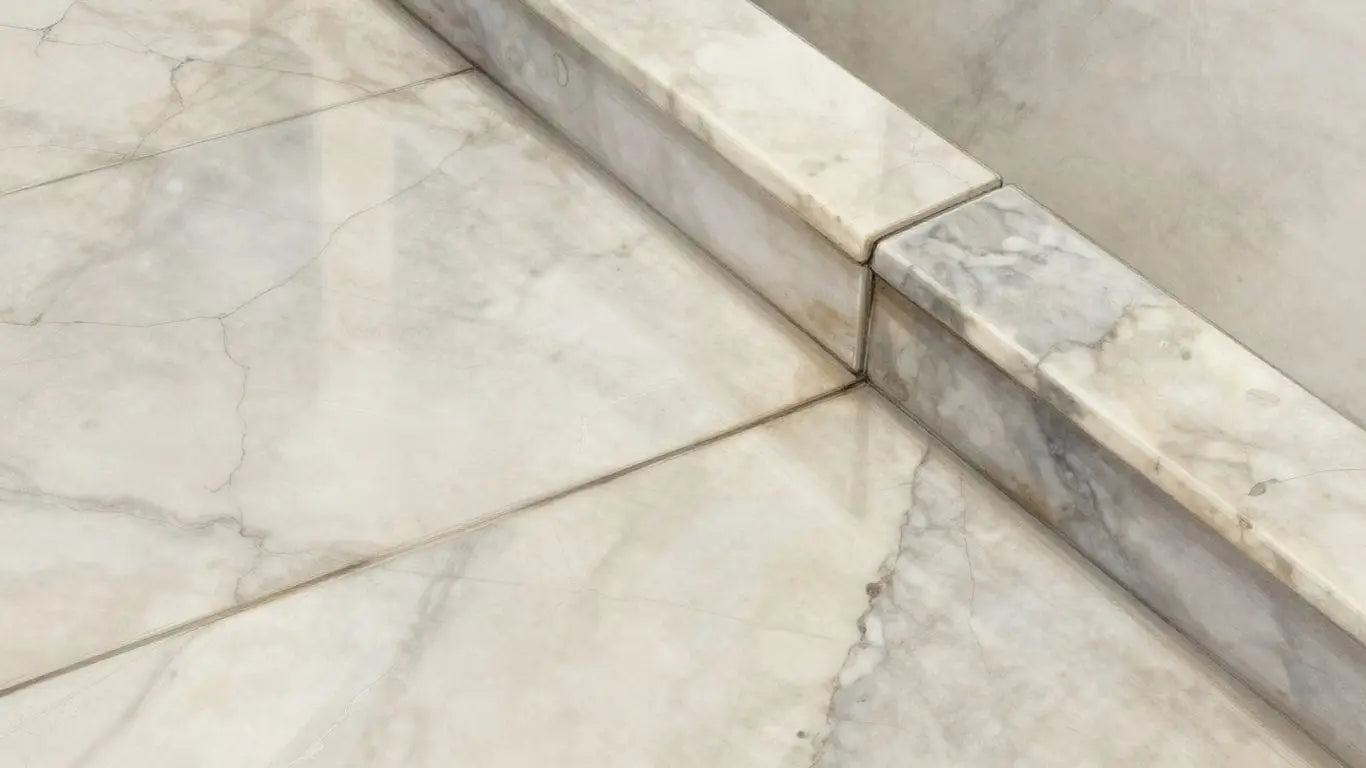
Even the most durable and elegant marble tiles can show signs of wear over time. Life happens, and high-traffic areas, spills, or even just the passage of years can leave their mark. But don't worry, this doesn't mean your beautiful marble floors or walls are beyond repair. With the right approach, you can restore their original splendor and continue enjoying their timeless appeal for decades to come.
Signs of Wear and Aging
It's important to know what to look for. Subtle changes can indicate that your marble is ready for a little TLC. Keep an eye out for these common indicators:
- Dulling or Loss of Shine: The polished finish might start to look less vibrant, especially in areas with frequent foot traffic.
- Surface Scratches: Light scratches can appear from daily use, pets, or moving furniture. While often superficial, they can detract from the overall look.
- Etching: Acidic substances (like lemon juice or certain cleaners) can react with the calcium carbonate in marble, leaving dull marks or a slightly rough texture.
- Stains: Porous marble can absorb liquids, leading to persistent stains that regular cleaning can't remove.
- Cracks or Chips: While less common with proper installation and care, significant impacts can cause minor damage.
Professional Restoration Techniques
When wear and tear become noticeable, it's time to consider professional restoration. This isn't a DIY job for most homeowners, but the results are well worth the investment. Professionals have the specialized tools and knowledge to bring your marble back to life.
- Honing: This process involves using abrasive pads to remove the existing finish and create a smooth, matte surface. It's a great way to erase minor scratches and dullness.
- Polishing: After honing, or if the original finish was polished, specialized compounds and machines are used to bring back that high-gloss shine. It’s like giving your marble a spa day!
- Deep Cleaning and Sealing: Sometimes, a thorough professional cleaning can remove embedded dirt and stains. Following this with a high-quality sealant will protect your newly restored marble.
- Crack and Chip Repair: For minor damage, professionals can use epoxy fillers that are color-matched to your specific marble, making the repair virtually invisible.
Investing in professional refurbishment can dramatically extend the life of your marble tiles, often making them look as good as new.
The Cost-Effectiveness of Refurbishment
Thinking about refurbishment might bring up questions about cost. It's a valid concern, but consider the alternative: replacing the entire floor or wall. Refurbishment is almost always significantly more cost-effective than a full replacement. You're preserving the existing material, saving on the cost of new tiles, and avoiding the labor associated with a complete tear-out and installation. For homeowners looking to buy marble tiles online in the USA, understanding the long-term value includes the ability to maintain and restore their investment. A well-maintained marble floor can last a lifetime, and refurbishment is a key part of that longevity. It’s a smart way to protect your investment and keep your home looking luxurious without breaking the bank.
Case Study: The Grand Foyer Revival
A historic hotel in downtown Chicago had a grand foyer with marble tile flooring that had seen decades of heavy foot traffic. The once-gleaming surface was dull, scratched, and stained in many areas. Instead of opting for a costly replacement, the hotel management decided to invest in professional restoration. Technicians meticulously honed the entire floor to remove the surface damage, followed by a multi-stage polishing process to restore the original mirror-like finish. Finally, a high-performance impregnating sealer was applied. The result? A stunningly revitalized foyer that looked brand new, preserving the building's historic charm and saving the hotel an estimated 60% compared to replacement costs. This project demonstrated the incredible power of marble refurbishment.
Marble vs. Other Flooring Materials
When you're thinking about flooring, it's easy to get lost in all the options. You've got your vinyl, your porcelain, your engineered wood... the list goes on. But let's talk about marble. It's not just a pretty face; it's a serious contender for the best flooring out there, especially when you look at the long game.
Marble's Lifespan Compared to Porcelain
Porcelain tile is tough, no doubt. It's dense, water-resistant, and can handle a lot of foot traffic. Many porcelain tiles boast incredibly long lifespans, often quoted in the 50-100 year range, similar to marble. However, porcelain is a manufactured product. It's consistent, yes, but it lacks the unique character and natural depth that marble brings. Marble, on the other hand, is a natural stone, formed over millennia. While it might require a bit more care, its beauty is unmatched. Think of it like this: porcelain is a reliable workhorse, but marble is a timeless masterpiece. You can buy marble tiles online in the USA, and they'll bring a level of sophistication porcelain just can't replicate. Plus, marble develops a beautiful patina over time, a sign of its age and character, something manufactured materials can't achieve.
Marble's Longevity Versus Luxury Vinyl
Luxury Vinyl Tile (LVT) has come a long way. It's water-resistant, relatively affordable, and can mimic the look of natural stone or wood quite convincingly. LVT is often marketed for its durability and ease of maintenance. However, its lifespan typically falls short of natural stone. While LVT might last 10-20 years with good care, marble can easily last for generations – 50 years, 100 years, or even more with proper maintenance. LVT is a good budget option, but it's essentially a plastic product. Marble is a natural, geological wonder. Investing in marble means investing in a material that will not only last but also increase your home's value significantly over time. It's a choice for enduring elegance, not just temporary style.
The Enduring Appeal of Natural Stone
Let's be honest, nothing truly compares to the natural beauty and inherent value of real stone. While other materials try to imitate it, they always fall short. Marble offers a unique combination of luxury, durability, and timeless appeal that synthetic materials simply cannot match. It's a material that has graced palaces and homes for centuries, and its popularity endures for a reason.
Consider this comparison:
| Flooring Material | Typical Lifespan | Key Advantages | Key Disadvantages |
|---|---|---|---|
| Marble | 50-100+ years | Unmatched beauty, increases home value, unique character | Requires sealing, can etch/stain if not cared for |
| Porcelain Tile | 50-100 years | Durable, water-resistant, low maintenance | Lacks natural character, can look uniform |
| Luxury Vinyl Tile (LVT) | 10-20 years | Affordable, water-resistant, easy to install | Shorter lifespan, can be damaged by heat/sharp objects, less premium feel |
When you choose marble, you're not just picking a floor; you're selecting a piece of natural art that will stand the test of time, adding prestige and value to your home with every passing year. It’s an investment in lasting beauty.
Case Study: The Historic Brownstone Renovation
A client of ours recently undertook a major renovation of a historic brownstone in Boston. They were torn between high-end porcelain and classic Carrara marble for their main living areas and entryway. After much deliberation, they opted for marble. Ten years later, the marble floors are still absolutely stunning. They’ve held up beautifully to daily foot traffic, and the occasional spill has been managed with prompt cleaning and resealing. The homeowner often remarks how the marble has only gotten more beautiful with age, developing a subtle patina that adds to its charm. They frequently get compliments from guests, and the marble was cited as a major selling point when they considered refinancing their home. This is a testament to marble's enduring appeal and its ability to not just last, but to truly enhance a space over time. If you're looking to buy marble tiles online in the USA, remember that you're investing in a legacy, not just a surface. Marble tiles offer a unique blend of luxury and longevity that few other materials can match.
Maximizing Your Marble Investment
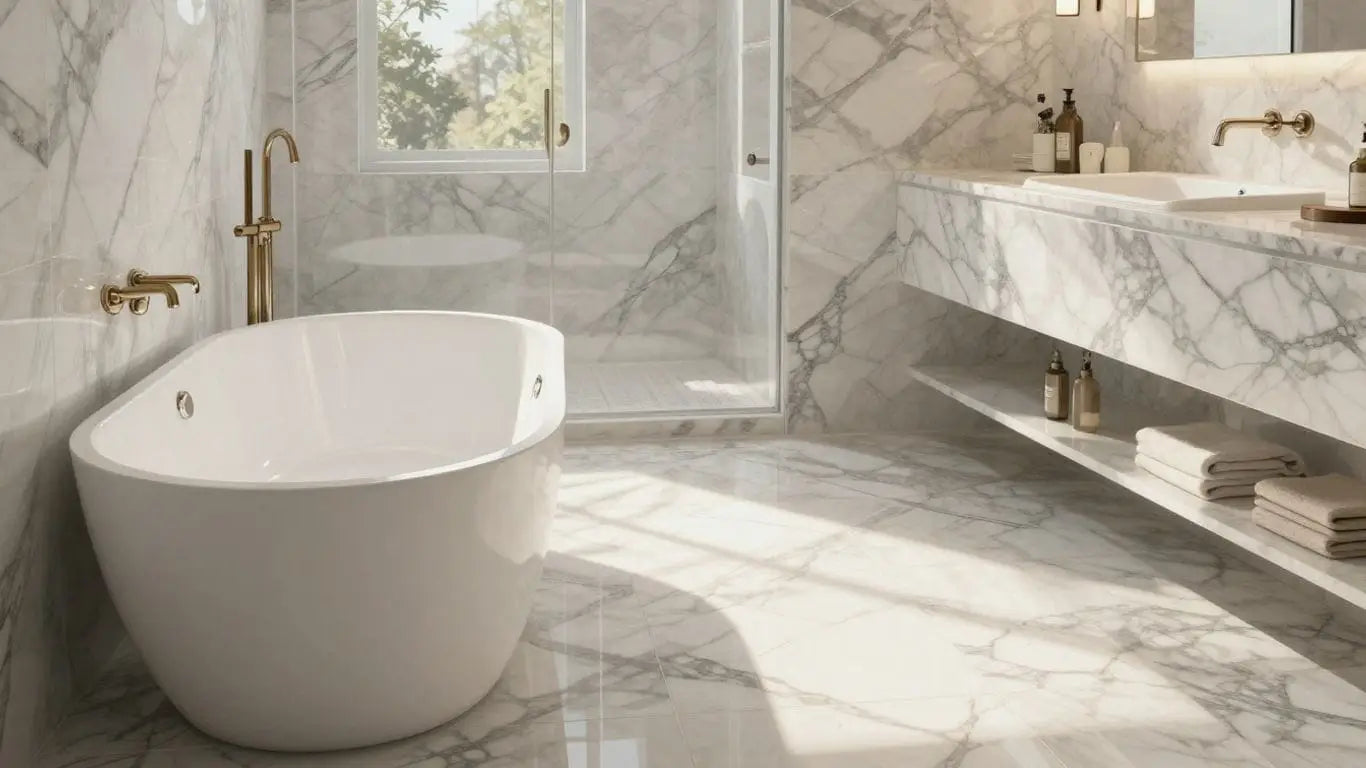
Investing in marble tiles is a decision that pays off for years, even decades. But to truly get the most out of your beautiful stone, you need to be smart about it from the start. It’s not just about picking a pretty pattern; it’s about making sure you’re getting quality materials and setting them up for a long, beautiful life.
Choosing Quality Materials from Reputable Suppliers
When you're ready to buy marble tiles online in the USA, don't just go for the cheapest option. Think of it like buying a car – you want something reliable and well-made. High-quality marble, sourced from reputable suppliers, means you're getting stone that's less prone to issues down the line. We're talking about marble with consistent veining, fewer natural flaws, and a better overall structure. This isn't just about looks; it's about the tile's inherent durability.
For instance, consider the difference between a standard marble and a premium selection like Statuario White Marble. While both are beautiful, the Statuario, sourced from Italy, offers that classic, pristine look with bold veining that designers rave about. It's an investment in timeless elegance. Similarly, Nero Marquina (Black) Marble brings a dramatic sophistication that’s hard to replicate. Choosing these premium options from trusted sources means you're starting with the best.
Adhering to Manufacturer Recommendations
Once you've got your stunning marble tiles, the job isn't done. Every type of marble has its own needs, and the manufacturer or supplier usually has specific advice. This often includes recommendations for:
- Installation: Using the right adhesive and grout is key. Some marble, like Crema Marfil, might need specific setting materials to prevent discoloration.
- Sealing: Most natural stones are porous. Following the recommended sealing schedule, often annually, is non-negotiable for stain and moisture protection. This is especially true for marbles like Emperador Dark, which can show water spots if not properly sealed.
- Cleaning: Using pH-neutral cleaners is vital. Harsh chemicals can etch the surface of marble, dulling its shine. Always check what the manufacturer suggests for daily care.
Understanding the Long-Term Value of Marble
Marble isn't just a flooring choice; it's an asset. Homes featuring natural stone, especially marble, often see an increase in property value. Buyers recognize the quality, durability, and timeless appeal that marble brings. It’s a material that ages gracefully, developing a patina over time that many find even more desirable than its original finish. Think about how marble has been used in some of the world's most iconic buildings – it’s a material that truly stands the test of time.
Case Study: The Miller Residence
The Miller family wanted a kitchen that felt both luxurious and practical. They chose Atlantic Gray Marble for their flooring, a choice recommended by their designer for its subtle veining and durability. The installation was handled by professionals who followed the supplier's specific guidelines for this particular marble. They committed to annual sealing and used only recommended cleaners. Five years later, their kitchen floor still looks as stunning as the day it was installed, with no visible wear or staining, despite frequent use. They often mention how the marble not only makes their kitchen look amazing but also makes them feel good about their home's long-term value.
Investing in quality marble and following best practices for installation and maintenance isn't just about having a beautiful floor; it's about securing a lasting legacy of elegance and value for your home. It’s a choice that continues to give back, year after year.
Thinking about buying marble? It's a great choice for adding beauty and value to your home. To make sure you get the most out of your purchase, explore our wide selection and expert tips. We're here to help you find the perfect stone for your project. Visit our website today to see our stunning marble and travertine options!
The Lasting Appeal of Marble Tile
So, how long does marble tile really last? The short answer is: a very, very long time, often for generations, if you treat it right. We've talked about how marble's beauty is pretty much unmatched, and while it's not the toughest kid on the block compared to some other stones, its elegance is undeniable. With proper installation, regular sealing, and a little care to avoid harsh cleaners or heavy impacts, your marble floors or walls can stay looking great for decades. Think of it as an investment in your home's style that pays off over the years. If you're looking for that timeless, luxurious feel, marble is definitely worth considering, and with the right approach, it'll be a beautiful part of your home for a long time to come.
Frequently Asked Questions
How long can I expect my marble tile floors to last?
With the right care, marble tiles can last for a really long time, often for decades, sometimes even a lifetime! They're a natural stone, so they're built tough. Think of them as an investment that keeps looking good for years and years.
What makes marble tiles last so long?
Marble is a super strong natural stone. Its hardness and density mean it can handle a lot of wear and tear. Plus, its classic beauty never really goes out of style, so you won't feel the need to replace it just because trends change.
Are there things that can shorten the life of my marble tiles?
Definitely. Things like harsh cleaning chemicals, acidic spills (like lemon juice or vinegar), and heavy dragging of furniture can cause damage. Marble can scratch or get etched, which means it might not look as good over time if not cared for properly.
How important is sealing for marble tile longevity?
Sealing is super important! Marble is naturally a bit porous, meaning it can soak up liquids. Sealing fills in those tiny holes, making it harder for stains and moisture to get in and cause damage. It's like giving your marble a protective shield.
Can marble tiles be used in bathrooms and kitchens?
Yes, they can! Marble is beautiful in bathrooms and kitchens. However, since these areas can get wet and have acidic foods or cleaning products, it's extra important to seal them well and clean up spills quickly to prevent stains and etching.
Does the type of marble affect how long it lasts?
Yes, it does. Some types of marble are naturally harder and less porous than others. For example, a very dense marble might hold up a bit better in a busy area than a softer, more porous type. It's good to know what kind you have and how to care for it.
What's the difference between polished and honed marble in terms of durability?
Polished marble has a shiny, smooth surface, which looks very luxurious. However, it can show scratches and etching more easily. Honed marble has a matte, less shiny finish, which can hide minor wear and tear a bit better, making it seem like it lasts longer in terms of appearance.
If my marble tiles get damaged, can they be fixed?
Absolutely! Minor scratches and dull spots can often be buffed out or polished away. Deeper damage or stubborn stains might need professional restoration. The good news is that marble can often be repaired, extending its life even further.

Leave a comment