
Marble floor tile: how to choose, install, and care for natural stone flooring

Key Takeaways
Marble floor tile brings natural pattern and a distinctive feel to a room, but choosing well means balancing appearance with upkeep and the needs of each space.
- Natural veining makes every marble floor visually distinct.
- Color, finish, tile size, and layout all shape the final look.
- Consider traffic, spills, and slip resistance when choosing a room.
- A stable, level substrate and careful dry layout help prepare for installation.
- Use stone-safe cleaners, seal as directed, and order samples before committing.
Why choose marble floor tile for your home
Marble makes a room feel considered, from a bright foyer to a quiet bath. Its appeal comes from natural variation rather than a perfectly repeated pattern, so the finished floor has a quality that is hard to duplicate. It does ask for some care, and being realistic about that from the start makes the choice easier.
Natural veining gives every floor a distinct look
The movement in marble can be soft and cloudy or bold and branching, with veins that shift from tile to tile. That variation gives even a simple layout a sense of depth. Before choosing a color, look at several pieces together and picture them across the whole floor, not just as a single sample.

Marble can bring elegance and lasting value to interiors
Marble has a quietly formal quality, but it need not feel grand or overly polished. A subdued gray stone can sit comfortably with natural wood, while pale marble gives a room a clean, open feeling. Its lasting appeal is part of the draw, though any added home value depends on the property and the quality of the installation rather than the stone alone.
Consider durability and maintenance before you buy
Marble is a natural, porous stone and can be more prone to scratching and staining than some harder surfaces. Sealing helps protect it, but it does not make marble impervious to spills or wear. Choosing a finish that suits the room and cleaning promptly are practical habits, not optional extras. A realistic care routine helps preserve the stone’s appearance over time.
Decide whether marble suits your household and lifestyle
Think about the way a room is used on an ordinary day. A busy household with frequent spills may prefer marble in a lower-traffic room, or may be comfortable with the surface developing signs of use. For a floor that will see regular foot traffic, weigh the look you want against the attention natural stone requires.
Compare marble colors, styles, and finishes
Color sets the mood, while veining and finish determine how lively or quiet a floor feels. It helps to compare actual pieces in the light where they will be installed; screens and small samples can give only part of the picture. The range includes pale classics and deeper, more dramatic stones, with finishes that change both appearance and feel.
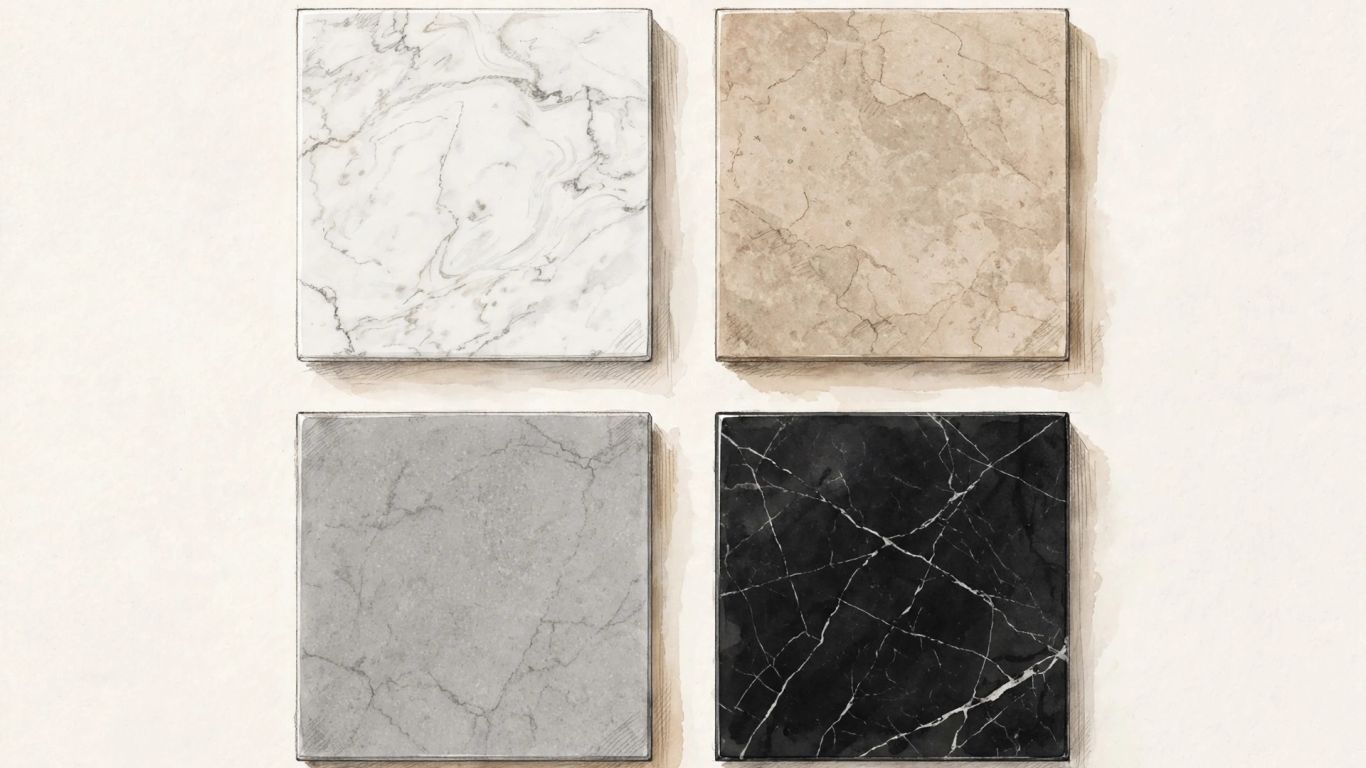
Choose white, beige, gray, or darker marble tones
White marble can brighten a room, with gray veining adding a subtle pattern. Beige and cream tones bring warmth, while gray stones tend to read as calm and understated. Dark marble offers contrast and a more dramatic mood; for example, Nero Marquina tile pairs a deep ground with distinctive light veining. Compare samples alongside cabinetry, paint, and flooring nearby before deciding.
Compare Carrara, Calacatta, and other popular varieties
Carrara is often chosen for its white-to-gray palette and gentle veining; Calacatta can offer a bolder, more pronounced pattern. Other varieties bring different colors and character, so the names alone are not enough to settle a choice. Explore a range of marble tile colors for inspiration, then compare the specific pieces and finish available for your project.
Select polished, honed, or tumbled surfaces
A finish changes how marble catches light and how its surface feels underfoot. The table below offers a useful starting point, but product details and the needs of the room should guide the final selection.
| Finish | Appearance | A practical consideration |
|---|---|---|
| Polished | Smooth and reflective | Can feel formal and show light clearly |
| Honed | Matte and soft-looking | Often suits a quieter, understated floor |
| Tumbled | Aged, textured character | Brings a more rustic, organic look |
Look at finish samples in person when possible, and consider how the surface may feel in the intended space. For wet areas, confirm the product’s suitability and use appropriate safety judgment rather than assuming any finish is slip-resistant.
Match tile size and thickness to your project
Large tiles can create a calmer, more continuous field, while smaller formats introduce more grout lines and pattern. Check that the tile dimensions and thickness work with the substrate, transitions, and adjoining floors. A Carrara White 24-by-24 tile is one example of a larger format to consider when planning a broad interior floor; always confirm product specifications before ordering.
Find the right marble floor tile for each room
Each room brings its own mix of light, traffic, and moisture, so there is no single best marble floor tile for every home. A bright entry may welcome a polished look, while a bathroom calls for closer attention to surface and water conditions. Match the stone to how the space is used, then confirm the product’s recommended application.
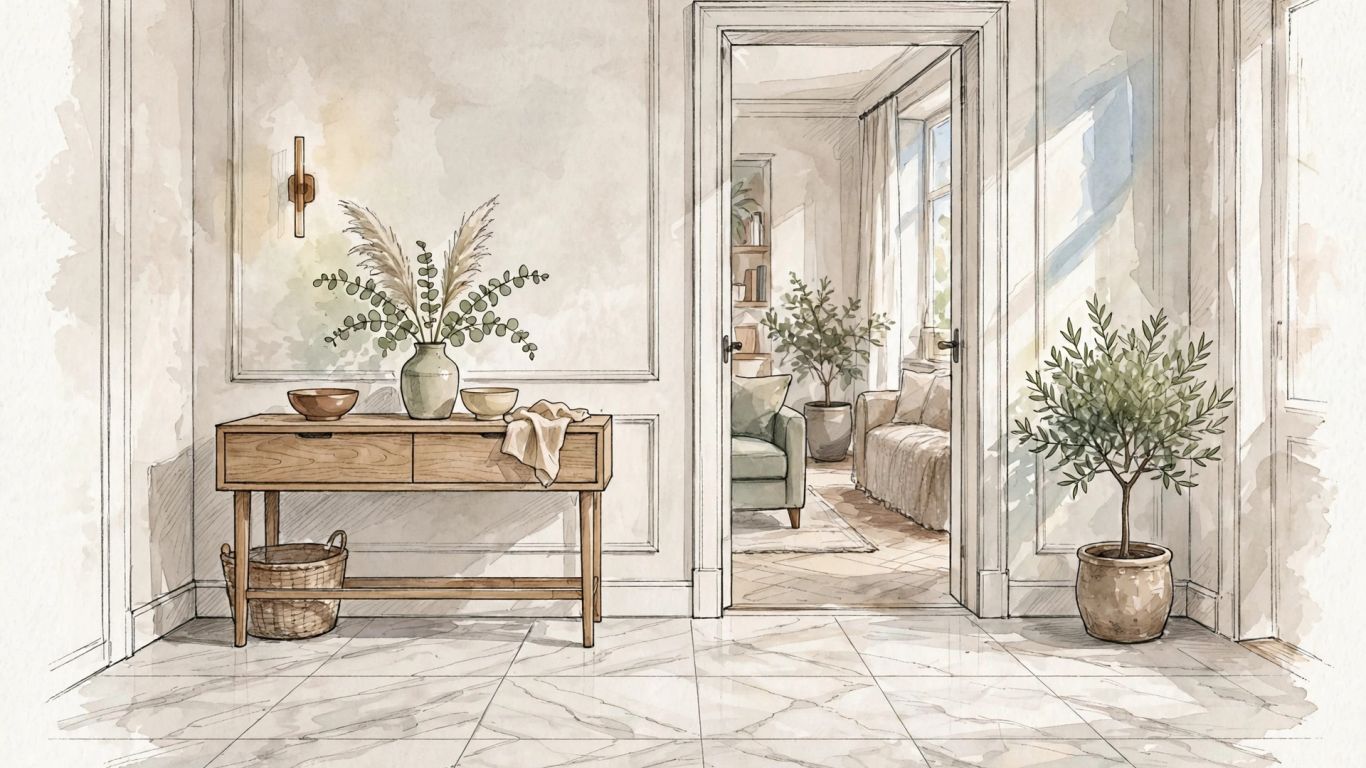
Create a welcoming entryway or foyer
An entryway is a natural place for a stone floor with presence: it can make the first view of the home feel composed and warm. Consider how dirt and grit arrive from outside, and plan for routine sweeping and prompt cleanup. Contrasting marble colors or a border can add definition without making the layout feel busy.
Plan for kitchen traffic, spills, and daily cleaning
A kitchen floor works hard, so consider the frequency of foot traffic and the possibility of dropped food or liquid. Marble can bring a beautiful natural surface to the room, but spills should be cleaned promptly and acidic substances can etch the stone. Set expectations for care before choosing it, especially if you prefer a floor that needs little attention.
Evaluate bathroom floors and wet-area requirements
Bathrooms call for careful thought about moisture, finish, and underfoot safety. Check product specifications for the intended application and discuss the installation with a qualified professional, particularly for shower floors or other wet areas. If you are planning adjacent wall details, a bathroom backsplash guide can help you think through tile, layout, trim, and installation considerations. For personal-care routines in the same space, this simple skin-care routine is a separate topic, but a reminder that consistency matters in day-to-day upkeep.
Use marble in living rooms and other interior spaces
In living rooms, dining areas, and quieter interiors, marble can act as a restrained backdrop or a focal point, depending on its color and pattern. Pair it with softer materials such as rugs and wood to keep the room welcoming. If you are browsing a supplier online, practical advice on choosing a Shopify partner concerns the shop platform rather than tile selection, so keep the stone’s specifications and samples central to your decision.
Plan a pattern that fits your design
A pattern affects the room just as much as the stone color does. Straight-set layouts feel orderly, while angled or alternating designs add movement. Begin with the room’s dimensions and fixed features, then choose a pattern that works with the architecture rather than competing with it.
Use large-format tiles for a clean, expansive look
Large-format tile can make a room feel visually open by reducing the number of grout lines. It is especially effective when the veining is allowed to flow without too many interruptions. Confirm that the floor is suitable for the selected tile size, since a flat, stable base matters for a consistent installation.
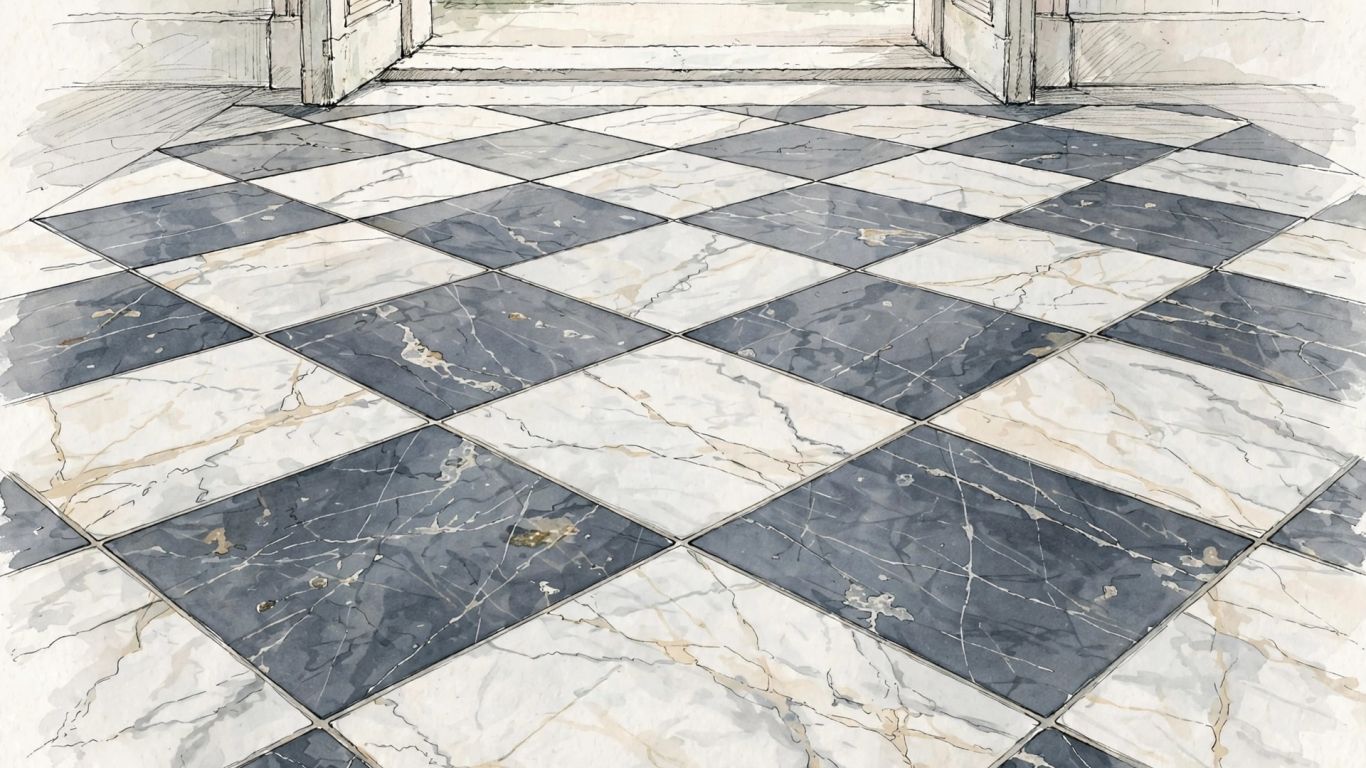
Add character with herringbone or checkerboard layouts
Herringbone adds directional movement, while checkerboard creates a crisp contrast that can feel both classic and fresh. Both patterns benefit from careful planning so cuts at walls and thresholds feel balanced. Before settling on a design, explore marble flooring ideas and compare how the layout relates to your room’s proportions.
Consider mosaics for detailed accents and smaller areas
Mosaics can bring intricate detail to a small floor, a border, or a defined accent. Their pattern and many grout joints create a different visual texture from larger tiles, so use them where that detail feels intentional. A carefully chosen mosaic can connect the main floor to nearby surfaces without repeating the same format everywhere.
Coordinate marble with trim, borders, and adjacent materials
A floor is only one part of the finished room. Think about thresholds, base trim, cabinetry, and the materials that meet the marble at doorways. Natural variation can make exact color matching difficult, so samples and a considered transition detail are more reliable than assuming two stone pieces will look identical.
Prepare for marble tile installation
Good preparation is what lets the stone look its best after installation. Marble pieces can vary in tone and pattern, and small problems in the substrate may show up in the finished surface. Review the tile and installation requirements before work begins, and consult a professional installer when the project or conditions call for it.
Check the subfloor for stability and levelness
Marble needs a clean, dry, stable, and level substrate. Loose areas, dirt, old adhesive, or uneven spots can interfere with bonding and may contribute to cracking or uneven tile edges. A flooring professional can assess the existing floor and recommend suitable preparation for the specific substrate and stone.
Dry-lay tiles to balance veining and natural variation
A dry layout lets you see how color and veining come together before adhesive is applied. It also gives you a chance to spot awkward edge cuts and inspect pieces for cracks, chips, or excessive warping. Before committing to a layout, organize the work around a few practical checks:
- Mix pieces from different boxes to blend natural variation.
- Set aside tiles with visible damage or concerns for review.
- Check edge cuts and transitions before fixing tiles in place.
- Confirm grout spacing against product recommendations.
This simple planning step can prevent surprises once tiles are set. For a different kind of building project, a clay roof installation guide discusses roof preparation and detailing; those requirements are distinct from flooring, but it underscores why project-specific preparation matters.
Choose appropriate setting materials and grout joints
Use setting materials that are rated for natural stone and compatible with the tile and substrate. Light-colored or translucent stone may call for white thinset to reduce the risk of discoloration; confirm the manufacturer’s instructions for the actual product. Grout joint width should follow the tile recommendations and the installer’s plan, rather than being chosen by appearance alone.
Seal the stone and follow installation guidance
Sealing helps protect porous stone against stains and moisture, but the product instructions determine when and how to apply it. Allow setting materials and grout to cure as directed, and use a sealer intended for natural stone. When a project needs extra planning—perhaps coordinating trades, timelines, and materials—an obedience training resource is unrelated to tile installation; rely on your installer and product guidance for flooring decisions.
Protect and source your marble floor tile investment
Thoughtful care and careful ordering go together. Natural stone varies, so samples help you see the color and texture before buying, while a quantity estimate should account for cuts and the layout. Surfaces Galore is a direct importer and nationwide supplier of marble and travertine tile, mosaics, and moldings, with options for homeowners and design professionals to explore.
Clean marble with stone-safe products
Use a pH-neutral cleaner made for natural stone and follow its directions. Avoid acidic or abrasive products, including common household cleaners that may damage the finish. Sweep or dust regularly so grit does not sit on the floor and scratch the surface over time.
Prevent stains, scratches, and etching with routine care
Wipe spills promptly, especially acidic liquids, and use mats where grit or moisture is likely to collect. Sealing can help reduce staining, but it does not prevent every mark or surface change. Cleaning with a soft cloth and stone-safe products is a simple way to keep everyday care manageable.
Estimate tile quantities and request samples before ordering
Measure the room carefully, then discuss the quantity needed for the planned layout and cuts. Natural variation means a sample is a starting point rather than a guarantee that every tile will look identical. Surfaces Galore offers samples, so you can review color and texture in your own lighting before making a larger commitment.
Compare stock, bulk pricing, and nationwide shipping from suppliers
When comparing suppliers, ask about current stock, quantity pricing, shipping, and the product’s finish and specifications. Surfaces Galore ships natural stone nationwide and provides customer support for product and project questions. If you are ready to review options, browse marble tile and compare the styles that suit your room before placing an order.
Conclusion
Marble floor tile rewards a thoughtful choice: compare samples, finishes, and layouts, then prepare the floor carefully and follow natural-stone care guidance. With the right match for the room and a realistic plan for upkeep, marble can bring distinctive pattern and enduring character to your home. To explore natural stone options, consider Surfaces Galore’s marble and travertine selection and request samples before deciding.
Frequently Asked Questions
Is marble floor tile suitable for a busy home?
It can be, if you are comfortable with routine care and the possibility of scratches, stains, or etching. Consider traffic patterns and the room’s use before choosing marble.
Does marble flooring need to be sealed?
Marble is porous, and sealing helps protect it from stains and moisture. Follow the tile and sealer manufacturers’ instructions, including the recommended timing for resealing.
Which marble finish is best for a floor?
Polished, honed, and tumbled finishes create different looks and feels. The best choice depends on the room, your design preference, product specifications, and any wet-area requirements.
Can marble tile be used in a bathroom?
Marble may be used in bathrooms, but confirm the specific tile’s suitability for the intended location. Pay particular attention to wet areas and discuss installation and safety with a qualified professional.
How do I clean marble floor tile?
Use a pH-neutral cleaner intended for natural stone and avoid acidic or abrasive products. Remove grit regularly and wipe spills promptly.
How much extra marble tile should I order?
The amount depends on room measurements, the layout, and the number of cuts. Ask your supplier or installer to calculate the project quantity and account for natural variation.
Will every marble tile look the same as my sample?
No. Marble is natural stone, so color, veining, and texture can vary from piece to piece. A sample helps you assess the general appearance, but it cannot show every tile in an order.

Leave a comment