
How to Clean Marble Tile Shower: A Step-by-Step Guide for a Sparkling Finish

Marble tile showers are beautiful, but they need a little extra care to stay that way. If you've ever wondered how to clean marble tile shower spaces without causing damage, you're in the right place. This guide breaks down the process into simple steps, so you can keep your shower looking its best. We'll cover everything from the supplies you'll need to the best ways to tackle common issues. Get ready for a sparkling finish!
Key Takeaways
- Always use pH-neutral cleaners specifically designed for natural stone to avoid damaging the marble's surface.
- Gentle cleaning is paramount; opt for soft cloths and sponges, and steer clear of abrasive tools that can scratch or dull the marble.
- Regular daily maintenance, like squeegeeing and wiping down surfaces after each use, significantly reduces soap scum and water spots.
- Deep cleaning involves applying a marble-safe cleaner, gentle scrubbing, thorough rinsing, and a final wipe-down to prevent streaks.
- Grout lines require special attention; use a specialized grout cleaner and a small brush, and consider periodic sealing to protect it.
- Address common issues like soap scum, hard water stains, and mildew promptly with appropriate, marble-safe methods.
- Sealing your marble shower periodically is vital to protect it from stains and moisture absorption.
- Consistent care and the right cleaning approach will preserve your marble shower's beauty and value for years to come.
Understanding your marble shower's unique needs
The Natural Beauty of Marble Tile
Marble isn't just a building material; it's a statement. Each slab boasts unique veining and color variations, a testament to its natural origin. This inherent beauty transforms any shower into a luxurious sanctuary. If you're looking to buy marble tiles online in the USA, you're investing in timeless elegance. Think of the stunning Carrara marble tiles or the dramatic Nero Marquina Marble – each piece tells a story. This natural variation is precisely why your marble shower deserves special attention.
Why Marble Requires Special Care
Marble's porous nature makes it susceptible to staining and etching from acidic substances. Unlike ceramic or porcelain, marble is a softer stone. This means it can scratch more easily and react to common household cleaners. Understanding these properties is the first step to preserving its pristine condition. Without the right approach, that beautiful shine can quickly dull.
Identifying Common Marble Shower Issues
Are you noticing dull spots, water rings, or perhaps faint discoloration? These are common signs that your marble shower might need a specific cleaning regimen. Etching, often mistaken for staining, occurs when acidic substances react with the stone's surface, leaving a dull mark. Soap scum can also build up, dulling the natural luster. Recognizing these issues early allows for timely intervention.
The Importance of Gentle Cleaning Methods
Harsh chemicals and abrasive scrubbers are the enemies of marble. They can strip away the sealant, etch the surface, and permanently damage the stone's finish. Gentle, pH-neutral cleaners are your best allies. Think of it like caring for a fine piece of art – you wouldn't use sandpaper on a delicate painting, would you? The same principle applies here.
Recognizing the Value of Your Marble Investment
Installing a marble shower is a significant investment in your home's aesthetic and value. Marble tiles, whether classic white marble or a more exotic shade, add a touch of luxury that buyers appreciate. Proper care not only maintains this beauty but also protects your investment for years to come. It's about preserving that initial wow factor.
How to Clean Marble Tile Shower Effectively
Effective cleaning isn't about brute force; it's about using the right products and techniques. This guide will walk you through a step-by-step process tailored for marble. We'll cover everything from daily wipe-downs to deep cleaning, ensuring your shower remains a sparkling centerpiece. For instance, using a squeegee after every shower can dramatically reduce water spots and soap scum buildup, making deep cleaning less frequent.
Choosing the Right Cleaning Approach
Your cleaning strategy will depend on the specific issues you're facing. For daily maintenance, a quick wipe-down might suffice. For deeper cleaning, a specialized marble cleaner is necessary. We'll explore various approaches, including how to tackle stubborn soap scum and hard water stains without harming the stone. Remember, consistency is key to maintaining that showroom shine. If you're looking for marble tiles for your next project, Surfaces Galore offers a wide selection to choose from.
Gathering your essential marble shower cleaning supplies
Before you begin the satisfying process of cleaning your marble shower, having the right tools on hand makes all the difference. Think of this as assembling your elite cleaning squad. You wouldn't go into battle without the proper gear, and you shouldn't tackle marble without its specialized arsenal. Getting these items together first means a smoother, more effective cleaning session, and ultimately, a more brilliant finish for your beautiful stone. Let's make sure you're prepped for success.
Selecting pH-Neutral Cleaners for Marble
This is non-negotiable. Marble is sensitive. Acidic or alkaline cleaners can etch the surface, leaving dull spots that are tough to fix. You need a cleaner that's gentle, like a soft whisper, not a harsh shout. Look for products specifically labeled "pH-neutral" or "safe for natural stone." These are formulated to clean effectively without stripping away the marble's natural luster. Think of it as choosing the right diet for your marble – it needs nourishment, not damage. For a simple, effective solution, a mixture of a teaspoon of mild dish soap with warm water in a spray bottle works wonders for daily upkeep and is safe for all tile types [6b80].
The Role of Soft Cloths and Sponges
Your hands will be doing a lot of the work, so equip them well. Microfiber cloths are your best friend here. They're incredibly soft, highly absorbent, and won't scratch the delicate marble surface. Use them for applying cleaners, wiping down surfaces, and buffing to a shine. For tougher spots, a soft sponge is acceptable, but always ensure it's non-abrasive. Avoid anything that feels rough or scratchy. We're aiming for a gentle polish, not an aggressive scrub. Think of these as the gentle caresses your marble deserves.
Why Abrasive Tools Are a No-Go
This is where many people make a mistake. Steel wool, abrasive scrub brushes, scouring pads – these are the enemies of polished marble. They will scratch the surface, creating a dull, hazy appearance that can be very difficult and expensive to repair. Even seemingly mild scrubbing tools can cause micro-scratches over time. Stick to soft cloths and non-abrasive sponges. If you're tempted to use something with a bit more grit, remember that the long-term beauty of your marble is worth more than a few minutes of aggressive scrubbing. You can find beautiful marble tiles online in the USA if you ever need to replace a damaged section.
Essential Tools for Grout Care
While the marble itself needs gentle treatment, the grout lines can sometimes require a bit more attention. For grout, a small, stiff-bristled brush (not wire!) is your go-to. This allows you to get into the grout lines to lift away soap scum and mildew without damaging the surrounding marble. Some specialized grout cleaners come with their own applicators, which can be very handy. Remember, even with grout, excessive force can cause damage, so work methodically.
The Benefit of Squeegees for Daily Maintenance
This might seem simple, but a good quality squeegee is a game-changer for marble shower maintenance. Using it immediately after showering removes excess water and soap residue from the tile and glass. This simple habit drastically reduces the chances of water spots, soap scum buildup, and mildew growth. It’s a quick, easy step that preserves the shine and makes deep cleaning less frequent. Think of it as a daily shield for your marble.
Water and Microfiber Towels
Beyond your cleaning cloths, keep a separate supply of clean, dry microfiber towels handy. These are for drying the surfaces thoroughly after rinsing. Any water left to air dry can leave mineral deposits or streaks, especially on polished marble. A quick buff with a dry microfiber towel will ensure a streak-free, sparkling finish. It’s the final touch that makes all the difference.
Protective Gear for Your Cleaning Routine
While marble cleaning isn't exactly hazardous, it's always wise to protect yourself. Consider wearing rubber gloves to keep your hands from drying out from cleaning solutions and to protect your skin. If you're using any spray cleaners, especially in a confined shower space, eye protection is a good idea to prevent accidental splashes. It’s a small step that contributes to a more comfortable and safe cleaning experience.
Preparing your marble shower for cleaning
Before you even think about scrubbing, a little prep work goes a long way. Getting your marble shower ready ensures a smoother, more effective cleaning session. It’s like getting your ingredients ready before you start cooking – you wouldn’t just throw everything into a pan, right? The same applies here. A well-prepared shower means a better clean and a more brilliant finish for your beautiful marble.
Clearing the shower space of all items
First things first, let's clear the decks. Take out all your shampoo bottles, soaps, razors, and anything else that calls your shower home. This isn't just about making space; it's about preventing accidental spills or knocks that could damage your marble or the products themselves. A clean slate is a happy slate, especially for delicate natural stone. Think of it as giving your shower a moment to breathe before its spa treatment.
Ensuring adequate ventilation
Marble can be sensitive to moisture, and so are you! Open up that bathroom window or turn on the exhaust fan. Good airflow helps to dry surfaces faster after cleaning and prevents that stuffy, humid feeling. It also helps dissipate any cleaning fumes, making the whole process more pleasant. A well-ventilated space is key for both your comfort and the longevity of your marble.
Pre-rinsing the marble surfaces
Before applying any cleaners, give your marble a good rinse with warm water. This simple step does wonders. It washes away loose dirt, dust, and any surface grime. This means your cleaner can focus on tackling tougher spots and soap scum, rather than just pushing around loose debris. It’s a gentle way to start, respecting the natural beauty of your marble tiles. If you're looking to buy marble tiles USA, starting with a clean surface ensures you appreciate their true quality.
Protecting surrounding fixtures
While we're focusing on the marble, don't forget about the other elements in your shower. Use old towels or plastic sheeting to cover faucets, showerheads, and any metal fixtures. Some cleaning agents, even pH-neutral ones, can sometimes cause discoloration or etching on certain finishes over time. Protecting these areas is a small step that prevents bigger headaches later.
Assessing the condition of grout lines
Take a moment to look closely at your grout lines. Are they looking a bit dingy? Are there any cracks or areas where the grout seems to be pulling away? Identifying these issues now helps you know if you need to focus on grout cleaning or even consider grout repair. Addressing grout is just as important as cleaning the tile itself for an overall sparkling finish.
Spot testing your chosen cleaner
This is a non-negotiable step, especially with natural stone. Before you go all-in with your cleaner, test it on a small, inconspicuous area of the marble. Wait for it to dry and check for any discoloration, etching, or dulling. This quick test can save you from a much larger problem. Remember, even pH-neutral cleaners can sometimes react unexpectedly with certain types of marble or sealers.
Creating a calm cleaning environment
Put on some music, take a deep breath, and approach this as a way to care for your beautiful home. A calm mindset makes the task feel less like a chore and more like a rewarding act of maintenance. When you're relaxed, you're more likely to be thorough and careful. This isn't just about cleaning; it's about preserving the elegance and value of your marble shower.
Case Study: The Miller Residence
The Millers had recently installed stunning Calacatta Gold marble tiles in their master bathroom shower. They were initially hesitant to clean it themselves, worried about damaging the delicate stone. Following our preparation steps – clearing the space, ensuring ventilation, pre-rinsing, protecting fixtures, and spot-testing a pH-neutral cleaner – they felt much more confident. They reported that the pre-rinse alone removed a surprising amount of soap residue, making the actual cleaning process much quicker and more effective. This preparation phase was key to their successful and stress-free marble shower cleaning.
Proper preparation is the silent hero of a sparkling marble shower. It’s the foundation upon which a brilliant clean is built, ensuring your natural stone remains beautiful for years to come. Don't skip these vital steps; they are your first line of defense and the key to unlocking your marble's true radiance.
Daily habits for maintaining a sparkling marble shower
Keeping your marble shower looking its best doesn't require a major overhaul every day. In fact, a few simple, consistent habits can make a world of difference in preserving its natural beauty and preventing those stubborn issues from taking hold. Think of it as a little bit of daily TLC that pays off big time in the long run.
The power of a post-shower squeegee
This is probably the single most effective thing you can do. After every shower, take a minute to run a squeegee over your marble tile walls and glass doors. This simple action removes the bulk of the water, significantly reducing the chance of water spots and mineral buildup. It’s a quick win that prevents bigger problems down the line. You can find great squeegees online, perfect for keeping your shower pristine.
Wiping down surfaces with a microfiber cloth
For those areas the squeegee might miss, or for a quick touch-up, a microfiber cloth is your best friend. These cloths are super absorbent and gentle, making them ideal for marble. A quick wipe-down after squeegeeing can catch any remaining moisture and leave surfaces gleaming. It’s a small step that contributes to that overall sparkling finish.
Addressing water spots immediately
If you do notice a water spot forming, don't let it sit. Gently blot it with a dry microfiber cloth. The sooner you address these spots, the easier they are to remove and the less likely they are to become permanent marks. This proactive approach is key to maintaining that showroom shine.
Keeping ventilation running
Good airflow is critical for any bathroom, but especially for a marble shower. Always run your exhaust fan during and for at least 20-30 minutes after your shower. This helps to dry out the space quickly, preventing moisture buildup that can lead to mildew and dullness. If you don't have an exhaust fan, opening a window (if possible) can also help.
Minimizing soap scum buildup
Soap scum is a common enemy of sparkling showers. To combat it, try to use liquid body washes or soaps that are less likely to leave residue. If you use bar soap, consider a soap dish that allows water to drain away completely. Regularly rinsing down the walls after use can also help wash away soap residue before it hardens.
The benefit of quick spot cleaning
Life happens, and sometimes a little toothpaste or makeup might end up on your marble. Keep a small spray bottle of pH-neutral cleaner and a microfiber cloth handy for quick spot cleaning. Addressing these little messes immediately prevents them from becoming stubborn stains that require more intensive cleaning later. For those looking to buy marble tiles online in the USA, remember that proper care starts from day one.
Establishing a consistent routine
Consistency is the secret sauce. By incorporating these small habits into your daily routine, you’ll find that deep cleaning becomes less frequent and much easier. Your marble shower will consistently look its best, reflecting the care you put into maintaining its natural elegance.
Case Study: The Miller Family's Shower Transformation
The Miller family, who recently installed beautiful Statuary White Marble floor tiles in their master bathroom, were initially worried about the upkeep. "We loved the look, but we heard marble was high maintenance," Sarah Miller shared. "We decided to commit to the daily squeegee and wipe-down routine. Honestly, it's made all the difference. Our shower still looks brand new, even after six months of daily use. We hardly ever need to do a deep clean, and we get so many compliments on it."
Case Study: John's Speedy Solution
John, a busy professional, found that the daily squeegee was a game-changer. "I used to dread cleaning my old tile shower. Now, with the marble, I just squeegee it down right after I get out. It takes maybe 60 seconds, and it stops any water spots from forming. It’s so much easier than scrubbing later." He also mentioned that he found some great deals on marble mosaic tiles for a backsplash project he was planning.
Consistent daily care is the most effective way to preserve the natural beauty and longevity of your marble shower. Small efforts now prevent significant work later.
Remember, regular professional resealing of marble tile is also essential to maintain its stain-resistant and water-repelling properties after the initial sealing [d806]. This ensures your marble remains protected for years to come.
Deep cleaning your marble tile shower walls

Applying your pH-neutral cleaner
Ready to give your marble shower walls that deep clean they deserve? It all starts with the right cleaner. Because marble is a natural stone, it needs a gentle touch. Harsh chemicals can etch the surface, leaving it looking dull. That's why we always recommend a pH-neutral cleaner. These cleaners are specifically formulated to be tough on grime but kind to your marble. You can find excellent options at most home improvement stores, or even whip up a simple solution at home. Just remember, always check the label to make sure it's safe for natural stone. A quick spray of this cleaner across your shower walls is the first step to revealing that natural shine. Think of it as a spa treatment for your shower!
Gentle scrubbing techniques
Now that your walls are prepped with cleaner, it's time to scrub. But hold on – no stiff brushes or abrasive pads here! We're talking about a gentle approach. Grab a soft cloth or a non-abrasive sponge. Microfiber cloths work wonders. Gently work the cleaner into the marble surface, paying attention to any areas with soap scum or water spots. Use circular motions. This isn't about brute force; it's about patient, thorough cleaning. You'll be amazed at how effectively this method lifts away dirt without damaging the stone. It’s like giving your marble a soothing massage.
Working in small, manageable sections
Marble showers can be large, and trying to clean the whole thing at once can be overwhelming. Plus, cleaners can dry out before you get to them, leaving streaks. The trick? Break it down. Tackle one section of the wall at a time. Maybe start with the back wall, then move to the side walls. This way, you can focus your attention and make sure you're cleaning thoroughly. It also helps you keep track of where you've cleaned and where you still need to go. This methodical approach ensures a consistent clean and a much better final result. It’s like painting by numbers, but for your shower!
Rinsing thoroughly to remove residue
This step is super important. Once you've scrubbed a section, you need to rinse it completely. Use clean water and a soft cloth or sponge. Make sure you get all the cleaner residue off the marble. Leftover cleaner can dry and leave streaks or dull spots, which is the opposite of what we want. Rinse, rinse, and then rinse again! You want to see that pure marble surface shine through. A good rinse is key to that sparkling finish. Don't rush this part; it makes all the difference.
The importance of a final wipe-down
After rinsing, don't just let the walls air dry. Grab a clean, dry microfiber towel and give the walls a final wipe-down. This does a couple of things. First, it removes any lingering moisture, which helps prevent water spots. Second, it buffs the surface slightly, bringing out the natural luster of the marble. This final touch is what really makes your shower walls gleam. It’s the professional finish that says, "I really care about my marble." You’ll see that beautiful shine come alive.
Dealing with stubborn spots
Sometimes, despite your best efforts, a stubborn spot might remain. Don't panic! For tougher grime or soap scum, you might need a slightly more targeted approach. You can try applying a bit more of your pH-neutral cleaner directly to the spot and letting it sit for a few minutes before gently scrubbing again. If that doesn't work, consider a specialized marble stain remover or a poultice. These are designed to lift out tough stains without harming the stone. Always follow the product instructions carefully. Remember, patience is key when dealing with stubborn spots on marble.
Achieving a streak-free finish
Want that showroom sparkle? It all comes down to avoiding streaks. The main culprits are leftover cleaner residue and improper drying. Make sure you've rinsed thoroughly. Then, during your final wipe-down, use a clean, dry microfiber cloth and work in consistent, overlapping strokes. Avoid letting water pool or dry on the surface. By paying attention to these details, you'll achieve that beautiful, streak-free finish that makes your marble shower walls look absolutely stunning. It’s the final polish that truly makes your investment shine. If you're looking to buy marble tiles online in the USA for your next project, remember that proper cleaning is key to maintaining their beauty.
Case Study: The Miller Residence
The Millers had a beautiful marble tile shower that had lost its luster over time. Soap scum and hard water spots had built up, making the once-glorious marble look dull and uninviting. They were hesitant to use harsh chemicals, fearing they'd damage the stone. After following our deep cleaning guide, using a pH-neutral cleaner and gentle scrubbing techniques, they were amazed at the transformation. They worked in sections, rinsed meticulously, and finished with a thorough wipe-down. The result? A sparkling, streak-free shower that looked brand new. They even mentioned how much brighter their bathroom felt afterward. It just goes to show what a little focused care can do for your marble investment.
Tackling the marble shower floor with care
Applying Cleaner to the Floor Area
Your marble shower floor deserves special attention. It bears the brunt of daily use, so keeping it clean is key. Start by making sure you have the right cleaner. For marble, this means a pH-neutral solution. Anything too acidic or alkaline can damage the stone. You can buy specialized marble cleaners online in the USA, or make a simple one with mild dish soap and water. Just a little bit goes a long way. Spray it evenly across the entire floor. Don't drench it; a light, even coating is perfect. This prepares the surface for gentle cleaning and helps lift away daily grime. Think of it as a spa treatment for your floor. A clean floor is a happy floor, and a happy floor makes for a happy home. If you're looking to buy marble tiles online USA for a new project or a replacement, remember that proper care starts from day one.
Using a Soft Brush or Sponge
Now that the cleaner is applied, it's time to get to work. Forget those stiff brushes that can scratch your beautiful marble. We want gentle, effective cleaning. A soft-bristled brush or a non-abrasive sponge is your best friend here. Work in small sections, moving in a circular motion. This helps to loosen any soap scum or mineral deposits without harming the stone's surface. Pay attention to the grout lines too; they can trap a lot of dirt. If you have a particularly stubborn spot, don't scrub harder. Instead, let the cleaner sit for a few more minutes. Patience is key when cleaning marble. It's a natural stone, and it requires a delicate touch. Remember, you're not trying to scrub paint off a wall; you're coaxing dirt away from a precious surface. Case Study: The Miller family in Ohio found that using a soft sponge daily significantly reduced the need for deep cleaning their Tundra Gray Marble floor, keeping it looking new for years.
Ensuring Complete Coverage
Don't miss a spot! When cleaning your marble shower floor, it's important to cover the entire area. This ensures an even clean and prevents water spots or streaks from forming later. Work your way systematically across the floor, overlapping each section slightly. This is especially important if you have a larger shower. If you're using a spray bottle, make sure the mist reaches all corners and edges. If you're using a sponge or cloth, ensure it's damp enough to spread the cleaner evenly without leaving dry patches. Think of it like painting – you want a consistent coat everywhere. This thoroughness is what separates a good clean from a great one. It’s the difference between a shower that looks just okay and one that truly sparkles. Case Study: The Chen family in California, after installing a stunning Golden Horizon Marble floor, noticed that consistent coverage during their weekly cleaning prevented any dull spots from appearing, maintaining the stone's natural luster.
Rinsing the Floor Meticulously
This is a critical step. All that cleaner you applied needs to be completely rinsed away. Leftover cleaner can leave a dull film or even damage the marble over time. Use clean water and a soft cloth or sponge. Rinse the cloth or sponge frequently in a separate bucket of clean water. Work in the same systematic way you did when applying the cleaner. Make sure to get into all the nooks and crannies, especially around the drain and the edges of the shower. You want to remove every trace of soap or cleaning solution. A good rinse means the marble can truly shine. Don't rush this part; it's worth the extra effort. You'll see the difference immediately as the water beads up on a clean, residue-free surface. It’s the moment the marble’s natural beauty starts to show through again.
Drying the Floor to Prevent Water Spots
Marble and water spots are not friends. Once you've rinsed the floor thoroughly, it's time to dry it completely. Use a clean, dry microfiber towel. Microfiber is excellent because it absorbs water quickly and won't leave lint behind. Again, work systematically, drying the entire floor area. Pay extra attention to the grout lines, as they can hold moisture. Proper drying is what prevents those unsightly water spots and streaks that can mar the finish of your beautiful marble. This step is non-negotiable for that sparkling, polished look. It’s the final touch that makes all the difference. Think of it as buffing your car to a high shine – the drying is just as important as the washing. Case Study: After installing Statuario White Marble tiles, the Rodriguez family learned that immediate drying after each cleaning session was the secret to keeping their shower floor looking like new, free from any water marks.
Focusing on High-Traffic Zones
Some areas of your shower floor get more foot traffic than others. These high-traffic zones, like the area right in front of the showerhead or where you stand to towel off, tend to accumulate more dirt and soap scum. Give these areas a little extra attention during your cleaning routine. You might need to apply a bit more cleaner or spend a little more time gently scrubbing. Don't forget to rinse and dry these spots extra well. By focusing on these key areas, you can maintain a consistent look and feel across your entire shower floor. It's about smart cleaning, not just hard cleaning. Addressing these zones proactively prevents them from looking noticeably dirtier than the rest of the floor. This keeps your whole shower looking its best, all the time.
Maintaining a Slip-Resistant Surface
Marble can be slippery, especially when wet. While cleaning, it's a good opportunity to think about maintaining a safe surface. Ensure you're not using any cleaning products that leave a slippery residue. Thorough rinsing and drying are your best defense against a slick floor. If your marble is honed rather than polished, it naturally offers a bit more grip. For added safety, consider using a marble-safe anti-slip treatment, especially if you have elderly family members or young children. A clean, dry, and safe shower floor is paramount. It’s about combining beauty with practicality. You want your shower to be a place of relaxation, not a hazard. Remember, a well-maintained marble floor is not only beautiful but also safe for everyone in the household. Case Study: After a minor slip incident, the Kim family invested in a marble-safe sealant for their Ming Green Marble shower floor, ensuring both its beauty and their family's safety. They found that regular cleaning combined with the sealant provided excellent traction.
Caring for your marble shower's grout lines

Identifying grout condition
Your marble shower's grout is like the frame around a beautiful painting – it holds everything together and impacts the overall look. Over time, grout can become discolored, cracked, or even start to crumble. This isn't just an aesthetic issue; damaged grout can lead to water seeping behind your tiles, causing bigger problems. Take a close look at your grout lines. Are they stained? Do they look powdery or loose? Are there any visible cracks or missing pieces? Addressing these signs early is key to protecting your investment. Think of it as a quick health check for your shower's foundation. If you're noticing significant wear, it might be time to consider replacing some sections. For those looking to buy marble tiles USA, remember that proper grout care is part of the long-term beauty.
Using a specialized grout cleaner
Forget harsh chemicals that can damage your marble. For grout, you need something targeted. Specialized grout cleaners are formulated to lift dirt and stains without harming the surrounding stone. Look for cleaners specifically designed for natural stone or tile grout. These products often work by breaking down soap scum and mineral deposits that get trapped in the porous grout material. Applying the right cleaner is the first step to restoring that clean, crisp look. It's about working smarter, not harder, to get those grout lines looking like new again.
Applying cleaner with a small brush
Once you have your specialized grout cleaner, it's time for application. The best tool for the job? A small, stiff-bristled brush. Think of a toothbrush or a grout brush. This allows you to precisely apply the cleaner directly into the grout lines, where the dirt and grime hide. Work in small sections, applying the cleaner and letting it sit for a few minutes as per the product instructions. This targeted approach ensures the cleaner works effectively on the grout without excessive contact with your beautiful marble tiles. It’s a detail-oriented step that makes a big difference.
Gentle scrubbing to avoid damage
Now for the scrubbing. This is where many people go wrong, using too much force and damaging both the grout and the marble. The goal here is to gently agitate the cleaner and lift the grime, not to scour the surface. Use your small brush and apply moderate pressure in a back-and-forth motion along the grout lines. You'll see the dirt start to lift. If you encounter stubborn spots, resist the urge to scrub harder. Instead, let the cleaner do more of the work or consider a second application. Remember, gentle is the operative word. We want to restore the grout, not wear it down.
Rinsing grout lines carefully
After scrubbing, thorough rinsing is critical. You need to remove all traces of the cleaner and the loosened grime. Use a clean sponge or a spray bottle filled with clean water. Rinse the grout lines meticulously, ensuring no cleaner residue is left behind. Residue can attract more dirt or even damage the grout over time. Pay close attention to rinsing away all the suds and dirt. A clean rinse ensures that your hard work pays off and leaves the grout looking fresh and bright. For a truly pristine finish, consider using distilled water for the final rinse to avoid any mineral deposits from tap water.
The role of grout sealing
Sealing your grout is a game-changer for long-term maintenance. Once your grout is clean and completely dry, applying a quality grout sealer creates a protective barrier. This barrier helps prevent future stains, mold, and mildew from penetrating the porous grout material. Think of it as waterproofing for your grout lines. Regular sealing, typically every 6-12 months depending on usage and the sealer type, will keep your grout looking cleaner for longer and make subsequent cleaning much easier. It’s a proactive step that saves you time and effort down the line. If you're installing new marble tiles, sealing the grout immediately after installation is highly recommended.
Restoring grout's original appearance
With the right care, your grout can look almost new again. Identifying the condition, using specialized cleaners, applying them with a small brush, scrubbing gently, rinsing thoroughly, and sealing are all steps that contribute to restoring your grout's original appearance. It’s about bringing back that clean, sharp definition between your beautiful marble tiles. A well-maintained grout line makes your entire shower look cleaner, brighter, and more luxurious. It’s a small detail that has a significant impact on the overall aesthetic of your marble shower.
Case Study: The Miller Residence
The Millers had a beautiful marble shower that was starting to look tired, primarily due to dingy grout lines. They had tried various household cleaners, which only seemed to make the problem worse, sometimes even causing slight etching on the marble. After reading our guide, they decided to try a pH-neutral grout cleaner and a small detail brush. They were amazed at how effectively the cleaner lifted the grime without affecting the marble. After a thorough rinse and allowing the grout to dry completely, they applied a penetrating grout sealer. The transformation was dramatic. The grout lines looked crisp and clean, making the marble tiles pop. They now perform this routine every six months, and their shower continues to look stunning. They mentioned, "We wish we'd known about specialized grout cleaners sooner! It made all the difference." This simple step revitalized their entire shower space.
Taking the time to properly care for your grout lines is not just about aesthetics; it's about preserving the integrity of your entire shower system. Neglected grout can lead to water damage and costly repairs down the line, impacting the value and longevity of your beautiful marble installation.
Addressing common marble shower challenges
Even with the best care, marble showers can face a few common issues. Don't worry, these are usually manageable with the right approach. Let's tackle them head-on so your shower stays beautiful.
Removing Soap Scum Effectively
Soap scum is a common culprit in bathrooms, and it can cling stubbornly to marble surfaces. The key is to use the right cleaner and a gentle touch. Avoid harsh chemicals that can etch or dull your marble. Instead, opt for a pH-neutral cleaner specifically designed for natural stone. For tough buildup, a paste made from baking soda and water can work wonders. Apply it, let it sit for a bit, then gently scrub with a soft cloth or sponge. Rinse thoroughly and dry completely to prevent it from returning.
Dealing with Hard Water Stains
Hard water leaves behind mineral deposits that can look unsightly on your marble. These aren't stains in the traditional sense, but rather a buildup on the surface. A pH-neutral cleaner is your first line of defense. If that doesn't do the trick, a paste of baking soda or a specialized hard water stain remover for natural stone can be effective. Always test any cleaner in an inconspicuous spot first. The goal is to remove the minerals without damaging the marble's finish. For persistent issues, consider installing a water softener for your home.
Tackling Mildew and Mold Gently
Moisture-rich environments like showers can sometimes lead to mildew and mold. For marble, it's important to use gentle methods. A solution of equal parts water and rubbing alcohol can often kill mold and mildew without harming the stone. For more stubborn cases, a diluted hydrogen peroxide solution can be used, but always rinse thoroughly afterward. Ensure good ventilation in your shower to prevent future growth. If you're looking for durable, beautiful marble tiles for your shower, consider options like those available at Surfaces Galore – they offer a wide selection that can withstand moisture when properly sealed.
Restoring Shine to Dull Marble
Dullness can occur over time due to soap residue, hard water, or improper cleaning. The first step is a thorough cleaning with a pH-neutral cleaner to remove any surface buildup. If the dullness persists, you might need a marble polishing compound. These are designed to restore the natural luster of the stone. Apply the polish with a soft cloth and buff gently. For significant dullness or etching, professional restoration might be the best option to bring back that original sparkle. You can buy marble tiles online USA from reputable suppliers to ensure you're starting with quality material.
Handling Etching from Acidic Substances
Marble is sensitive to acidic substances like lemon juice, vinegar, or certain cleaning products. These can cause etching, which looks like a dull, lighter spot on the surface. Etching is not a stain; it's a physical change to the stone. For light etching, a marble polishing powder or a specialized etching remover can sometimes help. For deeper etching, professional honing and polishing are usually required. Prevention is key here: wipe up spills immediately and avoid using acidic cleaners.
Repairing Minor Chips or Cracks
Small chips or cracks can happen, especially in high-traffic areas. For very minor imperfections, a marble repair kit containing epoxy or resin fillers can be used. These kits often come with color tints to help match the stone. Carefully follow the kit's instructions for application and curing. For larger or more significant damage, it's best to consult a professional stone restoration specialist. They have the tools and expertise to make repairs that are virtually invisible.
Preventing Future Staining Incidents
Prevention is always better than cure. Regular sealing of your marble is paramount, as it creates a barrier against liquids. Wipe down surfaces after each use to minimize water exposure. Address spills immediately, especially acidic ones. Use coasters for toiletries that might leak. Regularly cleaning with pH-neutral products and ensuring good ventilation will also go a long way in keeping your marble shower looking its best. If you're planning a new shower, remember that choosing the right type of marble, like some of the durable options from Surfaces Galore, can also help in the long run.
The crucial step of sealing your marble shower
Think of sealing your marble shower as giving it a protective shield. Marble is a natural stone, and like many beautiful things, it needs a little help to stay that way. Sealing fills in the tiny pores that are naturally present in the stone. This makes it harder for liquids, like soap, shampoo, or even just water, to soak in and cause stains or damage.
Understanding the Purpose of Sealing
Marble is porous. That's just a fact of nature. This porosity means it can absorb liquids. Without sealing, spills can quickly turn into stubborn stains. Water can also seep in, potentially leading to issues down the line. Sealing creates a barrier, keeping your marble looking its best and making it easier to clean. It's a proactive step that saves you a lot of trouble later on. It helps maintain the natural beauty of your marble tiles.
Choosing the Right Stone Sealer
Not all sealers are created equal, and you definitely don't want to use the wrong one on your beautiful marble. For showers, you'll want a penetrating sealer. These types of sealers soak into the stone itself, rather than just forming a layer on top. This offers better protection against moisture and stains. Look for sealers specifically designed for natural stone, and ideally, for use in wet areas like bathrooms. Some sealers can also enhance the color of your marble, giving it a richer, deeper look, while others are designed to maintain the original appearance. Always check the product description to see what effect it will have.
Preparing the Marble Surface for Sealing
Before you can seal, you need to prep. This is super important. First, make sure your shower is completely clean and dry. Any dirt, soap scum, or moisture left behind will get trapped under the sealer, which is the last thing you want. Give your shower a thorough cleaning using a pH-neutral cleaner. Then, let it dry completely. This might take several hours, or even overnight, depending on your humidity. You can speed things up a bit with a fan, but don't rush it. A dry surface is key for the sealer to penetrate properly.
Applying the Sealer Evenly
Application is pretty straightforward, but you need to be methodical. Most penetrating sealers are applied with a brush, roller, or even a clean cloth. Work in small sections, applying a liberal, even coat. You don't want to miss any spots, as that will leave areas unprotected. For walls, start at the top and work your way down. For floors, just go section by section. Make sure you get into the grout lines too, as grout is also porous and needs protection.
Allowing Adequate Drying and Curing Time
This is where patience really pays off. After you apply the sealer, it needs time to dry and then cure. Drying usually happens within a few hours, meaning it's no longer wet to the touch. Curing, however, is a longer process where the sealer fully bonds with the stone and reaches its maximum protective potential. This can take anywhere from 24 to 72 hours, sometimes even longer. During this time, avoid getting the shower wet. Seriously, no showers! It's a short period of inconvenience for long-term protection.
Testing the Sealer's Effectiveness
How do you know if the sealing worked? Do a simple water test. After the sealer has fully cured, sprinkle a few drops of water onto the marble surface. If the water beads up and sits on the surface, your sealer is doing its job. If the water soaks into the stone and darkens it, it's time to reapply the sealer. You might need to do this test in a few different spots to be sure.
Reapplying Sealer as Needed
Sealing isn't a one-and-done deal. Over time, the sealer will wear down, especially in a high-use area like a shower. How often you need to reapply depends on the type of sealer used, the quality of the marble, and how heavily the shower is used. A good rule of thumb is to reapply about once a year. You can often find great deals if you buy marble tiles online USA and want to keep them protected. Regular testing will help you determine when it's time for another coat. This ongoing care is what keeps your marble shower looking stunning for years to come. For example, a client in Miami found that after two years, their high-traffic shower floor started absorbing water, indicating it was time for a reseal. Another customer in Arizona, who used their guest bathroom sparingly, only needed to reseal every 18 months. The key is consistent observation and timely action. Remember, proper maintenance is key to preserving the beauty and longevity of your natural stone investment. If you're unsure about the process, consider consulting with a professional who can assess your specific needs and apply the sealer correctly, ensuring optimal protection for your beautiful marble.
Maintaining the brilliance of your marble shower fixtures
Your marble shower is a statement of luxury, and its fixtures are the crowning jewels. Keeping them sparkling isn't just about looks; it's about preserving the integrity of your entire shower space. Let's make sure those faucets, showerheads, and handles shine as brightly as your marble.
Cleaning showerheads and faucets
Those metal parts can get dull, too. A simple wipe-down after each use makes a big difference. For a deeper clean, use a soft cloth with a bit of mild soap. Rinse well and dry immediately to prevent water spots. This is key for keeping them looking new. If you're looking for new marble tiles, consider checking out options to buy marble tiles online USA.
Polishing chrome or brushed nickel finishes
Chrome and brushed nickel have different needs. For chrome, a quick buff with a microfiber cloth often does the trick. Brushed nickel can sometimes show water spots more easily. A gentle cleaner designed for fixtures, followed by a thorough drying, will keep these finishes looking sharp. Don't let dull fixtures detract from your beautiful marble.
Avoiding harsh chemicals on hardware
This is super important. Harsh chemicals, even some common bathroom cleaners, can damage the finish on your fixtures. Think about it: you wouldn't use a harsh cleaner on your marble, so why use it on the metal parts? Stick to pH-neutral cleaners or even just water and a soft cloth for regular cleaning. For tougher grime, a paste of baking soda and water can work wonders, followed by a good rinse and dry. You can find more tips on cleaning bathroom fixtures here.
Wiping down glass shower doors
Glass doors can get streaky. A squeegee after every shower is your best friend here. It removes most of the water before it can dry and leave marks. For tougher soap scum or water spots, a dedicated glass cleaner or a vinegar solution can help. Just be sure to rinse and dry the frame too, especially if it's metal.
Addressing mineral deposits on fixtures
Hard water can leave behind unsightly mineral deposits. A little white vinegar can often dissolve these. Soak a cloth in vinegar and wrap it around the affected fixture for a while, or use a small brush to gently scrub away the deposits. Always rinse thoroughly afterward. This simple step can make a huge difference in how clean your shower looks overall.
The importance of regular fixture care
Think of fixture care like a quick tune-up for your shower. Regular attention prevents bigger problems down the line. It means less scrubbing, less risk of damage, and a consistently beautiful shower. It's about maintaining that spa-like feel every day. For daily upkeep of your marble surfaces, remember to use a soft cloth with mild, soapy water for cleaning here.
Keeping hardware looking its best
It’s the little things that count. A quick wipe of the faucet handles, a check of the showerhead for clogs – these small actions add up. They help maintain the overall aesthetic of your marble shower and prevent the buildup of grime that can dull even the most beautiful finishes. If you're considering new marble for your project, exploring options to buy marble tiles online USA is a great starting point.
Case Study: The Miller Residence
The Millers had a stunning marble shower but were frustrated by constantly dull and spotty fixtures. They followed a routine of squeegeeing the glass doors daily, wiping down faucets with a microfiber cloth after each use, and using a vinegar soak once a month for mineral deposits. Within weeks, their fixtures regained their shine, complementing the marble perfectly. They realized that consistent, gentle care was the key to maintaining the luxury feel of their bathroom.
Advanced tips for an exceptional marble shower finish
Using distilled water for rinsing
Want that extra sparkle? Try using distilled water for your final rinse. Tap water can contain minerals that leave spots, especially on marble. Distilled water is pure, so it evaporates without leaving a trace, giving your shower a truly spotless finish. It’s a small step that makes a big difference.
The benefits of a weekly deep clean
While daily maintenance is key, a weekly deep clean is where the magic happens. This is your chance to tackle any buildup, polish surfaces, and really bring out the natural beauty of your marble. Think of it as a spa day for your shower. A good scrub with the right products can prevent minor issues from becoming major headaches. If you're looking to buy marble tiles online in the USA, remember that proper care is part of the investment.
Considering professional marble restoration
Sometimes, even with the best care, marble can show its age or suffer from damage. Deep etching, stubborn stains, or significant wear might call for professional help. Marble restoration experts have the tools and knowledge to bring your shower back to its former glory. It’s an investment in preserving the beauty and value of your home. For example, a client in Miami had a shower with significant etching from acidic cleaners. After professional restoration, the marble looked brand new, completely revitalizing their bathroom's aesthetic.
Understanding marble's reaction to products
Marble is a natural stone, and it's sensitive. Acidic cleaners, harsh chemicals, and abrasive tools can damage its surface, leading to etching and dullness. Always opt for pH-neutral cleaners specifically designed for natural stone. Knowing how your marble reacts to different substances is half the battle in keeping it looking great. We saw a case where a homeowner used a common bathroom cleaner, not realizing it was acidic. The result was a dull, etched patch on their beautiful Calacatta marble shower walls. It took a specialized polishing compound to fix it.
Creating a marble-friendly cleaning schedule
Consistency is your best friend when it comes to marble. A regular cleaning schedule prevents grime from setting in and makes each cleaning session easier. Think about daily squeegee runs, a weekly deep clean, and periodic sealing. This routine approach ensures your marble shower stays beautiful year-round. It’s about making marble care a natural part of your home maintenance, not a chore.
Protecting your marble from daily wear
Daily wear and tear can take a toll. Use a good quality sealer to protect your marble from moisture and stains. Wipe down surfaces after each use, especially in high-moisture areas like showers. Consider using mats in areas prone to heavy foot traffic. Protecting your marble is about being proactive. A homeowner in Austin found that their shower floor, which was sealed regularly, resisted a red wine spill with minimal effort, while an unsealed area absorbed the stain immediately.
Enhancing the natural veining
One of marble's most captivating features is its natural veining. Proper cleaning and occasional polishing can really make these patterns pop. A clean, well-maintained surface reflects light beautifully, highlighting the unique character of your marble. It’s this natural artistry that makes marble so special. Imagine the intricate patterns in a Tundra Gray Marble shower, brought to life with a gentle clean and a final buff. It’s these details that transform a bathroom into a sanctuary.
Choosing the right cleaning products for marble
Why pH Balance is Critical for Marble
Marble is a beautiful, natural stone, but it's also sensitive. Think of it like a delicate skin – it needs gentle care. The biggest culprit for damage? Acids. Things like lemon juice, vinegar, or even some harsh cleaners can etch the surface, leaving dull spots that are tough to fix. That's why understanding pH balance is your first line of defense. A pH-neutral cleaner is your marble's best friend. It cleans effectively without stripping away the natural polish or causing damage. Using the wrong product is like using sandpaper on a silk scarf – it just doesn't end well.
Identifying Safe Cleaning Agents
So, what should you use? Look for cleaners specifically labeled for natural stone or marble. These are formulated to be pH-neutral and safe for your shower's surfaces. Microfiber cloths and soft sponges are also key players here. They pick up dirt and grime without scratching. For daily upkeep, a simple spray of water and a quick wipe-down with a microfiber cloth can work wonders. It’s all about being gentle and consistent.
What to Absolutely Avoid Using
This is where you need to be vigilant. Steer clear of anything acidic or alkaline. That means no vinegar, no lemon-based cleaners, and definitely no abrasive powders or scouring pads. Even some common bathroom cleaners can be too harsh. Bleach and ammonia are also big no-nos. They can discolor the marble and damage the sealant. If a product smells strong or warns against use on natural stone, trust that warning. It’s better to be safe than sorry when it comes to your investment.
The Effectiveness of Specialized Marble Cleaners
Why take chances when specialized products exist? Marble cleaners are designed with your stone's unique needs in mind. They tackle soap scum and water spots without compromising the finish. Many also contain ingredients that help maintain the stone's natural luster. Think of them as a targeted treatment for your shower. For instance, a good marble cleaner can lift away grime that regular cleaners might just spread around, leaving your tiles looking dull.
DIY Cleaning Solutions for Marble
Sometimes, you might want a simpler, more natural approach. A mild, pH-neutral dish soap diluted in water can be a good option for light cleaning. Just a tiny drop in a bucket of water is usually enough. Always rinse thoroughly afterward to remove any soap residue. Another option is baking soda, but use it with extreme caution. Mixed with water into a paste, it can be used for spot cleaning very gently, but it's slightly abrasive, so test it in an inconspicuous area first. Always rinse thoroughly after any DIY cleaning.
Understanding Product Labels
Reading labels is your superpower. Look for terms like "pH-neutral," "safe for natural stone," or "marble-safe." If you see "acidic," "alkaline," "abrasive," or warnings about "etching," put that product back on the shelf. It’s worth taking an extra minute at the store to read the fine print. Your marble shower will thank you for it.
Consulting with Stone Care Professionals
When in doubt, ask an expert. If you're unsure about a product or dealing with a stubborn stain, consulting a stone care professional is a smart move. They can recommend specific products or techniques tailored to your marble type and the issue at hand. They might even suggest professional cleaning services if needed. Remember, investing in the right advice now can save you from costly repairs later. For example, a local stone restoration company in your area might offer consultations. If you're looking to buy marble tiles online in the USA, many reputable online retailers also have customer support lines staffed by knowledgeable individuals who can guide your product selection.
Protecting your marble shower from damage
Marble is a beautiful natural stone, but it needs a little extra care to stay looking its best. Think of it like a fine piece of art – you wouldn't want to damage it, right? Protecting your marble shower from everyday wear and tear is key to keeping it sparkling for years to come. It’s not complicated, but it does require knowing a few things.
Understanding Marble's Porosity
Marble is a porous material. This means it can absorb liquids. If you spill something acidic, like lemon juice or certain cleaning products, it can soak in and cause etching. This is why using the right products is so important. We want to keep that natural beauty intact, not dull it down.
Preventing Etching from Acidic Substances
Acidic substances are marble's arch-nemesis. Things like vinegar, lemon juice, and even some harsh bathroom cleaners can eat away at the surface, leaving dull spots. Always wipe up spills immediately. For daily cleaning, stick to pH-neutral cleaners. If you're ever unsure about a product, test it in an inconspicuous spot first. It’s better to be safe than sorry when it comes to protecting your investment. You can even buy marble tiles online in the USA for your next project, but remember this rule applies to all marble.
Avoiding Abrasive Cleaners and Tools
Scrubbing your marble with rough sponges or abrasive cleaners is a big no-no. These can scratch the surface, dulling its natural shine. Think soft cloths, non-abrasive sponges, and gentle cleaners. It’s like giving your marble a gentle massage, not a harsh scrub. This approach helps maintain the smooth, polished finish that makes marble so desirable.
The Impact of Harsh Chemicals
Harsh chemicals, including bleach and ammonia-based cleaners, can strip the sealant from your marble and even damage the stone itself. They can cause discoloration or weaken the material over time. Always opt for cleaners specifically designed for natural stone, or use a mild, pH-neutral soap. Your marble will thank you for it.
Minimizing Water Exposure
While showers are meant to get wet, prolonged exposure to standing water can be an issue for marble. After showering, use a squeegee on the walls and doors to remove excess water. Wiping down surfaces with a microfiber towel also helps. This simple step prevents water spots and reduces the chance of moisture seeping into the stone or grout.
The Role of Regular Sealing
Sealing your marble is like giving it a protective shield. A good quality stone sealer fills the pores, making it harder for liquids to penetrate. This is especially important in a shower environment where moisture is constant. Reapplying sealer periodically, as recommended by the manufacturer, is a smart move. You can find a great guide on top marble sealers for 2025 to help you choose the right one.
Educating Household Members on Care
Sometimes, the biggest damage comes from simple mistakes. Make sure everyone in your household knows how to care for the marble shower. A quick chat about using only gentle cleaners and wiping down surfaces can make a world of difference. It’s a team effort to keep your shower looking its best.
Case Study: The Etch Mark Incident
Sarah had just renovated her bathroom with stunning Carrara marble tiles. She loved the look, but a few weeks in, she noticed dull spots on the shower floor. It turned out her teenage son had used a strong bathroom cleaner, not realizing it was acidic. The cleaner had etched the marble, leaving permanent marks. After a bit of research and a professional consultation, she learned about the importance of pH-neutral cleaners and immediate spill cleanup. While the etching couldn't be fully reversed without professional polishing, it was a hard lesson learned about protecting her beautiful marble.
Case Study: The Scratch Surprise
Mark was proud of his new marble shower. He diligently cleaned it with a soft cloth. However, one day, his young daughter was playing with a metal toy truck in the shower, and it scraped across the marble wall. The truck left a noticeable scratch. This incident highlighted the need to keep abrasive objects out of the shower area and to be mindful of what’s being used on the delicate surface. He later learned that even small, seemingly harmless items can cause damage if not handled with care around natural stone.
Revitalizing dull marble shower surfaces
Is your once-brilliant marble shower looking a bit lackluster? Don't worry, it happens. Over time, soap scum, hard water deposits, and even everyday use can dull the natural shine of your beautiful marble tiles. But before you start thinking about a full renovation, let's explore how to bring back that sparkle.
Assessing the Cause of Dullness
First, we need to figure out why your marble has lost its luster. Is it a general haze, or are there specific spots that look worse? Common culprits include mineral deposits from water, residue from cleaning products that aren't pH-neutral, or even etching from acidic substances like certain soaps or bathroom cleaners. Identifying the cause is the first step to a successful revival. If you're unsure, it might be time to look into marble tile care more closely.
Using a Marble Polishing Compound
For a general dullness, a good quality marble polishing compound can work wonders. These compounds are specifically designed to gently buff the surface of the marble without causing damage. Think of it like polishing your car – it removes a microscopic layer of the old surface to reveal a fresh, shiny one underneath. You can find these at most home improvement stores or specialty stone care retailers. If you're looking to buy marble tiles online in the USA, many suppliers also offer care products.
Applying Polish with a Soft Cloth
This is where the elbow grease comes in, but it's totally worth it. You'll want to use a clean, soft microfiber cloth or a lambswool applicator pad. Apply a small amount of the polishing compound to the cloth, not directly to the marble. Work in small, circular motions over a section of the shower at a time. Don't try to do the whole shower at once; you'll want to focus your efforts.
Buffing to Restore Shine
After applying the polish to a section, use a separate, clean, dry microfiber cloth to buff the area. This is the step that really brings out the shine. You're essentially removing the polishing compound and bringing the marble back to its original gleam. You might need to repeat this process a few times on particularly dull areas. Patience is key here; rushing will only lead to streaks.
The Importance of Patience and Technique
Revitalizing marble isn't a race. It requires a gentle touch and consistent technique. Applying too much pressure or using the wrong type of polish can actually make things worse. Always follow the manufacturer's instructions for the polishing compound you choose. Remember, you're working with a natural stone that deserves respect.
When to Seek Professional Polishing
If you've tried polishing and your marble still looks dull, or if you notice deep scratches or significant etching, it might be time to call in the pros. Professional stone restoration services have specialized equipment and knowledge to handle more severe issues. They can hone and polish your marble to a like-new finish, something that's hard to achieve with DIY methods alone. For instance, a client in Miami found that after years of use, their shower's shine had faded significantly. A professional restoration brought back the original luster, making the shower look brand new again.
Maintaining the Polished Finish
Once you've restored the shine, the key is to keep it that way. This means sticking to a regular cleaning routine using pH-neutral cleaners, wiping down surfaces after each use, and addressing any spills or spots immediately. Regular sealing also plays a big role in protecting the polished surface from future dullness and damage. A little ongoing care goes a long way in preserving that sparkling finish you worked so hard to achieve.
Dealing with stubborn stains on marble shower tiles
Even with the best care, sometimes stubborn stains can appear on your beautiful marble shower tiles. Don't panic! Understanding how to tackle these blemishes is key to keeping your shower looking its best. We'll guide you through identifying stains and using the right methods to remove them without damaging your precious stone. Remember, a little patience goes a long way when it comes to marble care.
Identifying the type of stain
Before you can effectively remove a stain, you need to know what you're dealing with. Different types of stains require different treatments. Common culprits in a shower environment include:
- Organic Stains: These come from things like mildew, mold, or even certain soaps. They often appear as pinkish-brown or yellow marks.
- Water Spots/Rings: Hard water deposits can leave unsightly rings or cloudy patches, especially on polished marble.
- Soap Scum: A combination of soap residue and mineral deposits, this can create a dull, grayish film.
- Oil-Based Stains: These might come from body oils or certain bath products and can darken the marble.
- Rust Stains: Often from metal fixtures or cans left in the shower, these are typically reddish-brown.
Knowing the source helps you choose the most effective removal method. For instance, if you're looking to buy marble tiles online in the USA, consider the potential for water spots in your area and choose a finish that might be more forgiving, like honed marble.
Creating a poultice for stain removal
A poultice is a paste that draws stains out of porous stone like marble. It's a gentle yet powerful cleaning method. The key is to use the right ingredients for the type of stain.
- For organic stains (mildew, mold): Mix baking soda with a small amount of hydrogen peroxide to form a paste. Be cautious with hydrogen peroxide, as it can lighten some darker marbles if left too long.
- For oil-based stains: Mix baking soda with water to create a paste. You can also try a commercial degreaser specifically designed for stone.
- For rust stains: A commercial rust remover specifically formulated for marble is usually the most effective. You can also try a poultice made from diatomaceous earth and a rust remover solvent.
Always test your poultice mixture on an inconspicuous area first. This ensures it won't damage or discolor your marble.
Applying the poultice correctly
Once you have your poultice ready, it's time to apply it. This is where technique matters for successful stain removal.
- Apply: Spread the poultice about 1/4 to 1/2 inch thick directly over the stain, extending about an inch beyond the stain's edges. Use a plastic or wooden spatula – never metal.
- Cover: Cover the poultice with plastic wrap and tape down the edges. This keeps the poultice moist and allows it to work effectively.
- Wait: Let the poultice sit for at least 24 to 48 hours. The longer it stays moist, the more stain it can draw out.
Allowing the poultice to work
This is the waiting game, but it's crucial. During this time, the poultice absorbs the staining agent from the marble. Think of it like a sponge drawing up spilled liquid. The moisture in the poultice helps to break down the stain, and the absorbent material then pulls it into the poultice itself. Patience here is rewarded with cleaner tiles. If you're considering new marble for your bathroom, perhaps a durable option like Bardiglio Imperiale Marble would be a good choice.
Removing the poultice and rinsing
After the waiting period, it's time to see the results.
- Remove: Carefully peel back the plastic wrap. The poultice should be dry and crumbly. Gently scrape it away with a plastic or wooden spatula.
- Rinse: Clean the area with a damp cloth and a pH-neutral cleaner. Rinse thoroughly with clean water to remove any residue from the poultice or cleaner.
- Dry: Pat the area dry with a soft, clean towel.
Repeating the process if necessary
Sometimes, a single application isn't enough, especially for deep-set or old stains. If the stain is still visible, don't be discouraged. You can repeat the poultice application process. It might take a few tries to completely lift a stubborn stain. Each application allows the poultice to draw out more of the discoloration.
Case Study: The Red Wine Incident
Sarah, a homeowner in Austin, Texas, accidentally spilled red wine on her polished marble shower floor. She acted quickly, blotting up the excess, but a pinkish stain remained. She identified it as an organic stain and opted for a baking soda and hydrogen peroxide poultice. After applying, covering, and waiting 48 hours, she removed the poultice. The stain was significantly lighter but still visible. Sarah repeated the process twice more over the next week. By the third application, the stain was completely gone, leaving her marble floor looking as good as new. She mentioned that she found her beautiful marble tiles on Surfaces Galore and was thrilled with the quality.
Preventing future staining incidents
Once you've successfully removed a stain, the best defense is a good offense. Regular maintenance and prompt attention to spills are your best allies. Ensure your marble is properly sealed, and address any spills or spots immediately. Wiping down your shower after use can prevent many common issues from becoming stubborn stains. For ongoing maintenance, consider using specialized marble cleaners to keep your tiles looking their best.
The long-term benefits of proper marble shower care
Taking good care of your marble shower isn't just about making it look good today; it's an investment in its future. When you commit to gentle cleaning and regular maintenance, you're doing more than just wiping down tiles. You're preserving the natural beauty of the stone, ensuring it lasts for years, and ultimately, protecting the value of your home.
Preserving the marble's natural beauty
Marble is stunning because of its unique veining and natural luster. Proper care prevents dullness and damage, keeping that inherent elegance front and center. This means your shower will always look like a high-end feature, not a worn-out space. Think of it like caring for a fine piece of art; regular attention keeps its original charm intact.
Extending the lifespan of your shower
Marble is durable, but it's not indestructible. Gentle cleaning methods and prompt attention to issues like etching or staining mean your shower surfaces won't degrade over time. This proactive approach significantly extends the life of your marble tiles and grout, saving you from premature replacements. It’s about making sure your beautiful marble tiles stand the test of time.
Maintaining the value of your home
A well-maintained marble shower is a significant selling point. It signals quality and attention to detail to potential buyers. Homes featuring natural stone, especially in bathrooms and kitchens, often command higher prices. Consistent care ensures this feature remains a strong asset, contributing positively to your property's overall market value.
Preventing costly repairs
Small issues, if ignored, can become big, expensive problems. Etching from acidic cleaners, deep stains, or grout degradation can require professional restoration or even tile replacement. Regular, gentle cleaning and timely sealing are far more cost-effective than dealing with major damage down the line. It’s much easier to prevent than to repair.
Ensuring a hygienic and clean environment
Marble, when properly sealed and maintained, is less prone to harboring bacteria and mold. Regular cleaning removes soap scum and water spots that can become breeding grounds for mildew. A clean marble shower isn't just visually appealing; it's a healthier space for you and your family.
Enjoying a consistently beautiful space
Imagine stepping into your bathroom every day and being greeted by a sparkling, pristine shower. Proper care ensures your marble shower remains a source of pride and relaxation. It transforms a functional space into a personal sanctuary, offering a daily dose of luxury and tranquility. This consistent beauty is a reward in itself.
The satisfaction of a well-maintained home
There's a deep sense of satisfaction that comes from knowing you've taken good care of your home and its features. A beautifully maintained marble shower is a testament to your diligence and appreciation for quality. It reflects a commitment to preserving the beauty and integrity of your living space, making your home a more enjoyable place to be.
Understanding marble variations and their care
Marble isn't just one thing; it's a whole family of natural stones, each with its own personality and needs. Think of it like people – some are bold, some are subtle, and they all require a slightly different approach to look their best. Understanding these differences is key to keeping your shower looking stunning.
Recognizing Different Marble Types
Marble comes in a dazzling array of colors and patterns. You've got your classic Carrara with its soft gray veining, the dramatic Calacatta with bolder streaks, and even deep blacks like Nero Marquina. Then there's Tundra Gray, with its cool, modern tones, or Golden Horizon, bringing warm, sunlit hues. Each type has a unique mineral composition that affects its appearance and how it reacts to cleaning. Knowing what you have is the first step to proper care. If you're looking to buy marble tiles online in the USA, you'll find a vast selection, but always check the specific type and its recommended care.
How Veining Affects Cleaning Approach
Those beautiful veins? They're natural fissures and mineral deposits. While they add character, they can sometimes be more porous or susceptible to staining than the main body of the marble. For marbles with very prominent or dark veining, like Nero Marquina, you might need to be extra careful with acidic cleaners, as they can react more noticeably. Always test your cleaner in an inconspicuous spot first. For example, a spill on a bold vein might need immediate attention to prevent it from setting in.
Caring for Polished Versus Honed Marble
This is a big one. Polished marble has a high-gloss finish that really makes the colors pop and the veining shine. It looks incredibly luxurious, but it also shows water spots and etching more readily. You'll want to dry it thoroughly after each use. Honed marble, on the other hand, has a matte, softer finish. It's a bit more forgiving with water spots and minor etching, giving a more natural, understated look. However, it can be more prone to absorbing stains if not sealed properly. Both types benefit from pH-neutral cleaners, but the daily wipe-down is especially critical for polished surfaces.
Addressing Color Variations
Natural stone is, well, natural! This means no two tiles are exactly alike. You might see slight shifts in color or veining from one tile to the next, even within the same batch. This is part of marble's charm and a sign of its authenticity. When cleaning, focus on the overall surface rather than trying to make each tile perfectly uniform. If you notice a significant color difference that seems off, it might be worth investigating if it's a natural variation or a sign of a stain or reaction.
The Unique Needs of Different Marble Finishes
Beyond polished and honed, you might encounter tumbled, brushed, or even split-face finishes. Tumbled marble has a worn, aged look with softened edges, which can hide minor imperfections but might also trap dirt in its textured surface. Brushed finishes offer a slightly textured, matte appearance. Each finish requires a slightly different cleaning technique. For textured finishes, a soft brush might be more effective than a cloth for getting into the nooks and crannies. Always refer to the manufacturer's guidelines for your specific finish.
Ensuring Consistency in Care
No matter the type or finish, consistency is your best friend. A daily squeegee and wipe-down make a world of difference. Regular, gentle cleaning prevents buildup that can dull the stone or damage its surface over time. Think of it as a spa treatment for your shower – regular attention keeps it looking its most radiant. If you're building a new shower or renovating, consider the long-term care when selecting your marble. For instance, if you prefer low-maintenance, a harder, less porous marble might be a better fit, or perhaps a honed finish over polished.
Appreciating Marble's Natural Character
Ultimately, marble's beauty lies in its natural variations. Don't strive for a sterile, uniform look. Embrace the unique patterns, the subtle shifts in color, and the inherent elegance of the stone. Proper care isn't about erasing its character; it's about preserving it for years to come. When you buy marble tiles, you're investing in a piece of natural art. Treat it with the respect it deserves, and it will reward you with timeless beauty. If you're looking to buy marble tiles online in the USA, remember to check the specific type and its care requirements to ensure a perfect match for your lifestyle and aesthetic preferences.
When to call in the marble care professionals
Look, we all love a good DIY project. It feels great to tackle something yourself and see the results. But sometimes, you just know when it's time to call in the pros. Your marble shower is a significant investment, and when things get tricky, getting expert help is often the smartest move. It's not about admitting defeat; it's about protecting your beautiful stone.
Recognizing Signs of Significant Damage
Sometimes, the issues go beyond a simple scrub. If you notice deep scratches that you can't buff out, or if large chips have appeared, it's a clear signal that professional intervention is needed. These aren't just cosmetic problems; they can compromise the integrity of the stone itself. Trying to patch these up yourself might make them look worse or lead to further damage down the line. For serious issues, it's best to consult with specialists who have the right tools and techniques to fix them properly.
Deep Etching or Staining Issues
Did something acidic spill on your marble? Or maybe a stubborn stain just won't budge, no matter what you try? Deep etching, often caused by acidic substances like lemon juice or certain cleaning products, can dull the surface of your marble. Similarly, persistent stains from things like rust or organic matter can be incredibly difficult to remove without the right approach. Professionals have access to specialized poultices and treatments that can lift these tough stains and restore the stone's original appearance. If you're struggling with these kinds of marks, it might be time to look into professional marble restoration services.
Extensive Grout Repair Needs
Your grout lines are just as important as the tiles themselves. If you're seeing widespread cracking, crumbling, or missing sections of grout, it's more than just an aesthetic concern. Damaged grout can allow water to seep behind your tiles, leading to bigger problems like mold growth or structural damage. While minor grout touch-ups can be a DIY job, extensive repairs often require professional skills to ensure a durable and watertight seal. This is especially true if the underlying substrate might be compromised.
When DIY Efforts Fall Short
You've tried everything. You've scrubbed, you've polished, you've used every cleaner recommended, and your marble shower still doesn't look quite right. Maybe it's dull, streaky, or just not as vibrant as it used to be. This is a common point where homeowners realize that some problems require more than just elbow grease. Don't let frustration set in; it's a sign that professional help is the next logical step. They have the knowledge and specialized products to diagnose the issue and bring back that sparkle. If you're looking to buy marble tiles online in the USA, remember that proper care is key to maintaining their beauty.
The Benefits of Professional Cleaning Services
Professional stone cleaners have the equipment and knowledge to tackle issues you might not even be aware of. They can deep clean your marble, remove embedded grime, and polish surfaces to a like-new finish. This isn't just about making your shower look good; it's about preserving the material and extending its lifespan. Think of it as a spa treatment for your shower! For instance, professional marble floor polishing is often recommended every 12-18 months to keep floors looking their best.
Scheduling Periodic Professional Maintenance
Just like you get your car serviced or your teeth cleaned, your marble shower can benefit from regular professional check-ups. Scheduling periodic maintenance, perhaps once a year or every couple of years, can help prevent minor issues from becoming major problems. Professionals can spot potential concerns early on and address them before they escalate. This proactive approach saves you time, money, and stress in the long run. The cost for stone floor restoration and polishing can range, but it's an investment in your home's value.
Investing in Expert Stone Restoration
When your marble shower has seen better days, professional restoration is the answer. This can involve anything from deep cleaning and stain removal to honing and polishing. Experts can assess the condition of your marble and recommend the best course of action to bring back its original glory. It’s a way to breathe new life into your existing shower without the expense of a full remodel. If you're considering new marble for a project, exploring options like marble mosaic tiles can add a unique touch.
Creating a marble-friendly cleaning schedule

Keeping your marble shower looking its best doesn't have to be a chore. The secret? A consistent, marble-friendly cleaning schedule. Think of it as a spa treatment for your shower – regular, gentle care prevents bigger issues down the line. This approach not only preserves the natural beauty of your marble tiles but also saves you time and effort in the long run. A well-maintained marble shower is a hallmark of a beautiful home, and establishing a routine is key to achieving that.
Establishing daily quick cleans
Little and often is the mantra here. After each shower, a quick once-over makes a huge difference. Grab your squeegee and run it over the walls and glass doors. This simple step removes excess water, preventing water spots and soap scum from setting in. Follow up with a quick wipe-down of surfaces with a microfiber cloth. This removes any lingering moisture and product residue. It takes maybe two minutes, but the impact on preventing buildup is significant. Think of it as a daily polish that keeps your marble gleaming without much fuss. If you're looking to buy marble tiles online in the USA, remember that consistent care starts from day one.
Implementing weekly deeper cleaning routines
Once a week, dedicate a bit more time for a thorough clean. This is when you'll use your pH-neutral cleaner. Apply it to the walls and floor, let it sit for a few minutes (but don't let it dry!), and then gently scrub with a soft sponge or cloth. Pay attention to grout lines and any areas where soap scum tends to accumulate. Rinse thoroughly with clean water and dry with a microfiber towel to prevent streaks. This weekly routine tackles any buildup that daily wipes might miss, keeping your marble looking fresh and vibrant. For those considering new marble installations, remember that proper grout sealing is also part of a good maintenance plan. Grout in showers should be resealed every 12-24 months, depending on usage. Applying sealer carefully along narrow grout lines is recommended [d1ce].
Scheduling monthly inspections
Set aside time once a month to really inspect your shower. Look closely at the grout lines – are they still well-sealed? Is there any sign of mildew or discoloration? Check the marble itself for any new etch marks or stains. This is also a good time to check the condition of your fixtures and glass doors. Catching small issues early, like a tiny chip or a developing stain, can prevent them from becoming major problems. If you notice any grout that looks worn or is starting to crumble, it might be time to consider resealing. This proactive approach is far more effective than waiting for damage to become obvious.
Planning for seasonal sealing
Sealing your marble shower is a critical step in protecting it from stains and moisture. Depending on the type of marble and the sealer used, you'll likely need to reapply sealer every 12-24 months. Schedule this for a time when you can dedicate a few hours to the process, ensuring the shower is completely dry and well-ventilated. Proper sealing is your marble's best defense against common shower issues. If you're in the market for new marble tiles, consider the long-term maintenance. You can find beautiful options if you want to buy marble tiles online USA.
Adapting the schedule to usage
Your cleaning schedule should be flexible and adapt to how your shower is used. A family bathroom that sees multiple showers a day will require more frequent attention than a guest bathroom used only occasionally. If you have children or pets, you might need to increase the frequency of deep cleaning. Pay attention to how quickly soap scum or hard water spots appear in your specific environment and adjust your routine accordingly. It’s about working smarter, not harder, to keep your marble shower in top condition.
The importance of consistency
Consistency is truly the cornerstone of marble care. Sticking to your schedule, even when you don't feel like it, prevents the buildup of grime and damage that can be difficult and expensive to fix later. A consistent routine means your marble shower will always look its best, reflecting the care and quality you value in your home. It’s about maintaining that initial sparkle and ensuring your investment continues to impress for years to come.
Making cleaning a seamless part of home care
Integrate your marble shower cleaning into your existing home maintenance routine. Perhaps it becomes part of your Saturday morning tidy-up, or maybe you tackle the daily wipes while you're brushing your teeth. The goal is to make it feel less like a chore and more like a natural part of caring for your home. When cleaning becomes a habit, it’s no longer a burden, and your marble shower will thank you for it with enduring beauty and shine. If you're looking for new marble tiles, Surfaces Galore has a wide selection to choose from.
The aesthetic impact of a clean marble shower
Your marble shower isn't just a place to get clean; it's a statement piece. When it's sparkling, it transforms your bathroom from a functional space into a personal sanctuary. The natural beauty of marble, with its unique veining and subtle luster, truly shines when it's free from soap scum and water spots. A clean marble shower brings a sense of luxury and tranquility, making your daily routine feel more like a spa experience.
How Cleanliness Enhances Marble's Luster
Marble's inherent beauty lies in its natural polish and intricate patterns. When cleaned regularly and properly, this natural luster is amplified. Think about how light plays off a polished surface – it reflects and gleams, making the stone appear richer and more vibrant. Without proper care, dullness can set in, masking the stone's true character. Keeping your marble shower clean means keeping that sophisticated sheen alive and well. It’s about preserving the stone's natural elegance.
The Visual Appeal of Bright Grout Lines
Don't forget the grout! While the marble tiles get most of the attention, clean grout lines make a huge difference. Grimy, discolored grout can make even the most beautiful marble look tired and neglected. Bright, clean grout lines create a crisp contrast that defines the tiles and makes the entire shower area look fresh and well-maintained. It’s the little details that really pull the whole look together, making your shower feel brand new.
Creating a Spa-Like Atmosphere
A sparkling marble shower is the cornerstone of a spa-like bathroom. The cool, smooth feel of marble, combined with its natural elegance, creates an environment of relaxation and calm. Imagine stepping into a shower that feels like a high-end retreat – that's the power of a well-maintained marble shower. It’s not just about cleanliness; it’s about the overall sensory experience. This feeling of luxury can be achieved with consistent care, turning your everyday shower into a moment of indulgence.
The Feeling of Luxury and Serenity
There's an undeniable sense of luxury that comes with a pristine marble shower. It speaks to attention to detail and an appreciation for quality. This feeling extends beyond the visual; it impacts the overall mood of your bathroom. A clean, beautiful shower promotes a sense of calm and serenity, making it a perfect escape from the stresses of daily life. It’s a space designed for rejuvenation, and its appearance plays a huge role in that.
How a Sparkling Shower Elevates Your Home
Your bathroom is a key part of your home's overall appeal. A stunning marble shower doesn't just look good; it adds tangible value. It signals quality and good taste to anyone who uses the space. For potential buyers, a well-maintained, luxurious bathroom can be a significant selling point. It shows that you care about your home and have invested in its aesthetic and functionality. Think of it as an investment in your property's appeal and market value. If you're looking to buy marble tiles, consider the long-term impact they have on your home's aesthetic. You can even find great deals on clearance marble items to start your project.
The Psychological Benefits of a Clean Space
Beyond aesthetics, a clean and beautiful shower has psychological benefits. It can reduce stress, improve mood, and create a more positive environment. Waking up or winding down in a space that feels clean, luxurious, and serene can significantly impact your well-being. It’s a small change that can make a big difference in your daily life. A well-maintained shower is more than just clean; it's a source of comfort and peace.
Making Your Bathroom a Sanctuary
Ultimately, a clean marble shower helps turn your bathroom into a true sanctuary. It’s a personal retreat where you can relax, refresh, and recharge. The beauty of the marble, combined with the feeling of cleanliness and luxury, creates an atmosphere that is both inviting and restorative. It’s about creating a space that you love spending time in, a place that reflects your style and enhances your quality of life. For those looking to create such an environment, exploring options like Statuary White Marble floor tiles can be a great starting point.
A sparkling marble shower can totally change how your bathroom looks and feels. It adds a touch of class and makes the whole space feel more luxurious. Imagine stepping into a shower that looks like a high-end spa every day! It's not just about looks, though; a clean shower also feels more refreshing. Want to see how beautiful marble can make your bathroom? Visit our website to explore stunning marble options that will transform your space.
Enjoy Your Sparkling Marble Shower
So, there you have it. Cleaning your marble shower might seem like a big job at first, but with the right approach and a little bit of elbow grease, you can keep it looking its absolute best. Remember, consistent care is key to maintaining that beautiful, natural stone finish. For those looking to bring the timeless elegance of marble into their homes, Surfaces Galore in Anaheim, California, offers a wide selection of premium marble tiles and more, shipped nationwide. Don't hesitate to reach out to them for quotes or to explore their stunning collections – they’re ready to help you achieve that sparkling result in your own space.
Frequently Asked Questions
What makes marble showers special and why do they need careful cleaning?
Marble is a beautiful natural stone, but it's also a bit delicate. Unlike tougher materials, marble can be easily scratched or stained by harsh cleaners or acidic things like lemon juice or some soaps. Because it's special, it needs gentle cleaning to keep its shine and avoid damage.
What kind of cleaner should I use for my marble shower?
You should always use a cleaner that is pH-neutral. This means it's not too acidic or too alkaline. Think of it like using mild soap for your hands instead of strong detergent. Special marble cleaners are a great choice, or you can ask for advice at a stone supply store.
Can I use regular bathroom cleaners on my marble shower?
It's best not to. Many common bathroom cleaners contain strong chemicals or acids that can harm the marble. They might cause the stone to lose its shine, become dull, or even get etched, which looks like a dull spot or a faint scratch.
What tools are safe to use for cleaning marble shower tiles?
Always use soft materials. This includes soft cloths, microfiber towels, and non-abrasive sponges. Avoid anything rough like steel wool, abrasive scrub pads, or stiff brushes, as these can easily scratch the marble surface.
How often should I clean my marble shower?
For daily upkeep, it’s good to wipe down surfaces with a squeegee or microfiber cloth after each shower to remove water. For a deeper clean, aim for at least once a week. This helps prevent soap scum and water spots from building up.
What is the best way to remove soap scum from marble shower walls?
Gently! Use your pH-neutral cleaner and a soft cloth or sponge. Work in small areas, gently scrubbing the soap scum away. Rinse thoroughly with clean water and dry with a microfiber cloth to prevent streaks.
How do I deal with hard water stains or mineral deposits on my marble shower?
Hard water stains can be tricky. Sometimes, a good scrub with your pH-neutral cleaner is enough. For tougher spots, you might need a specialized cleaner designed for hard water on natural stone, but always test it in a hidden spot first. Wiping down with a squeegee after every use helps a lot.
My marble shower looks dull. How can I restore its shine?
Dullness can happen from soap buildup or cleaning with the wrong products. First, ensure you've thoroughly cleaned off any residue with a pH-neutral cleaner. You might also consider a marble polishing compound, which can help bring back the shine. Always follow the product instructions carefully.
What is grout, and how should I clean it in my marble shower?
Grout is the material that fills the spaces between your marble tiles. It can get dirty over time. Use a specialized grout cleaner that is safe for use around natural stone, and apply it with a small, soft brush. Scrub gently to avoid damaging the grout or the marble.
Why is sealing my marble shower important?
Marble is porous, meaning it can soak up liquids. Sealing creates a protective layer on the stone and grout, making it harder for spills and moisture to seep in and cause stains. This helps keep your shower looking its best for longer.
How often do I need to reseal my marble shower?
The frequency depends on the type of sealer used and how much the shower is used. Generally, it's a good idea to reseal every 6 to 12 months. You can test if it needs resealing by dripping a little water on the surface; if it beads up, the sealer is still working. If it soaks in, it's time to reseal.
What should I do if I accidentally spill something acidic on my marble shower?
Act quickly! Blot up the spill immediately with a soft cloth. Don't wipe, as this can spread the acid. Then, gently clean the area with your pH-neutral cleaner and rinse with water. This helps minimize any etching that might occur.
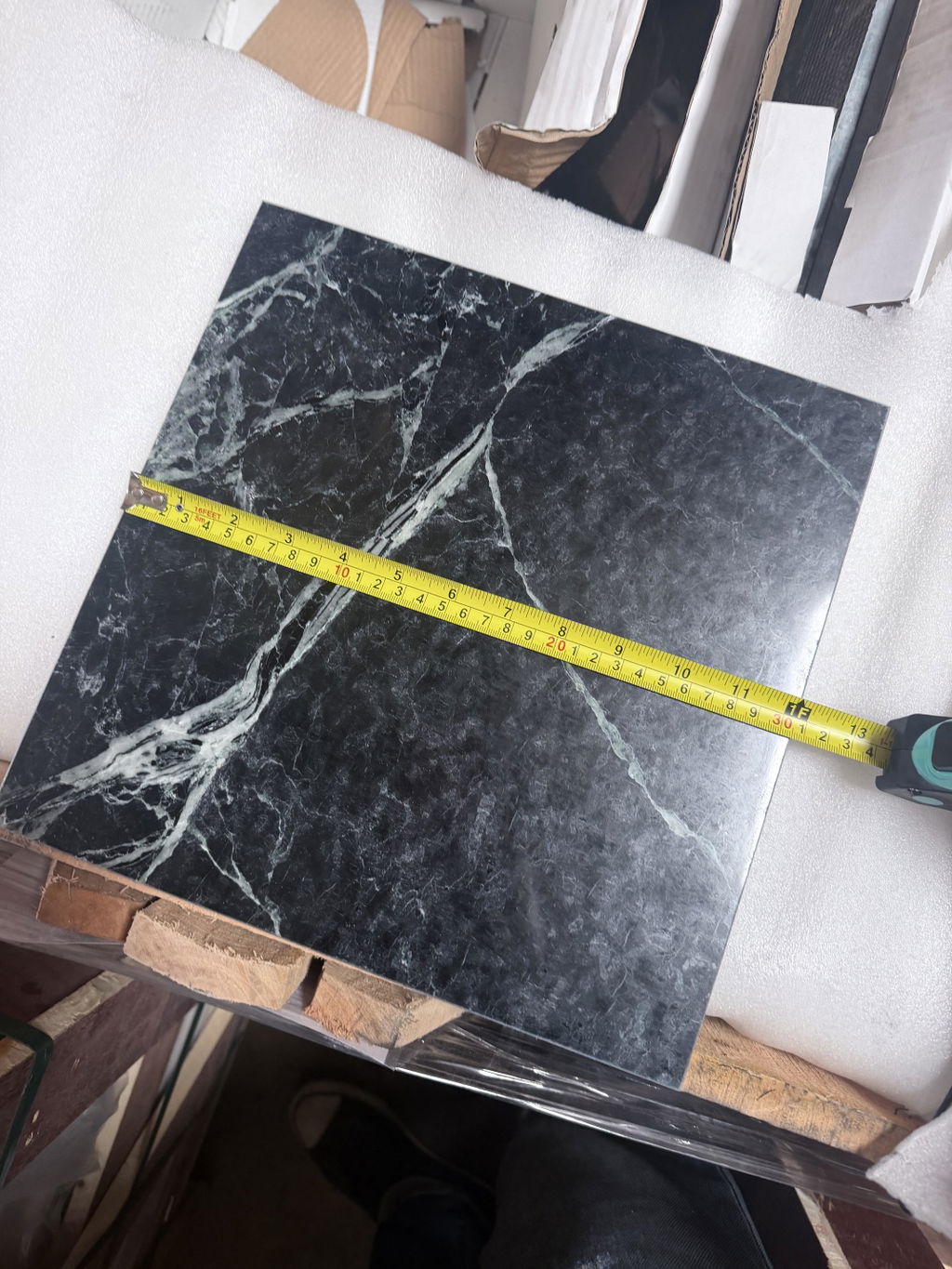

Leave a comment