
How to Match Marble Floor Tile With Wall Tile Like a Designer

Thinking about how to match marble floor tile with wall tile like a designer? It might seem a bit tricky at first, but honestly, it's all about finding that sweet spot between elegance and practicality. You want your space to look cohesive, not like you just threw a bunch of pretty stones together. We're going to break down how to pick the right marble for your floors and walls, making sure everything flows together beautifully. It's not as complicated as it sounds, and by the end, you'll have a much better idea of how to achieve that designer look in your own home. Let's get started on making your rooms look amazing.
Key Takeaways
- When picking marble, check out the different colors and how the veins look. Also, think about whether you want a shiny polished finish or a more subtle honed one. The size and shape of the tiles really matter too for the overall feel.
- To make your floor and wall tiles work together, you can either create a nice contrast with different but complementary marble colors, or go for a unified look with the same marble throughout. If your floor has a busy pattern, keep the walls simpler.
- Don't forget about smaller marble pieces like listellos, borders, and chair rails. These can really define spaces and add a polished touch, making the whole design feel more complete.
- Marble mosaics are super versatile. You can use them for whole walls or floors, or just as a special accent. Just make sure the colors in the mosaic fit well with the main marble you're using.
- Think about where the marble will go. Bathrooms and kitchens need different considerations than living rooms or entryways. Lighting also plays a big role in how marble looks, so pay attention to that when you're choosing.
Understanding Marble Tile Aesthetics
Marble. It’s more than just a stone; it’s a statement. Choosing the right marble tile is the first step to creating a space that feels truly luxurious and uniquely yours. But with so many options, where do you even begin? Let's break down the beauty of marble and how to pick the perfect pieces for your project. You can find a stunning selection when you buy marble tiles online USA.
Exploring Marble Color Palettes and Veining
Marble isn't just white. Think creamy beiges, deep grays, even rich blacks. Each color tells a different story. Crema Marfil offers warmth, while Tundra Gray brings a cool, modern vibe. Then there's the veining – the natural lines that make each tile one-of-a-kind. Some marbles have bold, dramatic streaks, while others feature subtle, delicate wisps. Understanding these variations helps you match the marble's personality to your room's mood.
- Carrara White: Classic, subtle gray veining. Versatile and timeless.
- Calacatta Gold: Bold, dramatic veining with warm, golden undertones.
- Emperador Dark: Deep brown with intricate lighter veins. Adds richness.
- Nero Marquina: Intense black with striking white contrasts. Bold and sophisticated.
- Ming Green: Soft green tones with delicate patterns. Creates a serene feel.
Case Study: A homeowner wanted a spa-like master bathroom. They chose Carrara marble tiles for the floor and shower walls, appreciating its subtle veining and classic white base. The soft gray lines in the marble complemented the brushed nickel fixtures perfectly, creating a serene and cohesive look.
Considering Marble Finishes: Polished vs. Honed
The finish of your marble tile dramatically changes its look and feel. Polished marble has a high-gloss shine, reflecting light and making spaces feel brighter and more expansive. It’s sleek and luxurious. Honed marble, on the other hand, has a smooth, matte finish. It’s less reflective, offering a softer, more understated elegance. Honed finishes can also be more forgiving with everyday wear.
| Finish | Appearance |
|---|---|
| Polished | High-gloss, reflective, luxurious |
| Honed | Matte, smooth, soft, understated |
| Tumbled | Slightly rough, aged, rustic charm |
Case Study: A busy family kitchen needed a durable yet elegant backsplash. They opted for honed Calacatta Gold marble tiles. The matte finish reduced glare from kitchen lights and was less prone to showing water spots or minor smudges compared to a polished finish, while still offering that sought-after marble beauty.
The Role of Marble Size and Shape in Design
Don't forget the impact of size and shape! Large format marble tiles can make a room feel grander and reduce the number of grout lines, creating a more unified look. Smaller tiles, like mosaics, offer intricate patterns and texture. Subway tiles provide a classic, clean line, while unique shapes like hexagons or arabesques add a modern or artistic flair. The right size and shape can completely transform the perception of your space. Consider how marble floor tiles can set the stage for your entire design.
The interplay of color, veining, finish, and form is what gives marble its unique character. Understanding these elements is key to selecting tiles that not only look beautiful but also function perfectly within your home.
Harmonizing Marble Floor and Wall Tiles
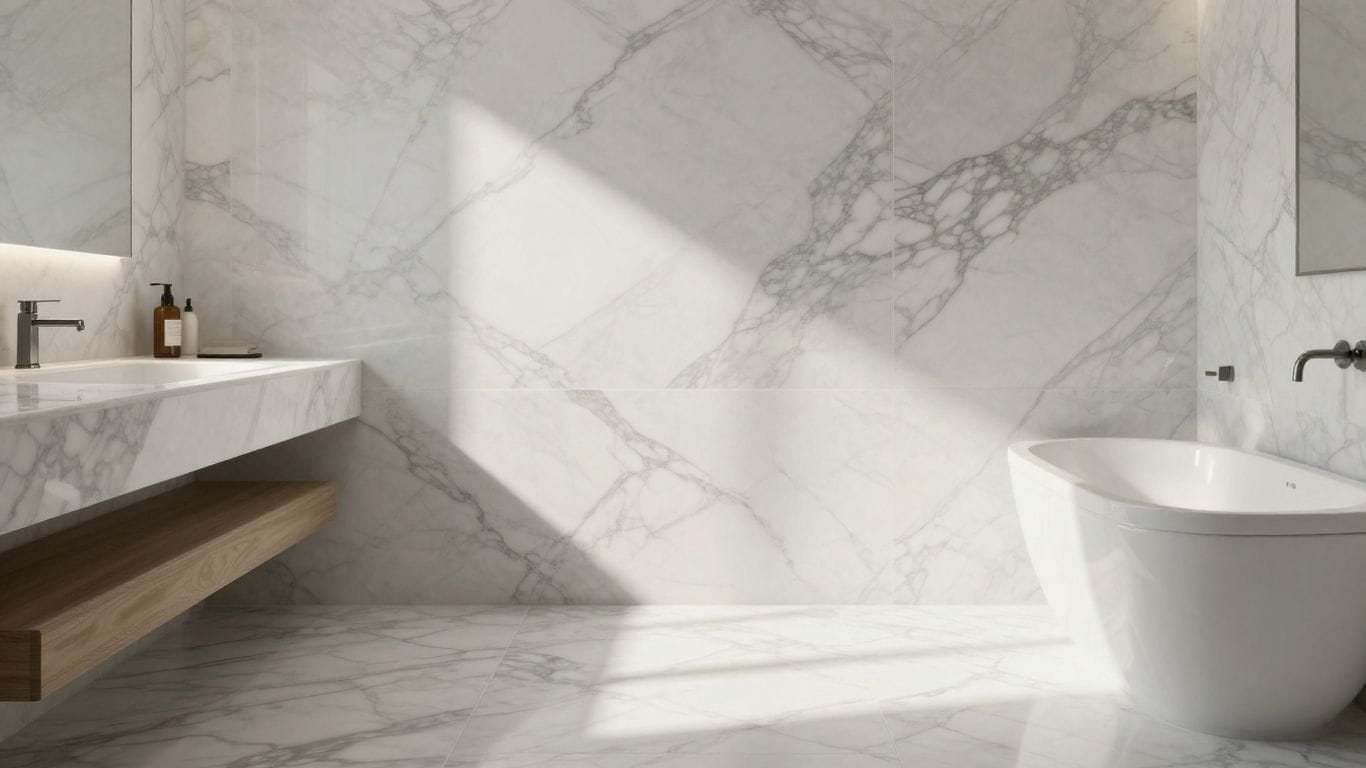
Choosing the right marble for your floors and walls isn't just about picking pretty stones; it's about creating a cohesive story for your space. Think of it like composing a symphony – you need instruments that play well together. We're here to help you conduct a masterpiece.
Creating Contrast with Complementary Marble Tones
Want a look that pops? Contrast is your best friend. Pairing a bolder floor marble with a more subdued wall marble can create a dynamic visual. For instance, imagine a rich, dark Emperador Dark marble floor, its deep browns and subtle veining grounding the space. Then, picture the walls adorned with a lighter, perhaps a soft Crema Marfil or a classic Carrara White marble. This creates a sophisticated interplay, where each element highlights the other.
The key is balance. You don't want one to overpower the other. Consider the veining patterns too. A floor with a strong, linear pattern might pair well with a wall marble that has a more subtle, scattered veining. This prevents the space from feeling too busy.
Case Study: A client wanted a luxurious master bathroom. We suggested a Tundra Gray marble for the flooring, its cool, elegant tones providing a serene base. For the walls, we opted for a subtle white marble with minimal veining. The result was a spa-like retreat, where the floor offered depth and the walls provided a clean, bright backdrop. It’s a look that truly sells itself.
Achieving Unity with Monochromatic Marble Schemes
Sometimes, the most powerful statement is made through subtle harmony. A monochromatic scheme uses variations of the same color family, creating a sense of calm and spaciousness. This is where you can really play with different finishes and subtle pattern variations.
Think about using a polished marble on the floor for a bit of shine and a honed finish on the walls for a softer, matte look. Or, perhaps you choose a white marble for the floor and a slightly warmer, off-white marble for the walls. The goal is a unified, flowing design that feels intentional and serene. This approach is fantastic for smaller spaces, as it can make them feel larger and more open. If you're looking to buy marble tiles online in the USA, exploring collections with subtle shade variations within a single color family is a great starting point.
Balancing Bold Floor Patterns with Subtle Wall Tiles
Bold patterns on the floor can be showstoppers, but they need a supporting cast that doesn't steal the spotlight. If you're drawn to a striking checkerboard marble floor or a complex geometric pattern, keep your wall tiles simple and understated. A plain subway tile in a complementary marble shade, or even a solid color tile that picks up a secondary tone from the floor, works beautifully.
This strategy ensures your floor pattern gets the attention it deserves without overwhelming the room. It’s about creating a focal point and letting it shine. For example, a dramatic black and white marble checkerboard floor paired with simple white marble wall tiles creates a classic, high-impact look. It’s a design choice that speaks volumes about your taste.
Case Study: A client wanted a dramatic entryway. We installed a bold geometric marble mosaic on the floor. To balance this, we used a simple, honed white marble for the lower half of the walls and a coordinating marble tile for the upper half. This created a stunning visual hierarchy, drawing the eye down to the intricate floor pattern while maintaining an elegant feel on the walls. It’s a look that guests always comment on.
Strategic Use of Marble Accents and Borders
Incorporating Marble Listellos for Defined Spaces
Borders and listellos are like the jewelry for your marble tile installation. They add that extra touch of polish and definition. Think of a marble listello as a thin, decorative strip that can break up a larger field of tile or create a sophisticated edge. It’s a simple way to add a designer's touch, especially in bathrooms or kitchens. You can use them to frame a shower niche or create a clean line between different tile types. It’s all about adding that subtle detail that makes a big difference. We have a great selection of marble and travertine borders that can really transform a space.
Utilizing Marble Borders to Frame Features
Want to make your fireplace surround or a special niche really stand out? A marble border is your best friend. It acts like a picture frame, drawing the eye to the feature you want to highlight. Imagine a beautiful mosaic in your shower – framing it with a complementary marble border makes it the undeniable focal point. This technique is perfect for adding a layer of luxury and visual interest without overwhelming the room. It’s a classic design move that always works.
The Impact of Marble Chair Rails and Base Moldings
Don't forget the details that run along the walls! Marble chair rails, traditionally used to protect walls from chair backs, now serve as elegant design elements. They add architectural interest and can visually break up a wall, especially in larger spaces or hallways. Similarly, marble base moldings offer a more substantial and luxurious alternative to standard baseboards. They provide a finished look at the floor-to-ceiling transition, tying the entire room together. These elements are often overlooked but are key to a truly polished marble design. You can even find matching marble and travertine wall plates to complete the look.
Case Study: The Grand Foyer
A client wanted to create a dramatic entrance. We used large format Tundra Gray Marble tiles for the main floor. To define the entryway and add a touch of opulence, we installed a border of Emperador Dark marble listellos around the perimeter, just inside the main flooring. This created a subtle yet impactful frame, guiding guests into the home with a sense of luxury. The contrast between the cool gray and deep brown was striking, and the clean lines of the listellos added architectural definition. It was a simple addition that made the entire foyer feel more intentional and high-end.
Designing with Marble Mosaics
Marble mosaics are like the jewelry of the tile world. They add that special sparkle and intricate detail that can totally transform a space. Forget boring, plain walls and floors – mosaics bring personality and a touch of artistry. Whether you're aiming for a subtle shimmer or a bold statement, marble mosaics offer endless possibilities. They're perfect for adding a unique flair to kitchens, bathrooms, or even as a stunning accent in a living area. Ready to add some serious wow factor? Let's explore how these small pieces create big impact.
Selecting Mosaic Patterns for Walls and Floors
Choosing the right mosaic pattern is key to achieving your desired look. Think about the overall style of your room. Do you want something classic and timeless, or modern and edgy? The options are vast, from intricate geometric designs to more organic, flowing patterns. For a sophisticated feel, consider a basketweave or herringbone pattern. If you're going for a more contemporary vibe, hexagon or penny round mosaics can be fantastic. Don't forget about the scale of your room – a smaller mosaic might get lost in a large space, while a larger pattern could overwhelm a tiny area. It's all about balance.
- Herringbone: Creates a dynamic, classic look, great for backsplashes or shower floors.
- Hexagon: Offers a modern, geometric feel, perfect for contemporary bathrooms.
- Penny Round: Adds a playful, retro touch, ideal for shower floors or accent walls.
- Arabesque: Brings an exotic, flowing elegance, stunning for feature walls.
Integrating Mosaics as Feature Elements
Mosaics aren't just for covering large areas; they excel as focal points. Imagine a stunning marble mosaic backsplash in your kitchen, catching the light and drawing the eye. Or perhaps a dramatic mosaic shower niche that turns a functional space into a work of art. They're also fantastic for creating defined zones within a larger room, like a mosaic accent on a bathroom floor leading to the vanity. You can even use them to highlight architectural features, like a fireplace surround. The key is to let the mosaic shine. Consider using a more subdued marble for the surrounding tiles to really make your mosaic feature pop. If you're looking to buy marble tiles online in the USA, exploring mosaic options is a must for adding that designer touch.
Matching Mosaic Colors to Surrounding Marble
This is where the magic happens. You want your mosaic to complement, not compete with, your main marble tiles. If you have a bold, veined marble floor, a more subtle mosaic on the walls can create a beautiful harmony. Conversely, a striking mosaic can be grounded by simpler, solid marble tiles. Think about the undertones in your marble. If your main tile has warm, beige tones, look for mosaics with similar hues. For cooler gray marbles, opt for mosaics with grays, whites, or even subtle blues. A great example is using a Calacatta Gold marble mosaic as a backsplash against a plain white marble countertop – the gold veining in the mosaic ties in beautifully with the subtle warmth of the Calacatta. It’s about creating a cohesive story with your materials. A well-matched mosaic can truly tie your entire design together, making the space feel intentional and luxurious. For instance, a Spanish Mix Marble Mosaic, with its blend of creamy beige, light brown, and dark brown, can beautifully complement a variety of neutral marble floor tiles, adding depth and visual interest without overwhelming the space. [Case Study: A bathroom renovation featured a Tundra Gray Marble floor with a custom-made mosaic shower niche in complementary gray and white tones. The result was a spa-like retreat that felt both modern and serene.]
Considering Room-Specific Marble Pairings
Choosing the right marble for each room is key to creating a cohesive and stunning home. It's not just about picking a pretty stone; it's about how that stone performs and looks in different environments. Let's break down how to make the best marble choices for your most important spaces.
Marble Combinations for Luxurious Bathrooms
Bathrooms are sanctuaries, and marble tiles can make them feel truly spa-like. Think about the moisture and traffic in a bathroom. Lighter marbles, like Carrara White or Thassos, can make smaller bathrooms feel more open and airy. Marble tile is a versatile choice for bathrooms, and using large format tiles can really amplify that spacious feel. For a touch of warmth, consider pairing a soft beige like Crema Marfil with a complementary wall tile. If you're going for a bolder look, a Tundra Gray Marble floor can be stunning with crisp white vanity tops. The key is balancing durability with a serene aesthetic.
Case Study: The Serene Master Bath
A client wanted a spa-like master bathroom. We opted for large format Statuario marble tiles on the floor, their subtle veining creating a sense of calm. For the shower walls, we used a honed marble subway tile in a similar shade, providing a slightly softer look. The vanity featured a custom marble countertop with a simple, clean edge. The result was a tranquil retreat that felt both luxurious and practical.
Elegant Marble Pairings for Kitchen Backsplashes
Kitchens are high-traffic areas, so durability and ease of cleaning are paramount for backsplashes. Marble mosaics are fantastic here. A classic Carrara marble mosaic in a herringbone pattern can add texture and visual interest without overwhelming the space. If your countertops are a busy pattern, a simple, solid marble tile like Bianco Dolomite for the backsplash offers a clean contrast. For a more dramatic effect, consider a Calacatta Gold marble backsplash – its bold veining makes a statement. Remember, you can always buy marble tiles online in the USA for a wide selection.
- Durability: Choose marbles known for their resilience.
- Maintenance: Consider how easy the finish is to clean.
- Aesthetics: Ensure it complements your countertops and cabinetry.
Creating Grand Entrances with Marble Flooring and Walls
Your entryway sets the tone for your entire home. This is where you can really make a statement. A classic checkerboard pattern using black and white marble, like Nero Marquina and Bianco Carrara, is incredibly impactful. Marble flooring ideas for entryways often lean towards bold patterns or large format tiles that convey luxury. You could also use a striking marble medallion at the center of the floor, surrounded by a complementary marble tile. For walls, consider a subtle marble wainscoting or a feature wall behind the console table to add depth and sophistication. The goal is to create an immediate sense of arrival and elegance.
The Influence of Lighting on Marble Choices
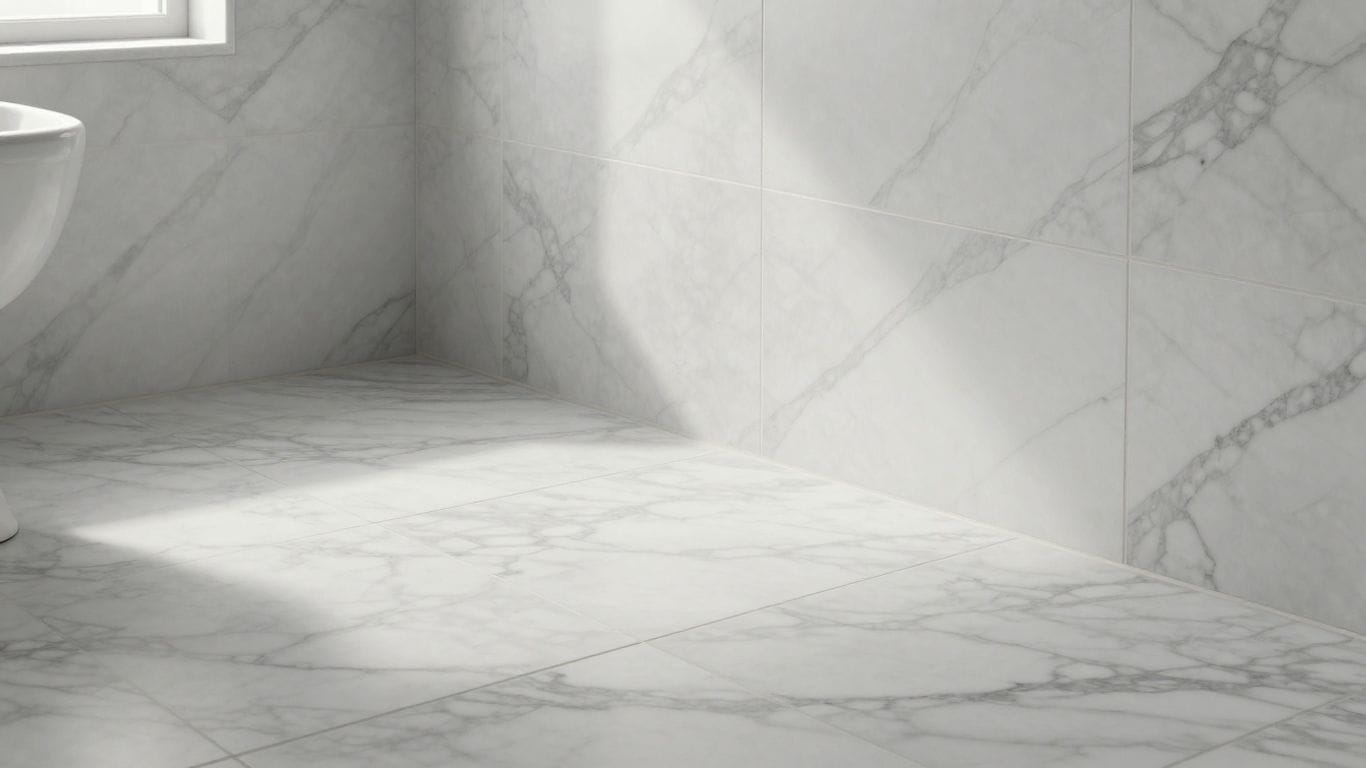
How Natural Light Affects Marble Appearance
Natural light is your marble's best friend, but it can also be a bit of a trickster. Think about how sunlight changes throughout the day. A marble tile that looks creamy and warm in the morning might appear cooler and more gray in the afternoon. This is especially true for marbles with subtle veining or color variations. When you're picking out tiles, try to see them in the kind of light your room gets. If you're shopping online, look for detailed photos and consider ordering samples. Seeing how a Carrara White marble tile looks in your own space, under your room's natural light, is a game-changer. It helps you avoid surprises and ensures the marble you buy online in the USA truly matches your vision.
Enhancing Marble with Artificial Lighting
Artificial lighting is where you really get to play designer. Different bulbs cast different colors. Warm incandescent bulbs can make white marble look cozier and creamier, while cool LED lights can bring out the grays and blues in some stones. If you have a bathroom with limited natural light, you'll need to be smart about your fixtures. A single overhead light might not cut it. Consider adding sconces on either side of a vanity or a well-placed recessed light to eliminate shadows. This is key for making sure the space feels bright and welcoming, not dim and cave-like. Choosing tiles should consider these lighting effects to find a style that matches your preferences.
Selecting Marble to Complement Existing Light Fixtures
Before you even start looking at marble, take a good look at your existing light fixtures. Are they brushed nickel, brass, or black? The metal finish can influence the overall feel of the room and how the marble looks. For instance, warm brass fixtures might pair beautifully with a marble that has golden undertones, like some of the Emperador Light marble options. Cool chrome or nickel fixtures often work well with cooler-toned marbles, such as Tundra Gray. It's about creating a cohesive look where everything works together. Don't forget about the bulbs themselves – the color temperature (warm white, cool white, daylight) makes a big difference. A little planning here goes a long way in making your marble shine.
Case Study: The Dramatic Entryway
A client wanted a grand entryway. They chose a bold, dark marble tile for the floor, like Emperador Dark, but their existing overhead chandelier cast a very warm, almost yellow light. This made the dark marble look muddy instead of rich. We recommended swapping the warm bulbs for cooler, daylight-simulating LEDs. This instantly brightened the space and brought out the subtle lighter veining in the Emperador Dark, transforming the entryway from merely dark to dramatically elegant. It showed us how much lighting can impact the perception of even the most luxurious stone.
Incorporating Other Natural Stone Materials
Pairing Marble with Travertine for Texture
Marble brings a sense of luxury, but pairing it with travertine adds a whole new dimension. Travertine offers a more earthy, textured feel. Think about using travertine for floors and marble for shower walls. This contrast creates visual interest. It’s a way to mix materials without making the space feel chaotic. You can find beautiful travertine tiles online in the USA. This combination works well in bathrooms and kitchens. It gives a sophisticated yet grounded look. Consider the finishes: a polished marble against a honed travertine can be stunning. It’s all about balancing the smooth with the slightly rough. This approach adds depth and character to your design. You get the best of both worlds – the elegance of marble and the natural warmth of travertine. It’s a designer trick that really pays off.
Complementing Marble with Limestone Accents
Limestone is another fantastic natural stone that plays well with marble. Limestone has a softer, more muted appearance compared to marble. It’s perfect for creating subtle accents. Imagine a marble floor with limestone accent tiles in a shower niche or as a border. This adds a touch of understated elegance. Limestone can also be used for wall cladding in areas where you want a more subdued look. It doesn't compete with the marble; it supports it. This creates a layered, sophisticated design. Limestone is also quite durable, making it a practical choice for various applications. When you buy marble tiles online USA, also look for complementary limestone pieces. It’s about creating harmony, not just contrast. Limestone brings a natural, calming vibe that balances marble’s inherent drama. It’s a smart way to add complexity to your design without overwhelming the senses.
Integrating Onyx for Translucent Effects
Now, let's talk about onyx. Onyx is where things get really interesting. It's known for its beautiful translucency. This means light can pass through it. This property makes onyx ideal for feature walls or backsplashes where you can backlight it. Imagine a stunning onyx panel behind your bed or a kitchen backsplash that glows. When paired with marble, onyx adds a touch of exotic luxury. You could have a marble floor and an onyx feature wall. The rich colors and unique veining of onyx, combined with the classic beauty of marble, create a truly show-stopping effect. It’s a bold choice, but the results are spectacular. Onyx is perfect for creating focal points. It adds a layer of depth and intrigue that other stones can’t quite match. It’s a way to make your space feel truly unique and high-end.
Case Study: The Modern Oasis Bathroom
A client wanted a luxurious bathroom that felt like a spa retreat. We used large-format Tundra Gray Marble tiles for the floor, offering a cool, sophisticated base. For the shower walls, we opted for a honed travertine in a complementary beige tone, adding warmth and texture. The real showstopper was a custom onyx vanity top, backlit to create a soft, ethereal glow. This combination of marble, travertine, and onyx created a multi-layered, visually rich, and incredibly serene space. The natural variations in each stone added depth, while the thoughtful pairing of textures and finishes ensured a cohesive and high-end feel. It proved that mixing natural stones isn't just possible; it's a pathway to exceptional design.
Achieving a Cohesive Look with Grout and Sealants
So, you've picked out the perfect marble floor tiles and wall tiles. They look amazing together, right? But hold on, there's one more step that can totally make or break your design: grout and sealants. It might not sound glamorous, but trust me, getting this right is what separates a good tile job from a wow tile job. It's the finishing touch that ties everything together, making your marble shine like it's supposed to.
Choosing Grout Color to Enhance Marble
Think of grout as the frame for your artwork. The wrong frame can distract, but the right one makes the art pop. The same goes for grout. You want it to complement your marble, not compete with it. For a seamless, luxurious feel, especially with lighter marbles like Crema Marfil, a grout color that's close to the tile shade is your best bet. It creates a continuous flow, making the space feel bigger and more unified. This is a great way to achieve that high-end look you see in designer showrooms. If you're aiming for a more dramatic effect, a contrasting grout can define the tile shapes and add a graphic punch. It's all about the vibe you're going for.
- Monochromatic Magic: For a subtle, sophisticated look, choose grout that matches your marble. This works wonders with marbles like Tundra Gray or Atlantic Gray, creating a smooth, uninterrupted surface.
- Contrast is Key: Want to highlight geometric patterns or smaller tiles? A contrasting grout color can make those details stand out. Think dark grout with white marble for a classic, bold statement.
- Neutral Ground: Off-white or light gray grouts are often safe bets, offering a balance that works with most marble tones without being too stark or too blended.
The Importance of Proper Sealing for Longevity
Marble is a natural beauty, but it's also porous. That means it can absorb liquids, leading to stains and dullness if not protected. This is where sealing comes in. A good quality stone sealer acts like a shield, protecting your gorgeous marble from spills, dirt, and everyday wear and tear. It's not just about keeping it clean; it's about preserving that fresh-from-the-showroom look for years to come. Skipping this step is like buying a beautiful car and never changing the oil – you're just asking for trouble down the line. When you buy marble tiles online in the USA, make sure you're also getting the right sealant. It’s an investment in the longevity of your beautiful floors and walls.
Maintaining the Natural Beauty of Your Marble
Once your tiles are installed and sealed, the job isn't quite done. Regular maintenance is key to keeping that marble looking its absolute best. It's simpler than you might think! Regular sweeping or vacuuming (with a soft brush attachment, of course) will pick up grit that could scratch the surface. For cleaning, stick to pH-neutral cleaners specifically designed for natural stone. Avoid harsh chemicals, acidic cleaners (like vinegar or lemon juice), or abrasive pads, as these can etch or dull the marble's finish. Think of it as a gentle spa treatment for your stone. A little consistent care goes a long way in maintaining the natural elegance of your marble.
Case Study: The Miller Residence Bathroom
When the Millers decided to renovate their master bathroom, they chose a stunning Carrara marble floor tile and a complementary white subway tile for the shower walls. Initially, they were unsure about the grout color. They considered a dark grout for contrast but ultimately opted for a light gray grout that closely matched the veining in the Carrara. The result? A cohesive, spa-like atmosphere that made the bathroom feel larger and more luxurious. They also diligently sealed the marble and followed a strict cleaning routine using only stone-safe products. Two years later, the bathroom still looks brand new, with no signs of staining or etching, proving that the right grout choice and proper sealing make all the difference.
The right grout and sealant aren't just functional necessities; they are design elements that significantly impact the final look and durability of your marble installation. Choosing wisely and maintaining properly ensures your investment remains beautiful for decades.
Ready to find the perfect marble tiles to complete your project? Explore our collection and discover the quality and beauty that will transform your space. Buy marble tiles online USA and get ready to create a look that truly shines.
Leveraging Designer Techniques for Marble Matching
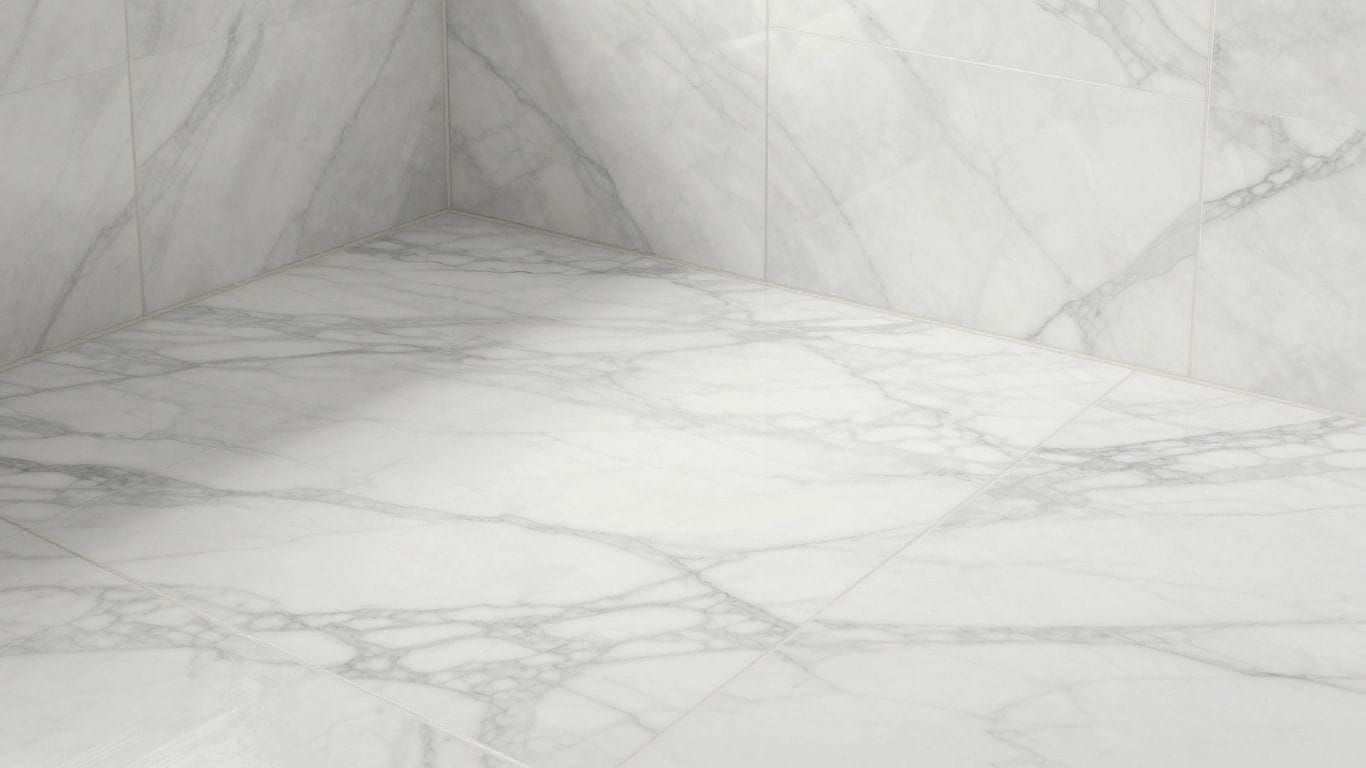
Want to get that designer look with your marble tiles? It’s all about smart planning and a few pro tricks. We’re talking about making sure your floor and wall tiles don’t just sit next to each other, but actually work together. It’s not magic, it’s just knowing a few key steps. Ready to make your space look like it came straight out of a magazine? Let’s get into it.
The Power of a Dry-Lay for Visualizing Combinations
Before you even think about grout or adhesive, you need to see how your chosen marble tiles look together. This is where the "dry-lay" comes in. It’s simple: lay your tiles out on the floor or wall without any glue. This lets you really see the veining, the color variations, and how different pieces play off each other. You can move them around, swap them out, and get a feel for the overall pattern. It’s the best way to catch any potential issues, like clumping of dark veining or awkward color shifts, before they become permanent. This step is super important, especially when you buy marble tiles online USA, as you can’t always judge the exact look from a picture.
- Inspect each tile carefully before laying. Natural stone has variations, and you want the best ones showing.
- Mix tiles from different boxes. This helps blend the natural color differences for a more uniform look.
- Experiment with layouts. See how different patterns or orientations affect the final appearance.
A dry-lay is your chance to be the designer. Don't skip it if you want a truly polished result.
Understanding Material Compatibility for Installation
This is where things get technical, but it’s vital for a long-lasting, beautiful installation. Not all adhesives and grouts are created equal, especially when it comes to natural stone like marble. You need to make sure the materials you use are compatible with your specific marble tiles. Using the wrong type of mortar, for instance, can lead to discoloration or even damage to the stone. For light-colored marbles, always opt for a white thin-set mortar to prevent any gray undertones from showing through. Always check the manufacturer’s recommendations for your chosen tiles and setting materials. If you're looking for premium marble tile options, make sure the supplier also provides compatible installation products.
| Material Type | Recommended Use |
|---|---|
| Thin-set Mortar | High-quality, specifically rated for natural stone. White for light marbles. |
| Grout | Choose a color that complements your marble; consider epoxy for stain resistance. |
| Sealer | Penetrating sealer for marble to protect against stains and moisture. |
| Backer Board | Cement board or uncoupling membrane for a stable, moisture-resistant base. |
Creating Focal Points with Contrasting Marble
Sometimes, the best way to make a statement is by using contrasting marble. Think about a dramatic dark marble floor paired with lighter, more subtle marble walls, or vice versa. This creates visual interest and defines different zones within a space. For example, a bold checkerboard marble floor in an entryway can lead the eye towards a more understated marble wall in the living area. This technique requires careful consideration of the veining and color families to ensure the contrast feels intentional and sophisticated, not chaotic. It’s a way to add personality and depth, turning a simple room into a design showcase. You can find stunning examples of marble wall tile applications that use contrast effectively.
The key is balance: let one element be the star, while the other supports it.
Case Study 1: The Grand Foyer
A client wanted a dramatic entrance. We opted for a black and white checkerboard marble floor using Nero Marquina and Bianco Carrara. For the walls, we used a simple, large-format Bianco Carrara marble tile with a honed finish. The contrast between the floor and walls was striking, creating a luxurious and timeless feel without overwhelming the space. The dry-lay was crucial here to ensure the checkerboard pattern was perfectly centered and the veining on the wall tiles flowed nicely.
Case Study 2: The Modern Bathroom Retreat
In a master bathroom, the goal was a serene, spa-like atmosphere. We chose a soft, gray Tundra Gray marble for the floor and extended it up one accent wall. The other walls featured a clean, white marble subway tile. This created a subtle contrast that added depth and interest. Using a white grout for both applications helped tie the look together, making the space feel cohesive and airy. The material compatibility check was vital here, ensuring the correct sealant was used for the shower area.
Exploring Patterned Marble Tile Designs
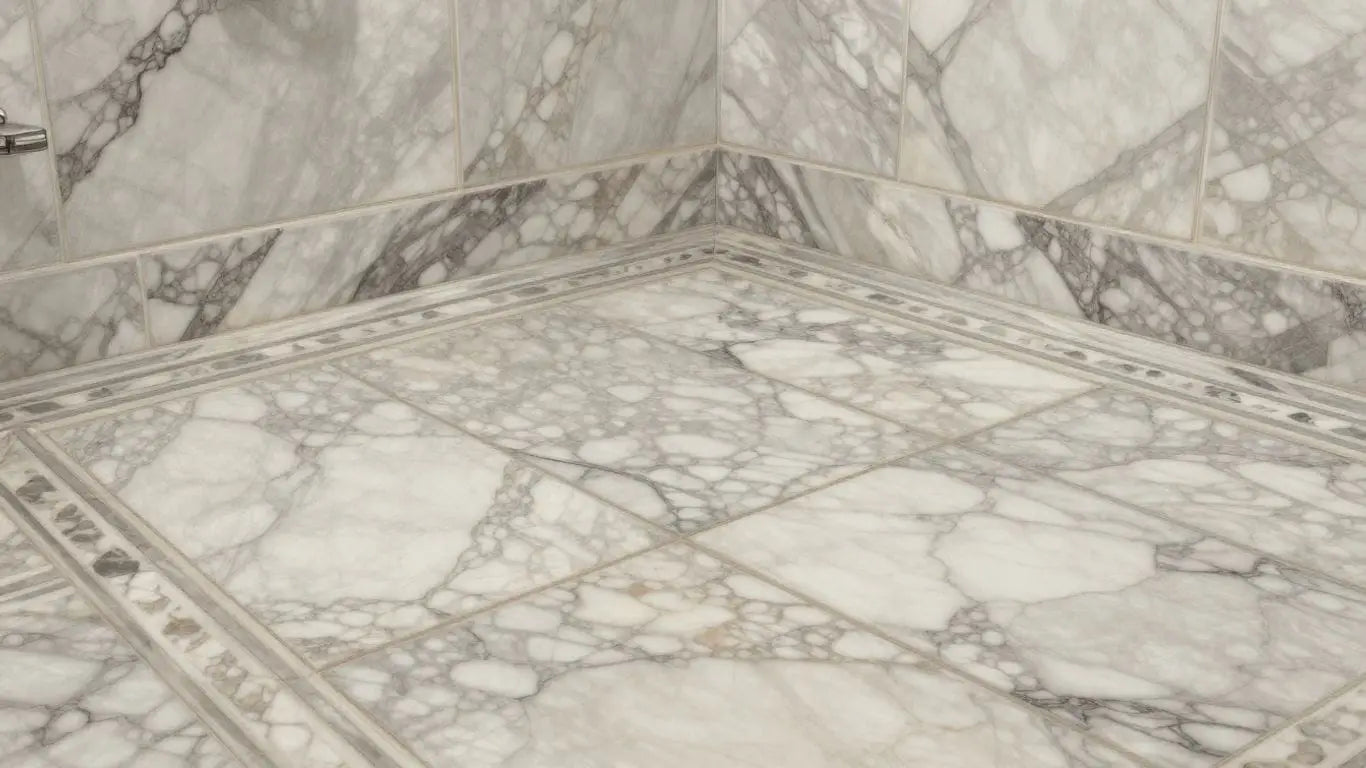
Ready to make a statement? Patterned marble tiles are your ticket to a truly unique and sophisticated space. Forget boring, uniform surfaces; patterned designs inject personality and artistry into your floors and walls. They’re a fantastic way to add depth, visual interest, and a touch of old-world charm or modern flair, depending on the pattern you choose. When you want your space to truly stand out, patterned marble is the way to go. You can find some amazing options if you want to buy marble tiles online USA.
The Classic Appeal of Checkerboard Marble
The checkerboard pattern is a timeless classic for a reason. It’s bold, it’s elegant, and it instantly adds a sense of drama and sophistication. Think of grand entryways, luxurious bathrooms, or even a chic kitchen backsplash. This pattern works by alternating two contrasting marble colors, creating a striking visual rhythm. It’s a design that has graced palaces and high-end homes for centuries, and it continues to be a popular choice for those who appreciate enduring style.
- Perfect for: Entryways, bathrooms, kitchens, dining rooms.
- Key Combinations: Black and white marble (like Nero Marquina and Carrara White), or contrasting earthy tones.
- Impact: Creates a strong focal point and adds a sense of grandeur.
Case Study: A client wanted to update their historic home's foyer. We opted for a classic black and white marble checkerboard floor. The result was stunning – it immediately elevated the space, making it feel both grand and welcoming, perfectly complementing the home's original architecture.
Incorporating Geometric and Custom Marble Patterns
Beyond the checkerboard, the world of patterned marble opens up to intricate geometric designs and custom layouts. Think hexagons, chevrons, herringbone, or even bespoke waterjet patterns. These designs can add a modern edge or a complex, artistic feel to your space. Geometric patterns can guide the eye, creating a sense of movement and flow. Custom patterns allow for ultimate personalization, turning your floor or wall into a unique work of art.
- Geometric Options: Hexagons, chevrons, herringbone, basketweave, arabesque.
- Customization: Waterjet mosaics allow for intricate, personalized designs.
- Application: Excellent for feature walls, shower floors, or as a statement flooring element.
When selecting a complex pattern, consider the scale of your room. A busy pattern in a small space can feel overwhelming, while a simpler pattern might get lost in a vast area. Balance is key.
Balancing Bold Floor Patterns with Subtle Wall Tiles
When you choose a dramatic patterned marble for your floor, it’s often best to let it be the star. This means pairing it with more subtle, solid-colored marble or complementary tile on the walls. This approach prevents the space from becoming too visually busy and allows the floor pattern to shine. For instance, a striking checkerboard marble floor would look fantastic with a simple, honed Carrara marble on the shower walls or a clean, white subway tile backsplash.
- Floor Focus: Use bold patterns on floors to create a strong design statement.
- Wall Complement: Opt for solid colors, subtle veining, or complementary textures on walls.
- Goal: Achieve a harmonious balance where each element supports the other without competing.
Case Study: In a modern master bathroom, we installed a dramatic geometric marble mosaic on the floor. To keep the space feeling serene and luxurious, we used large-format, honed Tundra Gray marble tiles on the walls and as the shower surround. The contrast worked beautifully, highlighting the intricate floor pattern while maintaining a spa-like atmosphere.
Looking for unique ways to style your space? Patterned marble tile designs offer a fresh and exciting approach to home decor. These beautiful tiles can add a touch of elegance and personality to any room, from kitchens to bathrooms. Ready to see how these stunning patterns can transform your home? Visit our website today to explore a wide selection of patterned marble tiles and find the perfect design for you!
Bringing It All Together
So, matching your marble floor tile with your wall tile doesn't have to be some big mystery. It's really about looking at the whole picture, the colors, the patterns, and what kind of vibe you're going for. Think about how the light hits the room and what materials will stand up to daily life. When you get it right, it just makes the whole space feel more put-together and, well, nicer. Don't be afraid to play around with samples or even get a second opinion. After all, a well-matched tile job is a beautiful thing, and it's totally achievable with a little thought and the right materials from places like Surfaces Galore.
Frequently Asked Questions
What is marble, and why is it a good choice for floors and walls?
Marble is a beautiful natural stone that comes from deep within the earth. It's known for its unique patterns and colors, making every piece special. Using marble for your floors and walls can make your home look really fancy and expensive. It's also pretty strong, so it can last a long time if you take care of it.
How do I pick the right marble colors for my floor and walls?
Think about the mood you want for your room. Lighter marbles like Carrara can make a space feel bigger and brighter. Darker marbles, like Emperador Dark, can add a cozy and rich feel. You can also choose marbles with different veining patterns – some have bold lines, while others have softer, more subtle ones. It's all about what looks good to you and matches your style.
Should my floor marble and wall marble match exactly?
Not necessarily! You can create a really cool look by using marbles that are similar but not identical. For example, you could use a marble with a light background on the floor and a slightly darker or more heavily veined marble on the walls. Or, you could use the same marble but with different finishes, like a polished floor and a honed wall. It’s about creating a nice balance.
What's the difference between polished and honed marble?
Polished marble has a shiny, glassy surface that reflects light and looks very luxurious. Honed marble has a smoother, matte finish that's less reflective and gives a more natural, understated look. Polished marble can show scratches more easily, while honed marble is a bit more forgiving for everyday wear and tear.
Can I use marble mosaics with larger marble tiles?
Absolutely! Marble mosaics are fantastic for adding detail and interest. You can use them as a decorative border around larger tiles, create a stunning backsplash in the kitchen or bathroom, or even use them as a feature on a wall. They add a special touch that plain tiles can't quite match.
How does lighting affect how marble looks?
Light really changes how marble appears. Bright, natural light can make lighter marbles look even more radiant and show off their veining. In rooms with less light, you might want to choose marbles that are lighter or have a polished finish to help bounce light around. Artificial lighting, like spotlights, can also highlight the unique beauty of your marble.
What is a 'dry-lay' and why is it important?
A 'dry-lay' means laying out your marble tiles on the floor or wall *without* any glue or grout first. It's super important because it lets you see exactly how the colors and patterns will look together. You can move tiles around to get the best arrangement and make sure you don't have any awkward cuts in obvious places. It’s like a practice run before the real thing.
How do I keep my marble looking good after it's installed?
Marble is a natural stone, so it needs a little extra care. It's important to seal it properly after installation to protect it from stains and moisture. Clean up spills quickly, and avoid using harsh cleaning chemicals. Using a pH-neutral cleaner designed for natural stone is best. Regular sealing and gentle cleaning will keep your marble beautiful for years.

Leave a comment