
Is Travertine Backsplash Outdated? A 2026 Look at This Classic Kitchen Trend

Thinking about a travertine backsplash for your kitchen? You might be wondering if this classic choice is still in style for 2026. Travertine has been around for ages, bringing a natural, earthy feel to homes. But with kitchen trends changing so fast, it's natural to ask: is travertine backsplash outdated? Let's take a look at what makes travertine special and how it fits into today's kitchens.
Key Takeaways
- Travertine backsplashes offer a timeless natural stone appeal, characterized by earthy tones and unique textures, making them a lasting design choice.
- While considered classic, travertine's perception can shift; understanding its unique characteristics like natural pitting and color variation is key to its modern application.
- Modern interpretations, including honed finishes and intricate mosaic patterns, allow travertine backsplashes to align with contemporary kitchen aesthetics.
- Compared to other materials like marble or quartz, travertine provides a distinct balance of natural beauty, durability, and cost-effectiveness.
- The choice of finish (honed, tumbled) and color (ivory, noce, silver) significantly impacts a travertine backsplash's modern feel.
- Proper sealing and maintenance are crucial for travertine's longevity and practicality, addressing concerns about its natural porosity.
- Travertine backsplashes can add significant investment value to a home due to their natural material appeal and enduring style.
- When sourced from reputable suppliers like Surfaces Galore, high-quality travertine ensures durability, authenticity, and a beautiful backsplash that remains relevant for years to come.
Is travertine backsplash outdated in 2026?
The Enduring Appeal of Natural Stone Backsplashes
Let's talk about kitchen backsplashes. For years, natural stone has been a go-to. Think about it – that unique texture, the way light plays off the surface. It just feels… real. And that's something people still want. Natural stone backsplashes offer a timeless beauty that manufactured materials often struggle to replicate. They bring a piece of the earth right into your home, adding character that evolves with your kitchen.
Understanding Travertine's Place in Kitchen Design
Travertine, specifically, has a long history in design. It’s known for its earthy tones and distinctive look. It’s not as flashy as some marbles, but it has a quiet confidence. It fits into many styles, from rustic farmhouses to more modern spaces. It’s a material that has proven its worth over time. It’s a classic, not a fleeting trend.
Assessing Current Kitchen Design Trends
So, what's hot right now? Minimalism is still strong, but there's also a growing appreciation for texture and natural materials. People are moving away from overly sleek, sterile looks. They want kitchens that feel warm, inviting, and personal. This shift plays right into travertine's strengths. It offers that sought-after natural feel without being overly complicated. Think about the popularity of buying marble tiles online USA – it shows a clear demand for authentic materials.
The Role of Backsplashes in Overall Kitchen Aesthetics
Your backsplash is more than just a protective layer. It's a design statement. It can tie your cabinets, countertops, and flooring together. A travertine backsplash can add a layer of sophistication or a touch of rustic charm, depending on the finish and installation. It’s a key element that influences the entire feel of the room. It’s where practicality meets personality.
Considering the Longevity of Classic Materials
When you're renovating, you want materials that will last, both in terms of durability and style. Travertine has been around for ages, and for good reason. It holds up well, and its aesthetic doesn't really go out of fashion. Unlike some trendy materials that might look dated in a few years, travertine has a staying power. It’s an investment in your home’s future appeal.
Why is Travertine Backsplash Outdated a Common Question?
This question pops up because trends do change. Sometimes, a material gets overused in a specific way, and it starts to feel… everywhere. Maybe there was a period where only a certain type of tumbled travertine was popular, and now people associate it with that specific look. But the truth is, travertine is incredibly versatile. It’s about how you use it. The question itself often comes from a place of wanting to stay current, but it overlooks the material's inherent timelessness.
Exploring the Timelessness of Travertine
Travertine’s appeal lies in its natural origin. Each piece is unique, with subtle variations in color and pattern. This natural variation is what makes it timeless. It doesn't try to be something it's not. It's honest, beautiful, and enduring. Whether you choose a honed finish for a modern look or a tumbled finish for a rustic vibe, travertine brings a sense of grounded elegance. It’s a material that has graced buildings for centuries, and its place in beautiful kitchens is far from over. For instance, collections like Antico Onyx Travertine offer a sophisticated, natural aesthetic that remains highly desirable.
Case Study: The Modern Farmhouse Kitchen
A recent renovation in Austin, Texas, featured a kitchen with white shaker cabinets and a dark wood island. The homeowners opted for a honed and filled travertine backsplash in a classic ivory hue, laid in a simple subway pattern. This choice provided a subtle texture and warmth that perfectly complemented the rustic elements of the farmhouse style without feeling dated. The honed finish kept it clean and modern, proving that travertine can absolutely be current.
Case Study: The Sleek Urban Kitchen
In a downtown loft, a designer used vein-cut silver travertine for the backsplash. The linear patterns of the silver travertine created a sophisticated, almost graphic effect against dark, flat-panel cabinetry. This application demonstrated how travertine, with the right finish and color, can lend itself beautifully to contemporary and even minimalist designs, challenging the notion that it's only for traditional spaces.
The perception of a material being 'outdated' often stems from its application rather than the material itself. Travertine's natural beauty and adaptability mean it can be styled to fit virtually any aesthetic, from classic to cutting-edge.
The unique characteristics of travertine
Exploring the natural beauty and earthy tones
Travertine isn't just a building material; it's a piece of the earth brought into your home. Its natural beauty lies in its subtle variations and warm, earthy tones. Think soft ivories, rich noce browns, golden hues, and even sophisticated silvers. These colors create a welcoming and grounded atmosphere, making any space feel more inviting. It’s this connection to nature that gives travertine its enduring appeal, offering a visual warmth that manufactured materials often struggle to replicate. When you choose travertine, you're choosing a palette inspired by the natural world, bringing a sense of calm and authenticity to your kitchen.
Understanding travertine's texture and finishes
What really sets travertine apart is its unique texture. It’s a natural stone, and that comes with character. You'll often find a slightly pitted surface, a signature of its formation. But don't let that fool you into thinking it's rough or unrefined. This texture can be embraced for a rustic feel, or it can be smoothed out. Finishes like honed and filled create a sleek, modern surface, while tumbled finishes give it an aged, antique look. This adaptability means travertine can fit into almost any design vision, from a cozy farmhouse kitchen to a chic, contemporary space. It’s all about how you choose to finish it.
The durability and longevity of travertine
When we talk about kitchen backsplashes, durability is key. You want something that can stand up to splatters, heat, and daily life. Travertine delivers. It’s a natural stone that has been used in construction for centuries – think of the Colosseum in Rome! That kind of history speaks volumes about its resilience. While it’s a natural stone and requires some care, its inherent strength means a well-maintained travertine backsplash can last for decades, if not a lifetime. It’s an investment in a material that truly stands the test of time, resisting wear and tear better than many alternatives.
Versatility in design applications
Travertine isn't limited to just one look or one room. Its versatility is one of its strongest selling points. While we're focusing on backsplashes here, the same stone can be used for flooring, wall cladding, and even countertops. This allows for a cohesive design throughout your home. Imagine a seamless flow from your kitchen floor to your backsplash, all in the beautiful, natural tones of travertine. It adapts beautifully to different styles, too. Whether you’re going for a rustic, traditional, or even a modern minimalist look, travertine can be styled to fit. It’s a chameleon in the world of natural stone.
Warmth and character it brings to a space
Beyond its physical properties, travertine brings an undeniable warmth and character to a kitchen. It’s a material that feels alive, with its subtle color variations and natural patterns. Unlike sterile, uniform materials, travertine tells a story. It adds depth and a sense of history to your space, making it feel more personal and lived-in. This natural character is what makes a kitchen feel like a home, not just a room. It’s this unique charm that draws people to natural stone, and travertine offers it in spades.
Its natural pitted surface and how it's addressed
Let's talk about that characteristic pitted surface. It’s a natural feature of travertine, a result of gas bubbles trapped during its formation. Some people love this texture for its authentic, rustic feel. Others prefer a smoother finish. The good news is, you have options! Through a process called "filling," these small holes can be smoothed over, creating a more uniform surface. Honed finishes further refine this, resulting in a sleek, matte appearance. So, whether you want to embrace the natural texture or opt for a polished look, travertine can be customized to meet your aesthetic preferences. It’s about finding the right finish for your style.
The appeal of its unique color variations
One of the most captivating aspects of travertine is its unique color variations. No two pieces are exactly alike. You might find tiles with creamy ivory bases, others with rich, dark noce tones, or even blends of gold and yellow. These subtle differences in hue and veining create a dynamic and visually interesting surface. This natural variation means your backsplash will be one-of-a-kind, a true work of art from nature. It adds depth and personality to your kitchen, preventing the monotony that can sometimes occur with mass-produced materials. It’s this individuality that makes travertine so special.
Travertine backsplash: A historical perspective
Travertine's long history in construction
Travertine isn't some fleeting trend; it's a material with a past as rich and textured as its surface. For centuries, builders have recognized its unique qualities. Think ancient structures that still stand today – that's the testament to travertine's enduring strength. It's a stone that has literally weathered the ages, proving its worth time and time again. When you choose travertine, you're not just picking a material; you're selecting a piece of history for your home.
Its use in ancient and modern architecture
From the Colosseum in Rome to modern-day luxury hotels, travertine has been a go-to for architects and builders. Its natural beauty and structural integrity made it a prime choice for grand constructions. Imagine the Pantheon, a marvel of engineering, or the stunning Getty Center in Los Angeles – both showcase travertine's versatility. This stone bridges millennia, connecting the architectural achievements of the past with the design visions of today. It’s a material that speaks of permanence and classic style.
The evolution of travertine in interior design
Initially, travertine was all about raw, rustic appeal. Its natural, pitted surface was celebrated for its earthy character. Over time, design sensibilities evolved. We learned to hone and fill its surface, creating a smoother, more refined look. This evolution allowed travertine to move from country kitchens to sleek, modern spaces. It adapted, showing its flexibility. Today, you can find travertine in finishes that suit almost any aesthetic, from tumbled for a farmhouse vibe to polished for a sophisticated finish.
How travertine became a popular kitchen choice
Travertine's journey into the kitchen wasn't accidental. Its natural warmth and earthy tones offered a welcome contrast to colder, more sterile materials. Homeowners started appreciating its unique texture and the way it could make a kitchen feel more inviting. Plus, its durability meant it could handle the demands of a busy cooking space. As design trends shifted towards more natural and organic elements, travertine naturally found its place as a favored backsplash material, offering both beauty and practicality.
Past trends and their influence on current perceptions
Remember when everything had to be super rustic? Travertine was a star then, often seen in tumbled finishes with a very pronounced, aged look. That strong association can sometimes make people wonder if it's still current. However, design is cyclical. What was once considered purely rustic can now be reinterpreted with modern finishes and installation techniques. The past trends inform our understanding, but they don't limit travertine's potential for contemporary applications. We've learned from those earlier styles to create something new.
The journey from rustic charm to sophisticated appeal
Travertine's story is one of transformation. It started as a material celebrated for its rugged, natural beauty – think of those tumbled tiles with their characteristic holes and uneven edges. This gave kitchens a cozy, country feel. But as design evolved, so did the way we work with travertine. By honing its surface to a smooth finish and filling the pores, we unlocked a more sophisticated, elegant side. This allowed travertine to transition into more contemporary and minimalist designs, proving it's not just a one-trick pony. It can be both charmingly rustic and sleekly modern.
Lessons learned from historical design choices
Looking back at how travertine was used historically offers valuable insights. We see its incredible longevity and adaptability. Ancient builders relied on its strength, and interior designers have learned to harness its aesthetic range. The key lesson is that classic materials, when understood and applied thoughtfully, transcend fleeting trends. Travertine's enduring presence in architecture and design teaches us the importance of quality, natural beauty, and the ability of a material to evolve with changing tastes. It’s a reminder that true style has staying power.
Modern interpretations of travertine backsplashes
Contemporary finishes and installation styles
Travertine isn't just for old-world charm anymore. Today's design world is embracing travertine with fresh eyes, focusing on modern finishes and innovative installation techniques. Think sleek, honed surfaces that offer a smooth, sophisticated feel, a far cry from the heavily tumbled looks of the past. These contemporary finishes, like honed and filled, provide a clean canvas that works beautifully in kitchens aiming for a minimalist or modern aesthetic. Installation styles are also evolving. While traditional subway patterns remain popular, designers are experimenting with larger format tiles for a more streamlined look, or intricate mosaics that add a custom, artistic touch. This adaptability is key to travertine's resurgence.
Travertine mosaics for intricate designs
When you think of modern travertine, don't overlook the power of mosaics. These small, versatile pieces allow for incredible design flexibility. You can create stunning geometric patterns, intricate borders, or even full-blown artistic statements on your backsplash. Mosaics are perfect for adding a unique personality to your kitchen, turning a functional area into a visual focal point. Whether it's a classic herringbone pattern or a more contemporary hexagon design, travertine mosaics offer a way to incorporate natural stone's beauty in a dynamic and detailed manner. They are a fantastic way to add texture and depth, making your kitchen truly one-of-a-kind.
Vein-cut travertine for linear patterns
For a look that's both sophisticated and strikingly modern, consider vein-cut travertine. Unlike the more common cross-cut travertine, vein-cut showcases dramatic, linear patterns that run parallel to the stone's natural veining. This creates a sense of movement and depth, offering a sleek, architectural feel. A vein-cut travertine backsplash can provide a subtle yet impactful design element, especially in kitchens with clean lines and contemporary cabinetry. It’s a way to appreciate the natural beauty of travertine in a refined, linear fashion that complements modern design sensibilities.
Mixing travertine tones for vibrant aesthetics
Who says travertine has to be one color? Modern design embraces the unexpected, and mixing travertine tones is a fantastic way to achieve a vibrant and dynamic aesthetic. Imagine a backsplash that artfully blends ivory, noce, and gold travertine pieces. This approach allows for a richer, more complex visual texture, adding warmth and character that a single-tone backsplash might not achieve. It’s a bold choice that can make a significant statement, creating a truly unique and personalized kitchen space. This technique is particularly effective when aiming for a look that is both natural and artistically curated.
The impact of honed and filled finishes
The finish of your travertine plays a huge role in its modern appeal. Honed and filled finishes are particularly popular for contemporary kitchens. A honed finish offers a smooth, matte surface that is less reflective than polished stone, giving it a more understated elegance. The 'filled' aspect means the natural pores and pits of the travertine are filled, creating a smoother, more uniform surface that is easier to clean and maintain. This combination provides the natural beauty of travertine without the rustic, porous look, making it a practical and stylish choice for busy kitchens.
Customization options for unique kitchens
In today's design landscape, personalization is key. Travertine offers a remarkable degree of customization, allowing you to create a backsplash that is truly unique to your kitchen. From selecting specific color blends and finishes to custom-cutting tiles or creating bespoke mosaic patterns, the possibilities are vast. This level of customization ensures that your travertine backsplash won't just be a material choice, but a reflection of your personal style and a perfect fit for your specific kitchen layout and aesthetic. It’s about creating a space that feels entirely your own.
How modern techniques enhance travertine's appeal
Modern processing and installation techniques are breathing new life into travertine. Advanced sealing methods make the stone more resistant to stains and etching, addressing common concerns about maintenance. Precision cutting allows for tighter grout lines, creating a more seamless and contemporary look. Furthermore, the development of specialized adhesives and grouts ensures a durable and long-lasting installation. These innovations mean that travertine can now be used in ways and settings that were previously considered impractical, broadening its appeal to a wider range of homeowners and designers. It’s about making a classic material work even better for modern living.
Case Study: The Urban Loft Kitchen
A young couple renovating their city loft wanted a kitchen that felt both modern and warm. They opted for a vein-cut travertine backsplash in a honed and filled finish, installed in a stacked pattern. The linear veining of the travertine provided a sophisticated, architectural element that complemented their minimalist cabinetry and stainless steel appliances. The honed finish kept the look sleek and contemporary, while the natural tones of the travertine added a much-needed layer of warmth to the industrial space. The result was a stunning, highly functional kitchen that perfectly balanced modern design with natural elegance. This project demonstrated how travertine, when interpreted with modern finishes and installation styles, can be a powerful element in contemporary design. You can find similar vein-cut travertine options at Surfaces Galore, perfect for achieving this sophisticated look.
Comparing travertine to other backsplash materials
When you're picking out a backsplash, it's easy to get overwhelmed. There are so many options out there! Let's break down how travertine stacks up against some of the other popular choices. We want you to feel confident in your decision, knowing you're getting a material that's both beautiful and practical for your kitchen.
Travertine Versus Marble in Kitchen Design
Marble has that classic, luxurious feel. Think of old-world elegance and high-end homes. It's beautiful, no doubt, with its swirling veins and cool tones. However, marble can be a bit high-maintenance. It's softer than travertine and more prone to etching from acids (like lemon juice or vinegar) and staining. If you're a busy cook who loves to experiment, you might find yourself constantly worrying about spills and marks. Travertine, on the other hand, offers a similar natural stone look but with a bit more resilience for everyday kitchen life. It has a warmer feel and can handle a bit more wear and tear, especially with modern sealants.
The Durability of Travertine Compared to Quartz
Quartz is a manufactured material, and its biggest selling point is its incredible durability and low maintenance. It's non-porous, meaning it won't stain, and it's very resistant to scratches and heat. This makes it a very practical choice for a busy kitchen. Travertine is a natural stone, so it's not quite as 'bulletproof' as quartz. It is porous and will need sealing to prevent stains and etching. However, travertine offers a unique, natural beauty that engineered quartz simply can't replicate. The subtle variations in color and texture give it a warmth and character that many people crave. Plus, if it does get scratched or etched, it can often be repaired or refinished, something you can't do with quartz.
Natural Stone Versus Manufactured Alternatives
This is really about authenticity versus engineered perfection. Natural stones like travertine, marble, and granite bring a piece of the earth into your home. Each tile is unique, with its own color variations and patterns. This natural beauty is hard to beat. Manufactured materials like quartz, porcelain, and ceramic are designed for consistency and often offer a wider range of colors and patterns that mimic natural stone. They can be more durable and less porous. However, they can sometimes lack the depth and soul that natural stone possesses. If you're looking for that one-of-a-kind look and appreciate the subtle imperfections that make natural materials special, travertine is a fantastic choice.
Aesthetic Differences with Other Natural Stones
While marble is known for its dramatic veining and luxurious feel, and granite offers a speckled, robust appearance, travertine sits in a sweet spot. It has a softer, more earthy look. Think warm, neutral tones – ivories, beiges, golds, and browns. Its texture can range from smooth and honed to tumbled and rustic. This makes it incredibly versatile. For instance, vein-cut travertine offers a linear, modern pattern, while tumbled travertine brings a charming, old-world feel. It's less formal than marble but more refined than some of the more rugged granite options.
Cost Considerations for Various Materials
Price is always a factor. Generally, natural stones like travertine and marble can be more expensive upfront than ceramic or porcelain tiles. Quartz can also be on the higher end, depending on the brand and pattern. However, it's important to consider the long-term value. Travertine, being a durable natural stone, can add significant value to your home. While initial costs might be higher than some alternatives, its longevity and timeless appeal can make it a more cost-effective choice over time. When you buy marble tiles online USA, you'll find a range of prices, and travertine often falls into a competitive mid-to-high range, offering excellent value for its natural beauty and durability.
Maintenance Requirements Across Different Options
This is where travertine shines for some and requires a bit more attention for others. Quartz is the easiest – just wipe it down. Ceramic and porcelain are also very low maintenance. Marble requires careful cleaning and sealing to prevent etching and staining. Travertine falls somewhere in the middle. It is porous and needs to be sealed regularly (typically annually, though modern sealants can last longer). You'll want to clean up spills promptly, especially acidic ones. However, with proper care and modern sealants, maintaining a travertine backsplash is quite manageable, especially if you opt for honed or filled finishes which are less prone to showing wear.
How Travertine Stands Out in a Crowded Market
Travertine offers a unique blend of natural beauty, durability, and warmth that's hard to find elsewhere. It’s not as delicate as marble, yet it possesses a natural character that manufactured materials can't quite match. Its earthy tones create a welcoming atmosphere, and its versatility means it can fit into almost any kitchen style, from rustic farmhouse to sleek modern. Travertine provides that authentic, high-end natural stone look without the extreme fragility of some other options. It’s a material that feels both grounded and luxurious, making it a standout choice for homeowners who appreciate natural elegance and lasting quality.
Case Study: The Miller Family Kitchen
The Miller family wanted a kitchen that felt warm and inviting but also held up to their active lifestyle. They considered marble but were worried about the upkeep. Quartz was an option, but they felt it lacked the natural character they desired. After seeing a travertine backsplash in a friend's home, they were sold. They chose a honed ivory travertine in a subway tile pattern. "It was surprisingly easy to clean," says Sarah Miller. "We sealed it well, and spills wipe right up. It gives our kitchen that natural stone look we love without constant worry. It feels so much more authentic than anything manufactured."
Case Study: The Chen Residence Renovation
For a high-end renovation project, the design team at "Chic Spaces" needed a material that offered sophistication and durability. They opted for a vein-cut silver travertine for the kitchen backsplash. "The linear veining of the vein-cut travertine provided a modern edge that complemented the minimalist cabinetry," explains lead designer, Emily Carter. "It's a natural stone that offers a clean, elegant look, and its durability is perfect for a busy chef's kitchen. Clients are always impressed by its understated luxury."
The role of color and finish in travertine backsplashes
The color and finish of your travertine backsplash play a huge role in how it looks and feels in your kitchen. It's not just about picking a pretty stone; it's about choosing the right one to match your style and the overall vibe of your space. Think of it as the jewelry for your kitchen – it can really make everything else pop.
Exploring Ivory, Noce, and Gold Travertine Hues
Travertine comes in a spectrum of natural colors, and each offers a distinct personality. Ivory travertine, for instance, brings a light, airy feel. It's like a blank canvas, making your kitchen feel more spacious and bright. It pairs well with almost any cabinet color, from dark woods to crisp whites. If you're looking for something with a bit more warmth, Noce travertine is a fantastic choice. Its rich brown tones add depth and a cozy, inviting atmosphere. It's perfect for kitchens aiming for a rustic or traditional charm. Then there's Gold travertine. This option brings a touch of luxury and warmth, with its golden hues that can really make a kitchen glow. It's a bolder choice, but it can create a truly stunning focal point.
The Sophisticated Appeal of Silver Travertine
For a more contemporary or modern look, silver travertine is a game-changer. Its cool, sophisticated gray tones offer a sleek and refined aesthetic. It stands out from the more traditional warm tones and pairs beautifully with modern cabinetry, stainless steel appliances, and minimalist decor. If you want a backsplash that feels current and chic, silver travertine is definitely worth considering. It’s a great way to add natural stone elegance without going too warm.
How Different Finishes Affect the Look
The finish is just as important as the color. It dictates the texture and sheen of the stone. A tumbled finish, for example, gives travertine a worn, aged look. The edges are softened, and the surface has a slightly rough texture, perfect for rustic or farmhouse kitchens. It adds character and a sense of history to the space. On the other hand, a honed finish provides a smooth, matte surface. This is a more modern approach, offering a sleek and understated elegance. It’s less porous than tumbled travertine and easier to clean, making it a practical choice for busy kitchens. For those who love a bit of shine, a polished finish is also an option, though it’s less common for backsplashes due to its tendency to show etches more readily.
Tumbled Travertine for a Rustic Feel
If your heart is set on a kitchen that feels warm, inviting, and full of character, tumbled travertine is your go-to. The tumbling process rounds the edges and creates a slightly uneven surface, mimicking the look of stone that has been weathered over time. This texture adds a tactile dimension to your backsplash, making it a true feature. It’s ideal for kitchens with natural wood cabinets, a farmhouse sink, or a more traditional layout. It just feels right in a cozy, lived-in space.
Honed Travertine for a Smooth, Modern Appearance
For a cleaner, more streamlined look, honed travertine is the way to go. This finish results in a smooth, flat surface with a matte appearance. It’s less about rustic charm and more about understated sophistication. Honed travertine is excellent for contemporary kitchens, minimalist designs, or transitional spaces. It’s also a practical choice because the smoother surface is generally easier to wipe down than a heavily textured finish. This finish allows the natural beauty of the stone's color and veining to take center stage without added texture.
The Impact of Mixed Travertine Color Palettes
Why choose just one color when you can have a beautiful blend? Mixed travertine, often combining shades of ivory, noce, and gold, offers a dynamic and visually interesting backsplash. This approach brings a unique depth and character to your kitchen. The variations in color create a natural, organic feel that can be incredibly captivating. It’s a fantastic way to add personality and warmth, especially if you have a more neutral cabinet scheme. You can find these stunning mixed options, like our popular Scabos Travertine, which features a vibrant mix of earthy tones.
Choosing the Right Color to Complement Your Kitchen
When selecting your travertine backsplash, always consider your existing kitchen elements. Think about your cabinet colors, countertop material, flooring, and even the amount of natural light in your kitchen. A light ivory or Durango Cream travertine can brighten a darker kitchen, while a rich Noce or Walnut travertine can add warmth to a space with lighter cabinets. Silver travertine offers a modern contrast to warmer wood tones. If you’re unsure, ordering samples is key. Seeing how different colors and finishes look in your actual kitchen space, under your lighting conditions, is invaluable. For example, if you're looking to buy marble tiles online in the USA, you'd want to see how they look next to your cabinets before committing.
Case Study: The Transitional Kitchen Transformation
A homeowner in Austin, Texas, was renovating their kitchen and wanted a backsplash that felt both classic and current. They opted for a honed ivory travertine tile backsplash. The smooth, matte finish provided a clean, modern look, while the ivory color kept the space feeling bright and open. It perfectly complemented their white shaker cabinets and dark granite countertops, creating a balanced and sophisticated transitional design. The homeowner reported that the backsplash was easy to clean and has held up beautifully over the past year, adding significant warmth and value to their kitchen.
Case Study: Rustic Charm Revived
In a cozy cabin-style home in Colorado, the homeowners chose a tumbled travertine mosaic for their kitchen backsplash. The varied earthy tones and textured finish of the mosaics brought an incredible sense of rustic charm and warmth, tying in perfectly with the exposed wooden beams and stone fireplace. This choice not only enhanced the home's natural aesthetic but also provided a durable and character-rich surface that guests frequently compliment. They found that the slight imperfections of the tumbled finish actually hid minor splatters, making it surprisingly practical.
Travertine mosaics and their design potential
Travertine mosaics are a fantastic way to add intricate detail and a unique touch to your kitchen. They take the natural beauty of travertine and break it down into smaller pieces, allowing for incredible design flexibility. Think of them as tiny works of art for your walls.
Creating Intricate Patterns with Travertine Mosaics
Mosaics are all about the pattern. With travertine, you get the earthy tones and natural variations that make each piece special. This means even a simple pattern can look incredibly rich and complex. You can create designs that feel both classic and completely custom. It’s a great way to make your backsplash stand out, turning a functional area into a focal point. If you're looking to buy marble tiles online in the USA, remember that travertine mosaics offer a similar level of detail but with a distinct, natural warmth.
Herringbone, Hexagon, and Subway Tile Designs
These classic patterns get a natural upgrade with travertine. A herringbone pattern in travertine, for instance, creates a dynamic, almost woven look that’s incredibly sophisticated. Hexagon mosaics add a modern geometric flair, while subway tiles, a perennial favorite, gain a new dimension with travertine's texture and color variations. The Ivory Rock Face 1x1 Travertine Mosaic is a perfect example of how these patterns can showcase the stone's natural beauty.
The Charm of Tumbled Travertine Mosaics
For a more rustic or aged feel, tumbled travertine mosaics are the way to go. The tumbling process softens the edges and gives the tiles a worn, antique look. This is perfect for kitchens aiming for a farmhouse, Mediterranean, or eclectic vibe. It feels like it has a history, adding a cozy and inviting atmosphere to your space.
Honed and Filled Mosaics for a Sleek Look
If a smooth, contemporary finish is more your style, honed and filled travertine mosaics are ideal. The honing process creates a matte surface, and filling the natural pits gives it a uniform, sleek appearance. This modern take on travertine is perfect for minimalist kitchens or spaces that lean towards a more polished aesthetic. It’s clean, sophisticated, and easy to maintain.
Using Mosaics for Accent Walls and Features
Don't limit travertine mosaics to just the backsplash. They are stunning as accent walls in your kitchen or even in other areas of your home. Imagine a feature wall behind your range or a decorative panel above a sink. Their intricate nature makes them perfect for drawing the eye and adding a unique design element. They can truly transform a plain wall into a statement piece.
Versatility in Wet Areas and Shower Floors
Travertine mosaics aren't just for kitchens. Their natural texture, especially in tumbled or honed finishes, can offer good slip resistance, making them a great choice for shower floors and bathroom walls. They bring a spa-like feel to bathrooms, combining natural beauty with practical application. This versatility means you can create a cohesive natural stone look throughout your home.
Adding Texture and Depth with Mosaic Installations
One of the biggest advantages of mosaics is the texture and depth they add. Unlike large format tiles, mosaics create a more visually complex surface. The grout lines, combined with the natural variations in the travertine, create a tactile and visually engaging experience. This depth can make a space feel more dynamic and interesting. It’s a way to add character that larger tiles sometimes can’t achieve.
Case Study: The Rustic Farmhouse Kitchen
A homeowner in upstate New York wanted to update their kitchen with a rustic farmhouse feel. They chose a tumbled travertine mosaic in a herringbone pattern for their backsplash. The mix of ivory and light brown tones in the mosaic complemented their cream-colored cabinetry and dark wood countertops perfectly. The tumbled finish gave it that aged, lived-in look they desired, making the backsplash a warm and inviting focal point. It was a simple change that significantly boosted the kitchen's charm and character.
Travertine mosaics offer a unique blend of natural beauty and design versatility. They allow for intricate patterns and textures that can transform any space, from a cozy kitchen backsplash to a sophisticated accent wall. Their adaptability across different styles and applications makes them a timeless choice for homeowners seeking both elegance and character in their design.
Addressing concerns about travertine maintenance
Understanding travertine's porosity
Travertine, a beautiful natural stone, has a unique characteristic: its natural pitting. This isn't a flaw; it's part of its charm. However, this porosity means it can absorb liquids if not properly cared for. Think of it like a sponge – it can soak things up. This is why understanding its nature is the first step to keeping it looking great.
Effective sealing and cleaning techniques
Keeping your travertine backsplash pristine is simpler than you might think. Regular cleaning is key. A quick wipe-down after cooking can prevent grease and food particles from setting in. For deeper cleaning, always use a pH-neutral cleaner specifically designed for natural stone. Harsh chemicals can damage the surface. Sealing is also vital. A good quality sealant creates a barrier, making your travertine more resistant to stains and moisture. We recommend sealing your backsplash annually, or more often if you notice water starting to soak in rather than bead up. For those looking to buy marble tiles online in the USA, remember that similar care applies to marble as well.
Dealing with potential staining and etching
Accidents happen, especially in the kitchen. If you spill something acidic like lemon juice or wine, blot it up immediately. Acids can etch the surface, leaving a dull spot. Don't scrub; gently blot. For tougher stains, there are poultices available that can draw the stain out of the stone. It’s always best to test any cleaning product or method on an inconspicuous area first. This proactive approach helps maintain the stone's natural beauty.
Tips for long-term care and preservation
To ensure your travertine backsplash lasts for years, a few simple habits go a long way. Use trivets under hot pans and coasters under drinks, even though travertine is quite heat-resistant. Avoid dragging heavy pots or appliances across the surface. Regular dusting and wiping with a soft cloth will keep it looking fresh. Think of it as a gentle routine, not a chore. This consistent care preserves the stone's integrity and appearance.
How modern sealants improve performance
Technology has come a long way, and that includes stone sealants. Modern sealants are far more effective than older formulas. They offer better protection against stains and moisture penetration without significantly altering the stone's natural look or feel. Some even offer enhanced UV protection, preventing fading over time. Choosing a high-quality, penetrating sealant is a smart investment for your travertine backsplash.
The ease of maintaining honed finishes
If you're concerned about maintenance, a honed finish on your travertine might be the perfect solution. Honed travertine has a smooth, matte surface that is less porous than a tumbled finish. This means it's naturally more resistant to staining and etching. While it still requires proper sealing and cleaning, the day-to-day upkeep is generally easier. The subtle texture of honed travertine, like that found in collections such as Antico Onyx Travertine, offers a sophisticated look with practical benefits.
Making travertine a practical choice for busy kitchens
Travertine might seem like a delicate choice for a busy kitchen, but with the right approach, it's incredibly practical. Its natural warmth and unique character add a timeless appeal that manufactured materials often lack. By understanding its properties and implementing a simple care routine, travertine backsplashes are not only beautiful but also durable enough for everyday life. Consider the La Travonya Travertine collection for a blend of elegance and resilience. It's about choosing a material that ages gracefully, becoming a cherished part of your home's story.
The investment value of travertine backsplashes
When you're thinking about kitchen renovations, it's easy to get caught up in the latest trends. But what about materials that offer lasting value? Travertine backsplashes aren't just about looks; they're a smart investment for your home. Natural stone, like travertine, has a way of holding its value and even increasing your property's appeal. It's a material that speaks of quality and timelessness, something buyers often look for.
How Natural Stone Enhances Home Value
Homes featuring natural stone elements tend to command higher prices. Think about it: a beautiful travertine backsplash adds a touch of luxury that's hard to replicate with manufactured materials. It signals a certain level of care and quality in the home. This isn't just about aesthetics; it's about perceived value. Buyers see natural stone and think 'quality,' 'durability,' and 'long-term investment.' This can make your home stand out in a competitive market.
Travertine as a Selling Point for Buyers
Imagine a potential buyer walking into your kitchen. What catches their eye? A well-designed travertine backsplash can be a major talking point. It's a feature that suggests a well-maintained and thoughtfully designed space. Unlike trendy materials that might fall out of favor, travertine's classic appeal remains consistent. It's a feature that appeals to a broad range of tastes, making your home more attractive to a wider pool of buyers. If you're considering selling, a travertine backsplash can be a significant selling point, potentially leading to a quicker sale and a better offer.
The Long-Term Cost-Effectiveness of Travertine
While the initial cost of travertine might be higher than some alternatives, its longevity makes it incredibly cost-effective over time. Travertine is a durable natural stone that, with proper care, can last for decades. This means you won't need to replace it anytime soon, saving you money on future renovations. When you compare the lifespan and enduring appeal of travertine to materials that might need replacing every few years, the long-term value becomes clear. It's an investment that pays off by reducing future maintenance and replacement costs.
Durability Contributing to Investment Longevity
Travertine's inherent durability is a key factor in its investment value. It's a tough material that can withstand the daily wear and tear of a busy kitchen. Unlike some softer stones or materials that can chip or scratch easily, travertine holds up well. This resilience means your backsplash will continue to look great for years, maintaining its aesthetic appeal and contributing to your home's overall value without requiring constant upkeep or repair. This durability is a significant part of why travertine is considered a sound investment.
Creating a Luxurious and Appealing Kitchen
Travertine brings an undeniable sense of luxury and warmth to any kitchen. Its natural variations in color and texture create a unique, one-of-a-kind look that manufactured materials often struggle to match. This natural elegance can transform a standard kitchen into a high-end space. Whether you choose a tumbled finish for a rustic feel or a honed finish for a sleek, modern look, travertine adds a sophisticated touch that enhances the overall ambiance of your home. A luxurious kitchen is not only more enjoyable to live in but also adds significant value to your property.
The Timeless Appeal That Retains Value
Trends come and go, but travertine's appeal is timeless. Its natural beauty has been appreciated for centuries, and it continues to be a sought-after material in interior design. This enduring popularity means that a travertine backsplash is unlikely to look dated in a few years. Instead, it offers a classic foundation that can adapt to changing decor styles. This timeless quality is what allows travertine to retain its value and continue to be a desirable feature in homes year after year. It’s a choice that offers lasting style and value.
Why Travertine is a Sound Design Investment
- Enduring Beauty: Travertine's natural patterns and earthy tones offer a look that never goes out of style.
- Durability: It's a strong material that stands up to kitchen use, meaning fewer repairs and replacements.
- Increased Home Value: Natural stone backsplashes are a recognized feature that can boost your home's market appeal.
- Versatility: It complements various kitchen styles, from rustic to modern, making it adaptable to your design.
Choosing travertine for your backsplash is more than just a design decision; it's a strategic investment in your home's long-term value and aesthetic appeal. It's a material that offers beauty, durability, and a timeless quality that continues to appreciate over time. Consider exploring options like buying marble tiles online in the USA or looking at specific travertine collections to find the perfect fit for your investment.
Case Study: The Miller Residence
The Miller family was renovating their kitchen with the intention of selling their home within two years. They opted for a tumbled travertine backsplash in a classic ivory hue, paired with dark wood cabinetry. This choice was made after considering several options, but they were drawn to travertine's natural warmth and perceived value. When their home went on the market, the kitchen was consistently highlighted in showings and feedback as a major selling point. The real estate agent noted that the natural stone backsplash gave the kitchen a high-end feel that appealed to buyers looking for quality finishes. The Millers successfully sold their home in just six weeks, with the agent attributing a portion of the strong interest and final offer to the attractive and timeless travertine backsplash, which added tangible value beyond its initial cost.
Travertine in different kitchen styles
Rustic and eclectic kitchen designs
Travertine brings an undeniable warmth and earthy character that perfectly complements rustic and eclectic kitchen styles. Its natural texture and varied tones, like those found in Scabos Travertine, create a grounded, inviting atmosphere. Think of a kitchen with reclaimed wood cabinets and vintage finds; a travertine backsplash here isn't just a surface, it's a statement of authenticity. It grounds the space, adding a layer of history and natural beauty that manufactured materials just can't replicate. For those who love a space that tells a story, travertine is a natural fit.
Modern and contemporary kitchen aesthetics
Don't let its natural origins fool you; travertine is incredibly versatile. For modern and contemporary kitchens, opt for honed and filled finishes. This creates a smooth, sleek surface that pairs beautifully with minimalist cabinetry and clean lines. Vein-cut travertine, with its striking linear patterns, can add a sophisticated, architectural element. Imagine a sleek, handleless kitchen with a honed silver travertine backsplash – it’s chic, understated, and utterly timeless. It proves that natural stone can absolutely hold its own in the most modern of settings.
Classic and traditional kitchen inspirations
Travertine is a cornerstone of classic and traditional kitchen design. Its timeless appeal and neutral color palette, from soft ivory to rich noce, make it a perfect backdrop for more ornate cabinetry, detailed moldings, and traditional appliances. A tumbled travertine backsplash can evoke a sense of old-world charm, while a polished finish offers a more refined elegance. It’s a material that speaks to enduring style, providing a sense of permanence and luxury that never fades. If you're looking to buy marble tiles online USA for a similar feel, consider travertine as a durable, equally elegant alternative.
Transitional kitchen styles with travertine
Transitional kitchens expertly blend the best of both modern and traditional design, and travertine is a perfect material for this fusion. Its natural beauty bridges the gap between classic and contemporary. A travertine backsplash in a neutral ivory or a warm gold can soften modern elements like stainless steel appliances and quartz countertops, while still feeling fresh and current. It offers a sophisticated yet approachable feel, making it ideal for homeowners who appreciate both comfort and style. It’s about creating a space that feels both lived-in and polished.
How travertine adapts to various decor themes
Travertine's adaptability is one of its strongest suits. Its natural variations in color and texture mean it can lean into different aesthetics. For a coastal vibe, lighter, tumbled travertine works wonders. For a more dramatic look, darker noce or even mixed travertine palettes can be striking. It’s a chameleon in the world of design, capable of fitting into farmhouse chic, industrial lofts, or even minimalist spaces with the right finish and installation. The key is in the finish and the accompanying design elements.
Creating a cohesive look throughout the home
Using travertine in your kitchen backsplash can be the starting point for a cohesive design throughout your home. Consider extending travertine to flooring in adjacent areas, or using it for bathroom vanities. Collections like those from Surfaces Galore offer a range of products – tiles, mosaics, and even pavers – allowing for a unified aesthetic. This continuity creates a sense of flow and sophistication, making your entire home feel more integrated and thoughtfully designed. It’s a way to bring the outdoors in, or simply to maintain a consistent, natural elegance.
Achieving a unique kitchen personality
What truly sets travertine apart is its unique personality. No two pieces are exactly alike. The subtle shifts in color, the natural pitting, the distinct veining – these are the details that give a kitchen character. Whether you choose the vibrant tones of Scabos Travertine, the sophisticated hues of Silver Travertine, or the warm embrace of Gold/Yellow Travertine, you’re choosing a material with a story. It’s about creating a kitchen that isn’t just functional, but a true reflection of your individual style and taste. It’s a choice that adds depth, warmth, and a touch of the extraordinary.
The impact of sourcing and quality
The importance of premium travertine tiles
When you're looking at travertine for your kitchen backsplash, the quality really matters. It's not just about how it looks right now, but how it holds up over time. Choosing premium travertine tiles means you're investing in a material that's less likely to chip, crack, or stain. Think of it like buying a sturdy piece of furniture versus something flimsy – one lasts for years, the other needs replacing sooner than you'd like. We source only the best, so you don't have to worry about that.
Understanding different travertine quarries
Travertine comes from different places, and each quarry has its own unique characteristics. Some might produce stone with richer colors, while others yield a more consistent, subtle look. The origin can affect the stone's density and how it performs over time. We work with quarries known for producing high-quality, consistent travertine, ensuring you get a beautiful and reliable product, whether you're looking to buy marble tiles online USA or anywhere else.
How quality affects durability and appearance
Simply put, higher quality travertine is more durable and looks better for longer. It means the stone has been properly formed and extracted, leading to fewer imperfections and a more robust material. This translates to a backsplash that resists wear and tear, maintains its color, and continues to impress. Lower quality stone might seem like a bargain initially, but it can lead to costly repairs or replacements down the line.
Choosing reputable suppliers like Surfaces Galore
This is where we come in. At Surfaces Galore, we've built our reputation on providing top-tier natural stone. We don't just sell travertine; we curate it. We partner with trusted sources and have strict quality control measures. This commitment means you get authentic, beautiful travertine that will stand the test of time. When you buy from us, you're buying peace of mind.
The benefits of direct importing natural stone
By directly importing natural stone, we cut out unnecessary middlemen. This allows us to maintain better control over the quality of the travertine we offer and also helps keep prices competitive. It means you get access to premium materials without the inflated costs. We can ensure the stone meets our high standards from the quarry right to your home.
Ensuring authenticity and top-tier materials
Authenticity is key with natural stone. You want genuine travertine, not something that looks similar but lacks the inherent beauty and durability. We guarantee the authenticity of our materials. Our team carefully selects each piece, ensuring it meets our rigorous standards for appearance, strength, and overall quality. You can trust that what you see is what you get – pure, premium travertine.
Why quality matters for backsplash longevity
Your backsplash is a significant feature in your kitchen. It's exposed to heat, moisture, and daily use. Investing in high-quality travertine means your backsplash will not only look stunning from day one but will continue to do so for years. It's about creating a lasting impression and a functional, beautiful space that you can enjoy without constant worry. Quality travertine is an investment in your home's beauty and value.
Beyond the backsplash: Other travertine applications
Travertine isn't just for backsplashes, though it certainly shines there. This natural stone offers a world of design possibilities, extending its timeless elegance throughout your entire home. Think beyond the kitchen and discover how travertine can unify your spaces with its natural beauty and enduring strength.
Travertine Flooring for Seamless Interiors
Imagine stepping onto floors that exude warmth and sophistication. Travertine flooring creates a cohesive and luxurious feel, flowing seamlessly from room to room. Its natural texture and earthy tones provide a grounding element, making any space feel more inviting. Whether you opt for a tumbled finish for a rustic vibe or a honed finish for a sleek, modern look, travertine floors are a durable and beautiful choice. Consider travertine tiles for a consistent aesthetic throughout your home.
Wall Cladding with Natural Stone Elegance
Elevate your walls from ordinary to extraordinary. Travertine wall cladding adds a unique dimension and a touch of natural luxury to any room. It's perfect for creating accent walls in living areas, adding character to entryways, or bringing an organic feel to bedrooms. The natural variations in travertine ensure that each installation is one-of-a-kind, offering a depth and texture that manufactured materials simply can't replicate.
Travertine Countertops and Vanity Tops
While often associated with backsplashes, travertine also makes a stunning statement as a countertop material. Its natural beauty brings an organic warmth to kitchens and bathrooms. For a more durable and less porous surface, consider honed and filled finishes. Travertine countertops offer a sophisticated alternative to more common materials, adding significant visual appeal and value to your home.
Outdoor Travertine for Patios and Walkways
Bring the elegance of travertine outdoors. Travertine pavers are an excellent choice for patios, walkways, and pool decks. They offer a slip-resistant surface that stays cooler underfoot than many other materials. The natural colors blend beautifully with outdoor landscapes, creating a sophisticated and inviting outdoor living space. Its durability means it can withstand the elements while maintaining its beauty for years to come.
Travertine in Bathrooms and Shower Surrounds
Create a spa-like retreat with travertine in your bathroom. From shower floors to wall surrounds, travertine brings a natural, calming aesthetic to your personal sanctuary. Its natural texture can provide a pleasant underfoot feel, and with proper sealing, it's a practical and beautiful choice for wet areas. The variety of colors and finishes available means you can achieve anything from a serene, minimalist look to a rich, earthy ambiance.
Using Travertine for Decorative Borders
Add a refined touch with travertine borders and listellos. These decorative elements can frame your tile installations, define spaces, or add a subtle accent to walls and floors. They are perfect for adding a custom look to showers, backsplashes, or entryway floors. Travertine borders offer a way to incorporate the stone's natural charm in a more detailed and artistic manner.
Creating a Unified Look with Consistent Materials
The true magic of travertine lies in its versatility. By using travertine for multiple applications – from flooring and walls to countertops and outdoor spaces – you can create a harmonious and cohesive design throughout your entire property. This consistent use of natural stone not only enhances the aesthetic appeal but also adds significant value and a sense of timeless luxury to your home. Explore the possibilities and let travertine transform your entire living environment.
Travertine's natural beauty and inherent durability make it a versatile material that can enhance virtually any area of your home, both indoors and out. Its ability to adapt to various styles, from rustic to contemporary, ensures it remains a relevant and desirable choice for homeowners seeking quality and elegance.
The influence of design trends on travertine's perception
Shifting Aesthetics in Kitchen Design
Kitchen design is always on the move. What feels fresh and modern one year can seem a bit dated the next. For a while there, it was all about sleek, minimalist looks. Think ultra-smooth surfaces, hidden hardware, and a very restrained color palette. This trend definitely put some natural materials, like travertine, in the background. People were looking for something different, something that fit that super clean aesthetic. But here's the thing about trends: they cycle. And right now, we're seeing a big shift back towards warmth, texture, and natural elements. Travertine, with its earthy tones and unique character, is perfectly positioned to ride this wave. It’s not just about following a trend; it’s about embracing a style that feels more grounded and inviting. If you're looking for materials that offer this kind of appeal, you might want to explore premium travertine tiles.
The Rise of Minimalist Versus Maximalist Styles
For years, minimalism reigned supreme. Clean lines, neutral colors, and a 'less is more' philosophy dominated kitchen design. This often meant materials like polished concrete, solid surface countertops, and very uniform tile backsplashes. Travertine, with its natural variations and sometimes more rustic finishes, didn't always fit neatly into this box. However, the pendulum is swinging. Maximalism, with its embrace of color, pattern, and texture, is gaining traction. This doesn't mean chaos, but rather a curated richness. Travertine, especially in its more varied color palettes like Scabos or Mixed (Ivory-Noce-Gold) Travertine, offers a beautiful way to introduce this layered, interesting look without being overwhelming. It brings a natural artistry that minimalist designs often lack.
How Social Media Impacts Design Trends
Social media platforms like Instagram and Pinterest have become massive trendsetters. We see beautiful kitchens constantly, and it's easy to get caught up in what's currently popular. This can sometimes lead to a perception that certain materials are 'outdated' simply because they aren't featured as heavily in the latest curated feeds. However, what social media often highlights are fleeting moments. Timeless materials like travertine have a staying power that goes beyond a viral post. While trends might influence how travertine is styled – perhaps paired with modern cabinetry or used in a mosaic pattern – the material itself remains a classic choice. It’s about adapting the material to current tastes, not discarding it entirely.
The Cyclical Nature of Design Popularity
Design is rarely linear; it's cyclical. Materials and styles that were popular decades ago often find their way back into vogue, reinterpreted for a modern audience. Travertine is a prime example. Its use in architecture dates back centuries, and it had a significant moment in interior design in the late 20th century. While some might associate it with older styles, this history is actually its strength. It means travertine has proven its appeal over time. Today, we're seeing it embraced again, but with fresh applications. Think sleek, honed finishes instead of heavily tumbled ones, or intricate mosaic patterns that feel contemporary. This resurgence isn't about repeating the past, but about recognizing enduring quality and beauty.
Reinterpreting Classic Materials for Modern Tastes
The key to keeping a classic material like travertine relevant is adaptation. It’s not about using it exactly as it was used 30 years ago. Modern manufacturing and design techniques allow us to present travertine in new ways. For instance, vein-cut travertine offers a sophisticated linear pattern that feels very current, a departure from the more random patterns of older installations. Honed and filled finishes provide a smooth, matte surface that appeals to contemporary sensibilities, moving away from the more porous, textured look that some found challenging to maintain. These updated interpretations allow travertine to fit seamlessly into modern kitchens, proving it's far from outdated. Consider the clean lines of Silver Travertine tiles for a backsplash; it’s a fresh take on a classic stone.
Staying Ahead of the Curve in Kitchen Renovations
When planning a kitchen renovation, it's natural to want a space that feels current and stylish. This often leads people to question whether a material like travertine is still a good choice. The answer is a resounding yes, especially if you focus on modern applications. Instead of asking if travertine is outdated, ask how you can use it in a fresh way. Pairing travertine mosaics with minimalist cabinetry, for example, creates a beautiful contrast. Or, opt for a honed finish in a neutral tone like Ivory Light Travertine for a subtle, sophisticated backdrop. By focusing on contemporary installation methods and finishes, you can ensure your travertine backsplash feels intentional and on-trend, not like an afterthought.
Why Trends Don't Always Dictate Timelessness
Ultimately, trends are temporary, but timelessness endures. While certain design fads come and go, materials like travertine possess an inherent quality that transcends fleeting fashion. Its natural beauty, durability, and the unique character it brings to a space are qualities that remain desirable regardless of the current aesthetic. A well-chosen travertine backsplash, installed with modern sensibilities, offers a foundation of elegance that will continue to be appreciated for years to come. It’s an investment in lasting style, not just a nod to the latest trend. For those seeking enduring beauty and value, travertine remains a top contender. Explore collections like Antico Onyx Travertine to see how classic materials are being reimagined.
Expert opinions on travertine backsplashes
Insights from interior designers
Designers often praise travertine for its natural beauty and versatility. They highlight how its earthy tones and unique textures can bring warmth and character to a kitchen, moving beyond sterile, modern looks. Many see it as a way to add a touch of organic luxury. The key is in the finish and installation. A honed and filled travertine, for instance, offers a smooth, contemporary feel, while a tumbled finish leans into a more rustic aesthetic. Designers frequently recommend it for clients seeking a timeless look that won't feel dated in a few years. It's a material that designers trust to add value and visual interest.
Architects' perspectives on natural stone
Architects appreciate travertine for its structural integrity and aesthetic depth. They often view it as a material that connects a space to the natural world. Its durability is a significant factor, making it suitable for both high-traffic areas and statement pieces. Architects often consider the long-term performance and the way natural stone ages gracefully. They might specify it for its unique geological story, adding a layer of authenticity to a design. It's a material that architects select when they want a design to have a sense of permanence and natural elegance.
Homeowner experiences and testimonials
Many homeowners who have installed travertine backsplashes rave about their decision. They often mention the compliments they receive and how the material has held up over time. Some appreciate the ease of maintenance, especially with modern sealants, while others love the unique variations in each tile. Testimonials frequently point to the material's ability to make a kitchen feel more inviting and sophisticated. It's a choice that often exceeds expectations, providing lasting beauty and satisfaction. For those looking to buy marble tiles online USA, it's worth noting that travertine offers a similar natural stone appeal with its own distinct charm.
The consensus on travertine's staying power
The general consensus among design professionals is that travertine backsplashes are far from outdated. While design trends come and go, natural stone like travertine possesses an enduring quality. Its appeal lies in its authenticity and the inherent beauty of natural variations. It's a material that can be adapted to various styles, from rustic farmhouse to sleek modern. Travertine's ability to remain relevant across different design eras is its strongest asset. It offers a sophisticated alternative to mass-produced materials, providing a unique character that resonates with homeowners.
What professionals recommend for kitchens
Professionals often recommend travertine for kitchens where a balance of durability and aesthetic appeal is desired. They suggest considering the finish – honed for a smoother, more contemporary look, or tumbled for a rustic vibe. Mosaics made from travertine are also a popular choice for adding intricate detail. For busy kitchens, they emphasize the importance of proper sealing and regular maintenance to keep the backsplash looking its best. They might suggest pairing it with complementary cabinetry and hardware to create a cohesive design. For instance, a Noce Travertine backsplash can add a rich, warm tone that pairs beautifully with lighter wood or painted cabinets.
Balancing trendiness with enduring style
Experts agree that while it's good to be aware of current trends, focusing on enduring style is key for long-term satisfaction. Travertine falls firmly into the category of enduring style. It's a material that has been used for centuries and continues to be appreciated for its natural beauty. Professionals advise clients to choose materials that they love and that will stand the test of time, rather than chasing fleeting fads. Travertine offers a way to achieve a stylish kitchen that feels both current and classic, providing a solid foundation for years of enjoyment.
The value of expert advice in material selection
Seeking expert advice when selecting materials like travertine is highly recommended. Professionals can guide you through the different types, finishes, and applications, helping you make an informed decision. They understand how travertine performs in different environments and can advise on the best choices for your specific needs and lifestyle. Consulting with experts can prevent costly mistakes and ensure you achieve the desired look and functionality for your kitchen backsplash. They can help you find the perfect travertine, whether you're drawn to the warm hues of Gold Travertine or the sophisticated tones of Silver Travertine.
Styling tips for a modern travertine backsplash
Pairing travertine with contemporary cabinetry
When you're aiming for a modern look with your travertine backsplash, think about how it plays with your cabinets. Sleek, flat-panel cabinets in a neutral color like white, gray, or even a deep charcoal can really make the natural beauty of travertine pop. The key is contrast and clean lines. If you have darker cabinets, a lighter travertine, like an ivory or silver, will create a sophisticated, high-end feel. For lighter cabinets, a richer tone such as noce or walnut travertine can add depth and warmth. It’s all about creating a balanced look that feels current and intentional. Consider how the cabinet hardware will tie into the overall design too – brushed nickel or matte black often work beautifully.
Choosing hardware that complements the stone
Hardware is like the jewelry for your kitchen cabinets, and it needs to harmonize with your travertine backsplash. For a modern aesthetic, think minimalist. Simple bar pulls or sleek, understated knobs in finishes like brushed nickel, matte black, or even a subtle brass can tie everything together without competing with the stone's natural patterns. If your travertine has a lot of variation, keeping the hardware simple is usually the best bet. It’s a small detail that makes a big difference in pulling the whole look together.
Lighting strategies for travertine surfaces
Good lighting is non-negotiable when you have a beautiful travertine backsplash. You want to highlight its natural texture and color variations, not hide them in shadows. Under-cabinet lighting is your best friend here, casting a warm glow directly onto the stone. Consider recessed lighting in the ceiling as well, strategically placed to illuminate the entire backsplash area. If you have a particularly striking piece of travertine, a small, focused spotlight can turn it into a true focal point. Proper lighting makes the stone look richer and more inviting.
Incorporating accent colors and decor
Travertine is a natural material, and it pairs wonderfully with a variety of accent colors. Think about bringing in pops of color through your kitchen accessories, like colorful dishware, small appliances, or even a vibrant piece of art. Greens, blues, and even some warmer tones can complement the earthy hues of travertine beautifully. Don't be afraid to use your decor to inject personality into the space. A few well-placed plants can also add a touch of life and freshness that works perfectly with natural stone.
Creating visual interest with tile patterns
While a simple subway tile pattern in travertine can look very modern, don't shy away from other patterns if you want to add more visual flair. Mosaics, for instance, can introduce intricate designs and textures. Think about a herringbone pattern in a vein-cut travertine for a dynamic, linear look, or a classic basketweave mosaic for a touch of timeless charm. Even a simple subway tile can be laid in a vertical or stacked pattern for a contemporary twist. The way the tiles are laid out significantly impacts the overall feel of the backsplash.
Balancing textures in your kitchen design
Your kitchen is a symphony of textures, and travertine backsplash is a key player. To achieve a modern, balanced look, mix it with other materials. Smooth, high-gloss cabinetry can contrast beautifully with the natural, slightly textured surface of travertine. Consider incorporating wood elements, perhaps in your open shelving or cutting boards, to add warmth. Even the finish of your countertops – whether it’s polished quartz or a matte granite – will play a role. The goal is to create a tactilely interesting space that feels cohesive and inviting.
Making your travertine backsplash a focal point
Sometimes, the best way to style a travertine backsplash is to simply let it shine. Choose a color and finish that you absolutely love, and design the rest of your kitchen to complement it. A stunning piece of travertine, perhaps with dramatic veining or a unique color blend like mixed travertine, can be the star of the show. Keep surrounding elements relatively simple to avoid overwhelming the space. Your backsplash is a significant design element, so give it the attention it deserves.
Case Study: A Modern Farmhouse Kitchen
Consider a recent renovation where a homeowner opted for a tumbled travertine backsplash in a classic ivory hue. They paired it with white shaker cabinets and dark bronze hardware. The tumbled finish provided just enough rustic charm to fit the farmhouse aesthetic, while the ivory color kept it light and airy. Under-cabinet LED lighting highlighted the stone's natural texture, and a few strategically placed potted herbs on the counter added a touch of green. The result was a kitchen that felt both timeless and current, proving that travertine can indeed be styled for modern appeal.
Case Study: A Sleek Urban Kitchen
In another project, a designer chose a honed and filled silver travertine in a stacked subway tile pattern for a more contemporary urban kitchen. This finish offered a smooth, matte surface that felt very sophisticated. It was paired with dark, flat-panel cabinetry and minimalist stainless steel hardware. The cool tones of the silver travertine created a striking contrast with the dark cabinets, and the linear pattern of the stacked tiles added a sense of order and modernity. This backsplash became a subtle yet impactful feature, demonstrating travertine's versatility in modern design.
The future of travertine in kitchen design
Anticipating design shifts for 2026 and beyond
Kitchen design is always moving, but some materials just stick around. Travertine is one of those. As we look ahead to 2026 and beyond, expect travertine to keep showing up in kitchens, maybe in ways we haven't seen before. It’s not just about following trends; it’s about choosing something that looks good and lasts. Think about how designers are moving towards more natural, less reflective finishes on countertops. Travertine fits right into that, giving a kitchen that comfortable, lived-in feel. It’s a material that feels grounded and real.
The continued demand for natural materials
People really seem to be drawn to natural materials these days. After a period of very sleek, manufactured looks, there’s a strong pull back towards things that feel authentic and earthy. Travertine, with its unique patterns and warm tones, totally fits this bill. It brings a bit of the outdoors in, creating a kitchen that feels welcoming and grounded. This isn't a fleeting trend; it's a deeper shift towards materials that have character and a story. If you're looking for that natural vibe, travertine is a solid choice.
Innovations in travertine processing and finishes
Travertine isn't just sitting still. Manufacturers are finding new ways to work with it, offering different finishes and looks. We're seeing more honed and filled options that give a smoother, more modern feel, moving away from the very rustic, tumbled look that some people associate with travertine. There are also advancements in sealing and treatments that make it even more practical for busy kitchens. This means travertine can adapt to different styles, from super modern to classic farmhouse. It’s about making this natural stone work for today’s homes.
How travertine can adapt to new trends
One of the best things about travertine is how adaptable it is. While it has a classic appeal, it can totally be styled to fit current trends. Think about pairing a honed travertine backsplash with sleek, minimalist cabinetry. Or using travertine mosaics in a geometric pattern for a contemporary edge. Even the color variations, from light ivory to rich noce, can be used to create different moods. It’s a material that doesn’t get stuck in one look; it can evolve with your style. For example, a kitchen renovation might see Silver Travertine tiles used in a herringbone pattern for a fresh take.
Its role in sustainable and eco-friendly design
As people become more aware of their environmental impact, natural materials are gaining favor. Travertine is a natural stone, quarried and processed. While any material has an impact, choosing a durable natural stone like travertine can be a more sustainable choice in the long run compared to materials that need frequent replacement. Its longevity means less waste over time. Plus, its natural origin connects us to the earth, which aligns with a growing desire for more eco-conscious living spaces. It’s a beautiful material that also feels good to choose.
The enduring appeal of authentic materials
There’s just something about real, authentic materials. In a world full of synthetics, natural stone like travertine offers a tangible connection to nature. Its unique variations mean no two installations are exactly alike, giving your kitchen a one-of-a-kind character. This authenticity is something that resonates deeply with homeowners who want their spaces to feel personal and genuine. It’s a material that ages gracefully, developing a patina over time that adds to its charm rather than detracting from it. This enduring quality is why travertine continues to be a smart choice for kitchens.
Why travertine remains a relevant choice
So, is travertine backsplash outdated? Absolutely not. It’s a classic material that’s constantly being reinterpreted. Its natural beauty, durability, and versatility mean it can fit into almost any kitchen style. Whether you’re drawn to its rustic charm or its potential for modern sophistication, travertine delivers. It’s a material that adds value, character, and timeless appeal to your home. If you’re considering a backsplash that will look great for years to come, exploring options like buy marble tiles online USA alongside travertine is a smart move. It’s a material that proves classic doesn’t mean dated; it means enduring.
Making an informed decision about your backsplash
Choosing the right backsplash is a big decision for your kitchen. It’s more than just a decorative element; it’s a functional surface that protects your walls and ties the whole room together. Travertine offers a unique blend of natural beauty and durability, but is it the perfect fit for your kitchen? Let's break down how to make sure you're making the best choice.
Weighing the Pros and Cons of Travertine
Travertine brings a natural, earthy elegance to any kitchen. Its unique texture and warm color variations can create a truly one-of-a-kind look. However, like any natural stone, it requires specific care. Understanding its porosity and how to maintain it is key to enjoying its beauty for years to come.
Pros:
- Natural Beauty: Each piece is unique, offering a rich, organic aesthetic.
- Durability: When properly sealed, it's a strong material that holds up well.
- Timeless Appeal: Travertine has a classic look that doesn't easily go out of style.
- Value Addition: Natural stone can increase your home's market appeal.
Cons:
- Porosity: It can stain or etch if not sealed and cleaned properly.
- Maintenance: Requires specific cleaning products and regular sealing.
- Cost: Can be more expensive than some manufactured alternatives.
Considering Your Personal Style and Preferences
Your kitchen should reflect your personal taste. Do you lean towards rustic charm, modern minimalism, or something in between? Travertine can adapt. A tumbled finish offers a rustic feel, while a honed and filled finish provides a smoother, more contemporary look. Think about the overall vibe you want to create. If you're looking for something truly unique, consider exploring collections like Scabos Travertine with its vibrant, earthy tones, or the sophisticated silver hues of Silver Travertine.
Evaluating Your Budget and Long-Term Goals
Travertine is an investment. While the initial cost might be higher than some options, its longevity and timeless appeal can make it a cost-effective choice over time. Consider how long you plan to stay in your home and what kind of return you're looking for. Natural stone backsplashes are often a significant selling point for potential buyers, adding value to your property. If you're looking to buy marble tiles online in the USA, comparing prices and quality is essential.
The Importance of Sample Viewing and Testing
Pictures can only do so much. Always get samples of the travertine you're considering. Place them in your kitchen, observe them in different lighting conditions, and even try a small spill test (with water or a common kitchen liquid) to see how the stone reacts. This hands-on approach is invaluable. For instance, seeing how Ivory Light Travertine looks next to your cabinets in your home's natural light is far more telling than an online photo.
Understanding Installation Considerations
Proper installation is critical for the longevity and appearance of your travertine backsplash. Ensure you hire a qualified installer experienced with natural stone. They will know the best methods for sealing, grouting, and finishing to protect your investment. This is especially important for materials like Antico Onyx Travertine, which deserves expert handling.
Seeking Professional Design Advice
Don't hesitate to consult with a designer. They can offer insights into how travertine will integrate with your existing kitchen elements and suggest complementary materials or finishes. They can also guide you through the vast array of options, from mosaic patterns to specific color blends like Mixed Travertine.
Choosing a Backsplash That Truly Reflects Your Vision
Ultimately, the best backsplash is one that you love and that functions perfectly for your lifestyle. Travertine offers a beautiful, natural option that can stand the test of time. By carefully considering its pros and cons, your personal style, budget, and seeking expert advice, you can confidently choose a travertine backsplash that you'll enjoy for years to come. Remember, interior design trends for 2026 emphasize organic vibes and tactile materials, making travertine a very relevant choice. Explore our collection to find the perfect travertine for your home.
Exploring specific travertine collections
When you think about travertine, it's not just one look. It's a whole family of natural stone with unique personalities. Each collection brings something different to your kitchen, offering a range of colors and textures that can totally change the feel of your space. Let's take a look at some of the most popular ones you can find.
The allure of Antico Onyx Travertine
Antico Onyx Travertine is something special. It's got this blend of earthy colors and patterns that just feel luxurious. Think warm tones mixed with unique markings that make each tile a little piece of art. It's durable, too, so it's great for busy kitchens. If you want a backsplash that feels both sophisticated and natural, this is a top contender. We've seen it used in kitchens where people want a really high-end feel without being too flashy. It just adds that extra layer of class.
Discovering the richness of Noce Travertine
Noce Travertine is all about those rich, warm brown tones. It's like bringing a cozy, earthy vibe right into your kitchen. This stone is super versatile, fitting in with both traditional and more modern designs. Its deep colors can make a kitchen feel more intimate and inviting. Many homeowners choose Noce for its ability to ground a space and add a touch of natural elegance. It pairs really well with wood cabinetry and warmer color palettes.
The vibrant character of Scabos Travertine
If you're looking for something with a bit more energy, Scabos Travertine is your go-to. It's known for its vibrant mix of colors – think golds, reds, browns, and even some cooler tones all swirled together. This gives it a really dynamic and unique look. Scabos is perfect for kitchens that want a rustic or eclectic feel. It adds a lot of personality and warmth. We've seen some amazing kitchens where Scabos was used as a backsplash, really making the space pop.
The elegance of Silver Travertine
For a more contemporary and sophisticated look, Silver Travertine is a fantastic choice. Its cool, silver-gray tones and subtle veining offer a sleek and modern aesthetic. This travertine works wonderfully in kitchens aiming for a minimalist or chic design. It provides a clean backdrop that can make other kitchen elements stand out. It's a great way to incorporate natural stone without going for the warmer, earthier tones.
The warmth of Gold/Yellow Travertine
Gold and Yellow Travertine bring a bright, sunny disposition to your kitchen. These stones feature rich golden and yellow hues that can make a space feel more open and cheerful. They offer a warm, inviting feel that's perfect for the heart of the home. This collection is ideal for creating a welcoming atmosphere and adding a touch of natural radiance. It's a beautiful way to bring light into your kitchen design.
The unique appeal of Mixed Travertine
Why choose just one color when you can have a beautiful blend? Mixed Travertine, often combining ivory, noce, and gold tones, offers a dynamic and visually interesting backsplash. This collection captures the best of different travertine colors, creating a unique tapestry of natural beauty. It's perfect for kitchens where you want a statement piece that still feels grounded in natural stone. The variation in color adds depth and character.
Understanding vein-cut travertine patterns
Vein-cut travertine is a bit different. Instead of the usual cross-cut pattern, the stone is cut along its natural veins. This creates striking, linear patterns that add a sense of movement and sophistication. It's a more modern take on travertine and works exceptionally well in contemporary kitchens. The clean lines can make a space feel more structured and elegant. If you're looking for a way to use travertine that feels fresh and current, vein-cut is definitely worth considering. It's a subtle yet impactful design choice.
Case Study: A Modern Kitchen Refresh
A homeowner in California wanted to update their kitchen but keep a natural feel. They chose a vein-cut Silver Travertine for their backsplash. The linear patterns of the silver travertine complemented their sleek, dark cabinetry perfectly. It added a touch of natural texture and sophistication without overwhelming the space. The result was a modern, elegant kitchen that felt both fresh and timeless. They mentioned how the subtle veining of the travertine backsplash became a conversation starter whenever guests visited.
Choosing the right travertine collection is about matching the stone's natural character to your personal style and the overall design of your kitchen. Each type offers a distinct aesthetic, from the rich warmth of Noce to the modern sleekness of Silver.
The advantages of checkerboard travertine layouts
Creating a Striking Visual Effect
The checkerboard pattern is a classic for a reason. When you use travertine, you add a layer of natural beauty and warmth that manufactured tiles just can't replicate. This timeless design creates a bold, high-contrast look that immediately draws the eye. Think of it as a sophisticated dance between light and shadow, with each travertine tile playing its part. It’s a pattern that’s been around for ages, yet it still feels fresh and exciting, especially with the unique character of natural stone. This layout is perfect for making a statement in any room.
The Classic and Elegant Aesthetic
Travertine, with its earthy tones and natural variations, brings an unparalleled elegance to the checkerboard pattern. Unlike the stark uniformity of some materials, travertine offers subtle shifts in color and texture, giving the pattern depth and a more organic feel. This makes it suitable for a wide range of styles, from grand traditional spaces to more modern, minimalist designs looking for a touch of warmth. It’s a look that whispers sophistication rather than shouting it.
Versatility for Floors and Backsplashes
Don't limit the checkerboard travertine to just the floor. While it's a showstopper underfoot, imagine this pattern gracing your kitchen backsplash. Alternating light and dark travertine tiles can create a dynamic focal point that complements your cabinetry and countertops. It’s a fantastic way to add personality to a functional space. You can even extend the look from your kitchen floor right up the backsplash for a truly cohesive design.
Timeless Appeal for Various Spaces
This isn't a trend that will fade. The checkerboard pattern, especially in natural stone like travertine, has enduring appeal. It works beautifully in high-traffic areas like entryways and hallways, where its durability is a plus. It also adds a touch of old-world charm to bathrooms and kitchens. If you're looking for a design element that will stand the test of time and add lasting value to your home, the checkerboard travertine layout is a smart choice. You can buy marble tiles online USA, but for that unique earthy charm, travertine is hard to beat.
Applications in Kitchens and Bathrooms
In the kitchen, a checkerboard travertine backsplash can be a real showstopper. Imagine alternating ivory and noce tiles behind your stove – it adds instant character. On the floor, it creates a welcoming and durable surface. In the bathroom, it can evoke a spa-like feel, especially with tumbled travertine for a more rustic vibe. The natural texture of travertine also offers a bit more grip than some polished stones, which is a nice bonus in wet areas.
Enhancing Outdoor Living Areas
Who says this classic pattern is just for indoors? Checkerboard travertine pavers can transform a patio or walkway into an elegant outdoor living space. The natural durability of travertine holds up well to the elements, and the checkerboard pattern adds a sophisticated touch to your garden or poolside. It’s a way to bring that same timeless elegance from inside your home to your outdoor oasis.
Achieving a Sophisticated and Antique Look
For that coveted antique feel, consider using tumbled travertine in a checkerboard pattern. The tumbled finish gives the tiles a softer, worn edge, mimicking the look of aged stone. This is particularly effective in creating a rustic or old-world aesthetic. Paired with the classic checkerboard layout, it results in a look that is both sophisticated and full of history. It’s a design choice that tells a story.
Case Study: The Miller Residence Kitchen
The Miller family wanted to update their kitchen but were hesitant about trendy materials. They opted for a checkerboard backsplash using honed ivory and noce travertine tiles from Surfaces Galore. The result was a stunning, timeless look that perfectly complemented their custom cabinetry. "It completely transformed the space," Mrs. Miller shared. "It feels so much more elegant and inviting now, and the travertine is surprisingly easy to clean."
Case Study: The Chen Family Patio
The Chens desired an outdoor space that felt like an extension of their home. They chose a checkerboard pattern for their patio using durable, tumbled travertine pavers. The warm, earthy tones of the travertine created a welcoming atmosphere, and the checkerboard layout added a touch of classic charm. "It's our favorite place to relax now," Mr. Chen said. "The travertine holds up beautifully, and the pattern is just gorgeous."
Travertine borders and listellos for design accents
Adding elegance with decorative borders
Travertine borders and listellos are like the elegant jewelry for your kitchen or bathroom. They're not just simple trim pieces; they're design elements that can completely change the feel of a space. Think of them as the finishing touch that pulls everything together, adding a layer of sophistication that's hard to achieve otherwise. These decorative accents can frame your main tile work, create a visual break, or even serve as a standalone feature. They offer a way to introduce subtle detail and a sense of custom design without overwhelming the overall aesthetic. Using travertine borders and listellos is a smart way to elevate your design from ordinary to extraordinary.
Framing mosaic tiles with travertine listellos
Mosaic tiles are fantastic for intricate patterns, but sometimes they need a little something extra to define their space. That's where travertine listellos shine. They act as a beautiful frame, highlighting the detailed work of your mosaic. Imagine a stunning mosaic backsplash in your kitchen; a travertine listello border above or below it can really make that mosaic pop. It creates a clean, defined edge and adds a complementary texture and color. This is especially effective when you want to use a more complex mosaic in a wet area, like a shower surround. The listello provides a finished look and helps transition between different tile types or finishes. For those looking to buy marble tiles online USA, consider how a travertine listello could beautifully complement them, creating a layered, high-end look.
Creating distinctive tile accents
Beyond just framing, travertine borders and listellos are perfect for creating unique accents throughout your home. You can use them to break up a large expanse of tile on a wall, creating visual interest. In a shower, a listello can run horizontally around the enclosure, adding a touch of elegance. They can also be used vertically to accent corners or to divide different sections of a tiled area. For a more dramatic effect, consider using a contrasting travertine color for your border against a lighter field tile. This creates a bold statement and adds depth to your design. It’s a way to personalize your space and showcase your attention to detail.
Versatile applications in showers and entryways
Travertine borders and listellos are incredibly versatile. In bathrooms and showers, they add a touch of luxury and help define different zones, like the shower area itself or a vanity backsplash. They can also be used to create a decorative band around a tub surround. Entryways are another prime spot. A travertine border can add a welcoming and sophisticated touch to a tiled foyer, setting the tone for the rest of your home. Think about the durability and natural beauty of travertine for these high-traffic or moisture-prone areas. It’s a practical choice that doesn’t compromise on style. For instance, Scabos Travertine, with its vibrant earthy tones, can bring a unique character to an entryway, while a more subdued Noce Travertine might offer a classic elegance to a bathroom.
Complementing various design styles
One of the best things about travertine is its adaptability. Whether your kitchen leans towards rustic charm, modern minimalism, or classic tradition, travertine borders and listellos can fit right in. For a rustic look, tumbled travertine listellos with their natural texture and slightly irregular edges work beautifully. If you’re going for a more contemporary feel, honed and filled travertine borders offer a smooth, sleek finish. The natural color variations in travertine, from warm ivories and golds to deeper browns and grays, mean you can find a perfect match for almost any color palette. This makes them a flexible choice for a wide range of interior design projects.
Enhancing the visual appeal of any space
Ultimately, travertine borders and listellos are about enhancing the overall visual appeal of your space. They add a layer of refinement and detail that makes a significant difference. They can make a simple tile job look custom and high-end. By adding these decorative elements, you’re not just tiling a surface; you’re creating a design feature. It’s about adding that extra touch that makes your kitchen or bathroom stand out. Consider how a simple travertine border can transform a plain backsplash into a focal point.
Customization options for unique kitchens
When you're aiming for a truly unique kitchen, customization is key. Travertine borders and listellos offer a fantastic avenue for this. You can mix and match different travertine colors and finishes to create a custom look. For example, combining Ivory and Noce travertine in a border pattern can create a beautiful, natural contrast. You can also play with different installation patterns for the listellos themselves. The possibilities are vast, allowing you to tailor the design precisely to your vision. This level of personalization is what turns a house into a home and ensures your space reflects your individual style.
Add a special touch to your home with travertine borders and listellos. These decorative pieces can make any room pop with unique patterns and styles. They're perfect for creating eye-catching accents on walls or floors. Ready to see how they can transform your space? Visit our website today to explore our collection!
So, Is Travertine Backsplash Outdated?
Looking at travertine backsplashes in 2026, it's clear this material isn't just a passing trend. Its natural beauty, with those earthy tones and unique textures, still holds a strong appeal for kitchens. While some might think of it as 'classic,' that often just means it has staying power. Whether you prefer a smooth, filled finish or something with a bit more texture, travertine offers a warmth and character that's hard to replicate. If you're thinking about a kitchen update and want something that feels both grounded and stylish, a travertine backsplash is definitely worth considering. It brings a touch of natural elegance that can really make a space feel special, and it’s something you can rely on for years to come. For those looking for quality and variety, exploring options from suppliers like Surfaces Galore can help you find the perfect travertine piece to fit your vision.
Frequently Asked Questions
Is travertine still a popular choice for kitchen backsplashes in 2026?
Yes, travertine remains a popular choice for kitchen backsplashes. Its natural beauty, unique patterns, and earthy tones offer a timeless appeal that many homeowners still love. While design trends change, natural stone like travertine often comes back into style because of its classic look and durability.
What makes travertine unique compared to other backsplash materials?
Travertine is special because it's a natural stone with a distinct look. It has earthy colors and often small holes or pits that give it a unique texture. Each piece is different, meaning your backsplash will have its own special pattern. It's also known for being quite strong and lasting a long time.
Does travertine look outdated in a modern kitchen?
Travertine doesn't have to look outdated in a modern kitchen. By choosing modern finishes like honed (smooth) or filled (where the holes are leveled) and pairing it with sleek cabinets and simple hardware, travertine can fit right into a contemporary design. Its natural look can actually add a nice contrast to modern styles.
How do I maintain a travertine backsplash?
Travertine is a natural stone, so it needs a little care. It's important to seal it regularly to protect it from stains and moisture. Clean it with mild, pH-neutral cleaners and avoid harsh chemicals or abrasive scrubbers. Wiping up spills quickly also helps keep it looking its best.
Is travertine a good investment for my kitchen backsplash?
Absolutely. Natural stone like travertine can add value to your home. It's durable and has a timeless appeal, meaning it's less likely to go out of style quickly. A well-maintained travertine backsplash can be a selling point for potential buyers in the future.
What are the different colors and finishes available for travertine backsplashes?
Travertine comes in various colors, like creamy ivory, warm gold, rich noce (brown), and elegant silver. Finishes can range from tumbled (which gives a rustic, worn look) to honed (which is smooth and matte) or polished (which is shiny). The finish you choose greatly affects the overall style.
Can travertine be used in busy kitchens?
Yes, travertine can work well in busy kitchens, but it requires proper sealing and regular maintenance. Its natural durability means it can handle daily use, but being mindful of spills and using the right cleaning products are key to keeping it looking great over time.
What is the difference between travertine and marble for a backsplash?
Both are natural stones, but marble often has more dramatic veining and can be softer, making it more prone to etching. Travertine typically has a more earthy, textured look with characteristic pits and comes in warmer tones. Travertine is often considered a bit more durable for kitchen use than some types of marble.
Are travertine mosaics a good option for a backsplash?
Yes, travertine mosaics are a fantastic choice. They allow for intricate patterns like herringbone or hexagons and can add a lot of texture and visual interest. They're a great way to use travertine's natural beauty in a more detailed design.
Why do some people think travertine backsplashes are outdated?
Sometimes, a material can become very popular, and then its overuse leads to it being seen as dated. Travertine was extremely popular in the early 2000s, especially in tumbled finishes. However, with modern interpretations and finishes, it's making a comeback as a classic choice.
Where can I find high-quality travertine for my backsplash?
Reputable stone suppliers like Surfaces Galore offer premium travertine tiles and mosaics. They import directly, ensuring quality and offering a wide selection of colors and finishes. It's always best to choose a trusted source for natural stone to ensure durability and beauty.
How does the 'vein-cut' style of travertine differ for backsplashes?
Vein-cut travertine is sliced in a way that highlights the natural lines and patterns, creating a more linear and dramatic look. This style can give a backsplash a sophisticated, modern feel, especially when installed in a way that emphasizes these strong lines.
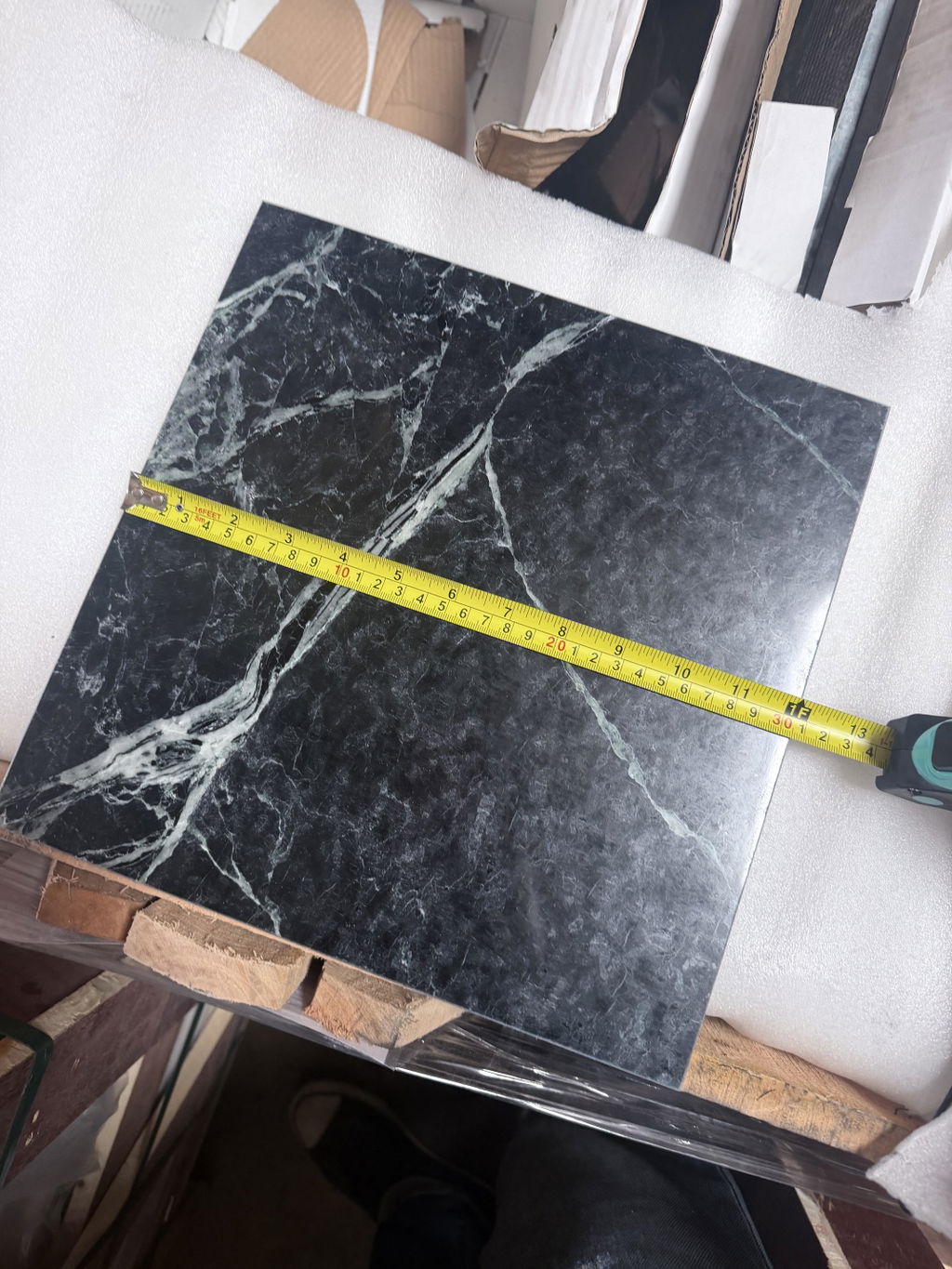

Leave a comment