
Marble Tile vs Ceramic: Complete Comparison Guide

More than half of American homeowners say that tile selection is one of the hardest choices in any renovation. This matters because the right material sets the stage for both daily living and long-term value. Comparing marble and ceramic tiles reveals essential differences in luxury, durability, and visual impact, helping you choose with greater confidence for projects that reflect true American style.
Table of Contents
- Defining Marble And Ceramic Tiles
- Types And Variations: Natural Stone Vs Man-Made
- Key Characteristics: Beauty, Durability, And Feel
- Installation, Care, And Longevity Differences
- Comparing Costs, Value, And Best Use Cases
- Choosing The Right Tile For Luxury Spaces
Key Takeaways
| Point | Details |
|---|---|
| Material Differentiation | Marble tiles are natural stones offering unique beauty and character, while ceramic tiles are manufactured for consistency and durability. |
| Aesthetic Appeal | Marble provides a timeless luxury and organic warmth, contrasting with the predictable and practical nature of ceramic tiles. |
| Installation Considerations | Marble installation demands precision and specialized techniques, whereas ceramic tiles offer a more straightforward installation process. |
| Cost and Value | Marble ranges from high-end luxury to investment pieces, while ceramic tiles serve as more economical alternatives suitable for broader applications. |
Defining Marble and Ceramic Tiles
Marble and ceramic tiles represent two distinctly different materials with unique characteristics that dramatically impact design, durability, and aesthetic appeal. Natural marble tiles emerge directly from quarried stone, offering unparalleled luxury and organic beauty, while ceramic tiles are manufactured through industrial processes, providing consistent and predictable design options.
Marble tiles, formed through geological processes, are metamorphic stones characterized by intricate veining, color variations, and distinctive patterns that make each tile a unique work of art. These natural stone tiles are extracted from quarries, carefully cut, and polished to reveal their inherent beauty. The unique characteristics of marble tiles include natural color variations ranging from pristine whites to rich browns, dramatic grays, and even dramatic black tones, each telling a geological story millions of years in the making.
In contrast, ceramic tiles are engineered products created by mixing clay, minerals, and water, then firing them at extremely high temperatures. These manufactured tiles offer remarkable uniformity, with precise colors, shapes, and patterns that can mimic natural stone or create entirely new design possibilities. While ceramic tiles provide excellent durability and easier maintenance, they lack the organic warmth and depth that natural marble inherently possesses. Ceramic manufacturing allows for extensive design flexibility, but ultimately cannot replicate the timeless elegance and unique character of natural stone tiles that have adorned magnificent spaces for centuries.
Types and Variations: Natural Stone vs Man-Made
Natural stone tiles and ceramic tiles represent two fundamentally distinct categories of flooring materials, each offering unique characteristics and design possibilities. Various marble types showcase the incredible diversity within natural stone flooring, ranging from classic Carrara and luxurious Calacatta to dramatic Breccia marble, each presenting its own geological narrative and aesthetic profile.
Marble tiles exhibit extraordinary variations in color and pattern, with options including pristine white, rich beige, dramatic gray, and even green marble varieties. These natural stone tiles are quarried from mountains, cut into precise dimensions, and polished to reveal their inherent beauty. Natural stone flooring brings unparalleled elegance, with each tile featuring unique veining, subtle color transitions, and an organic warmth that manufactured materials cannot replicate.
Ceramic tiles, in contrast, represent a manufactured product with remarkable consistency and design flexibility. These engineered tiles encompass multiple subcategories, including traditional ceramic, quarry, porcelain, and mosaic tiles. While ceramic options provide predictable patterns and colors, they fundamentally lack the depth, character, and geological authenticity of natural stone. The manufacturing process allows for extensive design possibilities, but cannot capture the timeless sophistication of marble’s naturally occurring beauty - a critical distinction that elevates natural stone from mere flooring material to a genuine design statement.
Key Characteristics: Beauty, Durability, and Feel
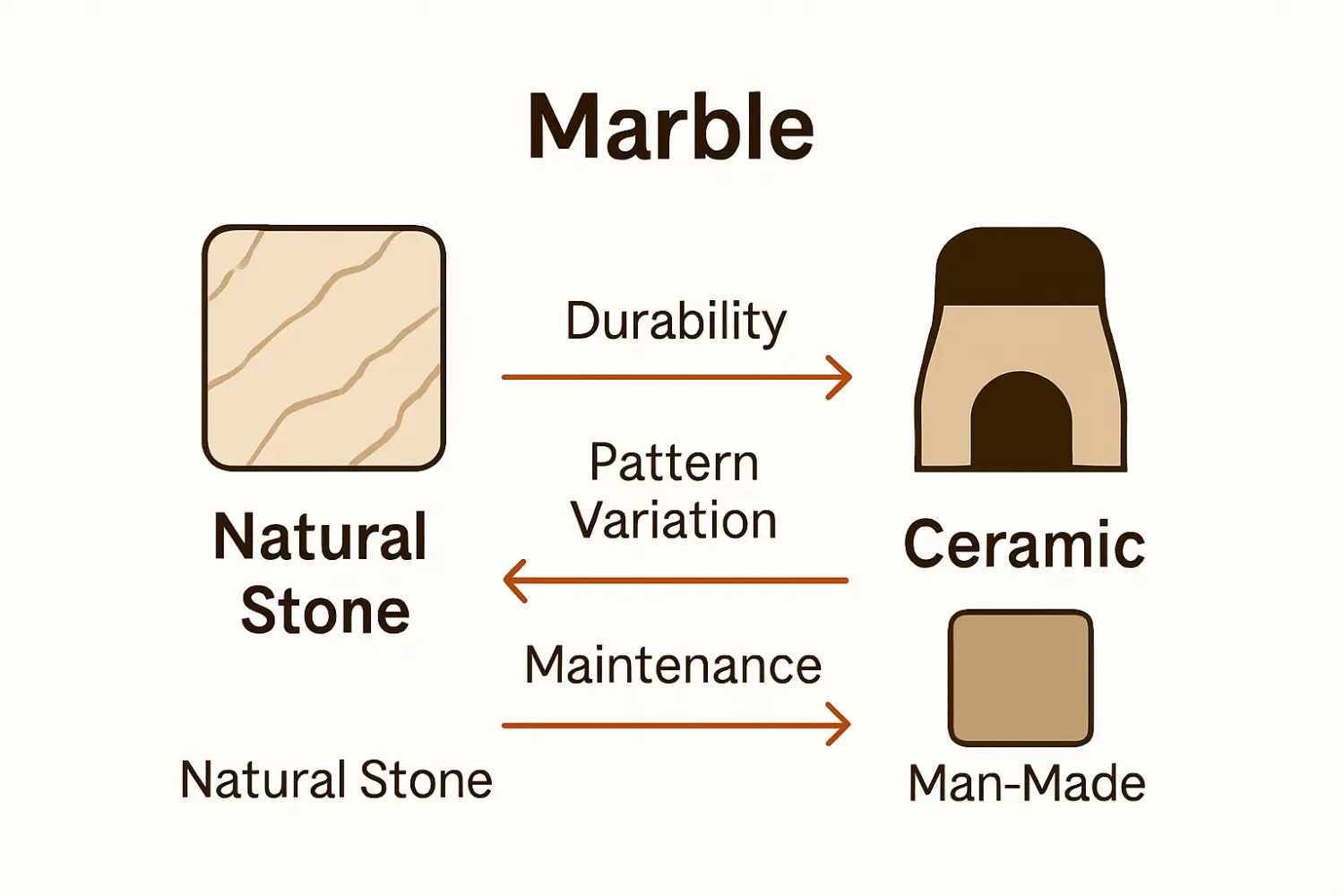
Marble and ceramic tiles represent dramatically different approaches to surface design, each offering unique characteristics that impact aesthetic appeal, performance, and tactile experience. Honed tile finishes highlight the nuanced differences between these materials, revealing how surface treatment dramatically influences both visual and sensory qualities.
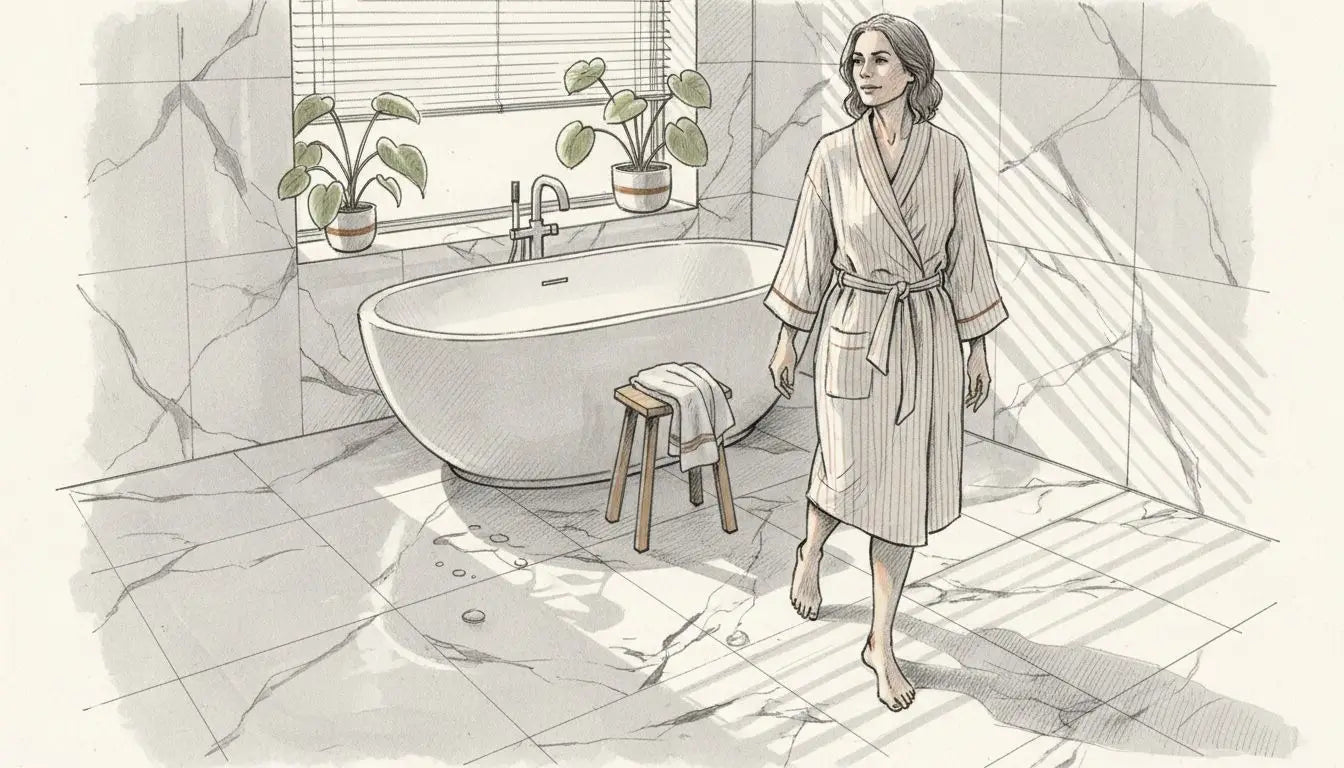
Natural marble tiles embody unparalleled beauty, with remarkable elegance in white pearl varieties that showcase intricate veining and organic color variations. These tiles are renowned for their ability to be polished to an exceptional shine, creating surfaces that reflect light and transform spaces with luxurious depth. However, marble’s natural porosity demands consistent maintenance, requiring periodic sealing to protect against staining and preserve its exquisite appearance.
Ceramic tiles, by contrast, offer exceptional durability and consistent performance. Manufactured through precise industrial processes, these tiles provide predictable colors, patterns, and glazed surfaces that resist moisture and wear. While ceramic tiles excel in practical applications, they fundamentally lack the organic warmth, geological authenticity, and sensory richness of natural stone. The manufactured nature of ceramic tiles means they cannot replicate the unique character, thermal properties, and timeless sophistication that make marble a truly exceptional flooring material - transforming spaces from mere functional surfaces to genuine design statements.
Installation, Care, and Longevity Differences
Installing marble and ceramic tiles requires distinctly different approaches, with each material presenting unique challenges and considerations for homeowners and professionals. Natural stone installation demands exceptional precision and expertise, while manufactured ceramic tiles offer a more straightforward approach to flooring projects.
Marble tiles require meticulous handling and specialized installation techniques due to their inherent characteristics. Proper stone installation involves carefully managing each tile’s unique variations, ensuring proper substrate preparation, and implementing precise cutting and fitting methods. The natural porosity of marble necessitates thorough sealing both before and after installation to protect against potential staining and moisture penetration. Professional installers must account for variations in color, veining, and structural integrity that make each marble tile a unique piece of geological artwork.
Ceramic tiles, in contrast, represent a more standardized and predictable flooring solution. Manufactured with consistent dimensions and uniform characteristics, these tiles can be installed with greater ease and efficiency. Their glazed surfaces provide enhanced resistance to moisture and stains, reducing long-term maintenance requirements. While ceramic tiles offer practical advantages in terms of installation and durability, they fundamentally lack the depth, character, and timeless elegance of natural marble. The manufactured precision of ceramic tiles ultimately cannot replicate the organic beauty and geological authenticity that make marble a truly exceptional design choice for discerning homeowners and design professionals.
Comparing Costs, Value, and Best Use Cases
Choosing between marble and ceramic tiles involves a complex evaluation of aesthetic value, long-term investment, and functional requirements. Marble selections like Calacatta represent the pinnacle of luxury flooring, commanding premium prices that reflect their unique geological origins and unparalleled visual sophistication.
Marble tiles are an investment in timeless elegance, with prices ranging significantly based on rarity, origin, and specific stone characteristics. High-end varieties like Calacatta marble can cost substantially more than ceramic alternatives, reflecting their natural beauty and exceptional visual depth. These natural stone tiles are ideal for spaces demanding architectural drama - executive offices, luxury residences, high-end hospitality environments, and statement architectural spaces where visual impact and prestige are paramount.
Ceramic tiles, by contrast, offer a cost-effective and pragmatic flooring solution with remarkable versatility. Their manufactured nature allows for consistent pricing, easier installation, and broader application across residential and commercial settings. While ceramic tiles provide excellent value and practical performance, they fundamentally lack the geological authenticity and transformative aesthetic potential of natural marble. The economical nature of ceramic tiles makes them suitable for budget-conscious projects, but they cannot replicate the nuanced beauty, thermal properties, and design statement inherent in natural stone - a critical distinction for discerning designers and homeowners seeking genuine architectural expression.
Choosing the Right Tile for Luxury Spaces
Selecting the perfect tile for luxury spaces requires a nuanced understanding of materials, aesthetic potential, and architectural context. Marble wall tiles represent the pinnacle of design sophistication, offering unparalleled visual depth and geological authenticity that transcends ordinary surface treatments.
Luxury design demands materials with exceptional character, and marble tiles emerge as the ultimate choice for discerning spaces. High-end marble varieties like Calacatta and Breccia deliver extraordinary visual narratives through their unique veining and rare geological formations. These premium stones are not merely flooring materials but genuine design statements, transforming executive offices, luxury residences, and high-end hospitality environments into extraordinary architectural experiences. The ability to polish marble to an exceptional shine creates luminous surfaces that capture and reflect light with breathtaking elegance.
While ceramic tiles offer predictable performance, they cannot match the transformative potential of natural stone. Marble’s inherent variations - from pristine whites to dramatic grays - provide designers with a living canvas that evolves with changing light and perspective. Each marble tile tells a geological story millions of years in the making, bringing an irreplaceable sense of authenticity and sophistication that manufactured materials simply cannot replicate. The selection of marble is ultimately an investment in timeless beauty, architectural narrative, and design excellence.
Discover the Timeless Elegance of Marble for Your Next Project
Choosing between marble and ceramic tiles can be challenging when you want to create a space that combines beauty, durability, and authentic character. The article highlights the key differences such as marble’s unique geological patterns, luxurious polish, and the premium care it requires versus ceramic’s uniformity and cost-effectiveness. If your goal is to elevate your design with natural stone that tells a story through its veins and colors, understanding these aspects is crucial.
At Surfaces Galore, we specialize in providing premium natural marble and travertine tiles that bring unmatched sophistication to any luxury space. Our carefully sourced stone helps you achieve the depth, warmth, and timeless appeal that ceramic tiles simply cannot replicate. Whether you are a designer, contractor, or homeowner, our collection supports your vision with authentic materials and expert guidance.
Elevate your project today with genuine marble that transforms ordinary floors and walls into remarkable design statements.

Explore our full range of premium marble tile options and experience the difference of natural stone. Make your choice now and bring lasting beauty to your space by visiting Surfaces Galore. Don’t settle for less than the elegance your project deserves.
Frequently Asked Questions
What are the main differences between marble tiles and ceramic tiles?
Marble tiles are natural stones that offer unique aesthetics with intricate veining and color variations, while ceramic tiles are man-made products that provide uniformity in design and color. Marble is praised for its luxury and organic beauty, whereas ceramic tiles are favored for their durability and easier maintenance.
How do marble and ceramic tiles compare in terms of durability?
Ceramic tiles are generally more durable and resistant to stains and moisture due to their glazed surfaces, making them suitable for high-traffic areas. Marble, while beautiful, is more porous and requires careful maintenance, including sealing, to prevent stains and damage over time.
What are the best use cases for marble tiles versus ceramic tiles?
Marble tiles are ideal for luxury spaces such as executive offices, high-end residences, and upscale hospitality environments where visual impact is crucial. Ceramic tiles are versatile and work well in both residential and commercial settings, particularly in areas where practicality and budget considerations are important.
How do installation and maintenance differ between marble and ceramic tiles?
Installing marble tiles requires specialized techniques and greater precision due to their unique characteristics, including sealing to protect against staining. Ceramic tiles offer a more straightforward and efficient installation process, with lower long-term maintenance requirements since they resist moisture and stains better than marble.

Leave a comment