
Marble vs Limestone Tile: Which One Is Better for Your Home?

So, you're thinking about redoing your floors or maybe a new backsplash, and you've landed on natural stone. That's a great choice! But then comes the big question: Marble vs Limestone Tile: Which One Is Better for Your Home? Both are beautiful, natural materials, but they've got their own personalities and quirks. We're going to break down what makes each one tick, so you can figure out which stone is the right fit for your life and your house. Let's get this figured out.
Key Takeaways
- Marble offers a luxurious look with distinctive veining, often seen as a symbol of elegance, but it can be more prone to etching and staining, making it best suited for lower-traffic areas.
- Limestone provides a softer, more natural appearance with subtle textures and warm tones, offering a rustic charm, but it's also softer and more porous than marble, requiring careful sealing and maintenance.
- When comparing Marble vs Limestone Tile: Which One Is Better for Your Home?, consider your lifestyle; high-traffic areas might favor more durable materials, while decorative spaces can showcase marble's beauty.
- Both marble and limestone require specific care, including regular sealing and gentle cleaning methods, to maintain their appearance and prevent damage over time.
- The choice between marble and limestone also depends on your budget, with limestone generally being more affordable than marble, though both offer long-term value and can enhance property appeal.
Understanding Marble and Limestone Tile
Choosing the right natural stone for your home is a big decision. It's not just about looks; it's about how the stone will perform, how it will age, and how it fits into your life. Marble and limestone are two of the most popular choices, and for good reason. They both bring a natural beauty and a sense of luxury that manufactured materials just can't replicate. But they're not the same, and understanding their differences is key to picking the perfect one for your project. Let's break it down.
The Allure of Marble: A Symbol of Elegance
Marble has been a go-to for luxury for centuries. Think ancient statues, grand palaces – marble means class. Its unique veining is like a signature, making every piece one-of-a-kind. It's a statement piece for any room. If you're looking to add serious wow-factor and a timeless elegance, marble is definitely worth considering. It's a material that truly elevates a space. You can find stunning marble tiles for sale online in the USA, bringing this classic luxury right to your doorstep.
- Timeless Beauty: Marble's natural patterns and colors offer a sophisticated look that never goes out of style.
- Unique Character: No two marble slabs are exactly alike, ensuring your design is truly original.
- Adds Value: Homes featuring marble often see an increase in market appeal and resale value.
The Natural Charm of Limestone
Limestone offers a different kind of beauty – more subtle, more grounded. It has a softer, more muted appearance compared to marble's dramatic veining. This makes it incredibly versatile. Limestone has a natural, earthy feel that can make a space feel warm and inviting. It's a fantastic choice if you want that natural stone look without being too overpowering. It’s a great option if you’re looking for something that feels both natural and refined. Limestone tiles can bring a unique character to your home with their subtle fossil inclusions.
Key Differences in Composition and Appearance
So, what's really under the surface? Marble is a metamorphic rock, formed from recrystallized carbonate minerals, most commonly calcite. This process gives it its characteristic veining and often a more luminous quality. Limestone, on the other hand, is a sedimentary rock, primarily composed of calcite, often formed from the accumulation of shell, coral, algal, and fecal debris. This difference in formation leads to distinct visual and physical properties.
| Feature | Marble | Limestone |
|---|---|---|
| Formation | Metamorphic | Sedimentary |
| Appearance | Bold veining, varied colors, often luminous | Subtle textures, uniform color, earthy tones |
| Porosity | Moderately porous | More porous |
| Hardness | Softer, prone to etching and scratching | Softer, prone to etching and scratching |
Both marble and limestone are beautiful natural stones, but their origins and how they form give them distinct personalities. Understanding these differences helps you choose the one that best fits your home's style and your lifestyle.
Case Study: The Miller Residence
The Millers wanted a kitchen that felt both luxurious and welcoming. They chose a honed Calacatta marble for their countertops and backsplash. The dramatic veining of the marble became a stunning focal point, adding a high-end feel. While they knew marble required careful maintenance, they were committed to preserving its beauty. The result was a kitchen that felt both grand and personal, a true reflection of their taste.
Case Study: The Chen Family
For their entryway and living area, the Chen family opted for a tumbled French pattern limestone. They loved the natural, earthy tones and the subtle texture that added warmth to their home. Limestone was a practical choice for their busy family, offering a durable surface that could handle daily foot traffic while maintaining a relaxed, inviting atmosphere. The slightly irregular texture of the tumbled finish also helped mask minor scuffs, making it a forgiving choice for everyday life.
Aesthetic Considerations for Your Home
Choosing between marble and limestone isn't just about practicality; it's about the vibe you want to create. These natural stones bring distinct personalities to your home. Let's explore how their looks can transform your space.
Marble's Luxurious Veining and Color Palette
Marble is the undisputed king of luxury. Its signature feature? Those breathtaking veins. They swirl and dance across the stone, making every slab a unique work of art. Think of it as nature's abstract painting for your floors or walls. The color palette is equally impressive, ranging from classic whites like Carrara and Statuario to dramatic blacks and rich greens. This natural variation means no two installations will ever be exactly alike. If you're aiming for a high-end, sophisticated look, marble delivers.
- Classic Whites: Carrara, Statuario, Thassos White offer timeless elegance.
- Bold Hues: Nero Marquina (black), Verde Ming (green) add drama.
- Warm Neutrals: Beige and cream marbles provide a softer touch.
Case Study: A homeowner in New York wanted to create a spa-like master bathroom. They chose Statuario White Marble for the floor and shower walls. The bold veining against the pristine white created a luxurious, serene atmosphere that truly transformed the space. You can find stunning marble tiles online in the USA to achieve a similar effect.
Limestone's Subtle Textures and Warm Tones
Limestone offers a different kind of beauty – one that's more understated and earthy. Its appeal lies in its subtle textures and warm, neutral color palette. Instead of dramatic veining, you'll find gentle variations and a soft, inviting feel. This makes limestone incredibly versatile, fitting seamlessly into both rustic and modern designs. It brings a sense of calm and natural warmth to any room. If you're looking for a stone that feels grounded and inviting, limestone is a fantastic choice. It's a popular choice for those seeking a marble-like texture at a more accessible price point.
- Earthy Neutrals: Creams, beiges, and soft grays are common.
- Gentle Variations: Less dramatic than marble, offering a more subdued look.
- Textural Appeal: Often has a slightly porous or tumbled finish for added character.
Case Study: A family in California wanted to update their entryway. They opted for a tumbled limestone tile in a warm beige. The result was a welcoming, durable floor that felt both elegant and lived-in, perfect for greeting guests. Limestone tiles are a great option for creating a cozy ambiance.
Matching Stone to Your Interior Design Style
Your home's style should guide your stone choice. Marble, with its inherent luxury and dramatic patterns, is perfect for statement pieces. Think a marble fireplace surround in a formal living room or a striking marble countertop in a gourmet kitchen. Limestone, on the other hand, is a chameleon. Its softer tones and textures make it ideal for creating a cohesive look throughout a home. It works beautifully in kitchens, bathrooms, and even as wall cladding, providing a consistent, natural aesthetic. Consider the overall feel you want to achieve – whether it's opulent grandeur or relaxed sophistication.
The choice between marble and limestone often comes down to the specific mood and character you wish to imbue in your living spaces. Each stone offers a unique visual language that can speak volumes about your personal style and design preferences.
Durability and Performance Comparison
When you're picking out tile, you really want to know it's going to hold up, right? Nobody wants to deal with chipped tiles or floors that look worn out after just a couple of years. That's where understanding how marble and limestone perform day-to-day comes in. It's not just about looks; it's about how these stones handle life in your home.
Marble's Resilience in Various Applications
Marble is famous for its beauty, but how tough is it really? Marble is a metamorphic rock, meaning it's formed under intense heat and pressure, which makes it quite dense and durable. While it's not as hard as granite, it's still a solid choice for many areas. Think of those grand hotel lobbies or historic buildings – they've seen a lot of foot traffic and still look amazing. For your home, marble flooring in a dining room or a marble accent wall can be incredibly long-lasting. It handles moderate foot traffic well, and its natural coolness is a bonus in warmer climates. If you're looking for that touch of luxury that endures, marble is definitely worth considering. You can even find beautiful marble tiles online USA that can transform your space.
Limestone's Suitability for Different Areas
Limestone, on the other hand, has a different kind of charm and a slightly different performance profile. It's a sedimentary rock, which means it's generally softer and more porous than marble. This doesn't mean it's fragile, though! Limestone offers a beautiful, natural look that's perfect for creating a warm, inviting atmosphere. It's fantastic for areas with less intense wear, like bedrooms, living rooms, or even as wall cladding. While it can be used for flooring in moderate-traffic areas, you'll want to be a bit more mindful of spills and heavy furniture. Its natural texture can also offer a bit more grip, which is a plus in some settings. Many homeowners love limestone for its understated elegance and earthy tones.
Resistance to Wear and Tear
Let's get down to brass tacks: how do they stack up against daily life?
- Scratching: Marble can be more prone to scratching than limestone, especially polished finishes. Honed finishes on both stones can hide minor scratches better. If you have pets or young kids, this is something to keep in mind.
- Staining: Both stones are porous to some degree, meaning they can stain if liquids aren't wiped up quickly. Limestone, being generally more porous, might absorb spills a bit faster if not properly sealed.
- Etching: This is where acids (like lemon juice or vinegar) can dull the surface of the stone, leaving a mark. Both marble and limestone can etch, but marble is typically more susceptible.
Case Study: The Miller Residence
The Miller family wanted a timeless kitchen. They chose honed marble for their countertops and limestone for their entryway floor. The marble countertops, while beautiful, did show a few faint etch marks from acidic spills over the years, but they embraced this as part of the stone's natural aging process. The limestone entryway, however, held up remarkably well against daily foot traffic and dirt, proving its resilience in a high-use area when sealed properly.
When comparing durability, it's less about which stone is 'better' and more about which stone is 'better for your specific needs.' Understanding their inherent properties helps you make the right choice for the right place in your home. Proper sealing and regular maintenance are key for both to ensure they look great for years to come.
Maintenance Requirements for Longevity
Caring for Marble Surfaces
Marble is a beautiful, natural stone, but it needs a little extra TLC. Think of it like a fine wine; it ages gracefully with the right care. Regular, gentle cleaning is key to keeping your marble looking its best. Avoid harsh chemicals or abrasive cleaners, as these can etch or dull the surface. Instead, opt for a pH-neutral cleaner specifically designed for natural stone. Spills, especially acidic ones like wine or citrus juice, should be wiped up immediately to prevent staining or etching. For everyday cleaning, a soft cloth or mop with warm water is often sufficient. If you're looking to buy marble tiles online in the USA, remember that proper care from day one makes a huge difference.
Maintaining the Beauty of Limestone
Limestone offers a warm, natural look that many homeowners adore. Like marble, it’s a softer stone and requires mindful maintenance. The most important thing is to protect its surface from stains and etching. Sealing your limestone regularly is a must. How often depends on how much you use the area, but generally, once a year is a good starting point. Use a quality stone sealer and follow the manufacturer's instructions. For daily upkeep, a soft broom or a damp mop works wonders. Avoid acidic cleaners and abrasive pads. If you're considering limestone for a high-traffic area, be prepared for a bit more attention to keep it pristine.
Sealing and Cleaning Best Practices
Proper sealing is your first line of defense for both marble and limestone. It fills the pores, making it harder for liquids to penetrate and cause stains. When you buy natural stone tiles, check the manufacturer's recommendations for sealing. Most sealers will give the stone a slightly richer, 'wetter' look, which can be quite appealing. If you prefer the original look, color-enhancer-free sealers are available.
Here’s a quick rundown of best practices:
- Clean Spills Immediately: This is non-negotiable for both stones, especially acidic liquids.
- Use pH-Neutral Cleaners: Harsh chemicals are the enemy of natural stone.
- Seal Regularly: Protect your investment with a quality stone sealer. Annual sealing is a good benchmark.
- Avoid Abrasives: Stick to soft cloths, mops, and soft-bristled brushes.
- Consider a Professional: For deep cleaning or stubborn stains, professional stone restoration services can work wonders.
Case Study: The Miller Residence
The Millers installed a beautiful honed marble floor in their entryway. Initially, they were worried about the upkeep, especially with two young children and a dog. Following our advice, they committed to immediate spill cleanup and annual sealing. Three years later, the marble still looks as stunning as the day it was installed, with no noticeable etching or staining. They found that a quick wipe-down with a damp cloth after muddy paw prints or spilled juice was all it took for daily care. This proactive approach saved them from potential costly repairs and kept their entryway looking luxurious.
Investing in quality natural stone like marble or limestone is a long-term decision. While they require specific care, understanding their needs and implementing a consistent maintenance routine will ensure their beauty endures for decades, adding significant value and charm to your home. It's not about being difficult; it's about respecting the material and enjoying its natural elegance for years to come. Choosing the best natural stone involves understanding these maintenance needs upfront.
When you're ready to explore options, remember that Surfaces Galore offers a wide selection of premium marble and limestone tiles, along with expert advice on care and maintenance to help you make the best choice for your home.
Installation and Practicality
Getting your beautiful new marble or limestone tiles installed correctly is key to their long-term beauty and performance. It’s not just about slapping them down; there’s a bit more to it, especially with natural stone. Think of it as setting the stage for a masterpiece.
Preparing for Tile Installation
Before any tile even sees the adhesive, the foundation needs to be perfect. This means a subfloor that's solid, level, and clean. Any dust, grease, or old glue needs to go. For floors, especially wood ones, you might need an underlayment like cement board or an uncoupling membrane. This prevents cracks from showing up later. It’s a step many people skip, but it’s super important for natural stone. We’ve seen projects go wrong because the base wasn't right, leading to tiles cracking or coming loose. A good installer will always check this thoroughly.
Layout and Grouting Considerations
Planning your layout is more than just deciding where the first tile goes. It’s about visualizing the whole space. We always recommend a 'dry lay' – laying out the tiles without any adhesive first. This lets you see how the colors and veining play together, and you can shuffle tiles around to get the best look. It also helps avoid awkward cuts at the edges. For grout, marble often looks best with tight joints, maybe 1/16 to 1/8 inch, but always follow the specific product recommendations. Using the right type of mortar and grout is also critical; you need products specifically rated for natural stone. For lighter stones, a white thin-set mortar is a must to avoid discoloration.
Case Study: The Kitchen Countertop Catastrophe
A homeowner in Austin, Texas, decided to save money by skipping the dry lay for their marble kitchen backsplash. They ended up with a very noticeable, large dark vein right in the center, which they found distracting. If they had done a dry lay, they could have easily shifted tiles to create a more balanced look. It’s a small step that makes a big difference in the final appearance.
Professional Installation vs. DIY
Look, we love a good DIY project, but when it comes to natural stone like marble and limestone, professional installation is often the way to go. Marble installation, for instance, requires specialized techniques and precision that can be tricky for beginners. While you can certainly buy marble tiles online in the USA, getting them installed right is another story. Professionals have the tools, the experience, and the know-how to handle the weight, the cutting, and the sealing properly. They understand how to work with the natural variations in the stone, ensuring a beautiful, lasting result. For complex patterns or large areas, hiring an expert is usually worth the investment to protect your beautiful new stone.
Proper preparation and professional installation are not just about aesthetics; they are about ensuring the longevity and integrity of your natural stone investment. Skipping these steps can lead to costly repairs down the line.
| Factor | DIY Installation | Professional Installation |
|---|---|---|
| Skill Level | Requires significant skill and experience | Experienced professionals |
| Time Commitment | Can be very time-consuming | Typically faster and more efficient |
| Tool Investment | Requires purchasing or renting specialized tools | Professionals bring their own tools |
| Risk of Error | Higher risk of mistakes, damage, or poor finish | Lower risk, with warranties often available |
| Overall Cost | Lower material cost, higher labor cost (your time) | Higher upfront cost, but often better long-term value |
Choosing the right installer is as important as choosing the right tile. Ask for references, look at their past work, and make sure they have experience with natural stone specifically. It’s an investment in your home’s beauty and value.
Suitability for Specific Rooms
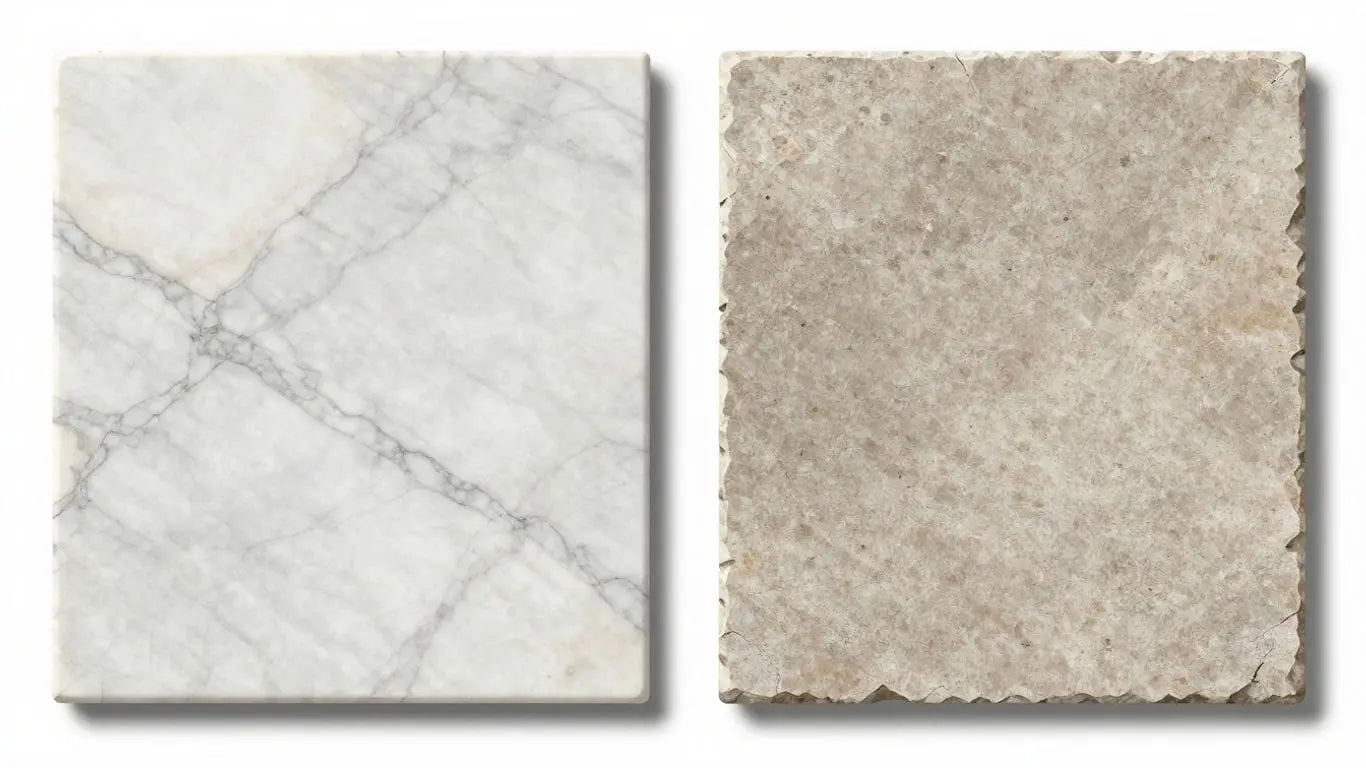
Deciding between marble and limestone tiles comes down to more than just picking what looks best—think practicality, daily life, and the mood you want to set in each space.
Marble in Bathrooms and Kitchens
Marble’s a classic for good reason. It instantly raises the style bar. In bathrooms, nothing beats a shower wall or vanity top glistening with natural veining. The cool touch of marble floors brings a spa-like calm that’s hard to match. Kitchens are a different story, though. While marble’s heat tolerance is great for countertops or backsplashes, remember, it does stain. If you love to cook, sealing is a must, and you’ll want to wipe spills fast. Still, for those chasing upscale impact, polished marble tiles transform a kitchen from just functional to downright stunning.
Case Study: The Lopez family bought marble tiles online USA for a master bath remodel. The result? An airy retreat with a crisp white Carrara floor and matching mosaic shower nook. Their real estate agent later told them this upgrade added over $8,000 to their home’s value.
- Pros:
- Luxurious, dramatic veining
- Great for feature walls and elegant floors
- Works well in low-to-moderate traffic bathrooms
- Cons:
- Higher maintenance in kitchens
- Prone to etching and staining if not sealed
Choose marble for spaces where luxury really matters and a little extra care isn’t a dealbreaker.
Limestone for Entryways and Living Areas
Want a warm, inviting space? Limestone is your friend. Its more uniform look and subtle fossil marks add character without overpowering your decor, as shown at Limestone's distinct character. Entryways see heavy use, so durability is huge, and limestone stands up well—plus, its softer, earthy shades hide shoes and dirt a bit better than bright marble.
In living areas, limestone’s soft texture enhances cozy spaces. Whether you’re hosting friends or just relaxing, it feels welcoming underfoot. It pairs well in open-plan homes and with rustic, coastal, or modern styles.
Case Study: When a young couple chose limestone tile for their open-concept living room and front foyer, they saw fewer scuff marks than with their previous hardwood and loved the seamless flow from front door to fireplace.
- Pros:
- Subtle, calming hues
- Excellent for busy entryways
- Naturally slip-resistant surface
- Cons:
- Can scratch if heavy furniture isn’t protected
- Needs regular sealing to prevent stains
Outdoor Applications for Both Stones
Here’s where both marble and limestone shine—literally and figuratively. Marble pavers on a patio or around a pool immediately up the luxury factor. Just go with honed (not polished) finishes to stay slip-safe. Limestone is a leader in outdoor spaces, too; its density withstands climate swings, and the lighter surface stays easy on bare feet even under direct sun.
- Marble is best for covered patios, pool coping, or decorative garden paths.
- Limestone fits driveways, uncovered patios, and pathways—its natural look blends right into the landscape.
Table: Room-by-Room Stone Suitability
| Room Type | Marble | Limestone |
|---|---|---|
| Bathroom | 5/5 – Spa, luxury look | 3/5 – Good, but softer |
| Kitchen | 4/5 – High style, needs care | 3/5 – More practical, needs sealing |
| Entryway | 3/5 – Showstopper, scratches | 5/5 – Durable, hides wear |
| Living Room | 4/5 – Elegant, formal | 5/5 – Warm, cozy vibe |
| Outdoor | 4/5 – Luxe, avoid polish | 5/5 – Top choice |
Ready to upgrade? Picking the right natural stone for each room isn’t just about looks—it’s about everyday living, and both marble and limestone have a role to play. Think about your family’s habits, your style, and how much maintenance you’re ready to commit to, and you can’t go wrong.
Cost and Investment Value
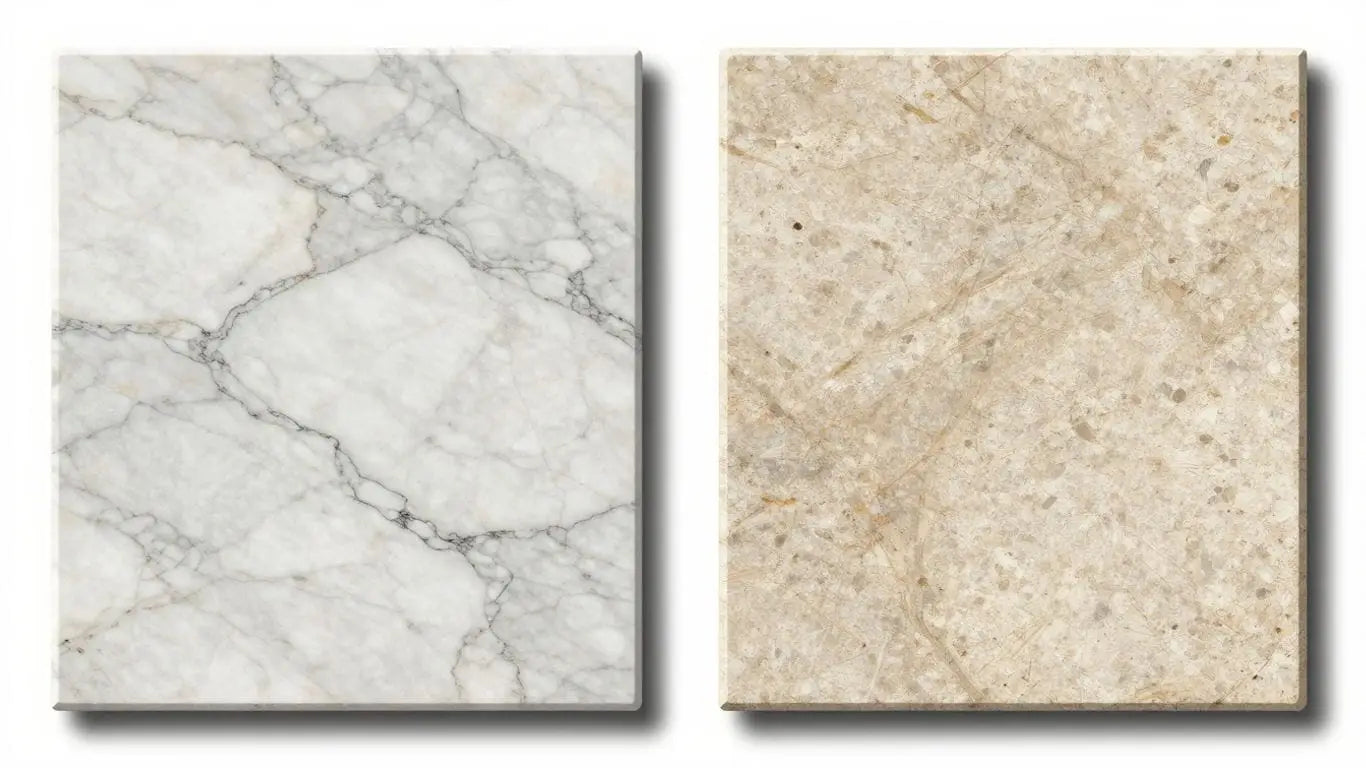
When you're thinking about upgrading your home, the cost of materials is a big part of the puzzle. Natural stone, like marble and limestone, can seem like a significant investment upfront, but it's really about the long-term value it brings. Let's break down what you can expect.
The Price Point of Marble Tiles
Marble tiles are often seen as the premium choice, and their price reflects that. You're paying for that unmistakable luxury, the unique veining, and the history that comes with this beautiful stone. Think of it as an investment in timeless elegance. While you might find some marble tiles that are more budget-friendly, generally, expect to pay more for marble compared to other natural stones. If you're looking to buy marble tiles online in the USA, prices can vary widely based on the type of marble, its origin, and the finish. For instance, classic Carrara might be more accessible than a rare Calacatta Gold. It's definitely a splurge, but one that can pay off in terms of aesthetic appeal and property value.
Affordability of Limestone Tiles
Limestone offers a fantastic alternative if you love the natural look of stone but are more budget-conscious. It provides a similar earthy charm and subtle beauty to marble, often at a lower price point. This makes it a really popular choice for homeowners looking to get that natural stone feel without breaking the bank. You can find beautiful limestone tiles for flooring, walls, and more, giving your space a warm, inviting atmosphere. It's a smart way to add natural stone to your home, especially for larger areas where the cost difference can really add up. You can often find great deals on limestone, making it a more accessible luxury.
Long-Term Value and Property Enhancement
Both marble and limestone are natural stones, and that means they bring lasting value to your home. Unlike trendy materials that go out of style, natural stone has a timeless appeal. Homes featuring marble or limestone are often more attractive to potential buyers, and they can command a higher selling price. It's not just about the initial cost; it's about the return on investment. Natural stone is durable and, with proper care, can last for generations. This longevity means you won't have to replace it down the line, saving you money and hassle in the long run. Plus, the unique beauty of each stone adds a level of sophistication that synthetic materials just can't match. It's a way to make your home stand out and feel truly special.
Case Study: The Miller Residence
The Miller family wanted to update their kitchen and bathroom. They were torn between marble and limestone. After considering their budget and lifestyle, they opted for limestone tiles for their bathroom floor and shower walls, and a marble countertop for their kitchen island. The limestone provided a durable, water-resistant surface for the bathroom at a reasonable cost, while the marble island became a stunning focal point in the kitchen. Two years later, when they decided to sell their home, the real estate agent specifically highlighted the natural stone features as major selling points, contributing to a quick sale at a price above their asking. They felt the investment in both stones was well worth it.
Investing in natural stone like marble or limestone isn't just about covering your floors or walls; it's about adding a permanent layer of beauty and value to your home that appreciates over time. It's a choice that speaks to quality and enduring style.
Finishes and Textures Available
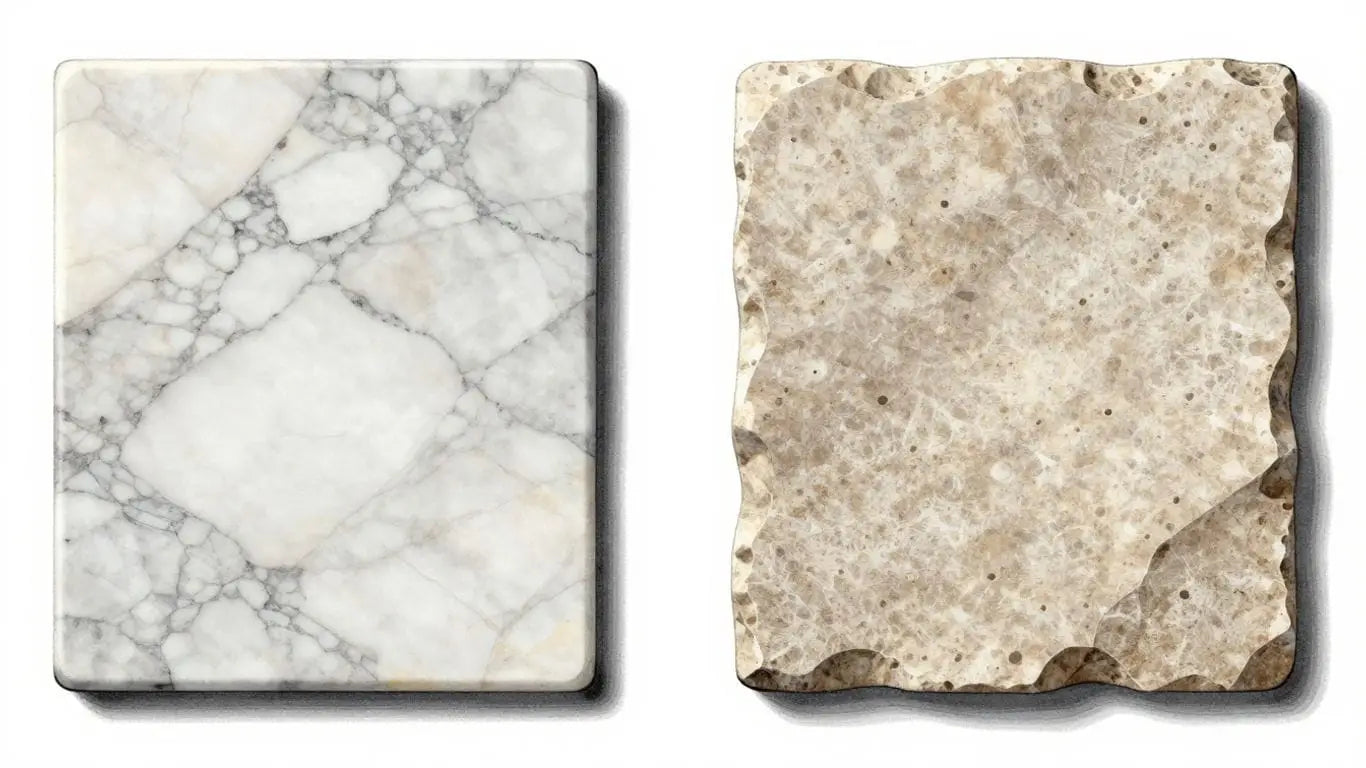
Choosing the right finish for your marble or limestone tile is key to achieving the look and feel you want. It's not just about color; the surface texture plays a huge role in the overall aesthetic and even how the stone performs.
Polished and Honed Marble Finishes
Polished marble is all about that high-gloss shine. Think luxurious, reflective surfaces that really make colors pop and highlight the intricate veining. It's a classic choice for a sophisticated look, but be aware, it can show water spots and fingerprints more easily. If you're looking for that mirror-like finish, polished is the way to go. You can even find polished marble tiles online in the USA for your next project.
Honed marble, on the other hand, offers a softer, matte appearance. It's less reflective, giving a more subdued and natural elegance. This finish is great for areas where you want a more understated look, and it tends to hide minor scratches and water marks better than polished. It's a popular choice for a reason – it's beautiful and a bit more forgiving.
Tumbled and Natural Finishes for Limestone
Limestone often shines with finishes that emphasize its natural character. Tumbled limestone, for example, goes through a process that rounds the edges and creates a slightly worn, antique look. This gives it a rustic charm that's perfect for creating a cozy, lived-in feel. It’s a fantastic option if you love that old-world vibe.
Natural finishes for limestone really let the stone's inherent texture and subtle color variations speak for themselves. This can range from a smooth, almost velvety feel to a more pronounced, earthy texture. These finishes highlight the organic beauty of limestone, making each tile unique. If you want your space to feel grounded and authentic, a natural finish is a great pick. Limestone tile offers a textured structure, making it a safer choice compared to marble, which also has honed and textured finishes available. This suggests limestone is emerging as a popular design trend.
Exploring Unique Stone Textures
Beyond the standard polished and honed, both marble and limestone can be found with more unique textures. Think brushed, sandblasted, or even split-face finishes. These textures add depth and visual interest, creating a tactile experience as well as a visual one. They can be particularly striking in modern or industrial designs, or to add a contrasting element to a more traditional space.
The right finish can transform a simple tile into a statement piece.
Here's a quick look at how finishes affect the stone:
| Finish Type | Appearance | Best For | Considerations |
|---|---|---|---|
| Polished | High gloss, reflective | Formal living areas, accent walls | Shows smudges, water spots; can be slippery |
| Honed | Matte, smooth | Bathrooms, kitchens, high-traffic floors | Less reflective, hides minor imperfections |
| Tumbled | Worn, rounded edges | Rustic, traditional spaces | Softens the look, adds character |
| Natural | Earthy, varied texture | Any space wanting organic feel | Highlights natural variations, can be less uniform |
Case Study: The Modern Farmhouse Kitchen
A homeowner wanted a kitchen that blended modern clean lines with rustic warmth. They opted for honed marble tiles for the countertops, providing a durable and elegant surface that wasn't overly shiny. For the backsplash, they chose tumbled limestone tiles, which added a beautiful, textured contrast and a touch of old-world charm. The combination created a unique look that was both sophisticated and inviting.
Selecting the right finish is as important as choosing the stone itself. It impacts the look, feel, and even the maintenance of your tiles. Take your time to explore the options and consider how each finish will work in your specific environment.
Choosing the Right Stone for Your Project
So, you're ready to bring the beauty of natural stone into your home. That's fantastic! But with so many gorgeous options, how do you pick the perfect one? It's not just about looks; it's about finding a stone that fits your life, your style, and your budget. Let's break it down.
Assessing Your Lifestyle and Needs
Think about how you actually use your space. Are you a busy family with kids and pets constantly on the go? Or is your home more of a quiet sanctuary? This makes a big difference.
- High-Traffic Areas: For busy hallways, kitchens, or entryways, you'll want something tough. Stones like granite are super durable, but marble and limestone can also work if you're prepared for a little extra care. We have some great options if you want to buy marble tiles online USA for these spots, but remember their unique needs.
- Moisture-Prone Zones: Bathrooms and kitchens need stones that can handle water. While many stones are sealed, some naturally perform better. Consider slip resistance too – a honed or tumbled finish can be a lifesaver.
- Decorative Touches: For fireplace surrounds, accent walls, or areas that don't see much daily wear, you have more freedom. This is where the stunning veining of marble or the subtle warmth of limestone can truly shine.
The key is matching the stone's properties to the demands of the location.
Considering Environmental Factors
This isn't just about the weather outside. It's about the environment inside your home.
- Lighting: How does natural light hit the area? A stone that looks one way in a bright, sunny room might appear different in a dimmer space. Always get samples to see them in situ.
- Existing Decor: What's your current style? Are you going for modern, rustic, classic, or something else? Marble often brings a luxurious feel, while limestone offers a more grounded, natural vibe. Think about how the stone will complement your furniture and color schemes.
- Climate: In very hot or very cold climates, some stones might feel more appropriate. Marble, for instance, stays cool to the touch, which can be a plus in warmer regions.
Seeking Expert Guidance and Samples
Don't go it alone! We're here to help you make the best choice.
- Get Samples: This is non-negotiable. Take samples home. Put them in the room where they'll be installed. See how they look at different times of day. This is the best way to avoid surprises.
- Talk to the Pros: Our team has years of experience. We can guide you through the pros and cons of each stone, discuss maintenance, and help you understand the long-term value. We can also point you towards resources for installation.
- Consider the Source: Where are you buying from? Reputable suppliers offer quality materials and honest advice. We pride ourselves on offering authentic natural stone and supporting you through the process.
Making the right choice now means enjoying your beautiful stone for years to come.
Case Study: The Miller Residence
The Millers wanted a kitchen that felt both luxurious and practical. They loved the look of marble but worried about spills and etching from their active family life. After discussing their needs, we recommended a durable, honed marble for their countertops. This gave them the elegant aesthetic they desired while offering better resistance to daily wear and tear compared to a polished finish. For their adjacent dining area, they opted for a more budget-friendly limestone tile for the flooring, creating a cohesive yet distinct look.
Case Study: The Chen Project
Ms. Chen was renovating her master bathroom and wanted a spa-like feel. She was drawn to the soft, earthy tones of limestone for the floor and shower walls. We advised her on the importance of proper sealing for limestone in a wet environment. She also chose a striking marble mosaic for the shower niche, adding a touch of opulence. The combination provided a warm, inviting, and sophisticated retreat that perfectly matched her vision.
Enhancing Your Home with Natural Stone
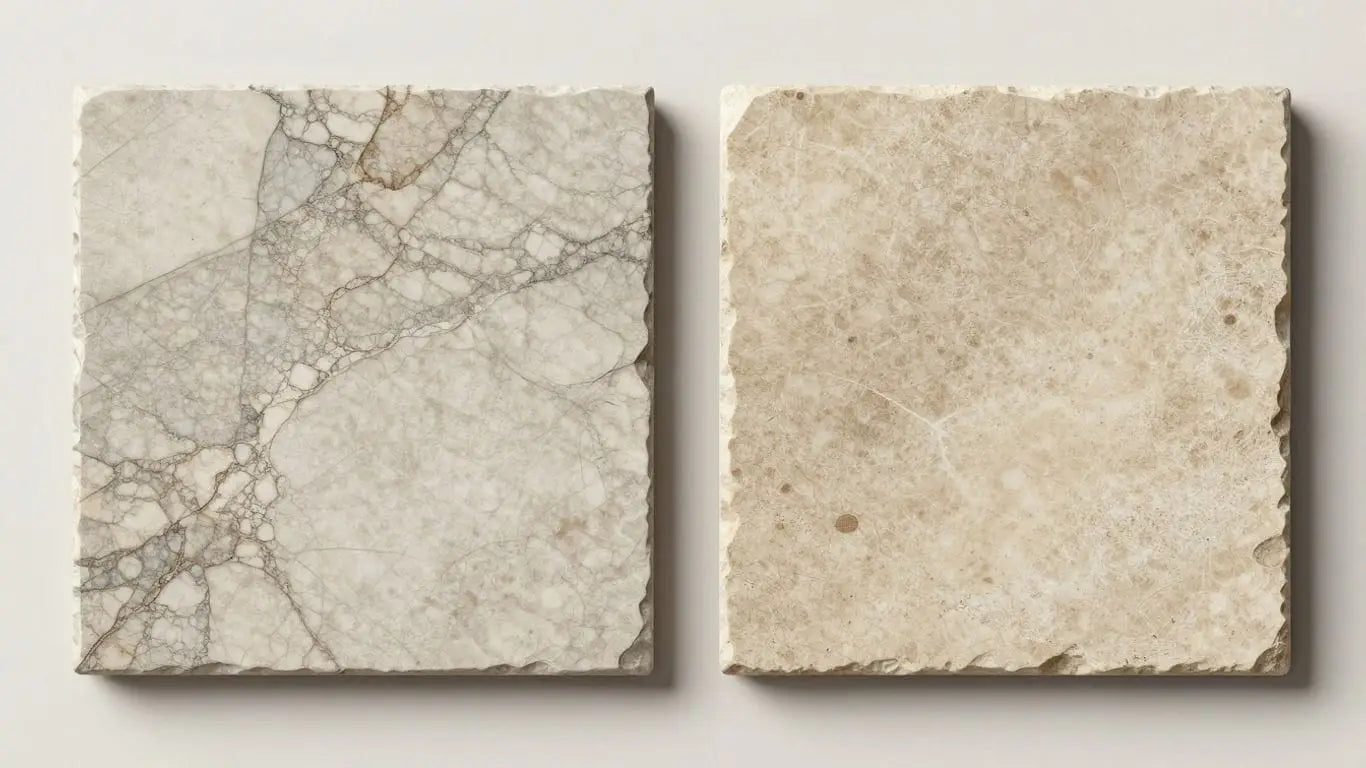
The Timeless Appeal of Marble
Marble isn't just a building material; it's a statement. For centuries, it's graced palaces, museums, and the most elegant homes. Its natural veining, unique to each slab, tells a story of geological time. Imagine a marble countertop in your kitchen or a marble floor in your entryway – it instantly adds a layer of sophistication that synthetic materials just can't replicate. If you're looking to buy marble tiles online in the USA, you're investing in a piece of art for your home. It’s a choice that speaks of luxury and enduring style.
The Versatile Beauty of Limestone
Limestone offers a different, yet equally captivating, charm. Its subtle textures and warm, earthy tones create a welcoming and serene atmosphere. Unlike the bold statements of some marbles, limestone provides a softer, more grounded elegance. It’s incredibly versatile, working beautifully in a variety of settings, from rustic farmhouses to modern minimalist spaces. Limestone flooring can make your living areas feel cozy and inviting, and it’s a fantastic choice for creating a cohesive look throughout your home. You can find beautiful limestone tiles that fit any budget.
Creating a Cohesive Design with Natural Stone
Integrating natural stone, whether it's the dramatic flair of marble or the gentle grace of limestone, is about more than just aesthetics. It's about adding lasting value and a sense of permanence to your home. Natural stone is inherently durable and, with proper care, can last for generations. This makes it not only a beautiful choice but also a smart investment. Think about how a consistent use of natural stone, perhaps marble in the bathrooms and limestone in the living areas, can tie your entire home design together, creating a harmonious and luxurious environment. It’s a way to bring the enduring beauty of the earth into your everyday life.
Transform your living space with the timeless beauty of natural stone. From elegant marble to earthy travertine, these materials add a touch of luxury and durability that lasts. Imagine the stunning look of a new stone countertop or a stylish stone floor. Ready to explore the possibilities? Visit our website today to see our amazing selection and find the perfect stone for your home.
So, Which Tile Reigns Supreme?
Alright, so we've talked a lot about marble and limestone. Marble really brings that fancy, high-end feel, you know? It's gorgeous, but you've gotta be a bit careful with it – spills and scratches can happen if you're not watching. Limestone, on the other hand, is a bit more laid-back. It gives you that natural, earthy vibe and is usually a bit easier on the wallet. It's also pretty tough, but still needs some attention to keep it looking good. Ultimately, the best choice really comes down to what you're going for in your home – the look, how much upkeep you're okay with, and what fits your budget. Think about where you're putting it, how you use that space, and what style you love. Both can make your home look amazing, it's just about picking the right one for your life.
Frequently Asked Questions
What's the main difference between marble and limestone tiles?
Marble is known for its fancy, swirly lines and often comes in brighter colors. Limestone is a bit more laid-back, with softer, more muted tones and a smoother feel. Think of marble as a statement piece and limestone as a calm, natural backdrop.
Which tile is tougher for busy homes?
Generally, marble is quite durable, but it can scratch or etch more easily from acids like lemon juice or vinegar. Limestone is also strong, but it's a bit softer and more porous, meaning it can stain more easily if not sealed properly. For very busy areas, you might want to consider other stones or be extra careful with maintenance.
How do I keep my marble and limestone tiles looking good?
Both types need gentle cleaning. Use pH-neutral cleaners – avoid harsh chemicals or acidic products. Sealing them regularly is super important, especially for limestone, to protect them from stains and etching. Wiping up spills right away is also key!
Can I use marble in my kitchen or bathroom?
Yes, you can! Marble adds a touch of luxury to kitchens and bathrooms. However, because it can stain or etch, it's often best used in areas that aren't prone to spills or harsh cleaners, or in bathrooms where it mainly sees water and soap. Many people love it for bathroom floors and shower walls.
Is limestone good for high-traffic areas like entryways?
Limestone can work in entryways, but it needs to be sealed well and you'll need to be mindful of dirt and moisture being tracked in. It's beautiful for creating a warm welcome, but if you have a very busy household with lots of shoes coming and going, you might want to consider its maintenance needs.
Do marble and limestone tiles cost a lot?
Marble is usually more expensive because it's seen as more luxurious and can be harder to source. Limestone is often more budget-friendly, offering a similar natural stone look at a lower price point. Prices can vary a lot based on the specific type and finish.
What kind of finishes can I get for these tiles?
You can find marble in polished (shiny) or honed (matte) finishes. Limestone often comes in tumbled (worn, rustic look), honed, or natural finishes. The finish affects how the tile looks and how slippery it might be.
Should I hire someone to install my marble or limestone tiles?
While some DIYers can handle it, natural stone tiles like marble and limestone can be tricky to work with. They are heavier and can chip more easily than ceramic tiles. For a professional, long-lasting result, especially for large areas or complex patterns, hiring an experienced installer is usually recommended.

Leave a comment