
Natural Stone Tile for Kitchen Spaces

A kitchen can look finished on paper and still fall short once the materials arrive. That usually happens when the tile feels flat, overly uniform, or lighter-duty than the space demands. Natural stone tile for kitchen design solves that problem differently. It brings depth, variation, and real material character that manufactured look-alikes rarely match.
For homeowners, designers, and contractors, the appeal is straightforward: stone gives a kitchen substance. It reads as premium because it is premium. But choosing stone well means understanding where it performs best, which species fit the project, and how finish, format, and maintenance affect the final result.
Why natural stone tile for kitchen projects stands out
Stone changes the visual weight of a kitchen. A marble backsplash reflects light with movement and softness instead of printed repetition. A tumbled travertine floor adds warmth that painted cabinetry alone cannot create. Limestone delivers a quieter, more architectural look that works especially well in understated luxury interiors.
That distinction matters in spaces where every finish is scrutinized. Kitchen cabinetry, counters, hardware, and lighting already carry a significant part of the design budget. If the tile looks generic, the room can lose cohesion fast. Natural stone helps prevent that. It gives the space a grounded, tailored feel, whether the design direction is classic, old-world, transitional, or clean European.
There is also a practical advantage. Premium stone tile offers long-term design value because it does not chase a short trend cycle. Carrara, Calacatta, Thassos, Nero Marquina, and warm travertine tones remain specification favorites for a reason. These materials have a proven place in residential and trade projects because they continue to look current even as cabinet colors and fixture finishes shift.
Where to use natural stone tile in a kitchen
The best application depends on how the kitchen functions day to day. A backsplash is often the easiest place to introduce natural stone because it brings immediate visual impact without the same wear profile as a floor. Marble mosaics, honed subway tile, and patterned stone layouts all work well here, especially when the goal is to elevate the wall plane between counters and cabinets.
Kitchen floors require a more performance-driven decision. Traffic, pets, spills, chair movement, and routine cleaning all matter. Honed limestone and travertine can perform beautifully, but they should be selected with finish and maintenance expectations in mind. A polished marble floor can be stunning, though it may show etching or scratching more readily in a highly active family kitchen.
Stone also works beyond the usual backsplash-and-floor pairing. It can be used for feature walls, pantry walls, range surrounds, and coordinated trim details that make a kitchen feel custom rather than assembled from stock components. This is where format variety becomes valuable. Field tile, mosaics, checkerboard layouts, chair rails, pencil liners, and finishing pieces help create a complete design language instead of a single tile moment.
Choosing the right stone type
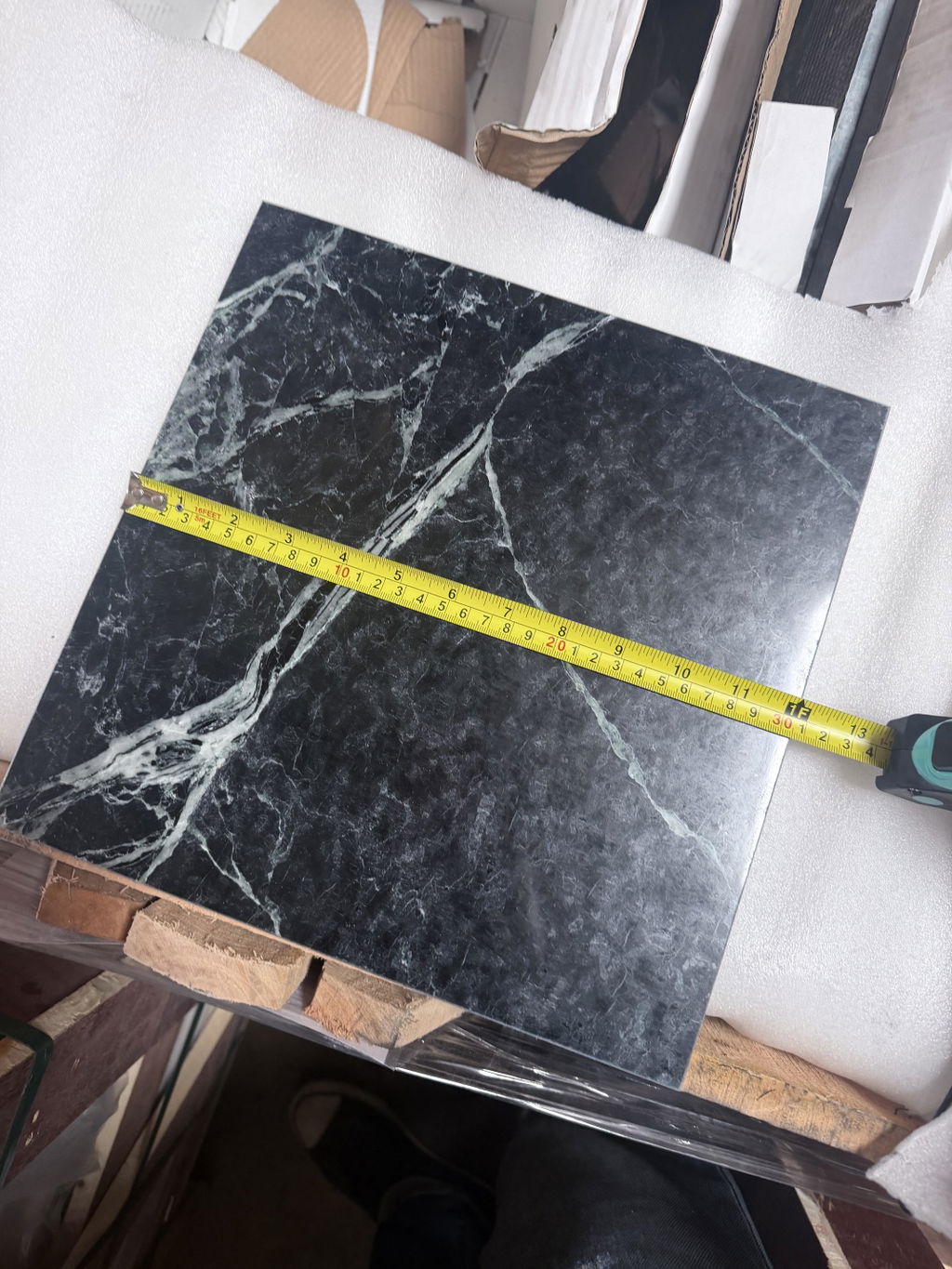
Marble remains the most requested option for a kitchen, and for good reason. It delivers the highest-end visual impact, from soft white Carrara to dramatic Calacatta veining and deep black Nero Marquina. In a backsplash application, marble is a strong choice for buyers who want elegance and pattern variation that feels refined, not printed. On floors, it creates an unmistakably upscale result, especially in honed finishes or classic checkerboard layouts.
Travertine offers a different advantage. It is warmer, more relaxed, and often better suited to kitchens that lean rustic, Mediterranean, farmhouse, or traditional. Filled and honed travertine can create a substantial floor with natural tonal movement, while tumbled formats bring a softer edge for backsplashes and decorative accents. If a kitchen needs warmth more than contrast, travertine is often the better call.
Limestone sits in a quieter lane. It is ideal when the design brief calls for subtle luxury, muted color, and less visual activity. Many designers specify limestone in kitchens where the cabinetry, counters, and millwork are meant to take the lead and the tile should support them rather than compete. It is especially effective in tonal spaces where restraint is the point.
The trade-off is that each stone behaves differently. Marble can etch. Travertine has natural voids and variation. Limestone tends to be softer in appearance and can show wear in ways some clients love and others do not. None of that is a flaw. It simply means the right material depends on whether the buyer wants pristine consistency or authentic stone character.
Finish matters as much as material
Buyers often focus on species and color first, but finish has just as much impact on performance and appearance. A polished surface gives the most light reflection and formal presence. It is often favored for marble backsplashes and statement walls. In a busy kitchen floor, though, polished stone may highlight wear more quickly.
Honed finishes are typically the most versatile. They soften glare, feel more architectural, and suit both modern and traditional kitchens. They also tend to make natural variation feel more organic. For many floor applications, honed stone is the more balanced choice because it prioritizes livability without sacrificing design value.
Tumbled or antiqued finishes introduce texture and old-world character. These are particularly effective in travertine and limestone installations where the goal is warmth and age rather than sleekness. They are not right for every kitchen, but in the right setting they deliver a depth that smoother finishes cannot.
Format and layout can change the entire result
The same stone can look completely different depending on format. Large-format field tile creates a cleaner, more expansive look with fewer grout lines. Smaller mosaics bring detail and movement. Checkerboard patterns make a classic statement, especially in marble. Versailles or French pattern sets can add richness to larger open kitchens with adjoining breakfast areas or mudroom transitions.
Backsplashes offer even more flexibility. Standard subway layouts remain popular, but they are far from the only option. Herringbone, basketweave, hex, arabesque, and waterjet-inspired shapes all give natural stone a more customized appearance. The key is making sure the tile format supports the cabinetry style and the scale of the room. A highly figured stone in a very intricate pattern can become too busy. In a quieter stone, that same pattern may be exactly what the kitchen needs.
What serious buyers should watch for
Not all stone tile is graded or curated the same way. This is where many online purchases go wrong. The product photo may suggest one thing, but the delivered material can be inconsistent in tone, poorly cut, or lower in overall visual quality. For trade professionals and discerning homeowners, that is not a minor inconvenience. It affects installation efficiency, waste, scheduling, and the finished look.
Quality sourcing matters. Premium-grade imported stone should offer stronger visual selection, cleaner fabrication, and dependable fulfillment. Sample access matters too, because stone is a material you need to see in person before making a final specification. Insured shipping is equally important when ordering heavy, breakable materials for a renovation timeline that cannot afford surprises.
This is why many buyers prefer working with a specialized importer rather than a generic reseller. A focused stone supplier can offer a broader catalog by material, name, finish, and type while maintaining a higher standard on what gets sold. That makes product selection faster and more reliable, whether the order is for a single backsplash or a full kitchen, pantry, and bar package. Surfaces Galore is built around exactly that standard.
Is natural stone right for every kitchen?
Not always. If the priority is zero maintenance and total uniformity, a manufactured alternative may be a better fit. Natural stone carries variation, and in some cases it develops character over time. For many buyers, that is the appeal. For others, especially in high-volume family kitchens, it may feel like more responsibility than they want.
The better question is whether stone fits the way the kitchen is used and the level of finish the project deserves. In a design-driven renovation, natural stone often delivers the difference between a kitchen that looks good for now and one that still looks right years later. It offers permanence, authenticity, and a level of detail that holds up under close inspection.
If you are specifying carefully, start with the application, then the stone type, then the finish and format. Get the material in hand. Compare tones under the actual lighting. Think through wear, not just photography. A well-chosen natural stone tile for kitchen spaces does more than complete the room. It gives the room credibility.

Leave a comment