
Shop Marble Tile by Finish With Confidence

The fastest way to narrow a marble selection is not by color - it is by surface. When you shop marble tile by finish, you are not just choosing how the tile looks in a photo. You are choosing how it reflects light, how it feels underfoot, how much movement it shows, and how it will perform in a kitchen, bath, foyer, or commercial setting.
That matters because two tiles cut from similar marble can deliver completely different results once the finish changes. A polished Carrara reads crisp and formal. A honed Carrara feels softer and more architectural. A tumbled marble introduces age and texture. If you start with finish first, the shopping process becomes clearer, faster, and more accurate.
Why shop marble tile by finish first
Most buyers begin with a stone name they already know - Carrara, Calacatta, Nero Marquina, or Thassos. That makes sense, but it can also keep the search too broad. Finish is often the filter that gets you to the right product category much faster, especially when the project has performance demands.
For example, a primary bathroom floor usually calls for a different surface than a fireplace surround or formal powder room wall. A polished finish may deliver the drama a statement wall needs, while a honed or brushed finish may make more sense on a wet floor where visual softness and traction matter more. Designers and contractors already think this way. Homeowners benefit from doing the same.
Shopping by finish also reduces surprises after delivery. Online stone buying works best when the selection process is grounded in use case, not just inspiration imagery. Premium marble is a significant purchase, and the finish has a direct impact on whether the finished space feels aligned with the original vision.
Shop marble tile by finish: what each surface really changes
Polished marble tile
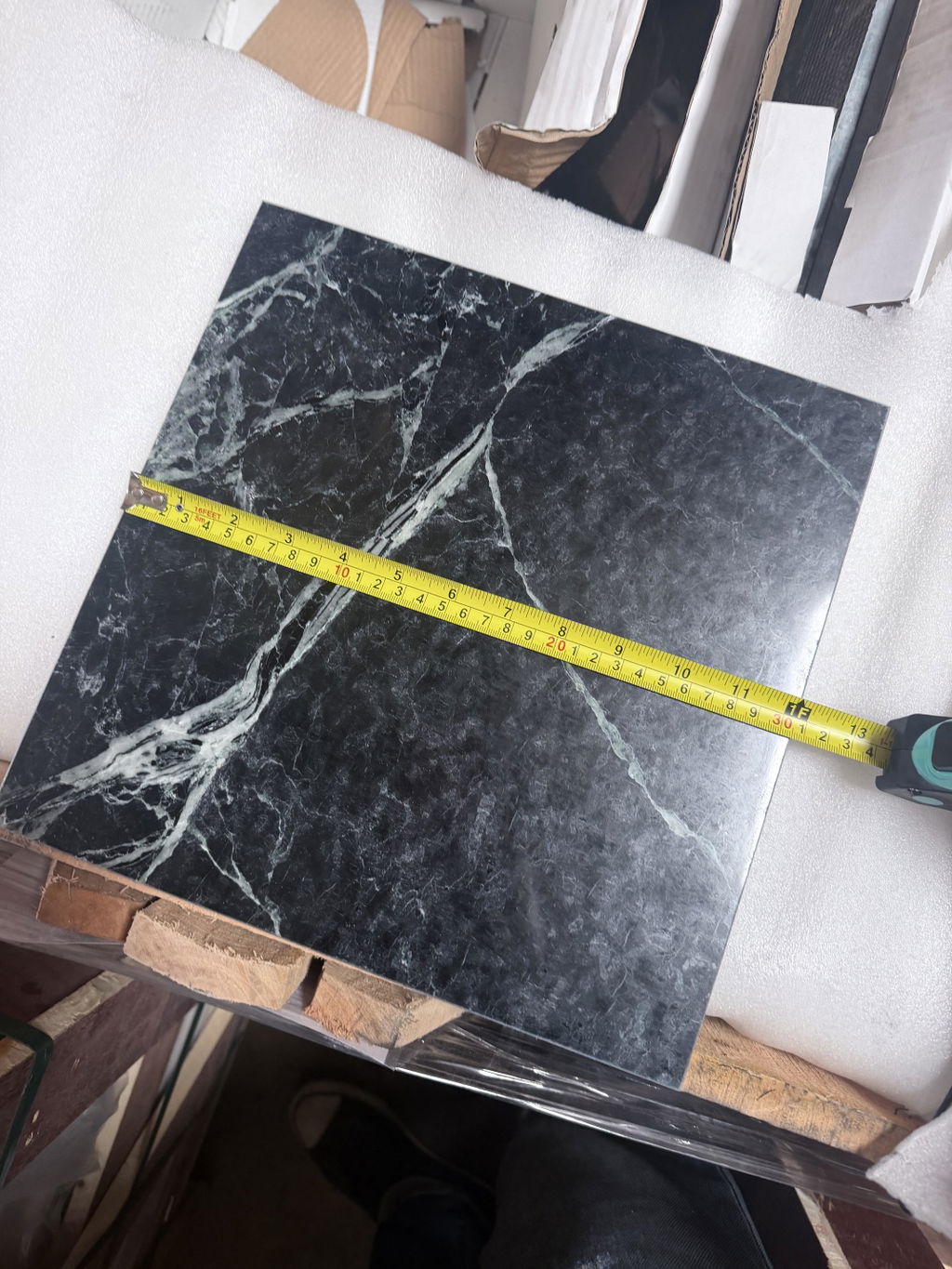
Polished marble is the highest-sheen option and the most reflective. It intensifies veining, creates visual depth, and gives white marble a cleaner, brighter presentation. This is the finish that delivers classic luxury in foyers, feature walls, shower walls, and formal interiors.
The trade-off is straightforward. A polished surface can show etching, residue, and wear more readily in high-use or splash-prone areas. It can also be less forgiving on floors where slip resistance is a concern. That does not make it the wrong choice - it simply means placement matters. If the goal is maximum elegance and light reflection, polished marble remains the benchmark.
Honed marble tile
Honed marble has a matte to low-sheen face with a smooth, refined feel. It is one of the most versatile finishes because it tones down glare, softens color variation, and reads more understated than polished stone. In bathrooms, kitchens, and whole-floor applications, honed marble often feels more livable without losing the premium look of natural stone.
It is also a favorite for design clients who want a tailored, European look rather than a glossy finish. Honed does not hide every mark, and marble remains marble, but the overall appearance is generally more relaxed and more forgiving in day-to-day use. For many projects, especially residential floors and shower spaces, honed is the practical starting point.
Tumbled marble tile
Tumbled marble is intentionally aged in appearance. Edges are softened, corners are eased, and the surface carries a textured, weathered character. This finish works especially well in old-world, rustic, Mediterranean, and warm transitional spaces where perfection is not the goal.
Tumbled marble can make a room feel established rather than newly built. It pairs well with travertine-inspired palettes, antique brass, wood cabinetry, and patterned layouts. The trade-off is that it is less crisp and less formal than honed or polished tile. If you want sharp lines and a clean contemporary look, this is likely not the finish to lead with.
Brushed marble tile
Brushed marble sits in the middle ground between smooth refinement and tactile texture. The brushing process adds subtle movement to the surface, giving the stone more grip and a more organic visual character than a honed tile. It is a strong option for buyers who want a premium natural look without the shine of polished marble.
This finish can be especially effective in spa-style bathrooms, mudrooms, and transitional interiors where texture matters. It tends to feel less slippery than polished and less rustic than tumbled. For buyers balancing appearance and function, brushed marble deserves serious consideration.
Matching the finish to the room
The right finish depends on where the tile is going and how the space will be used. There is no single best marble finish across every application.
For walls, polished marble often has the strongest visual impact. It bounces light, sharpens contrast in veining, and gives smaller rooms a more elevated feel. Backsplashes and shower walls are common places where buyers choose finish based on appearance first.
For floors, the decision usually shifts toward practicality. Honed and brushed marble are common choices because they reduce glare and create a more grounded surface. In bathrooms and showers, that can be especially important. In entryways and commercial environments, the traffic level should also influence the decision.
For decorative formats such as mosaics, checkerboard floors, borders, and patterned installations, finish becomes part of the design language. A polished black and white checkerboard looks formal and dramatic. A honed version feels quieter and more current. The exact same pattern can change personality based on surface treatment alone.
What finish says about your design style
Finish is not just technical. It signals taste.
Polished marble usually points to high contrast, classic luxury, and a more formal finish level. Think grand foyers, statement bathrooms, and tailored entertaining spaces. Honed marble suggests restraint, texture, and a more architectural point of view. It is often the choice in projects that want stone to feel integrated rather than decorative.
Tumbled marble leans warm, collected, and traditional. It works well where reclaimed wood, handmade details, and softer palettes are part of the story. Brushed marble bridges categories. It brings depth and texture to cleaner interiors without pushing too rustic.
This is why seasoned buyers do not treat finish as a secondary detail. It shapes the room as much as the stone itself.
How serious buyers compare marble finishes online
Photos help, but they are only part of the decision. Light, editing, and room styling can make one finish look closer to another than it actually is. That is why samples matter, especially with natural stone. A premium importer should make it easy to compare finishes before you commit to a full order.
When evaluating marble tile online, look for a clear product structure organized by material, finish, size, and application. That taxonomy matters because it helps you compare like with like. It also signals that the seller understands specification, not just merchandising.
Quality consistency matters just as much. Commercial-grade marble can disappoint even when the finish looks right on screen. Premium-grade material, accurate labeling, and insured fulfillment reduce the risk of variation, damage, and misaligned expectations. That is especially important for designers, contractors, and homeowners ordering for full-room installations.
At Surfaces Galore, the advantage of shopping this way is simple: premium imported marble, organized for efficient discovery, backed by sample access, competitive pricing, and dependable nationwide shipping. That is how high-consideration tile buying should work.
Common finish mistakes to avoid
One of the most common mistakes is choosing polished marble for every surface because it photographs well. In some spaces that is exactly the right move. In others, it creates more maintenance visibility than the buyer expected.
Another mistake is assuming matte always means better performance. Honed or brushed finishes can be excellent choices, but the right answer still depends on location, layout, foot traffic, and the overall design intent.
A third issue is mixing finishes without a plan. That can work beautifully when done intentionally - polished on walls, honed on floors, for example - but it needs contrast that feels deliberate, not accidental. The best projects use finish to create hierarchy.
Choosing the right finish with confidence
If you are deciding between marble options, start with the room, then the finish, then the stone name. That sequence usually produces a better result than starting with a favorite marble and forcing it into every application.
Polished is dramatic. Honed is versatile. Tumbled is aged and character-rich. Brushed is textured and balanced. None is universally better. The right one is the finish that matches the space, supports the design, and performs the way you need it to.
Marble is a finish-sensitive material, and that is exactly what makes it so effective in well-designed interiors. Once you shop with finish in mind, the entire selection process gets sharper - and the final installation usually does too.

Leave a comment