
Nine Shower Tile Design Ideas Worth Building Around in 2026

The shower tile designs winning bathrooms in 2026 are honed natural stone, large-format porcelain slabs, classic subway, herringbone, vertical stacked subway, and mosaic accent bands. If you’re starting a remodel, the single best first move is ordering physical tile samples and measuring your shower stall before you fall in love with a photo online.
These looks dominate for practical reasons. Natural stone and large-format tile both minimize grout lines, which reads as more expensive and cleans up faster. Subway and herringbone patterns cost less per square foot and still photograph beautifully, which is why trend roundups keep featuring them year after year.
Material hardness matters more than most homeowners realize. Stone rated higher on the Mohs hardness scale, like granite or quartzite, resists etching far better than marble or travertine. That’s not a reason to avoid marble. It’s a reason to plan for a penetrating sealant from day one.
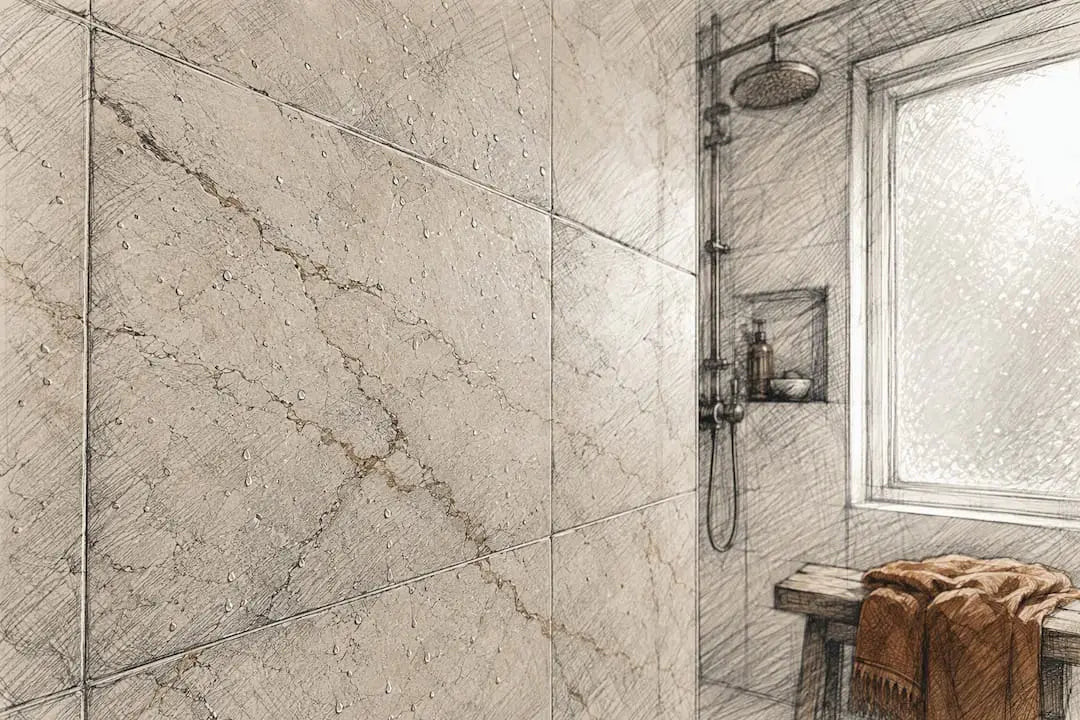
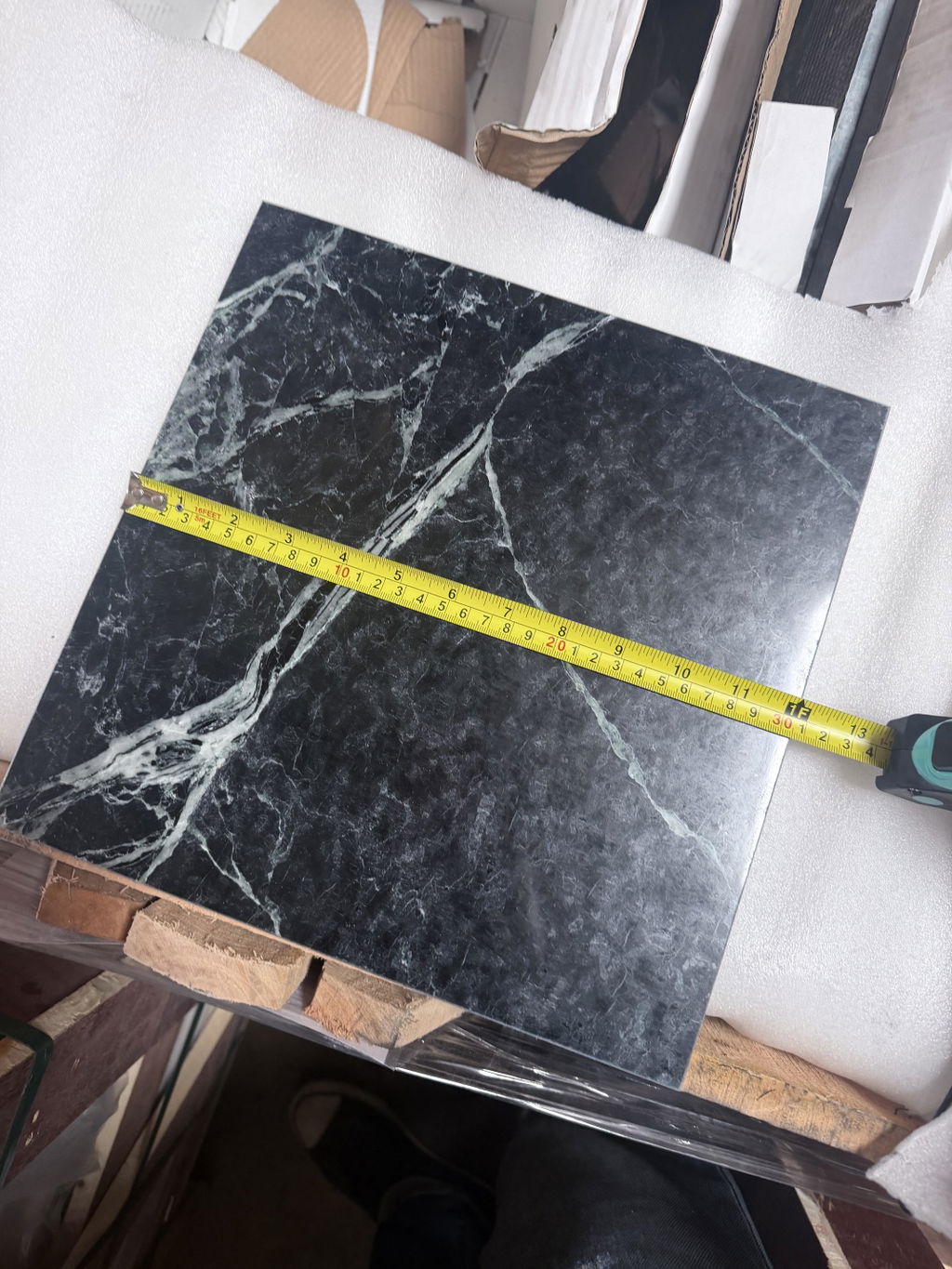
Pro Tip: Request three to five sample tiles from a supplier like Surfaces Galore before ordering full pallets. Bring them into your actual bathroom and check how they look under your shower lighting, both wet and dry.
Key Takeaways
The best shower tile design pairs a visually striking material choice with correct waterproofing and a realistic sealing routine, since even the most beautiful stone fails without both.
| Point | Details |
|---|---|
| Start with samples | Order physical tile samples and test them in your own shower lighting before buying in bulk. |
| Match finish to location | Use honed or textured finishes on floors for grip; save polished stone for walls only. |
| Waterproofing comes first | A properly installed sheet or liquid membrane prevents the most common and costly shower failure. |
| Seal natural stone annually | Use a penetrating sealer and a water-bead test to know when it’s time to reapply. |
| Source stone thoughtfully | Surfaces Galore supplies authentic marble, limestone, and travertine with sample ordering to test finishes before committing. |
Table of Contents
- Shower Tile Design Ideas: A Gallery of Nine Looks That Work
- How to Choose the Right Tile and Finish for Your Shower
- Installation and Layout Details That Determine How Long Your Shower Lasts
- Natural Stone in Showers: What the Experts Say About Sealing and Cleaning
- What a Shower Tile Remodel Actually Costs and How Long It Takes
- Small Design Decisions That Make a Tiled Shower Look Custom
- Environmental Considerations and Sustainable Tile Choices
- Explore Marble, Limestone, and Travertine Options Today
- Sources
- FAQ
Shower Tile Design Ideas: A Gallery of Nine Looks That Work
Every one of these styles shows up repeatedly in walk-in shower inspiration galleries, but they don’t all fit the same bathroom. Here’s where each one earns its keep.
- Bookmatched marble wall. Two mirrored slabs create a symmetrical vein pattern that looks like abstract art. This works best as a single feature wall in a larger walk-in shower, since bookmatching two full slabs gets expensive fast. Choose a honed finish to soften glare and hide water spots better than polished marble does.
- Large-format porcelain slab. Panels as big as 5 feet by 10 feet mean almost no grout lines on the wall. It suits minimalist, spa-style bathrooms and barrier-free showers where a seamless surface amplifies the sense of space. Porcelain in this format resists scratching and never needs sealing.
- Classic 3x6 glazed subway tile. The workhorse of shower design for a reason. It fits small stalls and tight budgets equally well, and a running-bond layout with white grout keeps things timeless. Skip the trend chasing here. This one doesn’t age out.
- Long-format plank tile. Planks in the 6x24 or 8x36 range mimic wood or linear stone without the water damage risk. They read modern in a way small subway can’t, and horizontal orientation visually widens a narrow shower stall.
- Herringbone with pencil trim. The zigzag pattern adds motion to an otherwise flat wall, and a thin metal or marble pencil trim along the edges cleans up the transition. It takes more labor to install, so budget extra for cutting and setting time.
- Vertical stacked subway. Rotating the same subway tile so it stacks straight up draws the eye toward the ceiling, which is a smart trick in a shower with low headroom. It reads more contemporary than the traditional running bond.
- Mosaic accent band or niche. A ribbon of glass or stone mosaic breaks up a large-format field, or lines a recessed niche shelf. This is where you can afford to be bold with color, since it’s a small surface area.
- Pebble or river-rock floor with a stone threshold. Small-format stone underfoot creates natural texture and grip, and a matching stone threshold ties the floor to the walls. It’s a favorite for steam showers and spa-style primary bathrooms.
- Checkerboard or bold geometric mosaic. Two-tone marble or porcelain in a checkerboard pattern makes a strong graphic statement, usually reserved for a floor or an accent wall rather than the whole shower.
Grout choice changes the personality of every look above. A grout color close to the tile shade, paired with a thin joint, gives you that seamless, high-end appearance designers chase. A contrasting grout with a wider joint pushes the same tile toward a rustic or graphic feel, and on floors, a wider joint with textured grout actually improves footing.
How to Choose the Right Tile and Finish for Your Shower
Picking a tile isn’t just about the picture. It’s about matching material to how the space gets used.
- Check slip resistance first, especially on floors. A honed or textured finish grips better wet than a polished one. Save polished stone for walls only.
- Understand porosity before you commit to a stone. Marble and travertine are porous and need sealing; granite and quartzite are denser and more forgiving.
- Match hardness to location. Softer stones work fine on walls where they don’t take direct foot traffic or standing water.
- Decide honed versus polished based on maintenance tolerance. Honed hides etching and water spots; polished shows every mineral streak but delivers more shine.
- Weigh tile size against grout frequency. Bigger tiles mean fewer grout lines to clean, but heavier slabs demand a wall structure that can support them.
Before you place an order, ask your contractor or supplier about the waterproofing membrane they plan to use, the thin-set and grout specification for your specific stone, available grout colors, the sealing schedule after install, and how ready your substrate needs to be. Also confirm lead times, since custom stone cuts can take weeks longer than stocked porcelain.
Pro Tip: Order your samples and set them on the bathroom floor at night with the lights on, then again in the morning with natural daylight. Tile color shifts more than people expect between artificial and natural light.
Installation and Layout Details That Determine How Long Your Shower Lasts
The prettiest tile in the world fails fast if the waterproofing behind it is wrong. This is the section homeowners skip and regret skipping.
- Choose sheet or liquid waterproofing, not just a vapor barrier. Sheet membranes and rated liquid membranes are standard practice now, and skipping them is the leading cause of stone shower failure.
- Confirm the floor slope, roughly a quarter inch per foot toward the drain. Too flat and water pools; too steep and it feels unstable underfoot.
- Verify substrate rigidity for stone specifically. Natural stone is less flexible than porcelain and cracks over a substrate that isn’t rock solid.
- Plan your layout before the first tile goes up. Decide whether pattern lines center on the shower or offset around the drain and niche, and stick to it.
- Match tile size to the surface. Large-format tile needs a flatter, stiffer substrate than smaller tile can tolerate.
Insufficient waterproofing behind stone tile, using a shallow foam pan under a heavy stone floor, and setting large-format tile on a substrate with any flex are the three mistakes that show up again and again in failed shower jobs. Ask any contractor bidding your project to walk you through their membrane system by name before you sign anything.
Natural Stone in Showers: What the Experts Say About Sealing and Cleaning
Natural stone rewards the homeowner who treats it right and punishes the one who doesn’t. The good news is the maintenance routine isn’t complicated once you know it.
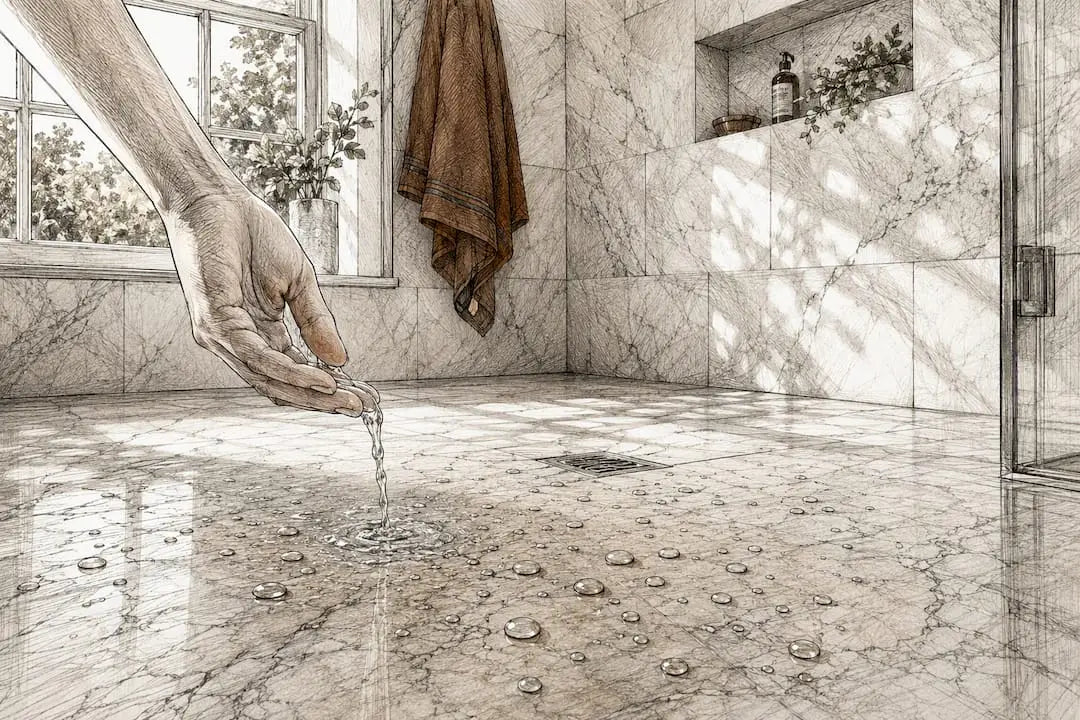
Penetrating sealers, not topical coatings, are the standard for shower stone because they soak into the surface instead of sitting on top, where they’d wear off from foot traffic and water exposure. A simple water-bead test tells you when it’s time to reseal: splash some water on the stone, and if it soaks in within a few minutes instead of beading up, reseal it. Most natural stone needs this about once a year, though high-use showers may need it more often.
Cleaning products matter just as much as sealing schedule. Skip vinegar, bleach, lemon-based cleaners, and abrasive powders entirely. These etch calcite-based stones like marble and travertine and break down sealant faster than normal wear would. Stick to a pH-neutral stone cleaner instead.
A workable maintenance routine looks like this:
- Squeegee walls and glass after every shower to cut down on water spots and mineral buildup.
- Wipe down with a pH-neutral cleaner weekly.
- Reseal annually, or sooner if the water-bead test says so.
| Factor | Natural Stone | Engineered Stone / Large-Format Porcelain |
|---|---|---|
| Sealing needs | Annual penetrating seal required | None needed |
| Visual uniqueness | Every slab is one of a kind | Consistent, repeatable pattern |
| Maintenance routine | pH-neutral cleaning, sealing, careful product choice | Low maintenance, often grout-free |
| Durability | Excellent with proper care and sealing | Excellent, scratch and stain resistant |
Neither option is wrong. It comes down to whether you value one-of-a-kind veining enough to keep up with a yearly sealing routine, or you’d rather trade some visual character for near-zero upkeep.
What a Shower Tile Remodel Actually Costs and How Long It Takes
Budget shifts dramatically based on material choice, and most of that shift happens at the high end where slab stone and custom cuts live.
- Economy tile (ceramic, small-format porcelain): lowest material cost, straightforward installation.
- Midrange tile (large-format porcelain, standard marble tile): moderate material cost, some added labor for cutting and leveling.
- High-end natural stone (slab marble, custom mosaics, bookmatched panels): highest material and labor cost, driven by slab weight, custom fabrication, and skilled setting time.
A typical timeline runs a few weeks from start to finish: sample selection and ordering first, then demolition, waterproofing and substrate build, tile installation, grouting, and a curing window before the shower gets used. Custom stone slabs often add extra lead time to that schedule since they’re cut to order rather than pulled from stock. Check with your local building department on permit requirements before demolition begins, since rules vary by jurisdiction.
Small Design Decisions That Make a Tiled Shower Look Custom
The tile itself only tells half the story. These details separate a good-looking shower from one that looks professionally designed.
- Keep grout color close to the tile for a seamless look, or go contrasting for a graphic statement.
- Add a pencil trim or metal edge where two tile types meet to give the transition a finished look.
- Design your niche with a coordinating mosaic or a mitered stone edge instead of leaving it plain.
- Choose a curbless threshold for a cleaner, more modern line, or a low curb finished in matching tile.
- Match your shower glass hardware and hooks to your faucet finish so nothing looks like an afterthought.
Lighting changes how tile reads more than most people expect. A recessed niche light brings out the veining in marble that flat overhead lighting flattens out, and directional lighting across a textured tile surface adds depth that’s invisible under diffuse light.
Pro Tip: Scale your tile to your shower size. Oversized slabs in a tiny stall can look cramped, while tiny mosaic tile across a huge walk-in shower can look busy. Match the tile’s scale to the room’s.
Environmental Considerations and Sustainable Tile Choices
Natural stone is quarried rock, not a manufactured product, which gives it a different environmental profile than synthetic tile. It doesn’t off-gas volatile organic compounds, and a well-installed, well-maintained stone shower can last decades rather than needing replacement every renovation cycle. That longevity is itself a form of sustainability. Fewer remodels mean less material heading to a landfill over the life of a house.
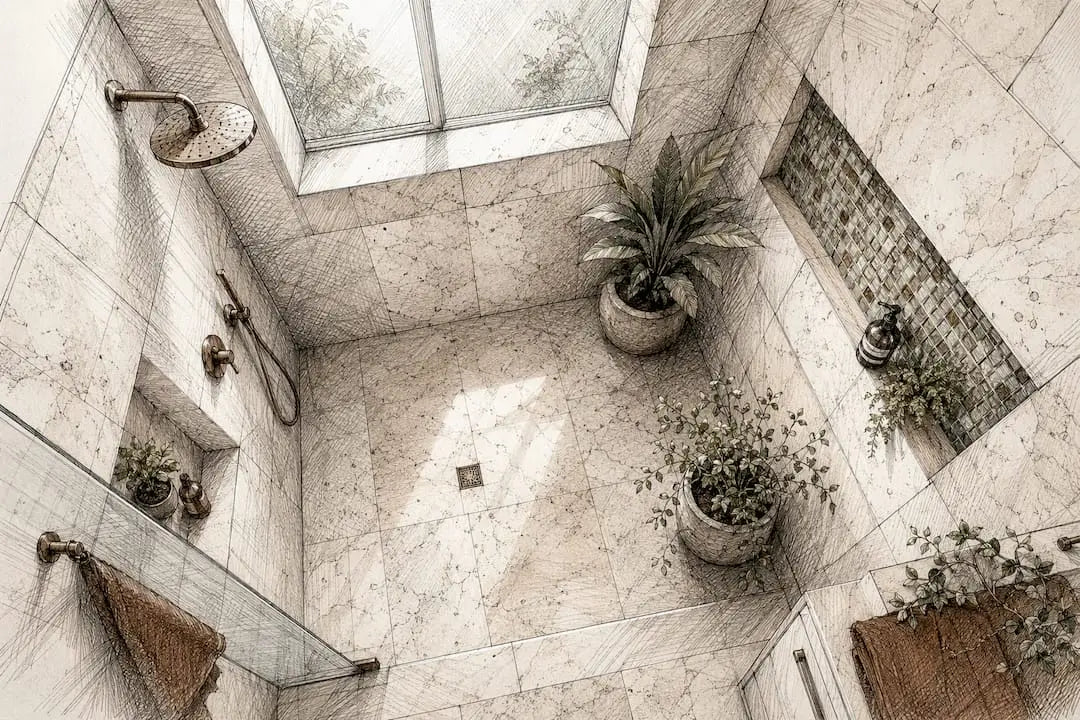
That said, stone extraction and transport carry a real footprint, and porcelain manufacturing has its own energy demands. If sustainability is a priority alongside aesthetics, look for suppliers who source responsibly and ship efficiently, and consider that a durable, properly sealed natural stone shower typically outlasts lower-cost alternatives that need replacing sooner. Buying tile that lasts twenty years instead of eight is one of the more overlooked ways to reduce a renovation’s overall impact.
Recycled glass mosaics offer another sustainable option worth considering for accent bands or niches, since they repurpose waste glass into a durable, water-resistant surface. Whatever material you choose, proper installation and care extend its life span, which is the single biggest lever homeowners have over the environmental cost of a bathroom remodel.
A stone specialist’s take on getting this right
I’ve watched enough stone showers go in to know the finish people fall in love with in a showroom isn’t always the one that performs in their actual bathroom. The waterproofing and sealing choices matter more than the marble pattern does. Surfaces Galore’s sample program exists because seeing a slab under your own lighting beats trusting a screen every time.
Explore Marble, Limestone, and Travertine Options Today
Surfaces Galore gets you authentic quarried stone at prices that beat custom fabrication shops, without sacrificing the sample-first approach this article just walked you through. Every look covered here, from bookmatched marble to pebble floors, starts with a physical sample in your hand before you commit to a full order.
Whether you’re chasing a honed travertine wall or a bold mosaic niche, Surfaces Galore ships marble, limestone, and travertine tiles, mosaics, and custom cuts nationwide, with bulk and trade quotes available for contractors and designers. Explore the modern shower tile trends shaping 2026 for more style direction, or dig into the marble shower installation workflow if you’re planning the project yourself. Ready to see stone in your own bathroom? Shop natural stone tiles today and request samples before your next remodel decision.
Sources
- Natural Stone Showers: Design, Waterproofing & Care – Dynamic Stone Tools
- Using Natural Stone in Showers: Everything You Should Know - Kohler LuxStone Showers Blog
- 30 Walk-In Shower Tile Ideas for Your Home - The Spruce
- Natural Stone Tiles In Showers: Pros, Cons, And Installation Tips | CyShower
FAQ
What is the most popular shower tile design right now?
Large-format porcelain and honed natural stone lead 2026 trends, though classic subway and herringbone remain consistently popular for their affordability and timeless look.
Is natural stone a good choice for a shower floor?
Yes, but choose small-format or textured stone with a honed finish for slip resistance, since polished stone gets dangerously slick when wet.
How often do I need to seal natural stone tile?
Most natural stone needs resealing about once a year, though a quick water-bead test tells you exactly when it’s due.
Does Surfaces Galore offer sample tiles before I order in bulk?
Yes, Surfaces Galore offers sample ordering so you can test marble, limestone, and travertine finishes in your own bathroom lighting before placing a full order.
What’s the biggest mistake homeowners make with shower tile installation?
Skipping or under specifying the waterproofing membrane behind the tile, which is the leading cause of costly shower failures over time.

Leave a comment