

The Hidden Cost of Cheap Tile: What Most Buyers Don’t Realize

You know, everyone loves a good deal. When you're redoing your floors or kitchen, seeing those super cheap tile prices can be really tempting. It feels like you're scoring big, right? But what if that low price tag is actually hiding a bigger problem down the road? We're going to talk about 'The Hidden Cost of Cheap Tile: What Most Buyers Don’t Realize' and why sometimes, paying a little more upfront saves you a whole lot of headaches later on.
Key Takeaways
- Cheap tiles often lack durability, leading to premature wear and tear and unexpected replacement costs.
- Lower quality materials can present installation challenges, increasing labor expenses and the risk of breakage.
- Budget tiles typically offer fewer design choices and can result in a less appealing final look for your home.
- Investing in higher-quality tile, like natural stone from reputable suppliers, adds long-term value and beauty.
- Always consider the total cost, including installation, maintenance, and longevity, not just the initial price tag.
The True Cost of Inexpensive Tile Materials
Durability and Longevity Concerns
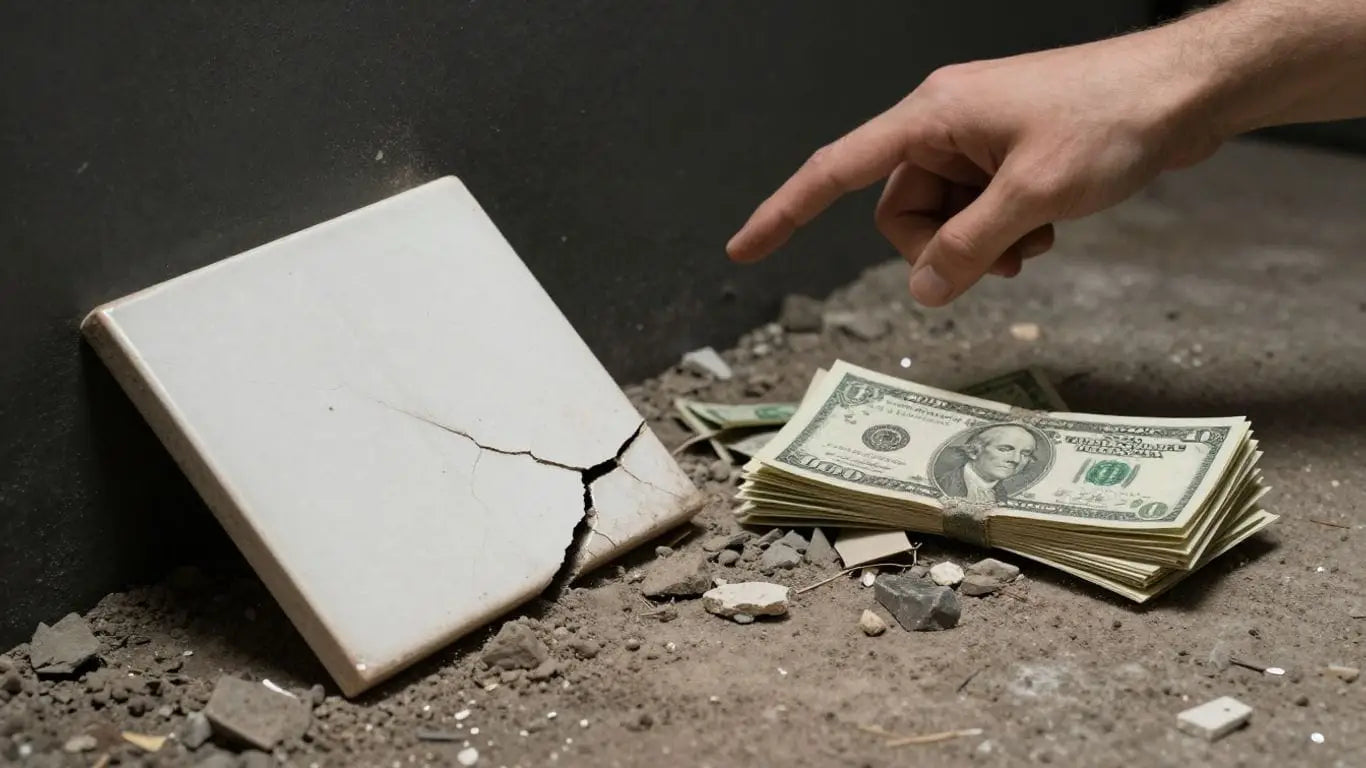
Think that bargain tile is a smart buy? Think again. Cheap tile often means cheap materials, and that translates directly to a shorter lifespan for your floors and walls. You might save a few bucks upfront, but you'll likely be looking at replacement much sooner than you'd expect. This isn't just about aesthetics; it's about your investment.
- Material Weakness: Lower-grade tiles are often made with less durable compounds, making them prone to chipping, cracking, and fading. Imagine your beautiful new floor looking worn and damaged in just a few years. That's the reality with budget options.
- Environmental Impact: Cheaper tiles can be more susceptible to moisture and temperature changes, leading to warping or even structural issues over time. This can create costly problems down the line.
Case Study: The Miller family in Ohio saved $500 by choosing a discount ceramic tile for their kitchen. Within two years, several tiles had chipped, and grout lines were stained beyond repair. They ended up spending $1,200 to replace the entire floor, plus the cost of the initial, short-lived tile.
Potential for Premature Wear and Tear
Budget tiles might look good out of the box, but how do they hold up to daily life? The truth is, they often don't. High-traffic areas, spills, and even regular cleaning can take a significant toll on lower-quality materials.
- Surface Damage: Expect scratches, scuffs, and fading to appear much faster than with premium tiles. That 'new tile' look won't last long.
- Color Loss: Cheaper tiles may have a surface glaze that wears away, revealing a duller, less attractive material underneath. What looked vibrant initially can become a muted disappointment.
Hidden Repair and Replacement Expenses
When those cheap tiles inevitably start to fail, the costs don't stop at just buying new ones. You'll face the expense of removal, potential subfloor repair, and re-installation. These hidden costs can quickly add up, making that initial saving seem foolish.
- Labor Intensive: Removing damaged tiles and preparing the surface for new ones takes time and money. This is often more work than the original installation.
- Matching Issues: Finding an exact match for older, cheaper tiles can be impossible, forcing you to replace larger areas or the entire room for a cohesive look.
Consider this: A homeowner in Florida bought inexpensive porcelain tiles for their bathroom. A few years later, a leak caused several tiles to crack. The cost to replace just those few tiles, including labor and trying to match the faded color, ended up being nearly the cost of tiling the entire bathroom with a better quality product initially. It's a classic case of 'buy cheap, buy twice.'
When you're ready to invest in tile that truly lasts, explore options like buy marble tiles online USA. Quality materials like marble and travertine offer unparalleled beauty and durability, providing long-term value that budget tiles simply can't match. Visit Surfaces Galore to see the difference quality makes.
Understanding Material Quality and Its Impact
You get what you pay for, right? When it comes to tile, this old saying rings especially true. Cheap tile might seem like a smart buy upfront, but the real cost often shows up later. Let's talk about why the quality of your tile material matters so much.
Variations in Natural Stone
Natural stone, like marble and travertine, is beautiful because it's unique. Every slab has its own story, told through veins, colors, and textures. But this uniqueness can be a double-edged sword with lower-quality materials. You might see huge differences from one tile to the next. One piece could be a light cream, and the next a deep brown. The veining might be bold and dramatic on one, and barely visible on another. This inconsistency makes it tough to get a cohesive look. It's like trying to assemble a puzzle where half the pieces are from different boxes.
Case Study: The Inconsistent Kitchen Countertop
Sarah wanted a budget-friendly marble look for her kitchen. She found a deal on what was advertised as 'marble-look' tile. When it arrived, she was shocked. Some tiles had a strong grey veining, while others were almost pure white. Trying to lay them out, she found that the color variations were so extreme, it looked messy rather than elegant. She ended up having to buy extra tiles, hoping to find pieces that matched better, which ate into her savings. The final result was 'okay,' but it never had the polished, unified look she dreamed of.
The Role of Finishes and Edges
Quality isn't just about the stone itself; it's also about how it's finished. Think about the surface: is it polished to a high shine, or does it have a more natural, honed look? A cheap tile might have a finish that wears off quickly, looking dull and scratched after just a year or two. Then there are the edges. Are they precisely cut for tight seams, or are they uneven, leading to wide, messy grout lines? These details might seem small, but they make a huge difference in the final appearance and how easy the tile is to install.
Here's a quick look at common finishes:
- Polished: Offers a shiny, reflective surface. Looks luxurious but can show scratches more easily.
- Honed: A matte finish, less reflective. Hides minor wear and tear better.
- Tumbled: Gives a worn, aged look with softened edges. Great for a rustic feel.
- Split Face: Shows the natural, rough texture of the stone.
Identifying Substandard Manufacturing
Sometimes, the problems aren't visible until you're actually working with the tile. Substandard manufacturing can mean tiles that aren't perfectly flat, leading to lippage (uneven edges between tiles). They might be warped, making it impossible to get a level surface. Or, they could be brittle and prone to chipping or cracking even with careful handling. You might also notice issues with the backing of the tile, affecting how well the adhesive grips. If a deal seems too good to be true, it often is.
Quick Checklist for Quality:
- Check for Warping: Lay a few tiles flat on a level surface. Do they rock? If so, they're likely warped.
- Inspect Edges: Are they straight and consistent? Uneven edges mean trouble during installation.
- Look for Chips: Examine the edges and corners for any signs of damage. Cheaper tiles are often more fragile.
- Feel the Surface: Does the finish feel consistent and durable, or thin and likely to wear off?
When you choose quality materials, you're not just buying tile; you're investing in a beautiful, long-lasting foundation for your home. It saves you headaches, extra costs, and disappointment down the road. If you're looking for the real deal, consider options like buying marble tiles online in the USA from reputable sources. You'll find that the investment pays off.
Installation Challenges with Lower-Quality Tile
When you're looking at tile, it's easy to get caught up in the price tag. But what happens when that cheap tile hits the job site? Often, it's a headache waiting to happen. Lower-quality tiles can turn a straightforward installation into a costly, time-consuming ordeal. Think about it: tiles that aren't perfectly uniform, that chip easily, or that have inconsistent backing can really throw a wrench in the works.
Increased Labor Costs for Difficult Materials
This is where the 'cheap' tile really starts to bite. If your tiles are warped, uneven, or prone to breaking, your installer has to work twice as hard. They might spend extra time sorting through pieces, trying to find usable ones, or meticulously cutting and fitting to hide imperfections. This extra labor time directly translates to higher costs for you. It’s like trying to build with crooked lumber – it takes way longer and requires a lot more skill to make it look right. For instance, a simple bathroom floor that might take a pro two days with good quality tile could stretch into three or even four days with problematic materials. That's a significant jump in labor expenses.
The Risk of Breakage During Installation
Cheap tile is often just that – cheap. This means it's more brittle. During cutting, handling, or even just laying them down, you'll find a higher percentage of breakage. Imagine ordering 100 square feet of tile and finding out you need to order an extra 15-20% just to account for waste. That's not just the cost of the extra tiles; it's the cost of the time lost waiting for replacements or the frustration of having to make do with smaller, awkward cuts.
Ensuring Proper Adhesion and Grouting
Even if you get the tiles laid, the problems aren't over. Tiles with inconsistent thickness or uneven backing can lead to poor adhesion. This means some tiles might feel loose or even crack later on. Grouting can also be a nightmare. If the tile edges aren't straight or the faces aren't flat, you'll end up with uneven grout lines. This not only looks bad but can also create weak spots where moisture can seep in, leading to bigger problems down the road. Getting a professional, long-lasting finish requires materials that are manufactured to precise standards.
Case Study:
A homeowner in Phoenix decided to save money by purchasing a batch of discounted ceramic tiles for their kitchen backsplash. The tiles looked decent online, but upon arrival, they discovered significant warping and inconsistent glaze. The installer had to spend an extra day carefully selecting and cutting tiles, and even then, some grout lines were uneven. The final cost for labor was nearly double the initial estimate, and the homeowner was left with a backsplash that, while functional, lacked the polished look they had envisioned. They later regretted not investing in higher-quality materials upfront.
Aesthetic Compromises of Budget Tiles
When you opt for the cheapest tile options, you're often making a trade-off that goes beyond just the initial price tag. While it might seem like a smart move for your wallet now, the long-term aesthetic impact can be significant. Budget tiles frequently fall short in delivering the visual richness and unique character that truly transform a space.
Limited Design Options and Patterns
Budget tile lines tend to be quite restricted in their offerings. Manufacturers focus on mass production of a few popular styles, meaning you'll likely find yourself choosing from a narrow palette of colors and basic patterns. If you have a specific vision for your home, like a intricate mosaic or a bold geometric design, you'll probably find that these options are simply not available in the lower-cost tiers. This can lead to a home that looks less personalized and more generic.
- Fewer Color Choices: Limited to standard, mass-market hues.
- Basic Patterns: Expect simple squares, rectangles, or very common mosaics.
- Lack of Specialty Shapes: Unique shapes like hexagons, arabesques, or custom patterns are rare.
Inconsistent Color and Veining
Natural stone, like marble or travertine, is prized for its unique variations. However, with cheaper tiles, these natural characteristics can become a liability. You might end up with tiles that have wildly inconsistent colors, blotchy patterns, or veining that looks artificial or poorly distributed. This lack of uniformity can make a floor or wall look messy and unfinished, detracting from the overall appeal of your room. For instance, a batch of budget marble might have some tiles that are almost pure white and others with heavy, muddy grey veining, creating a jarring visual effect.
Case Study: The "Almost" Marble Kitchen Sarah wanted a marble backsplash but found a deal on what was labeled "marble-look" tile. While it was affordable, the color variations were extreme. Some tiles had faint grey lines, while others had thick, black streaks that looked nothing like real marble. After installation, the backsplash looked chaotic, not elegant, and she regretted not investing in authentic marble tiles, even if it meant a smaller area or a simpler pattern. She later found herself looking to buy marble tiles online in the USA for a future project, having learned her lesson.
Lack of Unique Character and Appeal
High-quality tiles, especially natural stones like marble and travertine, possess an inherent character that mass-produced budget options can't replicate. The subtle shifts in color, the unique veining, the natural texture – these are the elements that give a space depth and sophistication. Budget tiles often lack this depth, appearing flat and uninspired. They might mimic the look of premium materials, but they rarely capture the soul. Think about the difference between a print of a famous painting and the original; the budget tile is the print – it gets the basic idea across, but it misses all the nuance and richness that makes the original special. If you're aiming for a home that feels truly luxurious and distinctive, settling for budget aesthetics is a compromise you'll likely come to regret.
Long-Term Value and Investment Potential
Enhancing Home Resale Value
Think of tile as an investment, not just a surface. When you choose quality materials like natural stone, you're not just beautifying your home today; you're adding tangible value for tomorrow. Homes featuring premium finishes like marble or travertine often command higher prices and attract more serious buyers. It's a clear signal of quality and care that potential homeowners recognize and are willing to pay for. Imagine a buyer walking into your kitchen and being immediately impressed by the timeless elegance of a granite countertop or the warm, inviting feel of travertine floors. That's the kind of lasting impression that translates directly into a better sale.
The Timeless Appeal of Natural Stone
Trends come and go, but natural stone is forever. Unlike trendy materials that can look dated in a few years, marble, granite, and travertine possess a classic beauty that never goes out of style. This timelessness means your investment remains relevant and attractive for decades. You won't have to worry about re-tiling just to keep up with the latest fad. Instead, you'll enjoy a space that consistently feels sophisticated and high-end. It’s about creating a foundation of enduring style.
Cost-Effectiveness Over Time
While the initial price tag for quality tile might seem higher, the long-term picture tells a different story. Durable materials like natural stone resist wear and tear far better than cheaper alternatives. This means fewer repairs, less frequent replacements, and lower maintenance costs over the lifespan of your home. Consider this: a cheap tile might need replacing in 5-10 years, while a well-maintained marble floor can last a lifetime. When you factor in the cost of multiple replacements and the associated labor, the initial investment in quality stone pays for itself many times over. It’s a smart financial decision for any homeowner.
Case Study: The Miller Residence
The Miller family, looking to sell their home, had previously installed budget-friendly ceramic tiles in their bathrooms. Within five years, grout lines were stained, and several tiles had chipped. They faced a dilemma: either sell at a lower price or invest in a costly re-tiling before listing. They opted for a partial re-tiling using high-quality marble. The transformation was dramatic. The bathrooms looked significantly more luxurious. During showings, the new marble was a major talking point, and the home sold for 15% more than their initial asking price, recouping the tile investment and then some.
Investing in premium tile isn't an expense; it's a strategic move that pays dividends in both immediate aesthetic appeal and long-term financial return. It’s about building lasting value into the very fabric of your home.
The Importance of Sourcing from Reputable Suppliers
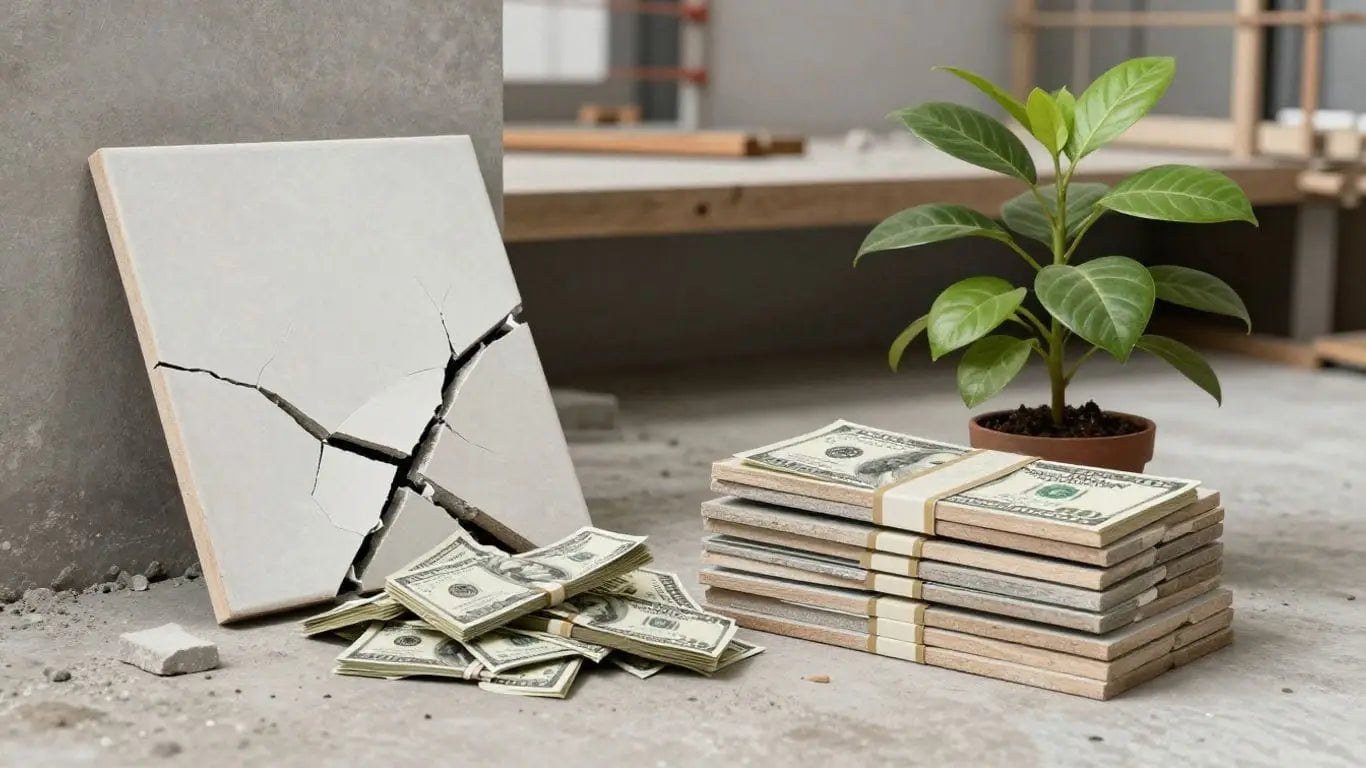
When you're looking for tile, especially natural stone like marble or travertine, it's easy to get caught up in the price tag. But the real value isn't just in the initial cost; it's in where you buy it from. Choosing a reputable supplier makes all the difference. Think of it like buying a used car – you can get a cheap deal, but if it breaks down a week later, that 'deal' becomes a costly headache. The same applies to your home's surfaces.
Benefits of Direct Importers
Going with a direct importer means you're cutting out the middlemen. This isn't just about saving a few bucks; it's about transparency and quality control. Direct importers, like Surfaces Galore, work straight with quarries around the world. This means they have a closer eye on the stone from the very beginning. They can pick out the best slabs, check for quality issues before they even reach the US, and pass those savings and quality assurances directly to you. It’s a smarter way to buy, plain and simple.
- No Middleman Markups: You get better prices because there are fewer hands touching the product.
- Direct Quality Control: Suppliers can monitor quality from quarry to warehouse.
- Fresher Inventory: Direct importers often have more direct access to new stock and unique finds.
Ensuring Product Authenticity and Quality
This is where things get serious. Not all marble is created equal, and not all sellers are honest about what they're selling. A reputable supplier will be upfront about the type of stone, its origin, and its characteristics. They won't try to pass off a lower-grade material as premium. For instance, if you're looking to buy marble tiles online in the USA, you want a supplier who can show you detailed photos, explain the differences between, say, Carrara and Calacatta, and guarantee that what you see is what you get. They should also be clear about any natural variations, which are part of the stone's charm, not a defect.
Case Study: The Travertine Match
John B. in Texas needed to replace a few tiles in his 15-year-old travertine floor. After months of searching locally with no luck, he found John at Surfaces Galore. John took the time to look at photos, discuss options, and hand-pick tiles that would blend with the existing ones. This attention to detail for a small order saved John B. from having a mismatched floor and a huge headache. That’s the kind of service and quality assurance you get from a trusted source.
Access to Expert Advice and Support
Buying tile can feel overwhelming. There are so many types, finishes, and patterns. A good supplier isn't just a seller; they're a partner. They can guide you through the options, explain the pros and cons of different stones for your specific project, and help you avoid costly mistakes. Need to know if a certain marble is suitable for a high-traffic kitchen or if travertine is best for your outdoor patio? They'll have the answers. They can also advise on installation and maintenance, making sure your beautiful new tile looks great for years to come.
Choosing the right supplier is as important as choosing the right tile. It’s an investment in the quality, longevity, and overall beauty of your home. Don't let a lower price from an unknown source lead to regret down the line. Opt for reliability and expertise.
Case Study: The Designer's Choice
An interior designer was working on a high-end bathroom remodel and needed a specific shade of onyx. She contacted several suppliers, but only Surfaces Galore provided detailed information, high-quality samples, and the assurance that the onyx was authentic and would arrive safely packaged. The client was thrilled with the translucent beauty of the onyx, calling it a "jewel box." This project's success hinged on the designer's ability to source a unique, high-quality material from a supplier she could trust.
Beyond the Initial Purchase Price
So, you've found a tile that seems like a steal. Great, right? But hold on a second. The sticker price is just the beginning of the story. When you opt for cheaper tiles, you're often signing up for a whole host of hidden costs that can quickly turn that bargain into a budget-buster. It’s not just about the tile itself; it’s about what comes after you buy it.
Maintenance Requirements and Costs
Cheap tiles can be a maintenance nightmare. They might stain easily, scratch without warning, or lose their luster after just a few cleanings. This means you'll be spending more time and money on special cleaners, sealants, and maybe even professional restoration down the line. Think about it: that low upfront cost can balloon when you're constantly battling to keep your floors looking decent.
- Frequent Sealing: Porous, low-quality tiles often need more frequent sealing to prevent stains and damage. This adds to both material and labor costs.
- Specialized Cleaners: Many budget tiles can't handle harsh chemicals, requiring expensive, specialized cleaning solutions.
- Repair Frequency: Expect to replace chipped or cracked tiles more often than you would with higher-quality options.
Case Study: Sarah bought inexpensive ceramic tiles for her kitchen backsplash. Within six months, grease splatters were leaving permanent marks, and regular cleaning started to dull the finish. She ended up spending nearly as much on specialized cleaners and grout pens as she would have on slightly more expensive, stain-resistant tiles initially.
The Impact on Property Value
While you might think any tile is better than no tile, the type of tile you choose significantly impacts your home's resale value. Buyers are savvy. They can spot cheap materials a mile away, and it can make them question the overall quality of your home. Investing in quality materials like marble or travertine, even if they cost more upfront, can actually increase your home's appeal and justify a higher asking price. It's an investment that pays off when it's time to sell. You can even buy marble tiles online USA from reputable dealers to ensure quality.
- Buyer Perception: Low-quality tile can signal to potential buyers that other areas of the home might also be built with cheaper materials.
- Long-Term Appeal: Natural stones like marble and travertine have a timeless elegance that doesn't go out of style, making your home more attractive to a wider range of buyers.
- Return on Investment: High-end tile installations are often cited as a key feature that helps homes sell faster and for more money.
Avoiding Future Disappointment
Ultimately, the goal is to create a space you love, one that lasts. Choosing cheap tile often leads to regret. You might find yourself constantly wishing you'd splurged a little more for something that looked better, felt better, and held up better. This disappointment can be a significant hidden cost, affecting your enjoyment of your own home. Don't let a short-term saving lead to long-term dissatisfaction. Consider the lasting beauty and value of natural stone. For instance, exploring options like buy marble tiles online USA can lead you to durable, beautiful choices that stand the test of time, avoiding the pitfalls of cheaper alternatives and the unexpected expenses that often accompany them. Remember, the initial demolition of old tiles can also be a hidden expense, so starting with quality materials from the outset can streamline the entire renovation process [938a].
The true cost of tile isn't just what you pay at the register. It's the sum of maintenance, potential repairs, and the impact on your home's value and your own satisfaction over the years. Choosing wisely upfront saves money and headaches in the long run.
Exploring Premium Alternatives for Lasting Beauty
When you're looking for tile, it's easy to get drawn to the lowest price tag. But what if that cheap tile ends up costing you more in the long run? Investing in premium natural stone isn't just about looks; it's about value, durability, and creating a space that truly stands the test of time. Let's talk about some of the best options out there.
The Elegance of Marble
Marble has been a symbol of luxury and sophistication for centuries. Think of ancient sculptures or grand palaces – marble was always at the heart of it. Its unique veining patterns and rich colors make every piece a work of art. It’s not just beautiful; marble is also quite durable, making it a solid choice for areas that see a lot of action, like kitchens and bathrooms. Plus, it handles heat really well, which is a big plus for kitchen countertops or around a fireplace.
- Unmatched Aesthetic Appeal: Each marble slab boasts unique patterns and a wide color palette, fitting any design from classic to modern.
- Impressive Durability: Despite its delicate look, marble holds up well, even in busy areas.
- Heat Resistance: Perfect for kitchens and areas near heat sources.
Case Study: The homeowners in a recent renovation project in Scottsdale, Arizona, opted for Calacatta Gold marble for their master bathroom. They wanted a spa-like feel, and the dramatic veining of the marble delivered exactly that. Despite daily use, the marble has held up beautifully, adding significant value and a touch of opulence to their home. They mentioned, "The veining on this Calacatta Gold is just stunning! It really adds character to my bathroom. Worth every penny."
The Rustic Charm of Travertine
Travertine offers a different kind of beauty – think earthy, natural, and full of character. This type of limestone has a unique, slightly porous texture that can be filled for a smooth finish or left natural for a more rustic vibe. It’s incredibly versatile, working just as well on floors and walls inside as it does on patios and pool decks outside. Its warm, neutral tones can make any space feel cozy and inviting.
- Natural Texture: Offers a unique, earthy feel that can be customized with different finishes.
- Versatile Use: Great for floors, walls, and even outdoor spaces, creating a cohesive look.
- Warm Tones: Its natural colors complement a wide range of interior design styles.
Case Study: A family in Austin, Texas, wanted to update their backyard patio and pool area. They chose a tumbled travertine tile for its natural, slip-resistant surface and warm, earthy tones. The result was a beautiful, inviting outdoor living space that felt both luxurious and grounded. They noted, "Every piece of Scabos travertine looks unique, and I love how it all comes together. It’s got that bold, earthy charm."
Other High-Quality Natural Stone Options
Beyond marble and travertine, there are many other natural stones that offer lasting beauty and value. Consider granite for its incredible toughness, perfect for busy kitchens. Slate brings a unique texture and is naturally slip-resistant, making it ideal for bathrooms or entryways. Limestone offers a softer, more subtle look and can be a more budget-friendly natural stone option. Each stone has its own character, adding a unique touch to your home that synthetic materials just can't replicate.
- Granite: Known for extreme durability and heat resistance.
- Slate: Offers texture and is naturally slip-resistant.
- Limestone: Provides a softer, natural look with warm tones.
Why Invest in Premium Stone?
When you choose premium natural stone, you're not just buying tiles; you're investing in a piece of the earth that will bring beauty and value to your home for generations. It's a choice that pays off, both aesthetically and financially. Ready to explore the best? You can buy marble tiles online USA or discover stunning travertine options to transform your space. Visit us online or in-store to see the difference quality makes.
Looking for top-notch materials that last? We offer premium choices for enduring beauty. Discover the difference quality makes and find exactly what you need to make your space shine. Visit our website today to explore our collection and find the perfect fit for your project!
The Real Value of Your Tile Choice
So, when you're looking at tile, remember that the cheapest option might not be the best deal in the long run. Sometimes, spending a little more upfront on quality materials, like natural marble or travertine from a trusted supplier, can save you a lot of headaches and money down the road. Think about how it looks, how it holds up, and if it's really worth the potential hassle. Investing in good tile is investing in your home's beauty and durability for years to come, and that's something you can really feel good about.
Frequently Asked Questions
Why is cheap tile sometimes a bad idea?
Buying the cheapest tile might seem like a good deal at first, but it can end up costing you more. Cheaper tiles often aren't as strong, so they can break or wear out faster. This means you might have to replace them sooner, which costs money and time. Sometimes, really cheap tiles can also look less nice over time, making your home look older.
What makes some tile materials better than others?
The quality of the material really matters. Natural stones like marble and travertine are known for being tough and beautiful. Cheaper tiles might be made with less care or lower-quality stuff, making them more likely to chip, scratch, or fade. The way the tile is finished, like its shine or texture, also affects how it looks and how long it lasts.
Can cheaper tiles make installation harder?
Yes, sometimes. Cheaper tiles can be more brittle, meaning they break more easily when a tiler is cutting or fitting them. This can lead to more waste and higher labor costs because the installer has to work more carefully or replace broken pieces. Getting them to lay flat and look good can also be trickier.
Do budget tiles have fewer style choices?
Often, yes. Cheaper tiles usually come in fewer colors, patterns, and styles. If you're looking for something unique or a specific look, you might not find it in the budget options. The colors might also be less consistent from one tile to another, making the final look a bit off.
Is investing in better quality tile worth it in the long run?
Absolutely! High-quality tiles, especially natural stones like marble and travertine, last much longer and look great for years. They can even make your home worth more when you decide to sell it. While they cost more upfront, they often save you money over time because you won't need to replace them as often.
Why should I buy tile from a company like Surfaces Galore?
Reputable suppliers like Surfaces Galore are often direct importers. This means they get materials straight from the source, which can mean better quality and prices. They usually know a lot about their products and can offer expert advice to help you choose the right tile and avoid mistakes.
What are the hidden costs of cheap tile besides the purchase price?
Besides the initial cost, cheap tile can lead to higher expenses for repairs if it breaks or wears out quickly. You might also spend more on cleaning and maintenance if the material isn't as durable. Plus, if it doesn't look good after a few years, it can make your home feel less valuable.
What are some good alternatives to cheap tile?
For lasting beauty and value, consider premium natural stones like marble and travertine. Marble offers a classic, elegant look with beautiful veining, while travertine provides a warm, rustic charm. These materials are known for their durability and timeless appeal, making them a great investment for your home.
Leave a comment