
The ultimate guide to choosing and installing travertine tile for flooring

Key Takeaways
Choosing the right natural stone can transform your living space into a timeless sanctuary. These five insights will guide you through your journey of selecting and installing stone surfaces:
- Travertine offers unmatched natural character and sophisticated color variations that age beautifully.
- Proper surface finish impacts both the maintenance requirements and the final visual aesthetic of your room.
- Always dry-lay your tiles before permanent installation to manage color consistency and veining patterns effectively.
- Sealing is non-negotiable for travertine tiles to prevent staining and maintain their structural integrity against spills.
- Partnering with an expert supplier ensures access to premium-quality, direct-imported materials tailored to your specific project needs.
Why choose travertine tile for flooring
Travertine represents a classic choice for homeowners who value both elegance and resilience. Its ability to complement various design styles makes it a highly sought-after material for interior renovations. Investing in travertine tile for flooring often enhances the warmth and visual narrative of a home.
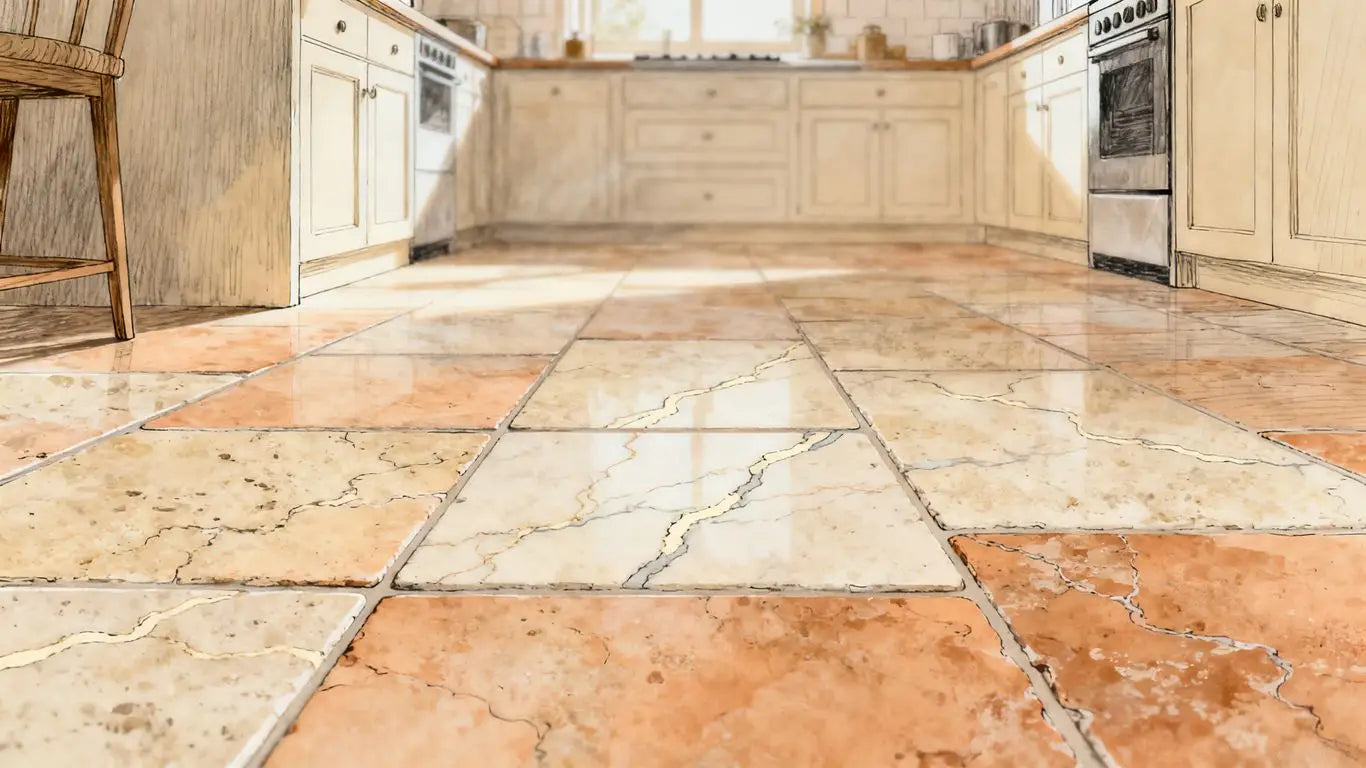
Natural beauty and unique color variations
Every piece of stone tells a story through its distinct mineral deposits and earthy hues. You might discover subtle differences between batches that add depth to a room, which brings a true sense of organic luxury. Incorporating La Travonya Travertine 12X12 Tumbled Tile into your home design highlights these natural characteristics, creating a space that feels genuinely bespoke.
Exceptional durability for high-traffic areas
Natural stone is renowned for standing the test of time, handling heavy foot traffic with grace. While softer than some synthetic alternatives, its inherent strength makes it a reliable flooring solution for busy households. By selecting La Travonya Travertine 12x24 Filled and Honed options, you ensure your floors offer consistent endurance while retaining their luxurious appeal.
Versatility for indoor and outdoor living spaces
One of the most attractive aspects of this stone is its adaptability across different environments. You can maintain a cohesive look by extending the same material from your indoor living area out onto a patio or pool deck. This seamless aesthetic transition adds a fluid, sophisticated touch to your property, making spaces feel larger and more connected.
Boosting property value with premium stone
High-quality natural materials are frequently viewed as a significant upgrade by prospective buyers. When you choose to install premium stone, you are adding a tangible element of luxury that elevates your home's market standing. Consider the following breakdown of investment benefits:
| Feature | Benefit for Homeowners |
|---|---|
| Longevity | Resists wear effectively with proper care |
| Aesthetics | Offers timeless charm that never goes out of style |
| Resale Value | Increases buyer interest through perceived premium quality |
These enhancements provide lasting value that generic flooring options simply struggle to match.
Understanding travertine surface finishes
Your choice of finish determines whether your floor feels modern, rustic, or formal. Each texture is achieved through specific preparation techniques that change how the stone interacts with light. Understanding these variations helps you make an informed decision based on your room's functional needs and desired visual impact.
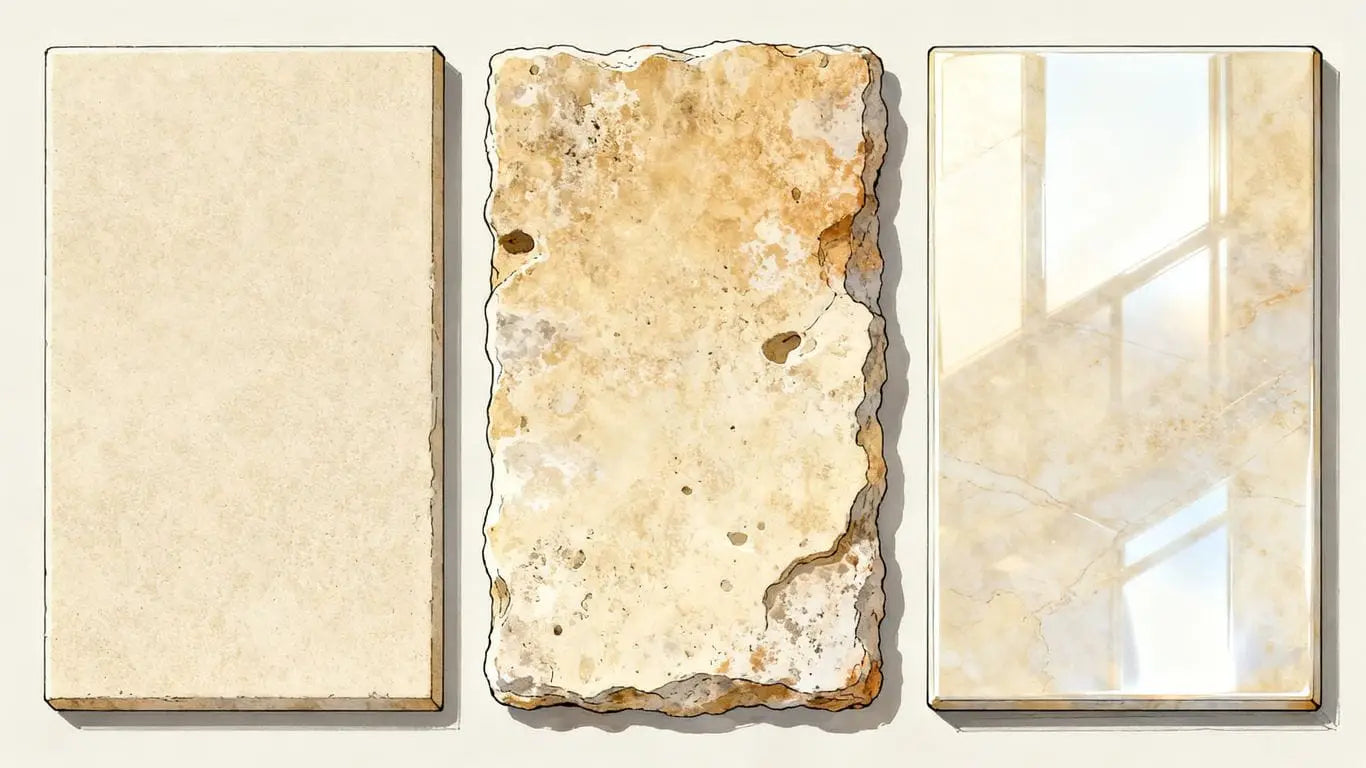
Honed and filled: The smooth, modern choice
This finish is perfect for those who want a practical surface that is easy to clean. During production, the natural voids in the stone are filled with cement or epoxy before the surface is ground down to a smooth, matte finish. It provides a level surface that works beautifully in busy kitchens and bathrooms.
Tumbled: Achieving a rustic, textured aesthetic
If you prefer the look of aged, historic architecture, the tumbled finish is your ideal companion. These tiles are placed in a machine with grit to soften their edges and mimic the wear of centuries-old stone. The result is an organic, matte surface that feels soft and inviting underfoot.
Polished: High-reflectivity for formal interiors
Polished tiles draw the eye with their high-gloss light reflection. This finish is often reserved for feature areas where a more dramatic, formal elegance is desired. It emphasizes the intricate details within the stone's natural veining, making it a powerful focal point for entrance halls or dining rooms.
Brushed and chiseled: Subtle architectural detail
These methods add character through unique edge treatments and surface texture. A brushed finish uses wire brushes to create a slightly textured, matte surface, while a chiseled edge provides an old-world charm that frames your floor tiles with a rugged elegance.
Selecting the right color for your space
Color impacts the mood and perceived size of your rooms significantly. You want your floor to harmonize with your furniture, wall colors, and overall design scheme. Choosing from varied color palettes allows for creative expression while maintaining a grounded, natural feel.
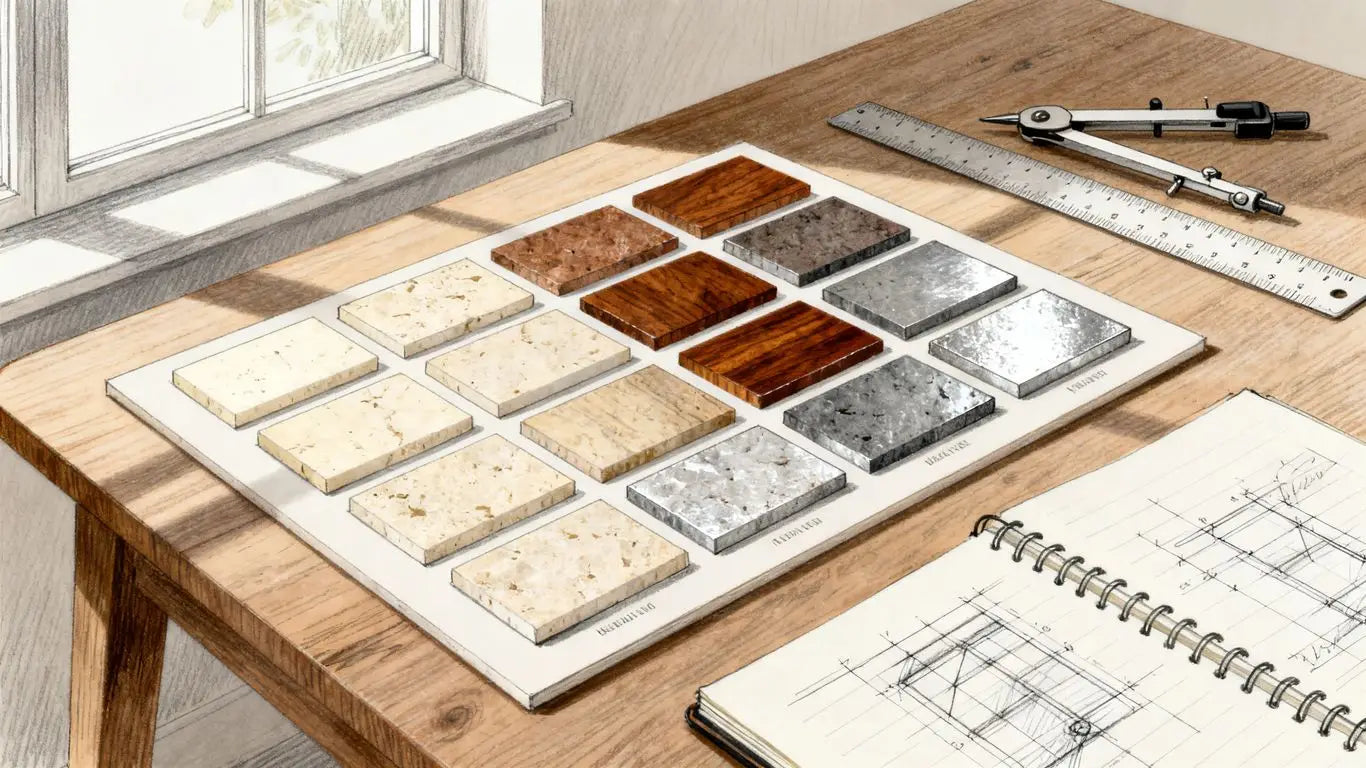
Light and airy tones: Ivory and Ivory Light
Light-toned stone creates an expansive feeling, making smaller rooms appear brighter and more open. These shades act as a neutral canvas, allowing your furnishings to take center stage without competing with the floor's presence.
Earthy sophistication: Walnut and Noce
For a cozier, more grounded effect, deeper brown tones offer unmatched depth. These colors work exceptionally well in living areas where you want to promote relaxation and warmth. They provide a stable, comforting foundation that pairs perfectly with both light and dark furniture styles.
Bold and exotic choices: Scabos and Antico Onyx
If you seek an interior that feels vibrant and unique, look for stone with richer mineral movement. These varieties provide the drama necessary for statement floors, infusing your environment with distinctive, artistic flair that draws guests in immediately.
Modern cool: Silver and grey-toned options
Silver tones provide a sleek, contemporary edge that suits modern architectural styles. These choices offer the durability of stone while adhering to a more muted, monochromatic color palette, making them favorites for minimalist design projects.
Planning your flooring installation
Preparation is the most vital step in the entire process. Before you even touch a trowel, your subfloor must be ready and your layout finalized. Following strict installation guidelines will save you from major headaches and help protect your long-term investment.
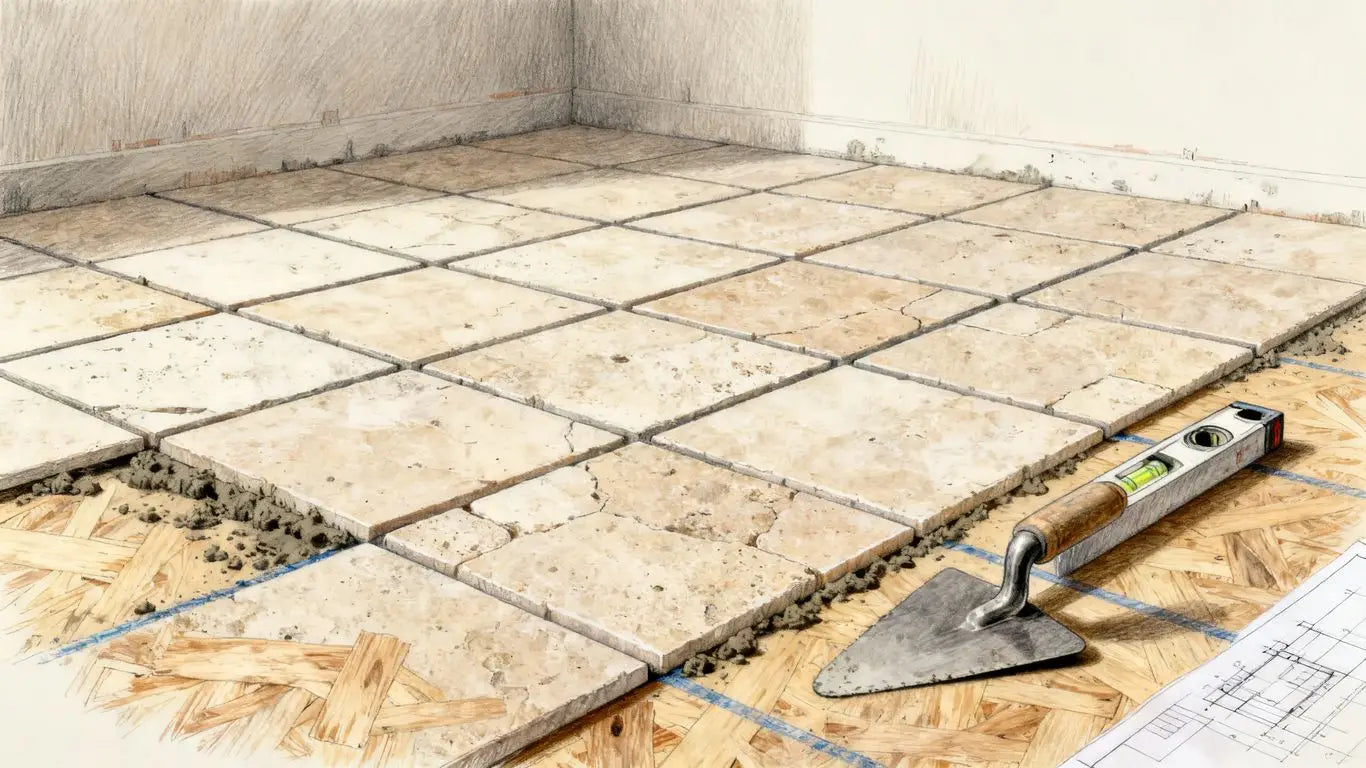
Inspecting your tiles for color consistency
Natural stone is inherently variable, which is part of its charm. However, you should inspect your batches upon arrival to ensure you are happy with the mix of colors and textures. Blending tiles from several crates now will prevent having a concentrated spot of a single color later.
The importance of a professional dry-lay
Before applying any thinset, test your layout on the dry floor. This essential practice ensures that you don't end up with narrow, awkward slivers of stone near your walls. It also allows you to adjust the placement of tiles with unique striations to create a balanced look throughout the room.
Calculating measurements and accounting for waste
Accurate measurements are the key to a smooth renovation project. We recommend following a simple checklist for your planning phase:
- Measure the total area in square feet.
- Add 10-15% to your total for potential cuts and breakage.
- Identify areas requiring special transition strips.
- Consult a professional regarding the weight load of your specific stone.
By following these steps, you minimize the risk of having to pause your installation mid-way due to material shortages.
Preparing the substrate for natural stone
Your subfloor must be solid, level, and free of moisture. Any flex in the floor can lead to cracked tiles, so ensure you have a rigid foundation. If you are working on a concrete slab, install a crack-isolation membrane to prevent future structural issues from telegraphing into your stone.
Selecting the correct mortar and grout
Use mortar specific to natural stone to ensure a strong, long-lasting bond. When choosing grout, remember that the color you pick will frame your tiles and dramatically influence the final look. Avoid using premixed mastic, as it often fails to provide the necessary support for heavier stone floor pieces.
Long-term care and maintenance tips
Once installed, natural stone remains a low-maintenance, high-reward feature with the right habits. Understanding that stone is porous is key; simple, consistent routines will preserve the finish you invested in so carefully.
The necessity of sealing after installation
Applying a high-quality sealant immediately after your floor is grouted and cured is essential. This creates a barrier that keeps stains from penetrating the pores of the stone initially. Ensure you use a penetrating sealer to allow the material to breathe naturally while remaining protected.
Daily cleaning practices for natural stone
Avoid harsh chemicals or acidic cleaners, as these can etch the surface of your beautiful tiles. A simple, pH-neutral stone cleaner and a soft microfiber mop are all you need for daily maintenance. Keeping the surface free of grit also prevents microscopic scratches from accumulating over time.
Dealing with spills and preventing staining
If a spill occurs, blot it up immediately rather than wiping it, as wiping can spread the substance further into the stone's pores. Keep a designated natural stone stain remover on hand for peace of mind in high-traffic areas like kitchens where spills are inevitable.
Periodic deep cleaning and maintenance cycles
Evaluate your sealant every year to confirm it is still providing comprehensive coverage. Periodic deep cleaning by a professional can rejuvenate your floors, remove stubborn residue, and re-apply a fresh protective coat to sustain their luster for years.
Why partner with Surfaces Galore
Choosing a supplier who understands the nuance of natural stone is as important as the stone itself. We focus on providing materials that bring warmth and elegance to your home. If you want help with your project, explore our exclusive travertine selections to find the perfect match for your design vision.
Access to premium, direct-imported natural stone
We source our stone directly from premier quarries to maintain strict quality control. This allows us to offer you natural surfaces that are consistent in their beauty and curated for today's interior design projects.
Nationwide shipping capabilities from Anaheim
Regardless of where your project is located, we handle the logistics of getting heavy, delicate stone to your front door. Our team is experienced in preparing natural stone for coast-to-coast travel, ensuring it arrives in perfect condition.
Bulk ordering and competitive commercial pricing
Whether you are a singular homeowner or a commercial contractor, we accommodate orders of all sizes. We strive to offer competitive pricing on bulk purchases, helping your budget go further without compromising on the quality of your finished space.
Personalized architectural and design support
Our team is here to help you navigate the nuances of choosing the right stone for your project. From color advice to technical installation questions, we are committed to seeing your design vision come to fruition with confidence and ease.
Conclusion
Selecting and installing stone is a rewarding endeavor that connects your home to the enduring beauty of the natural world. With careful planning, proper sealing, and a focus on quality materials, you can create a floor that stands as a beautiful, durable foundation for your family’s life for many years to come.
Frequently Asked Questions
Is travertine slippier than other types of stone flooring?
The slip resistance depends heavily on the finish you choose. Options like tumbled or brushed stone provide a textured surface with good grip, while polished stone is significantly smoother and should be avoided in areas prone to wetness.
How often do I need to reseal my travertine floors?
As a general rule, you should plan to renew the sealer on your stone floors every year. However, if an area sees particularly heavy foot traffic, you may notice it requires a fresh application more frequently to maintain protection against moisture.
Can I install travertine over an existing tile floor?
While it is technically possible in some instances, it is generally recommended to remove existing flooring to ensure the substrate underneath is sound, level, and clean. This prevents future issues with height mismatches and bond failures.
What happens if I make a small mistake while cutting a tile?
It is common for even professionals to occasionally break a tile during cutting, which is why ordering extra material is vital. Always plan your layout to hide cut edges, and remember that slow, steady passes with a diamond blade yield the best results.
Does sunlight affect the color of travertine over time?
Most natural stone is quite resistant to fading from sunlight compared to synthetic flooring. While extreme, direct UV exposure over many decades might shift the tones slightly, the natural variations in the stone prevent this from being a noticeable issue.
Is travertine considered a durable choice for a kitchen floor?
Yes, travertine is a popular choice for kitchens due to its long-term durability and aesthetic charm. Just ensure you use a professionally applied sealer, as the kitchen environment involves more potential for spills than other parts of the home.
Why does the stone have small holes or pits on the surface?
These natural variations are hallmark features of the way travertine is formed by mineral springs, creating cellular textures. In filled stone, these are expertly obscured for a smoother feel, though some people prefer to leave them open in rustic designs.

Leave a comment