
The Ultimate Guide to Quartz Tiles: Durability, Design, and Installation

When you're thinking about updating your home, the flooring and surfaces you choose make a big difference. Tiles quartz are a popular option these days, and for good reason. They look good, they last a long time, and they don't need a ton of fuss to keep them looking nice. This guide is all about breaking down what makes tiles quartz a solid choice for your next project, covering everything from how tough they are to how you can actually get them installed.
Key Takeaways
- Tiles quartz offer a blend of strength and style, making them a modern favorite for various home applications.
- The non-porous nature of tiles quartz provides excellent resistance to stains and makes cleaning straightforward.
- With a wide array of colors, patterns, and finishes, tiles quartz can fit into almost any interior design scheme.
- Proper installation is key for the longevity and performance of tiles quartz, requiring attention to subfloor preparation and tile placement.
- While durable, understanding the specific properties of tiles quartz helps in selecting the right product for different areas of your home.
- Maintenance for tiles quartz is generally low, focusing on regular cleaning with mild products to preserve their appearance.
- Compared to some natural stones, tiles quartz offer a more consistent look and often require less upkeep.
- From kitchens to bathrooms, the versatility of tiles quartz allows them to be used effectively in many different spaces.
Understanding the allure of tiles quartz
The enduring appeal of quartz tiles
Quartz tiles have a way of just working. They bring a certain polish to a room that's hard to ignore. It’s not just about looks, though. People are drawn to them because they hold up well over time. Think about it – you want surfaces in your home that don't need constant fussing. Quartz tiles fit that bill. They offer a look that feels both classic and current, which is why they keep showing up in design magazines and on renovation shows. They’re a solid choice for anyone looking to add lasting beauty and value to their home.
Why quartz tiles are a modern choice
In today's world, we want things that are both beautiful and practical. Quartz tiles deliver on both fronts. They offer a clean, sophisticated look that fits right into modern design schemes. Plus, they're engineered to be tough. This means less worry about spills, scratches, or wear and tear. For busy households or commercial spaces, this durability is a huge plus. It’s this blend of style and resilience that makes quartz tiles a go-to for contemporary projects. You get that high-end feel without the high-maintenance headache.
Exploring the aesthetic versatility of quartz
One of the best things about quartz tiles is how many ways you can use them. They come in a huge range of colors, patterns, and finishes. Want a look that mimics natural stone? Quartz can do that. Prefer something sleek and solid? Quartz has you covered. This flexibility means you can use them pretty much anywhere. From a minimalist bathroom to a bold kitchen backsplash, quartz tiles adapt. They can help you achieve almost any style you can imagine. It’s like having a blank canvas that’s also incredibly strong.
The inherent strength of quartz in tile form
Let's talk about what makes quartz so tough. It’s an engineered material, meaning it’s made in a factory under controlled conditions. This process results in a tile that’s incredibly dense and non-porous. What does that mean for you? It means superior resistance to stains, scratches, and even heat. Unlike some natural stones, quartz doesn't easily absorb liquids or get damaged by everyday use. This inherent strength is a major reason why quartz tiles are such a smart investment for floors, countertops, and walls. They’re built to last.
A guide to selecting the perfect quartz tiles
Choosing the right quartz tiles can feel a bit overwhelming with so many options. But it doesn't have to be. Start by thinking about the room you're working with. What's the overall style? What kind of wear and tear will the tiles face? Consider the color palette you're aiming for. Do you want something light and airy, or dark and dramatic? Looking at samples in your own space is a good idea. Also, think about the finish – polished for shine, honed for a softer look. Getting a feel for these details will help you narrow down your choices and find the tiles that are just right for your project. If you're looking for buy marble tiles online USA, remember that quartz offers a different, engineered alternative with its own set of benefits.
The value proposition of quartz tiles
When you look at the cost of quartz tiles, it's important to consider the long game. Yes, the initial investment might be a bit higher than some other options. But think about what you're getting: incredible durability, low maintenance, and timeless style. These tiles resist wear and tear, meaning they won't need replacing anytime soon. The ease of cleaning saves you time and money on special products. Over the years, this adds up. Quartz tiles offer a fantastic return on investment, providing beauty and performance that lasts. It’s a smart choice for adding value to your home.
Transforming spaces with quartz tiles
It’s amazing what a difference the right tiles can make. Quartz tiles have the power to completely change the feel of a room. They can make a small bathroom feel more spacious and luxurious, or give a busy kitchen a sleek, modern upgrade. Imagine a stunning quartz tile backsplash that becomes the focal point of your kitchen, or a durable quartz floor that stands up to daily life in your entryway. The consistent color and pattern of quartz tiles also make them a great choice for creating a cohesive look throughout your home, especially in bathroom renovations. They offer a reliable way to achieve a high-end finish that you’ll enjoy for years to come.
Unpacking the durability of tiles quartz
When you're looking for flooring or surfaces that can really take a beating, quartz tiles are a top contender. They're engineered to be tough, which means they hold up well in busy homes and commercial spots. Let's break down just how durable these tiles really are.
Exceptional Resistance to Scratches and Stains
One of the biggest wins for quartz tiles is their impressive resistance to everyday wear and tear. Spills happen, and life gets messy, but quartz is built to handle it. You won't have to stress about red wine or coffee leaving a permanent mark. This makes them a fantastic choice for kitchens and dining areas. Think about a busy family kitchen where dropped utensils or spilled juice are a daily occurrence; quartz can handle it without a fuss. It's a material that keeps its good looks with minimal worry.
Heat Resilience for Demanding Environments
While not completely impervious to extreme heat, quartz tiles offer good resistance to moderate heat. This means you can place hot pots or pans on them for a short period without immediate damage, though using trivets is always recommended for long-term protection. This heat resilience is a significant advantage over some other materials that might crack or discolor under thermal stress. For areas like kitchens where temperature fluctuations are common, this is a big plus.
The Non-Porous Nature of Quartz Tiles
This is a game-changer. Unlike natural stones that can have tiny pores, quartz tiles are engineered to be non-porous. What does this mean for you? It means liquids, bacteria, and odors can't seep into the surface. This makes them incredibly hygienic and easy to clean. You don't need to worry about mold or mildew growing in grout lines or on the tile surface, which is a common concern in bathrooms and kitchens. This inherent quality is a major reason why quartz is a preferred material for many homeowners and designers.
Longevity and Wear Resistance
Quartz tiles are built to last. Their engineered composition means they resist chipping, cracking, and fading over time. This translates to a long-term investment for your home. You won't be looking at replacing them in a few years. They maintain their appearance and structural integrity even with consistent use. This kind of longevity is what makes them a smart choice for busy households and commercial spaces alike. You're not just buying tiles; you're investing in a surface that will serve you well for decades.
Maintaining Pristine Surfaces with Ease
Keeping quartz tiles looking their best is surprisingly simple. Because they are non-porous and resistant to stains, most daily cleaning can be done with just a damp cloth and mild soap. There's no need for harsh chemicals or special sealants that you might find with natural stone. This low-maintenance aspect is a huge draw for busy individuals and families who want beautiful surfaces without the demanding upkeep. It means more time enjoying your home and less time scrubbing.
Quartz Tiles in High-Traffic Areas
Thanks to their exceptional durability, quartz tiles are perfectly suited for high-traffic areas. Think entryways, hallways, kitchens, and even commercial spaces like retail stores or busy offices. They can withstand constant foot traffic, dropped items, and general wear without showing significant signs of aging. This makes them a practical and stylish choice for areas that see a lot of action. You can trust them to hold up beautifully.
The Impact of Quality Manufacturing on Durability
It's important to remember that not all quartz tiles are created equal. The quality of the manufacturing process plays a significant role in the final product's durability. Reputable manufacturers use high-quality resins and pigments, and employ advanced techniques to create a dense, strong, and consistent product. When you choose tiles from a trusted source, you're getting a product that has undergone rigorous testing, like those offered by Asian Quality Services (AQS), to meet high standards for strength and longevity. This attention to detail in manufacturing is what truly sets high-quality quartz apart and guarantees its impressive performance over time. For example, countertop slabs are evaluated for scratch resistance and porosity, crucial factors that also apply to tiles.
Design possibilities with tiles quartz
Quartz tiles are a game-changer for interior design, offering a blend of stunning aesthetics and practical benefits. Their versatility means you can achieve almost any look you desire, from sleek and modern to warm and inviting. Let's explore how quartz tiles can transform your space.
A spectrum of colors and patterns
Forget limited choices. Quartz tiles come in an incredible range of colors, from deep, rich tones to bright, airy whites and subtle, earthy neutrals. You'll find options that mimic natural stone like marble and granite, complete with realistic veining, or unique patterns and solid colors that stand out. This variety means you can find the perfect match for any design scheme. Whether you're aiming for a bold statement or a quiet, sophisticated backdrop, quartz delivers.
Achieving a contemporary aesthetic
Quartz tiles are inherently modern. Their clean lines, consistent patterns, and often polished or honed finishes lend themselves perfectly to contemporary and minimalist interiors. Think sleek kitchens with quartz countertops and backsplashes, or bathrooms featuring large-format quartz tiles for a spa-like feel. The material's ability to be manufactured in large slabs also allows for fewer grout lines, creating a more expansive and uninterrupted look that is highly sought after in modern design.
Versatile applications for any room
Don't limit your thinking! Quartz tiles aren't just for kitchens and bathrooms. Their durability and water resistance make them suitable for high-traffic areas like hallways and living rooms. They can even be used on accent walls to add a touch of luxury or texture. Consider them for:
- Flooring: Durable and stylish for any room.
- Walls: Creating feature walls or elegant backsplashes.
- Countertops: A practical and beautiful choice for kitchens and bathrooms.
- Shower Enclosures: Water-resistant and easy to clean.
Exploring different finishes for quartz tiles
The finish of a quartz tile significantly impacts its look and feel. You have several options:
- Polished: Offers a high-gloss, reflective surface that brightens a space and feels very luxurious. It's great for a sleek, modern look but can show smudges more easily.
- Honed: Provides a smooth, matte finish. It's less reflective than polished, offering a softer, more understated elegance. Honed finishes are often preferred for a more natural stone appearance and can be more forgiving with daily use.
- Textured: Some quartz tiles feature subtle textures that add depth and visual interest, and can also provide a bit more grip underfoot.
Seamless integration with interior design
Quartz tiles are incredibly adaptable. They pair beautifully with a wide range of materials, from natural wood and metals to glass and textiles. Their consistent color and pattern make them a reliable choice when coordinating with other elements in your design. This predictability is a major advantage, especially when trying to achieve a specific look. For instance, a quartz tile that mimics the veining of buy marble tiles online USA can provide a similar high-end aesthetic without the maintenance demands of natural marble.
The role of quartz in modern kitchens
In the kitchen, quartz tiles are a star player. They are ideal for countertops due to their non-porous nature, resisting stains from common kitchen culprits like coffee, wine, and oil. As backsplashes, they offer a durable and easy-to-clean surface that can either match or beautifully contrast with your countertops. The ability to create a seamless look with minimal grout lines is particularly appealing in kitchen design, making cleaning a breeze.
Elevating bathrooms with quartz tiles
Bathrooms benefit immensely from quartz tiles. Their resistance to moisture and stains makes them perfect for shower walls, floors, and vanity tops. The wide variety of styles available means you can create anything from a serene, spa-like retreat to a bold, contemporary statement. Quartz tiles for bathrooms can be found in numerous finishes and patterns, allowing for a truly personalized design. Consider large-format tiles for a spacious feel or intricate mosaics for a decorative touch.
Case Study: The Modern Farmhouse Kitchen
A homeowner wanted to update their kitchen with a modern farmhouse feel. They chose a quartz tile with a subtle, marble-like veining for the countertops and a complementary subway tile in a matte finish for the backsplash. The result was a bright, durable, and stylish kitchen that was easy to maintain. The quartz provided the elegant look of marble without the worry of staining or etching, perfect for a busy family.
Case Study: The Minimalist Bathroom
Another project involved a bathroom renovation where the goal was a clean, minimalist aesthetic. Large-format, light grey quartz tiles were used for both the floor and the shower walls. This created a seamless, expansive look with very few grout lines, making the small bathroom feel much larger and more open. The honed finish added a touch of sophistication without being overly reflective.
The practical advantages of tiles quartz
When you're looking at materials for your home, you want things that look good but also make your life easier. That's where quartz tiles really shine. They're not just pretty; they're built to handle everyday life without a fuss. Think about it: less time cleaning, more time enjoying your space. It’s a smart choice for busy households and anyone who appreciates a low-maintenance lifestyle.
Low Maintenance Requirements
Forget spending hours scrubbing or worrying about spills. Quartz tiles are designed for simplicity. Their non-porous surface means liquids and dirt don't soak in, making cleanup a breeze. This means you get to spend less time on chores and more time doing what you love. It’s a practical benefit that adds real value to your home.
Ease of Cleaning and Upkeep
Cleaning quartz tiles is straightforward. A simple wipe-down with a damp cloth and mild soap is usually all it takes to keep them looking fresh. Unlike some other materials that require special cleaners or sealants, quartz is pretty forgiving. This makes it an excellent option for kitchens and bathrooms where messes are common. You can find great quartz countertops that offer this same ease of care buy marble tiles online USA.
Hygienic Surfaces for Healthy Living
Because quartz is non-porous, it doesn't harbor bacteria or mold. This makes quartz tiles a hygienic choice, especially for areas like kitchens and bathrooms. You can feel confident that your surfaces are clean and safe for your family. It’s a small detail that makes a big difference in maintaining a healthy home environment.
Cost-Effectiveness Over Time
While the initial investment in quartz tiles might seem higher than some alternatives, their durability and low maintenance translate into significant savings over time. They resist wear and tear exceptionally well, meaning you won't need to replace them as often. This long-term value makes quartz tiles a smart financial decision for your home improvement projects. Quartz flooring, for instance, offers this long-term benefit [b6f0].
Resistance to Fading and Discoloration
Quartz tiles hold their color beautifully, even when exposed to sunlight. Unlike some materials that can fade or yellow over time, quartz maintains its original appearance. This means your floors and walls will continue to look vibrant and new for years to come, reducing the need for premature replacement.
Ideal for Busy Households
Life with kids, pets, or just a lot of activity means surfaces take a beating. Quartz tiles are up to the challenge. Their inherent strength means they can handle heavy foot traffic, dropped items, and everyday wear without showing significant damage. This makes them a perfect fit for busy family homes where durability is a must.
The Benefits of Non-Porous Materials
- Stain Resistance: Liquids like wine, coffee, or oil won't penetrate the surface, preventing permanent stains.
- Hygienic Properties: Prevents the growth of mold, mildew, and bacteria.
- Low Maintenance: Simplifies cleaning and reduces the need for harsh chemicals.
Case Study: The Miller Family Kitchen
The Miller family, with two young children and a golden retriever, was tired of constantly worrying about their kitchen floor. Spills from juice boxes, muddy paw prints, and dropped plates were a constant source of stress. They decided to switch to quartz tiles for their kitchen and adjoining dining area. Six months later, Mrs. Miller reports, "It's been a game-changer. I can wipe up spills in seconds, and the floor still looks brand new. Even when the dog tracks in mud, it cleans up so easily. It’s given me so much peace of mind."
Quartz tiles offer a practical solution for modern living, combining aesthetic appeal with a low-maintenance, durable, and hygienic surface. Their resistance to stains, fading, and wear makes them an excellent long-term investment for any home, especially those with active households.
Choosing the right tiles quartz for your project
Selecting the perfect quartz tiles for your home or business is a big decision, but it doesn't have to be overwhelming. Think of it like picking out a new outfit – you want something that looks great, feels right, and performs well for whatever you're doing. We're here to help you make that choice with confidence.
Assessing your specific needs
First off, let's get real about what you need these tiles to do. Are they going into a busy kitchen where spills are a daily occurrence? Or perhaps a quiet bathroom where elegance is the main goal? Knowing the function of the space is step one. For high-traffic areas, you'll want something super tough. For a more decorative space, maybe a different finish or pattern comes into play. It’s all about matching the tile to the job.
Matching quartz to room function
Quartz tiles are incredibly versatile, but some applications benefit more from specific types. In kitchens, durability against stains and heat is key. Bathrooms need moisture resistance and perhaps a bit more grip underfoot. Living areas might prioritize aesthetics and comfort. We've seen quartz tiles used everywhere from sleek office floors to cozy home entryways, and they always hold up.
Considering color palettes and styles
This is where the fun really begins! Quartz comes in a dizzying array of colors and patterns. Do you want a clean, minimalist white? A bold, dark statement? Or something that mimics natural stone, like marble or granite? Think about your existing decor. You can go for a modern look with solid colors or a more traditional feel with veined patterns. It’s about creating a cohesive look that you’ll love for years.
Understanding different tile sizes and shapes
Tile size and shape can totally change the feel of a room. Large format tiles can make a small space feel bigger and have fewer grout lines, which is great for cleaning. Smaller tiles, like mosaics, can add intricate detail and texture, perfect for backsplashes or shower floors. Hexagons, subway tiles, and classic squares all offer different vibes. Consider the scale of your room and the overall design you're aiming for.
The impact of finish on appearance and function
Finishes are more than just looks; they affect how the tile performs. A polished finish is super shiny and reflects light, giving a luxurious feel. A honed finish is more matte, offering a softer look and often better slip resistance. Textured finishes can add grip and visual interest. For example, a polished finish might look stunning in a formal dining room, while a honed finish could be safer and more practical for a bathroom floor. Selecting the ideal quartz countertop for your bathroom involves looking at these details too.
Budget considerations for quartz tiles
Let's talk numbers. Quartz tiles are an investment, but their durability means they often pay for themselves over time. Prices can vary based on the brand, the complexity of the design, and the finish. It’s wise to get a few quotes and compare. Remember to factor in installation costs, adhesives, and grout. Sometimes, spending a little more upfront on a higher-quality tile means fewer headaches and replacements down the line.
Seeking expert advice for selection
Don't be afraid to ask for help! Our team at Surfaces Galore is full of folks who know their quartz inside and out. We can guide you through the options, show you samples, and help you visualize how different tiles will look in your space. We’ve helped countless customers find the perfect fit, whether they were looking for something specific or just exploring ideas. Visiting a showroom can also be super helpful to see and feel the tiles in person. We want you to feel completely comfortable with your choice, knowing you're getting a product that’s both beautiful and built to last. After all, quartz surfaces are an excellent choice for a reason – they offer that perfect blend of style and substance.
Installation essentials for tiles quartz
Getting your quartz tiles installed correctly is the first big step towards a stunning, long-lasting finish. It’s not just about laying down tiles; it’s about creating a foundation for beauty and durability that will stand the test of time. Think of it as building the perfect stage for your new floors or walls. A solid installation means fewer headaches down the road and a look that truly impresses. Let's get this right from the start.
Preparing the Subfloor for Optimal Results
Before any tile touches the floor, the subfloor needs to be in prime condition. This is non-negotiable for a professional, durable finish. A clean, dry, and level subfloor prevents issues like cracking tiles or uneven surfaces later on. If your subfloor isn't quite there, don't worry. A self-leveling compound can work wonders, creating that perfect, smooth canvas.
Acclimating Your Quartz Tiles
Just like us, tiles need time to adjust to their new environment. Letting your quartz tiles sit in the room where they'll be installed for at least 48 hours is key. This process, called acclimation, allows the tiles to adapt to the room's temperature and humidity. Skipping this step can lead to expansion or contraction issues after installation, causing gaps or even cracks. It’s a simple step that makes a big difference.
Planning the Layout and Pattern
This is where your design vision really comes to life. Before you mix any adhesive, do a dry run. Lay out your tiles without any glue to visualize the pattern, check for color consistency, and figure out where cuts will be needed. This dry-lay process helps you avoid awkward cuts at the edges and ensures a pleasing distribution of color and pattern. For a truly professional look, consider starting from the center of the room and working outwards. This method helps maintain symmetry and balance.
Selecting the Appropriate Adhesive
Not all adhesives are created equal, especially when it comes to engineered stone like quartz. You'll want a high-quality thin-set mortar specifically designed for tile installation. Make sure it's suitable for your specific tile type and the subfloor material. Following the manufacturer's mixing instructions precisely is vital for achieving the right consistency and bonding strength. A good adhesive is the glue that holds your beautiful new surface together.
Techniques for Precise Tile Placement
Now for the satisfying part: laying the tiles! Work in small, manageable sections so the adhesive doesn't dry out before you can set the tiles. Press each tile firmly into the mortar with a slight twisting motion to ensure full coverage and a strong bond. Use a rubber mallet gently to tap tiles into place and ensure they are level. Regularly check your work with a level to catch any high or low spots early on. This attention to detail pays off.
The Importance of Tile Spacers
Consistency is key to a professional tile job, and that's where tile spacers come in. These small but mighty tools ensure that every gap between your quartz tiles is uniform. Whether you're aiming for a tight grout line or a wider one, spacers keep everything perfectly aligned. This uniformity not only looks better but also allows for proper grout application and helps prevent cracking.
Ensuring a Level and Even Finish
Achieving a perfectly level surface is the hallmark of a professional installation. As you lay each tile, use your level to check its alignment with surrounding tiles. Gentle taps with a rubber mallet can help adjust any high spots. If you notice significant unevenness, it's much easier to fix it now than after the adhesive has cured. A level surface is not just about aesthetics; it's about the long-term integrity of your tile installation. For those looking to buy marble tiles online in the USA, remember that proper installation is just as critical for natural stone as it is for quartz.
Case Study: The Kitchen Refresh
Sarah and Tom wanted to update their kitchen backsplash. They decided on sleek quartz tiles. Initially, they considered a DIY approach but realized the importance of a perfect subfloor and precise layout. After consulting with a professional installer, they learned about acclimating the tiles and the specific adhesive needed for quartz. The result? A flawless backsplash that transformed their kitchen, proving that investing in proper installation is always worthwhile. They found their perfect tiles at Surfaces Galore.
Proper installation is more than just aesthetics; it's about protecting your investment. A well-installed tile surface is more durable, easier to maintain, and looks significantly better for years to come. Don't cut corners on this critical phase of your project.
Mastering the grouting process for tiles quartz
Choosing the right grout for quartz
Selecting the correct grout is more than just picking a color; it's about ensuring a long-lasting, beautiful finish for your quartz tiles. For quartz, which is non-porous and incredibly durable, you have a few excellent options. Epoxy grout is a top contender. It's highly resistant to stains and water, making it perfect for kitchens and bathrooms where spills are common. It also doesn't require sealing, which is a big plus. Cementitious grout is another common choice, often more budget-friendly. If you opt for cementitious grout, consider using one with added polymers for improved strength and reduced porosity. Always check the manufacturer's recommendations for compatibility with engineered stone like quartz.
Proper grout mixing and application
Getting the grout mix just right is key. Too wet, and it won't hold its shape; too dry, and it will be crumbly and hard to work with. Follow the manufacturer's instructions precisely. You'll typically mix a powder with water to achieve a smooth, peanut-butter-like consistency. Once mixed, let it 'slake' for a few minutes as directed, then give it a final stir. When applying, use a grout float held at a 45-degree angle to push the grout into the joints. Work in manageable sections, ensuring each joint is completely filled. Don't try to cover too much area at once, especially if you're new to this.
Techniques for filling grout lines
The goal here is to pack the grout into the joints without leaving any voids. Use your grout float to spread the grout diagonally across the tiles. This motion helps to force the grout deep into the gaps. Go over the joints multiple times from different angles to make sure they are fully packed. Once the joints are filled, use the edge of the float to scrape off the excess grout from the tile surface. Be firm but careful not to pull the grout out of the joints.
Cleaning excess grout effectively
This is where patience pays off. After you've applied the grout and removed the bulk with the float, it's time for the first clean. Use a damp (not soaking wet) grout sponge. Wipe diagonally across the tiles, rinsing the sponge frequently in a clean bucket of water. You'll want to change your rinse water often to avoid spreading thin layers of grout back onto the tiles. The aim is to clean the tile surface while leaving the grout lines smooth and full. A second, lighter cleaning might be needed after a short while as the grout begins to set.
Achieving clean and consistent grout lines
Consistent grout lines make a huge difference in the final look. Using tile spacers during installation is the first step. During grouting, the diagonal wiping technique with the float helps create a uniform surface. For the final clean, ensure you're not digging into the grout lines with your sponge. A light, diagonal wipe is best. If you're using a colored grout, it's especially important to get the cleaning right to avoid a hazy appearance. For a truly polished look, consider using a grout haze remover after the grout has fully cured, following product instructions carefully.
The role of grout in overall aesthetics
Grout isn't just a filler; it's a design element. The color of your grout can dramatically change the look of your quartz tiles. A contrasting grout color will make each tile stand out, creating a more dynamic pattern. A grout color that closely matches the tile will create a more monolithic, seamless appearance. For quartz tiles, which often have subtle patterns, a matching grout can highlight the tile's design, while a contrasting grout can add a graphic punch. Think about the overall style you want to achieve before you pick your grout color.
Allowing adequate curing time for grout
This is a critical step that many people rush. Grout needs time to harden and cure properly. This process can take anywhere from 24 to 72 hours, depending on the type of grout and environmental conditions. During this time, avoid walking on the tiles or exposing them to excessive moisture. Proper curing is vital for the grout's strength and longevity. Once cured, the grout will be much more resistant to cracking and wear. If you're installing in a bathroom, wait the full recommended time before using the shower. For natural stone installations, it's often recommended to wait even longer before sealing [8958].
Sealing and protecting your tiles quartz
Understanding the need for sealing
While quartz tiles are incredibly durable and engineered for performance, understanding their protective needs is key to maintaining their pristine look for years to come. Unlike natural stones that are inherently porous, quartz is manufactured to be non-porous. This means it doesn't absorb liquids or stains. So, when it comes to sealing, the conversation shifts. For quartz, sealing is generally not required. The manufacturing process itself creates a dense, impermeable surface. This inherent quality is one of the major advantages of choosing quartz over materials like marble or granite, which absolutely need sealing. If you're looking for low-maintenance beauty, quartz is a fantastic option. For those considering natural stone alternatives, like marble tiles, sealing is a must. You can buy marble tiles online USA if that's your preference, but be prepared for the extra maintenance.
Selecting the appropriate sealer
As mentioned, quartz tiles do not require sealing. Their non-porous nature is a built-in protective feature. Attempting to apply a sealer to quartz can actually be counterproductive and may even damage the surface. This is a significant difference compared to natural stones like travertine or marble, which do benefit from regular sealing to prevent staining and etching. Always confirm the manufacturer's recommendations for your specific quartz product, but in most cases, you can skip the sealer and save yourself time and effort.
The sealing application process
Since quartz doesn't need sealing, this section is more about what not to do. Avoid applying any type of stone sealer or impregnator to your quartz tiles. These products are designed for porous materials and can create a hazy film or uneven finish on the non-porous surface of quartz. If you've accidentally applied a sealer, consult the quartz manufacturer's guidelines or a professional for advice on removal. For cleaning, stick to simple, pH-neutral cleaners. For stubborn spots, a specialized quartz cleaner is your best bet, as recommended for maintaining quartz surfaces.
How sealers enhance and protect
For materials that do require sealing, like natural stone, sealers work by penetrating the pores of the material and creating a barrier. This barrier helps to repel liquids, preventing stains from setting in and making the surface easier to clean. Sealers also offer some protection against etching from acidic substances. However, for quartz, this protective enhancement is already built into the material itself. The engineered nature of quartz means it's resistant to most common household spills and stains without any additional treatment. This is a major win for busy households and high-traffic areas.
Frequency of sealing for longevity
Because quartz tiles are non-porous, they don't require periodic sealing to maintain their protective qualities. This significantly reduces maintenance time and cost over the lifespan of your tiles. Unlike natural stones that might need resealing annually or even more frequently depending on use, your quartz tiles will maintain their stain resistance and durability without this extra step. This makes quartz a truly low-maintenance and long-lasting choice for any project.
Maintaining the protective seal
For quartz, maintaining its inherent protective qualities involves simple, regular cleaning. Avoid abrasive cleaners or harsh chemicals that could potentially dull the finish over time. Stick to mild soap and water or a pH-neutral cleaner specifically designed for quartz surfaces. Promptly wiping up spills is always a good practice, even though quartz is highly resistant to staining. This simple routine will keep your quartz tiles looking their best for decades.
Tips for optimal sealer performance
Since sealing isn't applicable to quartz, the best tip for optimal performance is to focus on proper cleaning and care. Always use soft cloths or sponges and avoid steel wool or abrasive pads. For tough spots, a gentle scrub with a non-abrasive cleaner is usually sufficient. Remember, the inherent durability and non-porous nature of quartz are its greatest strengths, and they require minimal intervention to maintain their beauty and functionality.
Maintaining the beauty of tiles quartz
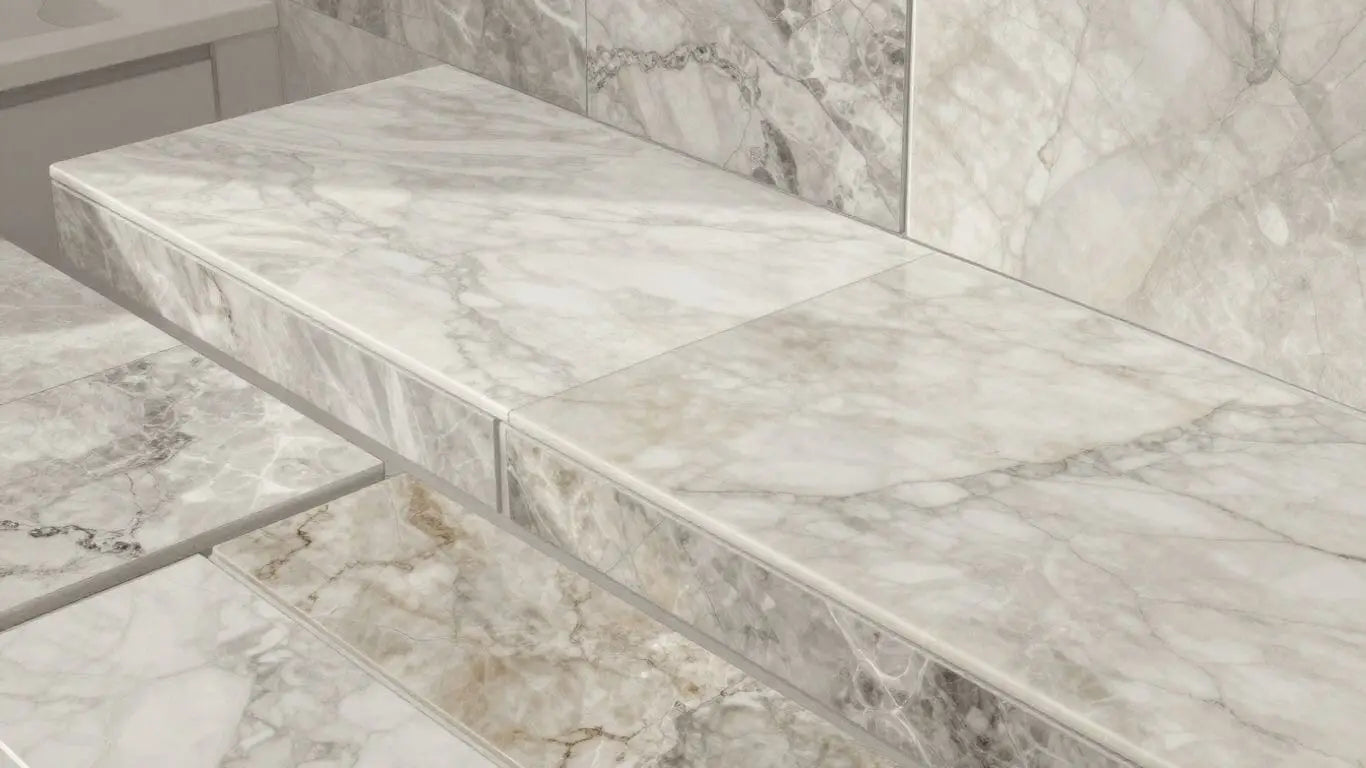
Keeping your quartz tiles looking their best is surprisingly simple. These engineered surfaces are designed for both beauty and resilience, meaning you don't need a complex cleaning regimen to maintain their pristine appearance. With just a few easy steps, you can ensure your quartz tiles remain a stunning feature in your home for years to come.
Daily Cleaning Routines
For everyday upkeep, a quick sweep or vacuum will remove loose debris. Follow this with a damp mop using plain water or a mild, pH-neutral cleaner. This simple routine prevents dirt from building up and keeps your floors looking fresh. Regular light cleaning is far more effective than infrequent deep cleans.
Tackling Spills and Stains Promptly
Quartz tiles are non-porous, which is a huge advantage when it comes to spills. Unlike natural stone, they don't absorb liquids easily. However, it's always best to wipe up spills as soon as they happen. For sticky residues or dried-on messes, use a soft cloth dampened with warm water. For tougher spots, a little mild dish soap can work wonders.
Recommended Cleaning Products
Stick to gentle, everyday cleaners. Mild dish soap, water, and a soft cloth are your best friends. Many common household cleaners are perfectly safe for quartz. If you're unsure, always check the product label or consult with your supplier. For those looking to buy marble tiles online in the USA, remember that while marble requires more specific care, quartz offers a more forgiving maintenance profile.
Avoiding Harsh or Abrasive Cleaners
While quartz is tough, it's wise to avoid certain cleaning agents. Steer clear of abrasive powders, scouring pads, steel wool, or harsh chemicals like strong solvents, paint removers, or oven cleaners. These can potentially dull the finish or damage the resin binders in the quartz. Think of it like this: you wouldn't use sandpaper on a polished mirror, right?
Deep Cleaning Techniques
Occasionally, your quartz tiles might need a more thorough clean. For this, you can use a specialized quartz cleaner or a non-abrasive, multi-surface cleaner. Apply the cleaner, let it sit for a minute or two (but don't let it dry), and then wipe clean with a damp cloth. Rinse the area with clean water afterward to remove any residue.
Preserving the Finish Over Time
The finish of your quartz tiles is designed to last, but consistent care helps. Avoid dragging heavy furniture across the surface, as this can cause scratches or chips, though quartz is highly resistant. Using felt pads on furniture legs is a simple preventative measure. For areas like kitchen backsplashes, a quick wipe after cooking is usually all that's needed.
Long-Term Care for Lasting Appeal
Quartz tiles are a smart investment. Their durability means they stand up well to daily life. By following these simple maintenance tips, you're not just cleaning your floors; you're preserving the beauty and value of your home. It’s about making smart choices for surfaces that look great and perform even better.
Case Study: The Miller Residence
The Miller family installed quartz tiles in their busy kitchen and entryway two years ago. "We were worried about upkeep, especially with two young kids and a dog," says Sarah Miller. "But honestly, it's been a breeze. A quick sweep, a damp mop with some dish soap a few times a week, and it still looks brand new. We haven't had any issues with spills or stains, even with red wine and coffee." Their experience highlights the low-maintenance appeal of quartz in real-world, high-traffic settings.
Remember, the non-porous nature of quartz is its superpower. It means fewer worries about bacteria, mold, and mildew, making it a hygienic choice for any home. This inherent quality simplifies cleaning and contributes to a healthier living environment.
Exploring applications for tiles quartz
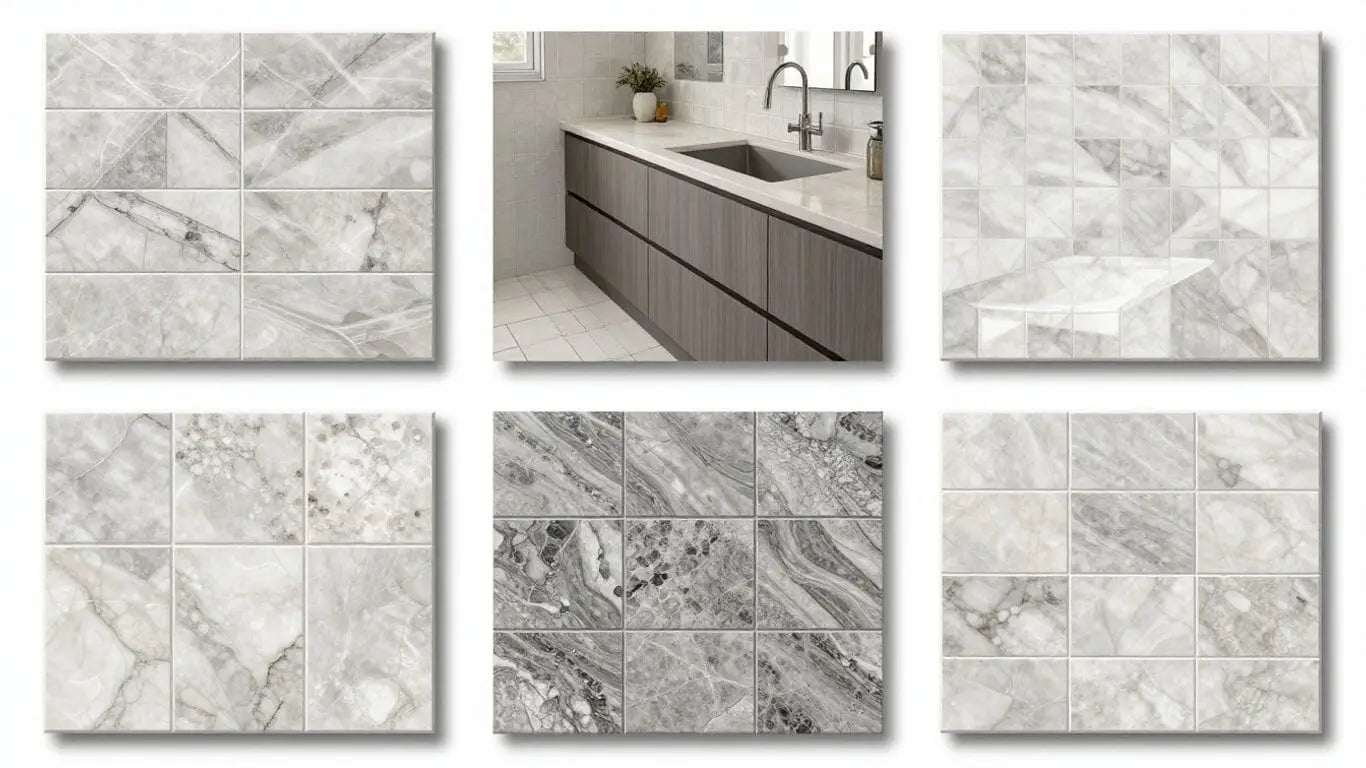
Kitchen Backsplashes and Countertops
Quartz tiles are a fantastic choice for kitchen backsplashes. They offer a durable, easy-to-clean surface that can handle splatters and spills with ease. Imagine a sleek quartz backsplash behind your stove, making cleanup a breeze after a busy cooking session. For countertops, quartz provides a non-porous surface that resists stains and bacteria, making it a hygienic and practical option. This engineered stone is built to last, even in the busiest kitchens. You can find a wide range of colors and patterns to match any kitchen style, from modern minimalist to classic farmhouse. Consider a quartz countertop with a subtle veining for a sophisticated look that rivals natural stone, but with less upkeep.
Bathroom Floors and Walls
When it comes to bathrooms, durability and moisture resistance are key. Quartz tiles excel in these areas. Their non-porous nature means they won't absorb water, preventing mold and mildew growth, which is a common concern in wet environments. This makes them ideal for shower floors and walls, as well as bathroom flooring. A quartz tile floor in your bathroom means less worry about water damage and easier cleaning. You can achieve a spa-like feel with large-format quartz tiles that create a seamless look, or opt for mosaic tiles for a decorative touch. Quartz tiles are an excellent choice for bathrooms due to their durability, stain resistance, and moisture resistance.
Living Area Flooring Solutions
Transform your living spaces with the elegance and resilience of quartz tiles. These tiles are perfect for high-traffic areas like living rooms and entryways, standing up to daily wear and tear without losing their luster. The consistent color and pattern of quartz tiles make it easy to achieve a cohesive look throughout your home. Whether you prefer a polished finish for a glamorous feel or a matte finish for a more understated elegance, quartz tiles can adapt to your design vision. They offer a beautiful alternative to hardwood or carpet, providing a durable and easy-to-maintain flooring solution.
Shower Enclosures and Wet Areas
Quartz tiles are exceptionally well-suited for shower enclosures and other wet areas. Their inherent resistance to water, stains, and mold makes them a superior choice for these demanding environments. Unlike some natural stones, quartz doesn't require constant sealing to maintain its integrity in high-moisture settings. This means less maintenance for you and a more hygienic shower space. You can create stunning shower designs with quartz tiles, from full wall coverings to intricate floor patterns. The durability ensures they will look great for years to come, even with daily use.
Commercial Spaces and High-Traffic Zones
In commercial settings, durability and low maintenance are paramount. Quartz tiles are an excellent fit for areas with heavy foot traffic, such as retail stores, offices, and public spaces. They resist scratches, scuffs, and stains, meaning they can maintain their appearance even under constant use. This translates to lower maintenance costs and less downtime for cleaning and repairs. The consistent appearance of quartz also ensures a professional and polished look for your business. For businesses looking to make a lasting impression, quartz tiles offer both aesthetic appeal and practical performance.
Outdoor Living Areas and Patios
While often thought of as an indoor material, certain types of quartz tiles can be suitable for outdoor applications, especially in covered or semi-covered areas. Their resistance to fading from UV exposure and their ability to withstand temperature fluctuations make them a viable option for patios or outdoor kitchens. Always check the manufacturer's specifications to ensure the chosen quartz tiles are rated for outdoor use. They can provide a stylish and durable surface for your outdoor entertaining spaces, offering a sophisticated alternative to concrete or traditional pavers.
Creating Accent Walls and Features
Quartz tiles aren't just for floors and countertops; they can also be used to create stunning accent walls and unique design features. Imagine a dramatic quartz tile accent wall in your living room or a striking backsplash in your dining area. The variety of colors, patterns, and finishes available allows for incredible creative freedom. You can use them to add texture, depth, and a touch of luxury to any room. A well-placed quartz feature can become a focal point, showcasing the material's inherent beauty and your personal style.
The unique characteristics of tiles quartz
Engineered for Performance
Quartz tiles aren't just pretty; they're built tough. They're engineered, meaning we control exactly what goes into them. This isn't like digging up a slab of rock and hoping for the best. We mix natural quartz crystals with resins and pigments. This process creates a tile that's incredibly strong and consistent. It’s a smart material for modern living.
Consistency in Color and Pattern
One of the biggest headaches with natural stone is variation. You might love a sample, but the actual tiles you get could look quite different. Quartz tiles solve this. Because they're manufactured, the color and pattern are uniform across every single tile. This makes planning your design much easier. You get the exact look you want, every time. This consistency is a huge plus when you're trying to achieve a specific aesthetic, like a sleek, modern kitchen. If you're looking to buy marble tiles online in the USA, you'll find that natural marble has much more variation than engineered quartz.
The Composition of Quartz Surfaces
So, what's actually in these tiles? It's mostly natural quartz – usually around 90-95%. The rest is made up of polymer resins and other additives. These resins bind the quartz together and give the tiles their non-porous quality. The pigments provide the color. This blend is what gives quartz its impressive durability and low maintenance.
Benefits Over Natural Stone Alternatives
Compared to natural stones like marble or granite, quartz tiles offer some clear advantages. For starters, they are non-porous. This means they don't absorb liquids, making them highly resistant to stains. Think red wine, coffee, or cooking oil – they just wipe away. Natural stones, especially marble, can stain easily if not sealed properly. Quartz also tends to be more consistent in appearance, as mentioned before. While natural stone has its own unique beauty, quartz provides a more predictable and often more practical option for busy homes. You can explore quartzite for a natural stone option that offers similar durability benefits.
Understanding the Manufacturing Process
The creation of quartz tiles is a fascinating process. Raw quartz crystals are crushed and mixed with binders and pigments. This mixture is then put into molds and compacted under intense pressure and heat. This process, often called vibrocompression, creates a dense, hard, and non-porous slab. This slab is then cut into tiles. The result is a material that's not only beautiful but also incredibly resilient.
The Science Behind Quartz Durability
It all comes down to the material science. The high percentage of natural quartz makes the tiles extremely hard. The resins fill in any microscopic gaps, preventing liquids from penetrating. This combination means quartz tiles are resistant to scratches, chips, and stains. They can handle the rigors of daily life without showing wear and tear easily. This makes them a great choice for high-traffic areas. You can find more information on durability standards for quartz surfaces.
A Reliable and Predictable Material
Ultimately, quartz tiles offer reliability. You know what you're getting. The consistent quality, color, and performance make them a go-to choice for designers and homeowners alike. Whether you're installing them in a kitchen, bathroom, or living area, you can count on them to look good and perform well for years to come. They are a smart investment for any space.
Comparing tiles quartz with other materials
Quartz versus Natural Stone
When you're looking at tile options, natural stone like marble or granite often comes up. They have a certain charm, no doubt. Marble, for instance, is beautiful with its unique veining. But let's be real, it's also quite delicate. It can scratch and stain easily, meaning you'll be spending a lot of time on maintenance. You might find yourself searching for "buy marble tiles online USA" but then hesitating when you think about the upkeep. Granite is tougher, sure, but it still has natural variations that can be unpredictable. Quartz, on the other hand, is engineered. This means you get that beautiful stone look without the fuss. It's consistent, tough, and doesn't demand constant attention. Quartz offers the best of both worlds: stunning aesthetics and practical durability.
The Advantages Over Ceramic and Porcelain
Ceramic and porcelain tiles are common choices, and for good reason. They're generally affordable and come in endless designs. Porcelain, especially, is known for its strength and low water absorption, making it great for wet areas. However, quartz tiles often surpass them in terms of sheer resilience. While porcelain is fired at high temperatures, quartz is a composite material that's incredibly dense. This density translates to superior resistance against chips, cracks, and deep scratches. Think about a busy kitchen or a high-traffic hallway – quartz can handle it with grace, often outperforming even the toughest porcelain.
Durability Comparison with Granite
Granite is a heavyweight in the durability department. It's hard, heat-resistant, and can take a beating. But here's where quartz shines: consistency. Granite's natural formation means some areas might be harder or softer than others. It can also be susceptible to etching from acidic substances, even if it's resistant to scratches. Quartz, being engineered, offers a uniform hardness across its entire surface. This means fewer surprises and a more predictable performance over time. For countertops or flooring where you need absolute confidence in its resilience, quartz is a very strong contender.
Aesthetic Differences from Marble
Marble is the epitome of luxury and classic beauty. Its swirling patterns and rich colors are unique and can make a statement. However, this uniqueness comes with a price. Marble is porous, meaning it absorbs liquids, leading to stains. It's also relatively soft and prone to etching from acids (like lemon juice or vinegar) and scratching from everyday use. Quartz can mimic the look of marble, sometimes with even more vibrant colors and consistent patterns, but without the high maintenance. If you love the marble look but dread the upkeep, quartz is your go-to.
Performance in Wet Environments
Both quartz and porcelain tiles are excellent choices for wet areas like bathrooms and kitchens due to their low porosity. Standard ceramic tiles can be more susceptible to water damage if not properly glazed and sealed. Quartz, being non-porous, means spills and moisture don't soak in, preventing stains and mold growth. This makes it a hygienic and practical option for areas where water is frequently present. You can trust quartz to hold up beautifully, even in the most demanding wet conditions.
Maintenance Comparison with Laminate
Laminate flooring is budget-friendly and can mimic the look of stone or wood. However, its durability is often limited. Laminate is susceptible to water damage, scratches, and can look worn down relatively quickly in high-traffic zones. Quartz tiles, on the other hand, are in a different league. They are significantly more resistant to wear and tear, water, and staining. While laminate might be a quick fix, quartz offers a long-term solution that maintains its appearance and integrity for years, making the initial investment well worth it.
Value for Money Considerations
When you look at the upfront cost, quartz tiles might seem more expensive than ceramic or even some types of porcelain. However, the true value lies in their longevity and low maintenance. You won't need to worry about frequent sealing (unlike natural stone), special cleaners, or replacing damaged tiles as often. Over the lifespan of your flooring or countertops, quartz often proves to be more cost-effective. It’s an investment in a material that looks great and performs exceptionally well for decades. Consider it a smart choice for lasting beauty and peace of mind.
Finishes and edge details for tiles quartz
Polished Finishes for a Sleek Look
Want that high-gloss, mirror-like shine? A polished finish on your quartz tiles is the way to go. It really makes colors pop and gives a sophisticated, modern feel to any room. Think of it like a freshly buffed car – it just looks sharp. This finish is super popular for kitchens and bathrooms where you want that clean, reflective surface. It’s also great for making smaller spaces feel bigger because it bounces light around. Just remember, while beautiful, polished quartz can show smudges and water spots a bit more, so a quick wipe-down is key. It’s a look that says 'luxury' and 'clean' all at once.
Honed Finishes for a Matte Appearance
If high gloss isn't your style, a honed finish offers a softer, more understated look. It’s got a smooth, matte surface that feels more natural and less reflective. This finish is fantastic for creating a relaxed, contemporary vibe. It’s also a bit more forgiving when it comes to fingerprints and water marks compared to polished. Honed quartz tiles are perfect for areas where you want a touch of elegance without the glare, like living room floors or bathroom walls. It gives a sophisticated, velvety feel that’s really inviting.
Textured Finishes for Added Grip
For areas where slip resistance is a priority, like shower floors or outdoor patios, textured finishes are a game-changer. These finishes add a subtle roughness to the surface, providing better traction. It’s not just about safety; texture can also add a unique visual and tactile dimension to your design. Think of the natural feel of stone, but with the engineered consistency of quartz. This option is brilliant for combining practicality with a distinctive aesthetic. You get peace of mind knowing your surfaces are safer, without sacrificing style.
Understanding Edge Profiles
Beyond the surface finish, the edge detail of your quartz tile plays a big role in the overall look and installation. It’s the little details that often make the biggest difference in a design project.
- Straight Edge: This is your clean, modern look. A straight or squared edge creates sharp lines and allows for very tight grout joints, giving a very uniform and contemporary appearance. It’s minimalist and sleek.
- Beveled Edge: A beveled edge has a slight angle cut into it. This makes installation a bit easier, especially for DIYers, as it helps hide minor height differences between tiles. It also adds a subtle visual break, giving a bit more definition to each tile.
- Chiseled Edge: For a more rustic or natural stone look, a chiseled edge is perfect. It mimics the appearance of hand-cut stone, giving a rugged, artisanal feel. This is a great choice if you’re going for a farmhouse or old-world charm. It adds character and a touch of the unexpected.
Case Study: Modern Kitchen Transformation
The Miller family wanted a kitchen that was both stylish and super practical. They opted for quartz tiles with a honed finish for the flooring, which gave a soft, matte look that hid everyday smudges well. For the backsplash, they chose the same quartz but in a polished finish to make the colors pop and reflect light. They went with a straight edge profile on all tiles for that clean, seamless look. The result? A kitchen that feels spacious, modern, and is a breeze to keep clean. The contrast between the honed floor and polished backsplash added depth and interest without being overwhelming. It’s a perfect example of how finishes and edge details can work together to create a cohesive yet dynamic design.
Case Study: Spa-Like Bathroom Retreat
Sarah was designing her dream bathroom and wanted a serene, spa-like feel. She chose a light-colored quartz tile with a subtle textured finish for the shower floor and walls. This provided much-needed grip in a wet environment while still looking elegant. For the vanity area, she used the same tile but with a polished finish to create a more luxurious countertop surface. The beveled edge detail on the tiles added a touch of softness and made the installation look professional and refined. The combination of textures and finishes created a space that was not only beautiful and relaxing but also safe and functional. It truly transformed her bathroom into a personal oasis.
Sourcing premium tiles quartz
When it comes to sourcing premium quartz tiles, the difference shows in every detail—from vibrant colors and crisp patterns to long-lasting durability. If you're serious about getting the most value, function, and visual appeal for your next project, you’ll want to focus on quality and transparency every step of the way.
The Importance of Reputable Suppliers
Not all quartz tiles are the same. Working with trusted suppliers gives you peace of mind and ensures your investment pays off for years. Honest dealers provide real product specs, clear sourcing information, and proven customer support. Fly-by-night sellers often cut corners, leading to subpar tiles that may crack, chip, or fade.
- Ask for references and read reviews
- Look for established brands with a track record
- Insist on seeing product certifications
Identifying High-Quality Quartz Products
Quality always starts with the raw material and careful manufacturing. The finest quartz tiles boast uniform surfaces, consistent color, and no strange warping or pitting. Premium lines—like the selection found in the Q Premium Natural Quartz collection—offer both high durability and a wide array of styles to suit any vision.
Key Features of Premium Quartz Tiles
| Feature | Description |
|---|---|
| Color Consistency | Even, uniform shades without streaks |
| Surface Finish | Smooth, defect-free; either polished or matte |
| Strength | Resists chipping, scratches, and stains |
What to Look for in a Quartz Tile Supplier
Don’t just settle for the first name you see when you search for buy marble tiles online USA. A reliable supplier stands out by:
- Offering factory-direct pricing and eliminating middlemen
- Providing clear and detailed product specifications
- Maintaining strict quality checks with every batch
For instance, companies like QuartzCrafts work directly with manufacturers to control quality at every point—many satisfied customers can back that up.
Understanding Product Specifications
Premium quartz products are always accompanied by a spec sheet. This should clearly outline:
- Exact tile dimensions and thickness
- Quartz content percentage (aim for at least 90%)
- Details about finish (e.g., honed, polished, textured)
- Application suitability: floors, walls, showers, commercial areas
- Maintenance and installation recommendations
The Benefits of Direct Sourcing
Direct sourcing matters. It shortens the supply chain and enables better pricing and quality control for you. You're more likely to get consistent tiles with minimal batch variation, especially if you’re working on a large space.
Shorter supply chains mean lower costs, faster shipping, and fewer headaches down the line. You’ll also find it easier to place repeat orders that match previous installations.
Ensuring Authenticity and Consistency
There’s a lot of copycat material in the market. Trustworthy sellers prove authenticity with third-party certifications, clear returns policies, and consistent samples. If you’re on the fence, ask for a test piece. Place it next to your paint or cabinetry before committing to a bulk order. A legit business won’t hesitate to send one.
Working with Experienced Providers: Real Case Studies
Take Sarah from New York, who renovated her busy hair salon. She sourced premium quartz tiles from a factory-direct supplier after previous issues with big-box chains. Not only did the new tiles hold up to constant foot traffic and washing, but the color consistency made her renovation look intentional and high-end. Six months in, her surfaces still look like new.
In another scenario, a boutique hotel in Miami chose a supplier specializing in quality assurance and direct import. They saved on costs, received exactly-matched shipments for multiple floors, and saw zero returns due to defects. Guests constantly compliment the seamless, modern look.
It pays to do your homework. Stick with reputable suppliers, demand high standards, and don’t be afraid to seek out direct, quality-focused providers. Your quartz tile project deserves nothing less.
Addressing common concerns with tiles quartz
Understanding Potential Limitations
While quartz tiles are incredibly tough, it's good to know what we're working with. They're engineered for performance, meaning they're designed to handle a lot. But like any material, they have their limits. Thinking about these upfront helps you get the best results and avoid surprises down the road. We want you to be totally happy with your choice, so let's talk about what might come up.
Managing Extreme Heat Exposure
Quartz is heat-resistant, which is a big plus, especially in kitchens. However, extreme heat, like placing a scorching hot pan directly on the surface without a trivet, can potentially cause thermal shock. This isn't common, but it's something to be aware of. Always use trivets or hot pads for very hot items. This simple step protects your beautiful quartz tiles and keeps them looking new for years. It’s a small habit that makes a big difference.
Preventing Damage from Heavy Impacts
Quartz tiles are strong, but they aren't indestructible. Dropping very heavy objects directly onto the tiles could cause chipping or cracking. Think about how you use your space. If you're in a workshop or a place where heavy tools might be dropped, consider that. For most homes, this isn't a major worry, but it's good to know. Proper installation also plays a role here, providing a solid base.
The Role of Proper Installation
This is a big one. A lot of potential issues, from cracking to unevenness, can be traced back to installation. Getting it done right the first time is key. This means using the right adhesive, preparing the subfloor properly, and ensuring the tiles are laid evenly. If you're not experienced, hiring a professional installer is a smart move. It might cost a bit more upfront, but it saves you headaches and potential repair costs later. Think of it as an investment in the longevity of your tile. For those looking to buy quartz tiles online in the USA, remember that quality installation is just as important as the tile itself.
Addressing Color Consistency Expectations
One of the great things about quartz tiles is their consistent color and pattern. Unlike natural stones, where you might get significant variation, quartz is engineered to be uniform. This means the tiles you see in the showroom or online will look very much like the ones delivered to your door. This predictability is a major advantage for many homeowners and designers. You get the look you want, without the surprises that can come with natural materials. This consistency makes planning and achieving a cohesive design much simpler.
Repairing Minor Chips or Scratches
While quartz is very durable, minor chips or scratches can occasionally happen, especially in very high-traffic areas or after a significant impact. Fortunately, these are often repairable. For small chips, specialized epoxy fillers can be used to blend the damage. Deeper scratches might be more challenging, but often, a skilled professional can make them nearly invisible. The non-porous nature of quartz means stains are rarely an issue, so most repairs focus on surface imperfections. It’s good to know that minor issues don't usually mean a full replacement.
Long-Term Performance Assurance
When you choose quartz tiles, you're choosing a material known for its lasting performance. Engineered quartz is designed to withstand daily wear and tear, resist stains, and maintain its appearance over time. The manufacturing process ensures a dense, non-porous surface that doesn't easily absorb liquids or harbor bacteria. This means your quartz tiles will continue to look great and function well for many years, making them a smart, long-term investment for your home or business. It's a material that truly stands the test of time.
The environmental aspect of tiles quartz
Choosing quartz tiles isn't just about style and durability; it's also a smart move for the planet. When you opt for quartz, you're selecting a material that aligns with sustainable building practices and offers a reduced environmental footprint compared to many alternatives. It’s a choice that feels good, looks great, and does better for our world.
Sustainable Manufacturing Practices
Many quartz tile manufacturers are increasingly focused on eco-friendly production. This often involves using recycled materials in the manufacturing process and implementing energy-efficient systems. Some facilities even capture and reuse water, minimizing waste. This commitment to sustainability means your beautiful new tiles have a more responsible origin story. It’s about creating stunning surfaces without unnecessary environmental strain.
The Longevity of Quartz Tiles
One of the most significant environmental benefits of quartz tiles is their incredible lifespan. These tiles are built to last, resisting wear, tear, and the passage of time. Unlike materials that need frequent replacement, quartz surfaces can endure for decades. This longevity directly translates to less waste ending up in landfills. Think about it: fewer renovations mean fewer discarded materials. It’s a simple equation that adds up to a greener approach to home design. For those looking to buy marble tiles online in the USA, it's worth considering the long-term impact of material choices.
Recyclability of Quartz Materials
While quartz tiles are exceptionally durable, they are also recyclable at the end of their very long life. Manufacturing processes are evolving to incorporate recycled quartz content, and end-of-life tiles can often be repurposed. This circular approach to material use further reduces the demand for virgin resources and minimizes waste. It’s a testament to how engineered materials can be designed with their entire lifecycle in mind.
Reduced Environmental Impact Compared to Alternatives
When you compare quartz to other popular flooring and surfacing materials, its environmental advantages become clear. Natural stone, for instance, requires significant energy for quarrying and transportation. Some synthetic materials might involve harsh chemicals in their production. Quartz, being an engineered product, allows for more controlled manufacturing processes that can minimize environmental impact. Natural stone demonstrates strong environmental performance, but engineered quartz offers a different, often more controlled, path to sustainability.
Energy Efficiency in Production
Modern quartz tile production facilities are often designed with energy efficiency as a priority. Advanced machinery and optimized processes help reduce the energy consumed during manufacturing. This focus on minimizing energy use lowers the carbon footprint associated with producing these tiles. It’s a win-win: efficient production often leads to cost savings, which can sometimes be passed on to the consumer.
A Responsible Choice for Green Building
Incorporating quartz tiles into your project is a responsible decision for anyone aiming for a greener build or renovation. Their durability means less replacement, their recyclability closes the loop on material use, and their manufacturing can be optimized for lower environmental impact. It’s a material that supports healthy living spaces and contributes positively to environmental goals. You can feel confident knowing your design choices are making a difference.
The Durability Contributing to Sustainability
Let’s circle back to durability because it’s a cornerstone of sustainability. A floor or countertop that lasts 50 years is inherently more sustainable than one that needs replacing every 5 or 10 years. Quartz tiles excel here. They resist wear, fading, and damage, meaning they maintain their beauty and function for a very long time. This extended lifespan reduces the need for resources, energy, and labor associated with replacement. It’s a practical application of sustainable principles right in your home or business.
Transforming spaces with quartz tile mosaics
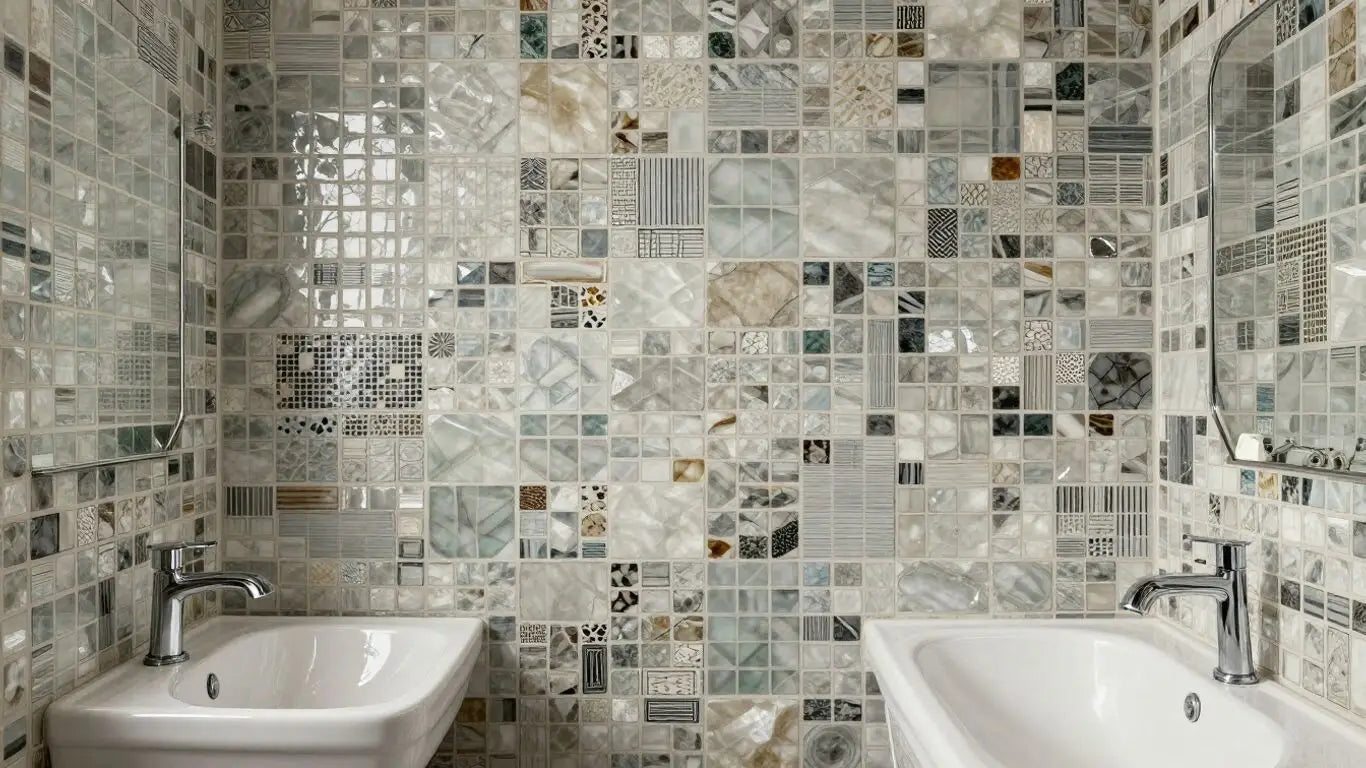
Creating Intricate Designs with Mosaics
Mosaics are like tiny pieces of art for your walls and floors. When you use quartz for these small tiles, you get all the toughness of quartz but in a way that lets you create really detailed patterns. Think about intricate designs that catch the light and add a special touch to any room. It’s a way to make a statement without being too loud. You can get really creative with these small pieces, making something totally unique.
Applications for Backsplashes and Accent Walls
Quartz mosaics are fantastic for kitchen backsplashes. They’re easy to clean, so spills from cooking won't be a big worry. Plus, they look amazing. Imagine a backsplash that sparkles a bit and ties your whole kitchen together. They also work great for accent walls. A wall covered in a quartz mosaic can become the focal point of a living room or dining area. It’s a way to add texture and visual interest without a lot of fuss. If you're looking to buy marble tiles online in the USA, you might find similar intricate designs, but quartz offers that extra durability.
Shower Floor and Wall Designs
Bathrooms are a prime spot for mosaics. Quartz mosaics are perfect for shower floors and walls because they handle moisture well and are less likely to get slippery than some other materials. You can create beautiful patterns that make your shower feel like a spa. A well-designed mosaic can really change the feel of your bathroom, making it a more relaxing place. It’s a smart choice for areas that get wet a lot.
The Versatility of Mosaic Patterns
Mosaics aren't just about small squares. You can find them in all sorts of shapes and patterns – think hexagons, subway tiles, or even custom shapes. This means you can match them to almost any design style, from modern to traditional. The way the light hits the different angles of the mosaic pieces can create a dynamic look that changes throughout the day. It’s a flexible way to add detail.
Combining Quartz Mosaics with Other Materials
Don't feel like you have to use mosaics everywhere. They look fantastic when paired with larger quartz tiles or even other materials like natural stone. For example, you could have a large quartz tile floor with a mosaic border, or a plain quartz countertop with a detailed mosaic backsplash. This contrast can make both materials stand out even more. It’s all about creating a balanced look that highlights the best features of each material.
Achieving Unique Visual Effects
Because mosaics are made of many small pieces, they can create visual effects that larger tiles can't. You can play with color variations within the mosaic to create depth or movement. Some mosaics have a glossy finish that reflects light, while others are more matte. The combination of these small elements allows for a level of detail and visual richness that’s hard to replicate. It’s a way to add a personal touch to your home.
The Luxury of Detailed Craftsmanship
Using mosaics, especially quartz mosaics, shows a real attention to detail. It suggests a level of craftsmanship and a desire for something special. While they might take a bit more effort to install than large tiles, the result is often a stunning, high-end finish. It’s a way to make your space feel more luxurious and custom-designed. For those who appreciate fine details, mosaics are a great option. You can find handcrafted mosaic tile designs that truly elevate your indoor spaces [543a].
Case Study 1: Modern Kitchen Makeover
A homeowner in California wanted to update their kitchen. They chose a quartz mosaic with a subtle grey and white pattern for the backsplash. The result was a sleek, modern look that was also incredibly practical. Spills from cooking were easy to wipe up, and the mosaic added a touch of elegance without overwhelming the space. The homeowner was thrilled with how it tied the countertops and cabinets together.
Case Study 2: Spa-Like Bathroom Retreat
In Texas, a couple decided to renovate their master bathroom. They opted for a quartz mosaic with a calming blue and beige color scheme for the shower walls and floor. The non-porous nature of the quartz made it ideal for the wet environment, and the mosaic pattern added a sophisticated, spa-like feel. It transformed a standard shower into a luxurious personal oasis.
When considering mosaics, think about the grout color. A contrasting grout can make the mosaic pattern pop, while a matching grout can create a more subtle, blended look. The right grout choice can significantly impact the final appearance of your mosaic installation.
Budgeting for your tiles quartz project
Planning a renovation or new build? Figuring out the costs involved is a big step. Quartz tiles offer a fantastic blend of beauty and resilience, but understanding the budget is key to a smooth project. Let's break down what goes into the cost, so you can plan with confidence.
Estimating material costs
The price of quartz tiles can really vary. You'll see different price points based on the brand, the complexity of the design, and the finish. Some tiles might have intricate patterns or special finishes that add to the cost. It's always a good idea to get a few quotes from different suppliers to compare. Remember to factor in the cost of any accessories you might need, like adhesive and grout. You can use online tools to help calculate the exact amount of tile you'll need for your space, which helps avoid overspending or running short. Calculate your tile needs.
Factoring in installation expenses
Installation is a significant part of the overall budget. While some DIY enthusiasts might tackle this themselves, professional installation usually guarantees a better, longer-lasting result. Professional installers have the tools, experience, and know-how to get the job done right, especially with precise cuts and a perfect finish. The complexity of the layout, the size of the tiles, and the condition of your subfloor can all influence installation costs. Always get detailed quotes that break down labor and any prep work needed.
Considering the long-term value
When you look at quartz tiles, think beyond the initial price tag. These tiles are incredibly durable and low-maintenance. This means fewer repair costs down the line and less money spent on cleaning supplies. Over the years, the value they add to your home and the savings from their longevity often make them a smart investment. They resist wear and tear exceptionally well, meaning they'll look great for a long time without needing frequent replacement. This is a big plus compared to materials that might need replacing sooner.
Comparing upfront costs with other options
It's smart to compare quartz tile costs with other flooring or wall materials. While some options might seem cheaper initially, they might not offer the same level of durability or aesthetic appeal. For instance, while you might find cheaper ceramic tiles, they may not hold up as well in high-traffic areas. Quartz offers a premium look and feel that often justifies its price point when compared to alternatives like natural stone, which can sometimes be more expensive and require more upkeep. Estimate your remodel costs to see how quartz fits into the bigger picture.
Potential savings through DIY installation
If you're handy and have the time, doing the installation yourself can lead to significant savings. However, it's not a task to be taken lightly. Proper preparation, precise cutting, and correct application of adhesive and grout are vital for a professional finish. Mistakes can be costly to fix. If you decide to go the DIY route, make sure you have the right tools and are prepared to follow instructions carefully. Watching tutorials and perhaps practicing on a small, less visible area first can be helpful.
The impact of tile size and complexity
Larger tiles often mean fewer grout lines, which can create a more expansive and modern look. However, larger tiles can sometimes be trickier to handle and install, potentially increasing labor costs if you hire professionals. Intricate patterns or designs, like mosaics or custom layouts, will also add to the complexity and cost of both materials and installation. Simple, standard layouts with common tile sizes are usually the most budget-friendly.
Getting accurate quotes for your project
To get the most accurate budget, always get detailed quotes. These should include:
- The cost per square foot for the quartz tiles.
- The estimated quantity needed, including a percentage for cuts and waste (usually 10-15%).
- The cost of necessary supplies like adhesive, grout, and sealers.
- A breakdown of installation labor costs.
- Any additional prep work required for the subfloor or walls.
Don't hesitate to ask questions and ensure you understand everything included in the quote before committing. This careful planning ensures you get the beautiful, durable quartz surfaces you desire without unexpected financial surprises.
The future of tiles quartz in design
Quartz tiles aren't just a trend; they're a cornerstone of modern interior design, and their future looks incredibly bright. We're seeing a constant evolution in how these engineered surfaces are made and used, pushing the boundaries of what's possible in home and commercial spaces. It’s an exciting time for anyone looking to create something truly special.
Emerging Trends in Quartz Tile Design
The design world is always moving, and quartz is right there with it. Expect to see more through-body veining, which mimics natural stone with incredible realism, making the pattern extend all the way through the tile. This creates a much more authentic look and feel. We're also seeing a rise in silica-free options, addressing health and safety concerns. And of course, the classic Calacatta-inspired designs continue to be popular, but with new twists and bolder veining. Mixed color surfaces are also gaining traction, offering a unique, dynamic aesthetic that breaks away from solid colors. These are the kinds of innovations you can explore at events like the Stone Surfaces Show 2026.
Innovations in Manufacturing Technology
Manufacturing technology is advancing rapidly, and it's directly impacting quartz tiles. New techniques allow for more intricate patterns, deeper textures, and even finishes that feel remarkably like natural stone. This means greater design flexibility and higher quality products. The focus is on creating surfaces that are not only beautiful but also perform exceptionally well, offering enhanced durability and easier maintenance. This technological leap is what makes quartz such a reliable choice for almost any application.
The Growing Popularity of Quartz
It's no secret that quartz tiles have become a go-to material for designers and homeowners alike. Their combination of stunning aesthetics, incredible durability, and low maintenance makes them a practical and stylish choice. As more people discover the benefits, the demand continues to grow. This popularity isn't just a fleeting trend; it's a testament to the material's inherent strengths and its ability to adapt to evolving design preferences. Whether you're looking for flooring, backsplashes, or accent walls, quartz delivers.
Integration with Smart Home Technology
While quartz tiles themselves aren't 'smart' in the electronic sense, their integration into smart homes is becoming more sophisticated. Think about integrated lighting features within quartz countertops or backsplashes, or surfaces designed to seamlessly blend with smart appliances and control panels. The clean, consistent nature of quartz makes it an ideal canvas for incorporating these futuristic elements without disrupting the overall design aesthetic. It’s about creating a cohesive, technologically advanced living space.
New Color and Pattern Developments
Get ready for an even wider palette! Manufacturers are constantly developing new colors and patterns for quartz tiles. We're seeing everything from deep, moody tones and subtle, earthy neutrals to vibrant, artistic designs. The ability to precisely control the color and pattern during manufacturing means that designers can achieve very specific looks, whether it's a perfect match for an existing decor or a bold statement piece. This level of customization is a huge advantage. You can find a spectrum of colors and patterns that truly fit your vision, from classic marble looks to something entirely new.
Quartz Tiles in Sustainable Architecture
Sustainability is a major focus in modern building and design, and quartz tiles are well-positioned to meet these demands. Their long lifespan means fewer replacements and less waste over time. Many manufacturers are also adopting more eco-friendly production processes, reducing energy consumption and waste. Choosing quartz can be a responsible decision for green building projects, offering a durable, beautiful, and more sustainable option compared to some natural stones or other materials. It’s a material that looks good and does good.
The Evolving Role of Engineered Stone
Engineered stone, with quartz being a prime example, is no longer seen as just an alternative to natural stone. It has carved out its own identity, offering predictable quality, consistent aesthetics, and superior performance in many applications. The technology behind engineered stone continues to improve, blurring the lines between natural and man-made materials. This evolution means that quartz tiles are not just keeping pace with design trends; they are actively shaping them, offering a reliable and versatile solution for virtually any project. For those considering options like buy marble tiles online USA, it's worth exploring the advancements in engineered stone as well.
Expert tips for selecting tiles quartz
Choosing the right quartz tiles can feel like a big decision, and honestly, it is. You want something that looks good, lasts forever, and fits your budget. It’s not just about picking a pretty pattern; it’s about making a smart investment for your home. Let’s break down how to make sure you get exactly what you’re looking for.
Requesting Samples for Color Matching
Don't just trust what you see online. Colors can look totally different on your screen than in your actual home. Always order samples. Get a few different shades or patterns you like and put them in the room where they'll be installed. See how they look in natural light, then again with your lights on. This step is super important for getting the color just right.
Considering Lighting Conditions
Speaking of light, think about the light in your space. A room with lots of natural sunlight might handle darker tiles better than a room that's a bit dimmer. If you have a north-facing room, it tends to have cooler light, which can make colors look different. South-facing rooms get warmer light. Pay attention to how the light hits the samples you ordered. It makes a difference.
Understanding Manufacturer Warranties
When you're looking at quartz tiles, check out the warranty. Most reputable manufacturers offer good warranties, often 10 years or more. This is a sign of quality and their confidence in the product. It also gives you peace of mind. If something goes wrong down the line, you're covered. Make sure you understand what the warranty includes and any conditions that apply.
Checking for Certifications and Quality Marks
Look for any certifications or quality marks on the quartz tiles. These can indicate that the product meets certain industry standards for safety, durability, or environmental impact. While not always a deal-breaker, they can be a good indicator of a reliable product. It’s like a stamp of approval.
Consulting with Interior Designers
If you're really unsure, or if you want to make sure your quartz tiles fit perfectly with your overall home design, talk to an interior designer. They have a trained eye for color, texture, and how different materials work together. They can help you avoid common mistakes and suggest options you might not have considered. It’s like having a professional guide.
Visiting Showrooms to See Options
While samples are great for your home, visiting a showroom lets you see the tiles in a larger format. You can get a better feel for the scale of the patterns and the overall look. Plus, you can often see different finishes and edge details up close. It’s a good way to get a real sense of the material. If you're looking to buy marble tiles online in the USA, seeing them in person first is a smart move.
Prioritizing Functionality Alongside Aesthetics
It’s easy to get caught up in how beautiful a tile looks, but don't forget about how it needs to perform. Think about where the tiles will go. Are they for a busy kitchen floor, a bathroom wall, or a low-traffic entryway? Quartz is tough, but some finishes might be better suited for certain areas. For example, a highly polished finish might show water spots more easily in a bathroom than a honed finish. Balance looks with practical needs.
Case Study: The Miller Residence Kitchen
The Millers wanted a kitchen that was both stylish and super practical. They were torn between a few different quartz patterns. After ordering samples and seeing them in their kitchen's specific lighting, they realized one pattern looked too busy with their existing cabinets. They also learned that the slightly more textured finish they initially liked was harder to clean than the smoother option. They ended up choosing a subtle, light grey quartz with a honed finish. It looked clean, modern, and was a breeze to maintain, fitting their busy family life perfectly.
Case Study: The Chen Bathroom Renovation
For their master bathroom, the Chens were aiming for a spa-like feel. They loved the look of a marble-look quartz tile for the shower walls and floor. They requested samples of a few different veining patterns. Seeing them in person, they noticed one had a very strong, dark vein that felt a bit too dramatic for the calm atmosphere they wanted. They opted for a quartz tile with softer, more subtle veining and a matte finish, which also provided better grip on the shower floor. The result was a serene and elegant bathroom that was also safe and functional.
Picking the right quartz tiles can seem tricky, but it doesn't have to be! Think about the look you want for your space and how durable it needs to be. We've got some great advice to help you choose the perfect quartz for your home. Ready to find out more? Visit our website for all the expert tips!
Bringing It All Together
So, we've covered a lot about quartz tiles, from how tough they are to how good they look and how to put them in. They really are a solid choice for pretty much any room, offering that mix of style and strength that's hard to beat. Whether you're going for a sleek modern kitchen or a durable bathroom floor, quartz has got you covered. Remember, taking the time to plan your layout and follow the installation steps carefully will make a big difference in the final result. If you're looking for quality quartz products and need some expert advice, Surfaces Galore in Anaheim, California, is a great place to start. They can help you find just what you need to make your project a success.
Frequently Asked Questions
What exactly are quartz tiles?
Quartz tiles are surfaces made from a mix of natural quartz and other materials like resins and pigments. They are engineered to be very strong and look great, offering a modern and stylish option for your floors or walls.
Are quartz tiles really that durable?
Yes, they are quite tough! Quartz tiles are known for being resistant to scratches, stains, and even heat. This makes them a great choice for busy areas like kitchens and bathrooms where spills or heat might be a concern.
How do quartz tiles handle heat?
Quartz tiles can handle warm items for a short time, but it's best to use trivets or hot pads for very hot pots and pans. Extreme heat can potentially damage the resin binders in the tile.
Are quartz tiles easy to keep clean?
Absolutely! Because they aren't porous, dirt and liquids don't soak in easily. A simple wipe-down with mild soap and water usually does the trick for daily cleaning. They are very low maintenance.
Can I use quartz tiles in my bathroom?
Yes, quartz tiles are an excellent choice for bathrooms. Their non-porous nature means they resist moisture and are less likely to develop mold or mildew, making them a hygienic option for floors and walls.
Do quartz tiles come in many colors and styles?
Yes, they do! Quartz tiles are manufactured, so they can be made in a huge variety of colors, patterns, and finishes. You can find options that mimic natural stone or offer unique, modern looks.
Is installation difficult for quartz tiles?
Installing quartz tiles is similar to installing other tile types. It requires careful preparation of the surface, precise cutting, and proper use of adhesive and grout. For best results, professional installation is often recommended.
Do quartz tiles need to be sealed?
Unlike natural stones like marble or travertine, quartz tiles are engineered to be non-porous and typically do not require sealing. This is one of their major advantages for low maintenance.
Are quartz tiles more expensive than other options?
The cost can vary, but quartz tiles are often considered a mid-to-high range option. However, their long-lasting durability and low maintenance can make them a cost-effective choice over time compared to materials that need frequent replacement or repair.
Can quartz tiles fade in sunlight?
Most quartz tiles are quite resistant to fading from sunlight. However, prolonged, direct exposure to intense UV rays might cause some slight color changes over a very long period.
What's the difference between quartz tiles and natural stone like marble?
Natural stone is quarried directly from the earth and has unique variations. Quartz tiles are engineered, meaning their color and pattern are consistent, and they are generally more durable and less porous than many natural stones like marble.
Where can I buy high-quality quartz tiles?
Reputable tile suppliers and showrooms are the best places to look for high-quality quartz tiles. Companies like Surfaces Galore offer a selection of premium quartz products and can help you find the right fit for your project.
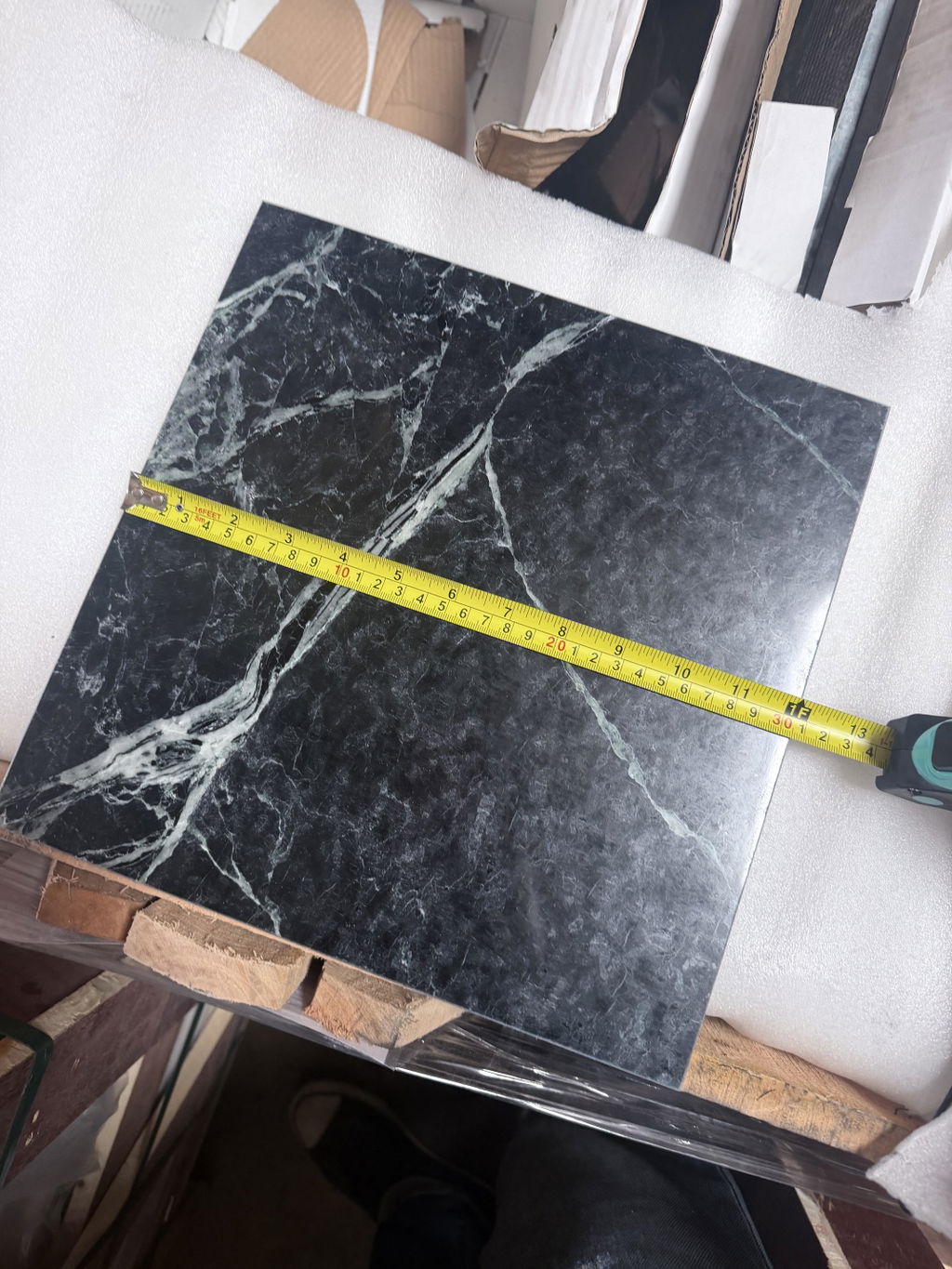

Leave a comment