

Travertine Classic: Elevating Luxury California Design

More than seventy percent of American luxury home renovations in California now incorporate natural stone as a defining feature, yet confusion still surrounds the classic appeal and true performance of travertine. For designers focused on residential projects demanding both elegance and resilience, myths about travertine’s fragility can cloud sound choices. Discover how classic travertine redefines sophistication, effortlessly merging refined West Coast style with the long-lasting strength your clients expect.
Table of Contents
- Travertine Classic Defined And Common Myths
- Major Types And Visual Distinctions
- Essential Characteristics And Performance Factors
- Popular California Design Applications
- Risks, Care, And Costs For Designers
- Comparing Travertine Classic To Alternatives
Key Takeaways
| Point | Details |
|---|---|
| Durability and Strength | Travertine’s composition provides exceptional durability, evidenced by historical structures like the Roman Colosseum. Proper sealing enhances its performance in high-traffic areas. |
| Versatile Aesthetic | With a range of colors and finishes, travertine can adapt to various design styles, from rustic to modern. Its unique textures add depth and elegance to any space. |
| Maintenance Considerations | Regular sealing every 1-3 years is crucial to prevent staining and preserve its beauty. Understanding care protocols is essential for long-term upkeep. |
| Comparative Value | Travertine offers a balanced option between durability and aesthetic appeal compared to alternatives like porcelain and marble, making it a favored choice in California design. |
Travertine classic defined and common myths
Travertine represents a stunning natural stone with rich geological origins and remarkable design potential. Unlike marble, this sedimentary rock forms through unique mineral precipitation processes at hot springs and caves, creating a distinctive material prized by designers for its warm earth tones and incredible versatility.
Architectural misconceptions about travertine persist, but understanding its true characteristics reveals why it remains a premier choice for luxury California design. Travertine differs fundamentally from marble in its formation and composition, developing through rapid mineral precipitation that results in a more porous and textured surface. While some designers mistakenly believe travertine is fragile, historical evidence proves its remarkable durability - the Roman Colosseum stands as a testament to the stone’s enduring strength.
Common myths about travertine often center around maintenance and application limitations. Contrary to popular belief, modern sealing techniques have transformed this natural stone into an incredibly resilient material suitable for numerous design applications. Its neutral color palette ranges from soft beige to rich walnut tones, making travertine an exceptionally adaptable design element for contemporary California homes. The stone’s unique textural qualities allow designers to create spaces that feel simultaneously classic and innovative.
Pro Designer Tip: Select travertine tiles with professional-grade sealants to minimize maintenance and maximize the stone’s natural beauty and durability in high-traffic areas.
Major types and visual distinctions
Travertine comes in several distinctive visual variations that offer unique aesthetic possibilities for luxury California design. The primary classifications include filled, unfilled, honed, and polished travertine, each presenting a remarkable range of visual textures and design potential.
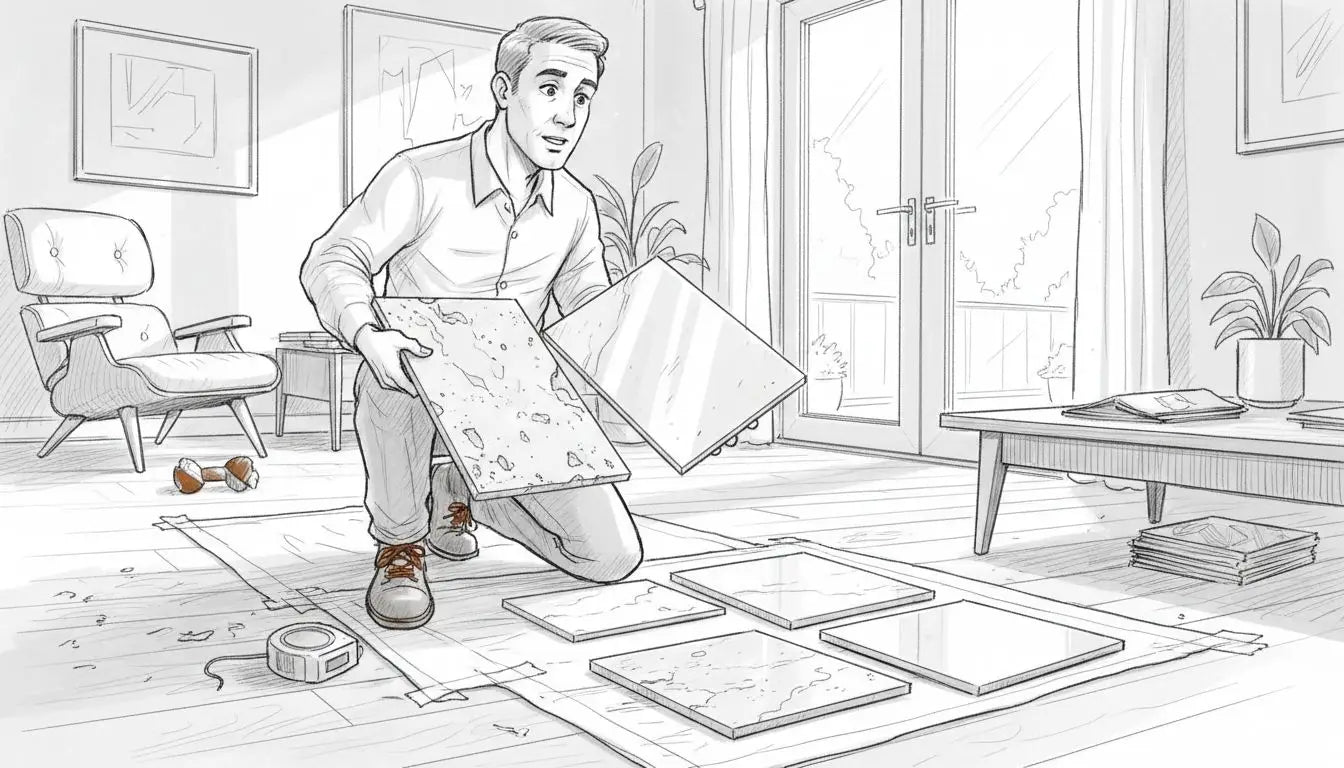
Filled travertine represents a smooth variation where natural pits and holes are professionally filled with matching cement or epoxy, creating a uniform surface that appeals to designers seeking a more consistent appearance. Unfilled travertine maintains its natural, rugged characteristics with visible cavities and a more rustic, organic feel that highlights the stone’s natural formation process. This raw aesthetic works exceptionally well in contemporary and industrial design contexts.
Color variations in travertine range from soft ivory and cream to rich walnut and deep bronze tones. Honed travertine offers a matte finish with minimal reflection, providing a sophisticated, understated look perfect for modern interiors. Polished travertine, by contrast, delivers a more luminous surface that catches and reflects light, creating dramatic visual depth and elegance in spaces ranging from sleek kitchen backsplashes to grand bathroom installations.
Pro Designer Tip: Always view travertine samples under different lighting conditions to understand how color and texture will interact with your specific design environment, as natural stone can dramatically change appearance based on light and surrounding materials.
Here is a summary of major travertine types and their visual qualities:
| Travertine Type | Surface Texture | Finish Options | Best Design Use |
|---|---|---|---|
| Filled | Smooth and uniform | Matte, polished | Modern, elegant interiors |
| Unfilled | Natural, rugged look | Raw, matte | Rustic or industrial spaces |
| Honed | Soft, matte surface | Honed only | Understated, contemporary interiors |
| Polished | Reflective, glossy | Polished finish | Luxury kitchens and bathrooms |
Essential characteristics and performance factors
Travertine represents a sophisticated natural stone with remarkable engineering properties that make it exceptional for architectural applications. Its unique geological composition creates a complex material with specific performance characteristics that designers must understand to maximize its potential in luxury environments.
Geomechanical analyses reveal travertine’s intricate structural composition, highlighting its sophisticated internal structure. The stone typically features an average porosity of approximately 12.6%, composed primarily of micrite and spastic calcite. This complex porous structure contributes to its distinctive aesthetic while simultaneously providing significant mechanical strength, making it suitable for high-traffic areas and demanding architectural designs.
The stone’s mechanical properties demonstrate remarkable versatility across different finishing techniques. Its inherent brittleness requires careful selection of installation methods and surface treatments to optimize performance. Compressive strength varies based on porosity, with professional sealing and finishing techniques dramatically enhancing the stone’s durability and resistance to environmental stressors. Designers can leverage these characteristics to create surfaces that are not just visually stunning but also structurally resilient.
Pro Designer Tip: Select travertine with lower porosity percentages and invest in professional-grade sealing treatments to maximize the stone’s structural integrity and long-term performance in demanding architectural applications.
Popular California design applications
Travertine has become a defining element in California’s most sophisticated architectural and interior design landscapes, transforming spaces with its versatile aesthetic and remarkable durability. From contemporary coastal homes to minimalist urban retreats, this natural stone offers designers an exceptional palette of design possibilities that capture the essence of West Coast luxury.
In kitchen design, travertine emerges as a premier material for creating stunning culinary environments. Contemporary California kitchen trends showcase travertine’s remarkable versatility through backsplashes, countertops, and flooring that blend organic texture with sleek functionality. The stone’s neutral tones complement both warm and cool color schemes, making it an ideal choice for designers seeking a timeless yet innovative aesthetic.
Beyond kitchens, travertine finds exceptional applications in outdoor living spaces that blur the lines between interior and exterior design. Pool surrounds, exterior wall cladding, and expansive patio areas benefit from travertine’s natural slip resistance and thermal properties. California’s indoor-outdoor lifestyle particularly embraces this stone, with designers using its varied finishes to create seamless transitions between architectural spaces and natural landscapes. From Santa Monica to Napa Valley, travertine represents a statement of refined elegance and sophisticated design sensibility.
Pro Designer Tip: Select travertine with varied surface treatments to create visual depth and interest, ensuring your design maintains both functional performance and aesthetic sophistication across different architectural applications.
Risks, care, and costs for designers
Travertine presents unique challenges and considerations for designers seeking to incorporate this luxurious natural stone into high-end California projects. Understanding the potential risks and maintenance requirements is crucial for creating sustainable, long-lasting design solutions that maintain their aesthetic appeal and structural integrity.
Travertine maintenance demands strategic care protocols, with its inherent porosity making it susceptible to staining and etching from acidic substances and moisture. Professional sealing every 1-3 years becomes essential, requiring designers to factor in both upfront material costs and ongoing maintenance expenses. While the initial investment may exceed alternatives like ceramic or wood, the stone’s durability and timeless aesthetic can justify the long-term expenditure for discerning clients.
Cost considerations extend beyond material pricing, encompassing installation complexity and specialized maintenance needs. Designers must budget for professional cleaning using pH-neutral products, protect surfaces from UV exposure, and implement careful handling techniques. Prompt spill management and avoiding abrasive cleaning methods are critical to preserving the stone’s natural beauty and preventing costly repairs. The investment in premium travertine ultimately translates to a design element that adds significant value and sophistication to residential and commercial spaces.
Pro Designer Tip: Develop a comprehensive maintenance plan with clients that includes professional sealing, specific cleaning protocols, and annual assessment to protect your travertine installation and maintain its luxurious appearance.
Comparing travertine classic to alternatives
Natural stone materials represent a critical design decision for luxury California interiors, with travertine standing as a unique option among several compelling alternatives. Each material brings distinctive characteristics that designers must carefully evaluate to create exceptional spaces that balance aesthetic appeal with practical performance.
Comprehensive material comparisons reveal nuanced differences between flooring options, with travertine offering a distinctive balance of natural beauty and functional versatility. Unlike porcelain, which provides superior durability, travertine delivers unparalleled organic texture and visual depth that cannot be perfectly replicated by manufactured materials. Marble, while elegant, typically requires more intensive maintenance and comes at a higher price point, making travertine an attractive middle ground for designers seeking both sophistication and practicality.
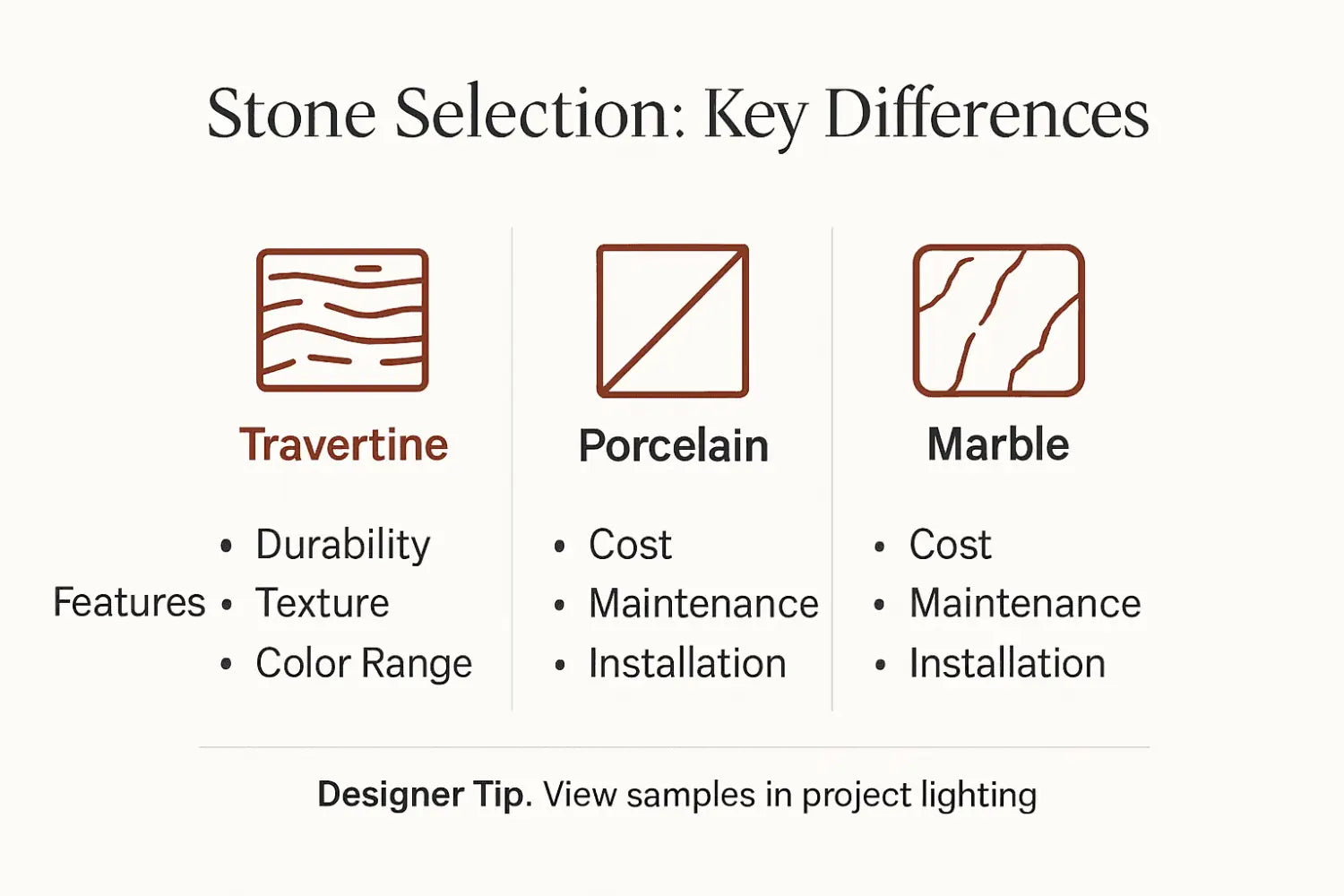
The selection between travertine and alternative materials ultimately depends on specific project requirements. Porcelain tiles excel in high-traffic commercial environments due to their extreme durability, while marble remains the ultimate luxury statement for spaces prioritizing pure aesthetic refinement. Travertine bridges these extremes, offering a natural, warm aesthetic with reasonable maintenance demands that make it particularly well-suited to California’s design sensibilities. Its ability to complement both contemporary and traditional architectural styles gives it a unique advantage in versatile design environments.
Compare key factors for popular flooring materials in California design:
| Factor | Travertine | Porcelain | Marble |
|---|---|---|---|
| Maintenance | Moderate, annual seal | Low, simple cleaning | High, frequent care |
| Durability | Strong, can chip | Extremely durable | Durable, scratches easily |
| Visual Appeal | Warm, natural textures | Uniform, manufactured look | Elegant, dramatic veining |
| Cost Range | Medium, varies by type | Low to medium | High, premium pricing |
Pro Designer Tip: Evaluate material options through actual physical samples viewed under your project’s specific lighting conditions, as natural stone variations can dramatically transform appearance between showroom and installed environments.
Elevate Your California Designs with Authentic Travertine from Surfaces Galore
The article highlights the challenges designers face when selecting travertine that balances elegance, durability, and ease of maintenance in luxury California projects. Key pain points include understanding travertine’s natural porosity, debunking common myths about its fragility, and choosing the right finish for high-traffic or outdoor spaces. If you seek premium travertine tiles sealed for long-lasting beauty and performance, Surfaces Galore delivers authentic solutions designed to meet these exact needs.
Discover our wide selection of marble and travertine, perfectly suited to capture that warm, natural California aesthetic with confidence. Visit Surfaces Galore today for direct access to professionally sourced stone that elevates both contemporary and classic designs. Don’t wait to create spaces that combine sophistication with resilience—explore our collections, learn about finishing options, and start your project with trusted materials that last. See why designers, architects, and homeowners nationwide rely on Surfaces Galore for authentic travertine delivered straight to your doorstep.
Frequently Asked Questions
What is travertine and how is it different from marble?
Travertine is a natural sedimentary stone formed through mineral precipitation at hot springs and caves, resulting in a more porous and textured surface compared to marble’s dense, smooth characteristics.
How do I maintain travertine to prevent damage?
To maintain travertine, it is essential to seal it every 1-3 years to protect against stains and etching. Promptly clean spills and avoid using acidic cleaners to preserve the stone’s natural beauty.
What are the different types of travertine, and how do they vary in appearance?
The main types of travertine are filled, unfilled, honed, and polished. Filled travertine has a smooth, uniform surface, while unfilled travertine retains its rustic look. Honed travertine has a matte finish, and polished travertine features a glossy surface that reflects light.
What are the advantages of using travertine in design applications?
Travertine offers a unique combination of durability and aesthetic appeal, making it suitable for various design applications, including kitchens, bathrooms, and outdoor areas. Its warm color palette and distinctive textures enhance the elegance of any space.
Leave a comment