
Complete Guide to Travertine Selection Criteria

More than 60 percent of american homeowners prefer natural stone for their design projects, yet few understand what makes travertine so distinct. This unique material has been a staple in architecture for centuries, valued for its remarkable patterns and impressive adaptability. Understanding the authentic qualities and grading of travertine helps you choose the perfect option for any space, whether you want timeless beauty or practical durability.
Table of Contents
- Defining Travertine And Its Unique Properties
- Grades And Types Of Travertine Explained
- Surface Finishes And Texture Options Compared
- Assessing Durability And Suitability For Use
- Cost, Sourcing, And Quality Considerations
Key Takeaways
| Point | Details |
|---|---|
| Unique Properties of Travertine | Travertine is a versatile natural stone known for its unique texture, color variations, and durability when properly maintained. |
| Grading System | It is classified into three grades: First (Premium), Commercial, and Standard, each suited for different aesthetic and functional needs. |
| Surface Finishes | Various finishes like polished, honed, and tumbled affect both the visual appeal and performance in different applications. |
| Durability Considerations | Travertine’s suitability depends on multiple factors, including environmental exposure, installation methods, and maintenance practices. |
Defining Travertine and Its Unique Properties
Travertine is a remarkable natural stone formed through mineral deposit processes in limestone caves and hot springs, creating a distinctive geological marvel with extraordinary aesthetic qualities. Characterized by its unique texture and variegated appearance, travertine represents one of the most versatile natural stone materials used in architectural and design applications.
Travertine exhibits remarkable variation in shape, color, and texture, with inherent natural characteristics that make each stone piece truly unique. Its formation involves complex geological processes where calcium carbonate precipitates from mineral-rich water, creating intricate patterns and subtle color variations that range from creamy whites and warm beiges to rich browns and deep grays.
The stone’s distinctive properties include:
- High porosity that creates natural depth and visual interest
- Ability to reflect and absorb light differently across its surface
- Naturally occurring fossilized impurities that contribute to its character
- Remarkable durability when properly sealed and maintained
Architects and designers appreciate travertine for its exceptional versatility, using it in flooring, wall cladding, countertops, and decorative elements. Its enduring appeal in modern homes stems from its ability to blend timeless elegance with contemporary design aesthetics, making it a preferred choice for sophisticated interior and exterior applications.
Grades and Types of Travertine Explained
Travertine classification involves a complex system of grading that considers multiple factors including color, texture, porosity, and overall visual consistency. Professionals typically categorize travertine into different grades that reflect the stone’s quality, appearance, and potential applications in architectural and design projects.
Travertine grades are generally divided into three primary categories: First (Premium), Commercial, and Standard. First-grade travertine represents the highest quality stone, characterized by:
- Minimal surface imperfections
- Consistent color and texture
- Fewer natural holes and fissures
- Uniform pattern and structural integrity
Commercial and Standard grades offer more variability in appearance and performance. Commercial grade travertine features moderate imperfections and color variations, making it suitable for larger commercial projects where absolute perfection is not required. Standard grade travertine includes more natural variations, holes, and color inconsistencies, often used in more rustic or budget-conscious design applications.
Beyond grading, travertine is also classified by finish type, including polished, honed, tumbled, and brushed surfaces. Each finish creates a distinct aesthetic impact, allowing designers and homeowners to select a look that complements their specific design vision and functional requirements. The diverse range of grades and finishes ensures that travertine can meet virtually any architectural or design challenge while maintaining its natural beauty and distinctive character.
Surface Finishes and Texture Options Compared
Travertine surface finishes represent a crucial design element that dramatically transforms the stone’s aesthetic and functional characteristics. Each finish creates a unique visual and tactile experience, allowing designers and homeowners to customize the stone’s appearance to suit specific design requirements and personal preferences.
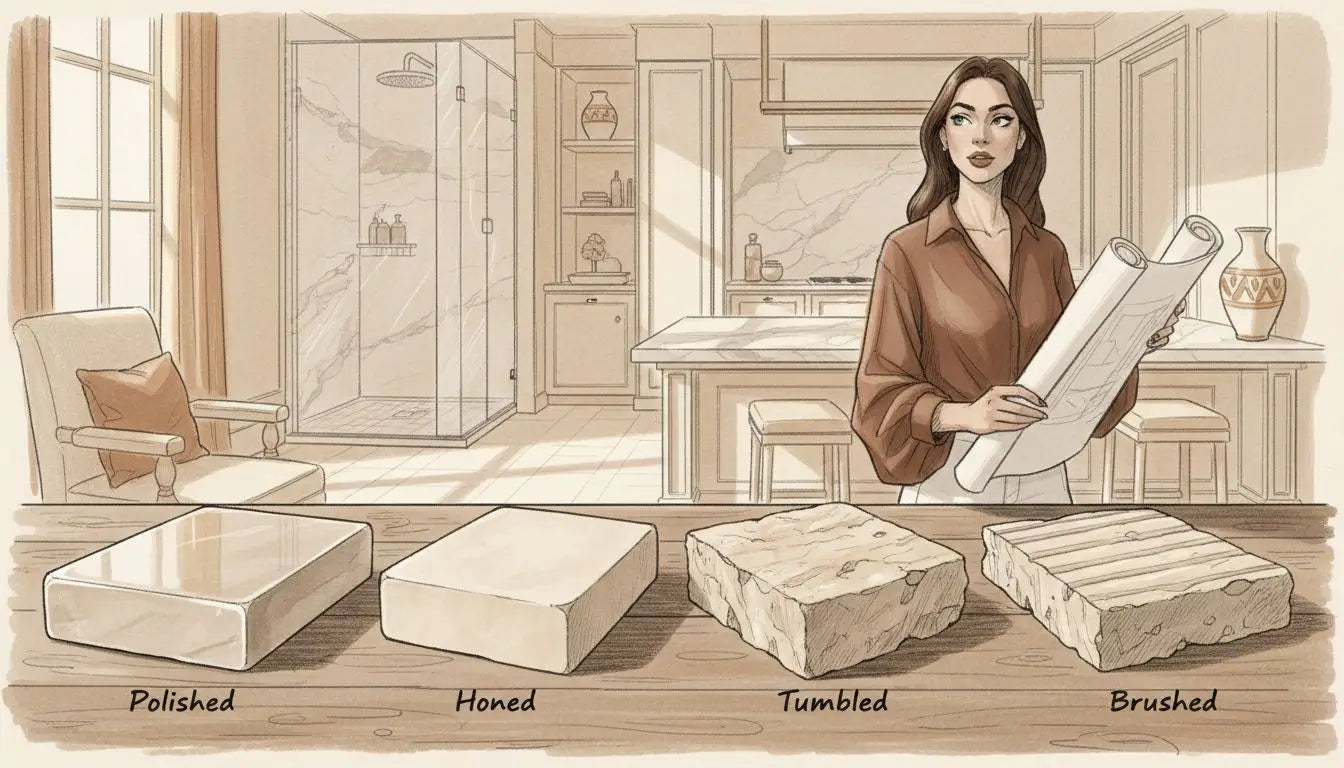
Polished and honed finishes offer distinctly different surface treatments. Polished finishes create a glossy, reflective surface that highlights the stone’s natural color variations and mineral patterns, providing a sleek and sophisticated appearance. Honed finishes, by contrast, deliver a matte, more subdued look with a smooth but non-reflective surface that appears softer and more understated.
The primary surface finish options for travertine include:
- Polished: Highly reflective, mirror-like surface
- Honed: Smooth, matte finish with minimal sheen
- Tumbled: Rounded edges with a rustic, aged appearance
- Brushed: Textured surface with subtle, weathered characteristics
- Saw-cut: Raw, unrefined finish with visible tool marks
Each finish impacts the stone’s performance and visual appeal differently. Tumbled travertine offers exceptional slip resistance and a timeworn aesthetic perfect for outdoor spaces and traditional design schemes, while polished finishes work brilliantly in modern, high-end interior environments. The selection depends on aesthetic preferences, functional requirements, and the specific design context of the project.
Assessing Durability and Suitability for Use
Travertine durability encompasses a complex interplay of physical characteristics, environmental conditions, and installation techniques. Professionals must carefully evaluate multiple factors to determine the stone’s long-term performance and appropriateness for specific architectural applications.
Travertine demonstrates remarkable resilience across various environmental conditions, with its durability influenced by several critical factors. Scientific research indicates that stone durability extends beyond simple porosity measurements, involving intricate textural characteristics that contribute to its overall structural integrity.
Key durability considerations include:
- Compressive strength
- Absorption rate
- Resistance to thermal shock
- Potential for surface wear
- Chemical resistance
- Susceptibility to environmental degradation
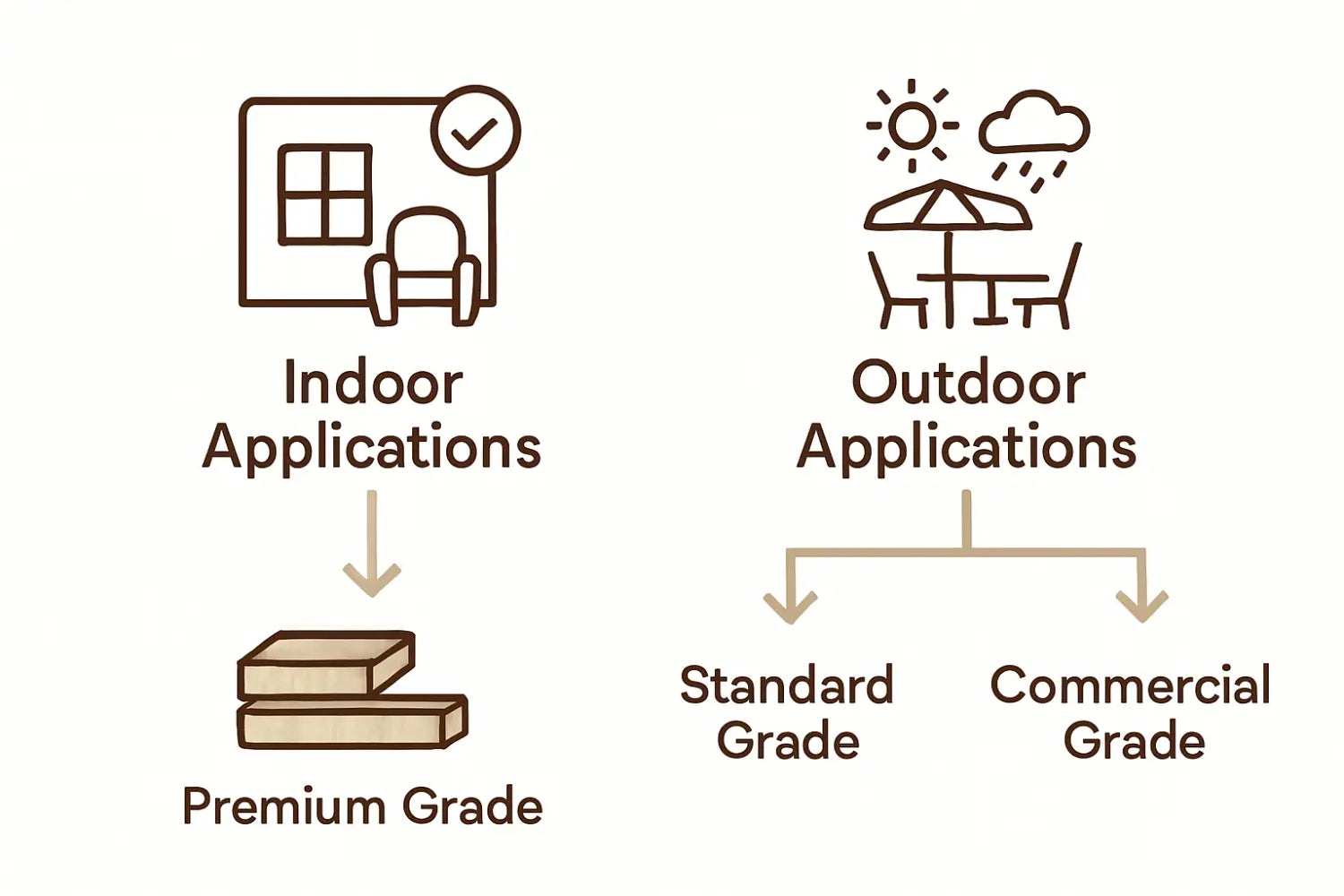
The suitability of travertine depends on specific application requirements. Indoor environments typically demand different durability standards compared to exterior installations, with factors like moisture exposure, temperature fluctuations, and mechanical stress playing crucial roles in determining the stone’s long-term performance. Proper sealing, professional installation, and routine maintenance can significantly enhance travertine’s durability and extend its functional lifespan across residential and commercial settings.
Cost, Sourcing, and Quality Considerations
Travertine pricing varies widely depending on multiple interconnected factors, making informed selection crucial for budget-conscious design professionals and homeowners. The cost spectrum ranges from economical standard-grade options to premium first-grade selections, with prices influenced by origin, quality, finish, and rarity of the stone.
Sourcing authentic travertine requires understanding key quality indicators beyond simple visual assessment. Factors that significantly impact pricing and quality include:
- Geographic origin of the stone
- Extraction and processing methods
- Color consistency and natural pattern variations
- Grade classification
- Surface finish complexity
- Transportation and import expenses
Professional buyers typically evaluate travertine through a comprehensive lens that balances aesthetic qualities, structural integrity, and long-term performance. Choosing between different quality grades involves carefully weighing initial investment against anticipated durability and visual appeal. Premium travertine from renowned quarries commands higher prices but offers superior consistency, fewer imperfections, and more predictable performance across residential and commercial applications.
Unlock the True Beauty of Travertine with Expert Guidance and Premium Selection
Choosing the right travertine for your project can feel overwhelming with so many grades, finishes, and durability factors to consider. The challenges of identifying the perfect balance between natural elegance and lasting performance are common among designers, contractors, and homeowners alike. You want travertine that offers consistent color, unique textures, and the durability to withstand your specific environment without compromising style.
At Surfaces Galore, we understand these concerns deeply. We specialize in premium travertine tiles and mosaics sourced directly from trusted quarries to ensure you receive authentic stone with minimal imperfections and exceptional quality. Whether you are seeking a polished, honed, or tumbled finish our extensive range allows you to find the ideal surface that meets your design vision and functional needs.
Experience the confidence that comes from choosing travertine backed by expert knowledge and nationwide shipping. Take the first step to elevate your interior or exterior space with travertine that combines natural beauty and lasting durability. Visit Surfaces Galore now for detailed product options and personalized support tailored to your project requirements.
Discover how easy it is to select the perfect travertine when working with a knowledgeable partner. Explore our inventory today and turn your travertine dreams into reality with Surfaces Galore’s trusted natural stone solutions.
Frequently Asked Questions
What are the unique properties of travertine?
Travertine is a natural stone known for its high porosity, unique variations in color and texture, remarkable durability, and natural fossilized impurities that contribute to its character. When properly sealed and maintained, it offers a long-lasting flooring and design option.
How are travertine grades categorized?
Travertine is generally categorized into three grades: First (Premium), Commercial, and Standard. First-grade travertine is the highest quality, with minimal imperfections and consistent appearance, while Commercial and Standard grades exhibit more natural variations and imperfections suitable for different design applications.
What are the different surface finishes available for travertine?
Travertine is available in several surface finishes, including polished, honed, tumbled, brushed, and saw-cut. Each finish provides a distinct aesthetic and functional characteristic, from glossy reflections to rustic textures, allowing customization for various design needs.
How does the durability of travertine affect its suitability for different applications?
The durability of travertine is influenced by factors such as compressive strength, absorption rate, and resistance to environmental conditions. Its suitability varies for indoor versus outdoor applications, with proper sealing and maintenance extending its lifespan and performance in both residential and commercial settings.

Leave a comment