
Can You Bleach Travertine Tile? A Comprehensive Guide to Cleaning and Restoration
Travertine tile is a beautiful natural stone, but it can be tricky to clean. You might be wondering if you can just grab a bottle of bleach to tackle stubborn stains. Well, it's not quite that simple. While travertine has a timeless appeal and adds real value to a home, its natural properties mean it needs a gentle touch. Using the wrong cleaning products can cause more harm than good. This guide will walk you through what you need to know about cleaning and caring for your travertine, and whether bleach is ever a good idea.
Key Takeaways
- Travertine is a natural stone with a porous surface, making it susceptible to staining and damage from harsh chemicals.
- Bleach is generally not recommended for cleaning travertine tile due to the risk of etching, discoloration, and weakening the stone.
- The porous nature of travertine means spills should be addressed immediately to prevent deep-set stains.
- pH-neutral cleaners and gentle methods are best for daily and deep cleaning of travertine.
- Poultices can be effective for targeted stain removal on travertine, but always test in an inconspicuous area first.
- Sealing travertine is crucial to protect its surface from moisture and stains, and this protective barrier needs regular maintenance.
- Professional restoration services offer advanced techniques for repairing damage and restoring the luster of travertine when DIY methods fall short.
- Proper installation and consistent, gentle maintenance are key to preserving the beauty and longevity of your travertine investment.
Understanding travertine's natural properties
Travertine is a natural stone, and that's part of its charm. It's formed over thousands of years from mineral deposits, usually in hot springs or underground caves. This natural process gives each piece its own unique character, something you just don't get with manufactured materials.
What Makes Travertine a Unique Natural Stone
Travertine stands out because of its natural formation. Unlike granite or marble, which are typically igneous or metamorphic, travertine is a type of limestone deposited by mineral springs. This means it has a rich history embedded within its structure. Think of it as bringing a piece of the earth's story into your home. It’s not just a floor or a wall; it’s a natural work of art. If you're looking to buy marble tiles online in the USA, you might also consider travertine for its similar elegance but distinct character.
The Porous Nature of Travertine and Its Implications
One of the defining features of travertine is its porosity. You'll notice small holes and natural pits on its surface. This is completely normal and part of what gives travertine its distinctive look. However, this porosity means it can absorb liquids if not properly sealed. This is why sealing is so important for travertine. A good quality stone sealer fills these tiny pores, making the stone more resistant to stains and moisture. It's a simple step that makes a big difference in the longevity and appearance of your travertine surfaces.
Variations in Travertine Color and Pattern
No two travertine tiles are exactly alike. You'll find a beautiful range of colors, from creamy ivories and soft beiges to richer earth tones like walnut and noce. The patterns can also vary, with some pieces showing distinct linear veining (especially in vein-cut travertine) and others having a more mottled or uniform appearance. This natural variation is a huge selling point for those who want a truly unique space. For instance, the Mixed (Ivory-Noce-Gold) Travertine offers a vibrant blend that can liven up any room.
Travertine's Suitability for Different Environments
Travertine is incredibly versatile. Its natural beauty and durability make it suitable for a wide array of applications. It works wonderfully indoors for flooring, backsplashes, and even countertops. Outdoors, it's a popular choice for patios, pool decks, and walkways. Its natural texture can also offer good slip resistance, especially in tumbled finishes, making it a practical choice for areas where moisture is common. Malibu Travertine, for example, is excellent for both indoor and outdoor use.
The Inherent Durability of Travertine
Despite its natural appearance, travertine is a remarkably durable stone. It's been used in construction for centuries, with famous examples like the Colosseum in Rome standing as testaments to its strength. When properly installed and maintained, travertine can last for generations. It holds up well to foot traffic and general wear and tear, making it a sound investment for busy homes and commercial spaces.
Recognizing Quality in Travertine Selection
When choosing travertine, look for consistency in color and pattern within a batch, unless you're specifically seeking high variation. Ensure the tiles are relatively flat and free from large cracks or significant chips. The finish also plays a role; honed travertine offers a matte, natural look, while polished travertine provides a glossy sheen. The quality of the stone itself, sourced from reputable quarries, is paramount. Surfaces Galore offers premium travertine products, ensuring you get the best.
Travertine's Timeless Aesthetic Appeal
There's a reason travertine has been popular for so long. It offers a timeless elegance that complements almost any design style, from rustic and traditional to modern and minimalist. Its natural warmth and texture create inviting and sophisticated spaces. Whether you choose a tumbled travertine tile for a rustic feel or a honed finish for a sleek look, travertine always adds a touch of class. It’s a material that truly stands the test of time, enhancing your home's beauty and value for years to come.
Assessing the need for bleaching travertine
Before you even think about reaching for a bottle of bleach, let's take a moment to assess the situation. Is your beautiful travertine tile truly beyond help, or are you facing a common issue that can be resolved with safer methods? Understanding the problem is the first step to finding the right solution.
Identifying Common Staining Issues on Travertine
Travertine, with its natural beauty, can sometimes fall victim to stains. These aren't always deep-set issues. Often, they're the result of everyday spills – a splash of red wine, a greasy cooking mishap, or even hard water spots. Before panicking, take a close look. Are these surface-level marks, or have they penetrated the stone?
Understanding Discoloration and Its Causes
Discoloration can be tricky. Sometimes it's a stain, other times it's a reaction to a cleaning product used previously. Did you recently use something acidic, like vinegar, on your floors? That could be the culprit. Or perhaps it's just the natural aging of the stone. Identifying the cause helps determine the fix.
When Deep Cleaning Might Not Be Enough
We all try the usual cleaning methods first. You scrub, you wipe, you rinse, but that stubborn mark just won't budge. This is often the point where people start considering more drastic measures, like bleaching. But is it really necessary? Let's explore the options.
Evaluating the Extent of Damage or Staining
Take a good, hard look at the affected areas. Are we talking about a few small spots, or is the entire floor looking dull and stained? The scale of the problem will influence the best course of action. For minor issues, a gentle approach is usually best. For widespread problems, professional advice might be needed.
Considering the Desired Aesthetic Outcome
What do you want your travertine to look like? Are you aiming for a pristine, uniform finish, or do you appreciate the natural variations that make travertine so unique? Bleaching can sometimes lead to an unnaturally uniform, or even patchy, appearance that detracts from the stone's natural charm. Think about the end goal.
The Role of Professional Assessment
Sometimes, the best eyes are those of a professional. A stone restoration expert can quickly identify the cause of discoloration or staining and recommend the most effective, and safest, treatment. They have the tools and knowledge to handle delicate natural stones like travertine. If you're unsure, getting a professional opinion is always a smart move. You can find great options for buy marble tiles online USA if you decide to replace any damaged sections.
Preventative Measures to Avoid Future Issues
Once you've assessed the situation, it's time to think about prevention. Regular cleaning with pH-neutral cleaners, prompt spill cleanup, and proper sealing are your best defenses against future stains and discoloration. Think of it as an investment in your travertine's long-term beauty. For instance, sealing is vital for protecting your stone from moisture and stains, a process that can be done at home or by professionals.
Bleaching travertine is rarely the first or best solution. Always explore gentler, stone-specific cleaning methods before considering harsh chemicals.
Case Study 1: The Coffee Spill
Sarah had a terrible coffee spill on her ivory travertine kitchen floor. She tried scrubbing with dish soap, but a faint brown stain remained. Panicked, she considered bleach. However, after a quick call to a local stone restoration company, she learned that a poultice made with baking soda and water would draw out the coffee stain effectively. Within 24 hours, the stain was gone, and her travertine was unharmed.
Case Study 2: Uneven Grout Lines
Mark noticed his grout lines were looking dingy and uneven. He thought a strong cleaner, maybe even bleach, would brighten them up. Instead, it started to etch the surrounding travertine. A professional stone cleaner advised him that the grout needed to be cleaned with a specialized grout cleaner and then re-sealed. The travertine was saved, and the grout looked like new.
| Issue Identified | Potential Cause | Recommended First Step |
|---|---|---|
| Faint brown stain | Coffee spill | Poultice with baking soda and water |
| Etching around grout | Harsh cleaner (suspected bleach) | Consult a stone professional for repair and re-sealing |
| Dull appearance | General grime/lack of sealant | Deep clean with pH-neutral cleaner and re-seal |
Can you bleach travertine tile safely?
The direct answer: Proceed with extreme caution
So, can you bleach travertine tile? The short answer is: technically, yes, but it's almost never a good idea. Think of it like trying to use a sledgehammer to crack a nut – it's overkill and likely to cause more problems than it solves. Travertine is a beautiful, natural stone, and it deserves gentle care. Bleach is a harsh chemical, and using it on your travertine can lead to some serious issues. We'll get into the specifics, but for now, know that there are much safer and more effective ways to clean your stone.
Why bleaching is generally not recommended
Travertine is a porous material. This means it can absorb liquids, which is why it stains easily. Bleach, while a powerful disinfectant, is also a strong chemical that can react poorly with the natural composition of travertine. Instead of lifting stains, it can often cause discoloration or even damage the stone's surface. Many online sources suggest harsh chemicals like baking soda, peroxide, or bleach, which can damage the stone through scratching or chemical reactions. It's crucial to use appropriate cleaning methods to preserve the beauty and integrity of your travertine surfaces. For instance, if you're looking to buy marble tiles online in the USA, you'd want to ensure you're also getting the right care advice.
Potential risks of using bleach on travertine
Using bleach on travertine isn't just a bad idea; it's a risky one. You might end up with uneven lightening, where some areas become noticeably paler than others, creating a splotchy, unattractive look. There's also the risk of etching, where the bleach actually eats away at the surface of the stone, leaving it dull and damaged. This is especially true for polished travertine, where the shine can be permanently lost. Even the grout lines can suffer, becoming weakened or discolored.
Understanding the chemical reactions involved
Travertine is a form of limestone, which is calcium carbonate. Acids react with calcium carbonate, causing etching and damage. While bleach (sodium hypochlorite) is alkaline, its strong oxidizing properties can still break down the stone's natural structure over time, especially with repeated exposure. This isn't like cleaning a ceramic tile; natural stone requires a different approach. For example, to properly clean a travertine tile shower before sealing, avoid harsh chemicals like bleach, vinegar, or acidic cleaners. These can etch and damage the stone. Using the wrong cleaning product is a common mistake that can quickly ruin travertine.
The impact on travertine's natural composition
When you bleach travertine, you're not just cleaning the surface; you're potentially altering the stone itself. The natural minerals and pigments within the travertine can be affected, leading to permanent color changes or a dulling of its inherent luster. This is why professionals always recommend pH-neutral cleaners for regular maintenance. The goal is to clean without compromising the stone's integrity.
Alternatives to bleaching for stain removal
Don't despair if you have a stubborn stain! There are much better ways to tackle it. For most common stains, a pH-neutral stone cleaner is your best bet. For tougher spots, a poultice made from an absorbent material (like diatomaceous earth or baking soda) mixed with a suitable cleaning agent can draw the stain out of the stone. For example, oil-based stains might respond to a poultice with a strong degreaser, while organic stains could be treated with a mild solution of hydrogen peroxide. Always test any cleaning solution in an inconspicuous area first.
When professional restoration is advised
If you've tried gentle cleaning methods and the stain persists, or if you're concerned about damaging your travertine, it's time to call in the pros. Professional stone restoration services have the knowledge, tools, and specialized products to tackle even the most challenging stains and damage without harming your beautiful stone. They can assess the situation and recommend the best course of action, whether it's deep cleaning, honing, or sealing. Investing in professional care can save you money and heartache in the long run, preserving the value and beauty of your travertine floors and surfaces.
Risks associated with bleaching travertine
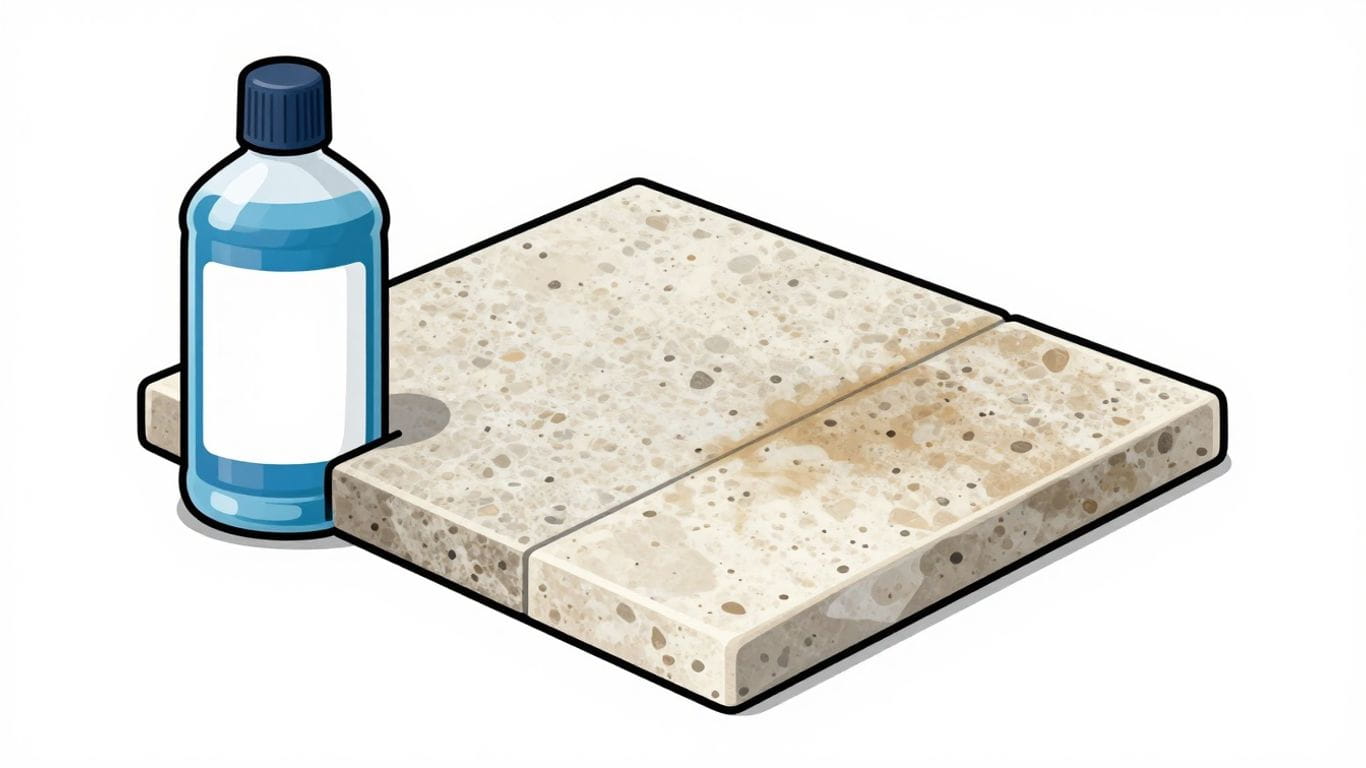
Bleach might seem like a quick fix for stubborn stains, but when it comes to travertine, it's a gamble you don't want to take. This beautiful natural stone, known for its elegant look, is also quite sensitive. Using harsh chemicals like bleach can lead to a cascade of problems that are often irreversible and costly to fix. Think of it like trying to use a sledgehammer to crack a delicate egg – the tool is too aggressive for the material.
Etching and Surface Damage from Harsh Chemicals
Bleach, especially when undiluted or left on too long, can react with the calcium carbonate in travertine. This reaction causes etching, which is essentially a dulling or roughening of the stone's surface. Instead of a smooth, polished finish, you're left with a chalky, uneven appearance that’s impossible to buff out. This damage is permanent and can make your beautiful travertine look worn and neglected.
Discoloration and Uneven Lightening of the Stone
Travertine naturally has variations in color and pattern. Bleach doesn't discriminate; it can lighten these natural variations unevenly. What you might end up with is a splotchy, patchy look where some areas are significantly lighter than others. This is particularly noticeable on darker travertine, like Noce or Walnut, where the contrast can be stark and unappealing. Achieving a uniform color after bleach damage is incredibly difficult, often requiring professional restoration.
Weakening of the Travertine's Structure
While not as immediate as etching, repeated or strong exposure to bleach can, over time, begin to break down the stone's natural composition. Travertine is porous, and chemicals can penetrate these pores. This can make the stone more brittle and susceptible to chipping or cracking, especially in high-traffic areas. It's a slow degradation that compromises the long-term integrity of your flooring or surfaces.
Damage to Grout Lines and Seals
Bleach doesn't just affect the travertine itself; it's also harsh on the grout between your tiles. It can break down the grout, causing it to crumble or discolor. Furthermore, if your travertine is sealed (which it should be!), bleach can strip away this protective layer. This leaves the stone vulnerable to future stains and moisture damage, creating a cycle of problems.
Potential for Permanent Staining or Alteration
While you might be trying to remove a stain, bleach can sometimes create new, permanent ones. Certain chemical reactions can cause the stone to absorb the bleach in a way that alters its color permanently. This is especially true if the bleach is mixed with other cleaning agents, creating unpredictable and damaging outcomes. You might be left with a stain that's far worse than the original issue.
Health and Safety Concerns During Application
Working with bleach, especially in enclosed spaces like bathrooms or kitchens, poses health risks. The fumes can be irritating to the respiratory system and eyes. Proper ventilation is a must, and even then, the strong chemical smell can be unpleasant. If you're not careful, splashes can also damage surrounding materials or cause skin irritation.
Long-Term Consequences for Your Investment
Travertine is a significant investment in your home's beauty and value. Using bleach can lead to costly repairs or even replacement if the damage is severe. Instead of a quick fix, you could end up facing a much larger expense down the line. It's always better to opt for gentle, stone-specific cleaning methods to protect your beautiful buy marble tiles online USA investment.
Case Study: The Splotchy Shower
Sarah wanted her travertine shower to sparkle. She noticed a few water spots and decided a good scrub with bleach was in order. She applied it liberally, let it sit, and then rinsed. The water spots were gone, but in their place were large, pale patches where the bleach had lightened the natural color of the stone. The grout also looked faded and chalky. Now, instead of a pristine shower, she has a splotchy, uneven mess that requires professional attention to even consider restoring. She learned the hard way that bleach is not travertine's friend.
Effective and safe cleaning methods for travertine
Keeping your travertine looking its best doesn't have to be a chore. With the right approach, you can maintain its natural beauty and durability for years to come. Forget harsh chemicals and abrasive scrubbing; we're talking about gentle, effective methods that respect the stone.
Daily Cleaning Routines for Travertine
Regular, light cleaning is your first line of defense against dullness and minor marks. Think of it as a daily spa treatment for your stone. A quick sweep or vacuum (with a soft brush attachment!) removes loose dirt and grit that can scratch the surface over time. For most daily messes, a slightly damp cloth is all you need. This keeps your travertine looking fresh without any fuss.
Using pH-Neutral Cleaners for Regular Maintenance
When a little more cleaning power is needed, always reach for a pH-neutral cleaner. Travertine is sensitive to acids and strong alkalis, which can etch its surface. A good quality, stone-specific cleaner will lift away grime without damaging the stone's natural composition. It’s like choosing the right skincare for your face – gentle yet effective. You can find excellent options for buy marble tiles online USA and other natural stone care products.
The Importance of Soft Cloths and Sponges
Your cleaning tools matter. Always opt for soft, non-abrasive materials. Microfiber cloths are fantastic for dusting and wiping, while soft sponges are great for tackling slightly tougher spots. Avoid anything that could scratch, like steel wool or stiff-bristled brushes. Think of it as pampering your travertine, not scrubbing it.
Dealing with Everyday Spills and Marks
Accidents happen, but with travertine, prompt action is key. Blot up spills immediately with a clean, dry cloth. For dried-on marks, use your pH-neutral cleaner and a soft sponge. Work gently from the outside of the stain inward to avoid spreading it. Remember, patience is a virtue when dealing with natural stone.
Rinsing and Drying Procedures
After cleaning with any solution, a thorough rinse is vital. Use a clean, damp cloth to wipe away any cleaner residue. This step is often overlooked but is critical for preventing streaks and dullness. Follow up by drying the surface completely with a soft, dry cloth. This prevents water spots and keeps your travertine gleaming. Proper drying is key to maintaining the natural beauty and longevity of your travertine flooring.
Frequency of Cleaning for Optimal Results
How often should you clean? For daily dusting and spot cleaning, as needed. For a more thorough clean with a pH-neutral cleaner, once a week is usually sufficient for most areas. High-traffic zones might benefit from a more frequent wipe-down. The goal is consistency, not intensity.
Maintaining the Sealant's Integrity
Your travertine's sealant is its protective shield. Regular cleaning with gentle products helps preserve this seal. Avoid harsh chemicals that can strip the sealant away, leaving your stone vulnerable. If you notice water no longer beads up on the surface, it might be time to re-seal. This is a vital step in protecting your investment.
Case Study: The Miller Residence
The Miller family in Scottsdale, Arizona, had beautiful Ivory Light Travertine floors throughout their home. Initially, they used a common household cleaner, which, over time, started to dull the stone and leave faint water spots, especially in the kitchen and bathrooms. After consulting with a stone care specialist, they switched to a dedicated pH-neutral cleaner and a microfiber cloth routine. They also made sure to dry the floors thoroughly after each cleaning. Within a few weeks, the original luster of their travertine returned, and they've maintained this simple, effective routine ever since, keeping their floors looking like new.
Deep cleaning techniques for stubborn stains
Even the most diligent care can't always prevent tough stains from appearing on your beautiful travertine. When everyday cleaning isn't enough, it's time to bring out the heavy hitters. But don't worry, we're not talking about harsh chemicals here. We're talking about smart, targeted solutions that respect the natural beauty of your stone.
Creating a poultice for targeted stain removal
A poultice is your secret weapon against stubborn spots. Think of it as a paste that draws the stain out of the stone. It's a gentle yet effective method that works wonders when applied correctly. You can buy pre-made poultices, or make your own. It’s a bit of a DIY project, but the results are often worth it.
Choosing the right absorbent material for poultices
The base of your poultice needs to be absorbent. Common choices include kaolin clay, diatomaceous earth, or even paper towels. The material needs to be able to soak up the stain from the travertine. Different materials work better for different types of stains, so knowing your enemy is half the battle.
Selecting appropriate cleaning agents for specific stains
What you mix with your absorbent material depends entirely on the stain. For organic stains like wine or coffee, a bit of hydrogen peroxide might do the trick. For oil-based stains, a degreaser or even a bit of ammonia (used very carefully and diluted) can be effective. Always test in an inconspicuous spot first! This is key to avoiding bigger problems down the line. If you're dealing with rust, a specialized rust remover is your best bet. For water spots, a gentle acidic cleaner might be needed, but use with extreme caution on travertine.
Application and removal of poultices
Once you have your paste, apply it thickly over the stain, extending slightly beyond its edges. Cover it with plastic wrap and tape down the edges to keep it moist. Let it sit for at least 24-48 hours. The longer it sits, the more it can draw out. Then, remove the plastic and let the poultice dry completely. As it dries, it pulls the stain with it. Once dry, gently scrape it away with a plastic scraper or putty knife. Rinse the area with clean water and dry thoroughly.
Patience during the stain removal process
This isn't a quick fix. Deep stains require time and patience. You might need to repeat the poultice process a few times to fully lift a stubborn mark. Don't get discouraged if it doesn't come out on the first try. Keep at it, and you'll likely see improvement.
Testing cleaning solutions in inconspicuous areas
Before you go slathering any cleaning agent all over your travertine, do a spot test. Find a hidden corner, like behind a cabinet or in a closet. Apply your chosen cleaner and see how the stone reacts. This simple step can save you from widespread discoloration or etching. It’s a small effort that offers big protection.
When to call a professional stone cleaner
Sometimes, a stain is just too deep or widespread for DIY methods. If you've tried everything and the stain persists, or if you're worried about damaging your beautiful stone, it's time to call in the pros. They have specialized tools and knowledge to tackle even the most challenging stains without harming your travertine. For instance, if you're looking to buy marble tiles online in the USA, you'll want to ensure any cleaning methods you use are appropriate for similar natural stones. Professionals can help restore that like-new finish, making your investment look its best for years to come.
Understanding travertine sealers and their role
Travertine, a beautiful natural stone, has a unique character that many homeowners adore. But, like most natural stones, it's porous. This means it can soak up liquids, leading to stains and damage if not protected. That's where travertine sealers come in. They're like a shield for your stone, keeping it looking its best for years to come.
Why Sealing Travertine is Crucial
Think of sealing as essential maintenance for your travertine. Without it, spills from your morning coffee, red wine at dinner, or even just water can seep into the stone. This can lead to permanent discoloration or etching, especially on lighter travertine tiles. Proper sealing creates a barrier that gives you more time to clean up messes before they become permanent problems. It's a simple step that makes a huge difference in preserving the stone's natural beauty and value. For those looking to buy marble tiles online in the USA, remember that sealing is just as important for marble as it is for travertine.
Types of Sealers Available for Natural Stone
When you're looking for a sealer, you'll mostly find two main types: topical and penetrating. Topical sealers form a protective layer on the surface of the stone. While they can offer good protection, they can sometimes alter the stone's natural look and feel, and they might wear down over time, especially in high-traffic areas. Penetrating sealers, on the other hand, soak into the stone itself, providing protection from within. These are generally recommended for travertine because they offer invisible protection without changing the stone's appearance. They work by chemically reacting with the stone to form a barrier that repels liquids. This type of sealer is preferred by most experts for protecting travertine surfaces.
How Sealers Protect Against Stains and Moisture
Sealers work by reducing the porosity of the travertine. They fill the tiny pores and capillaries within the stone, making it much harder for liquids to penetrate. This is especially important for preventing common household stains like oil, grease, wine, and coffee. By repelling moisture, sealers also help prevent issues like efflorescence (white powdery deposits) and can offer some protection against freeze-thaw damage in outdoor applications. It's a proactive measure that keeps your stone looking pristine.
The Process of Applying a Travertine Sealer
Applying a sealer is a straightforward process, but it requires attention to detail. First, the travertine surface must be thoroughly cleaned and completely dry. Any dirt or moisture trapped under the sealer can cause problems later. Then, the sealer is typically applied using a brush, roller, or sprayer, depending on the product. It's important to apply it evenly and to work in manageable sections. You'll usually need to apply one or two coats, allowing the recommended drying time between each. Always follow the manufacturer's instructions for the specific product you are using. For example, after installing new travertine tiles, it's a good idea to seal them right away.
Re-sealing Frequency and Indicators
How often do you need to reseal? It really depends on the type of sealer used, the amount of traffic the area gets, and what kind of products are used on the stone. As a general rule, most penetrating sealers need to be reapplied every one to three years. A good way to tell if your travertine needs resealing is the water test. Sprinkle a little water on the surface. If it beads up, the sealer is still working. If the water soaks in and darkens the stone, it's time to reseal. Always refer to your sealer’s instructions for specific recommendations.
The Effect of Sealers on Travertine's Appearance
One of the great things about penetrating sealers is that they typically don't change the look of your travertine. They soak into the stone, providing protection without adding a sheen or altering the color significantly. Some sealers might give the stone a slightly richer, "wetter" look, which can actually enhance its natural beauty. If you prefer to keep the stone's original appearance exactly as it is, look for "colorless" or "natural look" sealers. These are available if you want to retain the stone's original look.
Maintaining the Protective Barrier
Once sealed, it's important to maintain that protective barrier. This means using pH-neutral cleaners for regular cleaning and avoiding harsh chemicals that can break down the sealer over time. Promptly cleaning up spills also helps, as it reduces the chance of anything penetrating the stone, even with a sealer in place. By combining regular, gentle cleaning with periodic resealing, you can keep your travertine looking beautiful for decades. It's a small effort for a significant return on the beauty and longevity of your investment.
Restoring travertine with professional expertise
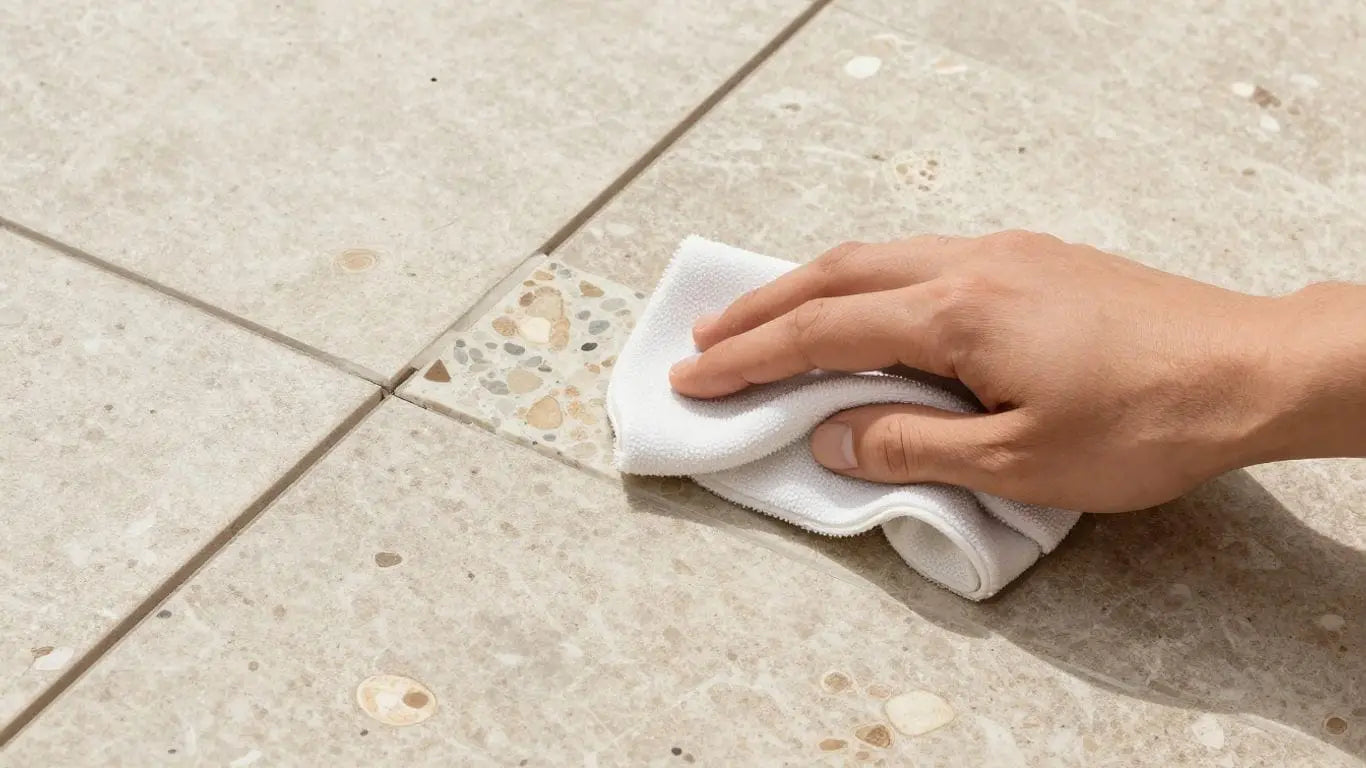
Sometimes, DIY cleaning just doesn't cut it. You've tried scrubbing, maybe even a poultice or two, but those stubborn stains or dull patches on your travertine remain. That's where professional restoration comes in. Think of it as a spa day for your stone, but with serious, specialized tools and knowledge.
When DIY Methods Fall Short
It's easy to get excited about tackling stone care yourself. You see a stain, grab a cleaner, and hope for the best. But travertine is a natural stone, and it can be sensitive. What works for one type of stain might actually make another worse, or worse, damage the stone itself. If you're finding yourself frustrated, or if the problem seems bigger than a simple spill, it's time to consider the pros.
The Benefits of Professional Stone Restoration
Why call in the experts? For starters, they have the right tools and right knowledge. They know the specific chemistry of travertine and how different cleaning agents will react. They can identify the exact cause of a stain or discoloration, which is half the battle. Plus, they have access to professional-grade equipment that can deep clean, polish, and repair your stone in ways you just can't at home. It's about getting your travertine back to its original glory, or even better.
Advanced Techniques for Deep Cleaning and Stain Removal
Professionals don't just use off-the-shelf cleaners. They employ advanced techniques like specialized chemical treatments and deep-extraction cleaning. For tough stains, they might use custom-formulated poultices designed to draw out even the most set-in discoloration. They understand how to work with the stone's natural porosity without causing further damage. This is especially important for older homes or high-traffic areas where travertine might have seen better days.
Polishing and Honing for Surface Renewal
Is your travertine looking dull and lifeless? Professionals can bring back its shine. Honing removes a thin layer of the stone to create a smooth, matte finish, perfect for areas where a high gloss isn't desired. Polishing, on the other hand, brings out a brilliant, reflective sheen. They can assess your stone's finish and restore it to its intended look, or even change it if you're looking for a refresh. For example, MARBLELIFE® Pittsburgh offers professional travertine polishing services that can revitalize a dull surface.
Repairing Chips, Cracks, and Damage
Accidents happen. A heavy object might fall, or a tile might chip. While minor chips might be manageable, larger cracks or significant damage can be a real eyesore. Professional restoration services can often repair these issues, filling voids and blending repairs so they're virtually unnoticeable. This saves you the cost and hassle of replacing entire sections of your floor or wall.
Re-sealing and Protection Strategies
Once your travertine is cleaned and restored, it needs protection. Professionals will expertly re-seal your stone, applying a high-quality sealant that penetrates the pores and guards against future stains and moisture. They'll advise you on the best type of sealer for your specific needs and environment, helping to maintain that beautiful, restored finish for years to come. This is a key step in protecting your investment in natural stone.
Achieving a Like-New Finish
Ultimately, professional travertine restoration is about bringing your stone back to life. It's about restoring its natural beauty, its durability, and its value. If your travertine floors, walls, or countertops have seen better days, don't despair. The right professionals can work wonders, making your stone look as good as the day it was installed, if not better. It’s a smart investment for maintaining the elegance and integrity of your home.
Specific stain types and their removal
Even the most beautiful travertine can fall victim to stains. Life happens, and spills are inevitable. But don't panic! Knowing how to tackle common stains on your travertine surfaces is key to keeping them looking their best. We'll walk you through the most frequent culprits and how to deal with them effectively.
Addressing organic stains like food and drink
Organic stains, like those from wine, coffee, juice, or food spills, are common in kitchens and dining areas. The good news is they often respond well to gentle treatment. The key is to act fast. The longer a spill sits, the deeper it can penetrate the porous stone.
For fresh spills, blot up as much as possible with a clean, dry cloth. Then, use a mild, pH-neutral cleaner specifically designed for natural stone. For tougher, set-in organic stains, a poultice can be your best friend. You can create one using an absorbent material like diatomaceous earth or baking soda mixed with a small amount of hydrogen peroxide. Apply the paste to the stain, cover it with plastic wrap, and let it sit for 24-48 hours. The poultice draws the stain out of the stone. Rinse thoroughly and dry.
Case Study: A client in Scottsdale, AZ, had a red wine spill on their Ivory Light Travertine floor during a dinner party. Acting quickly, they blotted the spill and then used a hydrogen peroxide-based poultice. Within 24 hours, the stain was completely gone, leaving the travertine looking as good as new. buy marble tiles online USA
Tackling oil-based stains and grease
Oil and grease stains can be particularly stubborn on travertine. Think cooking oil splatters, butter, or even greasy fingerprints. These stains darken the stone because the oil penetrates the pores.
For these types of stains, you'll want a cleaner that can break down the grease. A good option is a poultice made with an absorbent material and a strong alkaline cleaner, like ammonia or a specialized stone degreaser. Mix the absorbent material (like talc or kaolin clay) with the cleaner to form a paste. Apply it to the stain, cover with plastic, and let it work its magic for at least 24 hours. Remove the poultice, rinse the area with clean water, and dry completely. Repeat if necessary.
Removing rust and metal marks
Rust stains, often from metal furniture, planters, or even leaky faucets, can leave unsightly orange or brown marks on your travertine. These require a specific approach.
Commercial rust removers designed for natural stone are usually the most effective. Look for products that are specifically formulated to lift rust without damaging the stone. Always follow the manufacturer's instructions carefully and test in an inconspicuous area first. Some rust removers contain acids, so caution is advised. If you're unsure, a professional stone restorer can handle these challenging stains.
Dealing with water spots and mineral deposits
Hard water can leave behind unsightly water spots or mineral deposits, especially in bathrooms and kitchens. These often appear as dull, white rings or cloudy patches.
For light water spots, a gentle buffing with a soft, dry cloth might be enough. If the spots are more persistent, try a cleaner specifically designed to remove mineral deposits from natural stone. Avoid using acidic cleaners like vinegar or lemon juice, as these can etch the travertine. For severe cases, a professional honing might be necessary to remove the surface layer where the deposits have formed.
Identifying and treating ink or dye stains
Ink stains from pens, markers, or even spilled colored drinks can be a real headache. The approach depends on the type of ink.
For water-based inks, a pH-neutral cleaner and a poultice might work. For oil-based or permanent marker inks, you might need a stronger solvent. Acetone or a specialized stone stain remover could be effective. Always test any solvent in a hidden spot first. If the stain is deep or widespread, professional help is recommended.
The challenge of pet stains on travertine
Pet accidents are a common concern for homeowners. Urine, in particular, can be problematic due to its acidity and the potential for it to leave both a stain and an odor.
Clean up the accident immediately. Blot up as much liquid as possible. Then, use an enzymatic cleaner specifically designed for pet stains. These cleaners break down the organic matter causing the stain and odor. For older, set-in stains, a poultice might be needed. Ensure the area is thoroughly rinsed and dried. Regular sealing of your travertine will also help prevent future pet stains from penetrating deeply.
Preventing future occurrences of common stains
Prevention is always better than cure. Here are some tips:
- Seal your travertine regularly: A good quality impregnating sealer creates a barrier that helps prevent stains from penetrating the stone. Re-seal every 1-3 years, depending on traffic and wear.
- Wipe up spills immediately: Don't let spills sit. The longer they are on the surface, the harder they are to remove.
- Use coasters and placemats: Protect your travertine surfaces from drinks and food.
- Be mindful of metal objects: Avoid dragging metal furniture or planters directly on the travertine surface, as they can cause rust stains.
- Clean regularly with the right products: Stick to pH-neutral cleaners and avoid harsh chemicals that can damage the stone or its sealant. clean travertine floors
Case Study: A homeowner in Austin, TX, noticed rust spots appearing on their travertine patio from metal patio furniture. After cleaning the rust with a specialized remover, they applied a robust outdoor travertine sealer. They now use felt pads under the furniture legs and have had no recurrence of rust stains.
The impact of harsh chemicals on travertine
Acids and Their Corrosive Effect on Stone
Acids are the sworn enemy of travertine. Think lemon juice, vinegar, or even some aggressive bathroom cleaners. When these acidic substances come into contact with travertine, they don't just sit there; they react. This reaction is called etching. It literally eats away at the surface of the stone, leaving dull, rough patches. It's like a chemical burn for your beautiful tile. You might not notice it right away, especially if it's a mild acid or a quick spill, but repeated exposure or stronger acids can cause permanent damage. This is why we always stress using pH-neutral cleaners for your travertine. It’s the safest way to keep that natural stone looking its best.
Alkaline Cleaners and Potential Damage
While acids are the most notorious culprits, strong alkaline cleaners can also pose a threat. These are often found in heavy-duty degreasers or some oven cleaners. If left on the surface for too long, or if they are particularly potent, alkaline cleaners can also cause discoloration or a dulling effect on travertine. They don't etch in the same way acids do, but they can still alter the stone's appearance and, in some cases, weaken its surface over time. It’s a bit like a slow fade rather than an immediate scar, but the end result is still a less-than-perfect finish.
Abrasive Cleaners and Scratching Risks
This one might seem obvious, but it's worth repeating. Anything gritty or abrasive – think scouring powders, steel wool, or even stiff-bristled brushes – can scratch the surface of your travertine. Travertine, especially polished finishes, can show scratches quite easily. These aren't chemical reactions, but physical damage. Once a scratch is there, it's hard to remove without professional refinishing. It’s like dragging sandpaper across your countertops; it just doesn’t end well for the finish. Always opt for soft cloths or non-abrasive sponges.
The Danger of Ammonia and Bleach Mixtures
This is a big one, and it’s not just about travertine. Mixing ammonia and bleach creates toxic fumes that are incredibly dangerous to inhale. Beyond the immediate health hazard, if these chemicals were to somehow come into contact with your travertine, the combination could lead to unpredictable and potentially severe damage to the stone. It’s a recipe for disaster, both for your health and your floors. Stick to single, recommended cleaning agents.
How Chemicals Alter the Stone's Surface
At its core, travertine is a natural material with a specific composition. Harsh chemicals disrupt this composition. Acids dissolve the calcium carbonate, weakening the stone and creating etch marks. Strong alkalis can also react with the stone's components, leading to discoloration or a breakdown of the surface. Even seemingly mild cleaners, if used incorrectly or too frequently, can strip away sealers or build up residues that dull the natural luster. It’s a delicate balance, and chemicals throw that balance way off.
Long-Term Effects of Chemical Exposure
What might seem like a minor incident with a harsh chemical can have lasting consequences. Repeated etching from acidic cleaners can lead to a permanently dull and pitted surface that no amount of cleaning will fix. Abrasive scrubbing can create a network of fine scratches that make the stone look worn and tired over time. Even discoloration from a strong cleaner might not be reversible without professional intervention. Protecting your investment means being mindful of what touches your travertine.
Choosing Gentle, Stone-Safe Alternatives
So, what should you use? The answer is simple: pH-neutral cleaners specifically designed for natural stone. These cleaners are formulated to lift dirt and grime without reacting with the stone's surface or stripping its sealant. For everyday spills, a damp cloth is often all you need. For tougher jobs, a dedicated stone cleaner is your best bet. It’s about working with the stone, not against it. If you’re looking for beautiful travertine tiles for your home, remember that proper care is key to their longevity. Using the right cleaners for natural stone will keep them looking stunning for years to come.
Case Study: The Etched Kitchen Countertop
Sarah, a homeowner in California, decided to tackle a stubborn grease stain on her kitchen travertine countertop with a common household cleaner she thought was "mild." Unbeknownst to her, the cleaner contained a mild acid. She scrubbed vigorously, and while the grease stain came off, she was left with a noticeable dull patch where she had scrubbed. She tried cleaning it again, thinking she hadn't rinsed well enough, but the dullness remained. It turned out the "mild" cleaner had etched the polished surface. She ended up needing to have the countertop professionally honed and re-polished to restore its original shine, a much more costly and time-consuming process than simply using a stone-safe cleaner from the start.
Maintaining the beauty of your travertine floors
Keeping your travertine floors looking their best isn't complicated, but it does require a little know-how. These natural stone beauties add so much warmth and elegance to a home, and with the right care, they'll stay that way for years. Think of it as a partnership – you provide the gentle attention, and your floors give you timeless style.
Establishing a Consistent Cleaning Schedule
Regular cleaning is your first line of defense against dullness and damage. Don't wait for spills to become stubborn stains. A quick sweep or vacuum daily, followed by a damp mop a couple of times a week, makes a huge difference. This routine prevents dirt and grit from scratching the surface over time. For those looking to buy marble tiles online in the USA, remember that travertine requires similar, gentle care to maintain its luster.
Using the Right Tools for Floor Care
When it comes to cleaning travertine, gentleness is key. Always opt for soft tools. A microfiber mop is your best friend here – it cleans effectively without scratching. For dry cleaning, a soft-bristle broom or a vacuum cleaner with a hard floor attachment works wonders. Avoid anything abrasive, like steel wool or stiff brushes, as these can easily mar the stone's surface.
Protecting Travertine from Heavy Furniture
Heavy furniture can leave dents or scratches, especially if it's moved frequently. Use felt pads on the legs of all your furniture. It’s a simple step that offers significant protection. For very heavy items, consider using furniture coasters or lifting rather than dragging when rearranging your space. This small effort prevents permanent marks.
Preventing Scratches from Shoes and Pets
Shoes can track in dirt and grit that acts like sandpaper on your floors. Encourage a "shoes off" policy at the door, especially for shoes with rough soles. For pet owners, keeping your pet's nails trimmed can help minimize scratches. Regular sweeping also removes pet hair and dander, keeping your floors cleaner and healthier.
Addressing High-Traffic Areas Effectively
Entryways and main walkways naturally see more foot traffic. Consider placing area rugs or runners in these zones. Not only do they add a decorative touch, but they also act as a barrier, catching dirt and reducing wear on the travertine itself. Make sure the backing of these rugs is safe for stone floors – rubber or felt is usually a good choice.
The Importance of Prompt Spill Cleanup
Travertine is porous, meaning spills can soak in if left unattended. Wipe up any spills immediately with a clean, absorbent cloth. For sticky or colored spills, a little water and a pH-neutral cleaner specifically designed for natural stone will do the trick. Don't let liquids sit on the surface longer than necessary.
Seasonal Care Considerations for Travertine
Depending on your climate, seasonal changes might require extra attention. In winter, salt or de-icing chemicals tracked in from outside can be harsh. In summer, increased outdoor activity might mean more dirt and moisture. A good quality sealant, reapplied as needed, is your best defense against these seasonal challenges. For example, a homeowner in a snowy region might need to be extra diligent about cleaning entryways after a storm, while someone in a warmer climate might focus more on patio spills during barbecue season.
Case Study: The Miller Residence
The Millers, a family of four with two active children and a golden retriever, were concerned about maintaining their beautiful ivory travertine floors in their main living area. They implemented a daily sweeping routine, used a microfiber mop with a pH-neutral cleaner twice a week, and placed durable rugs in the entryway and high-traffic zones. They also ensured all furniture had felt pads. After two years, their floors still looked as stunning as the day they were installed, with no noticeable scratches or dullness. Their proactive approach paid off, preserving their investment and the home's aesthetic appeal.
Regular, gentle cleaning and protective measures are far more effective than trying to fix damage later. Think of it as preventative maintenance for your home's natural beauty.
Travertine care for walls and backsplashes
Travertine walls and backsplashes add a touch of natural elegance to any room. Keeping them looking their best, however, requires a bit of know-how. Unlike floors, these vertical surfaces face different challenges, from cooking splatters to bathroom humidity. Let's explore how to maintain that beautiful travertine finish.
Gentle cleaning for vertical surfaces
Walls and backsplashes need a softer touch. Think of it like washing your face – you wouldn't scrub it with steel wool, right? The same applies here. For daily upkeep, a soft microfiber cloth dampened with water is often all you need. This removes dust and light grime without risking scratches. If you need a bit more cleaning power, opt for a pH-neutral stone cleaner. This is key to protecting the natural composition of your travertine. Avoid anything acidic or alkaline, as these can dull the finish or even etch the stone over time. For those looking to buy marble tiles online USA, remember that similar gentle care applies to marble as well.
Dealing with cooking splatters and grease
Kitchen backsplashes are prime real estate for grease and food stains. These can be a bit trickier than dust. The best approach is to tackle them quickly. Don't let grease sit and soak in. For fresh splatters, a damp cloth with a tiny bit of mild dish soap (make sure it's pH-neutral!) can work wonders. Wipe gently, then rinse the area thoroughly with a clean, damp cloth to remove any soap residue. For tougher, dried-on grease, a poultice might be necessary. This involves mixing an absorbent material (like baking soda or diatomaceous earth) with a cleaning agent to draw the stain out of the stone. Patience is key here; let the poultice work its magic for several hours or even overnight.
Maintaining grout lines in tiled areas
Travertine tiles are often installed with grout, and these lines can trap dirt and grime, making your beautiful backsplash look dingy. Regular attention is needed. A soft grout brush or an old toothbrush can be used with your pH-neutral cleaner to gently scrub the grout lines. Avoid harsh scrubbing, which can wear down the grout over time. If the grout is heavily stained, you might consider a specialized grout cleaner, but always test it in an inconspicuous spot first. Sealing your grout is also a smart move to make cleaning easier in the future.
Avoiding harsh scrubbing on delicate finishes
Travertine comes in various finishes – honed, polished, tumbled. Each has its own charm, but they also have varying degrees of sensitivity. Polished finishes, while beautiful, can be more prone to scratching from abrasive cleaners or rough scrubbing. Tumbled finishes have a rustic, worn look, and aggressive cleaning can detract from that aesthetic. Always use soft cloths, sponges, or soft-bristled brushes. Think gentle, consistent care rather than aggressive, infrequent cleaning. This approach preserves the intended look and feel of your travertine.
The role of sealers in splash zones
Sealing is non-negotiable, especially for walls and backsplashes in kitchens and bathrooms. These areas are constantly exposed to moisture, grease, and potential staining agents. A good quality impregnating sealer penetrates the pores of the travertine, creating a barrier that resists liquid absorption. This buys you time to wipe up spills before they become permanent stains. Re-sealing is necessary periodically – typically every 1-3 years, depending on traffic and exposure. You can test if your sealer is still effective by dripping a little water on the surface; if it beads up, the sealer is working. If it soaks in, it's time to re-seal.
Restoring shine to wall tiles
Over time, even with careful cleaning, travertine walls and backsplashes can lose some of their luster. This is especially true for polished finishes. If your tiles are looking dull, it might be time for a gentle polish. You can use a specialized stone polish designed for travertine. Apply it according to the manufacturer's instructions, usually with a soft cloth, buffing the surface to restore its shine. For deeper restoration needs, like removing minor etching or scratches, professional help might be the best route to ensure a flawless finish.
Preventing mold and mildew growth
Bathrooms and areas around sinks are prone to humidity, which can lead to mold and mildew growth, especially in grout lines. Good ventilation is your first line of defense. Ensure your bathroom fan is working effectively or open a window when possible. Clean regularly with a pH-neutral cleaner. If you spot any early signs of mold or mildew, address it immediately with a stone-safe cleaner. Prompt cleanup and good airflow are your best tools against these unwelcome guests.
Outdoor travertine maintenance and care
Your outdoor travertine is a beautiful addition to your home, but it needs a little attention to stay looking its best. Think of it like tending a garden – a little effort goes a long way.
Preparing outdoor travertine for the elements
Before the seasons change, or even just after a big storm, give your travertine a good look-over. The key is to keep it clean and dry whenever possible. Remove any loose debris like leaves or dirt. If you see standing water after rain, try to address any drainage issues. This simple step prevents dirt from getting ground into the stone and makes future cleaning much easier. For those in colder climates, consider covering sensitive areas or removing furniture that could trap moisture.
Dealing with dirt, debris, and organic matter
Outdoor travertine naturally encounters more dirt, pollen, and fallen leaves than indoor surfaces. Regular sweeping is your first line of defense. For tougher grime, a gentle wash with warm water and a pH-neutral cleaner is usually sufficient. Avoid anything acidic or alkaline, as it can damage the stone. Always rinse thoroughly after cleaning to remove any cleaner residue. If you're looking for durable, beautiful tiles for your patio or pool deck, check out our travertine pavers. They're designed to withstand the elements.
Managing moss and algae growth
Shady spots or areas that stay damp are prime real estate for moss and algae. These can not only look unsightly but also make surfaces slippery. A specialized stone cleaner designed for outdoor use can tackle this. You might need to let the cleaner sit for a bit to work. For persistent issues, a soft-bristled brush can help lift the growth. Always test any cleaner in an inconspicuous spot first.
The importance of robust sealing for outdoor use
Sealing is non-negotiable for outdoor travertine. It creates a barrier against moisture, stains, and freeze-thaw cycles. Think of it as a protective shield. How often you need to reseal depends on the climate and the type of sealer used, but generally, once a year is a good starting point. You'll know it's time when water stops beading up on the surface and starts to soak in. A good quality sealer is an investment in your stone's longevity.
Addressing freeze-thaw cycle damage
In regions with freezing temperatures, water trapped in the pores of travertine can expand when it freezes, causing cracks and spalling (surface flaking). Proper sealing is the best defense. Ensuring good drainage also helps minimize water absorption. If you notice any small cracks, it's best to address them before they worsen. Sometimes, a simple epoxy filler designed for stone can do the trick.
Cleaning patios and pool surrounds
These areas see a lot of action – spills from drinks, sunscreen, and general foot traffic. For patios, the same principles apply: sweep regularly, clean with pH-neutral solutions, and rinse well. Pool surrounds need extra attention to prevent issues from pool chemicals. Always use cleaners safe for stone and rinse thoroughly to avoid residue buildup that can affect the stone or pool water.
Restoring faded or weathered travertine
Over time, sun exposure and weather can cause travertine to look a bit dull or faded. If the surface is just dirty, a deep clean might be all that's needed. For more significant fading or minor surface wear, professional restoration might be an option. This could involve light honing or re-sealing to bring back its luster. Remember, consistent care is the best way to prevent extensive weathering.
Case Study: The Patio Transformation
The Miller family in Arizona loved their travertine patio, but after a few years of intense sun and occasional parties, it started looking tired. They noticed some water spots and a general dullness. Following our advice, they first gave it a thorough sweep and then washed it with a pH-neutral cleaner, rinsing it completely. The biggest change came after they applied a high-quality penetrating sealer. Within a day, the patio looked vibrant again, and water now beads up beautifully, protecting it from the harsh desert sun. They plan to reseal annually to maintain this look.
Understanding travertine finishes and their care
Travertine, a natural stone prized for its earthy elegance, comes in several finishes, each offering a distinct look and requiring specific care. Choosing the right finish is key to both achieving your desired aesthetic and simplifying maintenance. Let's explore the most common travertine finishes and how to keep them looking their best.
Honed Travertine: Characteristics and Cleaning
Honed travertine has a smooth, matte surface. It's less reflective than polished travertine, giving it a sophisticated, understated look. This finish is popular because it hides minor scratches and etches better than polished surfaces. It's a great choice for high-traffic areas like kitchens and bathrooms.
- Cleaning: Use a pH-neutral cleaner specifically designed for natural stone. Avoid acidic or abrasive cleaners, as they can dull the finish further.
- Maintenance: Regular sweeping or vacuuming with a soft brush attachment is recommended. For spills, blot them up immediately with a soft cloth.
- Sealing: Honed travertine still needs to be sealed to protect against stains. Re-seal annually or as needed.
Polished Travertine: Achieving and Maintaining Shine
Polished travertine offers a glossy, reflective surface that brings out the stone's natural colors and veining. It creates a luxurious, high-end feel, perfect for formal living areas or entryways. However, this high shine means it can show scratches and water spots more readily.
- Cleaning: Stick to pH-neutral stone cleaners. Wiping up spills immediately is critical to prevent water spots and potential etching.
- Maintenance: Use a soft microfiber cloth for dusting and light cleaning. Avoid abrasive pads or harsh chemicals that can dull the polish.
- Sealing: Polished travertine requires regular sealing to maintain its luster and protect against staining. Annual resealing is a good practice.
Tumbled Travertine: Preserving Its Rustic Charm
Tumbled travertine undergoes a process that rounds the edges and creates a textured, aged appearance. This finish is ideal for creating a rustic, old-world look, often seen in country kitchens or outdoor patios. Its natural texture can also offer some slip resistance.
- Cleaning: Gentle cleaning is key. A mild stone cleaner and a soft brush can help remove dirt from the textured surface.
- Maintenance: Because of its texture, dirt can get trapped. Regular sweeping and occasional deeper cleaning with a soft brush are important.
- Sealing: Tumbled travertine benefits greatly from sealing to prevent stains from penetrating the porous surface.
Brushed Travertine: Gentle Cleaning Methods
Brushed travertine has a slightly textured surface created by brushing the stone with stiff bristles. This process highlights the stone's natural grain and provides a subtle texture that is less prone to showing wear than polished finishes. It offers a sophisticated yet durable option.
- Cleaning: Use a pH-neutral cleaner and a soft cloth or sponge. Avoid aggressive scrubbing.
- Maintenance: Regular dusting and prompt spill cleanup are sufficient for daily care.
- Sealing: Like other travertine finishes, brushed travertine needs to be sealed to protect its surface.
Filled vs. Unfilled Travertine Care
Travertine often has natural voids or pits. 'Filled' travertine has these voids filled with resin or grout, creating a smoother surface. 'Unfilled' travertine retains these natural pits, offering a more rustic and textured look.
- Filled Travertine: Generally easier to clean as the surface is more uniform. Follow the care instructions for the specific finish (honed, polished, etc.).
- Unfilled Travertine: Requires more attention to cleaning, as dirt and spills can settle into the pits. Poultices might be necessary for deep cleaning. Ensure it is well-sealed.
How Finishes Affect Stain Resistance
Generally, polished finishes are the most susceptible to staining and etching due to their smooth, non-porous surface. Honed and tumbled finishes, while still porous, can be more forgiving due to their texture and less reflective nature. However, all travertine finishes require proper sealing to provide adequate stain resistance.
Choosing the Right Care Products for Your Finish
Always opt for pH-neutral cleaners designed for natural stone. Harsh chemicals, acidic cleaners (like vinegar or lemon juice), and abrasive scrubbers can damage any travertine finish, leading to etching, dulling, or permanent discoloration. For example, using the wrong cleaner on a polished finish can quickly ruin its shine, while an aggressive cleaner on a honed finish can make it look dull and worn.
Case Study: The Polished Travertine Kitchen Countertop
A homeowner installed polished Ivory Light Travertine tiles for their kitchen backsplash and countertops. Initially, they loved the luxurious shine. However, after a few months, they noticed water spots and faint rings from glasses. They had been using a standard kitchen cleaner, which was too acidic. After switching to a dedicated pH-neutral stone cleaner and ensuring spills were wiped up immediately, the countertops regained their luster. This highlights how crucial the right cleaning products and prompt action are for polished finishes.
Case Study: The Tumbled Travertine Patio
Another homeowner chose tumbled travertine for their outdoor patio. They found that dirt and organic matter tended to get lodged in the natural pits. By implementing a routine of sweeping and using a stiff-bristled brush with a mild stone cleaner once a month, they kept the patio looking fresh and prevented deep-set stains. Regular sealing also protected the stone from the elements.
When selecting travertine, consider not just the color and pattern, but also the finish that best suits your lifestyle and maintenance commitment. With the right care, any travertine finish can provide timeless beauty for years to come. If you're looking for beautiful travertine options, explore collections like Malibu Travertine or the Exotic Vein-Cut Travertine Collection to find the perfect match for your home.
The role of grout in travertine maintenance
Why grout needs special attention
Grout is the unsung hero of your travertine installation. It fills the gaps between your beautiful tiles, but it’s also a prime spot for dirt, grime, and stains to settle in. Because grout is typically more porous than travertine itself, it can absorb spills and harbor bacteria if not cared for properly. Neglecting your grout means your entire travertine surface won't look its best, no matter how well you clean the tiles. Think of it as the frame around a masterpiece – it needs to be clean and well-maintained to truly showcase the art.
Cleaning grout lines effectively
Keeping grout lines clean doesn't have to be a chore. For everyday upkeep, a simple wipe-down with a damp cloth after cleaning the tiles can make a big difference. When deeper cleaning is needed, a pH-neutral grout cleaner is your best friend. Avoid harsh chemicals, as they can damage both the grout and the surrounding travertine. For stubborn spots, a soft-bristled brush (like an old toothbrush) can work wonders. Gently scrub the grout lines with your chosen cleaner, then wipe away the residue with a clean, damp cloth. Remember, consistency is key here. Regular attention prevents buildup and makes deep cleaning much easier.
Sealing grout to prevent staining
Sealing your grout is one of the most effective ways to protect it from stains and moisture. Once your travertine is installed and the grout has fully cured (usually 48-72 hours), applying a quality grout sealer is a smart move. This creates a barrier that repels liquids, making spills easier to wipe up before they can penetrate and cause discoloration. Re-sealing is typically recommended every 1-2 years, depending on traffic and cleaning frequency. You'll know it's time to re-seal when water no longer beads up on the surface. Properly sealed grout makes all the difference in maintaining that pristine look.
Repairing damaged or crumbling grout
Sometimes, grout can become damaged over time due to wear and tear, or improper cleaning methods. Crumbling or cracked grout not only looks bad but can also compromise the integrity of your tile installation, allowing moisture to seep underneath. If you notice areas of damage, it's best to address them promptly. You can often repair small sections of grout yourself using a grout repair kit. For larger areas or if you're unsure, calling a professional stone restoration service is a wise choice. They have the tools and knowledge to repair grout effectively, ensuring your travertine remains secure and beautiful.
Color-matched grout considerations
When choosing grout for your travertine, color matters. While white or gray are common choices, consider how the grout color will interact with your specific travertine. A color-matched grout can create a more seamless, monolithic look, making the tiles appear larger and more unified. On the other hand, a contrasting grout color can add definition and highlight the tile pattern. For a truly custom look, you can even tint grout to match your travertine perfectly. Think about the overall aesthetic you want to achieve before making your selection. It’s a small detail that can have a big impact on the final appearance of your floors or walls.
Avoiding harsh chemicals on grout
This is a big one. Many household cleaners contain acids or strong alkaline agents that can wreak havoc on grout. Bleach, vinegar, and ammonia-based cleaners, while effective on other surfaces, can break down the grout's composition, leading to discoloration and weakening over time. This damage can be irreversible and costly to repair. Always opt for pH-neutral cleaners specifically designed for natural stone and grout. Your travertine and its grout lines will thank you for it, maintaining their integrity and beauty for years to come. It’s better to spend a little more on the right product than to risk damaging your beautiful stone.
The impact of grout on overall appearance
Don't underestimate the power of clean, well-maintained grout! It's the connective tissue that holds your travertine design together. When grout is clean and intact, it allows the natural beauty of the travertine tiles to shine. Dirty, cracked, or crumbling grout, however, can detract from even the most stunning stone. It can make your entire space look tired and neglected. Investing a little time and effort into your grout maintenance is an investment in the overall aesthetic appeal and longevity of your travertine surfaces. It truly completes the look, ensuring your floors and walls make the statement you intended.
Travertine restoration: bringing back its luster
Is your beautiful travertine looking a little tired? Scratches, dull spots, or stubborn stains can happen. Don't worry, bringing back its original shine is absolutely possible. Restoration isn't just about cleaning; it's about reviving the stone's natural beauty and protecting your investment.
Assessing the Need for Restoration
Before you start, take a good look. Are we talking about a simple spill that needs a good wipe, or has time and wear taken its toll? Deep-set stains, noticeable etching from acidic spills, or a general loss of sheen are clear signs that restoration is on the horizon. Sometimes, even the best daily cleaning just can't fix what's happened over time. It's about recognizing when your travertine needs more than just a quick clean.
Surface Preparation for Restoration
This is where the magic begins. Think of it like prepping a canvas before painting. We need to get the surface clean and ready. This means removing any loose debris, dirt, or old sealant that might get in the way. A thorough cleaning with a pH-neutral stone cleaner is usually the first step. This gets rid of surface grime so we can really get to work on the stone itself.
Grinding and Honing Techniques
This is where we tackle the tougher stuff. Grinding is a more aggressive process, used to remove deeper scratches or imperfections. Honing is a bit gentler, creating a smooth, matte finish. Both processes use abrasive pads or stones to carefully remove a thin layer of the travertine. This process is key to leveling out the surface and removing those visible signs of wear and tear. It’s a bit like sanding wood, but for stone. For example, deep etch marks from lemon juice or vinegar can often be removed with careful honing. We've seen cases where a heavily trafficked entryway, once dull and scratched, was brought back to a beautiful, uniform matte finish with proper honing.
Filling Voids and Repairing Damage
Travertine, especially unfilled varieties, can have natural pits and voids. Over time, these can collect dirt or become more noticeable. Restoration often involves filling these with a color-matched epoxy or resin. This not only smooths the surface but also prevents future staining in those areas. Small chips or cracks can also be repaired at this stage, making the stone look whole again. We had a client with a kitchen floor where a heavy pot had chipped a corner off a tile; a skilled technician was able to fill and blend the chip so it was virtually invisible.
Polishing to Achieve Desired Sheen
Once the surface is prepped and any damage is repaired, it's time to bring back the shine. Polishing uses progressively finer abrasive pads to bring the stone to your desired level of gloss. Whether you prefer a subtle satin finish or a high-gloss mirror shine, this step makes a huge difference. It’s this polishing that really makes the stone’s natural colors and patterns pop. A polished travertine floor can look like a brand new installation, reflecting light and making the whole room feel brighter.
The Final Sealing Process
This is the protective layer that keeps your newly restored travertine looking great. After cleaning and polishing, a high-quality impregnating sealer is applied. This sealer penetrates the stone, providing protection against stains and moisture without altering the look or feel of the surface. It's the final step in locking in that restored beauty and making maintenance easier going forward. Proper sealing is vital, especially for high-use areas like kitchens and bathrooms. It’s like putting a shield on your beautiful stone.
Maintaining the Restored Finish
Restoration isn't the end; it's a new beginning for your travertine. To keep it looking its best, stick to a regular cleaning routine using pH-neutral cleaners. Avoid harsh chemicals, and address spills immediately. Re-sealing periodically, usually every 1-3 years depending on traffic, will keep that protective barrier strong. Consistent care means your restored travertine will maintain its luster for years to come. Think of it as ongoing care for a valuable asset. For those looking to buy marble tiles online in the USA, remember that travertine requires similar diligent care to maintain its value and appearance.
Preventing future travertine damage
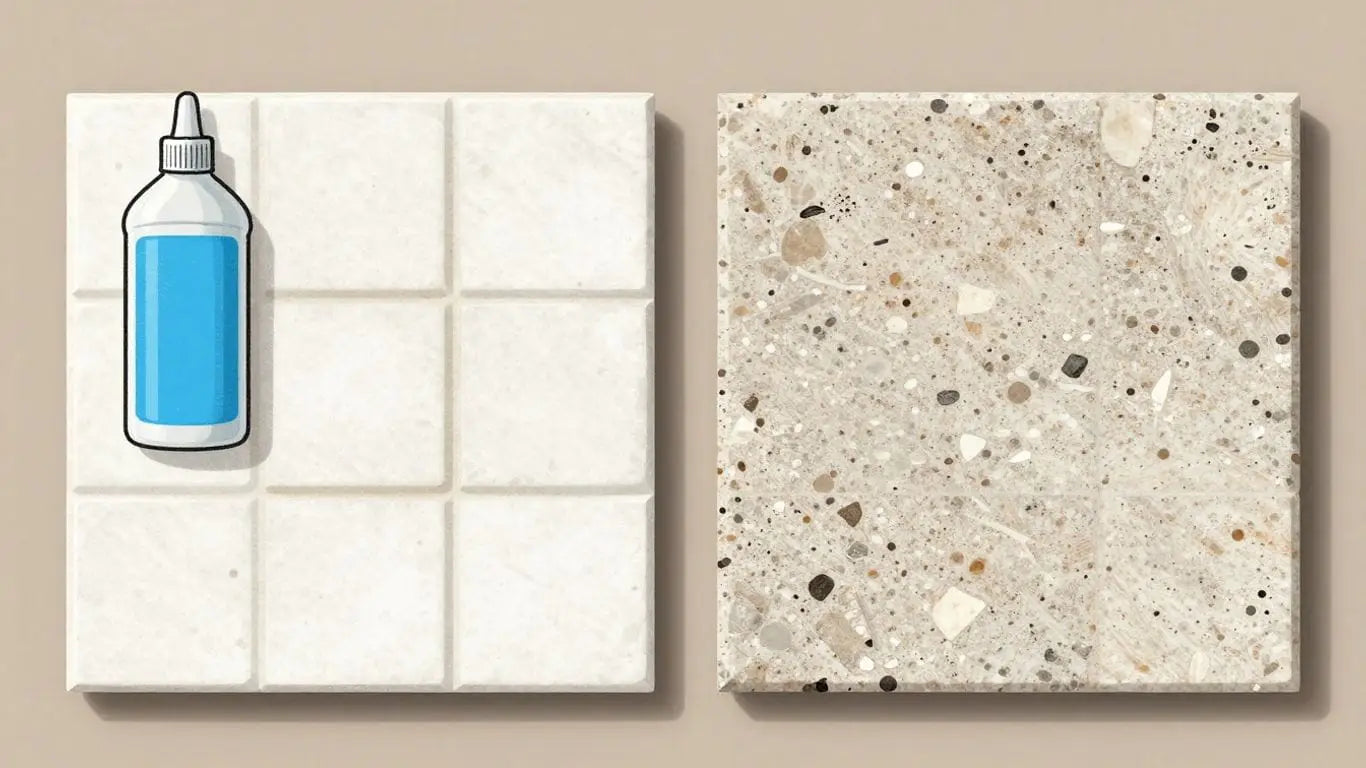
Travertine is a beautiful natural stone, but it's not indestructible. A little proactive care goes a long way in keeping your floors and surfaces looking their best for years. Think of it as giving your investment a protective shield. We're talking about simple steps that make a huge difference.
Implementing a Regular Maintenance Plan
Consistency is key. A routine cleaning schedule prevents dirt and grime from building up and causing dullness or scratches. It’s not about deep cleaning every day, but rather a gentle, regular upkeep. This helps maintain the stone's natural luster and prevents minor issues from becoming major problems. For daily cleaning, stick to a pH-neutral cleaner and a soft mop or cloth. This approach is gentle and effective, preserving the stone's integrity.
Using Protective Mats and Rugs
High-traffic areas are prime spots for wear and tear. Placing mats or rugs at entryways, in front of sinks, and in hallways can significantly reduce the amount of dirt, grit, and moisture tracked onto your travertine. This simple measure acts as a first line of defense, protecting the stone from abrasive particles and potential stains. Consider durable, easy-to-clean mats that complement your decor.
Avoiding Dragging Furniture Across the Surface
Heavy furniture can easily scratch or chip travertine if dragged. Always use felt pads or furniture sliders on the legs of chairs, tables, and sofas. If you need to move a larger piece, get help and lift it rather than dragging it. This small habit can save your floors from significant damage. It’s a common mistake, but one that’s easily avoided with a little mindfulness.
Promptly Addressing Spills and Accidents
Travertine is porous, meaning it can absorb liquids. The faster you clean up a spill, the less likely it is to leave a permanent stain. Keep a soft cloth or paper towels handy for immediate blotting. Avoid rubbing, as this can spread the spill. For tougher spills, use a pH-neutral cleaner specifically designed for natural stone. This quick action is one of the most effective ways to prevent lasting damage.
Ensuring Proper Sealing and Re-sealing
Sealing is your travertine's best friend against stains and moisture. A good quality sealer creates a barrier that repels liquids. Depending on the sealer and traffic, you'll need to re-seal every 1-2 years. You can test if it's time by dripping a little water on the surface; if it beads up, the sealer is still working. If it soaks in, it's time to re-seal. This is a vital step in protecting your beautiful travertine tiles.
Educating Household Members on Care
Everyone in the home needs to be on board with travertine care. Explain the importance of using coasters for drinks, wiping up spills immediately, and using mats. A quick chat can prevent many common issues. Make it a household rule, not just a suggestion.
Choosing the Right Products for Cleaning
Not all cleaning products are created equal, especially when it comes to natural stone. Always opt for pH-neutral cleaners. Harsh chemicals, acidic cleaners (like vinegar or lemon juice), and abrasive scrubbers can etch, dull, or scratch the surface of your travertine. Stick to products specifically recommended for natural stone. Using the wrong cleaner can undo all your hard work.
Case Study: The Miller Residence
The Millers installed beautiful Ivory Light Travertine tiles in their kitchen and dining area. Initially, they were diligent with cleaning, but life got busy. Spills were wiped up eventually, and mats were often forgotten. Within a year, they noticed dull spots and a few faint stains that wouldn't come out. After a consultation, we recommended a deep cleaning, followed by a robust sealing process and a renewed commitment to their maintenance plan. They now use felt pads on all furniture and have a designated cleaning caddy by the sink. The difference is remarkable; their travertine looks almost new again.
Case Study: The Chen Family Patio
The Chens wanted a durable and elegant patio. They chose tumbled travertine pavers for their rustic charm and slip-resistant qualities. However, they didn't realize how much outdoor travertine needed specific care. Moss and algae started to grow in the grout lines, and some pavers began to look faded. We advised them on a specialized outdoor travertine cleaner and a high-performance sealer designed for exterior use. Regular sweeping and prompt attention to organic growth have kept their patio looking pristine, proving that outdoor travertine also benefits greatly from preventative care.
When to seek professional help for travertine
Recognizing the Limits of DIY Solutions
Look, we all love a good DIY project. It feels great to tackle something yourself and save a few bucks. But sometimes, you just have to know when to call in the pros. Travertine is beautiful, but it’s also a natural stone that needs specific care. If you’ve tried the usual cleaning tricks and your travertine still looks dull, stained, or damaged, it might be time to admit defeat and get some expert help. Trying to fix serious issues yourself can often make things worse, leading to more costly repairs down the line. Don't let a small problem turn into a big, expensive headache.
Dealing with Deep-Set or Widespread Stains
Some stains just don't budge with home remedies. We're talking about those stubborn oil stains that have soaked deep into the pores, or maybe widespread discoloration from a spill you didn't catch in time. These aren't just surface-level issues. They require specialized knowledge and products to lift them without harming the stone. Professionals have access to advanced cleaning agents and techniques, like custom-made poultices, that can draw out even the most persistent stains. They know how to treat different types of stains on travertine, whether it's rust, organic matter, or something else entirely. For instance, a case study from Orange County highlighted how a homeowner struggled for months with dark spots on their travertine patio, only to have a professional service (The Beautiful Stone Co.) remove them completely in a single visit using a targeted poultice.
Addressing Significant Etching or Damage
Did a harsh cleaner or an acidic spill leave a dull, etched mark on your polished travertine? Or maybe a heavy object caused a chip or crack? These aren't cosmetic issues that a quick wipe-down can fix. Etching is actual damage to the stone's surface, and significant chips or cracks can compromise its integrity. Trying to buff out etching yourself can lead to uneven finishes or further damage. Professional stone restoration services, like those offered by MARBLELIFE®, have the equipment and skill to hone and polish the stone, effectively removing etching and restoring a uniform sheen. They can also expertly repair chips and cracks, making your travertine look almost new again. We saw another example where a homeowner accidentally etched their kitchen countertop with lemon juice; a professional was able to re-polish the affected area, blending it perfectly with the surrounding stone.
Restoring Heavily Worn or Dull Surfaces
Over time, even well-maintained travertine can lose its luster, especially in high-traffic areas. Foot traffic, furniture movement, and regular wear can dull the finish and make the stone look tired. If your floors have lost their shine and regular cleaning isn't bringing it back, it's a sign that the surface itself needs attention. Professionals can use specialized grinding and polishing techniques to remove the worn top layer and reveal fresh stone underneath. This process, often called honing or re-polishing, can completely transform the look of your travertine, bringing back its original brilliance. Think of it like sanding and refinishing wood floors – it’s a more intensive process that requires specific tools and expertise.
Complex Restoration Projects
Sometimes, travertine issues go beyond simple stains or wear. You might be dealing with widespread discoloration, grout problems that have affected the stone, or damage from a previous improper repair. These are complex situations that require a deep understanding of stone properties and restoration techniques. A professional stone restorer can assess the overall condition of your travertine, identify the root causes of the problems, and develop a comprehensive plan to bring it back to its former glory. They have the experience to handle intricate jobs, ensuring that the final result is not only beautiful but also long-lasting. For example, a commercial lobby with extensive travertine flooring had suffered years of neglect and improper cleaning. A specialized team was brought in to perform a full restoration, including deep cleaning, crack repair, and re-sealing, completely revitalizing the space.
The Value of Expert Knowledge and Tools
Ultimately, professionals have something you likely don't: specialized knowledge and professional-grade tools. They understand the nuances of different types of travertine, the best cleaning agents for specific problems, and the correct techniques to avoid causing further damage. They invest in high-quality equipment that allows them to perform tasks like deep cleaning, polishing, and repairing with precision and efficiency. While DIY can be rewarding, when it comes to preserving the beauty and value of your travertine investment, sometimes the smartest move is to trust the experts. It’s about protecting your home and ensuring your beautiful stone surfaces stand the test of time.
Travertine installation considerations for longevity
Ensuring a solid and level substrate
This is where it all starts. You need a foundation that's rock solid, literally. Travertine is heavy and beautiful, but it needs a perfectly flat and stable surface to rest on. Think of it like building a house – a weak foundation means trouble down the road. We're talking about making sure the subfloor or wall is clean, sound, and completely level. Any dirt, old glue, or bumps? They've got to go. If your floor has low spots, you'll want to fix those. Travertine tiles can crack if they're not supported evenly. For wood subfloors, make sure you've got the right underlayment, like cement backer board or an uncoupling membrane. It’s all about preventing those future headaches like tiles popping loose or cracking. A little extra prep work here saves a lot of worry later.
Using appropriate setting materials
Not all glues are created equal, especially when it comes to natural stone. You need to use setting materials that are specifically made for marble and travertine. Forget those generic mastics; they just won't cut it. Look for a high-quality thin-set mortar designed for natural stone. If you're working with lighter colored travertine, a white thin-set is a must. Gray thin-set can sometimes show through, giving your beautiful stone a dingy look. Always follow the manufacturer's instructions to make sure everything bonds correctly. This is key to a lasting installation.
Proper grout joint spacing
Grout is more than just filler; it's part of the overall look and structural integrity. For travertine, you'll often see tight grout joints, maybe around 1/16 to 1/8 inch. This gives a really clean, almost seamless appearance. But it's important to follow the specific recommendations for your chosen tiles. Too much space can make the grout lines stand out too much, and too little can make installation tricky. Getting this right contributes to the finished aesthetic and helps prevent issues down the line.
The importance of initial sealing
Travertine is naturally porous. That's part of its charm, but it also means it can absorb liquids and stains. That's why sealing it right after installation is so important. A good quality stone sealer acts like a shield, protecting your beautiful new floors from spills and moisture. It helps keep the stone looking its best for years to come. Don't skip this step; it's a small effort for a big payoff in protecting your investment. You can find great travertine tiles for sale that are ready for this crucial step.
Allowing adequate curing time
This is where patience really pays off. After the tiles are set and grouted, they need time to cure. This means letting the adhesive and grout fully harden and dry. Rushing this process is a common mistake that can lead to problems later. Typically, you'll want to wait at least 24-48 hours for the mortar to cure before grouting, and then another 48-72 hours for the grout to cure before you even think about walking on it or sealing it. Respecting these curing times ensures that everything bonds properly and your travertine installation is strong and stable.
Planning for expansion and contraction
Natural stone, like travertine, can expand and contract slightly with changes in temperature and humidity. It's important to account for this. This usually involves leaving small expansion gaps around the perimeter of the room, often hidden by baseboards. In larger areas, you might need to incorporate expansion joints within the field of the tile. This prevents the stone from buckling or cracking under pressure. It's a detail that makes a big difference in the long-term performance of your travertine.
Professional installation for best results
While DIY projects can be rewarding, installing natural stone like travertine is a skill that benefits from experience. A professional installer understands the nuances of working with natural stone, has the right tools, and knows how to handle potential challenges. They can ensure the substrate is perfectly prepped, the tiles are laid evenly, and the final finish is flawless. For a truly stunning and long-lasting travertine installation, consider partnering with a seasoned professional. It’s an investment in the beauty and durability of your home. If you're looking to buy marble tiles online USA, remember that proper installation is just as important as the quality of the tile itself.
Travertine's value as a long-term investment
Investing in travertine isn't just about immediate beauty; it's about securing lasting value for your property. This natural stone offers a timeless appeal that consistently draws buyers and stands the test of time. When you choose travertine, you're not just decorating; you're making a smart financial decision that pays dividends for years to come.
The Enduring Appeal of Natural Stone
Travertine has been a building material for centuries, and for good reason. Its unique patterns and warm tones bring a sense of natural elegance that simply can't be replicated by manufactured materials. This inherent beauty means it never really goes out of style. Whether you're looking at classic Ivory Travertine Tiles or something more unique like Scabos Travertine, the natural variations ensure each installation is one-of-a-kind. This makes your home stand out.
How Proper Care Enhances Value
Taking care of your travertine is key to maintaining its beauty and, consequently, its value. Regular cleaning with pH-neutral cleaners and prompt spill cleanup prevent damage and keep the stone looking its best. When travertine is well-maintained, it signals to potential buyers that the home has been cared for. Think of it like this: a well-kept travertine floor is a silent testament to a homeowner's attention to detail. This care also extends to proper sealing, which protects against stains and moisture, keeping your investment safe.
Travertine's Resistance to Wear and Tear
Travertine is known for its durability. While it's a natural stone and requires some care, it holds up remarkably well in high-traffic areas. This resilience means it's less likely to show wear and tear compared to other flooring options. For instance, Malibu Travertine is often chosen for patios and pool sides because it can handle outdoor elements. This toughness translates to fewer replacement costs over the years and a floor that continues to look good, even after years of use.
Increasing Home Marketability with Travertine
Homes featuring natural stone, especially travertine, often have a higher market appeal. Buyers recognize the quality and aesthetic value that travertine brings. It's a feature that can set your home apart from others on the market. Imagine a potential buyer walking into a home with elegant Valencia Travertine floors or a sophisticated Silver Travertine backsplash – it immediately communicates a sense of luxury and quality. This can lead to quicker sales and potentially higher offers. In fact, studies often show that natural stone installations can recoup a significant portion of their cost upon resale.
The Cost-Effectiveness of Travertine Over Time
While the initial cost of travertine might be higher than some alternatives, its longevity and durability make it a cost-effective choice in the long run. You won't need to replace it as often as carpet or laminate flooring. Plus, its timeless appeal means you won't be tempted to update it just to keep up with fleeting trends. Consider the total cost of ownership: the initial investment, plus maintenance, divided by the number of years it lasts. Travertine often comes out ahead. It's a material that offers both immediate beauty and long-term financial sense.
Protecting Your Investment Through Diligent Care
To truly maximize the value of your travertine, diligent care is non-negotiable. This means:
- Establishing a consistent cleaning schedule.
- Using the right tools – soft cloths and pH-neutral cleaners.
- Promptly addressing any spills or stains.
- Ensuring the stone is properly sealed and re-sealed as needed.
By following these steps, you're not just cleaning; you're actively protecting your investment. This proactive approach prevents costly repairs down the line and ensures your travertine remains a beautiful asset for years. If you're looking to buy marble tiles online in the USA or source high-quality travertine, choosing reputable suppliers is the first step in this long-term value journey.
Choosing Quality Travertine from Reputable Suppliers
The foundation of a valuable travertine installation starts with the stone itself. Selecting high-grade travertine from trusted sources is paramount. Look for consistency in color and pattern, and ensure the stone is free from significant flaws. This attention to detail at the purchasing stage sets the stage for a beautiful, durable, and valuable addition to your home.
When you invest in quality travertine, you're investing in a material that will enhance your home's beauty and value for decades. It's a choice that speaks to both style and smart financial planning. For those considering natural stone, exploring options like the Travertine Tiles Collection can be a great starting point to understand the range of beautiful and durable choices available.
Travertine is a smart choice for the future. It's a natural stone that looks great and can even increase the worth of your home over time. Think of it as a beautiful upgrade that pays off. Ready to see how travertine can add lasting value to your space? Visit our website today to explore our stunning collection!
Wrapping Up Travertine Care
So, can you bleach travertine tile? The short answer is generally no, not with typical household bleach. We've gone over why that is and what you should do instead. For everyday cleaning, stick to pH-neutral cleaners and a soft cloth. If you're dealing with tougher spots or want to restore that natural shine, specific stone cleaners and sealers are your best bet. Remember, travertine is a beautiful natural stone, and treating it with the right care will keep it looking great for years. If you're looking for high-quality travertine tiles for your next project, check out Surfaces Galore. They have a fantastic selection that can really make a space pop.
Frequently Asked Questions
Can I use bleach to clean my travertine tiles?
It's best to avoid using bleach on travertine. Bleach is a harsh chemical that can damage the natural stone, causing it to become dull or even change color. There are safer ways to clean travertine that won't harm its beautiful surface.
What is the best way to clean travertine floors regularly?
For everyday cleaning, use a soft mop or cloth with a pH-neutral cleaner made specifically for natural stone. Always rinse the floor well with clean water afterward and dry it thoroughly to prevent water spots.
How do I get rid of tough stains on travertine?
For stubborn stains, a poultice is often recommended. You can make one by mixing an absorbent material (like baking soda or diatomaceous earth) with a cleaning agent suitable for the stain type. Apply it to the stain, cover it, and let it dry completely before removing. Always test this in a small, hidden spot first!
Why is my travertine tile looking dull or etched?
Dullness or etching often happens when acidic or harsh cleaners are used. Travertine is sensitive to acids, which can eat away at its surface. Using the wrong cleaning products or even acidic foods and drinks can cause this damage.
How often should I seal my travertine tiles?
You should reseal your travertine tiles about once a year, or more often if they are in a high-traffic area or get a lot of moisture. You can test if it's time by dripping a little water on the surface; if it beads up, the sealer is still working. If it soaks in, it's time to reseal.
What kind of cleaner should I use for travertine?
Always use a cleaner that is pH-neutral. This means it's not too acidic or too alkaline. Many natural stone cleaners are available, and they are specifically designed to clean travertine without causing harm.
Can I use travertine tiles outdoors?
Yes, travertine is a great choice for outdoor areas like patios and pool decks! It's durable and has a natural, slip-resistant quality, especially in tumbled or honed finishes. Just be sure it's properly sealed to protect it from the weather.
What is a 'poultice' for stain removal?
A poultice is like a paste made from an absorbent material and a cleaning liquid. You apply it to a stain on your travertine, cover it, and let it draw the stain out of the stone as it dries. It's a targeted way to tackle tough spots.
Will sealing my travertine change its look?
Some sealers can slightly darken the stone or give it a subtle sheen, especially if it's a penetrating sealer. Others are designed to not change the appearance at all. It's a good idea to test the sealer in an inconspicuous area first to see how it affects the look.
What causes discoloration on travertine?
Discoloration can happen from spills that aren't cleaned up quickly, especially acidic ones like wine or lemon juice. It can also be caused by harsh cleaning chemicals, rust from metal objects left on the stone, or even from moisture trapped beneath the tiles.
Is travertine slippery when wet?
Travertine, especially in tumbled or honed finishes, is generally less slippery than many other tile types, even when wet. This makes it a popular choice for bathrooms and outdoor areas. However, any wet surface can become slippery, so caution is always advised.
When should I call a professional for travertine care?
If you have very deep or widespread stains, significant etching or damage, or if DIY cleaning methods aren't working, it's wise to call a professional stone restorer. They have special tools and knowledge to bring your travertine back to its best without causing further harm.

Leave a comment