
Choosing the right material for your home can feel overwhelming with so many options available.


Choosing the right material for your home can feel overwhelming with so many options available. Beige limestone is a classic choice because it balances warmth with a clean, high end look that fits almost any room. In this list, I will show you 24 specific features that make this stone a smart investment for your next renovation project.
1. Warm Sand and Cream Tones
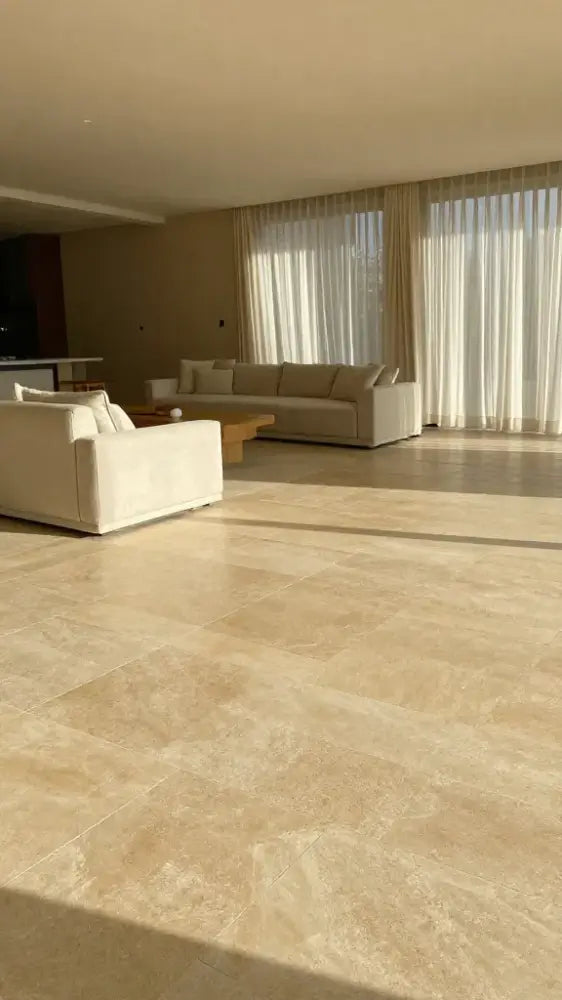
The real magic of beige limestone lies in how it softens a room without making it feel dated or heavy. When you choose slabs with warm sand or rich cream undertones, you're essentially bringing in a natural glow that mimics late afternoon sunlight.
These specific shades act as a bridge between stark modern finishes and cozy traditional styles. They prevent a large kitchen or bathroom from feeling cold, especially if you have high ceilings or lots of glass.
Try pairing these honey-colored stones with matte black hardware or dark oak cabinetry to create a grounded, high-end look. The contrast keeps the cream tones from looking washed out, while the stone itself hides the occasional stray crumb or footprint better than pure white marble.
In smaller spaces, these tones work wonders to make the walls feel like they're receding. It’s a smart way to get that airy, open feeling while keeping the atmosphere grounded and earthy.
2. Natural Fossils and Shell Details
| Feature | Visual Impact | Atmosphere |
|---|---|---|
| Crinoid Fragments | Small star or disk shapes scattered across the surface. | Authentic and organic. |
| Bivalve Imprints | Clear outlines of ancient clam or scallop shells. | Historical and unique. |
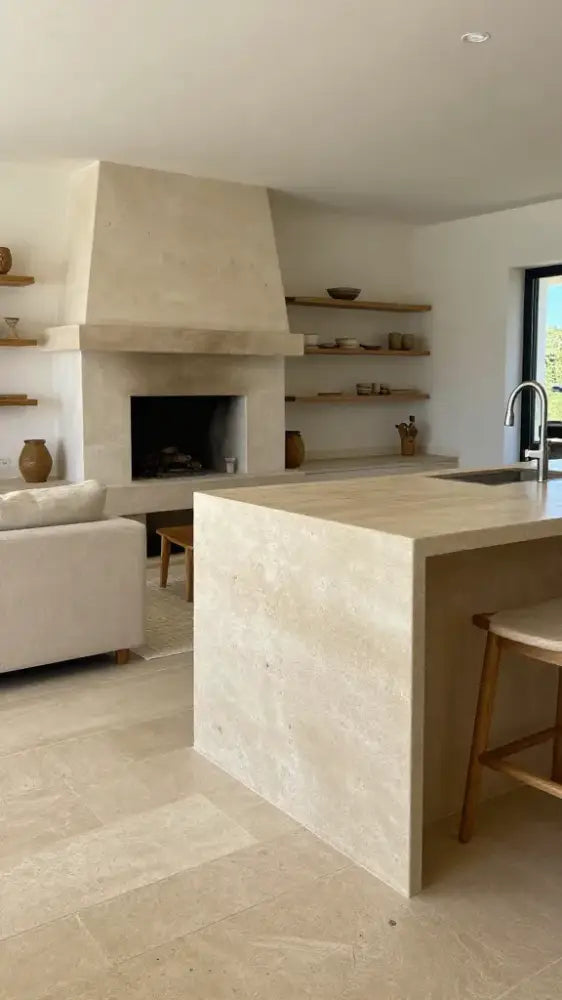
Imagine running your hand across a kitchen island and feeling the slight indentation of a tiny shell that lived millions of years ago. These calcium deposits aren't just patterns, they're actual biological history frozen in the stone. Most beige limestone carries these tiny secrets, ranging from delicate spiral shapes to dark, leafy impressions.
You won't find two slabs with the exact same fossil layout. This variety ensures your flooring or countertops look like a piece of the natural world rather than a factory print. It's a great way to add character without using loud colors or busy patterns.
When the light hits these details at an angle, the shells often have a slightly different sheen than the surrounding stone. This subtle shimmer creates a depth that synthetic materials simply can't copy. It gives your space a grounded, timeless feel that stays interesting for years.
3. Soft Matte Honed Finishes
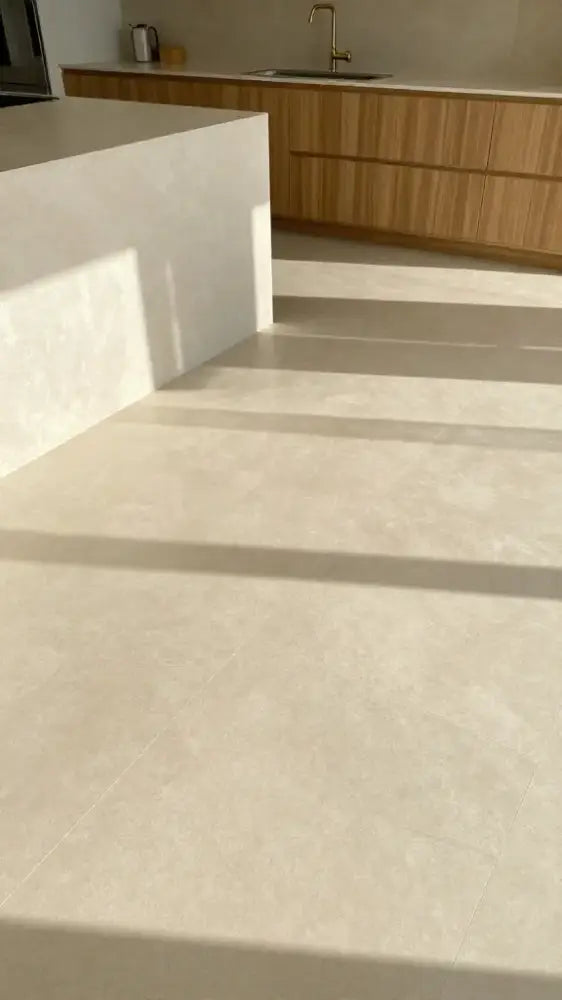
A honed finish is the secret to making beige limestone feel expensive without looking like a sterile hotel lobby. This process involves grinding the stone to a flat, smooth surface that stops just short of a reflective polish.
The result is a velvety texture that feels incredible under bare feet and eliminates the harsh glare of overhead lighting. It creates a soft, diffused glow that makes small rooms feel more open and inviting.
This matte look is also practical because it hides the scratches and etch marks that naturally happen over time. You won't spend your weekends worrying about tiny scuffs showing up in the sunlight.
It maintains the natural organic character of the stone while providing a consistent, clean backdrop for your furniture. It's the perfect middle ground for anyone who wants a modern home that still feels warm and lived in.
4. Rough Textured Tumbled Edges
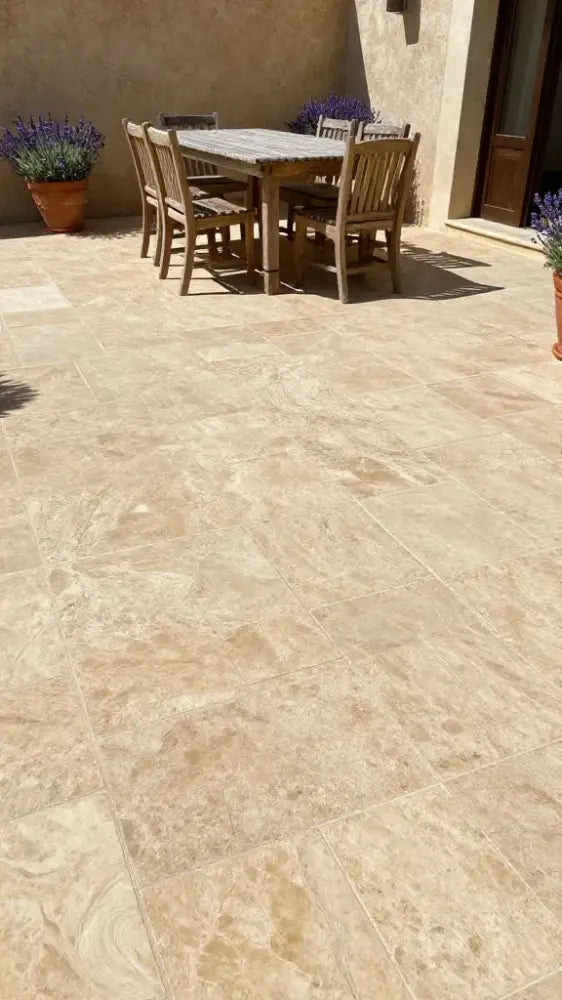
If you're planning a mudroom or an outdoor patio that gets wet, tumbled edges are the smartest choice you can make. This finish involves rotating the stone in a machine with sand and water to wear down the sharp corners, giving each piece a soft, lived in look.
The process creates a rugged surface that naturally hides scratches and scuffs from heavy foot traffic. It feels great under bare feet because the edges aren't harsh, yet the texture provides much needed grip when the floor is damp.
- Pair these tiles with a wide grout joint to lean into the rustic, old world aesthetic.
- Use a high quality impregnating sealer to keep dirt from settling into the small pits of the stone.
- Install them in high traffic entryways where kids and pets bring in grit from the outside.
- Mix different sizes in a French pattern to highlight the unique, irregular borders of each stone.
It's the perfect way to get that historic Mediterranean farmhouse feel without having to wait decades for natural wear to happen.
5. Durable Flooring for Busy Areas
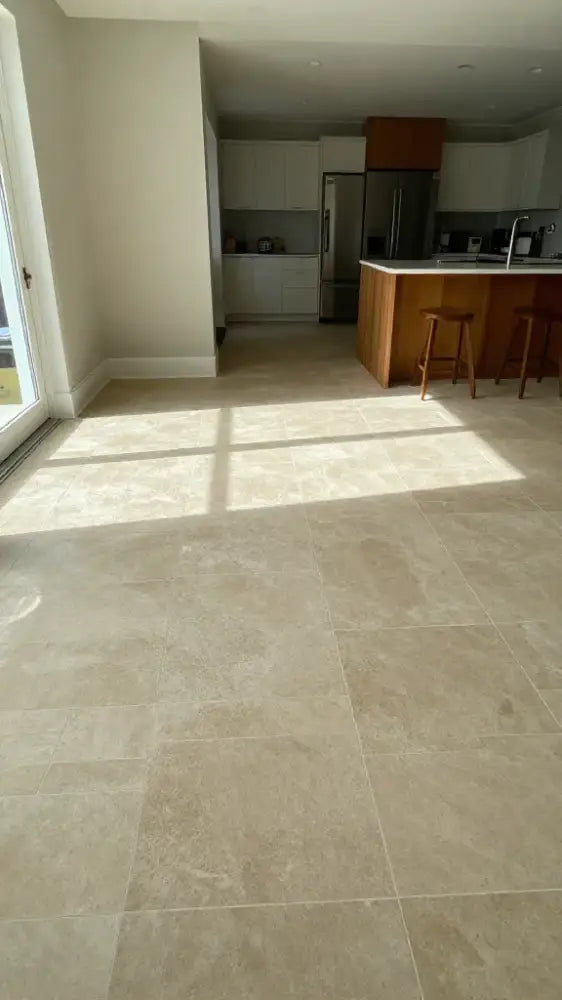
You might think a light color like beige would be a nightmare for high traffic zones, but limestone is surprisingly tough. It has a dense grain structure that handles heavy foot traffic in entryways and kitchens without wearing down quickly. Since it is a natural stone, it doesn't peel or dent like some synthetic materials do over time.
The beauty of the beige palette is how well it hides the daily mess of a busy home. Tiny crumbs, dried mud, or pet hair tend to blend right into the earthy tones and subtle fossils found in the stone. You won't feel like you need to grab the vacuum every time someone walks across the room.
I always suggest choosing a honed finish if you have kids or big dogs running around. This matte surface is way more forgiving than a polished one because it disguises small scratches and scuffs. It keeps your floors looking lived in and warm rather than precious and fragile.
If you keep up with a simple sealer every year or two, the stone stays protected from spills and stains. It's the kind of flooring that actually looks better as it ages and develops a slight patina. You get a reliable surface that stays cool underfoot during the summer while standing up to constant use.
6. Slip Resistant Outdoor Pool Decks
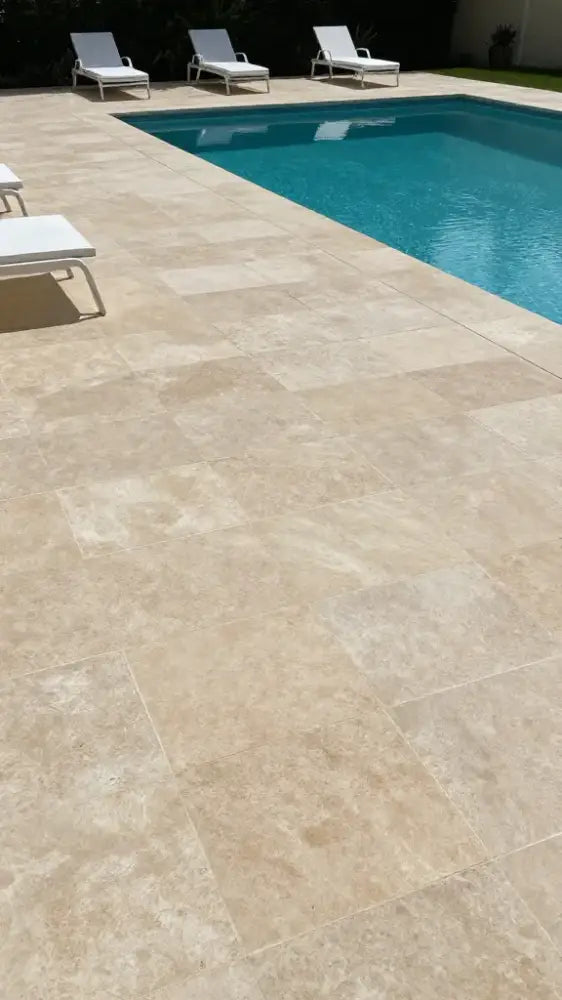
Beige limestone is a top tier pick for pool surrounds because it naturally stays cool under the baking sun. Unlike darker pavers that can burn your feet, these light tones reflect heat and keep the surface comfortable for walking barefoot.
The safety of your pool area depends heavily on the finish you choose for the stone. You'll want to avoid polished surfaces and instead opt for a sandblasted or tumbled finish to ensure everyone stays upright when the deck gets wet.
- Natural Porosity helps the stone absorb small amounts of water to prevent large, slippery puddles from forming.
- Textured Finishes like bush-hammered or acid-washed options provide the necessary grip for running kids and wet feet.
- Salt Resistance ensures the beige limestone won't pit or crumble if you have a saltwater pool system.
- Thermal Regulation keeps the stone at a manageable temperature so you don't have to sprint to the water to avoid burns.
When you install these slabs, make sure your contractor uses a high quality sealer. This protects the light beige color from chlorine stains while maintaining that essential gritty texture for slip resistance.
7. Heat Resistance for Fireplace Surrounds
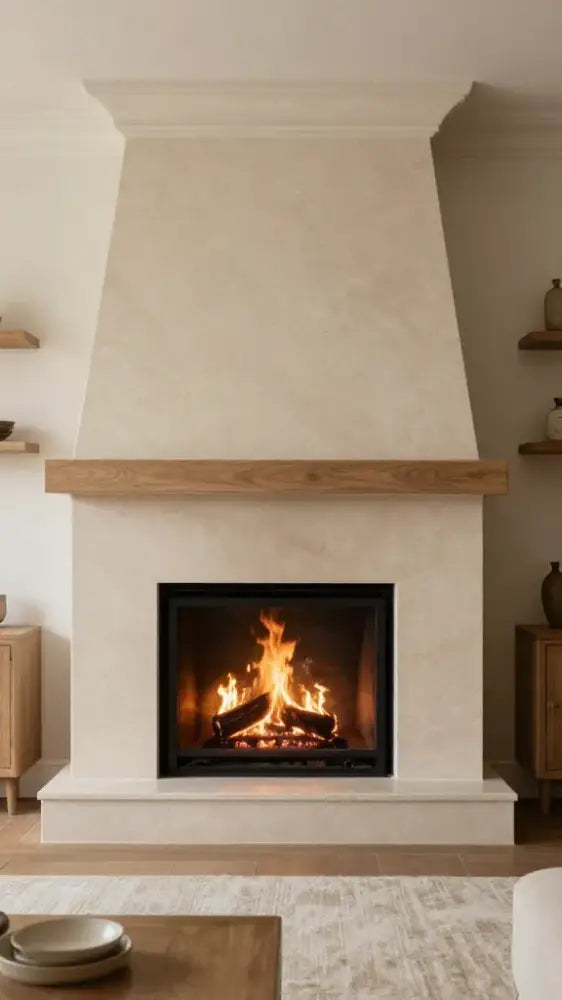
If you're stuck between using beige limestone or a synthetic material like quartz for your hearth, the heat factor is the deciding point. Quartz often contains resins that can scorch or discolor when they get too close to an open flame or high heat source.
Limestone is a natural stone that formed under intense geological pressure, so it handles high temperatures without cracking or off-gassing. It won't warp or lose its soft sandy color even if you keep a roaring fire going all weekend.
I always recommend choosing a honed finish for fireplace surrounds rather than a polished one. The matte surface hides the occasional soot smudge much better and handles the thermal expansion of the stone more gracefully.
A thick limestone mantle or hearth adds a grounded, permanent feel to your living room that thinner tiles just can't match. It's a safe and beautiful choice that stays cool to the touch just a few inches away from the heat.
8. Elegant Large Format Slabs
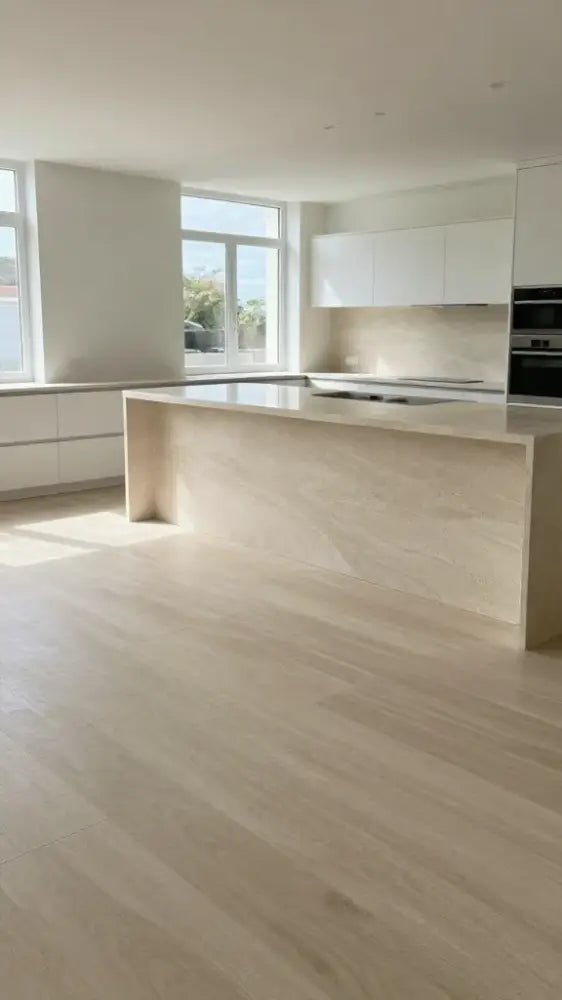
Choosing large format slabs is the best way to avoid the cluttered look that comes with too many grout lines. When you use oversized pieces of beige limestone, you create a visual field that feels continuous and calm. This approach makes even a modest room feel significantly larger because the eye doesn't get stuck on a grid pattern.
These massive slabs, often measuring five feet or more, highlight the natural fossils and subtle veining inherent in the stone. You get to see the full story of the limestone across a single surface rather than seeing it chopped into small squares. It is a specific design choice that feels custom and high end without being flashy.
I usually recommend these for walk-in showers or kitchen islands where you want a monolithic appearance. Installation requires a skilled hand since these pieces are heavy and fragile before they are set. Once they are down, the maintenance is actually easier because there is almost no grout to scrub or bleach.
9. French Pattern Layout Designs
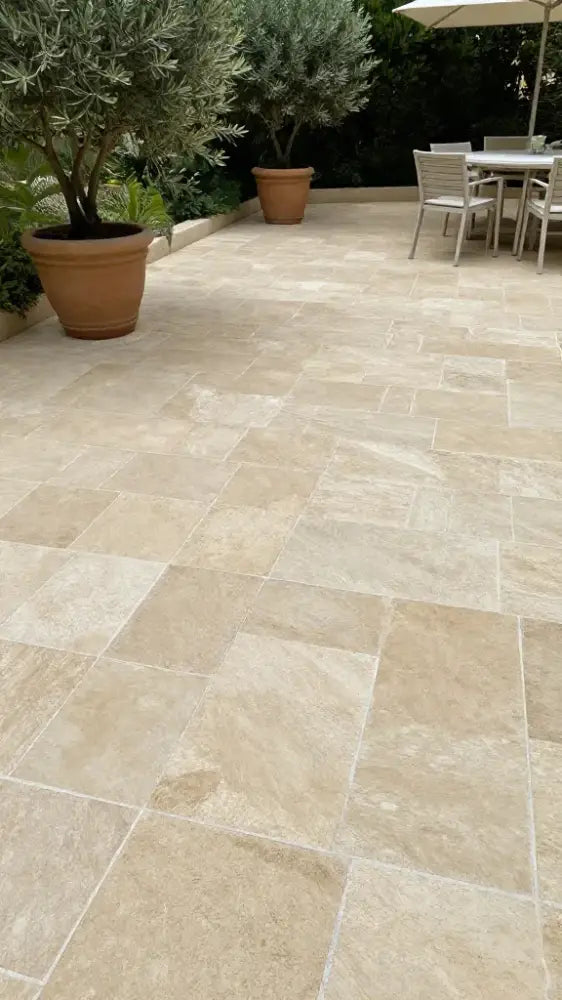
Imagine walking onto a sun-drenched patio where the stone floor looks like a puzzle of different sizes rather than a rigid grid. This is the French Pattern, a classic layout that uses four distinct rectangular and square dimensions to create a modular, repeating design.
It works beautifully with beige limestone because the varying sizes break up the color. This prevents a large area from looking like one flat, boring sheet of tan stone.
| Feature | Standard Grid | French Pattern |
|---|---|---|
| Visual Style | Modern and orderly | Old-world and rustic |
| Grout Lines | Long and continuous | Staggered and broken |
| Vibe | Formal | Relaxed and organic |
You'll typically see these sets sold in bundles that cover about 16 square feet each. The layout hides small installation imperfections much better than large format tiles do.
Because the edges are often chiseled or tumbled, the transitions between the beige tones feel softer and more natural. It's a smart way to make a new pool deck or kitchen floor look like it has been there for decades.
10. Monochromatic Bathroom Vanity Tops
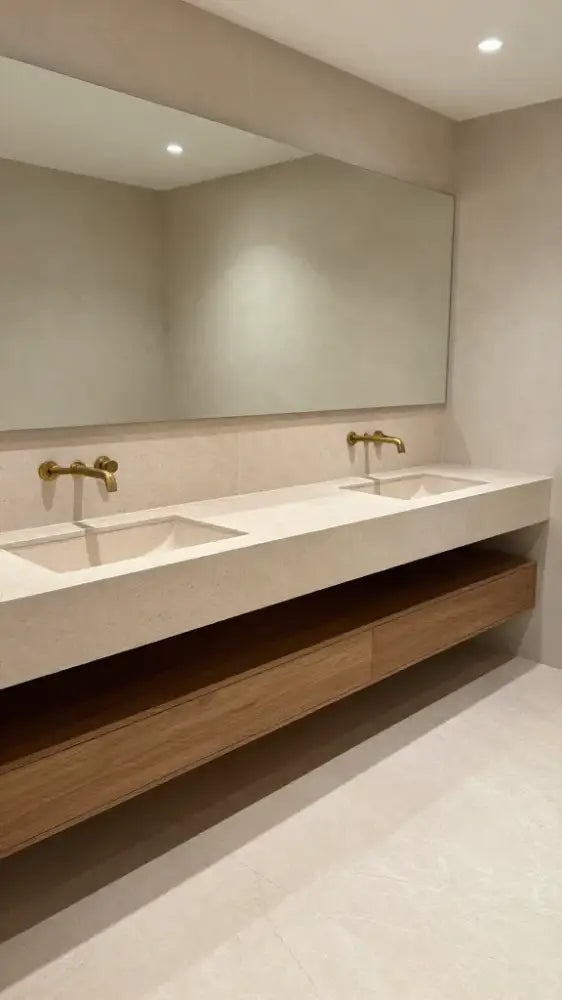
Beige limestone is the best choice if you want your bathroom vanity to look like a high end spa rather than a cluttered mess. Its muted tones create a single, continuous visual plane that hides water spots better than dark granite or marble.
You can pair a honed slab with matching limestone floor tiles to make a small bathroom feel twice as large. This monochromatic approach removes visual noise and lets your brass fixtures or oak cabinets really stand out.
The natural fossils and subtle veining in the stone prevent the space from looking flat or boring. It feels warm to the touch and develops a soft patina over time that adds character to your daily routine.
You'll find that the earthy sand colors provide a neutral backdrop that works with any towel color you choose. It's a practical way to get a luxury look without the high maintenance of white Carrara marble.
11. Light Reflecting Properties for Small Rooms
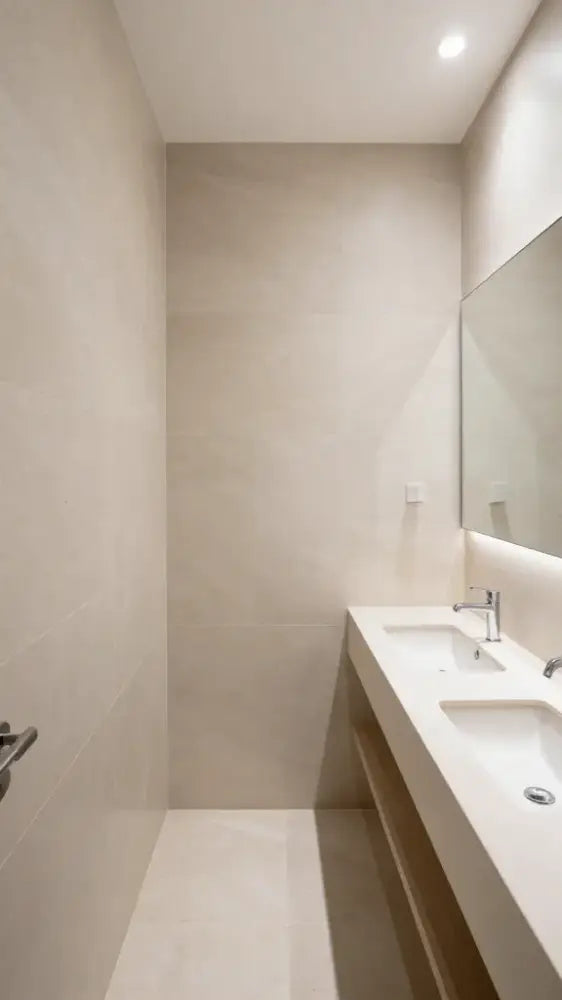
Small bathrooms or narrow hallways often feel like caves if you pick the wrong stone. Beige limestone acts like a natural mirror because its pale surface bounces light back into the room instead of soaking it up.
The soft, sandy tones create an airy feeling that tricks your eyes into thinking the walls are further apart. It makes a cramped space feel breathable without the cold, clinical vibe of pure white marble.
- Choose a honed finish to get a soft glow that spreads light evenly across the floor.
- Install large format tiles to minimize grout lines, which keeps the visual surface smooth and expansive.
- Pair the stone with warm LED lighting to highlight the natural fossils and textures within the slab.
You'll notice the room feels significantly brighter the moment the sun hits the surface. It's a simple way to fix a dim layout without knocking down any walls.
12. High Density Structural Integrity
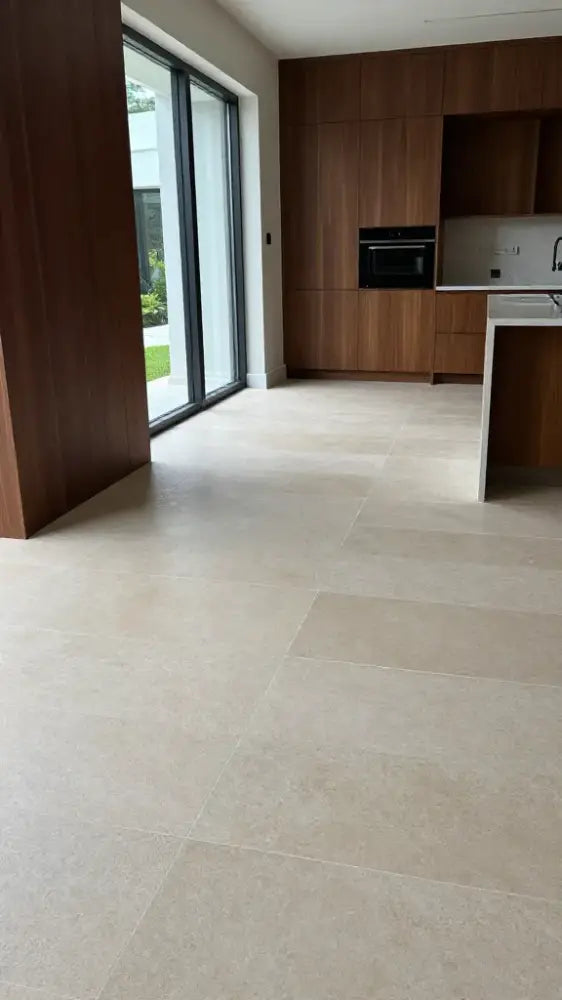
You might think of limestone as a soft or porous material, but high quality beige varieties are surprisingly dense. This structural density means the stone can handle significant weight without cracking or shifting over time.
It's the kind of material you want for heavy traffic areas like entryways or kitchen floors. Because the minerals are packed so tightly, it doesn't have the internal air pockets that make other stones brittle.
This physical strength translates to a much longer lifespan for your home. You won't have to worry about the edges chipping if you drop a heavy pan or move furniture across the room.
The compressive strength of these slabs makes them a reliable choice for load bearing architectural elements too. Whether it's a massive fireplace mantle or thick exterior cladding, the stone holds its shape under pressure.
It stays stable through temperature changes, which prevents the warping you sometimes see in synthetic materials. You're essentially building with a solid piece of geological history that's meant to last for generations.
13. Stain Resistant Sealing Options
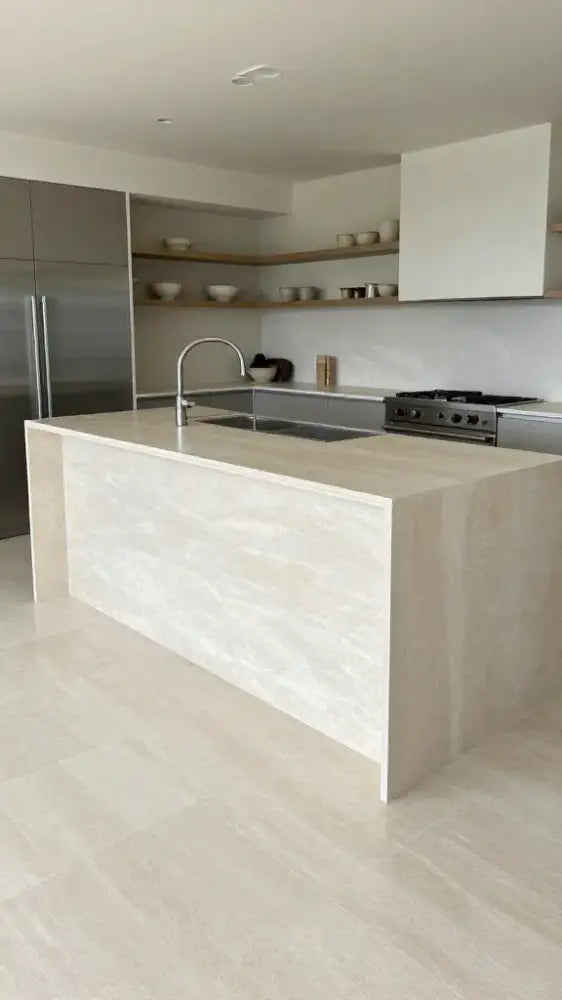
Beige limestone is naturally porous, so it acts like a sponge for red wine or oils if you leave it bare. You need a high quality penetrating sealer to fill those tiny gaps without changing the stone's soft color.
Modern sealers bonds with the stone at a molecular level. This creates a hidden barrier that gives you time to wipe up spills before they turn into permanent marks.
- Solvent based impregnators offer the deepest protection for high traffic kitchen floors.
- Water based sealers work best for indoor walls where you want zero chemical odors during application.
- Oleophobic treatments are essential if you plan on using beige limestone near a stove or grill to stop grease.
- Color enhancing sealers can be used if you want to slightly darken the beige tones for a richer look.
Check the surface every year by dropping a bit of water on the tile. If the water beads up, your protection is still holding strong. If the stone absorbs the water and turns dark, it is time for a fresh coat.
14. Muted Backdrops for Modern Art
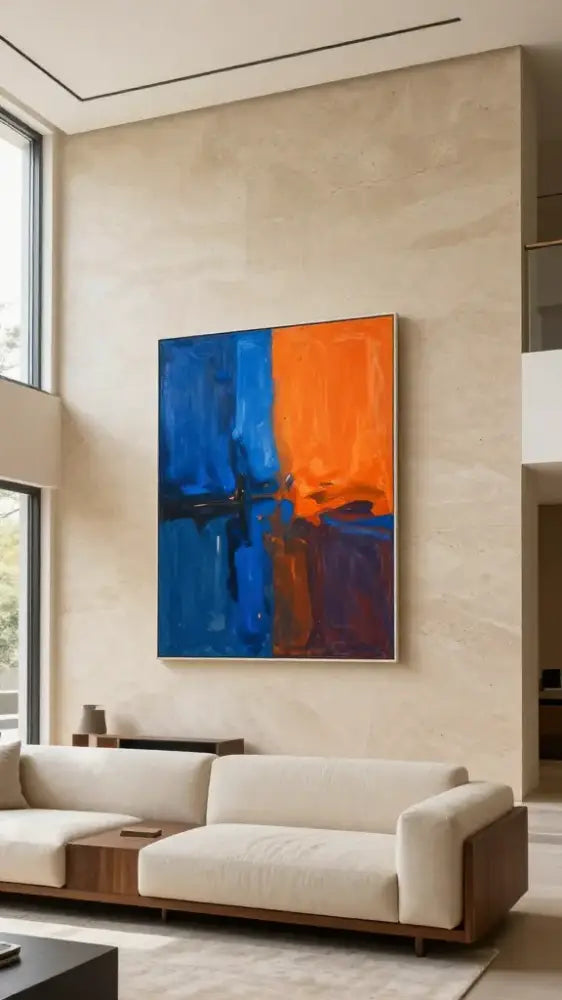
If you're hanging a bold, abstract canvas on a stark white wall, the contrast can feel clinical and cold. The white often fights with the colors in the piece, making the art feel like an interruption rather than a part of the room.
On the other hand, some people try to match their walls to the art's primary colors, which usually ends up looking dated and cluttered. Choosing beige limestone as a backdrop provides a soft, organic texture that lets the artwork breathe without the harshness of a gallery white.
I recommend using a honed limestone with minimal fossils for your main gallery wall. This creates a neutral foundation that grounds high-contrast photography or neon acrylics. The stone's natural warmth pulls out the subtle undertones in the paint, making your collection feel much more intentional and curated.
15. Timeless Mediterranean Style Curb Appeal
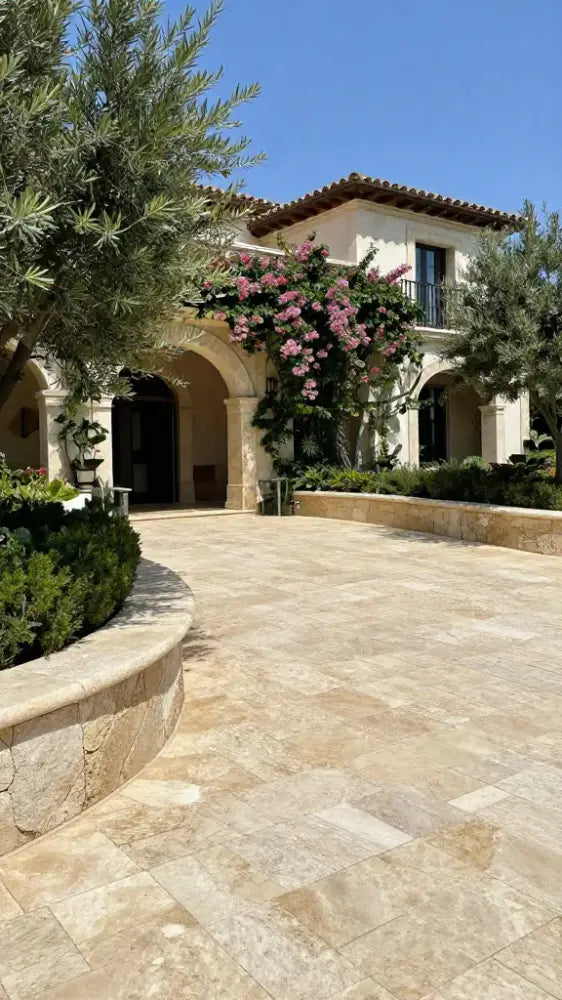
First impressions stay with people for a long time. When you use beige limestone for your home exterior, you create a look that feels both expensive and incredibly welcoming.
This material is the secret behind those stunning villas you see along the coast of Italy or Greece. The soft, sandy tones soak up the sun without looking harsh or clinical like white concrete might.
Try using large, rough-cut blocks for your entryway or low garden walls to ground the property. It looks best when paired with terracotta roof tiles and dark wrought iron accents on the windows.
The stone naturally weathers over the years, which actually makes it look better as it ages. You won't have to worry about it going out of style because this aesthetic has been a gold standard for centuries.
16. Seamless Indoor to Outdoor Transitions
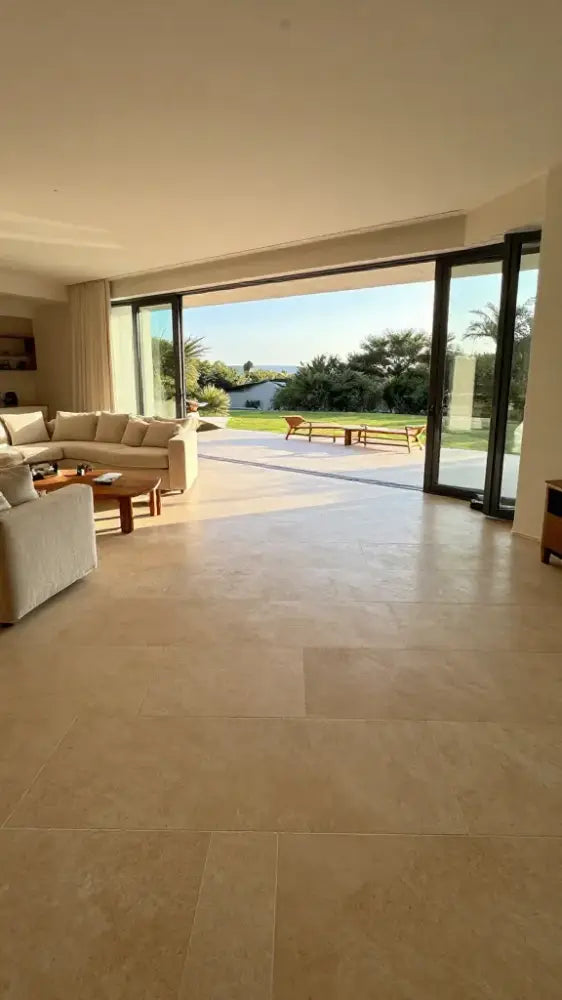
Imagine sliding open your glass patio doors and seeing the exact same warm, sandy stone under your feet that you have in your kitchen. It makes your living space feel twice as big because your eyes don't stop at the door frame.
| Feature | Indoor Application | Outdoor Application |
|---|---|---|
| Finish | Honed or polished for a smooth feel. | Sandblasted or tumbled for grip. |
| Maintenance | Simple sweeping and damp mopping. | Power washing or hose rinsing. |
| Visual Impact | Creates a cozy, grounded atmosphere. | Blends with gardens and natural light. |
Beige limestone is the perfect bridge between your sofa and your fire pit. Since the color stays consistent, you get a fluid look that pulls the outside world into your home.
You can use thinner tiles inside and thicker pavers outside to handle the weather. This trick keeps the aesthetic identical while ensuring the patio stays durable against rain and sun.
17. Eco Friendly Sustainable Building Material
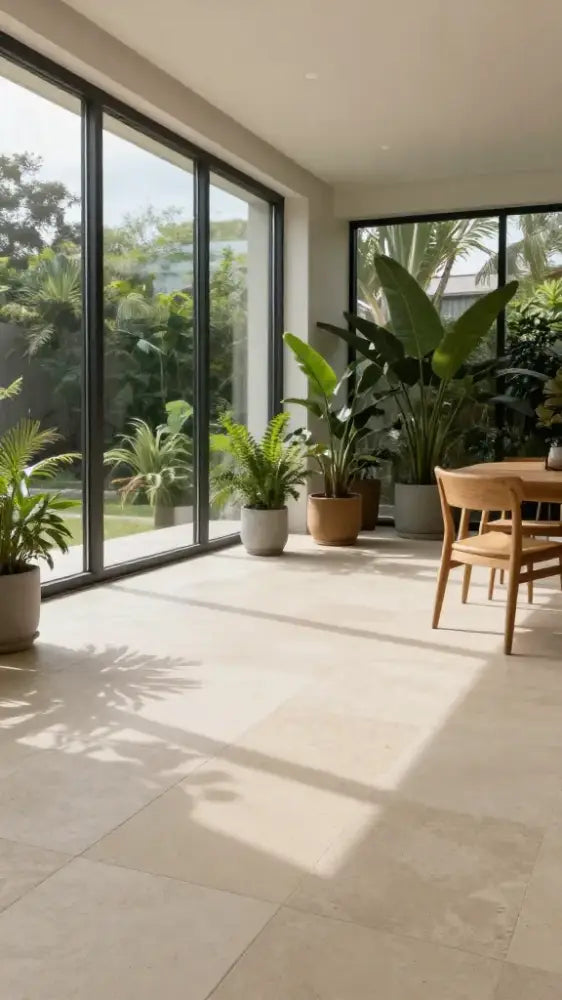
Beige limestone is one of the lowest impact materials you can choose because it requires almost no energy to produce. Unlike synthetic tiles or cement that involve intense chemical processing, this stone is naturally formed and simply cut to size.
It acts as a massive carbon sink throughout its life in your home. Since it doesn't off gas harmful chemicals or volatile organic compounds, it keeps your indoor air quality much cleaner than plastic based alternatives.
You can also recycle the stone completely if you ever decide to remodel. Many builders crush old limestone to use as a base for new roads or garden paths.
Its thermal mass properties help regulate your home temperature by absorbing heat during the day. This natural insulation keeps your cooling bills lower during the summer months.
18. Custom Carved Architectural Moldings
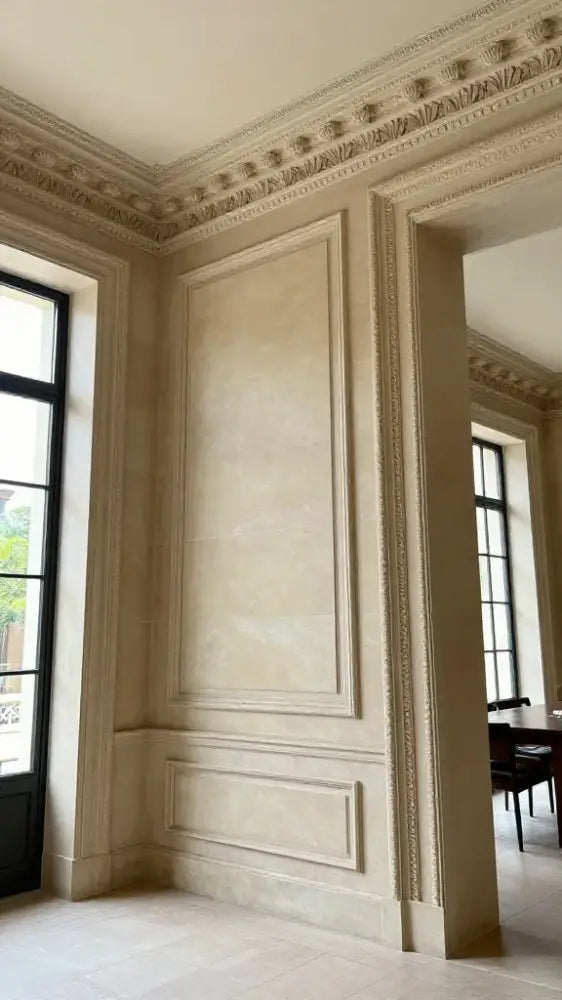
You can use beige limestone to create hand-carved crown moldings and intricate door surrounds that draw the eye upward. Because this stone is softer than granite, artisans can carve fine details like acanthus leaves or egg-and-dart patterns directly into the surface.
These custom pieces act as a permanent architectural frame for your rooms. The neutral tan tones prevent the heavy carving from feeling dated or overwhelming in a modern space.
- Specify a honed finish to keep the carvings looking soft and natural rather than shiny.
- Install these moldings in entryways to create a strong first impression for guests.
- Use matching limestone plinth blocks at the base of door frames for a cohesive look.
It is a smart way to add historical character to a new build without the maintenance headaches of painted wood.
19. Low Maintenance Cleaning Requirements
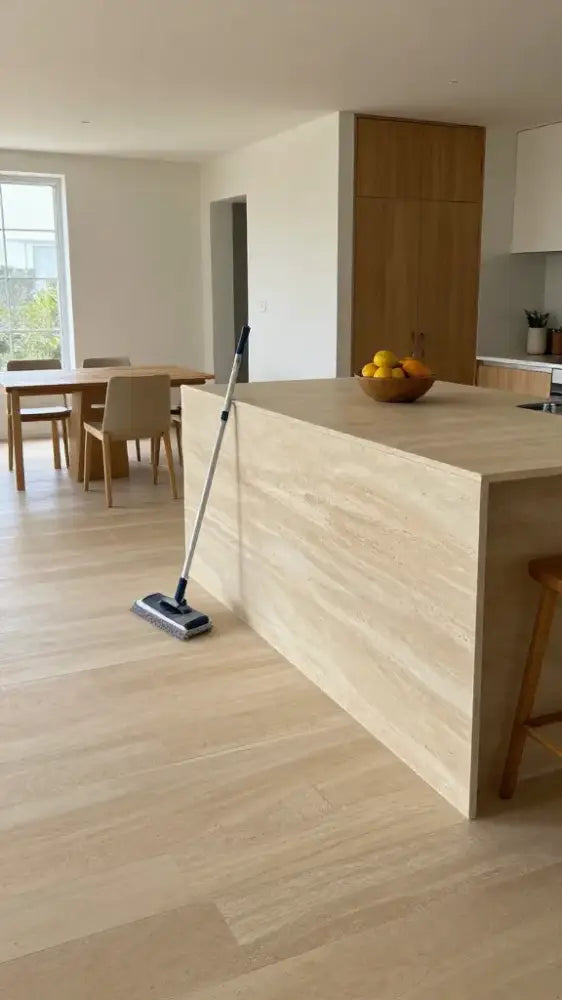
Honestly, you'll be surprised by how little work it takes to keep beige limestone looking fresh. Since it's a natural stone with subtle earthy tones, it's incredibly forgiving when it comes to hiding a bit of daily dust or those stray crumbs from breakfast.
For your day to day routine, a simple microfiber mop or a soft broom is usually all you need to keep the surface clear. If you spill something, just wipe it up with a damp cloth and a pH-neutral cleaner specifically made for stone surfaces.
You definitely want to avoid harsh chemicals like bleach or vinegar because they can dull the finish over time. If you make sure the stone is properly sealed during installation, most liquids will just bead up on the surface instead of soaking in.
This sealing process only needs to happen once every year or two depending on how much foot traffic the area gets. It's a small trade-off for a floor that doesn't show every single water spot or footprint like polished marble or dark slate often does.
20. Sound Dampening Walls and Floors
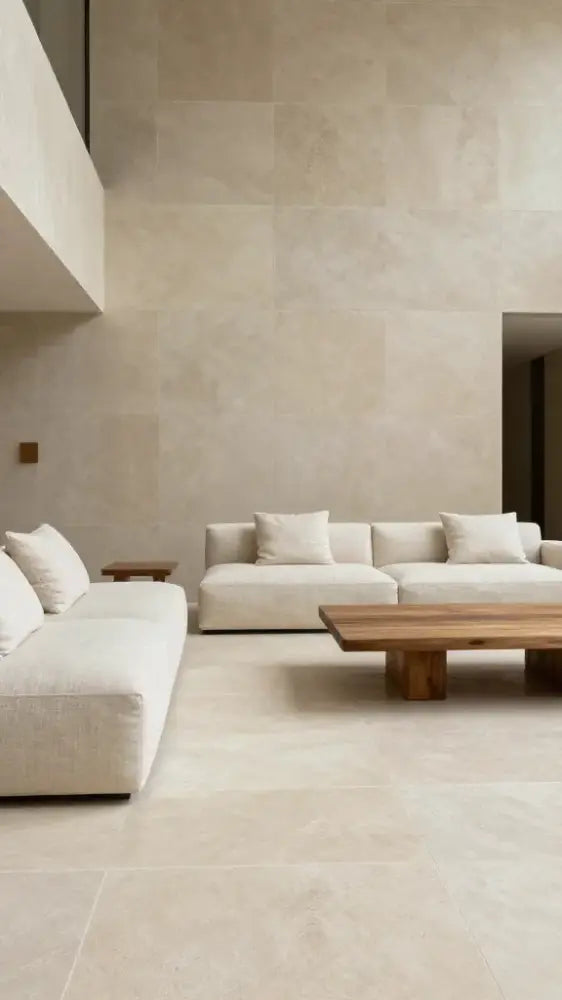
Beige limestone is surprisingly effective at making a home feel quieter and more private. Its natural density acts as a buffer that absorbs sound waves instead of bouncing them around the room.
If you have a high ceiling or an open floor plan, you know how easily echoes can take over. Installing limestone tiles or wall cladding helps soak up that excess noise so your living room doesn't sound like a gymnasium.
- Porous structure helps trap sound vibrations within the stone itself.
- Heavy mass creates a solid barrier that prevents noise from traveling between rooms.
- Textured finishes break up sound reflections better than polished surfaces like marble.
- Acoustic insulation properties make it a smart choice for media rooms or home offices.
You'll notice a huge difference if you use it in high traffic areas like hallways or entryways. It cuts down on the clicking sound of shoes and keeps the rest of the house feeling peaceful.
21. Natural Color Consistency Across Batches
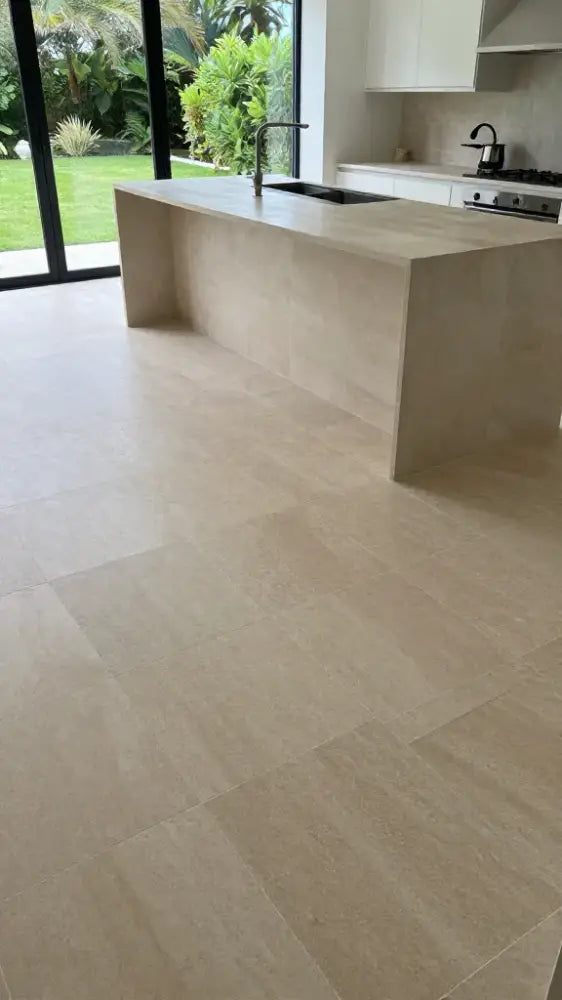
When you're sourcing stone for a large kitchen or a long hallway, you'll often face a choice between wild variation and tight color control. Some designers love the chaotic look of stones that shift from dark cocoa to pale cream in a single pallet, but this makes it nearly impossible to hide seams or replace a broken tile later.
I usually recommend choosing beige limestone from a quarry known for its stable mineral deposits. This ensures that the pallet you buy today will match the one you need three months from now if you decide to extend the flooring into the next room. It creates a monochromatic backdrop that feels intentional rather than accidental.
Consistency doesn't mean the stone looks like a printed ceramic tile. You still get the beautiful organic fossils and tiny flecks of copper or grey that make natural stone special. It just means the base tone stays within a specific warmth range, so your room feels cohesive and calm rather than busy.
22. Versatile Pairings with Dark Wood
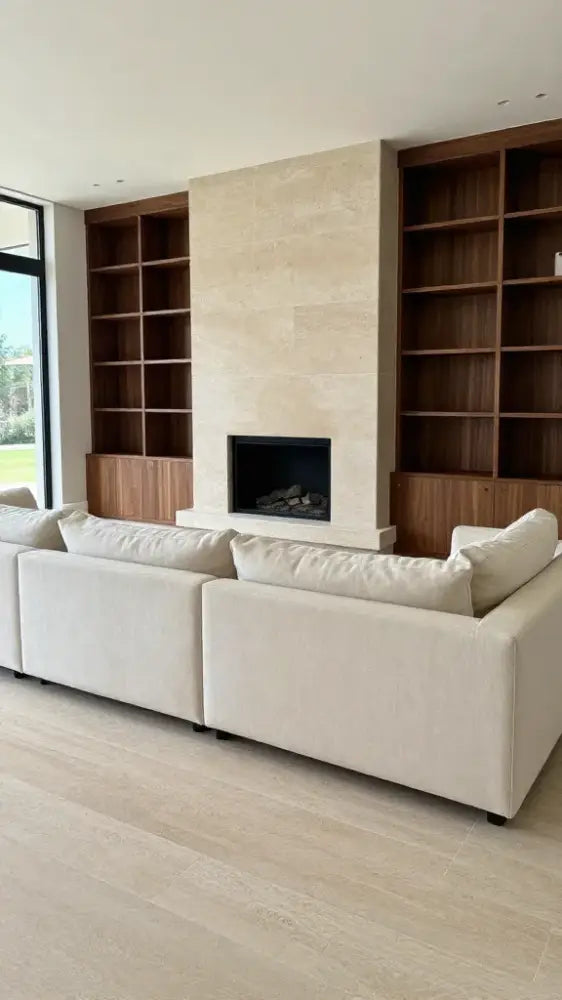
Mixing dark wood with stone can be tricky because you don't want the room to feel heavy or dated. Beige limestone solves this by acting as a warm neutral bridge that softens the intense contrast of deep mahogany or walnut finishes.
The organic texture of the stone keeps the space from looking like a flat office building. It pulls the hidden honey tones out of the wood grain, making the entire room feel much more cohesive and intentional.
Try placing a limestone slab behind a dark oak vanity or using it for flooring against cherry wood cabinetry. This combination creates a high end look that feels grounded rather than cold. It’s a reliable way to make those expensive dark wood features actually stand out instead of fading into the shadows.
23. Organic Aesthetics for Minimalist Homes
| Feature | Polished Marble | Beige Limestone |
|---|---|---|
| Surface Texture | High gloss, reflective | Matte, soft, tactile |
| Visual Vibe | Formal and cold | Warm and earthy |
| Detailing | Sharp veins | Muted fossil prints |
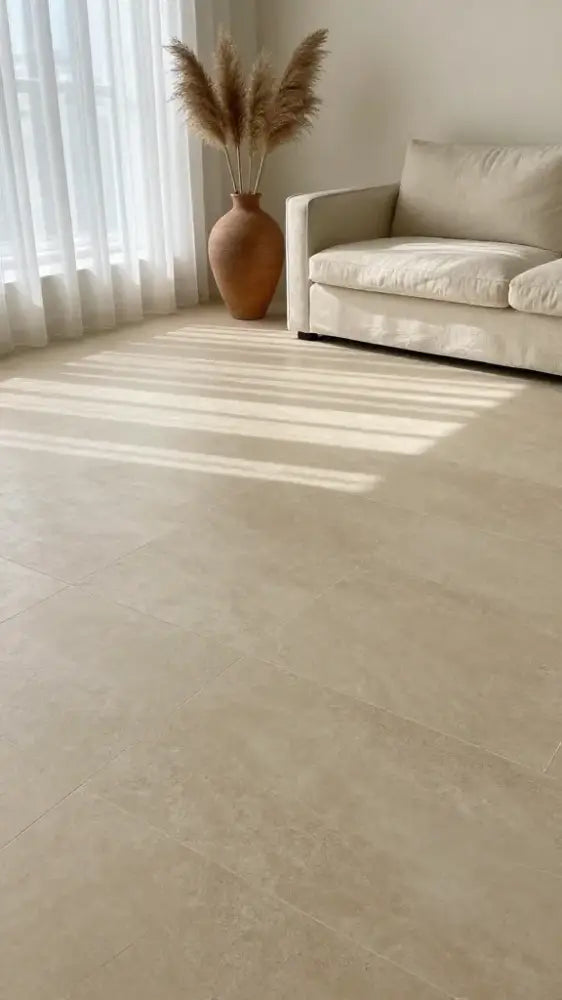
Imagine a living room with nothing but a low linen sofa and a single ceramic vase. If you put cold, shiny tiles on that floor, the room feels like an art gallery where you can't touch anything. Beige limestone changes the energy by adding tiny, fossilized imprints and sandy textures that feel soft under your feet.
Minimalism often fails when it feels too clinical or empty. This stone fixes that problem because its natural imperfections provide visual interest without cluttering the space with loud patterns. It keeps the room quiet but gives your eyes something real to rest on, like honed surfaces that catch the afternoon sun.
You don't need heavy decor when the floor itself has a story to tell. It bridges the gap between a modern, clean layout and the raw beauty of the outdoors. It makes a sparse room feel lived in and approachable rather than just a staged photo.
24. Long Term Property Value Increase
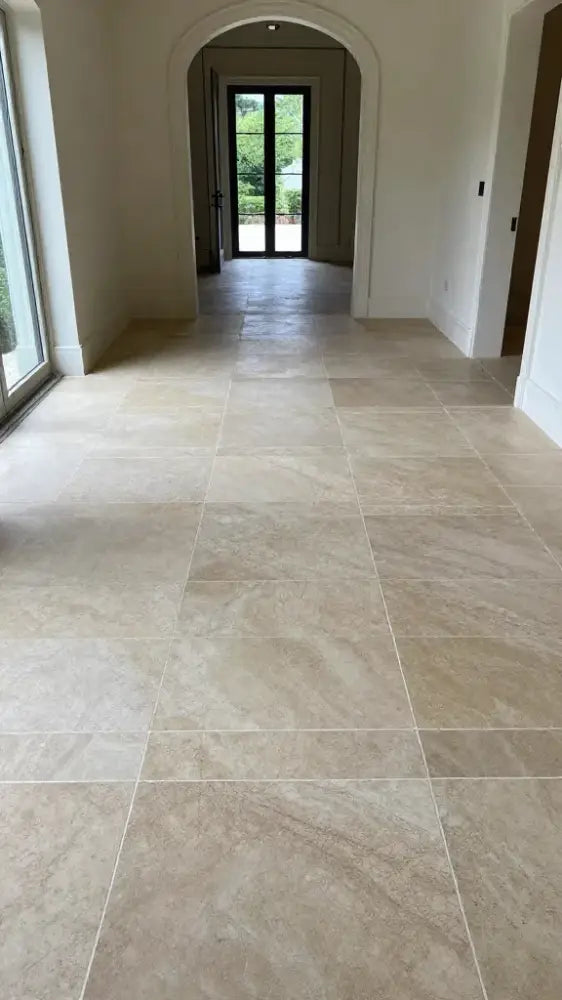
Installing beige limestone is basically putting a savings account into your floors or walls. Unlike trendy ceramic patterns that look dated after five years, this natural stone carries a high resale premium that sticks around for decades.
Appraisers consistently value natural stone higher than synthetic alternatives because it suggests a level of permanent quality. Real estate agents often highlight French or Portuguese limestone specifically to justify a higher asking price during a sale.
The neutral palette acts as a blank canvas that appeals to the widest range of potential buyers. You aren't just buying a building material, you're investing in an asset that grows in desirability as the stone develops its unique patina.
Most synthetic materials end up in a landfill when styles change. Limestone stays relevant because it feels grounded and authentic, ensuring your home doesn't lose its competitive edge in a crowded market.
Wrapping Up
These twenty four features show why beige limestone is such a reliable pick for your home. It offers a great mix of durability and style that works in almost any room. Now that you know what to look for, you can start choosing the right slabs for your next project. Go ahead and pick the finish that fits your personal taste best.

Leave a comment