
Natural materials bring a sense of permanence and warmth to any building project.


Natural materials bring a sense of permanence and warmth to any building project. Using earth tone limestone is one of the best ways to create a timeless look that blends into the landscape. This list shows you 24 practical ways to use this versatile stone in your next design. You will see how it works for everything from heavy structural walls to small decorative details.
1. Polished Flooring for Open Concept Living
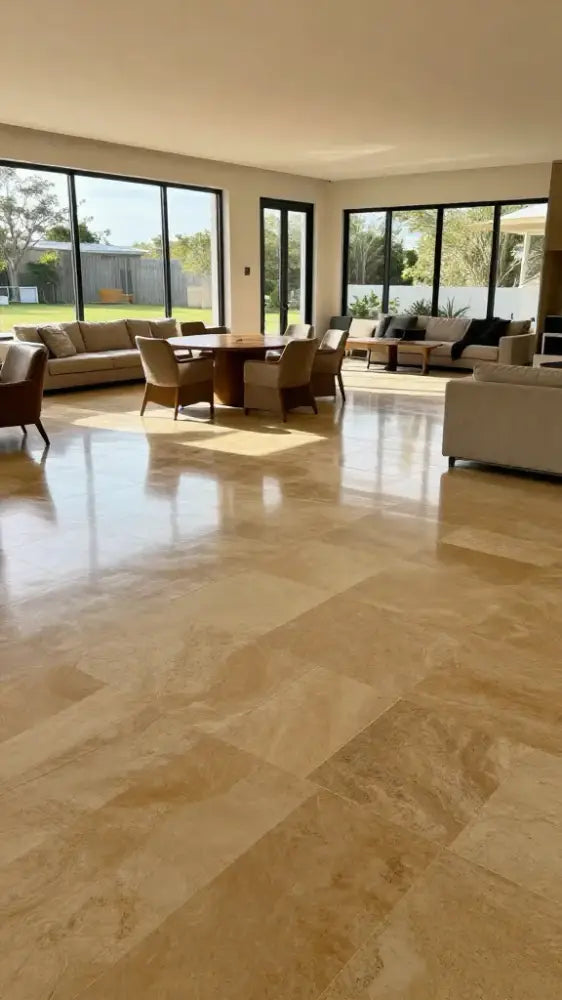
Open floor plans can sometimes feel cold or cavernous if you don't choose the right foundation. Polished earth tone limestone solves this by adding a soft, organic warmth that ties a massive room together without making it feel cluttered.
The subtle beige and tan hues catch the light beautifully when the stone is buffed to a high sheen. This reflective quality helps bounce natural light from large windows deep into the center of your home. It creates a consistent visual flow that makes the kitchen, dining, and living areas feel like one cohesive space.
You should opt for large format tiles to minimize grout lines and keep the look clean. This setup is particularly effective in high traffic areas because the natural variations in the stone hide those inevitable daily footprints better than stark white marble. It is a practical choice that feels high end without being too precious for real life.
2. Rustic Exterior Cladding for Country Homes
| Texture Style | Visual Effect | Maintenance Need |
|---|---|---|
| Rough Split Face | Rugged, craggy appearance | Very Low |
| Tumbled Ashlar | Weathered, historic feel | Moderate |
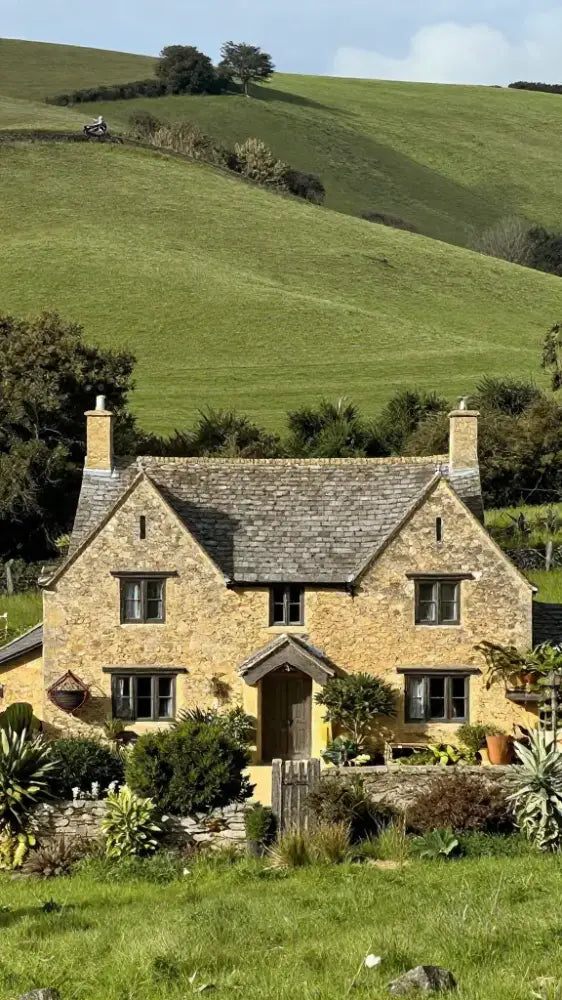
Imagine a farmhouse in the rolling hills of Tennessee clad in warm buff limestone. The stones aren't perfectly smooth, but instead feature jagged edges and natural clefts that catch the afternoon sun.
This rugged texture mimics the surrounding landscape, making the house feel like it grew right out of the soil. Using uneven heights and lengths for the blocks helps avoid a repetitive pattern.
You can mix shades like ochre and soft tan to hide dirt and wear over the years. This specific look relies on heavy mortar joints, which add a sense of weight and permanence to the exterior.
Earth tone limestone naturally resists fading from UV exposure, unlike stained wood or painted siding. It keeps the home cool in the summer while providing a solid barrier against harsh winter winds.
3. Custom Carved Fireplace Surrounds
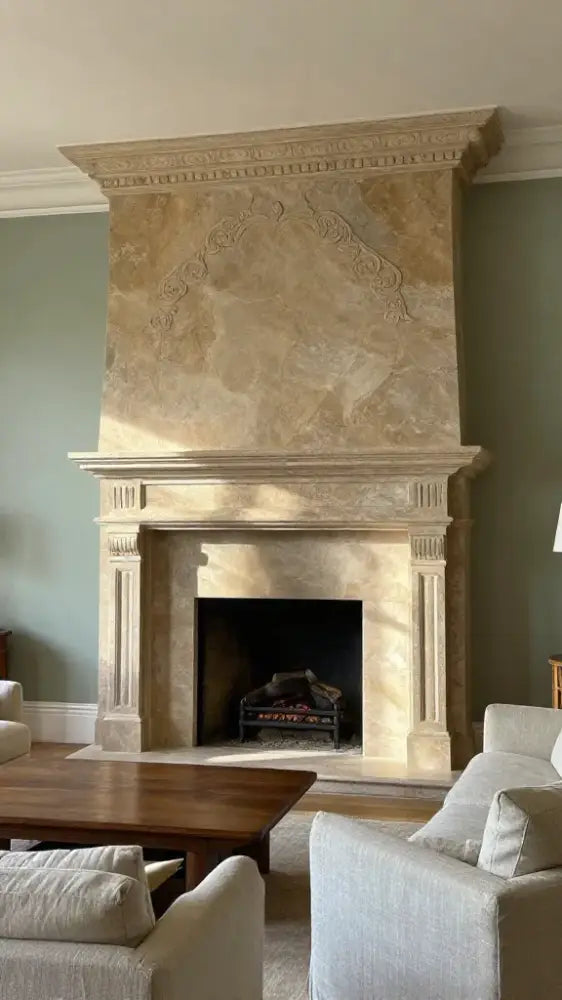
A hand carved limestone fireplace acts as the anchor for a room, providing a weight and presence that wood or plaster simply cannot match. The soft tans and warm grays of natural earth tones keep the massive stone from feeling cold or intimidating. These surrounds become the primary focal point where family members naturally gather.
You can go with deep, intricate scrolls for a classic look or stick to clean, beveled edges for something more modern. The texture of the stone catches the flickering light from the hearth, creating shadows that make the carvings pop. Because limestone is so durable, it handles the heat perfectly while developing a beautiful patina over the years.
Mantle pieces carved from a single block of stone offer a sense of permanence that defines the entire home's architecture. You won't have to worry about the colors fading or the material warping over time. It is a functional piece of art that feels like it has been part of the house since the day the foundation was poured.
4. Grand Entryway Pillars and Columns
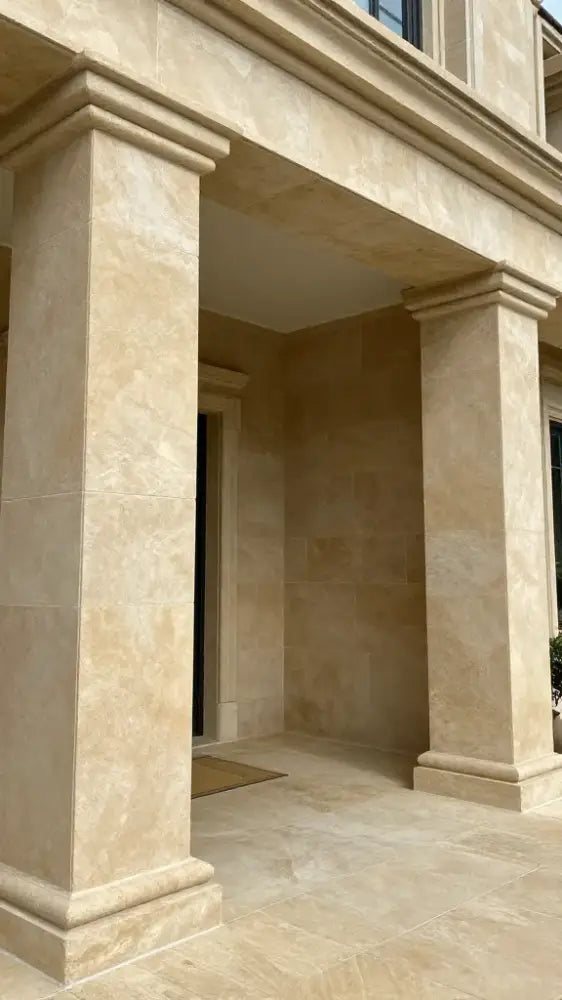
Limestone columns work wonders for the front of a home because they ground the entire structure. The soft beiges and warm tans found in natural earth tones prevent these massive features from feeling too cold or intimidating.
Since limestone is naturally dense, it handles the weight of a porch or portico without breaking a sweat. It also weathers beautifully, meaning it gains a nice character over the years instead of just looking old and worn out.
- Choose a honed finish to keep the texture smooth and modern rather than rustic.
- Use square pillars for a clean craftsman look or tapered rounds for something more traditional.
- Match the mortar color to the stone to create a solid, monolithic appearance.
You'll find that these columns stay cool to the touch even in the peak of summer. They provide a permanent sense of stability that lighter materials like wood or vinyl just can't replicate.
5. Textured Kitchen Backsplashes for Warmth
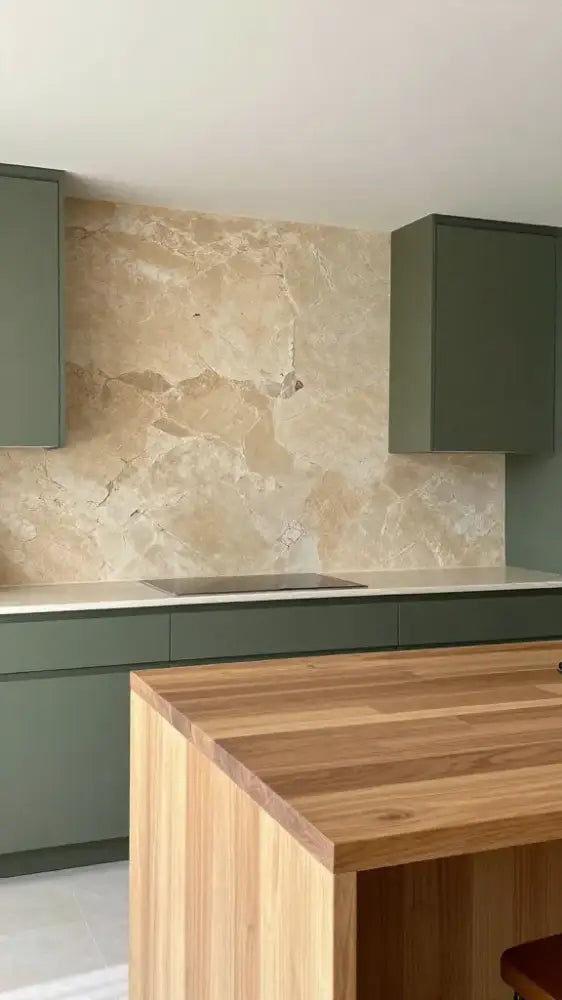
If you're tired of seeing the same old glossy subway tiles in every kitchen, you should look at split-face limestone for your backsplash. It has this incredible, rugged texture that catches the light differently throughout the day.
I love how a sandy beige or light ochre limestone instantly softens a kitchen filled with cold stainless steel appliances. It makes the room feel less like a laboratory and more like a place where people actually want to hang out.
You might worry about cleaning it, but a good quality penetrating sealer makes it much easier to manage than people think. The natural pits and ridges in the stone hide the occasional water spot or smudge that would stand out on a flat surface.
Try pairing a tumbled limestone with dark walnut cabinets for a look that feels grounded and timeless. The earthy tones act as a neutral backdrop that still has plenty of personality.
It creates a cozy, tactile quality that pulls the whole room together. You'll find yourself reaching out to touch the stone every time you're waiting for the kettle to boil.
6. Durable Bathroom Vanity Countertops
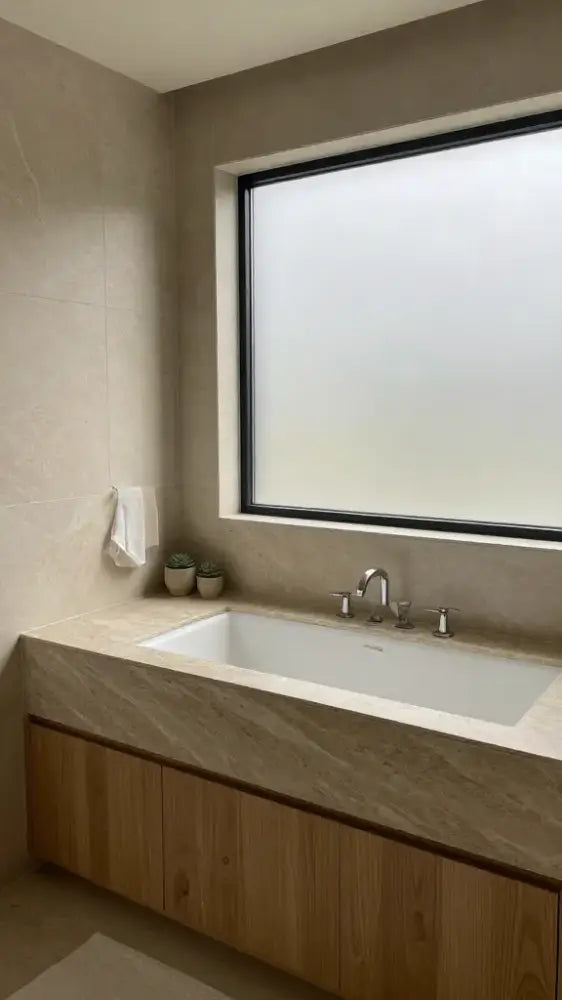
Limestone in a bathroom setting feels like a high end spa retreat right in your own home. While people often worry about water, a dense variety of earth tone limestone holds up remarkably well against daily splashes and humidity.
The soft beige and warm tan hues hide water spots and toothpaste splatters much better than dark granite or shiny marble. It creates a calm, organic vibe that makes your morning routine feel a bit less chaotic.
- Honed finishes are best for vanities because they provide a matte surface that resists visible scratching from soap dispensers or jewelry.
- High density European limestone varieties offer lower porosity, meaning they won't soak up moisture as easily as softer stones.
- Professional penetrating sealers are necessary to keep the stone protected from oils and makeup spills.
- The natural thermal properties of the stone keep the counter cool to the touch even when the bathroom gets steamy.
You'll want to avoid acidic cleaners like vinegar or lemon based sprays. A quick wipe with a damp microfiber cloth is usually all you need to keep the surface looking pristine for years.
7. Weather-Resistant Garden Path Stepping Stones
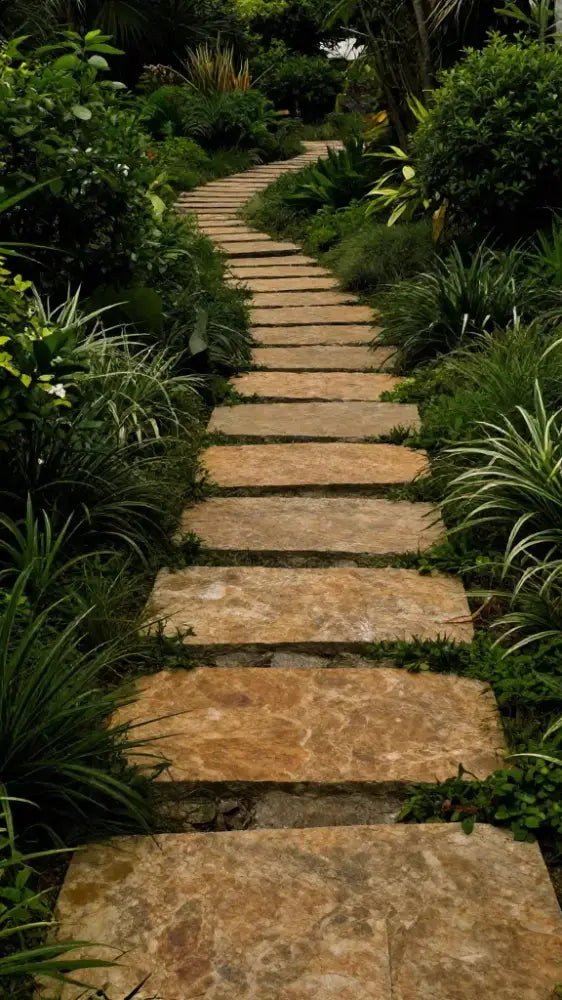
You can choose between machine-cut limestone for a clean look or irregular flagstone for a rustic feel. Machine-cut pieces offer a modern, uniform surface that is easy to sweep and keep tidy. On the other hand, natural flagstone creates those charming, winding paths that blend right into the flower beds.
I usually recommend the natural, irregular slabs because they handle ground shifts much better over time. Since these stones are heavy and porous, they stay cool under your feet even during a July heatwave. They also develop a beautiful weathered patina that looks better as they age in the rain and sun.
Stick with stones that are at least two inches thick to prevent cracking during a hard winter freeze. Thinner tiles might look sleek, but they often snap if the soil underneath expands or contracts. A thicker earth tone limestone provides a solid, permanent walkway that feels safe and steady when you are carrying garden tools.
8. Elegant Spiral Staircase Treads
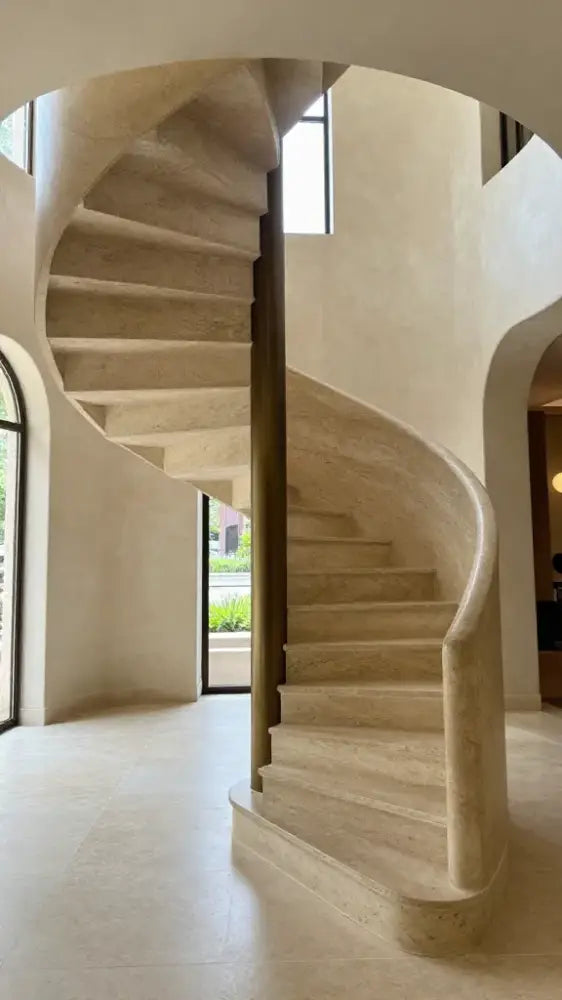
Spiral staircases often become the visual anchor of a home, but metal or wood can sometimes feel too industrial or lightweight. Using earth tone limestone for the treads adds a sense of permanent weight and quiet luxury that synthetic materials just can't match.
The natural beige and tan hues soften the sharp geometry of the spiral shape. These stones are typically cut into thick, wedge shaped slabs that radiate from a central steel or stone column. You should opt for a honed finish to keep the surface smooth while providing enough grip for safety.
The subtle fossils and mineral veins in the limestone create a unique pattern on every single step. This means your staircase looks like a hand carved sculpture rather than a factory made fixture. It works beautifully in entryways where natural light can hit the stone at different angles throughout the day.
9. Minimalist Facade Panels for Modern Buildings
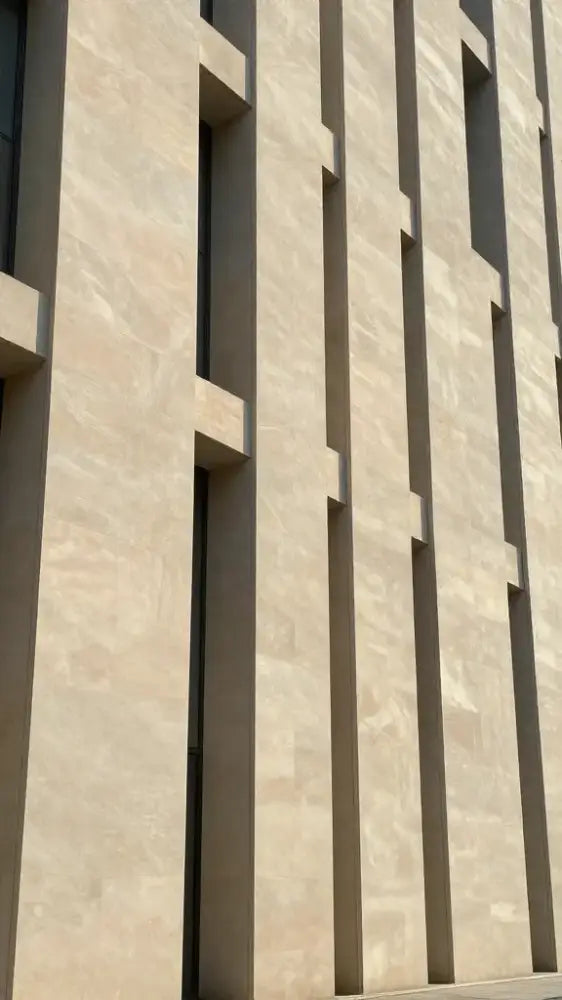
Picture a sharp, angular office building in a dense urban center like Chicago or Berlin. Instead of using cold steel or glass, architects are choosing thin, large format limestone panels to soften the look while keeping the lines clean.
These panels usually feature a honed finish that absorbs light rather than reflecting it. This creates a matte, velvety texture that makes a massive structure feel much more approachable at street level.
| Feature | Honed Earth Tone Limestone | Polished Granite or Marble |
|---|---|---|
| Visual Vibe | Warm, organic, and muted | Flashy and high contrast |
| Light Play | Soft diffusion with no glare | Sharp reflections and hot spots |
| Grout Lines | Tight, color matched seams | Often wide and visible |
The beauty of using earth tones like sand, taupe, or soft grey is how they hide the wear of city life. Dust and rain streaks blend into the natural variations of the stone instead of standing out like they do on white or black surfaces.
You can hang these slabs using concealed anchor systems to create a floating effect. This method removes visible fasteners, which lets the natural color of the stone be the main focus of the entire facade.
10. Ornate Window Sills and Headers
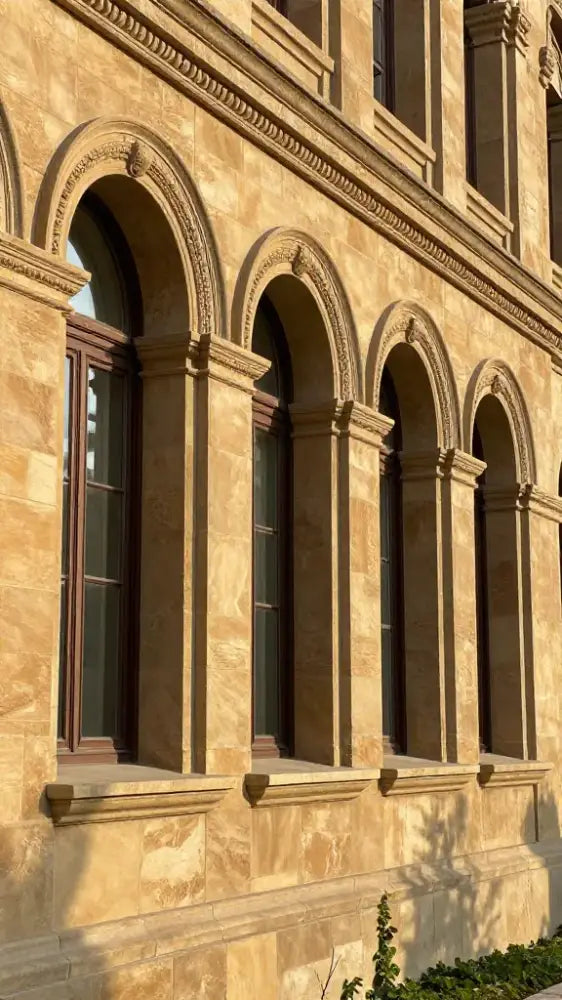
Limestone headers provide a structural weight that synthetic materials simply cannot replicate. When you use a deep buff or honey-colored stone above a window, it creates a natural frame that catches the sun at different angles throughout the day.
The texture of the stone grounds the facade of a home, especially when you pair it with hand-carved details or beveled edges. These elements turn a standard window opening into a focal point that looks like it has been there for a century.
Matching the sills to the headers creates a visual rhythm that ties the entire exterior together. Earth tone limestone is particularly forgiving with rain runoff, as it hides water spots and dust better than stark white or dark granite.
You can choose a rough, split-face finish for a rustic look or a smooth honed surface for something more modern. Regardless of the finish, the thermal properties of the stone help regulate the temperature around the glass, which is a nice practical bonus.
11. Solid Block Bathtubs for Spa Retreats
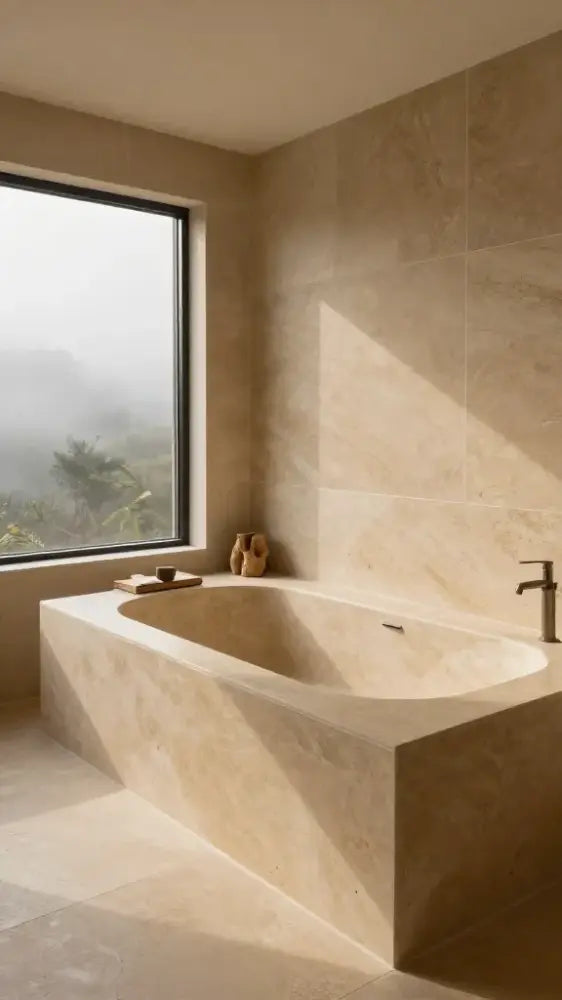
Carving a bathtub from a single block of honey colored limestone creates a massive, permanent centerpiece that holds heat better than any acrylic shell. The stone's natural density keeps your bath water warm for much longer, which is a huge plus for long soaking sessions in a home spa.
The soft beige and tan hues of the stone also hide water spots and soap film much better than dark marble or white porcelain. Since the tub is a solid piece, you won't have to deal with grout lines or seams that eventually leak or collect mold.
- Choose a honed finish for the interior to prevent the stone from feeling slippery when wet.
- Ensure your floor joists are reinforced because a solid limestone tub can weigh over a thousand pounds.
- Seal the stone twice a year to prevent bath oils or salts from staining the porous surface.
It is a heavy investment that requires some serious structural planning, but the tactile feel of raw stone against your skin makes every penny worth it.
12. Pool Deck Pavers with Natural Grip
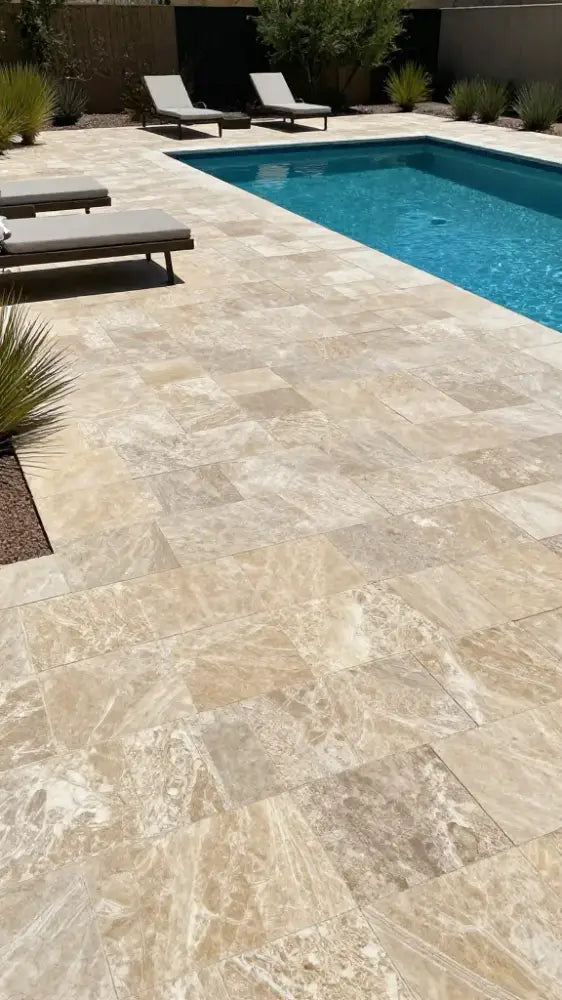
You really don't want to worry about anyone slipping when they're running around the pool with wet feet. Limestone pavers are a fantastic choice here because their naturally porous surface provides a built in grip that many glazed tiles just can't match.
The soft tans and sandy beiges of earth tone stone actually stay much cooler under the blazing sun than dark concrete or slate. You won't have to do that awkward fast walk across the deck just to avoid burning your soles. It makes the whole backyard feel like a high end Mediterranean villa without being too flashy.
I usually recommend a honed or tumbled finish for these areas to maximize that slip resistance. These finishes keep the stone looking organic and matte while hiding the inevitable splashes of chlorine or saltwater. It's a practical way to keep the area safe while maintaining a high end look that blends into the landscape.
13. Seamless Indoor-Outdoor Transitional Flooring
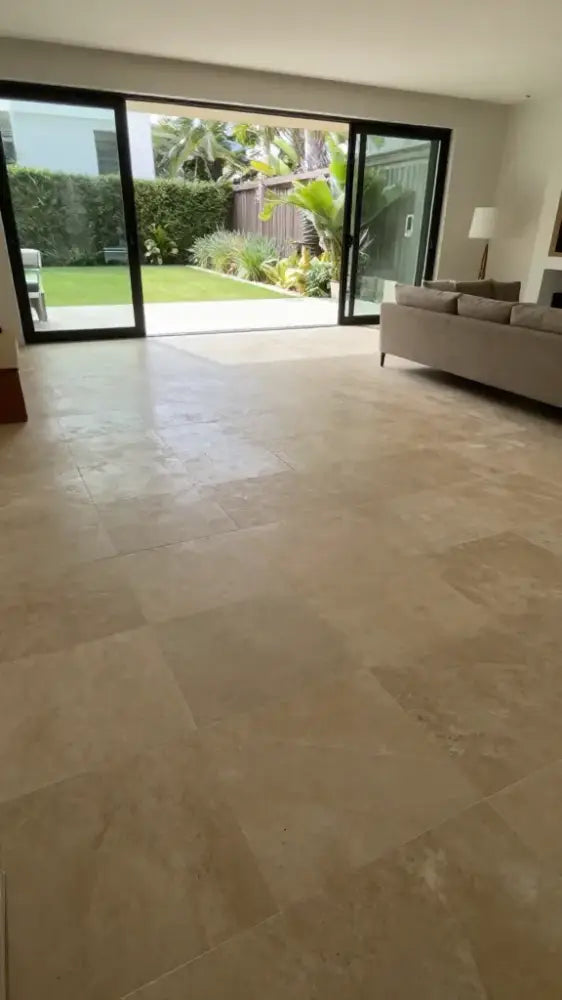
Using the same earth tone limestone for your living room and your back patio creates a visual trick that makes your home feel twice as large. When the color and texture continue past the glass, the boundary between inside and out basically disappears.
You'll want to choose a honed finish for the interior and a slightly more textured, sandblasted version for the exterior. This keeps the look consistent while ensuring nobody slips when the pool deck gets wet. Sandy beiges and warm greys work best because they hide footprints and outdoor dust better than stark whites or dark slates.
- Visual Continuity: Keeping the stone color identical draws the eye straight to the horizon without any harsh breaks.
- Material Durability: Limestone handles foot traffic and weather fluctuations without warping or fading like wood might.
- Low Maintenance: You can often use the same pH-neutral cleaner for both areas, making your weekend chores much simpler.
- Thermal Mass: The stone stays cool under your feet in the summer while holding onto warmth during chilly autumn evenings.
It's a practical way to pull the landscape into your daily life. You'll find that guests naturally gravitate toward the patio when the floor doesn't signal a change in environment.
14. Heavy-Duty Retaining Walls for Landscaping
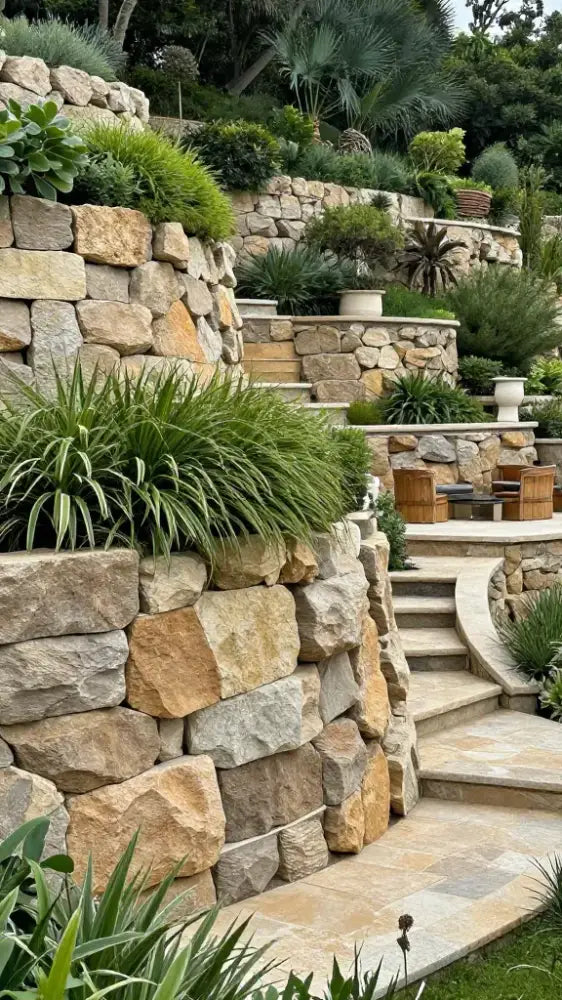
When you're dealing with a steep slope or a massive grade change, you basically have two ways to go. You can choose poured concrete for a clean, industrial look, or you can go with stacked earth tone limestone blocks.
Concrete is fast and functional, but it often ends up looking cold and starts to crack or stain over time. Limestone blocks offer a much better alternative because they handle the pressure of shifting soil while looking like they've been part of the landscape for decades.
The natural variations in tan, cream, and soft grey help these massive walls blend into the surrounding dirt and plants. I always recommend using heavy, rough-hewn blocks rather than thin veneers for these projects.
The sheer weight of the stone does most of the structural work, so you don't have to rely entirely on steel reinforcement. It creates a permanent, rugged boundary that actually looks better as it weathers and grows a bit of moss.
15. Accent Walls in Corporate Lobbies
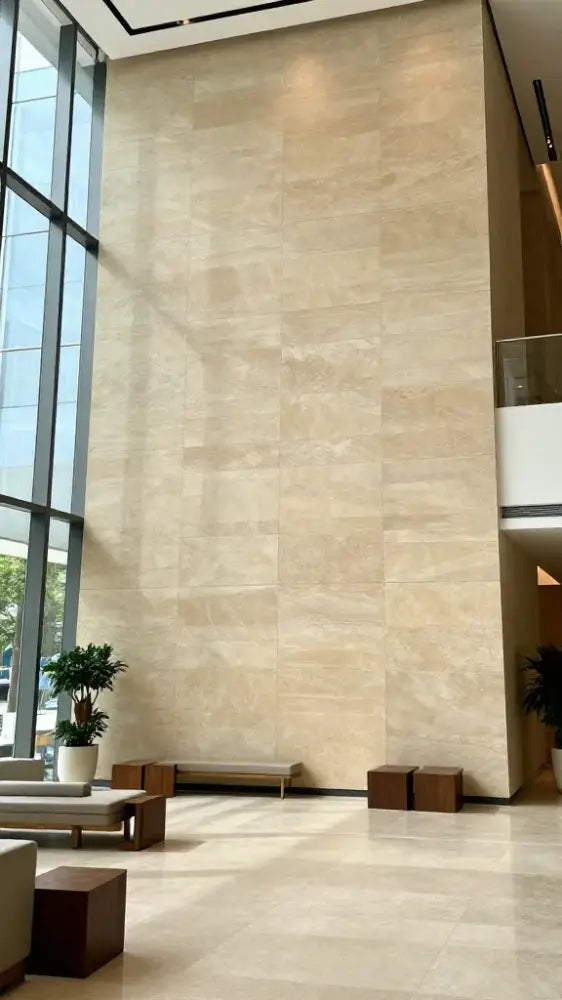
First impressions happen the moment a client steps off the elevator. A cold, sterile lobby makes a business feel unapproachable, but a massive limestone accent wall instantly grounds the space with warmth.
It acts as a physical anchor that makes a high ceiling feel more human and inviting. Designers often choose honed beige or sandy tones to soften the harsh glare of overhead office lighting.
The texture of the stone provides a sophisticated backdrop for a company logo without being distracting. You can use large format slabs to create a monolithic look that suggests stability and permanence.
Lighting is the secret to making this work. Installing recessed LEDs along the top or bottom of the wall highlights the natural fossils and mineral veins in the stone. This creates a subtle sense of movement that keeps the lobby from feeling stagnant throughout the workday.
16. Intricate Mosaic Inlays for Foyer Floors
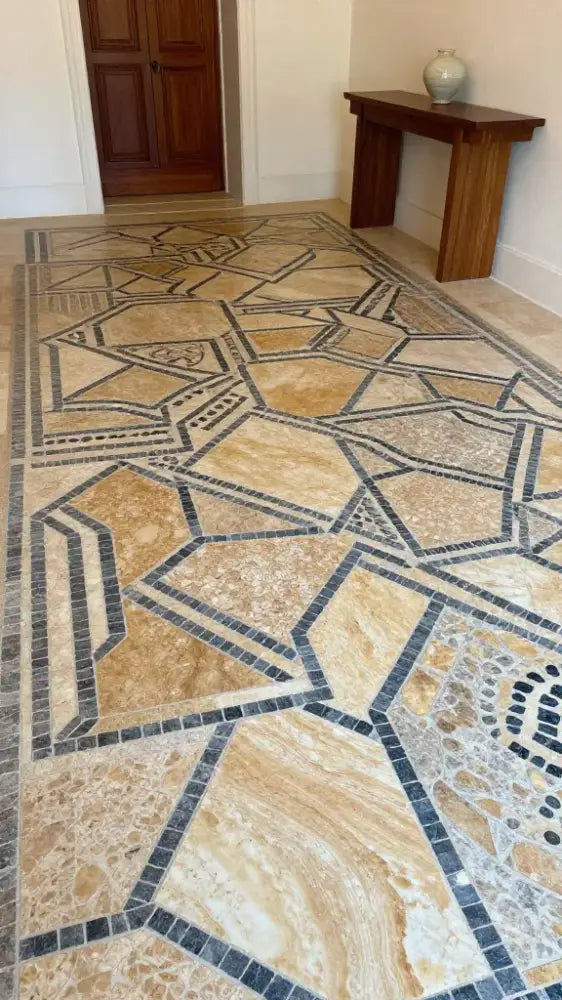
Imagine walking into a home where the floor looks like a hand-woven rug made entirely of stone. Using earth tone limestone for a foyer mosaic creates an immediate sense of history and craftsmanship right at the front door.
By mixing different shades like sandy beige, muted ochre, and charcoal grey, you can create geometric patterns that won't fade over time. These small, tumbled pieces provide a natural grip that larger polished slabs often lack in high traffic areas.
| Feature | Standard Large Tiles | Intricate Mosaic Inlays |
|---|---|---|
| Visual Depth | Uniform and flat | Rich, textured, and layered |
| Slip Resistance | Low when wet | High due to grout lines |
| Maintenance | Easy to mop | Requires periodic sealing |
The beauty of this application lies in the subtle color shifts of the natural stone. Because limestone is soft enough to cut into precise shapes, artisans can build complex medallions or borders that ground the entire room. It's a practical choice for mudrooms or entryways because the varied tones hide dirt and footprints remarkably well.
17. Sunken Fire Pit Seating Areas
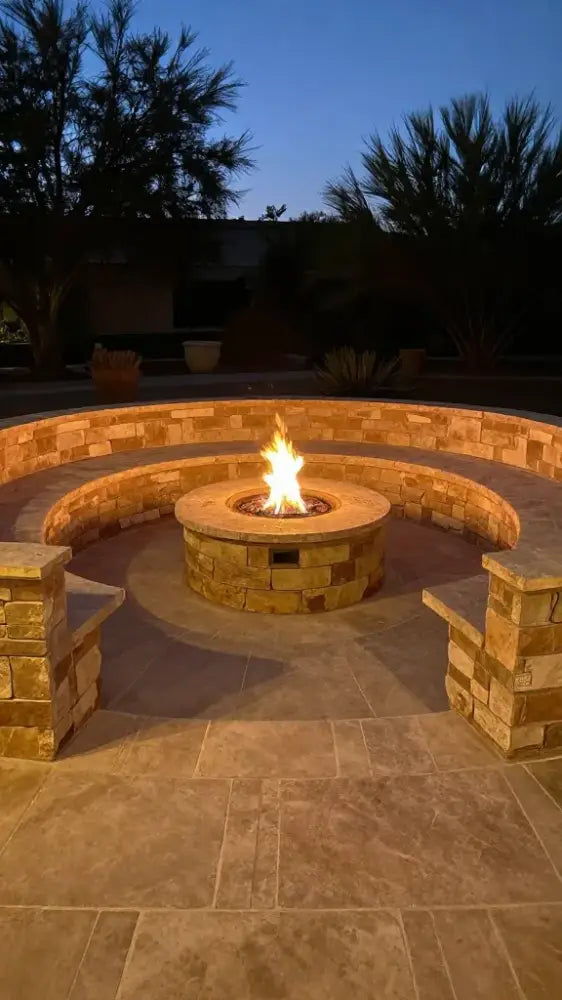
Sunken fire pits built with earthy limestone create the most intimate backyard gathering spots because they physically ground you in the landscape. The natural tan and buff hues of the stone absorb heat during the day and release it slowly as the sun goes down. Using large, rough-hewn blocks for the perimeter seating gives the area a permanent, ancient feel that looks like it grew right out of the soil.
You can use honed limestone pavers for the floor to keep the surface smooth underfoot while keeping the walls rugged and textured. This contrast in finishes prevents the space from looking too monochromatic or flat. The neutral tones also make the orange glow of the flames pop, making the pit the true centerpiece of your outdoor living area after dark.
18. Decorative Archways for Mediterranean Styles
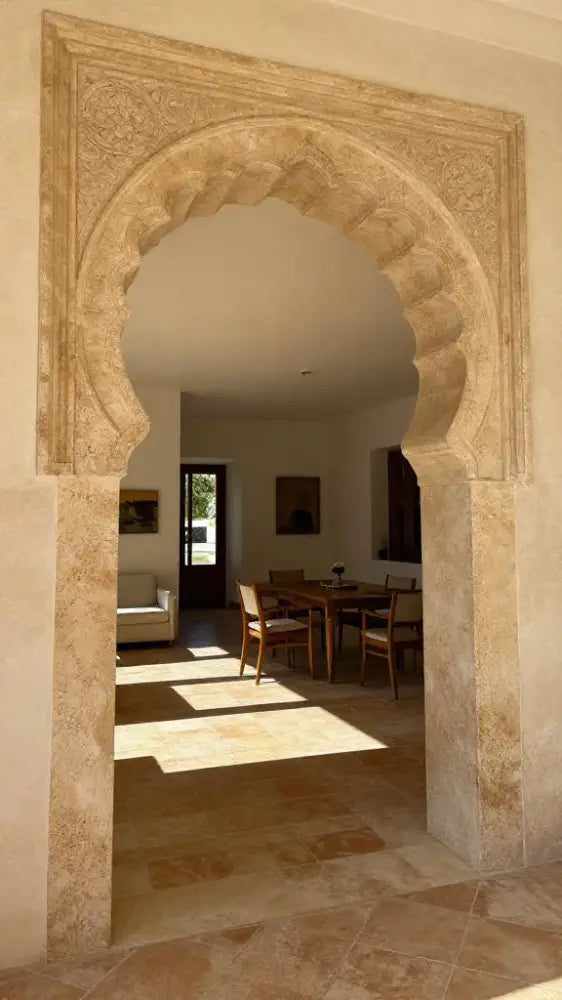
Building a limestone archway is the fastest way to nail that classic Mediterranean look without making the house feel like a theme park. These structural curves work best in entryways or transition points between a kitchen and a dining room.
The soft tan and cream tones of the stone catch the light as the sun moves, creating deep shadows that highlight the masonry. It gives the space a grounded, permanent feeling that drywall or wood trim just can't match.
- Choose a honed finish to keep the surface matte and authentic rather than shiny.
- Use oversized wedge shaped stones, known as voussoirs, to create a sense of scale.
- Keep the grout lines tight and match the mortar color to the stone for a monolithic appearance.
It's a heavy installation that requires a solid foundation, but the visual weight it adds to a hallway is worth the extra structural work.
19. Floating Shelves for Minimalist Interiors
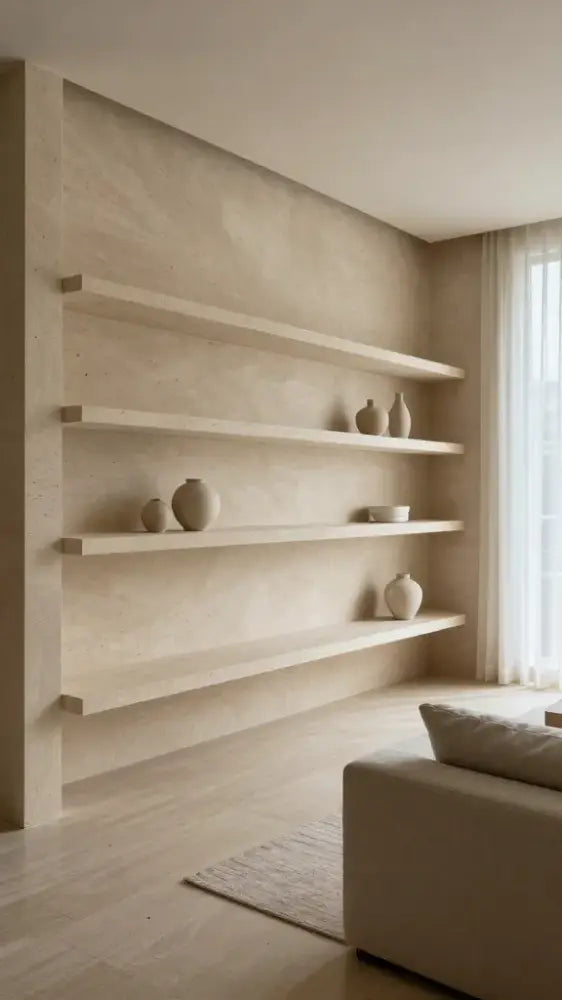
Honestly, if you're trying to clear out the visual clutter in a living room, honed limestone slabs are the way to go. Most people default to wood for shelving, but thick stone provides a much more solid and permanent feeling.
The soft beige and sandy tones of the stone blend right into a neutral wall. It creates a look where the shelves almost seem like they're growing out of the architecture itself.
I usually recommend using a French cleat or hidden steel brackets to support the weight. Since limestone is porous, you'll want to apply a matte sealer to prevent rings from coffee mugs or damp vases.
The natural pits and small fossils in the stone give you something interesting to look at without being loud. It's a great way to show off a few ceramic pieces without the furniture piece taking over the whole room.
You can even have the edges slightly rounded or "pillowed" to soften the profile. This keeps the minimalist vibe from feeling too sharp or cold in a small apartment.
20. Protective Coping for Rooftop Parapets
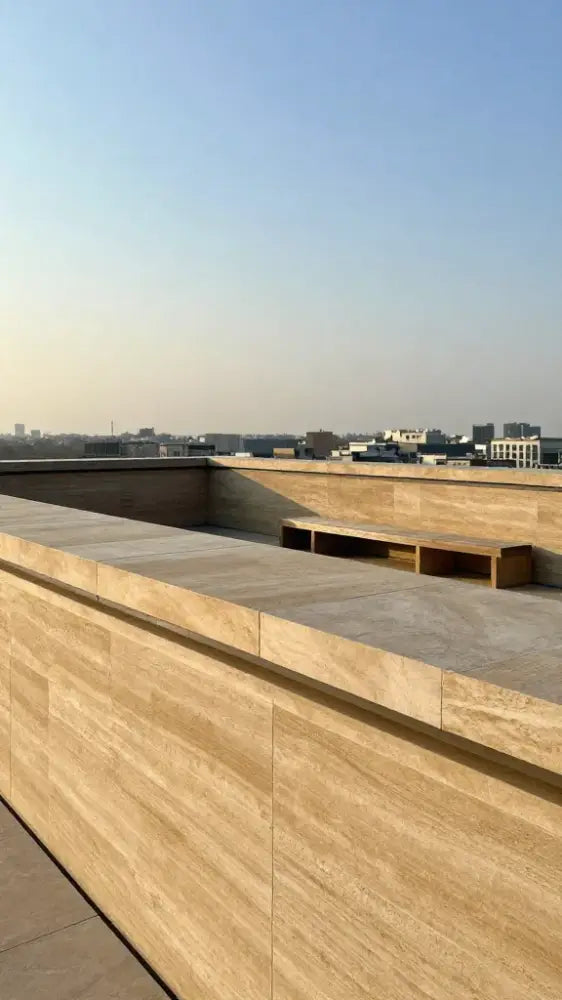
Rooftop parapets are often the first part of a building to show weather damage. Using earth tone limestone for the coping stones creates a solid barrier that keeps moisture from seeping into the wall cavity below.
The real secret to a long lasting roof line is the drip edge carved into the underside of the limestone. This small groove forces rainwater to fall straight down rather than soaking into the facade, which prevents those ugly dark streaks you see on older buildings.
- Thermal Mass: The dense stone absorbs heat during the day and releases it slowly, which helps stabilize the temperature near the roof membrane.
- Slight Pitch: Installers typically set these stones at a tiny angle to ensure water drains toward the roof rather than spilling over the side.
- Natural Palette: Tan and buff tones hide the inevitable dust and soot that collect on high, flat surfaces better than stark white materials.
- Mortar Joints: Using a flexible sealant between the stone slabs allows for natural expansion and contraction during seasonal temperature swings.
Since limestone is so heavy, it stays put during high wind events that might lift metal flashing. It provides a finished look that feels much more permanent and high end than thin aluminum caps.
21. Custom Address Plaques and Signage
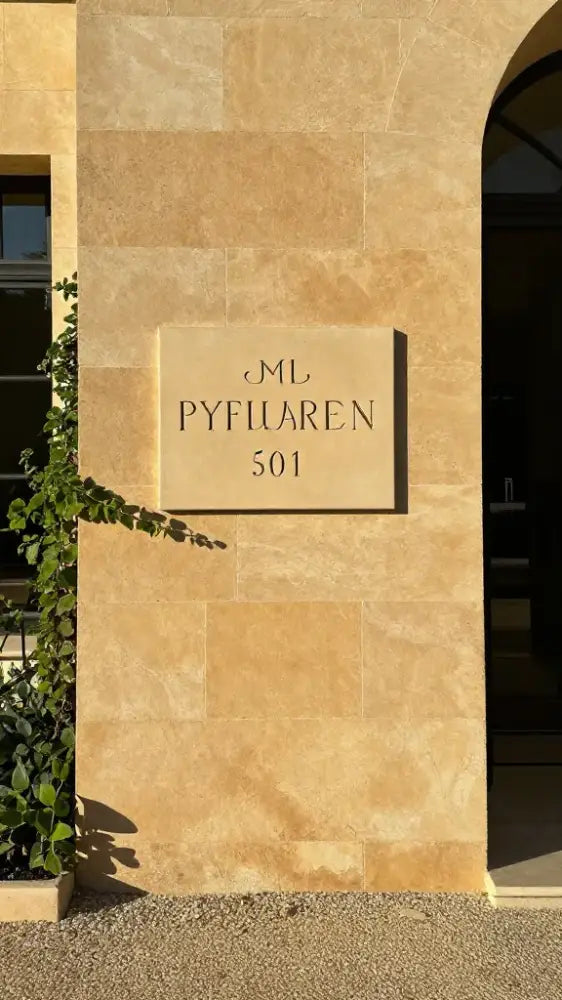
You can choose between incised lettering carved directly into the stone or raised metal numbers mounted on a smooth limestone slab. Deeply engraved characters offer a timeless, historic feel that looks like it belongs on an old European estate.
Metal letters on a buff-colored limestone backing provide a sharper contrast that fits modern homes. However, the shadow lines created by carved stone are much more subtle and sophisticated as the sun moves across your entryway.
I usually recommend the deeply carved approach because it requires zero maintenance over the years. Metal mounts can eventually streak or oxidize, but a limestone plaque only looks better as it weathers.
Stick with a simple serif font to keep things readable from the street. This small detail ties your entire exterior together without trying too hard to grab attention.
22. Courtyard Fountains and Water Features
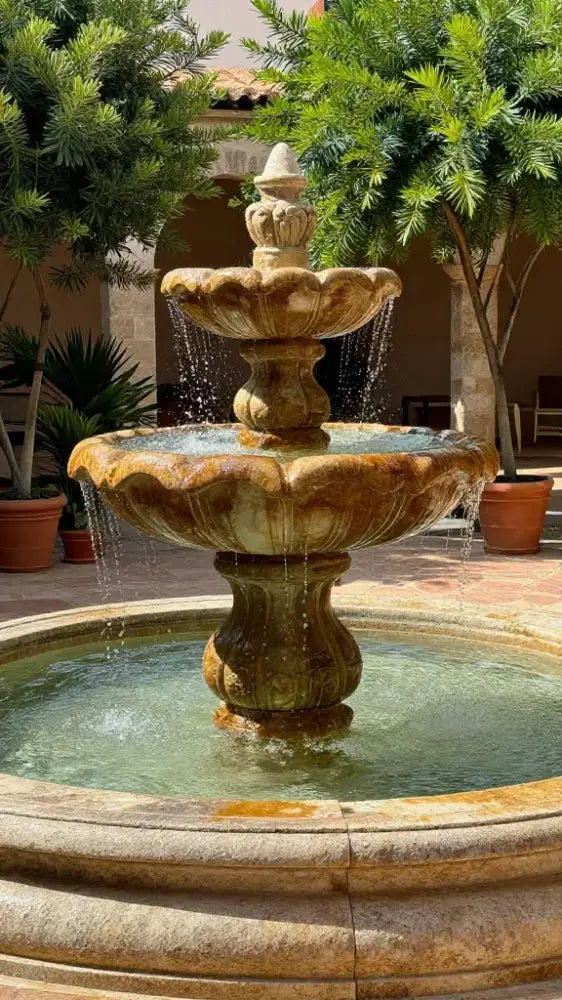
Water always looks more natural when it's flowing over stone that looks like it belongs in the ground. Using earth tone limestone for a courtyard fountain creates a sense of age and permanence that shiny tiles just can't match.
The soft tans and muted greys of the stone deepen when they get wet, showing off hidden veining and textures. You can use large, hand carved blocks for a tiered basin or flat slabs for a modern weeping wall feature.
Over time, these fountains develop a beautiful patina and might even grow a bit of moss in the shaded corners. This natural weathering helps the water feature blend into the surrounding garden rather than sticking out like a brand new plastic installation.
23. Thermal Mass Walls for Passive Heating
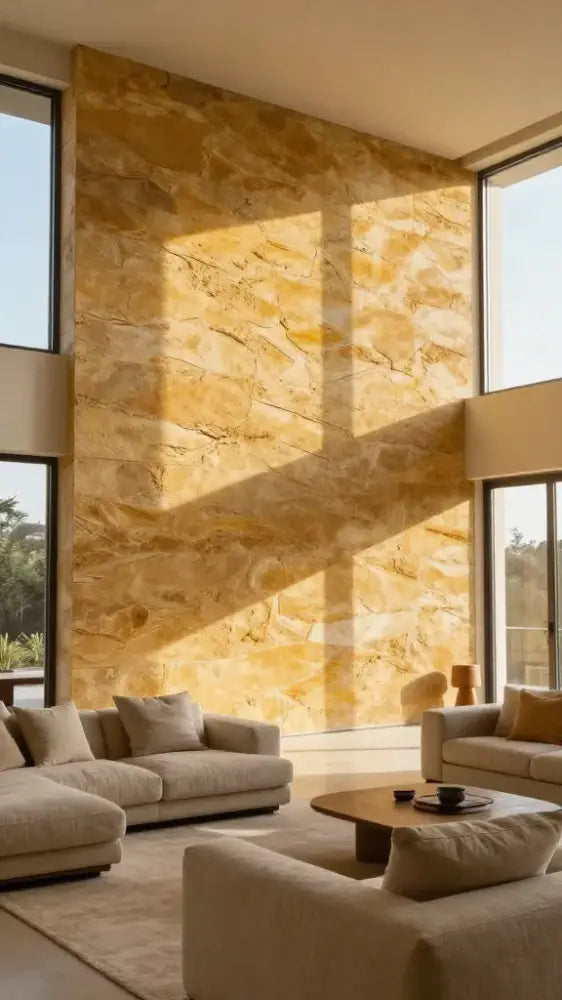
Imagine a south facing living room where the afternoon sun hits a thick wall of golden Oolitic limestone. Instead of the room overheating immediately, that heavy stone soaks up the solar energy and holds it like a battery.
As the sun sets and the air outside turns chilly, the limestone slowly releases that stored warmth back into your home. This process keeps your living space comfortable well into the night without you ever touching the thermostat.
| Feature | Limestone Wall | Standard Drywall |
|---|---|---|
| Heat Retention | High (8-12 hours) | Low (under 1 hour) |
| Temperature Swings | Stable and gradual | Rapid and frequent |
| Energy Usage | Passive and free | Requires HVAC power |
Limestone is a powerhouse for passive solar design because of its density and specific heat capacity. Choosing earth tones like buff, tan, or soft brown helps the surface absorb light more effectively than bright white stone would.
You get a beautiful architectural feature that actually pays for itself by lowering your monthly heating bills. It is a smart way to use a natural material for both its looks and its physical performance.
24. Arched Doorway Frames for Classic Curb Appeal
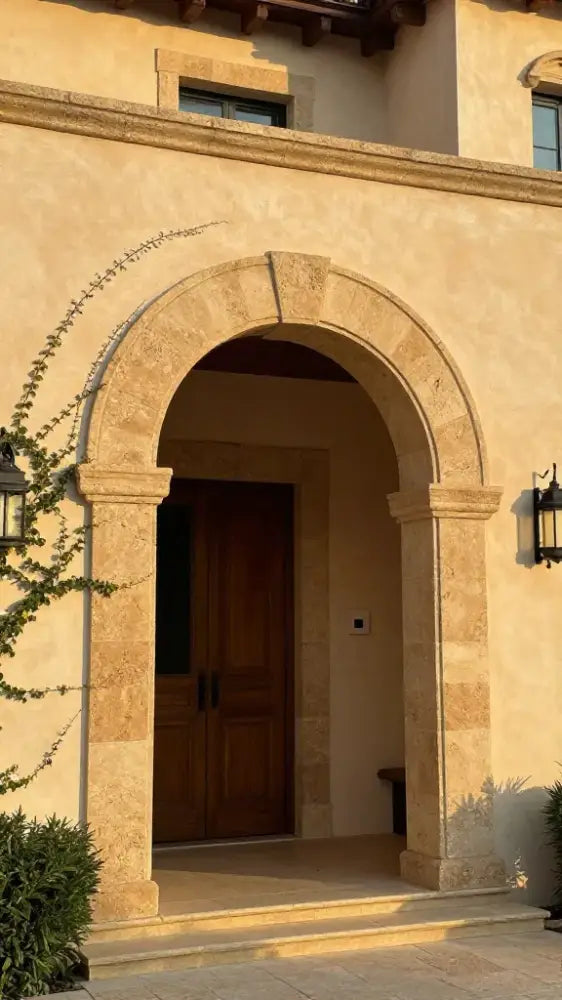
An arched entrance made from buff limestone creates an immediate sense of permanence that standard rectangular frames just can't match. The soft, honey colored tones of the stone glow when the sun hits them, making your front door feel warm and inviting rather than cold or imposing.
You can choose a smooth finish for a clean look or go with a tooled texture to show off the craftsmanship. This specific application works perfectly with heavy wooden doors, especially if you use oversized blocks for the archway itself.
The natural variations in earth tone limestone hide dirt and weathering much better than painted trim or white marble. Over time, the stone develops a subtle patina that actually looks better as it ages, saving you from constant pressure washing or touch ups.
Matching the mortar to the stone's darkest vein helps the arch blend into the rest of the facade. It's a simple way to get that old world European feel without making the house look like a movie set.
Wrapping Up
These twenty four examples show just how versatile earth tone limestone can be for any building project. You now have a solid foundation for choosing materials that look natural and last for a long time. Take these ideas and start sketching your own designs today. Whether you are building a new home or just updating a single room, this stone will make your space feel warm and grounded.

Leave a comment