
How to Choose the Right Stone for Your Home: A Guide to Marble, Travertine, and More

Key Takeaways
Choosing stone gets easier when you begin with the room’s needs, then narrow the options by look, care, and budget. A few samples in the actual space can make the final choice clearer.
- Match the stone and finish to the room’s traffic, moisture, and daily use.
- Compare natural stones for appearance, hardness, porosity, and upkeep.
- Check color and pattern in person, since every piece has its own variation.
- Include installation, preparation, extra pieces, and delivery in your budget.
- Confirm product details, stock, timing, and shipping before placing an order.
Start with where the stone will be installed
A stone that feels perfect in a quiet powder room may not be the best fit for a busy kitchen floor. Start by considering how the surface will be used, what it may come into contact with, and how much routine care you are comfortable doing. The right choice is a balance of appearance and practical demands, not just a favorite sample.
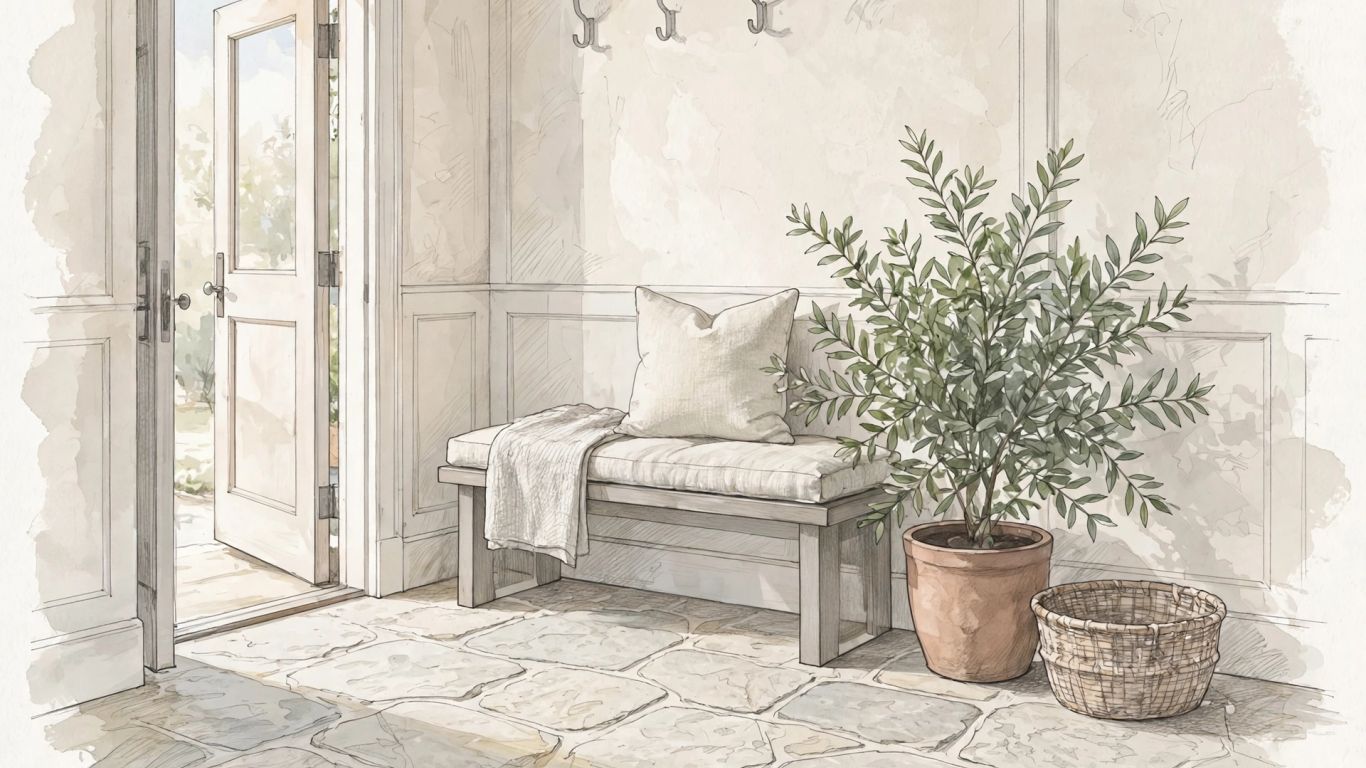
Choose durable materials for busy floors and entryways
Hallways and entryways see grit, shoes, and repeated foot traffic, so hardness and a finish suited to daily use matter. Granite is highly durable and resistant to scratches, while slate is durable and slip-resistant; marble and limestone are softer and more prone to scratching. A honed finish can offer a quieter, matte look than a polished surface.
For a busy floor, use this quick check to focus your search:
- Consider how much foot traffic the area receives.
- Think about grit, water, and other messes likely to reach the floor.
- Compare the stone’s hardness and the care it needs.
- Ask whether the finish suits the room’s use and feel.
These points help distinguish a practical everyday surface from a stone better suited to a lower-traffic space. They also give you useful questions to bring to a supplier or installer.
Match bathroom stone to moisture and slip-resistance needs
Bathrooms call for a considered mix of moisture management and underfoot comfort. A textured or honed finish can be a sensible choice in areas prone to water, and the stone should be sealed according to its needs. For ideas about height, pattern, and trim around a wet area, see this bathroom backsplash guide.
A small design decision can make the room feel more finished: a simple field tile can be paired with a mosaic or a carefully chosen border. Before settling on a layout, compare samples against the vanity, wall color, and lighting. The Carrara White 6x12 tile, for example, offers a way to consider a familiar white-and-gray marble look in a versatile size.
Consider heat, spills, and cleaning for kitchen surfaces
Kitchen stone needs to work around hot cookware, splashes, food, and frequent cleaning. Granite is resistant to heat and scratches, while marble is more prone to scratching and staining; the stone and its finish should suit your habits. Choose cleaners made for stone and follow care guidance rather than reaching for acidic household products.
A nearby detail can help tie a kitchen together, too. If you are weighing wood options for food preparation, this cutting board materials guide covers grain, thickness, size, and care. It is a separate choice from the countertop, but considering both together can help the materials feel cohesive.
Use stone to create impact on walls and outdoor features
Stone can bring texture to a feature wall, fireplace surround, backsplash, or outdoor setting without covering every surface. Travertine is used for flooring and wall applications, while outdoor stone should be selected with weather exposure and durability in mind. A quiet wall finish can make a bold floor feel balanced; a textured accent can add depth to a simpler room.
Outdoor plans also involve the setting around the stone. For example, if a new path or patio will sit near established trees, it can be useful to plan landscaping work at the same time; this tree pruning service is an example of a related outdoor consideration. Check product specifications for the intended application before ordering.
Compare popular natural stone types
Marble, travertine, limestone, granite, and quartzite each bring a different mix of character and practical considerations. Natural stone has variation in color and pattern, so a named material is a starting point rather than a promise that every piece will look identical. Compare the overall look with the room’s use and the amount of maintenance you are willing to take on.
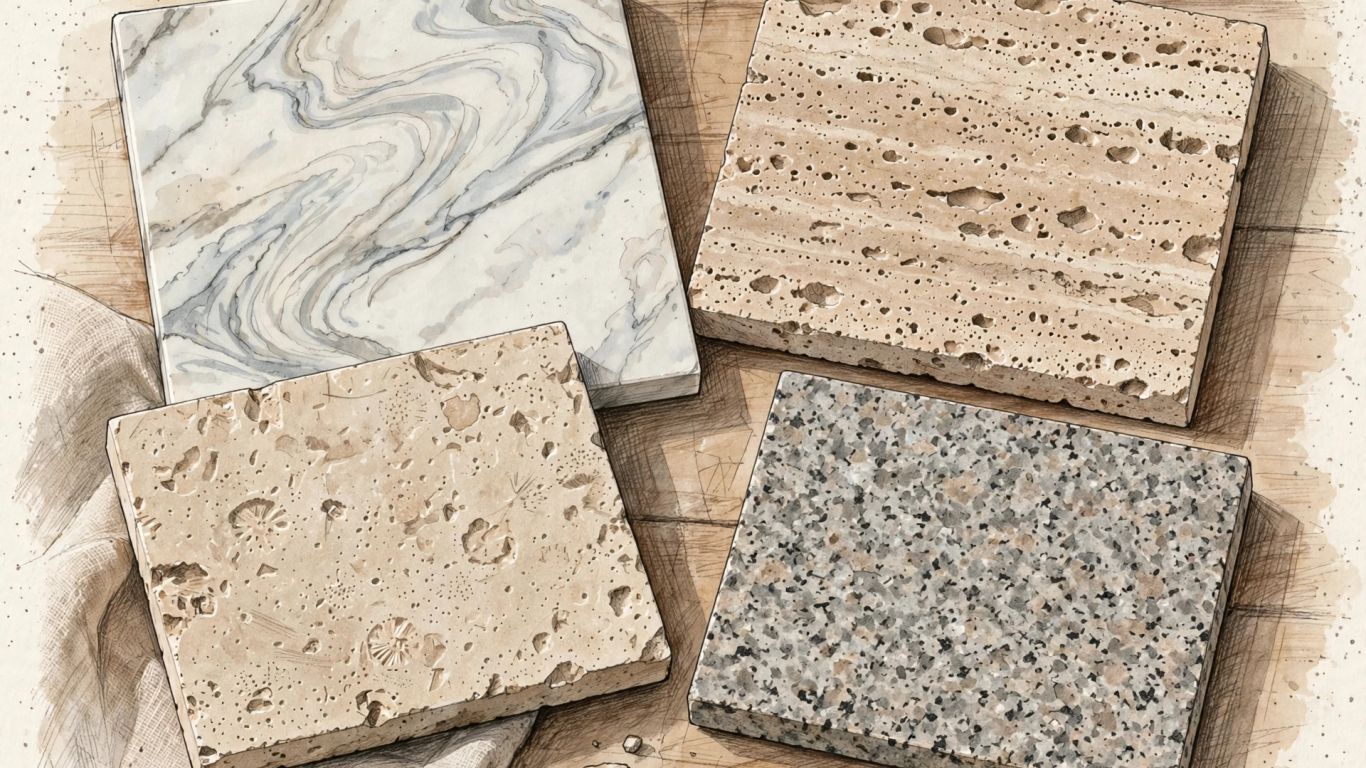
Marble brings distinctive veining and timeless elegance
Marble is prized for its elegant appearance and distinctive veining, with colors ranging from pale whites to deep tones. It suits decorative features and lower-traffic areas particularly well, though it is more prone to scratching and staining than harder stones. If the marks and shifts that come with use would bother you, think carefully before putting it on a heavily used surface.
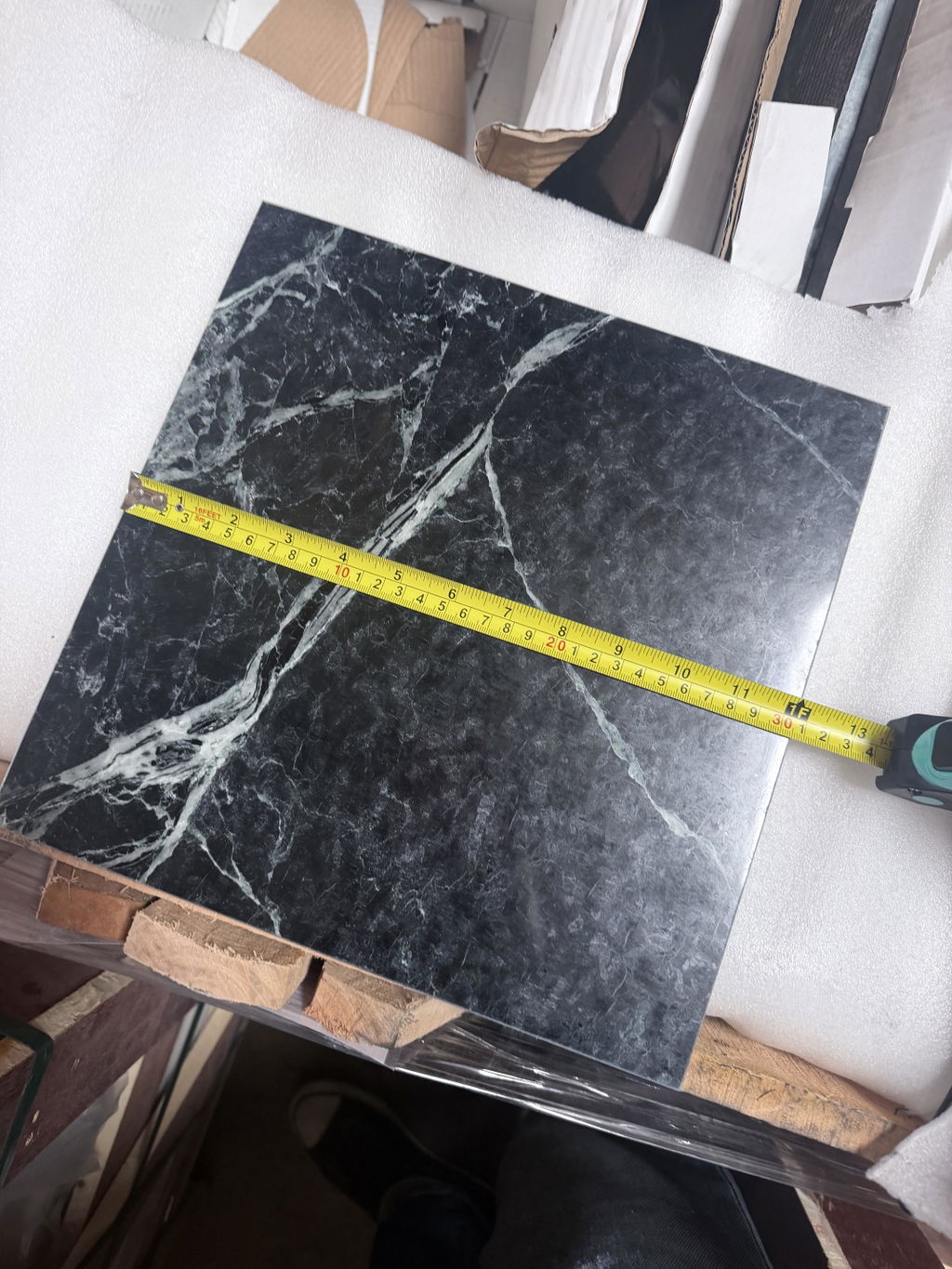
Look at more than one tile before deciding. A sample shows the material’s character, while several pieces give a better sense of how veining and color may vary across an installation. That extra look can help you choose a stone that feels graceful rather than overly busy in the room.
Travertine adds warm color and natural texture
Travertine brings a warm, natural feel, often with visible texture and variation. It is used for floors and walls and needs sealing; the finish and specific product details matter when deciding where it belongs. In a kitchen or living space, a warm travertine can soften crisp cabinetry and create a relaxed, grounded atmosphere.
For a real-world design scenario, imagine a sunlit entry with pale walls and a warm-toned floor: the stone’s texture can provide interest without relying on a strong color contrast. If you are comparing indoor and outdoor uses, check each product’s stated applications rather than assuming all travertine performs the same way.
Limestone offers a softer, understated look
Limestone has a softer, understated appearance and can bring a natural, gentle texture to a room. It is softer and more porous than some alternatives, so it may need more maintenance and is often best considered for lower-traffic or decorative areas. Its subtle character can be especially appealing when you want the room’s furnishings or architecture to remain the focus.
A muted limestone floor can pair well with natural wood and restrained colors, while a more varied selection may create a stronger focal point. Request samples and view them beside the finishes already in the room before making a final call.
Granite and quartzite suit projects that prioritize hardness
Granite is a hard, durable option that resists scratches and heat, which can make it suitable for countertops and busy areas. Quartzite is also described as very hard, with a look that can recall marble. The actual product details and intended use should guide the decision, since the stone name alone does not answer every installation question.
This comparison can help set expectations before you request samples:
| Stone | General character | Practical consideration |
|---|---|---|
| Marble | Elegant veining and varied colors | More prone to scratching and staining |
| Travertine | Warm tones and natural texture | Needs sealing |
| Limestone | Soft, understated appearance | More porous and higher maintenance |
| Granite | Hard and durable | Often considered for counters and busy areas |
Use the table as a starting point, not a substitute for product-specific guidance. Finish, location, installation, and daily care all affect how a stone will suit your home.
Select a color, pattern, and finish
Once you have narrowed the material, look at how its color and surface will behave in the room. Daylight, warm bulbs, cabinet colors, and nearby floors can all change the impression a sample makes. Natural variation is part of the appeal, but it is worth seeing enough pieces to understand the range before committing.
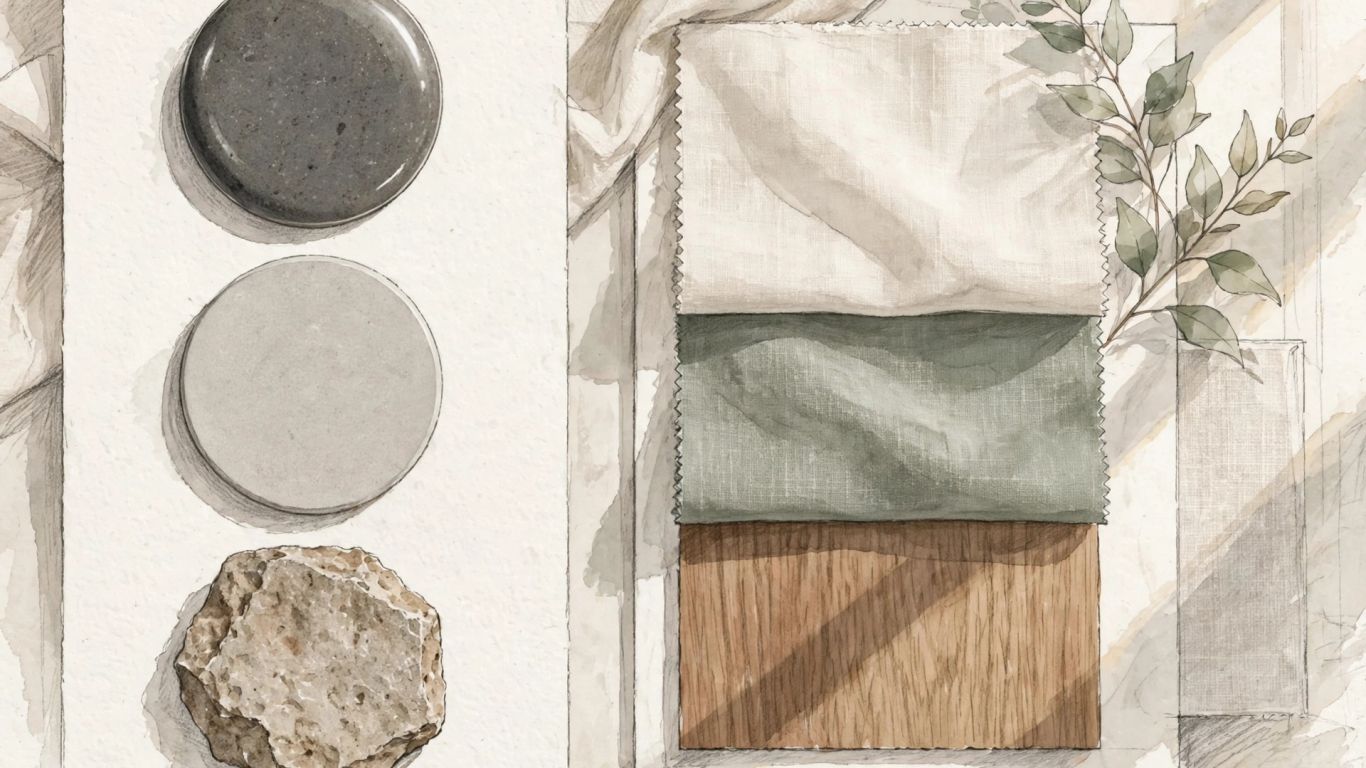
Coordinate stone tones with the room’s palette
Start with the fixed finishes that are unlikely to change soon: cabinetry, flooring, counters, and wall tile. Then decide whether you want the stone to blend quietly or provide contrast. A pale marble may keep a compact room feeling light, while warmer travertine tones can bring softness to a crisp palette.
Place samples in the intended room and look at them at different times of day. A stone that reads neutral in a showroom may appear warmer or cooler at home. A few minutes of comparison can save a great deal of second-guessing later.
Compare veining and variation across individual pieces
A single tile rarely tells the full story of a natural stone installation. Look across several pieces for the range of veining, color shifts, and texture, and consider how those differences will be distributed across the room. Some people prefer an even, quiet field; others want visible movement and contrast.
A useful way to picture the finished result is to lay several samples together in a loose arrangement. This helps reveal whether a pattern feels calm, lively, or too busy when repeated. It also sets more realistic expectations about natural variation.
Choose polished, honed, or tumbled finishes for the desired look
Polished stone has a smooth, reflective appearance; honed stone has a matte finish; and tumbled stone has an aged, softened look. Brushed and textured finishes offer other surface effects, so compare the feel as well as the appearance. In rooms where moisture is common, a textured or honed finish may be preferable for slip resistance.
The finish can change the character of the same stone considerably. A polished tile may feel formal and bright, while a honed version can look softer and more understated. Check the selected product’s specifications before ordering for a particular application.
Explore mosaics, moldings, and tile patterns for added detail
Mosaics, moldings, and patterned layouts can create a focal point or give an edge a more intentional finish. They work best when their scale and pattern support the room rather than compete with its other details. A small mosaic can bring interest to a niche or backsplash, while a simple field tile lets the stone itself take the lead.
If you are considering a patterned floor, sketch the layout and think through the cuts at edges and doorways. A dry layout before installation can help you see how the colors and patterns meet, and where a border or trim might make the finish feel complete.
Balance durability with maintenance
Every natural stone has its own porosity, hardness, and care needs. The best choice is not necessarily the stone that requires the least attention; it is the one whose care fits your routine and whose natural character you enjoy. Ask what sealing and cleaning the specific product calls for before you buy.
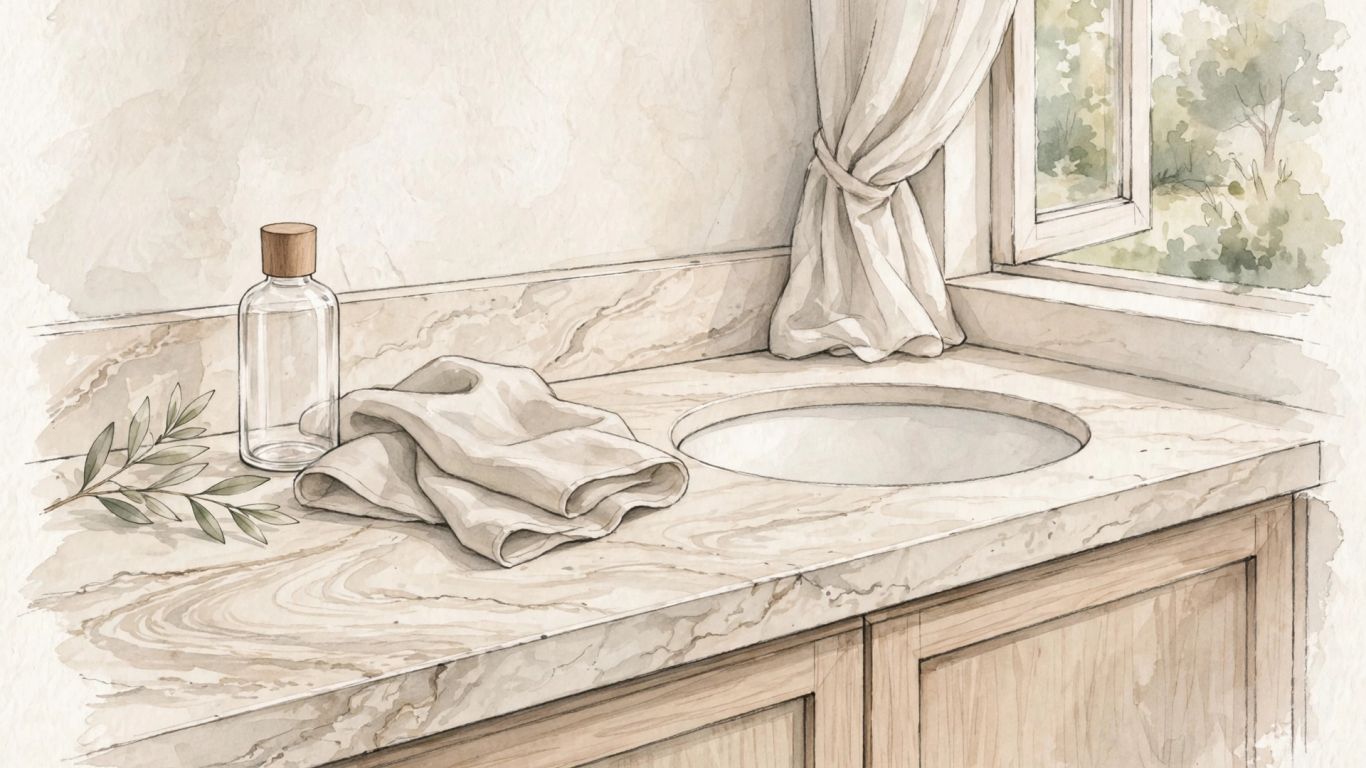
Understand how porosity affects staining and sealing
Porous stones can absorb spills more readily and may need sealing to help protect against stains and moisture. Marble and limestone are examples of stones that can stain more easily, while granite is generally less porous and easier to maintain. Sealing helps, but it does not make a stone immune to every spill or mark.
Before ordering, confirm whether the stone needs sealing and how often the care instructions recommend repeating it. That simple conversation can help you budget both time and materials for the life of the surface.
Protect stone with appropriate sealers and pH-neutral cleaners
Use a sealer suited to the stone and follow the manufacturer’s instructions for application and curing. For routine cleaning, a pH-neutral cleaner made for stone is a safer choice than acidic cleaners such as vinegar or lemon-based products. Wipe spills promptly, especially on surfaces used for food or personal care.
A steady, uncomplicated routine is usually easier to keep than an elaborate one. Confirm the care guidance for your particular stone and finish, then keep the appropriate cleaner close at hand. Small, regular habits help protect the surface without making it feel precious or difficult to live with.
Consider scratches, etching, and wear in daily-use areas
Hardness and resistance to scratching vary among stones, and marble is more prone to scratches than granite. Acidic substances can also affect some stones, so consider what regularly happens in the room before choosing a surface. A busy work area may call for a different material than a decorative wall or occasional-use table.
The goal is not to avoid every sign of use. It is to choose a stone whose likely wear feels acceptable to you. If a polished surface showing small changes would be frustrating, look at a finish and material that better suit your expectations.
Set realistic expectations for natural variation and patina
Natural stone is not a printed pattern, so color, veining, and texture can vary from piece to piece. That variation gives a room depth and individuality, but it also means the installed surface may not look exactly like a small sample. Inspect available pieces where possible and ask how the order will be selected and supplied.
Think about whether you want a surface to stay visually uniform or whether you welcome a more lived-in look over time. Either preference is reasonable; the important thing is knowing what to expect before the material is installed.
Plan your project budget and quantities
A realistic budget accounts for more than the price per tile. Installation, preparation, finishing details, cuts, and shipping can all affect the total. Compare complete project estimates where possible, and confirm what is included before making a decision.
Compare material costs across stone types and collections
Natural stone prices vary by material, collection, size, finish, and availability. Marble and granite can be higher-cost options, while limestone, slate, and travertine may fall into different price ranges depending on the specific product. Ask for current pricing rather than relying on a broad rule of thumb.
It can help to compare two or three options that meet the same practical needs. If a particular look is important, also ask whether another size or finish in that material could better suit your budget without changing the overall design direction.
Account for installation, preparation, and finishing costs
Installation cost depends on the project’s size and complexity, and the surface may need preparation before the stone is laid. Include grout, setting materials, sealing, trim, and any specialist finishing in your planning. For an unfamiliar project, ask an installer to review the scope before you commit to a material.
A stone purchase is one part of a larger renovation schedule. If the home also needs backup power planning, this home generator guide explains how to assess appliances, wattage, installation, and maintenance—separate from the stone work, but useful when organizing broader home projects.
Measure the space and allow for cuts and replacement pieces
Measure the area carefully and discuss the layout with your installer, including corners, thresholds, niches, and other details that require cuts. Ordering a small allowance for cuts and future repairs can be useful, but the amount depends on the pattern and the room. Confirm the quantity with the professional who will install the stone.
When a layout includes a repeating pattern, dry-laying pieces can help avoid awkward narrow cuts and show how natural color variation will distribute. Keep any remaining pieces in a safe place in case a repair is needed later.
Ask about samples, current stock, and bulk pricing
Samples let you check the color and texture in your own lighting before placing a larger order. Ask what is currently available, whether the full quantity can be supplied together, and whether pricing changes with order size. If a renovation includes multiple rooms, discuss the total quantity early so you can plan around stock and delivery.
For a broader project plan, coordinate the stone delivery with other trades and household logistics. If a move is also involved, this international moving guide covers comparing timelines, packing, shipping, and storage services; timing those separate plans can make a renovation easier to organize.
Find a stone supplier and prepare to order
A good order begins with clear product information and a realistic delivery plan. Review samples and specifications, ask questions about intended use, and make sure the quantity and finish match your design. Surfaces Galore is an Anaheim, California–based direct importer and nationwide supplier specializing in marble and travertine tiles, mosaics, and moldings.
Review product details and inspect samples in your lighting
Read the product details for size, finish, and recommended applications, then compare samples in the room where they will be installed. Daylight and interior lighting can shift the way a stone’s color appears, and individual pieces may vary. If the project relies on a particular visual effect, inspect several pieces rather than basing the decision on one tile.
This is also the moment to clarify practical questions with the supplier and installer. Check that the chosen finish, size, and intended application align before the material is ordered, rather than assuming that similar-looking products have identical specifications.
Confirm availability, lead times, and shipping arrangements
Ask whether the required quantity is currently available and confirm the expected timeline before scheduling installation. Delivery arrangements matter, especially when the project is outside the supplier’s local area. Make sure you understand how the order will be shipped and when it is expected to arrive.
Surfaces Galore serves customers across the United States with marble and travertine tiles, and its Anaheim location is a useful detail to consider when planning a cross-country order. For general information about the natural stone industry, the Natural Stone Institute’s resources offer a place to explore industry news and initiatives.
Check crating and delivery plans for cross-country orders
For a shipment traveling a long distance, confirm how the material will be packaged, delivered, and checked on arrival. Ask who to contact if there is a delivery issue and what steps to take when inspecting the order. Having a clear plan before the truck arrives makes it easier to respond if anything needs attention.
If delivery timing is especially important, build a little flexibility into the installation schedule. The stone should be on site and inspected before the installer is ready to begin, so a delay does not immediately disrupt the work.
Request a quote from a supplier such as Surfaces Galore in Anaheim, California
A useful quote request includes the stone name, size, finish, quantity, project location, and any questions about samples or delivery. Surfaces Galore offers marble and travertine tiles, mosaics, and moldings; provide the details of your project to check pricing and current availability. You can request a quote and compare the response with your project measurements and schedule.
Conclusion
The right stone is the one whose appearance suits your home and whose care, durability, and cost make sense for the way you live. Compare samples in place, check the details for your intended application, and plan the full order before installation begins. When you are ready to explore marble and travertine tiles, Surfaces Galore can help you review its offerings and plan a nationwide order.
Frequently Asked Questions
Which natural stone is best for a busy floor?
Granite is highly durable and resistant to scratches, while slate is durable and slip-resistant. The best choice depends on the room, finish, traffic, and care requirements of the particular product.
Is marble suitable for a kitchen?
Marble can be used in a kitchen, but it is more prone to scratching and staining than harder stones. Consider your cooking habits, maintenance preferences, and the product’s care guidance before choosing it for a heavily used surface.
Does natural stone need to be sealed?
Many natural stones are porous, and sealing helps protect against stains and moisture. Check the care instructions for the exact stone and follow the sealer manufacturer’s directions.
What is the difference between polished and honed stone?
Polished stone has a smooth, reflective surface, while honed stone has a matte appearance. The finish changes the look and feel of a room, so compare samples in the intended space.
How can I account for natural color variation?
Look at several pieces or samples and ask what range of variation to expect. A dry layout before installation can help you see how the pieces work together and distribute the pattern.
How much extra stone should I order?
The amount depends on the room’s measurements, the layout, and how many cuts are needed. Ask the installer to calculate the required quantity and discuss whether keeping extra pieces for future repairs makes sense.
What should I check before ordering stone?
Confirm the product’s size, finish, intended application, availability, quantity, lead time, and delivery plan. Inspect samples in your own lighting and make sure the installation schedule leaves time to receive and check the order.

Leave a comment