
Stone flooring guide: how to choose marble and travertine for your home

Key Takeaways
Natural stone brings its own color, texture, and variation to a room, so the best choice balances appearance with how the space is used. A little planning before you order helps the finished floor feel intentional and stay easier to care for.
- Marble offers expressive veining and a polished, formal look.
- Travertine brings warm tones and can work across indoor and outdoor areas when the product is suitable for the setting.
- Limestone has a quieter appearance, but its softer, more porous nature calls for thoughtful placement and care.
- Finish, tile size, grout, and layout all influence the room’s overall look and feel.
- Review samples, installation requirements, and maintenance guidance before purchasing.
Compare popular stone flooring materials
Marble, travertine, and limestone each have a distinct visual character, and that difference often matters as much as color. Consider how a room is used, how much maintenance feels reasonable, and whether you want the floor to be a focal point or a quieter backdrop. Natural stone varies from tile to tile, so a sample gives a better impression than a screen alone.
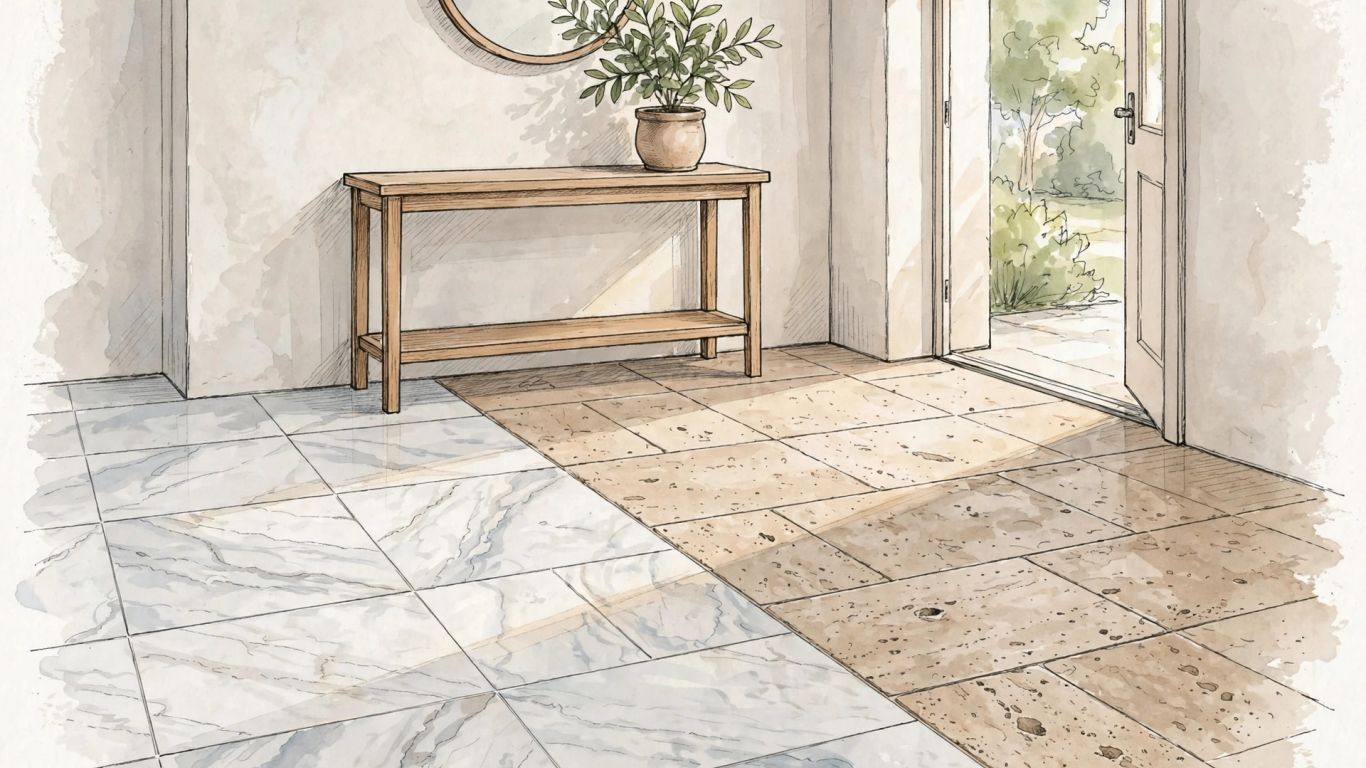
Marble for distinctive veining and formal interiors
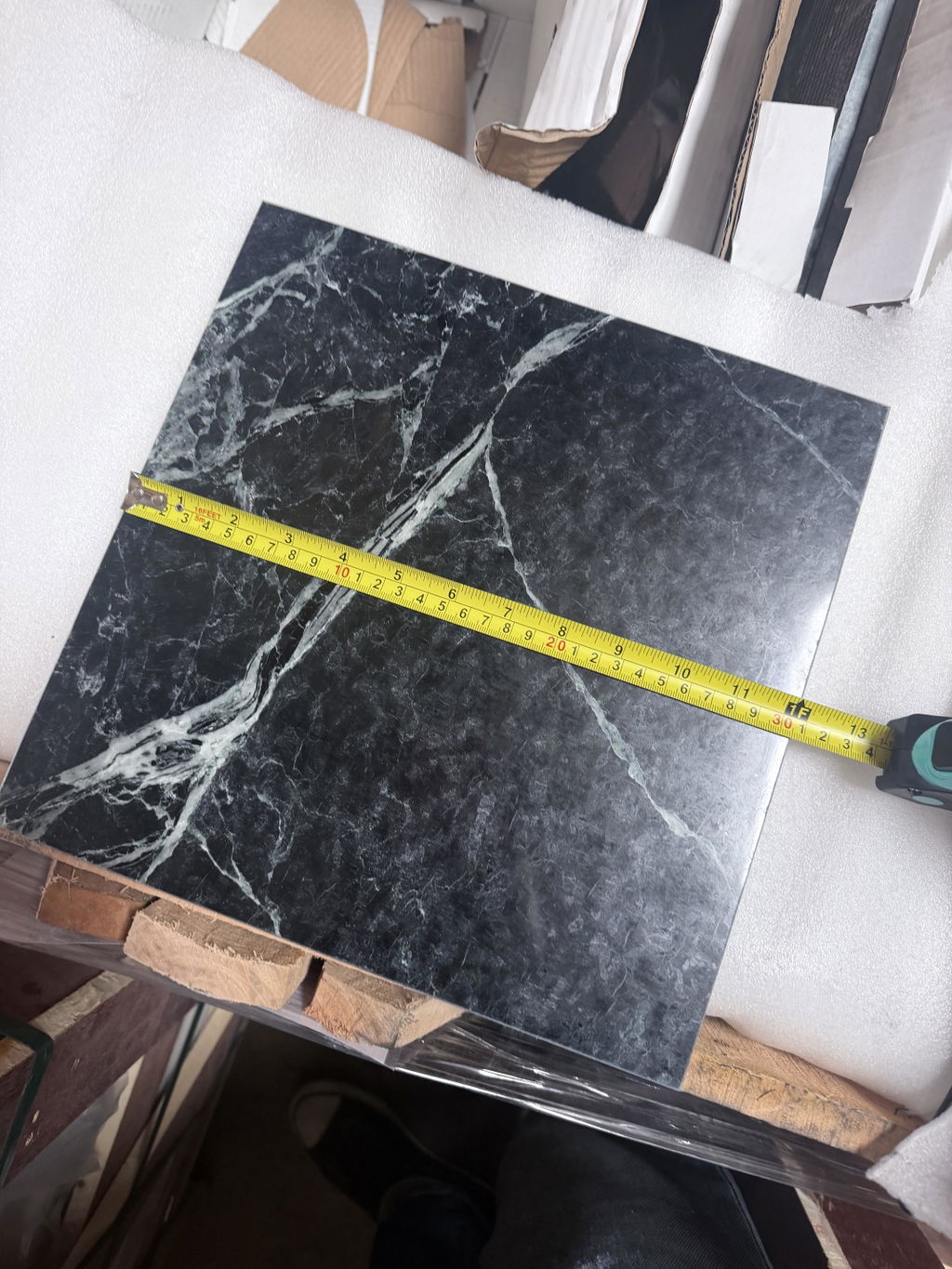
Marble’s veining can bring movement and a sense of occasion to an entry, living room, or bathroom. Carrara White, for instance, is known for a light field with gray veining; darker marble can create a more dramatic contrast. Marble is more prone to scratching and staining than harder stones, so think carefully about traffic and everyday habits before choosing it for a busy floor. For another reference point, explore natural stone flooring considerations while comparing appearance and care.
Travertine for warm tones and indoor-outdoor spaces
Travertine tends toward earthy, welcoming tones, from pale ivory to deeper browns. Its natural texture can feel at home in a relaxed interior, and appropriate travertine products are also used outdoors. Finish and surface details matter, especially where moisture or foot traffic is part of the picture. For example, La Travonya Travertine has warm tones and a brushed, chiseled finish; view a sample in your own light before committing to a larger area.
Limestone for a softer, understated appearance
Limestone often has a more subtle, even look than strongly veined marble, making it a good fit when you want the floor to support rather than dominate the room. It is softer and more porous, so it may need more maintenance and is generally better suited to lower-traffic areas. Color, texture, and finish still vary among products, so review the specific tile rather than relying on the stone name alone.
Match each stone’s characteristics to the room
A useful way to narrow the choices is to compare the visual effect with the room’s demands. These are broad tendencies, not guarantees about every tile; the particular stone, finish, and installation all matter.
| Stone | Typical visual character | Points to weigh |
|---|---|---|
| Marble | Distinctive veining, formal or dramatic | More prone to scratching and staining |
| Travertine | Warm, earthy tones and natural texture | Sealing and finish selection matter |
| Limestone | Soft, understated appearance | Softer and more porous; consider upkeep |
For a kitchen or entry, think about how often the floor will see grit, spills, or heavy use. In a bathroom, consider moisture and the surface finish as part of the full room plan. If radiant heat is part of your renovation, compare home heating options with the needs of the space and follow product and installation guidance for the stone.
Choose a style that suits your space
Once you have a stone in mind, decide what role the floor should play in the room. A quiet stone can let cabinetry, furniture, or artwork take the lead; a bold pattern can make the floor the feature. Natural variation is part of the appeal, but it is worth seeing several pieces together before settling on a layout.
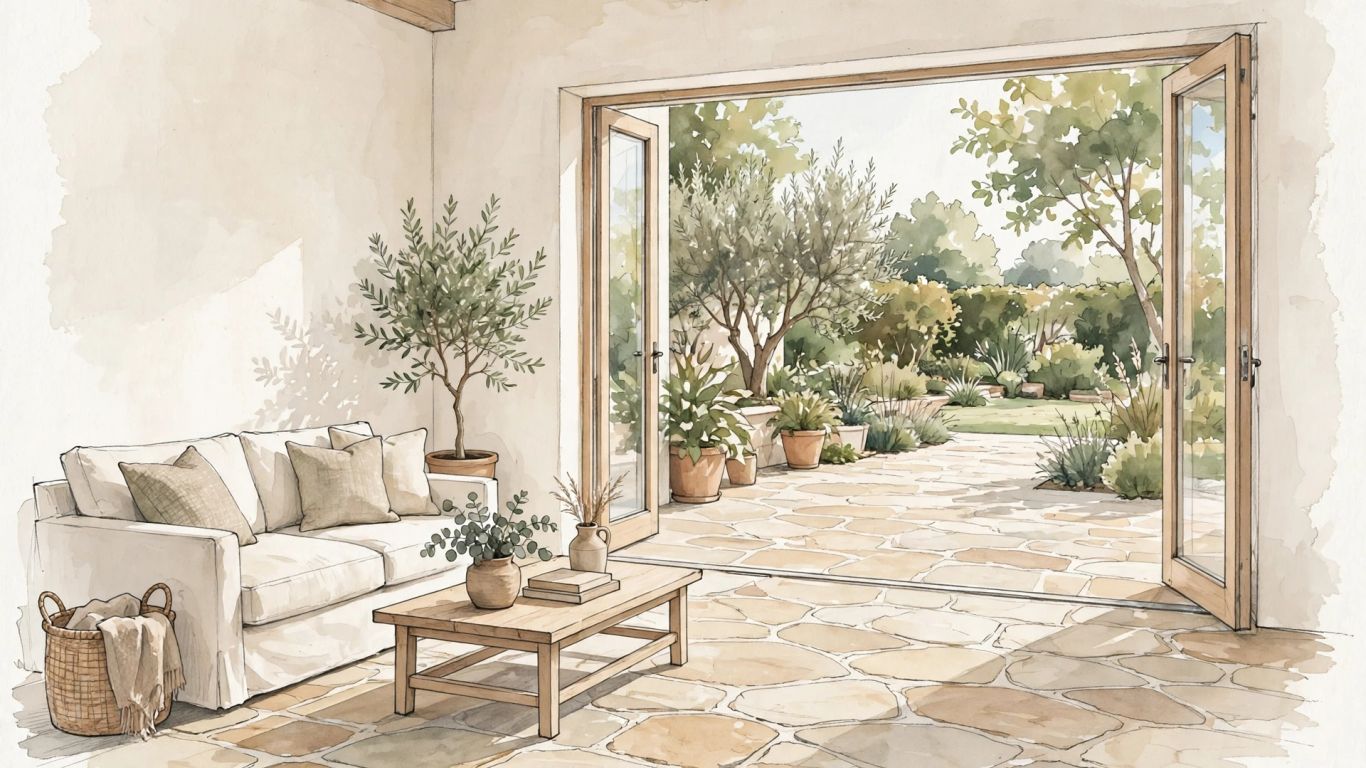
Use color and veining to shape the room’s look
Light stone can make a room feel airy, while darker colors create depth and contrast. Veining direction and scale also change the impression: fine, restrained lines tend to feel quieter than broad, high-contrast movement. If you are choosing a kitchen floor, consider how the stone will sit beside counters and wood details; a separate cutting board guide can help with the practical material choices on the work surface. Keep the floor’s color relationship in mind without trying to match every detail exactly.
Consider checkerboard and other patterned layouts
A checkerboard gives a room a clear rhythm, while mosaics and smaller formats can introduce more intricate detail. Pattern changes how a space reads, so test the layout in the room rather than judging it only from a small tile. A Carrara White Marble tumbled 4-by-4 tile, for instance, offers one option for a smaller-format design. Choose a pattern whose scale feels comfortable at the room’s actual dimensions.
Coordinate tile size, grout, and surrounding finishes
Tile size affects how much of the stone’s pattern you see and how frequently grout lines cross the floor. Grout color can either blend into the stone or outline each tile, so compare it with a sample before installation. In a bathroom renovation, coordinate the floor with bathroom backsplash materials, edge trim, and fixtures so the surfaces feel related without becoming too uniform. The finished palette should make sense from the doorway as well as up close.
Create continuity between indoor and outdoor areas
Using related colors or finishes inside and outside can make adjoining spaces feel connected, but the selected stone must suit its intended setting. Check product guidance for outdoor use and pay attention to traction and exposure to weather. Beside a patio, mature trees can affect shade and leaf debris; arranging tree pruning is a separate landscape consideration that may help keep the surrounding area manageable. Look at the transition in daylight before deciding whether the two areas should match closely or simply share a color family.
Select the right finish and format
The same stone can read very differently depending on its finish and size. A polished surface catches light, while a more textured finish feels less formal underfoot. Match the format to the room and the installation details, not just the image that first caught your eye.
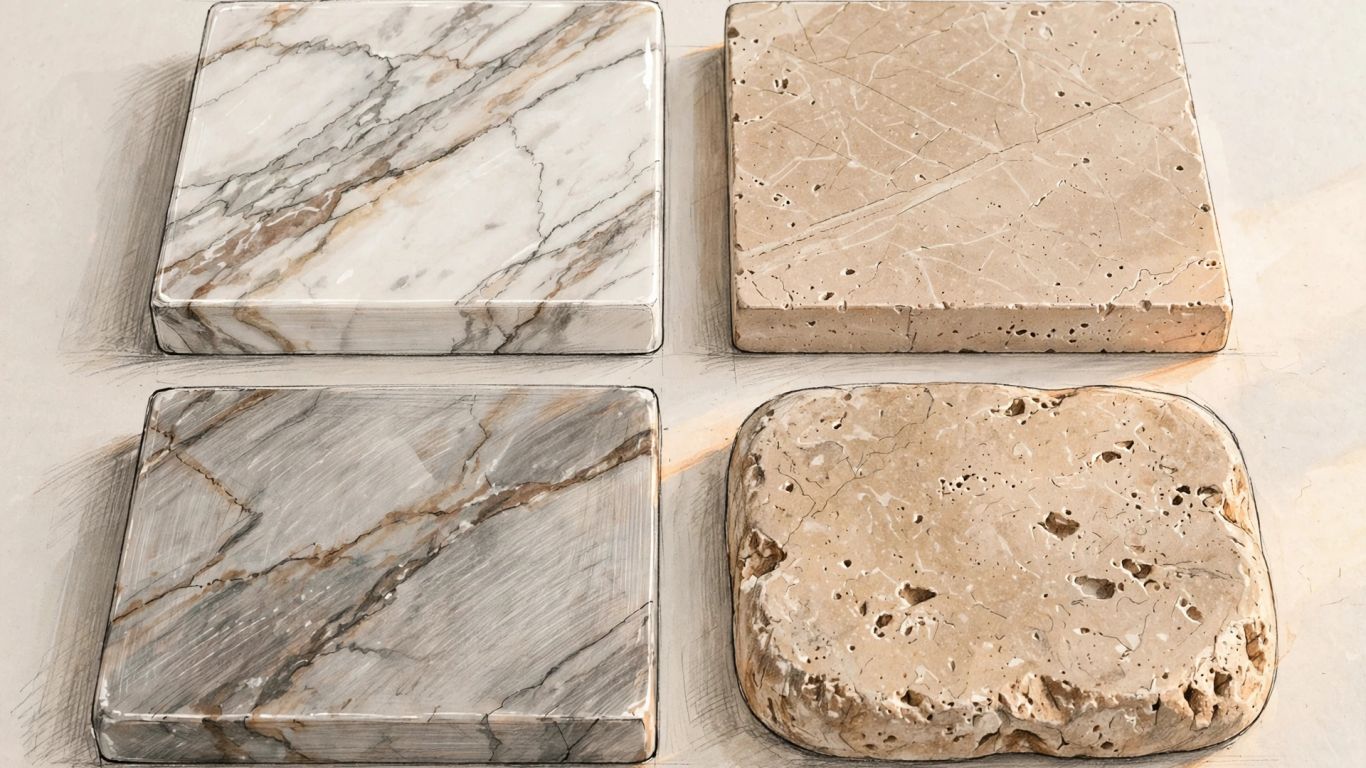
Compare polished, honed, brushed, and tumbled finishes
Polished stone has a smooth, reflective appearance; honed stone has a matte look. Brushed and tumbled finishes bring more surface texture and a more relaxed character. Travertine, for example, is offered in a variety of finishes, including honed, brushed, and tumbled. A filled-and-honed La Travonya tile offers a different look from a brushed, chiseled surface, even though both are travertine.
Weigh appearance against traction and upkeep
A finish should suit the way the room is used, especially where water may be present. Do not assume that appearance alone tells you how a surface will perform underfoot; ask for product-specific guidance and consider the intended application. More texture can change the way a floor feels and how it is cleaned, so include daily care in the decision. A finish that fits the room is more useful than choosing solely by trend.
Choose tile sizes and mosaics for the application
Large tiles create fewer grout lines and can give a room a calmer visual field, while small tiles and mosaics add detail. Smaller pieces may also help a pattern work around curves and tight areas, but the installation plan still matters. Compare the planned format with the room’s proportions, doorways, and transitions before ordering. Surfaces Galore offers marble and travertine tiles, mosaics, and moldings; its team can provide technical guidance on dimensions and installation.
Check edge details and natural variation
Natural stone tiles may vary in color and pattern, and individual pieces can have imperfections. Inspecting the material before installation helps identify cracks, chips, or excessive warping while there is still time to ask the supplier about a concern. Edges also affect how tiles meet at borders and transitions, so make sure the chosen detail suits the layout. A selection of Carrara White marble sizes can help illustrate how format changes the look of a familiar stone.
Plan your stone flooring purchase
A thoughtful order begins with the room, not the product photo. Measure carefully, check how much material is available, and ask what is needed to complete the installation. Samples can help you judge color and texture in your own home, where daylight and surrounding finishes will influence what you see.
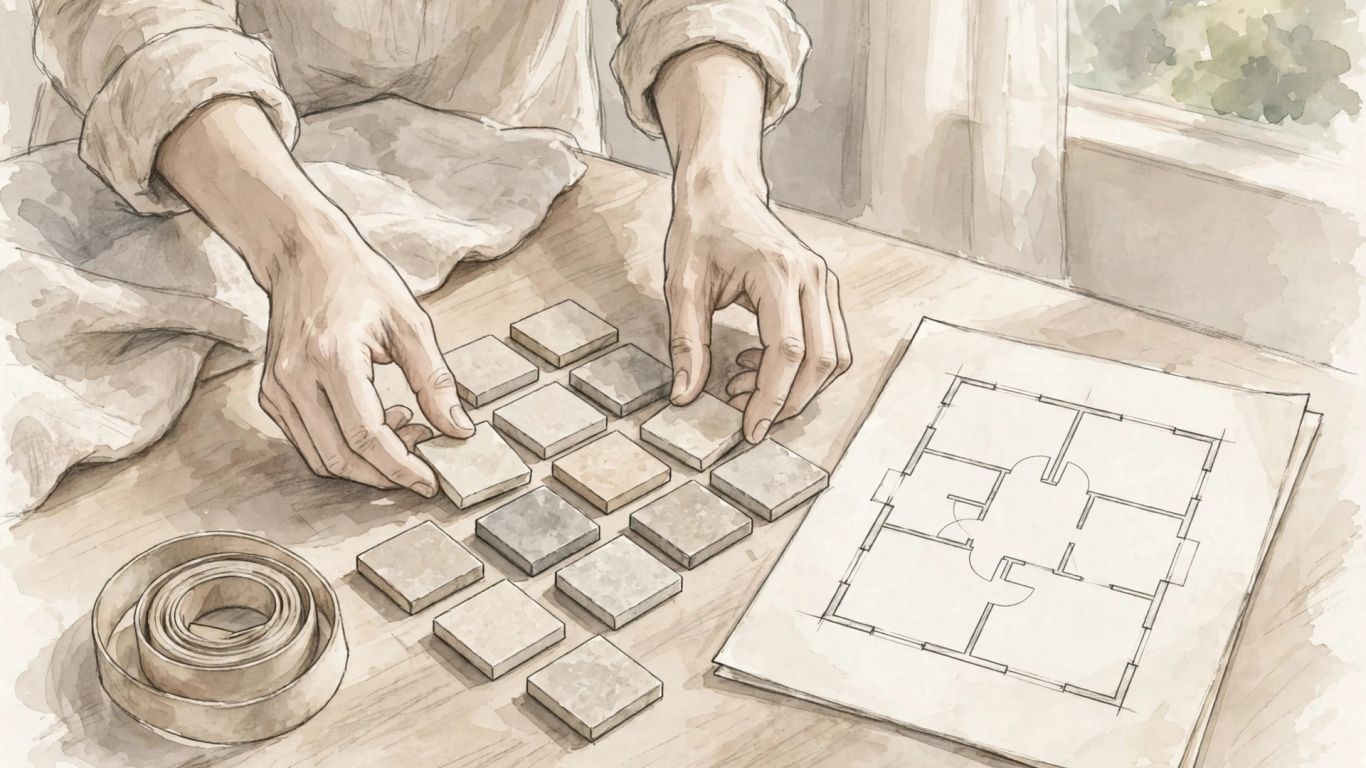
Measure the area and account for cuts and waste
Measure the floor’s length and width, then note alcoves, doorways, and other areas that affect the layout. The final quantity depends on the pattern and the number of cuts, so confirm the allowance with your installer or supplier rather than relying on a rough estimate. Natural variation is another reason to review the order quantity and keep a few spare tiles where practical. If the renovation involves moving materials across borders, international move planning offers a separate checklist for budgeting, packing, and shipping logistics.
Request samples to review color in your lighting
Place samples where the floor will go and look at them at different times of day. Compare each option with nearby paint, cabinetry, and furnishings, and check whether the finish looks too reflective or too textured for your preference. A sample cannot show every variation in a full order, but it can help rule out a color or surface that feels wrong in the space.
Confirm stock, lead times, and delivery requirements
Before placing an order, ask what is currently in stock, what the expected lead time is, and how delivery will work for your address. Confirm where the shipment can be received and whether the site is ready to store the material safely. Surfaces Galore is a direct importer and nationwide supplier of marble and travertine, with thousands of square feet in stock according to its product information. For a separate look at indoor stone flooring, compare the kinds of formats and finishes used across different spaces.
Compare pricing, bulk discounts, and supplier support
Price is only one part of the purchase; include delivery, the project quantity, and support with dimensions or installation questions when comparing options. Ask whether a bulk discount applies to your planned order and request a written quote that reflects the selected finish and format. If you are ready to compare available choices, browse stone tiles and check current stock before finalizing the specification. Clear answers now can make the ordering stage much smoother.
Prepare for a successful installation
Good preparation helps the stone’s natural character look deliberate once it is on the floor. Confirm the layout, inspect the pieces, and make sure the substrate and setting materials are appropriate for natural stone. Follow the guidance for the specific product and installation system rather than assuming every tile uses the same method.
Inspect tiles and blend pieces before setting
Check tiles for cracks, chips, excessive warping, and other defects before installation; setting a tile is often treated as acceptance of its condition. Because color and pattern vary naturally, draw pieces from different boxes and arrange them together to balance the overall appearance. Set aside any questionable tile and speak with the supplier before it is fixed in place. This small pause can prevent an avoidable surprise once the floor is laid.
Dry-lay the pattern and plan cuts
Arrange the tiles on the floor without adhesive to check the pattern, color distribution, and edge cuts. Dry-laying can reveal narrow slivers or awkward cuts that might otherwise be hard to live with. It also gives the installer a chance to confirm grout spacing and transitions before setting begins. If you are using a checkerboard or a multi-piece pattern, this step is especially useful for keeping the composition balanced.
Confirm the subfloor, setting materials, and grout
Natural stone needs a clean, stable, flat substrate, and the setting products should be rated for the selected stone. Ask the installer to check the floor condition and to verify compatibility among the substrate, mortar, grout, and stone. For light or translucent stone, product guidance may call for white thinset to reduce the chance of discoloration. Confirm the details with the product manufacturer and installer before work begins.
Follow product guidance for sealing and curing
Sealing and curing requirements vary by product and installation material, so follow the manufacturer’s instructions for application and timing. Allow grout and setting materials to cure as directed before sealing or using the floor. Keep the surface protected during the work and avoid introducing cleaners or moisture before the recommended point. If you want a visual overview of stone-floor planning and installation, this video search placeholder can help frame the questions to discuss with your installer.
A clear sequence matters more than rushing: prepare, set, grout, and seal according to the product guidance. When the project has unusual conditions or a complex pattern, ask a qualified installer to confirm the approach before materials are fixed in place.
Maintain stone flooring and protect its value
Natural stone rewards regular, gentle care. Dust and grit can affect the surface, and spills are easier to manage when dealt with promptly. Set a routine that suits the stone and the room, and check the product guidance rather than applying a one-size-fits-all cleaner or sealer.
Clean with a pH-neutral stone-safe product
Use a pH-neutral cleaner labeled as suitable for natural stone, along with a soft mop or cloth. Routine sweeping or dust mopping helps remove grit before it gets tracked around the room. Avoid abrasive pads unless the product instructions specifically allow them. Gentle, consistent cleaning is usually more useful than an occasional aggressive scrub.
Wipe spills promptly and avoid acidic cleaners
Wipe up spills as soon as possible, especially liquids that may stain or etch a stone surface. Avoid acidic household cleaners such as vinegar or lemon-based products, which can damage susceptible stones. Blot rather than spreading a spill across a larger area, then follow the recommended cleaning method for the stone. Keeping a suitable cleaner nearby makes a quick response easier.
Re-seal as recommended for the stone and room
Sealing needs depend on the stone, finish, and location, so follow the manufacturer’s recommendations rather than relying on a fixed schedule. A kitchen or entry may need different attention from a quiet bedroom. If water no longer beads as it once did, ask a stone-care professional or supplier whether resealing is appropriate. Proper application and cure time matter as much as choosing a compatible sealer.
Address chips, scratches, and grout issues early
Take note of changes in the surface and grout before they become harder to manage. Small chips or scratches may call for stone-specific repair, while loose or damaged grout should be assessed before moisture reaches areas it should not. Avoid trying an unfamiliar repair method on a visible spot without testing it first. For future maintenance, keep a few spare tiles and the original product details if you have room to store them safely.
Explore the collection
If you are planning a marble or travertine floor, Surfaces Galore can help you review available tile options and technical questions about dimensions and installation. View the stone collection, request a quote, and check current stock for your project.
Conclusion
Choosing stone flooring is a balance of character, room use, finish, and practical care. Compare samples in your own light, plan the layout and installation before ordering, and follow product-specific guidance so the natural beauty of marble, travertine, or limestone can feel at home for years to come.
Frequently Asked Questions
Is marble a good choice for a busy floor?
Marble can be used on floors, but it is more prone to scratching and staining than harder stones. Consider the room’s traffic and your comfort with regular care before choosing it for a busy area.
Is travertine suitable for outdoor flooring?
Some travertine products are intended for indoor and outdoor use, but suitability depends on the specific tile, finish, and conditions. Check the product guidance for the intended application before buying.
What is the difference between honed and polished stone?
Polished stone has a smooth, reflective appearance, while honed stone has a matte finish. The visual difference can affect how the floor relates to light and surrounding materials.
Does limestone need more maintenance than marble?
Limestone is softer and more porous, so it can require more maintenance. Care needs vary by product and location, so use the supplier’s recommendations for the stone you select.
How much extra tile should I order?
The amount depends on the room dimensions, the layout, and the number of cuts. Ask your installer or supplier to calculate a suitable allowance, and consider retaining spare tiles for future repairs.
Should I seal natural stone flooring?
Many natural stone installations require sealing, but the right product and timing depend on the stone and installation. Follow the tile, sealer, grout, and setting-material instructions.
How should I clean stone flooring?
Sweep or dust-mop regularly and use a pH-neutral cleaner labeled for natural stone. Wipe spills promptly and avoid acidic cleaners that can harm susceptible surfaces.

Leave a comment