
Noce travertine: a buyer’s guide to styles, uses, and selection

Key Takeaways
Noce travertine brings warm brown color and natural stone character to a range of projects. The best choice depends on the format, finish, layout, and care plan that suit your space.
- Noce travertine is known for warm brown tones, subtle veining, and natural variation.
- Tiles, slabs, mosaics, and bricks offer different ways to use the stone.
- Consider the room, moisture exposure, and maintenance needs before choosing an application.
- Finish, cut, grout, and layout all influence the final look.
- Check current product availability and plan quantities before placing an order.
What makes noce travertine distinctive
Noce travertine has a grounded, earthy look that can feel both relaxed and refined. Its color and texture come from natural stone, so pieces may vary rather than repeating a uniform printed pattern. That variation is part of the appeal, but it also makes viewing samples and planning the layout worthwhile.
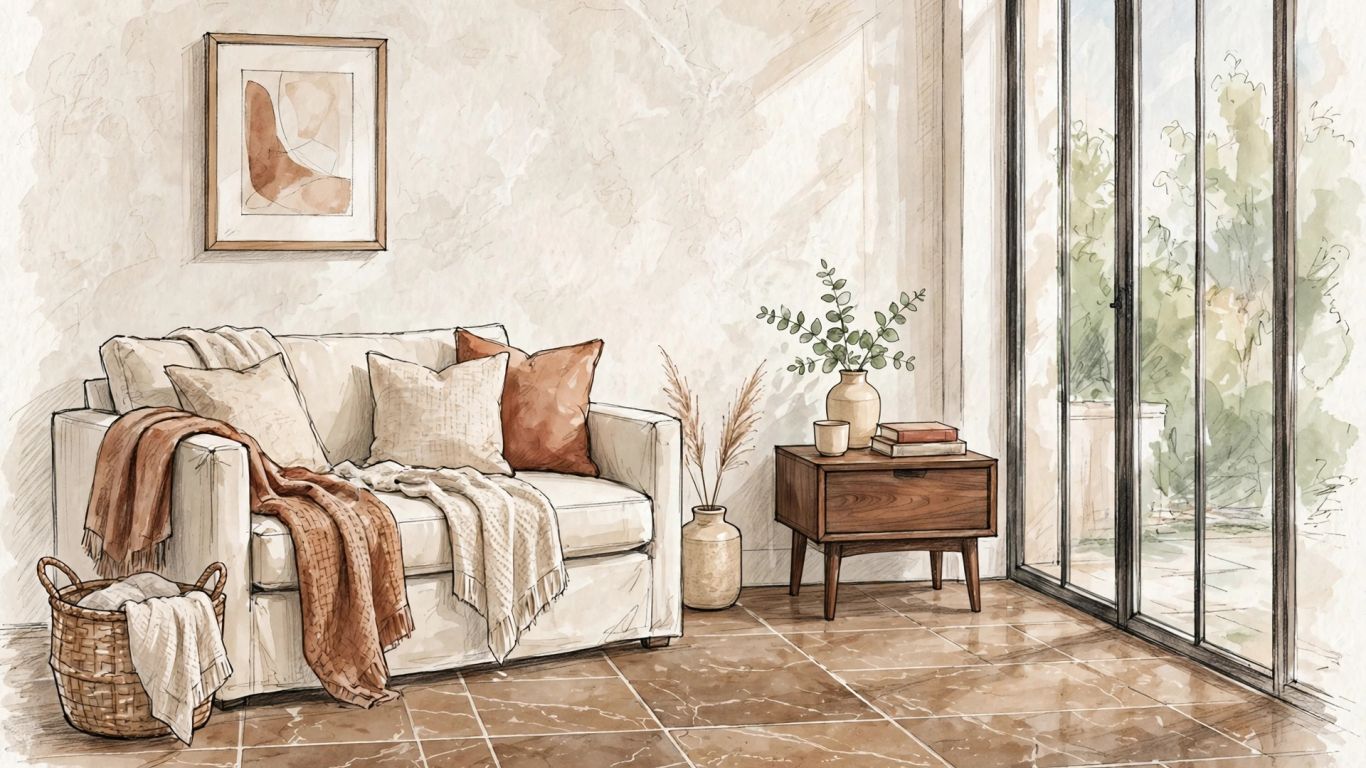
Warm brown tones and natural variation
The palette ranges across warm browns, with subtle veining that gives the surface depth. In a room with pale walls, the stone can create a rich contrast; paired with wood or warm metal details, it can make the overall scheme feel more cohesive. Since each piece is natural, compare samples in the room’s actual light before settling on a shade.
Veining, texture, and stone character
Travertine’s markings and surface character give it a tactile quality that smooth, highly uniform materials may not have. Noce’s brown background makes those shifts visible without requiring a dramatic pattern. Natural variation is part of the design, so consider how pieces look together across a larger area rather than judging one tile on its own.
How noce compares with ivory and walnut travertine
Color is a useful starting point when comparing these options: ivory travertine offers a softer, lighter background, while walnut travertine is also described in warm brown tones. Noce is another earthy brown choice, with its own mix of shade and veining. Use samples to compare the actual pieces, since natural stone character can vary.
| Travertine option | General visual impression | A useful design consideration |
|---|---|---|
| Noce | Warm brown with subtle veining | Adds an earthy anchor to the palette |
| Ivory | Soft, light background | Keeps a scheme feeling brighter |
| Walnut | Rich brown tones and texture | Works with other warm finishes |
Think of the table as a starting point, not a guarantee of a precise color match. Comparing actual samples side by side can help you choose a stone that feels right with cabinetry, paint, and lighting.
Noce travertine formats and product options
The format affects both the visual rhythm and the practical planning of a project. Noce travertine is offered in several product types, from field tile to decorative pieces, and the right choice depends on whether you are covering a broad surface or adding a focused accent. Review the dimensions and finish of each option before estimating quantities.
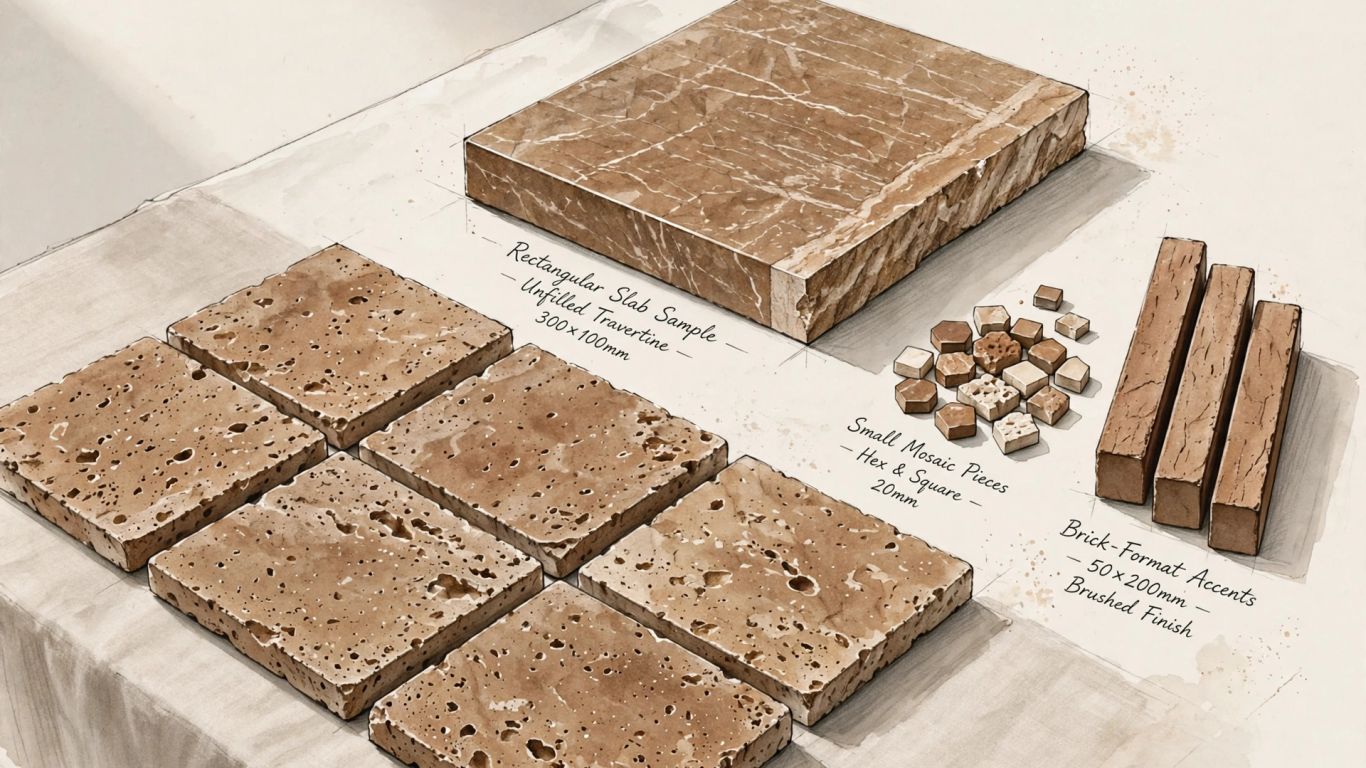
Tiles for floors, walls, and backsplashes
Tiles provide a straightforward way to carry the stone across a floor, wall, or backsplash. They come in various sizes and finishes, so the scale can be matched to the room and the intended pattern. To get a feel for how natural stone looks in a smaller format, compare a travertine tile sample before committing to a larger order.
Slabs for countertops and custom projects
Noce travertine slabs are described as an option for countertops, where a broad stone surface can create a more continuous visual impression than smaller units. A slab also calls for careful planning around dimensions, seams, edges, and the surrounding cabinetry. Confirm measurements and suitability with the fabricator before ordering material for a custom project.
Mosaics, bricks, and decorative accents
Mosaics and bricks create a finer pattern than larger tiles and can bring detail to a backsplash or accent area. They are useful when a design calls for a change in scale, a border, or a defined feature rather than stone across every surface. For a broader look at possible Noce travertine formats, consider how tile, mosaic, and trim might work together in the same room.
Where to use noce travertine
Noce travertine can suit a range of interior settings, from floors to decorative walls and countertops. The room’s use matters as much as its appearance: moisture, foot traffic, cleaning habits, and installation details all shape the decision. In outdoor spaces, check that the selected product and installation are appropriate for local conditions.
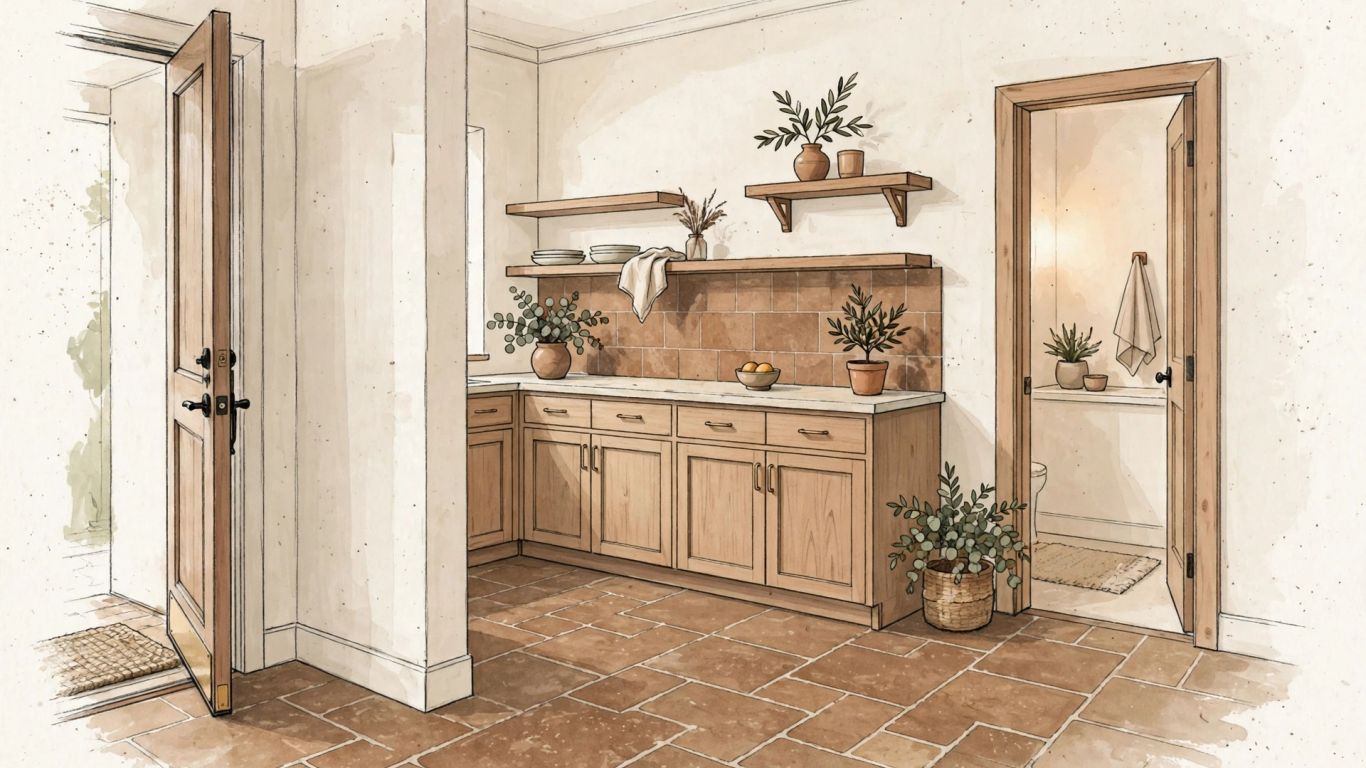
Flooring for living spaces and entryways
On a living-room floor or entry, the warm brown color can establish a welcoming base for furniture and textiles. Before choosing a finish and pattern, consider how much traffic the area receives and how the stone will meet adjacent flooring. A practical project scenario is a modest entry with a simple layout, where a sample helps establish whether the color feels balanced beside the home’s existing woodwork.
Kitchen backsplashes and feature walls
A backsplash is a relatively contained place to use natural stone, while a feature wall lets its texture and veining take a larger role. The surrounding cabinets and counters can either echo the warm tones or provide a lighter contrast. For prep-area planning, cutting boards are one of the practical kitchen details to consider alongside the counter and backsplash; a Dutch oven may also inform how you arrange storage and cooking zones.
Bathroom walls and shower floors
Travertine mosaics are described as suitable for shower floors and accent areas, while tiles can be used on bathroom walls. Wet locations need particular attention to the selected product, installation, and care instructions; do not assume every format is suitable for every shower condition. If you are weighing vanity-area finishes, this guide to bathroom backsplash materials offers another way to think through height, edges, and tile patterns.
Patios and other outdoor spaces
Travertine is used in outdoor applications, but the choice should be based on product specifications and the local climate rather than appearance alone. Ask about suitability for the intended exposure and follow installation guidance for the site. If a patio is part of a broader garden plan, Dansk Træpleje covers tree and shrub pruning in its service area; keeping nearby planting in mind can help shape the outdoor layout.
Choosing a finish, cut, and layout
The same stone can read quite differently depending on surface finish, cut, and arrangement. A smooth finish may feel more restrained, while a textured option can bring a more rustic character. Gather samples and look at them under the light conditions where they will be installed.
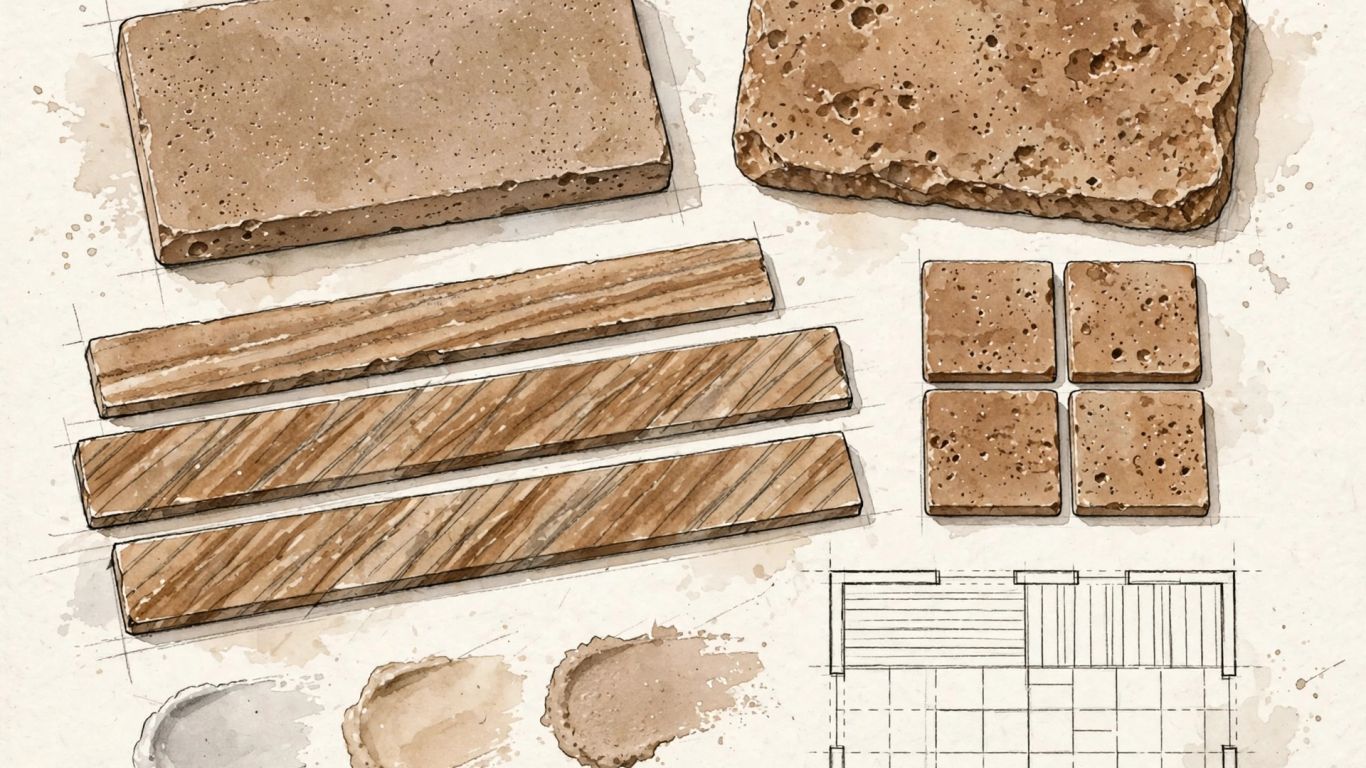
Honed, tumbled, and other finish considerations
Honed and filled travertine has a smoother appearance, while tumbled finishes offer a more textured, softened look. Travertine tiles are also available in finishes such as polished, brushed, chiseled, and tumbled, though specific options depend on the product. Consider the room’s use and cleaning routine as well as the visual effect, and confirm the exact finish currently offered for the item you are considering.
Vein-cut patterns and directional design
A vein-cut surface can bring linear movement to a wall or floor, giving the layout a more directional feel. Decide whether those lines should run along the length of a room, across it, or toward a focal point. A quick sketch or dry layout can help reveal whether the pattern supports the space rather than competing with it.
Tile sizes, patterns, and grout choices
Tile scale and grout color affect how continuous or patterned a surface appears. A few basic choices can help organize the decision before you order:
- Use larger tiles when you want fewer grout lines across a broad area.
- Consider smaller tiles or mosaics for compact features and more detailed layouts.
- Test grout samples beside the stone instead of relying on color names alone.
- Plan transitions and edge details where the tile meets another material.
These are starting points rather than fixed rules. A sample layout can help you see how the stone, grout, and room proportions work together before installation begins.
Planning for installation and long-term care
Natural stone rewards careful planning before the first tile is set. Confirm measurements, substrate condition, material quantity, and product-specific installation guidance with the professionals responsible for the work. Surfaces Galore provides an overview of choosing and installing natural stone, but selection and installation decisions remain the customer’s responsibility.
Surface preparation and professional installation
A sound, appropriately prepared surface is central to a successful installation. Discuss substrate requirements, layout, cuts, and transitions with a qualified installer, and make sure the selected stone is suitable for its intended location. Since natural stone varies, inspect the pieces and agree on the layout approach before setting begins.
Sealing and routine cleaning
Sealing requirements depend on the stone product and its application, so follow the manufacturer’s instructions and ask the installer which products are appropriate. For routine care, use a cleaner formulated for natural stone and follow its directions rather than reaching for an unverified household product. Keep written care guidance available for everyone who maintains the surface.
Protecting natural stone from stains and wear
Simple habits can reduce avoidable wear: clean spills promptly, use protective pads under objects that may scratch, and avoid harsh products unless they are specifically approved for the stone. Review sealing intervals and maintenance needs for the chosen finish. For an unrelated but useful planning reference when a renovation involves a move, overseas move planning covers timelines, shipping, and packing considerations.
Buying noce travertine from Surfaces Galore
A good purchase starts with confirming that the selected format, finish, and quantity fit the project. Product availability can change, so review the current options before finalizing plans. Surfaces Galore is an Anaheim-based direct importer and nationwide supplier of natural stone, and its Noce Travertine range includes tiles, slabs, mosaics, and bricks.
Checking current tile, slab, and mosaic availability
Check the current product listings for the format and finish you need, and confirm details before ordering. Samples can help you judge color and texture in the project space, while product dimensions help establish whether the format suits the layout. Surfaces Galore serves customers across the United States, with nationwide shipping available; ask about the current item and delivery arrangements for your location.
Comparing quantities and requesting a project quote
Estimate the area carefully and discuss cuts, layout, and any extra material with your installer before ordering. When requesting a quote, include the product, intended finish, measurements, quantity, and delivery location so the project can be assessed clearly. For a separate home-project example, planning an overseas move may mean coordinating dates and deliveries; this is only a general consideration, not a stone-buying requirement.
Nationwide shipping, bulk discounts, and customer support
Surfaces Galore serves customers nationwide and offers bulk discounts, according to the company’s information. Confirm the terms that apply to your order, along with shipping timing and product availability, before you commit. To review current options or discuss your project, browse the collection and request a quote from the team.
Conclusion
Noce travertine’s warm brown color and natural variation make it a distinctive choice for floors, walls, backsplashes, and other projects. Compare samples, choose a suitable format and finish, and plan installation and care around the specific space so the stone feels considered from the first design decision through everyday use.
Frequently Asked Questions
What color is noce travertine?
Noce travertine is known for warm brown tones with natural variation and subtle veining. Individual pieces can differ, so samples are useful when coordinating a project palette.
Does noce travertine have a uniform appearance?
No. It is natural stone, so color, veining, and texture can vary from piece to piece. Review several pieces when planning a larger installation.
What formats are available in noce travertine?
Common product types include tiles, slabs, mosaics, and bricks. Exact sizes and finishes depend on current product availability.
Can noce travertine be used in a bathroom?
Travertine products may be used in bathroom applications, including walls and shower-floor mosaics, but confirm that the specific product and installation are suitable for the intended conditions.
What is the difference between honed and tumbled travertine?
Honed finishes generally have a smoother appearance, while tumbling creates a more textured, softened character. The exact look can vary by product.
Does travertine need to be sealed?
Sealing guidance depends on the particular stone, finish, and application. Follow product-specific directions and consult the installer about appropriate care.
How should I clean noce travertine?
Use a cleaner intended for natural stone and follow its label directions. Avoid unverified harsh products, and follow any care instructions provided for the specific installation.

Leave a comment