
How to Pick Floor Tiles for Kitchens and Bathrooms

Choosing the perfect tile for your Southern California kitchen or bathroom goes beyond finding a style you love. Each space has unique daily demands, from steamy showers to spills from family gatherings. Understanding the importance of room assessment and thoughtful tile selection means your investment will last longer, look stunning, and protect your budget. This guide breaks down proven steps for aligning premium natural stone with your personal style and the realities of everyday living.
Table of Contents
- Step 1: Assess Your Room and Tile Needs
- Step 2: Evaluate Traffic Levels and Durability
- Step 3: Set Your Budget and Define Style
- Step 4: Select Recommended Picks from Our Inventory
- Step 5: Verify Your Tile Choice Fits Your Space
Quick Summary
| Key Point | Explanation |
|---|---|
| 1. Assess your room’s needs first | Understand moisture levels, traffic patterns, and sunlight to choose suitable tiles for your kitchen or bathroom. |
| 2. Evaluate traffic levels for durability | Match tile durability to your space’s usage patterns to avoid quick deterioration. |
| 3. Set a realistic budget early | Establish your budget, including all costs, to prevent overspending and focus on quality materials. |
| 4. Select tiles based on specific criteria | Choose tiles by matching material types to your room’s requirements for safety and aesthetics. |
| 5. Verify compatibility before ordering | Double-check dimensions and performance requirements against your space to avoid installation issues. |
Step 1: Assess Your Room and Tile Needs
Before you shop for tiles, take time to understand what your specific space actually demands. Your kitchen or bathroom has unique characteristics that will determine which tiles work best. This step helps you avoid expensive mistakes and ensures you choose materials that will perform well for years to come.
Start by examining your room’s current condition. Walk through your space and note the moisture levels, traffic patterns, and how much sunlight streams in throughout the day. Bathrooms typically experience high humidity and water exposure, especially near showers and tubs, while kitchens face foot traffic, spills, and the occasional wet mop. Think about who uses the space most often. A family with children running through the kitchen will need more durable, slip-resistant flooring than a quiet master bath. Next, check your existing substrate or base material. The stability and condition of what’s underneath your tiles matters tremendously for installation success. According to kitchen planning guidelines, assessing room layout, user needs, and accessibility helps define tile requirements based on functional and aesthetic goals. Uneven subfloors, moisture problems, or unstable backing materials will complicate installation and compromise your results.
Dimensions also play a critical role in your selection process. Measure your room carefully and consider how tile layout will flow across your space. The relationship between tile sizing and room dimensions affects visual balance and installation efficiency. Larger tiles create a more spacious feel in compact bathrooms, while smaller formats work well in kitchens with varied cabinetry and appliances. Document your room measurements, identify wet areas that need waterproofing, and note any areas with high foot traffic or potential damage. Understanding substrate and installation requirements ensures your new tiles will be installed correctly and last for decades. Think about your budget too. Natural stone tiles vary considerably in price based on material, origin, and finish. Premium marble differs from affordable travertine, and this early assessment helps you allocate your budget wisely.
Pro tip: Take photos and measurements of your room, note moisture exposure areas, and list your top three style preferences before shopping. This simple preparation saves time and prevents impulse purchases that won’t suit your space or budget.
Here’s a quick comparison of natural stone tile types commonly used in kitchens and bathrooms:
| Tile Type | Surface Finish Options | Best Room Applications | Maintenance Requirements |
|---|---|---|---|
| Marble | Polished, Honed | Bathrooms, accent walls | Needs sealing, stain-prone |
| Travertine | Honed, Brushed | Kitchens, bathrooms, halls | Periodic sealing, less staining |
| Granite | Polished, Flamed | High-traffic kitchens | Minimal, very durable |
| Limestone | Honed, Brushed | Low-traffic bathrooms, foyers | Regular sealing, porous |
Step 2: Evaluate Traffic Levels and Durability
Not all tiles perform equally under foot traffic. Understanding how much wear your kitchen or bathroom will endure helps you select materials that won’t show damage, staining, or deterioration within a few years. This step focuses on matching tile durability to your actual usage patterns.
Consider your household’s daily activity. A busy kitchen where multiple people cook and children run around demands tougher tiles than a guest bathroom used occasionally. Kitchens near Southern California’s modern homes often see constant activity, especially in open floor plans where cooking flows into living spaces. High traffic areas need tiles resistant to scratching, chipping, and moisture damage. Bathrooms with young children or aging parents who shower daily require different durability standards than master baths. Think about spills too. Wine, oil, and acidic foods will test your tiles’ resilience. Some natural stone materials handle these better than others. Marble, for instance, stains more easily than travertine, which has a naturally porous surface that can be sealed for better protection. Understanding quality factors like bending resistance and scratching durability helps you predict how specific tiles will perform in your space. This knowledge prevents costly replacements when delicate finishes deteriorate faster than expected.

Your floor’s structural integrity matters just as much as the tiles themselves. Floor flatness and levelness assessments help predict how tiles will perform under foot traffic over time. An uneven subfloor causes tiles to flex and crack under weight, especially in high traffic zones. Before selecting tiles, have your existing floor evaluated or ensure any new subfloor is installed to proper standards. Natural stone tiles in kitchens can handle significant traffic when properly installed on stable bases. Travertine works beautifully in both kitchens and bathrooms because its inherent properties resist daily wear. Marble requires more careful sealing and maintenance in kitchens but performs excellently in low traffic bathrooms. Budget also connects to durability. Higher quality natural stone materials from trusted sources like Surfaces Galore last longer and resist damage better than lower grade options. Investing more upfront in durable materials means fewer repairs and replacements down the road.
Pro tip: Rate your traffic level as light, moderate, or heavy, then choose natural stone grades and finishes that match that level. Travertine handles heavy kitchen traffic beautifully, while honed marble suits peaceful bathrooms perfectly.
Step 3: Set Your Budget and Define Style
Your budget and design preferences work together to narrow down your tile options significantly. Knowing how much you can spend and what visual direction excites you prevents wasted time browsing unsuitable choices. This step clarifies both your financial boundaries and aesthetic vision.
Start by establishing a realistic budget for your entire tile project. Include not just the tiles themselves but also installation labor, adhesives, grout, and sealing materials. Natural stone tiles range dramatically in price depending on origin, rarity, and finish. Marble from Italy costs more than travertine from Turkey, and a polished finish requires different treatment than a honed surface. Southern California homeowners often budget between three thousand and eight thousand dollars for kitchen tile floors, depending on square footage and material choices. Bathrooms typically run lower because the spaces are smaller. Before you shop, determine whether you’re willing to invest premium dollars for rare marble or prefer the value proposition of quality travertine. According to flooring buying guides that align style with budget constraints, understanding your financial plan helps you make choices you won’t regret. Once you know your budget ceiling, you can shop confidently without overspending or compromising on quality.
Now define your style direction. Are you drawn to minimalistic, clean aesthetics, or do you prefer warm, textured surfaces? Do you want your tiles to blend seamlessly with existing cabinetry and appliances, or create a bold design focal point? Natural stone offers versatility. Honed travertine suits rustic and Mediterranean looks beautifully. Polished marble works in contemporary and transitional spaces. The 2024 kitchen trends emphasize natural and sustainable design elements that pair wonderfully with authentic natural stone. Look at design inspiration online or in magazines. Save images that resonate with you, then examine the tile choices in those photos. Notice colors, sizes, finishes, and how tiles interact with grout lines and surrounding materials. Your style direction might shift as you see more options, and that’s perfectly fine. The goal is clarity about what you love before making final selections. By combining a defined budget with a clear style direction, you’re ready to evaluate specific tile options that fit both your vision and financial reality.
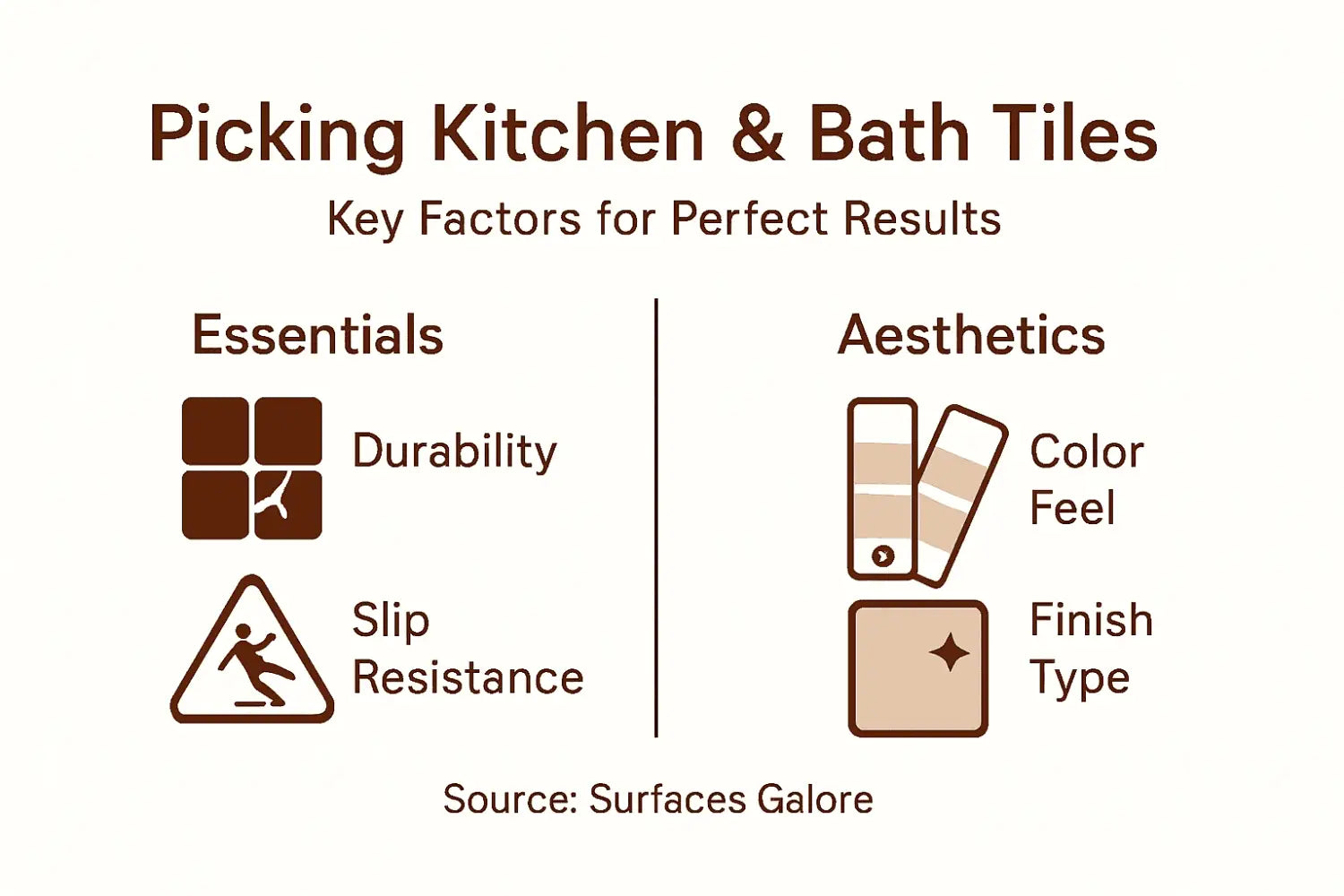
Pro tip: Create a mood board with inspiration photos, list three adjectives describing your ideal look, and set your total budget in writing before browsing tile selections. This preparation keeps you focused and prevents expensive impulse decisions that don’t match your vision.
Step 4: Select Recommended Picks from Our Inventory
With your room assessed, traffic patterns evaluated, budget set, and style direction clear, you’re ready to explore actual tile options. This step guides you through selecting specific products that match your requirements from a curated inventory of quality natural stone tiles. The right selection balances your practical needs with aesthetic desires.
Start by browsing tiles that align with your room type and traffic level. Kitchen tiles need different qualities than bathroom tiles. Kitchens demand slip-resistant surfaces that handle spills and stains without absorbing liquids. Bathrooms prioritize water resistance, moisture management, and slip safety in wet conditions. According to tile recommendations balancing durability and aesthetics, successful selections account for slip-resistance, durability, and maintenance requirements specific to each space. For kitchens with high activity, travertine offers natural slip resistance and beautiful warm tones that work in most design schemes. Honed finishes provide better traction than polished options. For bathrooms, consider how tiles will look when wet and whether they’re truly slip-safe. Marble in bathrooms works beautifully because it’s less exposed to spills and staining risks than in kitchens. Review each product’s specifications carefully. Check the finish type, size dimensions, color consistency, and maintenance requirements. Look at close-up photos and if possible, request samples to see how colors appear in your actual lighting. Natural stone varies slightly between pieces, adding character but requiring attention during selection.
Next, compare options against your budget and style preferences. Flooring recommendations from industry sources emphasize evaluating price alongside durability and aesthetic fit. Don’t automatically choose the cheapest option. Lower prices sometimes reflect lower quality that won’t withstand traffic or moisture as effectively. Instead, find the best value within your budget range. Premium marble might exceed your budget, but quality travertine delivers beauty and durability at better value. Look for tiles that genuinely excite you visually. Run your selections against your mood board and style adjectives. Do they create the look you imagined? Do colors complement your kitchen or bathroom lighting? Trust your instincts about whether options feel right for your space. Once you’ve narrowed to a few finalists, examine them side by side. Many natural stone retailers, including Surfaces Galore, offer sample programs so you can see products in your actual space before committing to full orders. This final comparison step prevents regrettable purchases.
Pro tip: Always request samples of your top three choices and install them temporarily in your actual room lighting and alongside your cabinetry or fixtures. This real-world preview prevents expensive mistakes that online shopping alone cannot catch.
Step 5: Verify Your Tile Choice Fits Your Space
Before committing to a full order, verify that your selected tiles will actually work in your specific space. This step involves checking dimensions, layout implications, and practical compatibility with your room’s existing features. Taking time now prevents expensive ordering mistakes and installation problems later.
Start by confirming your tile dimensions against your room measurements and layout vision. Tile sizes dramatically affect how spaces feel and how much cutting and waste occurs during installation. A 12x24 tile creates different visual flow than a 6x6 option. Standard tile specifications for kitchens and bathrooms outline dimensions and physical properties that ensure tiles fit your intended space correctly. Measure your room carefully and sketch a rough layout showing how tiles will run. Consider where full tiles fall and where you’ll need partial pieces. Rooms with islands, cabinets, or plumbing fixtures create more complex layouts that require careful planning. A professional installer can help optimize layouts to minimize cuts and waste, but understanding the basics yourself prevents surprises. Check whether your chosen tile size works with doorways, appliances, and architectural features. Some tile sizes work beautifully in open floor plans while others suit smaller, enclosed bathrooms better. Picture how grout lines will interact with cabinet edges and how tile transitions will look between rooms.
Next, verify that your tiles meet performance standards for their intended location. Installation specifications in the TCNA Handbook outline tile suitability for specific environments and ensure proper installation practices. Kitchen tiles need appropriate slip resistance, and bathroom tiles require adequate water absorption ratings for wet areas. Natural stone tiles vary in porosity and water resistance. Marble typically absorbs more water than travertine, making it less ideal for shower floors but acceptable in bathrooms away from direct water spray. Confirm that finish types work for your application. Polished marble looks elegant but becomes slippery when wet. Honed finishes offer better traction. Ask your supplier about water absorption ratings and slip-resistance values for your specific selections. Test your samples in actual conditions. Place them on your bathroom floor and splash water to see how they perform. Keep kitchen samples near your stove and sink to observe how they handle spills and staining. If you notice any concerns during real-world testing, address them now rather than after installation. This verification process takes extra time but prevents costly corrections and ensures your investment performs exactly as you envision.
Pro tip: Ask your tile supplier for detailed specifications including water absorption percentage and slip-resistance ratings, then cross-reference these against TCNA guidelines for your specific room application before finalizing purchases.
To help you further, here is a summary of tile selection factors and their typical impact:
| Factor | Why It Matters | Example Decision Impact |
|---|---|---|
| Room Size | Affects tile size choice | Large tiles make small rooms airy |
| Foot Traffic | Drives durability needs | Heavy traffic needs tougher stone |
| Moisture Levels | Influences slip safety | High moisture needs honed surfaces |
| Budget | Narrows material options | Travertine offers good value |
| Lighting | Alters color appearance | Test samples in actual lighting |
Discover the Perfect Natural Stone Tiles for Your Kitchen and Bathroom
Choosing the right floor tiles for kitchens and bathrooms can feel overwhelming when considering moisture levels, traffic durability, budget, and style. Whether you face high foot traffic in your kitchen or need moisture-resistant surfaces for your bathroom, Surfaces Galore specializes in authentic natural stone options like travertine and marble that beautifully balance durability and elegance. Our expert selection helps you avoid common pitfalls such as choosing slippery or porous tiles that stain or wear prematurely.

Explore our premium collection today at Surfaces Galore and take advantage of our nationwide shipping from Anaheim, California. Don’t wait to elevate your home with natural stone tiles that meet your functional and aesthetic goals. Visit https://surfacesgalore.com now to find the perfect tile that fits your room’s needs, budget, and style vision.
Frequently Asked Questions
How do I assess my kitchen and bathroom for tile selection?
To assess your kitchen and bathroom, walk through each space and evaluate moisture levels, traffic patterns, and sunlight exposure. Take measurements, check existing surfaces, and note any areas prone to spills or wear before finalizing your tile choices.
What tile types are best for high-traffic kitchens?
For high-traffic kitchens, choose durable and slip-resistant tiles like travertine or granite. Ensure the tiles can handle spills and scratches by comparing their specifications for durability before making your selection.
How should I set a budget for my tile project?
Set a realistic budget by including costs for tiles, installation, adhesive, grout, and sealing materials. Determine your overall spending limit to help narrow your choices and prevent overspending on materials that exceed your financial constraints.
What are the main factors to consider when selecting tiles for wet areas?
Main factors to consider for wet areas include slip resistance, water absorption rates, and tile finish types. Choose honed finishes for better traction and verify that the tiles have low water absorption to ensure they perform well in bathrooms or near sinks.
How do lighting conditions affect my tile color choice?
Lighting conditions significantly impact how tile colors appear in your space. Test samples in actual lighting to see how the colors change, ensuring they align with your desired aesthetic before making a final decision.
What steps should I take to verify my tile choice fits my space?
Verify your tile choice by confirming its dimensions against your room measurements and layout. Sketch a rough layout to visualize how the tiles will fit, and assess whether they meet performance standards for your kitchen or bathroom environment.

Leave a comment