

Why Use Natural Stone Flooring in California Homes

Most American luxury homes today are looking for flooring that stands out in both durability and style. For interior designers and California homeowners planning high-end kitchen or bathroom renovations, natural stone flooring offers a rare blend of elegance, unique patterning, and lasting strength. Over 80 percent of architects recommend natural stone for its long-term value and timeless appeal. This guide clarifies common misconceptions and explores which natural stone options truly elevate upscale residential design.
Table of Contents
- Defining Natural Stone Flooring And Misconceptions
- Types Of Natural Stone: Marble, Travertine, And More
- Timeless Beauty And Unique Visual Appeal
- Durability, Restoration, And Property Value
- Health Benefits And Indoor Environment Impact
- Installation, Maintenance, And Common Pitfalls
Key Takeaways
| Point | Details |
|---|---|
| Natural Stone Diversity | Natural stone flooring includes various types like Marble, Travertine, Granite, and Slate, each with distinct visual and functional characteristics. Understanding these differences helps homeowners make informed design choices. |
| Sustainability and Health Benefits | Natural stone is recyclable, produces no VOCs, and contributes to indoor air quality, making it a healthier flooring option compared to synthetic materials. |
| Durability and Restoration | Natural stone is highly durable and can be restored to near-original condition, offering a long-lasting and economic flooring solution. |
| Professional Installation and Maintenance | Proper installation by professionals and routine maintenance are essential for preserving the beauty and integrity of natural stone flooring. |
Defining Natural Stone Flooring and Misconceptions
Natural stone flooring represents an authentic, geological material sourced directly from the earth’s geological formations. Natural stone categories range from igneous, sedimentary, to metamorphic rock types, each offering unique characteristics and performance attributes for residential applications.
Contrary to common misconceptions, natural stone is not a uniform material but a diverse collection of stones with distinct properties. Marble, travertine, slate, and granite represent just a few examples of natural stone flooring options, each featuring individual color variations, textures, and structural compositions. Understanding these differences helps homeowners make informed design choices that complement their specific architectural aesthetic and functional requirements.
The sustainable nature of natural stone further distinguishes it from synthetic flooring alternatives. Natural stone is Mother Nature’s original green building material, completely recyclable and emitting zero volatile organic compounds (VOCs). Its durability means these floors can last generations, reducing waste and offering long-term environmental benefits compared to manufactured flooring products that require frequent replacement.
Pro tip: When selecting natural stone flooring, always request samples from multiple quarry sources to understand the true color variation and texture potential for your specific project.
Types of Natural Stone: Marble, Travertine, and More
Natural stone flooring offers a rich variety of materials, with marble and travertine standing out as premier choices for California homeowners. Marble represents an elegant metamorphic rock predominantly composed of calcite, renowned for its luxurious appearance and timeless aesthetic. Its sophisticated veining and luminous surface make it a favorite for creating high-end interior spaces, particularly in living rooms, entryways, and master bathrooms.
Travertine provides an alternative natural stone option with distinctive characteristics. Limestone-related stone forms terrestrial deposits featuring unique porous surfaces and warm earth tones. This material excels in outdoor and indoor applications, offering exceptional durability and a rustic, organic feel that complements both modern and traditional architectural styles. Its natural texture provides superior slip resistance, making it ideal for pool decks, patios, and high-traffic interior areas.
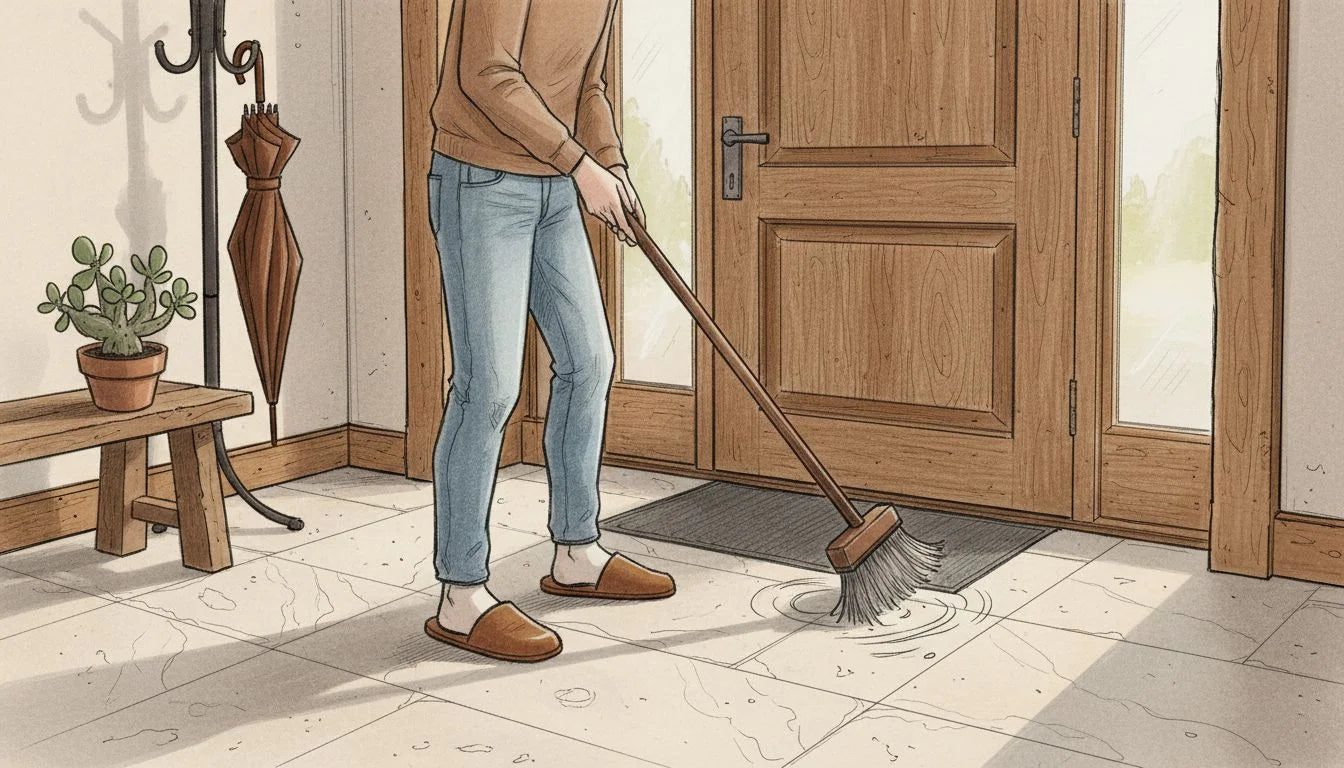
Beyond marble and travertine, homeowners can explore additional natural stone varieties like granite, slate, and limestone. Each stone type brings unique visual and functional attributes: granite offers extreme durability, slate provides rich color variations, and limestone delivers soft, neutral tones. These materials can be selected to match specific design aesthetics, performance requirements, and environmental conditions typical of California homes.
Pro tip: Always seal natural stone flooring professionally to protect against stains, moisture penetration, and maintain its pristine appearance over decades of use.
Here’s a comparison of popular natural stone flooring types and their characteristics:
| Stone Type | Visual Appeal | Ideal Locations | Special Advantages |
|---|---|---|---|
| Marble | Luxurious veining, glossy | Living rooms, entryways, baths | High-end look, ages gracefully |
| Travertine | Earthy tones, porous texture | Patios, pool decks, high-traffic | Superior slip resistance, rustic feel |
| Granite | Bold speckling, varied colors | Kitchens, foyers, outdoor areas | Extreme durability, stain resistant |
| Slate | Deep color variations | Bathrooms, mudrooms, porches | Dense, naturally textured surface |
| Limestone | Soft, neutral appearance | Hallways, bedrooms, family spaces | Subtle tones, maintains coolness |
Timeless Beauty and Unique Visual Appeal
Natural stone flooring’s enduring aesthetic appeal stands as a testament to its extraordinary visual characteristics, offering homeowners an unparalleled design experience that synthetic materials simply cannot replicate. Each stone piece tells a unique story through its intricate veining, subtle color variations, and organic textures, transforming floors from mere functional surfaces into genuine works of art that capture the imagination and elevate interior spaces.
The visual depth of natural stone comes from its inherent geological formation, creating patterns and color gradients that are genuinely one-of-a-kind. Marble’s elegant swirls, travertine’s warm earthen tones, and granite’s complex mineral compositions provide visual richness that changes subtly with lighting and perspective. These natural variations ensure that no two stone floor installations will ever be identical, giving homeowners a truly personalized design element that reflects the raw beauty of the earth’s natural processes.
Beyond pure aesthetics, natural stone delivers lasting elegance that connects interior spaces with a sense of timeless sophistication. Its ability to age gracefully, developing a rich patina over decades, means that natural stone floors actually become more beautiful and characterful with time. This unique quality transforms flooring from a simple architectural element into a dynamic, evolving design feature that enhances a home’s overall visual narrative and emotional warmth.
Pro tip: Select natural stone samples from different lighting conditions to truly understand how their colors and textures will interact with your specific interior environment.
Durability, Restoration, and Property Value
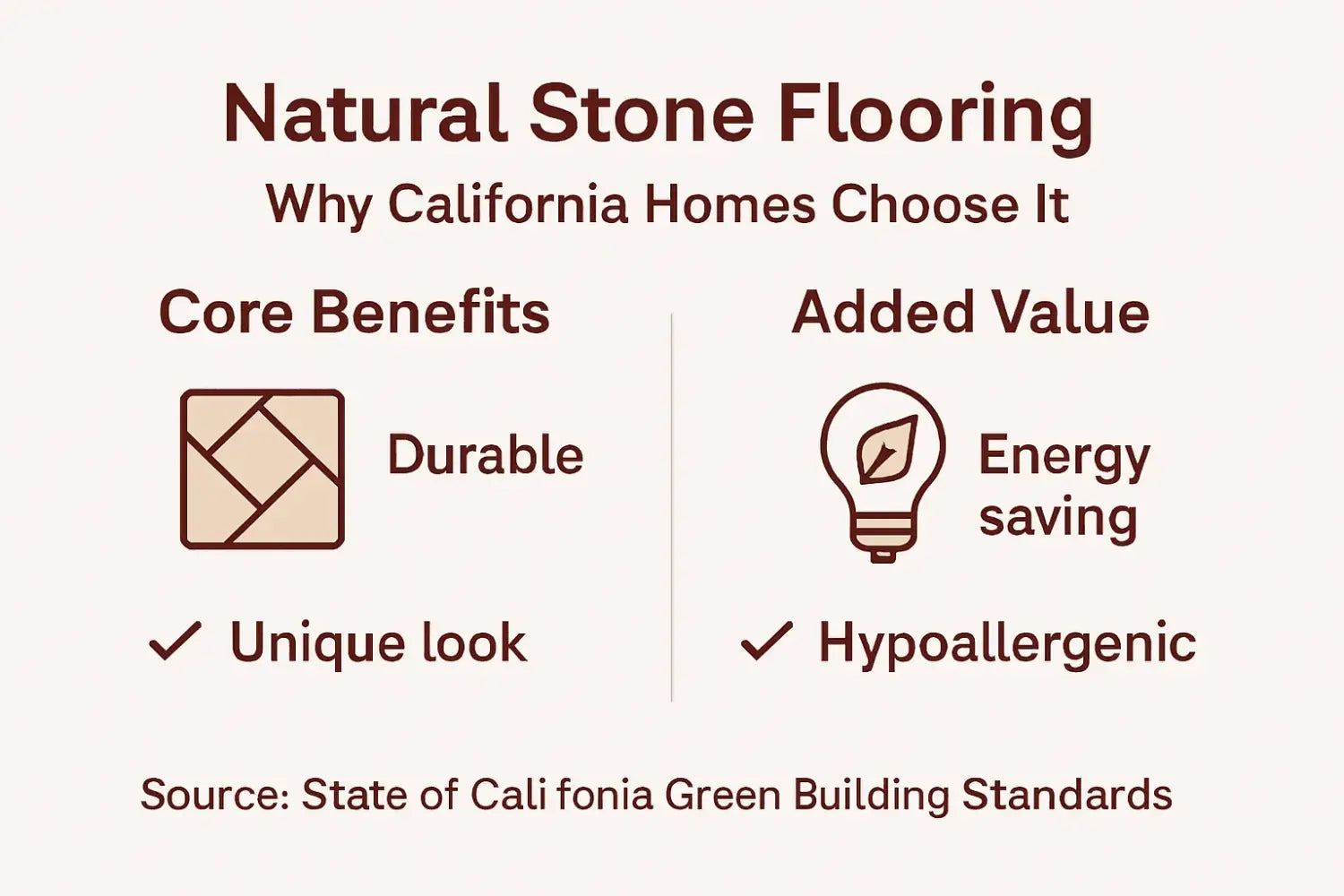
Natural stone’s exceptional durability sets it apart as a premium flooring solution for California homes, capable of withstanding intense foot traffic and environmental challenges while maintaining its structural integrity. Unlike synthetic materials that quickly show wear, natural stone develops a rich character over time, retaining its fundamental strength and aesthetic appeal through decades of use. This resilience translates directly into increased property value, making it a strategic long-term investment for homeowners seeking both beauty and practicality.
The restoration potential of natural stone further enhances its economic value. Professional stone restoration techniques can often return surfaces to near-original conditions, effectively extending the flooring’s functional life and preserving its initial investment. This capability means that minor scratches, subtle wear patterns, and surface imperfections can be professionally addressed, ensuring that natural stone floors continue to look exceptional for generations. The ability to restore rather than replace represents a significant financial advantage over other flooring materials that typically require complete replacement when damaged.
Natural stone’s thermal properties contribute additional value to California homes, offering superior energy efficiency through its unique conductivity characteristics. In a climate with significant temperature variations, stone floors can help regulate indoor temperatures, providing a cooling effect during hot summers and working effectively with radiant heating systems during cooler months. This thermal performance not only enhances living comfort but also represents an often-overlooked benefit that can potentially reduce energy costs and increase overall home value.
Pro tip: Invest in professional sealing and periodic maintenance to maximize your natural stone flooring’s durability, restoration potential, and long-term property value.
Health Benefits and Indoor Environment Impact
Natural stone flooring offers significant health advantages for California homeowners, creating an indoor environment that actively supports respiratory wellness and reduces potential allergen exposure. Unlike synthetic flooring materials that can emit volatile organic compounds (VOCs) and trap microscopic irritants, natural stone provides a clean, inert surface that minimizes dust accumulation and prevents the growth of potential microorganisms. This inherent characteristic makes stone flooring particularly beneficial for individuals with allergies, asthma, or heightened sensitivities to indoor air quality.
Sustainable flooring materials like natural stone contribute to a holistic approach to indoor health by eliminating the chemical off-gassing common in manufactured flooring products. Stone’s non-porous surface when properly sealed creates a barrier against potential bacterial growth, dust mite accumulation, and moisture retention. This makes it an ideal choice for households seeking to minimize indoor environmental contaminants, especially in areas like kitchens, bathrooms, and high-traffic living spaces where hygiene and cleanliness are paramount.
Beyond immediate health considerations, natural stone flooring supports long-term wellness through its thermal regulation and sustainable characteristics. Its ability to maintain consistent temperatures helps create a more comfortable living environment, reducing thermal stress and potentially supporting better sleep and overall physiological comfort. The material’s natural origin and recyclability further underscore its commitment to environmental health, offering homeowners a flooring solution that benefits both individual and ecological well-being.
Pro tip: Regularly clean and professionally seal your natural stone flooring to maintain its hypoallergenic and antimicrobial properties, ensuring continued health benefits for your household.
Installation, Maintenance, and Common Pitfalls
Natural stone installation requires professional expertise and meticulous preparation to ensure optimal performance and longevity. Successful implementation involves comprehensive surface preparation, precise anchorage methods, and careful selection of appropriate stone types matched to specific environmental conditions. California homeowners should prioritize professional installation that accounts for local temperature variations, potential seismic activity, and unique architectural considerations that can impact stone flooring’s long-term durability.
Maintenance is critical in preserving natural stone’s aesthetic and functional qualities. Proper care involves specific cleaning techniques that protect the stone’s surface from potential damage. This includes immediate spill cleanup, using pH-neutral cleaners, implementing regular dust mopping, and avoiding harsh chemical treatments that could erode the stone’s delicate surface. Homeowners must understand that different stone types require unique maintenance approaches, with some materials being more porous or sensitive than others.
Common installation and maintenance pitfalls can significantly compromise natural stone flooring’s performance and appearance. These include improper sealing techniques, using acidic or abrasive cleaning products, neglecting routine maintenance, and failing to address minor damages promptly. Potential issues like surface etching, staining, and structural degradation can often be traced back to uninformed handling or inconsistent care practices. Professional consultation and periodic professional assessment can help mitigate these risks and ensure the stone flooring maintains its original beauty and structural integrity.
Review this summary of essential maintenance practices and potential pitfalls for natural stone floors:
| Maintenance Focus | Recommended Approach | Common Pitfalls to Avoid |
|---|---|---|
| Cleaning | Use pH-neutral stone cleaners | Avoid acids and abrasive chemicals |
| Sealing | Schedule professional sealing | Skipping or using improper sealants |
| Damage Response | Address chips and stains promptly | Ignoring small defects or stains |
| Routine Upkeep | Dust mop and wipe spills quickly | Inconsistent or infrequent cleaning |
Pro tip: Consult a stone flooring professional before installation to develop a customized maintenance plan specific to your chosen stone type and home environment.
Elevate Your California Home with Authentic Natural Stone Flooring
Choosing the perfect natural stone flooring can feel overwhelming when you want durability, elegant visual appeal, and health benefits all in one package. This article highlights the importance of selecting authentic, high-quality materials like marble and travertine that age gracefully, improve indoor air quality, and add lasting property value. At Surfaces Galore, we understand these priorities and specialize in providing premium natural stone directly imported to meet California homeowners’ needs for style and sustainability.
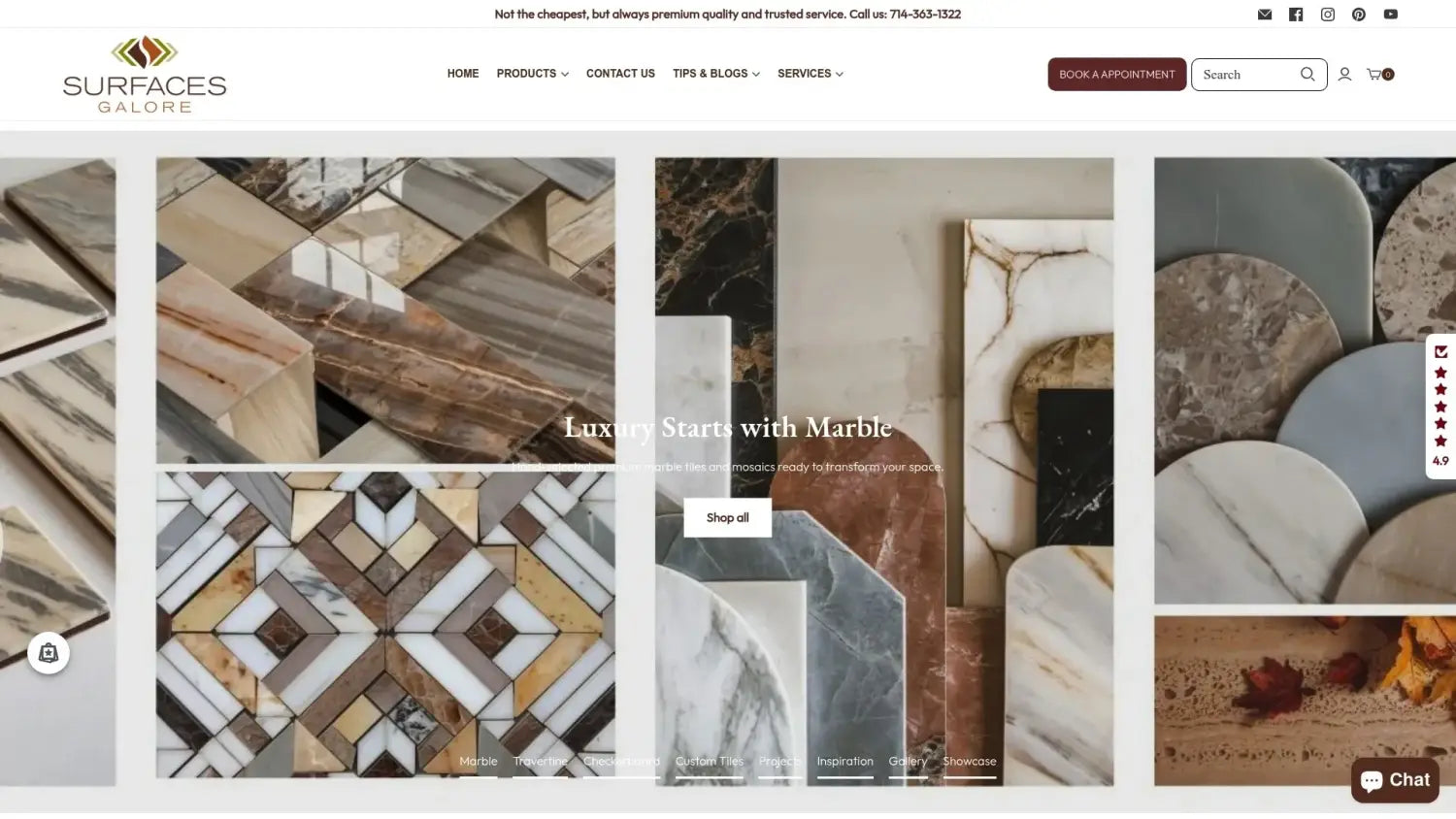
Discover how you can bring timeless beauty and lasting performance into your home with our wide selection of natural stone tiles and mosaics. Whether renovating your living spaces or designing outdoor patios, our expert team in Anaheim helps ensure professional-grade products and advice for effortless installation and maintenance. Don’t wait to experience the unique charm and resilience that only real natural stone offers. Visit Surfaces Galore today and take the first step toward transforming your home with authentic elegance. Explore our exclusive collections of marble and travertine and see why designers and homeowners nationwide trust our quality and value.
Frequently Asked Questions
What are the benefits of using natural stone flooring?
Natural stone flooring offers durability, unique aesthetics, and sustainability. Its long lifespan, combined with the ability to withstand heavy foot traffic, makes it a practical choice for homeowners. Additionally, it doesn’t emit volatile organic compounds (VOCs), contributing to better indoor air quality.
How does natural stone flooring compare to synthetic alternatives?
Natural stone flooring is more durable and sustainable than synthetic alternatives. While synthetic materials may need to be replaced more frequently, natural stone is recyclable and can last for generations. Furthermore, its unique colors and textures provide a level of aesthetic appeal that synthetic options cannot replicate.
How should I maintain natural stone flooring?
To maintain natural stone flooring, regularly clean with pH-neutral cleaners, seal the stone professionally, and promptly address spills to prevent staining. It’s essential to avoid harsh chemicals that could damage the stone and to develop a customized maintenance plan based on the specific type of stone you have.
Can I install natural stone flooring myself?
While it may be tempting to install natural stone flooring independently, professional installation is recommended. It requires expertise in surface preparation and proper anchorage methods to ensure durability and optimal performance, especially considering local environmental factors.
Leave a comment