
Stone Tile by Material Guide for Every Room

A backsplash that looks perfect in a sample photo can be the wrong choice for a busy shower floor. A polished white marble that feels right for a powder room may be a poor fit for a heavy-traffic entry. That is why a stone tile by material guide matters. The material itself drives the look, maintenance level, performance, and long-term value of the installation.
For homeowners, designers, and contractors sourcing premium stone, the question is rarely just what color looks best. The better question is what stone performs best in this application while still delivering the design result you want. Marble, travertine, and limestone each bring a distinct visual character, surface behavior, and project profile. Choosing well at the material level saves time, protects the install, and helps the finished space feel intentional rather than improvised.
Stone tile by material guide: start with the application
The fastest way to narrow a stone selection is to start with where the tile will go. Wall applications usually allow more flexibility because they take less abuse. Floors demand more attention to density, slip resistance, finish, and maintenance. Wet areas add another layer because texture, grout joint layout, and sealing all affect performance.
In other words, there is no single best stone tile. There is the best stone for a primary bath floor, the best stone for a kitchen backsplash, and the best stone for a fireplace surround. Buyers who shop this way tend to get better results because they are matching the material to the job instead of forcing a favorite look into every room.
Marble tile
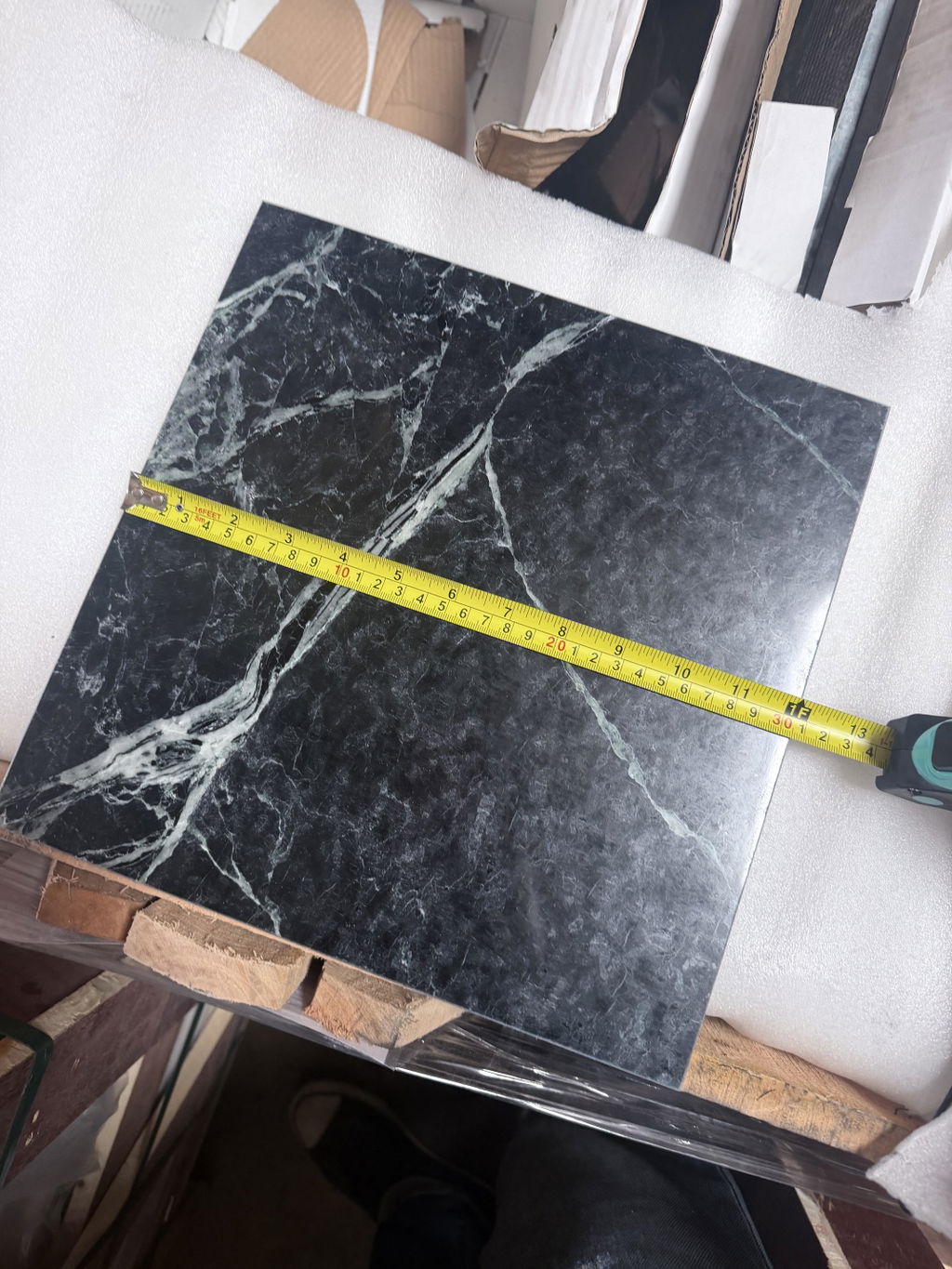
Marble is the most recognized premium stone category for a reason. It brings movement, depth, and natural variation that manufactured surfaces still struggle to replicate convincingly. From soft white backgrounds and gray veining to dramatic contrast stones, marble gives a project design authority immediately.
For walls, backsplashes, and fireplace facings, marble is often the cleanest choice when the goal is an elevated finish. It works equally well in classic and modern spaces because the cut, finish, and pattern can shift the tone. A polished marble subway tile reads crisp and tailored. A honed checkerboard floor feels old-world and architectural. A mosaic adds detail without looking busy when the stone itself carries the visual interest.
Marble can also perform beautifully on floors and in showers, but this is where expectations need to be clear. It is a natural calcium-based stone, which means it can etch from acids and develop wear over time. Many buyers accept that as part of authentic stone character. Others prefer to reserve marble for lower-impact applications where the finish will stay closer to new for longer.
If you want a refined, high-end look and understand natural patina, marble remains one of the strongest material choices available. It is especially compelling in bathroom walls, statement floors, vanity backsplashes, and decorative patterns where design value matters as much as utility.
Travertine tile
Travertine offers warmth that many stones cannot match. Its earthy movement, natural pores, and softer tonal range make it a consistent favorite for spaces that need texture without visual noise. Beige, ivory, walnut, and silver travertines tend to sit comfortably across many palettes, which is one reason they remain a reliable specification for remodelers and builders.
This material is especially strong for floors, larger format layouts, and indoor-outdoor visual continuity. Filled and honed travertine creates a calm, grounded surface that works in kitchens, bathrooms, and open-plan living spaces. Tumbled or textured travertine brings more grip and a more relaxed finish, making it attractive for shower floors and certain exterior applications where a polished look would feel too slick or formal.
The trade-off is that travertine has a naturally more porous structure than some buyers expect. Quality matters here. Better-grade material gives you stronger consistency in fill, cleaner cutting, and a more dependable finished appearance. Lower-grade travertine often shows its weaknesses quickly, whether through excessive voids, fragile edges, or uneven color. That is exactly why serious buyers avoid commercial-grade shortcuts.
Travertine is a smart choice when you want authentic natural warmth, broad design flexibility, and a surface that feels established rather than trendy. It is particularly effective in larger residential renovations where the goal is a premium look with long visual relevance.
Limestone tile
Limestone is often the quietest material in the room, and that is its strength. It does not compete with cabinetry, fixtures, or furniture. Instead, it gives a space a soft, tailored foundation. Fine-grained limestone is prized for its understated movement, muted color range, and ability to create clean architectural surfaces.
In interiors, limestone works especially well for floors, bath walls, shower surrounds, and spaces where a calm material palette is the priority. It suits contemporary projects, European-inspired interiors, and homes where subtle luxury matters more than dramatic veining. Honed limestone, in particular, delivers a matte, composed surface that feels expensive without trying too hard.
Like marble and travertine, limestone is still natural stone and should be chosen with the application in mind. It generally performs best where buyers appreciate nuance and are prepared for standard stone care. It is not the right fit for every high-abuse environment, but in the right setting it offers one of the most sophisticated looks in the category.
For designers and homeowners who want a restrained, premium finish, limestone is often the material that makes a room feel complete. It is less about spectacle and more about proportion, tone, and permanence.
How finish changes the material
Any stone tile by material guide is incomplete without finish, because finish can change both appearance and function. A polished surface reflects more light and brings out color and veining more aggressively. That can be ideal on walls, vanity backsplashes, and formal floor applications where the goal is brightness and definition.
A honed finish is flatter and more understated. It softens variation, reduces glare, and often feels more natural underfoot. Many buyers prefer honed marble, travertine, and limestone for floors because the surface feels more grounded and more forgiving visually.
Tumbled or textured finishes push the look in a more rustic or old-world direction. They also add traction, which can be useful in shower floors and certain exterior conditions. The right finish depends on the project, but the wrong finish can make even excellent material feel mismatched.
Size, pattern, and trim matter more than most buyers expect
Material selection gets the attention, but format is what turns good stone into a finished design. Large-format field tile can make limestone feel modern and expansive. Small mosaics can make marble feel intricate and tailored. Checkerboard layouts create a stronger visual statement, while Versailles and French pattern sets add movement and old-world structure.
Trim also matters. Corners, base pieces, liners, niches, and shelves should feel integrated rather than improvised. Premium stone projects look expensive when the details are resolved at the same level as the field tile. If the material is right but the trim strategy is weak, the installation will still feel incomplete.
What to prioritize when shopping stone by material
Buyers comparing stone online should focus on a few practical filters. First, confirm the material category and finish before getting attached to color. Second, think through the application honestly. A decorative wall and a wet floor do not ask the same thing from the stone. Third, pay attention to grade and consistency. Premium imported stone is not interchangeable with bargain material, even when the product name looks similar.
Samples are worth using, especially for marble and travertine where variation is part of the appeal. A sample helps you read the undertone, surface finish, and scale of movement in real light. It also reduces the guesswork that leads to expensive project hesitation.
For trade professionals and serious homeowners, service matters too. Stone is a high-consideration purchase. Fast sample access, insured shipping, organized product categorization, and dependable fulfillment are not extras. They are part of buying the material correctly.
Which stone is right for your project?
If you want bold design character and classic luxury, marble is the obvious front-runner. If you want warmth, texture, and broad flexibility, travertine is often the better fit. If you want quiet sophistication and architectural calm, limestone deserves a serious look.
That does not mean one category wins universally. It means each material has a best use case. The right decision comes from balancing design intent, room function, finish, and maintenance expectations with the quality level of the stone itself.
At Surfaces Galore, that is exactly how premium stone should be shopped - by material first, with clarity on application, finish, and grade. When you choose stone with that level of precision, the project tends to look better on day one and hold its value long after installation.
The smartest stone purchase is not the one that photographs best online. It is the one that still feels right once the room is finished, the grout is in, and the space starts getting used every day.

Leave a comment