
The Truth About Marble Maintenance: What Most Homeowners Get Wrong

So, you've got marble in your home? Nice choice. It looks amazing, right? But keeping it that way? That's where things can get a little tricky. Lots of people think they know how to care for marble, but honestly, they're missing some key points. This article is all about setting the record straight on The Truth About Marble Maintenance: What Most Homeowners Get Wrong. We'll cover what you need to know to keep that beautiful stone looking its best, without all the common mistakes.
Key Takeaways
- Marble's natural beauty is undeniable, but its porous nature means it needs specific care to avoid stains and damage. Don't treat it like granite!
- Proper installation is super important. Making sure the substrate is solid and using the right materials, like white thin-set for light marble, prevents future headaches.
- Sealing is not optional; it's a must-do to protect your marble from everyday spills and moisture. How often you do it depends on how much you use the area.
- Harsh chemicals and abrasive cleaners are marble's worst enemies. Stick to gentle, pH-neutral cleaners for daily upkeep to avoid etching and dulling.
- Regular maintenance, including prompt spill cleanup and periodic resealing, is the best way to keep your marble looking stunning for years and add value to your home.
Understanding Marble's Unique Characteristics
The Allure of Marble's Aesthetic Appeal
Marble. Just the name conjures images of luxury, timeless elegance, and sophisticated design. It’s a natural stone that has graced palaces, museums, and the most discerning homes for centuries. Why? Because marble offers an unparalleled aesthetic. Its natural veining, a unique fingerprint of geological history, creates mesmerizing patterns that no manufactured material can replicate. Whether you're drawn to the classic purity of Carrara, the dramatic swirls of Calacatta, or the subtle sophistication of Atlantic Gray, there's a marble to match your vision. It’s not just a surface; it’s a statement piece that adds inherent value and a touch of artistry to any space. If you're looking to buy marble tiles online in the USA, you're investing in a material that truly stands the test of time.
Marble's Durability and Suitability for Various Spaces
Think marble is too delicate for everyday life? Think again. While it demands respect, marble is surprisingly durable. It’s a hard, dense stone that, with proper care, can last for generations. This makes it suitable for more than just decorative accents. We see it used beautifully for flooring in entryways and living rooms, for wall cladding that adds a touch of grandeur, and even for countertops in kitchens and bathrooms. Of course, its porous nature means spills need prompt attention, but its resilience is undeniable. For areas with heavy foot traffic, consider options like granite or quartzite, but for a blend of beauty and lasting wear, marble is a fantastic choice. It’s a material that performs as well as it looks.
Heat Resistance for Functional Elegance
One of the often-overlooked benefits of marble is its impressive heat resistance. This is a game-changer, especially for kitchens. Imagine a countertop that can handle a hot pan without flinching. Marble offers just that. This functional elegance means you don't have to sacrifice style for practicality. It’s perfect for kitchen islands, dining tables, or even fireplace surrounds where heat is a factor. While it’s wise to use trivets for extreme temperatures, marble’s natural ability to withstand heat makes it a reliable and beautiful choice for busy households. It’s a material that truly works as hard as it looks good.
The Critical Role of Proper Installation
Think of your stunning marble as a fine piece of jewelry. It needs the right setting to truly shine, right? That's where installation comes in. Getting it wrong from the start means trouble down the road. We're talking about everything from cracks to uneven surfaces. Let's make sure your investment is set up for success.
Pre-Installation Tile Inspection for Quality Assurance
Before any tile hits the adhesive, give it a good once-over. Natural stone is unique, and sometimes that means slight variations or minor imperfections. It’s like checking for flaws in a diamond before you buy. You want to catch any chips, cracks, or warping now, not after it's permanently in place. Setting a tile is usually seen as accepting its quality, so be thorough. If something looks off, set it aside or talk to your supplier. It’s better to be safe than sorry when you buy marble tiles online USA.
Strategic Layout Planning and Dry Laying Techniques
This is where you become the artist. Before you mix any mortar, lay out your tiles. This 'dry lay' lets you see the whole picture. You can arrange the patterns, blend color variations from different boxes, and avoid awkward cuts at the edges. Marble's natural beauty shines when its veining flows just right. Planning your layout now means a more pleasing final look. Also, decide on your grout joint spacing – many marble installations look best with tight joints, around 1/16 to 1/8 inch.
Ensuring a Solid and Level Substrate Foundation
Your marble needs a strong, flat base. Think of it like building a house – the foundation has to be perfect. The subfloor or wall needs to be clean, dry, and perfectly level. Any dirt, grease, or old adhesive can mess with the bond. Uneven surfaces can lead to cracked tiles, especially with thinner natural stones. For wood subfloors, proper underlayment is a must. A solid substrate prevents tiles from shifting or cracking later on. This step is non-negotiable for a lasting installation.
Case Study: The Kitchen Countertop Catastrophe
Sarah and Tom were so excited about their new marble kitchen countertops. They found a great deal online and hired a contractor who seemed a bit rushed. They didn't do a dry lay, and the contractor didn't check the substrate's levelness thoroughly. A few weeks later, they noticed a slight dip near the sink, and a hairline crack appeared. Turns out, the substrate wasn't perfectly flat, causing stress on the stone. If they had taken the time for proper planning and substrate prep, they would have avoided this costly issue.
Proper installation isn't just about aesthetics; it's about the long-term integrity and performance of your marble. Skipping steps or cutting corners here is a recipe for future headaches and expenses. Investing a little more time and attention upfront pays dividends for years to come.
Selecting the Right Materials for Marble Installation
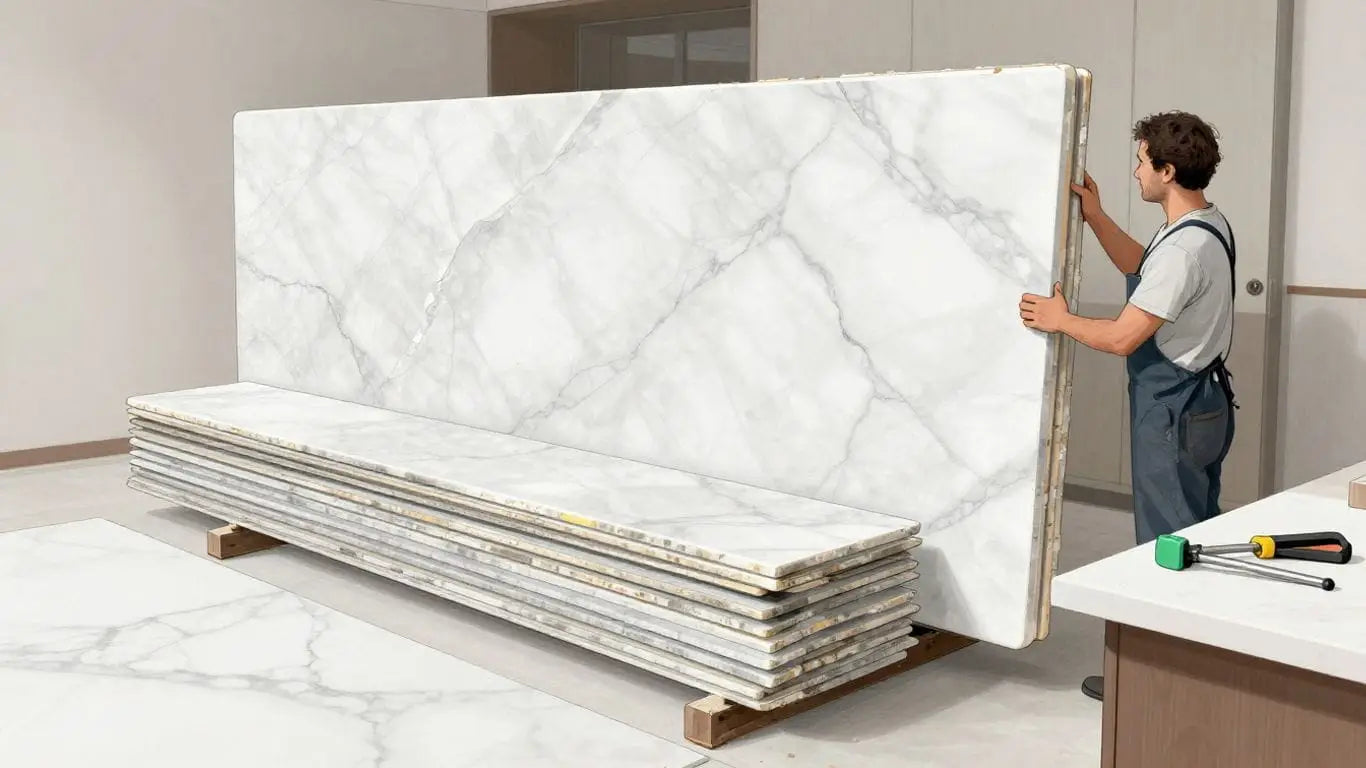
Choosing the right materials for your marble installation is more than just picking out pretty tiles. It's about making sure your beautiful stone stays beautiful for years to come. Get this part wrong, and you could be looking at chips, cracks, or stains down the road. We want your marble to look its best, so let's talk about what goes into a successful installation.
Choosing Compatible Mortars and Grouts
This is where many DIYers stumble. Not all mortars and grouts are created equal, and using the wrong ones with your marble can lead to disaster. Think of it like using the wrong glue on a delicate piece of art – it just won't hold, or worse, it'll damage the material.
- Always use products specifically rated for natural stone. This is non-negotiable. Standard tile mortars might contain additives that can discolor or damage marble. You're investing in premium material, so protect it with premium setting products.
- Consider the type of marble. Some marbles are more porous than others. Your installer or supplier can guide you on the best mortar and grout for your specific stone. If you're looking to buy marble tiles online in the USA, make sure the supplier also offers compatible setting materials.
- Check for compatibility with adjacent finishes. If your marble installation involves other materials, like metal trim or glass accents, ensure your mortar and grout will adhere to all surfaces without causing issues.
The Importance of White Thin-Set Mortar for Light Marble
This is a big one, especially if you've fallen in love with a light-colored marble, like a classic Carrara or a bright Statuario. Gray thin-set mortar, when used with light or translucent marble, can actually show through the stone. It's like wearing a dark bra under a white shirt – it just doesn't look right.
Using white thin-set mortar is critical for light-colored marbles to prevent any unwanted discoloration or "bleed-through." This ensures the true color and beauty of your marble shine through without any interference from the adhesive beneath.
Verifying Adhesion with Adjacent Finishes
When your marble installation isn't a standalone project, you need to think about how it interacts with everything else. This means checking that the mortars and grouts you choose will bond well not just to the marble and the substrate, but also to any other materials it will touch. This could be anything from metal edging to glass inserts or even different types of tile.
A proper bond between all materials is key to a long-lasting installation. If one element fails to adhere correctly, it can put stress on the entire system, leading to potential problems down the line. Always consult product datasheets and, if in doubt, ask the manufacturer.
Case Study: The Faded Vanity Top
A homeowner in Florida chose a beautiful, creamy beige marble for their bathroom vanity. They opted for a standard gray thin-set mortar, thinking it was all the same. After installation, they noticed a faint gray shadow appearing through the marble, especially near the edges. It wasn't a stain; it was the mortar showing through. The fix involved carefully removing the marble, cleaning the substrate, and reinstalling with white thin-set. A costly mistake that could have been avoided with a little knowledge about material compatibility. Always buy marble tiles online from reputable sources that also provide installation guidance.
Case Study: The Chipped Shower Niche
Another project involved a marble shower niche with glass accent tiles. The installer used a general-purpose mortar that adhered well to the marble and the substrate but didn't create a strong bond with the glass. Over time, the temperature fluctuations in the shower caused the glass to expand and contract differently than the marble, leading to a crack and eventually a chip in the marble niche. Using a specialized, multi-surface adhesive would have prevented this issue. Remember, when you buy marble tiles, think about the whole picture of the installation.
Essential Steps in Marble Installation
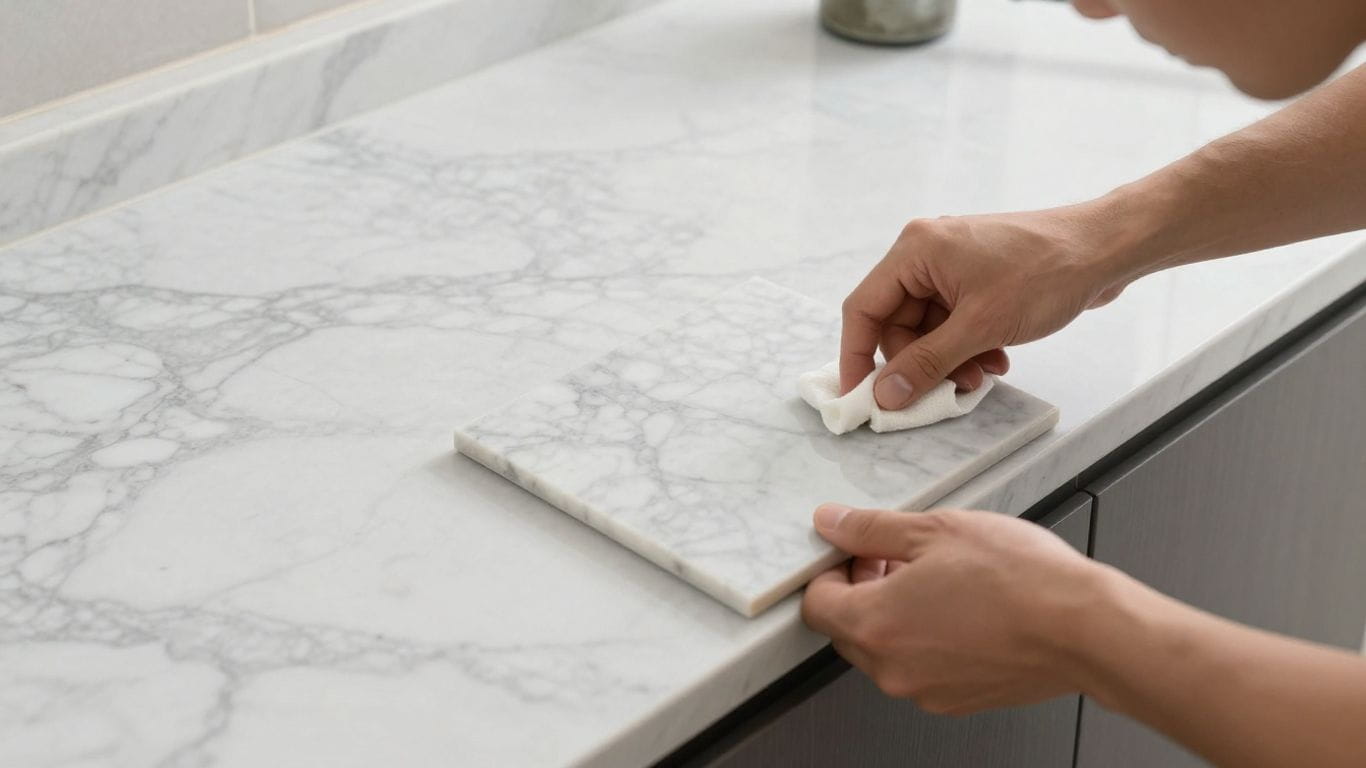
Getting your marble installed right is more than just laying down tiles; it's about building a foundation for lasting beauty. Skipping steps here can lead to problems down the road, like cracked tiles or uneven surfaces. We're talking about making sure your investment looks stunning for years to come.
Applying Grout with Precision
This is where the magic really happens, filling those gaps and bringing the whole design together. You want a grout that complements your marble, not competes with it. Using a grout float, apply the grout diagonally across the tiles. This helps push the grout deep into the joints, making sure there are no air pockets. Work in small sections so the grout doesn't start to set before you can properly spread it. It’s a bit like frosting a cake – you want even coverage without messing up the edges.
Cleaning Excess Grout Without Joint Compromise
Once the grout is in place, you've got to clean up the excess. This is a delicate part. Use a damp (not soaking wet!) sponge to wipe away the grout that's sitting on the surface of the tiles. Rinse your sponge often in clean water. The key here is to be gentle. You're cleaning the tile face, not digging grout out of the joints. If you pull too hard or use too much water, you can create low spots in the grout lines, which looks messy and can trap dirt later.
Allowing Adequate Grout Curing Time
This step is often rushed, but it's super important. Grout needs time to harden properly. We're talking about letting it cure for at least 48 to 72 hours, sometimes longer depending on the product and conditions. During this time, the grout gains its strength. Resist the urge to walk on it or put anything heavy on it. Think of it like letting concrete set – you wouldn't drive on it too soon, right? Proper curing prevents cracks and ensures your grout lines stay looking sharp. It’s a small wait for a big payoff in durability.
Case Study: The Kitchen Countertop Catastrophe
Sarah and Tom were so excited to install their new marble countertops. They bought beautiful slabs online and were eager to get them in. They skipped the dry-lay step, thinking it was unnecessary. When it came time to grout, they rushed the cleaning process, leaving hazy residue all over their pristine white marble. Worse, they started using the kitchen heavily just two days after grouting. Within a month, they noticed small cracks appearing in the grout lines, and the haze never fully came off. They ended up having to hire a professional to fix the mess, costing them more time and money than if they had just followed the recommended installation steps carefully. It’s a classic example of how cutting corners during installation can lead to costly repairs later.
Proper installation isn't just about aesthetics; it's about the long-term integrity of your marble surfaces. Taking the time for each step, from precise grouting to adequate curing, sets the stage for a beautiful and durable finish that you'll enjoy for years to come. Don't let impatience undermine your investment.
Ready to start your marble project? Explore our selection of premium marble tiles and get the quality materials you need for a flawless installation. You can even buy marble tiles online USA and have them delivered right to your door. Remember, a great installation starts with great materials.
The Necessity of Sealing Marble Surfaces
Protecting Marble from Stains and Moisture
Marble is beautiful, no doubt about it. But it's also a natural stone, which means it's porous. Think of it like a sponge – it can soak up liquids. This is where sealing comes in. Sealing creates a barrier that helps stop spills from sinking in and causing permanent stains. It’s a simple step that makes a huge difference in keeping your marble looking its best. Without it, even a splash of red wine or a bit of oil can leave a mark that’s tough to remove. Investing in good quality sealers is key. You can even buy marble tiles online in the USA and have them delivered right to your door, but remember, sealing is a must after installation.
Understanding Sealer Color Alterations
When you seal marble, it might change the color a little. Most sealers give the stone a slightly richer, deeper look, almost like it's just been cleaned. This can actually be a good thing, making the veining pop. However, if you’re going for a very specific look and want to keep the marble exactly as it is, there are sealers designed to not alter the color at all. It’s worth checking the product details before you buy. For example, some homeowners worry about their white marble turning yellow, but with the right product, this isn't usually an issue. A case study from a homeowner in Florida found that using a non-color-enhancing sealer kept their Carrara marble looking bright and natural, while still providing protection.
Determining Appropriate Sealing Frequency
How often should you seal your marble? It really depends on how much you use the area. For a kitchen countertop that sees a lot of action, you might need to reseal every year. For a bathroom vanity or a floor in a low-traffic area, maybe every two years is enough. A good test is to put a few drops of water on the surface. If the water beads up, your sealer is still working. If it soaks in quickly, it’s time to reseal. Another homeowner shared that after installing marble floors in their entryway, they noticed water spots after about 18 months, prompting a reseal. It’s better to be safe than sorry when it comes to protecting your investment. Remember, proper sealing is part of the ongoing care that keeps your marble looking great for years to come.
Common Marble Maintenance Misconceptions
Let's talk about marble. It's gorgeous, right? That's why so many people want it in their homes. But there are some big ideas out there about how to care for it that just aren't true. Getting these wrong can lead to a dull, damaged surface instead of the stunning centerpiece you envisioned. We want your marble to look amazing for years, so let's clear up some common myths.
Avoiding Harsh Chemicals and Acidic Cleaners
This is a huge one. Many homeowners think that if a cleaner is tough on dirt, it's good for everything. Never use acidic or abrasive cleaners on your marble. Think lemon juice, vinegar, or even some common bathroom cleaners. Marble is a natural stone, and it's sensitive. Acids will etch the surface, leaving dull spots that are hard to fix. It's like giving your beautiful stone a chemical burn. Stick to cleaners specifically made for natural stone, or a simple mix of mild soap and water. For everyday cleaning, a quick wipe with a damp cloth is often all you need. If you're looking to buy marble tiles online in the USA, make sure you also get the right cleaning supplies. pH-neutral stone cleaners are your best friend here.
The Impact of Abrasive Cleaning Tools
Another common mistake? Scrubbing away with rough sponges or steel wool. You might think you're getting a deeper clean, but you're actually just scratching the surface. Marble has a natural polish that can be easily dulled by abrasive materials. Imagine using sandpaper on a delicate painting – it’s that kind of damage. Always opt for soft cloths, microfiber mops, or sponges. Gentle cleaning is key to preserving that luxurious sheen. Think of it as a spa treatment for your stone, not a power wash.
Prompt Spill Cleanup for Stain Prevention
People often think marble is super stain-resistant, especially if it's sealed. While sealing helps a lot, it's not foolproof. Spills, especially acidic ones like wine, coffee, or tomato sauce, need to be wiped up immediately. Don't let them sit there, even for a few minutes. The longer a spill is on the surface, the more likely it is to soak in and leave a permanent mark or etch. It’s a simple habit that makes a massive difference. Keep a soft cloth handy in the kitchen and dining areas. This proactive approach is far easier than trying to repair damage later. Remember, even a sealed surface isn't impervious to damage from prolonged exposure to liquids.
Case Study: The Kitchen Counter Catastrophe
Sarah, a homeowner in Florida, recently installed stunning white marble countertops. She loved them but was worried about keeping them pristine. She'd heard marble was delicate, so she decided to use a heavy-duty, all-purpose cleaner she normally used on her laminate surfaces. Within a few weeks, she noticed dull spots appearing where she'd cleaned up minor spills. She thought she just needed to scrub harder. She grabbed a scouring pad and went to town. The result? A countertop covered in fine scratches and deep etches. She was devastated. After calling a professional, she learned that her aggressive cleaning methods were the exact opposite of what marble needed. A simple, pH-neutral cleaner and immediate spill cleanup would have kept her countertops looking like new. Now, she's looking into professional restoration to fix the damage, a much more costly and time-consuming process than proper initial care.
Case Study: The Bathroom Vanity Blunder
Mark wanted a luxurious bathroom and opted for a beautiful marble vanity top. He figured a quick spray of his usual bathroom cleaner after each use would keep it sparkling. He didn't realize the cleaner contained mild acids. Over several months, the constant exposure to these chemicals caused the marble around the faucet and soap dish to become noticeably dull and chalky. He thought it was just hard water buildup. When he tried to scrub it off with a generic cleaner, he made the etching worse. A stone care specialist explained that the daily exposure to acidic cleaners had slowly eroded the marble's surface. He now uses a dedicated stone cleaner and a soft cloth, but the etching is permanent and requires professional polishing to correct.
Daily Care for Lasting Marble Beauty
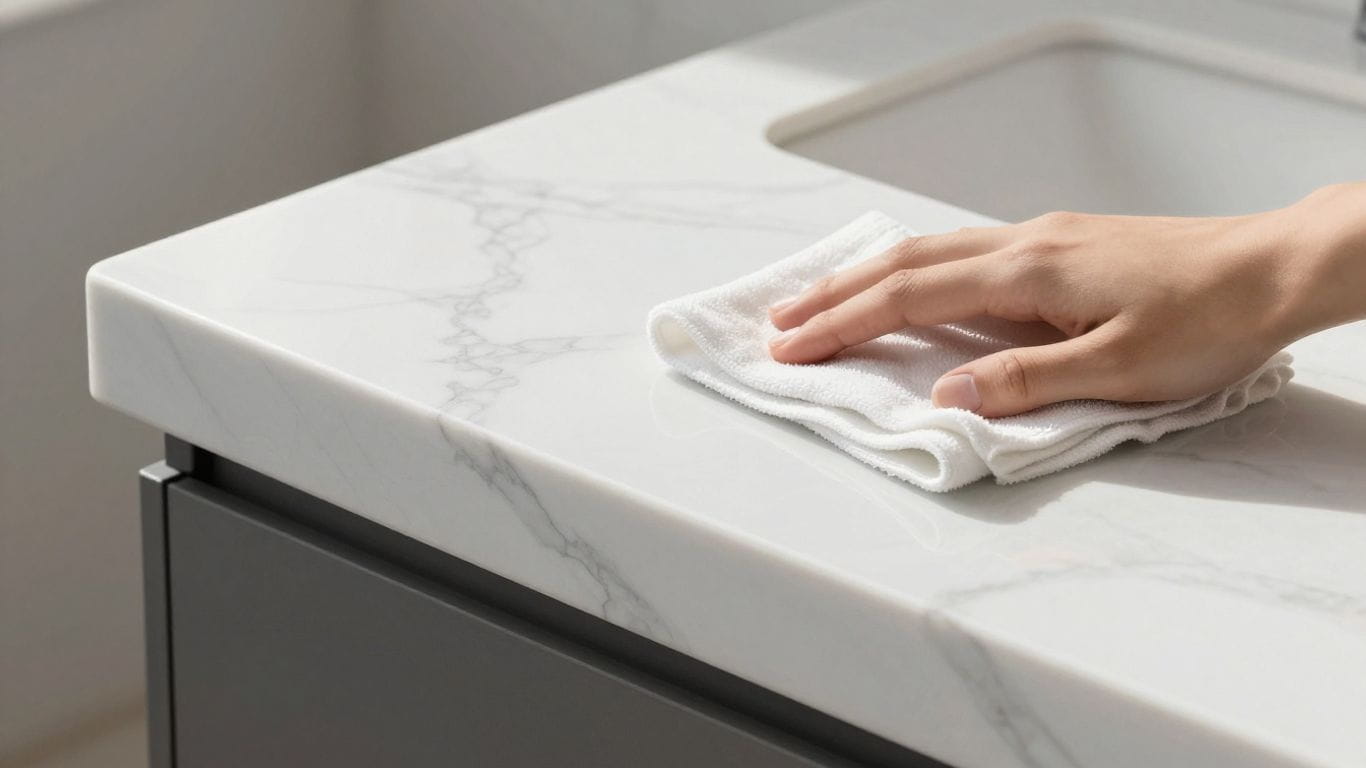
Using pH-Neutral Cleaners for Routine Cleaning
Keeping your marble looking its best day-to-day is simpler than you might think. The key is consistency and using the right products. Forget those harsh chemicals you might use on other surfaces; marble needs a gentler touch. A pH-neutral cleaner is your best friend for daily upkeep. Think of it like this: you wouldn't use industrial-strength soap on delicate fabric, right? Marble deserves the same consideration. Using a cleaner specifically designed for natural stone prevents etching and dulling, preserving that beautiful sheen. You can find excellent options when you buy marble tiles online USA. A quick wipe-down after meals or daily use makes a world of difference.
Gentle Wiping for Everyday Upkeep
Beyond the cleaner, the tool you use matters too. A soft microfiber cloth is perfect for daily dusting and wiping away minor smudges. It’s non-abrasive and effective. For slightly tougher spots, a damp cloth with a bit of your pH-neutral cleaner will do the trick. Avoid paper towels, as they can sometimes leave lint behind. The goal is a streak-free shine with minimal effort. Think of it as a spa treatment for your stone – gentle, effective, and designed to maintain its natural luster.
The Role of Regular Sealing in Protection
While daily care keeps your marble looking clean, sealing is the ongoing shield that protects its beauty. Sealing fills the microscopic pores in the stone, making it more resistant to stains and moisture. It’s not a one-time job, but a regular part of maintenance that pays off significantly. How often? It really depends on how much you use the surface. For busy kitchens or bathrooms, an annual reseal is often recommended. For less trafficked areas, you might stretch it to every 18-24 months. A simple water test can tell you if it’s time: sprinkle some water on the surface; if it beads up, your sealer is still working. If it soaks in, it’s time to reseal.
Case Study: The Miller Kitchen Renovation
The Miller family decided to install stunning Calacatta marble countertops in their kitchen. Initially, they were worried about maintenance, having heard horror stories about staining. However, by following a simple daily routine – wiping spills immediately with a soft cloth and using a pH-neutral cleaner weekly – and resealing the countertops annually, their marble has remained pristine. Even after a year of heavy use, including hosting numerous dinner parties, their countertops still look as breathtaking as the day they were installed. This highlights how consistent, gentle care is the true secret to marble's longevity.
Case Study: The Thompson Bathroom Vanity
For their master bathroom vanity, the Thompsons chose a beautiful Carrara marble. Given the moisture exposure, they were diligent about sealing. They resealed every 10-12 months, using a high-quality impregnating sealer. Daily, they simply wiped down the vanity with a damp cloth after use. This proactive approach prevented any water spots or etching, keeping the marble looking fresh and luxurious. They found that the sealing process itself was straightforward, taking only about an hour for the entire vanity, including drying time before use. This simple step made a significant difference in maintaining the marble's integrity and appearance.
Addressing Etching and Staining on Marble
Understanding What Causes Etching
Marble is beautiful, but it's also a bit sensitive. Think of it like a delicate piece of art. Acids, even mild ones like lemon juice or vinegar, can react with the calcium carbonate in marble. This reaction doesn't stain, but it actually etches the surface. It looks like a dull spot or a lighter mark. It's not damage, but it changes the finish. This is why we always say to use pH-neutral cleaners. It’s a common mistake homeowners make, thinking a quick wipe with a household cleaner is fine. But for marble, it’s a no-go. We want to keep that polished shine, right? If you're looking for durable surfaces that can handle more, you might consider granite or quartzite, but for that classic marble look, careful cleaning is key. You can find beautiful marble tiles online in the USA to bring this elegance home.
Techniques for Removing Surface Stains
Spills happen. That’s life. But with marble, you need to act fast. The longer a spill sits, the more likely it is to soak in and cause a stain. For most common spills, like coffee or wine, a poultice is your best friend. You can make one with baking soda and water, or for tougher stains, a bit of hydrogen peroxide mixed with baking soda can work wonders. You just apply the paste, cover it with plastic wrap, and let it sit for 24-48 hours. Then, gently scrape it off and clean the area. It sounds a bit involved, but it’s really effective. For oil-based stains, you might use a poultice with a bit of ammonia or mineral spirits. Always test in an inconspicuous spot first, though!
Case Study: The Kitchen Counter Catastrophe
Sarah, a homeowner in Chicago, loved her new Carrara marble kitchen countertops. She’d seen them in magazines and just had to have them. She bought them from Surfaces Galore, and they looked stunning. But after a few weeks, she noticed dull spots where she’d placed a lemon, and a faint ring from a wine glass. She’d been using her usual all-purpose cleaner, not realizing the acidic nature of the spills and cleaners was etching the stone. She was devastated. After a quick call to our support team, we guided her through making a poultice. She was amazed at how well it worked. The dull spots disappeared, and the marble looked like new again. It was a wake-up call for her to be more mindful of her cleaning routine.
When to Seek Professional Restoration
Sometimes, etching or staining goes beyond what a simple poultice can fix. Deep scratches, widespread etching, or stubborn stains might need a professional touch. If you’ve tried the DIY methods and aren’t getting the results you want, don’t despair. Professional stone restoration services have specialized tools and techniques to bring your marble back to life. They can re-polish, re-hone, and even re-seal your surfaces. It’s an investment, sure, but it can save a beautiful marble installation from permanent damage. Think of it as a spa day for your stone. For serious issues, it’s always best to consult with experts who know marble inside and out. They can assess the damage and recommend the best course of action to restore its original glory.
Enhancing Your Home's Value with Marble
Marble as a Significant Selling Point for Buyers
Thinking about selling your home? Adding marble is a smart move. It's not just about looks; it's about perceived value. Buyers see marble and immediately think 'luxury' and 'quality.' This natural stone can make your property stand out in a crowded market. Homes featuring marble often command higher prices and attract more serious buyers. It’s a tangible upgrade that speaks volumes about the care and investment put into your home. Imagine potential buyers walking into a kitchen with stunning marble countertops or a bathroom with elegant marble tile – it creates an immediate, positive impression. This isn't just a renovation; it's an investment in your home's future saleability. You can even find great deals if you're looking to buy marble tiles online USA.
The Investment Value of Timeless Natural Stone
Marble isn't a fleeting trend. Its classic beauty has endured for centuries, making it a truly timeless material. Unlike trendy finishes that can quickly look dated, marble offers a sophisticated appeal that remains relevant year after year. This longevity translates directly into lasting value for your home. When you choose marble, you're not just decorating; you're investing in a material that holds its worth and continues to impress. It’s a choice that pays off, both aesthetically and financially, over the long term. Consider it a permanent upgrade that enhances your home's appeal and market value for years to come.
Transforming Spaces with Premium Marble Products
Marble has the power to completely change the feel of a room. Whether it's a grand entryway floor, a sleek kitchen island, or a luxurious bathroom vanity, marble adds an undeniable touch of class. Its unique veining patterns mean no two installations are ever exactly alike, offering a bespoke look for your home. From the subtle elegance of Crema Marfil to the dramatic flair of Calacatta Gold, there's a marble to suit every style and vision. It’s a material that transforms ordinary spaces into extraordinary ones, creating environments that are both beautiful and functional. Think about the impact of a marble backsplash or a marble accent wall – these features can become the focal point of any room, showcasing your home's unique character and your discerning taste. It’s about creating spaces that feel special and reflect a higher standard of living.
Case Study: The Miller Residence
The Miller family decided to update their kitchen before putting their home on the market. They opted for Calacatta Gold marble countertops and a matching backsplash. The transformation was dramatic. The kitchen, previously functional but unremarkable, now felt like the heart of a luxury home. Potential buyers were immediately drawn to the countertops, often commenting on their beauty and the way they elevated the entire space. The home sold 15% above the asking price, and the real estate agent specifically cited the kitchen's marble finishes as a major selling point. This renovation wasn't just about aesthetics; it was a strategic investment that yielded significant returns.
Case Study: Downtown Condo Flip
A developer was renovating a condo in a competitive downtown market. To differentiate the unit, they installed white marble flooring in the main living areas and marble vanity tops in the bathrooms. The result was a sophisticated, high-end feel that appealed to discerning buyers. The condo sold within a week of listing, and the developer noted that the marble finishes were frequently mentioned in positive feedback from potential buyers, contributing to a quick and profitable sale. This highlights how premium marble products can significantly impact a property's market appeal and sale speed.
Exploring Diverse Marble Applications
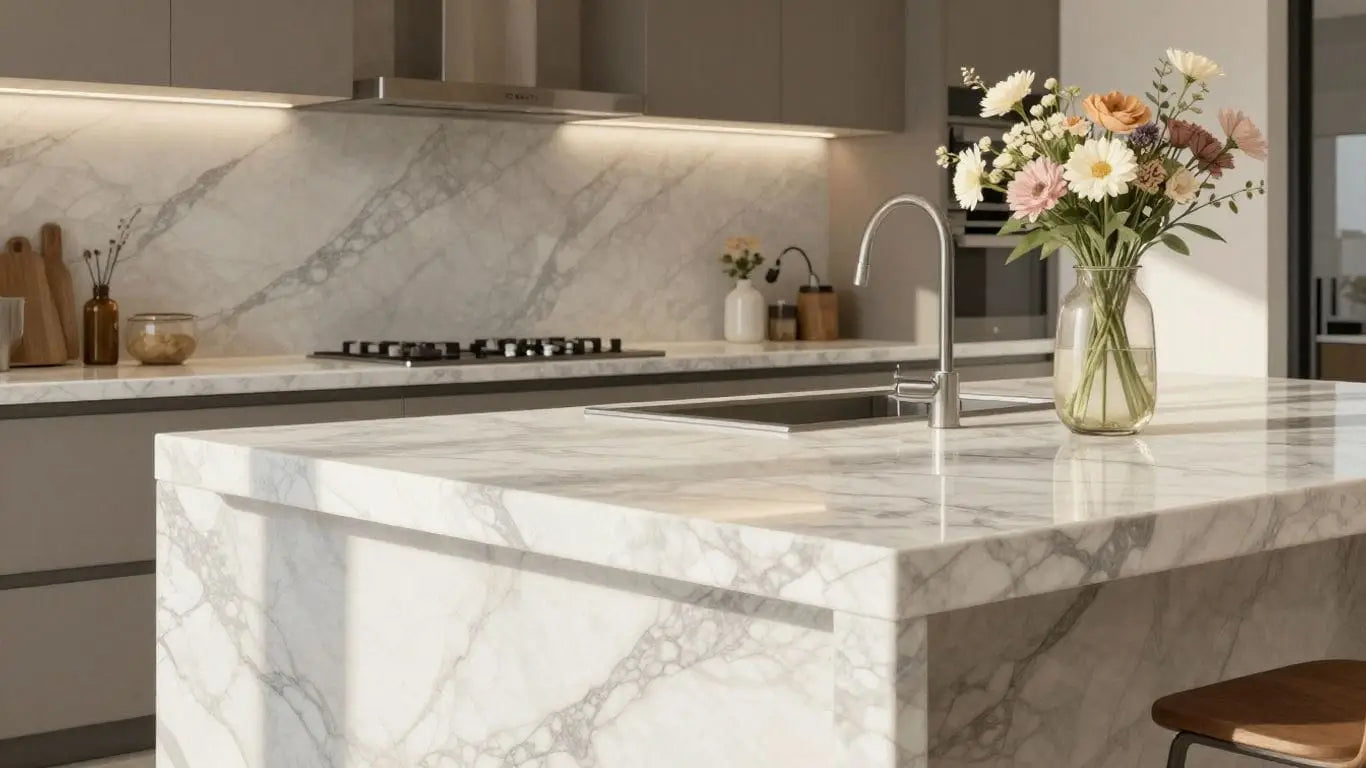
Marble isn't just for grand entrances or fancy bathrooms anymore. This natural stone brings a unique elegance that works in so many parts of your home. Think beyond the usual; marble can transform almost any space into something special. It’s a material that truly speaks of quality and lasting style.
Marble for Luxurious Flooring and Wall Cladding
Imagine walking on floors that feel like a piece of art. Marble tiles offer just that. They bring a sense of luxury and timelessness to any room. Whether you're looking for classic white marble for a bright, airy feel or a deep, veined marble for a more dramatic statement, the options are vast. These tiles aren't just pretty; they're durable too, making them a great choice for areas with a lot of foot traffic. You can find beautiful marble tiles online in the USA to fit your project. Marble also works wonders on walls. A marble accent wall can become the focal point of a living room, or marble wall cladding in a bathroom can create a spa-like retreat. It’s a way to add texture and depth that paint or wallpaper just can't match. For a truly sophisticated interior, marble flooring and wall cladding are hard to beat. Marble flooring and wall cladding add an element of elegance and timeless beauty to any space.
Elegant Marble Countertops and Vanity Tops
When it comes to kitchens and bathrooms, marble countertops and vanity tops are a homeowner's dream. They offer a surface that is both beautiful and functional. The natural veining in marble means no two countertops will ever be exactly alike, giving your space a truly custom feel. While they do require a bit of care, the payoff in terms of aesthetic appeal is immense. A marble vanity top can turn a simple bathroom into a luxurious sanctuary. In the kitchen, a marble island can become the heart of your home, a place where family and friends gather. It’s a material that says you appreciate quality and design. If you're looking to buy marble tiles online USA, consider how these stunning slabs can redefine your kitchen or bath.
Decorative Marble Mosaics and Accents
Don't forget the smaller details! Marble mosaics and accents can add intricate beauty and unique character to your design. Think about a marble mosaic backsplash in your kitchen, adding a touch of artistry behind your stove. Or perhaps a marble mosaic shower floor for a spa-like feel. These smaller pieces allow for incredible creativity. You can find them in all sorts of patterns – herringbone, penny rounds, hexagons, and more. They are perfect for creating feature walls, adding borders to floors, or even designing custom tabletops. These decorative elements are where you can really let your personal style shine through. They prove that marble isn't just for large surfaces; it's also for adding those special, eye-catching touches that make a house feel like a home.
Case Study: The Modern Farmhouse Kitchen
A homeowner wanted to update their kitchen with a touch of timeless elegance without sacrificing practicality. They opted for a honed white marble backsplash in a subway tile pattern. This choice provided a classic look that complemented the modern farmhouse aesthetic. The honed finish offered a softer sheen than polished marble, making it more forgiving with everyday kitchen use. The subtle veining in the marble added depth and visual interest, preventing the white tiles from looking too stark. This application demonstrated how marble, even in a more casual setting, can significantly elevate the overall design and create a warm, inviting atmosphere. The homeowner reported that the backsplash was easy to clean and remained a beautiful focal point of their kitchen renovation.
Marble's versatility means it can be adapted to fit a wide range of design styles and functional needs. From grand flooring to intricate mosaic details, its natural beauty offers a unique advantage in home design.
Marble is super versatile! It's not just for fancy countertops. You can find it in stunning floors, unique wall designs, and even stylish outdoor spaces. Thinking about adding a touch of elegance to your home or project? Explore the many ways marble can transform your space. Visit our website today to see all the amazing possibilities!
Wrapping Up Your Marble Journey
So, we've talked a lot about marble, and honestly, it's not as complicated as some folks make it out to be. It's a beautiful stone, no doubt about it, but it does need a little respect. Getting the basics right, like sealing it properly and using the right cleaners, makes a huge difference. Don't stress too much about every little thing; just be mindful and consistent. If you're looking for great marble or need some advice, checking out places like Surfaces Galore can really help. They have a good selection and can guide you. Remember, a little bit of know-how goes a long way in keeping your marble looking fantastic for years to come.
Frequently Asked Questions
What makes marble so special for homes?
Marble is super popular because it looks really fancy and elegant. It has cool natural lines called veining, and each piece is one-of-a-kind. It can make any room feel more luxurious, like a palace!
Is marble tough enough for busy areas like kitchens?
Marble is pretty strong, but it can get scratched or stained more easily than some other stones like granite. It's best used in places that don't get a lot of foot traffic, like bathrooms or as a fancy backsplash, unless you're really careful with it.
How do I keep my marble looking good?
You need to be gentle! Always use cleaners that are mild and not acidic, like special stone cleaners. Wipe up spills right away because marble can soak them up. Also, make sure to seal it regularly to protect it.
What's the deal with sealing marble?
Sealing marble is like giving it a protective coat. It helps stop liquids and stains from sinking into the stone. You usually need to seal it about once a year, but always check the sealer's instructions.
What is 'etching' on marble, and how do I fix it?
Etching happens when something acidic, like lemon juice or vinegar, touches the marble and dulls the shiny surface. It's not a stain, but a change to the stone itself. Sometimes you can buff out light etches, but deep ones might need professional help.
Can I use regular household cleaners on marble?
Definitely not! Most regular cleaners have harsh chemicals or acids that can damage marble's surface, making it look dull or even causing permanent marks. Stick to cleaners made specifically for natural stone.
Does marble get hot in the sun?
Marble is actually pretty good at handling heat, which is why it's often used for kitchen countertops and around fireplaces. It doesn't get super hot to the touch easily, but like any surface, direct, prolonged sun can warm it up.
Why is proper installation so important for marble?
Getting marble installed the right way is super important! If the surface underneath isn't flat and solid, or if the wrong glue or grout is used, the marble can crack, chip, or come loose over time. Good installation means your beautiful marble will last much longer.

Leave a comment