
Travertine Color Fill: Transforming Luxury Surfaces

Smooth, polished stone surfaces set the tone for sophisticated California interiors, but natural travertine often arrives with prominent pores and cavities that compromise both beauty and durability. For designers working on luxury residential projects, finding the right approach to color fill is a game changer. Expert techniques using specialized resins or mortars not only provide a seamless, glossy finish but also protect the stone from erosion and discoloration, significantly extending its lifespan while elevating the space’s visual appeal.
Table of Contents
- What Is Travertine Color Fill?
- Types of Color Fill for Travertine
- Application Process and Visual Impact
- Before/After Results in Luxury Spaces
- Common Mistakes and Product Selection
Key Takeaways
| Point | Details |
|---|---|
| Color Fill Enhances Durability | Applying travertine color fill prevents moisture penetration and protects against structural degradation, significantly extending the stone’s functional lifespan. |
| Material Selection Is Crucial | Choose appropriate color fill types based on specific project requirements, including factors like durability, environmental exposure, and color compatibility. |
| Professional Application Ensures Quality | It is essential to consult with experienced stone restoration experts to achieve a seamless finish and optimal integration with the travertine’s natural patterns. |
| Avoid Common Mistakes | Be mindful of color matching, environmental suitability, and traffic levels when selecting fill materials to avoid compromising performance and aesthetics. |
What Is Travertine Color Fill?
Travertine color fill is a specialized surface treatment designed to transform natural stone tiles by strategically filling the inherent pores and cavities found in travertine stone. Geological processes create unique surface characteristics that result in natural holes and voids across the stone’s surface, which can impact both aesthetic appeal and long-term durability.
The color fill process involves carefully selecting resins or mortars that match or complement the stone’s natural color palette. These specialized filling materials serve multiple critical functions:
- Smoothing surface texture
- Enhancing visual uniformity
- Preventing moisture penetration
- Protecting against structural degradation
- Creating a more refined, luxurious finish
Professional stone restoration experts use precise techniques to apply color fill, ensuring that the added material integrates seamlessly with the travertine’s natural patterns. By strategically filling these microscopic imperfections, designers can dramatically transform a raw stone surface into a polished, high-end architectural element.
Professional applications range from residential flooring to commercial lobby installations, where a smooth, consistent surface is paramount. The color fill not only improves aesthetic quality but also significantly extends the stone’s functional lifespan by preventing erosion and reducing potential damage points.
Pro tip: Always consult a professional stone restoration specialist to determine the most appropriate color fill technique for your specific travertine surface.
Types of Color Fill for Travertine
Travertine color fill materials represent a sophisticated approach to stone surface restoration, with specialized filling techniques designed for different aesthetic and functional requirements. These materials can be categorized into several distinct types, each offering unique characteristics for transforming natural stone surfaces.
The primary types of travertine color fill include:
- Epoxy Resin Fills: High-performance option with exceptional durability
- Cement-Based Fills: Traditional method offering excellent adhesion
- Polyester Resin Fills: Lightweight and versatile filling solution
- Color-Matched Mortars: Designed for seamless visual integration
- Acrylic-Based Fills: Flexible and moisture-resistant option
Epoxy resin fills represent the most advanced color fill technology, providing superior strength and a non-porous finish that effectively seals travertine’s natural cavities. These fills offer remarkable resistance to staining, moisture penetration, and structural degradation, making them ideal for high-traffic commercial and residential applications.
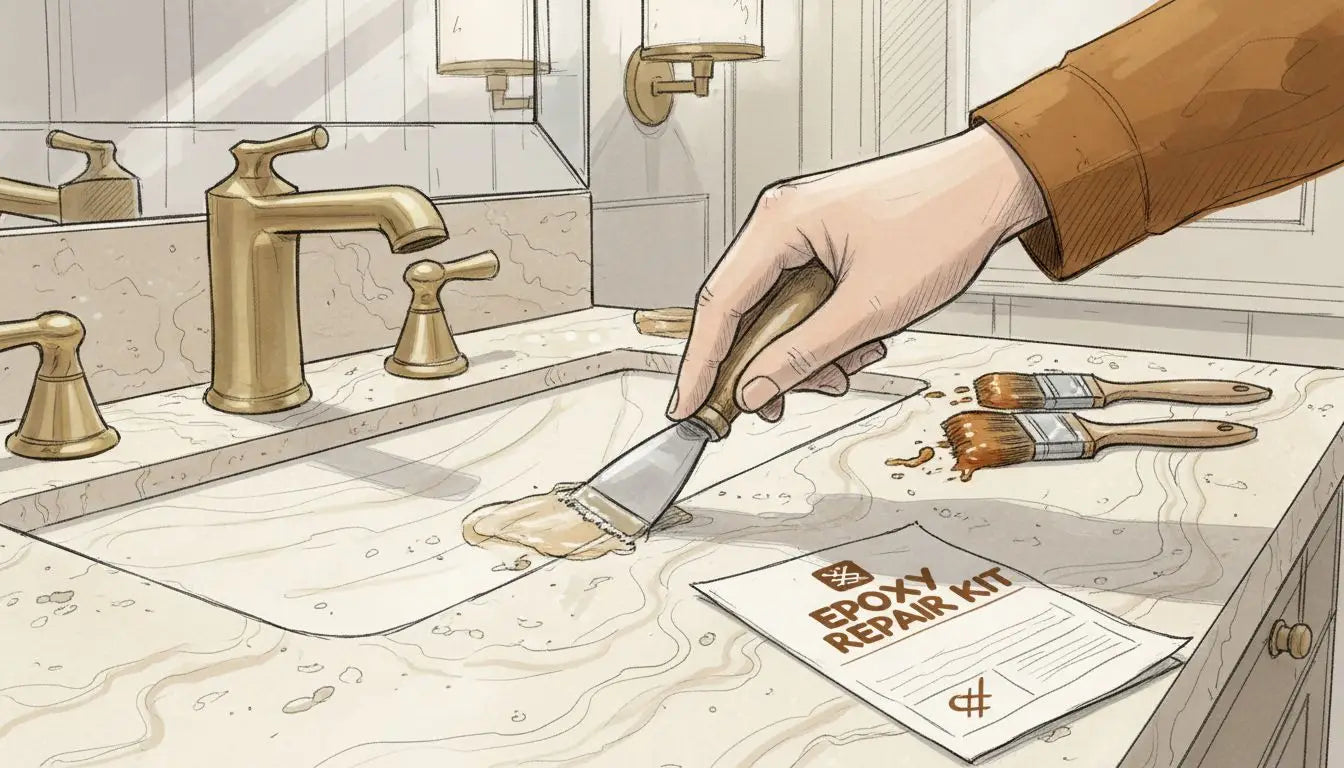
Professional stone restoration experts carefully select fill materials based on specific project requirements, considering factors like surface texture, color consistency, and environmental exposure. Choosing the right travertine flooring tile involves understanding how different fill types interact with the stone’s inherent characteristics.
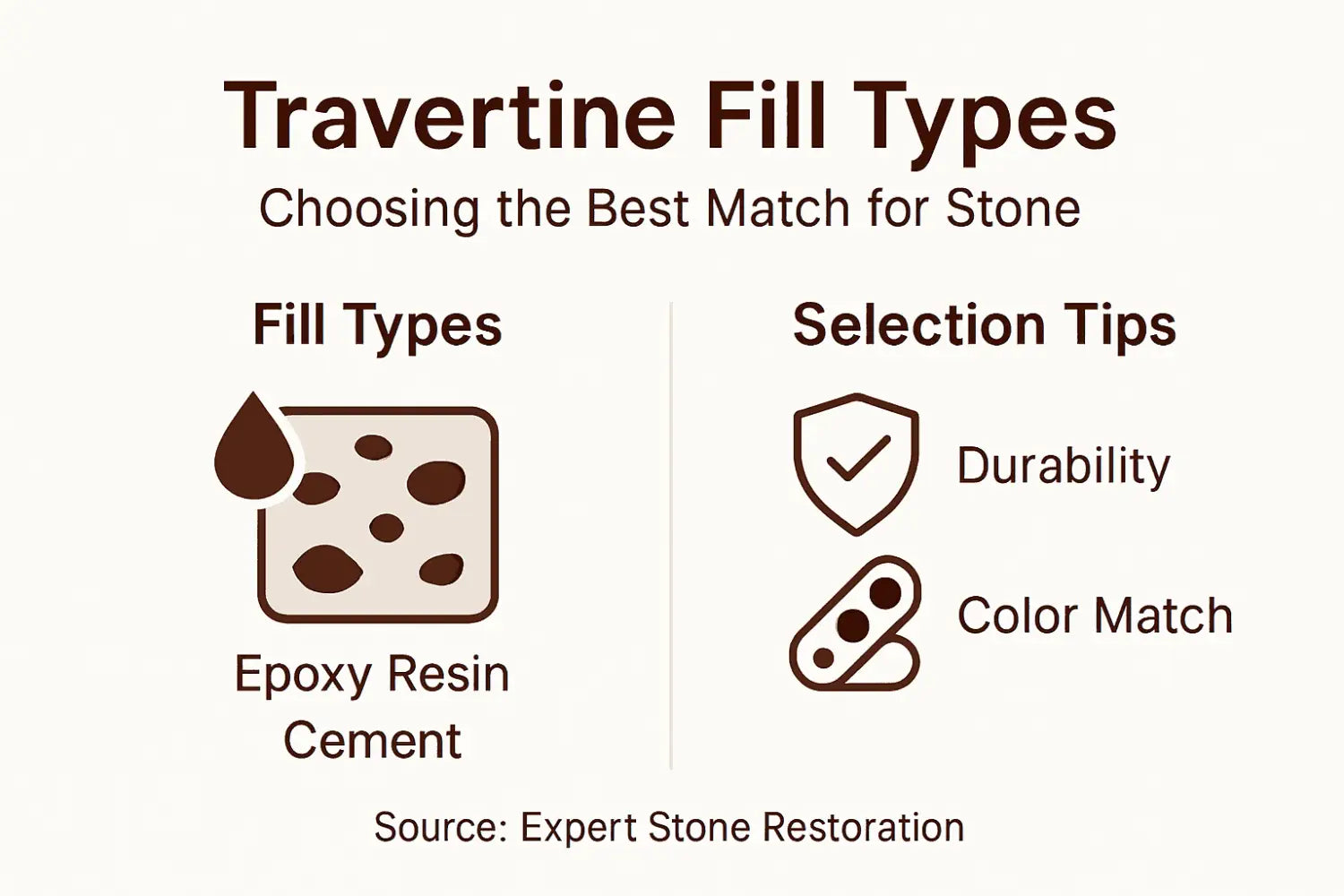
Below is a comparison of common travertine color fill material types and their typical application scenarios:
| Color Fill Type | Best Use Case | Durability Level |
|---|---|---|
| Epoxy Resin | High-traffic areas | Exceptional |
| Cement-Based | Traditional interiors | Moderate |
| Polyester Resin | Lightweight applications | Good |
| Color-Matched Mortar | Seamless designs | Good |
| Acrylic-Based | Moisture-prone surfaces | High |
Pro tip: Always conduct a small test area to confirm color matching and finish compatibility before applying color fill across an entire surface.
Application Process and Visual Impact
The color fill application process is a precise art that transforms travertine surfaces from raw stone to polished elegance. Precise hole-filling techniques require meticulous preparation and expert craftsmanship to achieve a seamless, high-end finish.
The comprehensive application process involves several critical steps:
- Surface Preparation: Thorough cleaning and debris removal
- Material Selection: Choosing appropriate color-matched fill
- Application Technique: Careful filling using specialized tools
- Smoothing and Leveling: Ensuring even surface distribution
- Finishing: Polishing or sanding to match stone’s original texture
Professional application demands extraordinary attention to detail. Skilled technicians use putty knives, specialized trowels, and precise color-matching techniques to ensure the fill material integrates perfectly with the travertine’s natural characteristics. The goal is to create a uniform surface that looks completely natural, eliminating visible holes and imperfections while maintaining the stone’s inherent beauty.
Visual transformation is dramatic, with color-filled travertine offering a dramatically refined appearance. The process not only enhances aesthetic appeal but also provides critical protective benefits, sealing potential moisture entry points and creating a more durable surface that resists wear and environmental degradation.
Pro tip: Select fill materials that closely match the travertine’s base color and undertones to achieve the most natural-looking results.
Before/After Results in Luxury Spaces
The transformative power of travertine color fill is most dramatically evident in professional stone restoration techniques that elevate natural stone from mundane to magnificent. Luxury spaces demand perfection, and color fill provides an extraordinary solution for revitalizing worn or damaged travertine surfaces.
Before and after comparisons reveal stunning visual transformations:
- Surface Texture: From porous and uneven to smooth and refined
- Color Consistency: Eliminating discoloration and patch work
- Light Reflection: Enhanced luminosity and depth
- Structural Integrity: Sealed and protected stone surfaces
- Visual Sophistication: Achieving a high-end, uniform appearance
Luxury interiors benefit tremendously from this technique, with commercial lobbies, high-end residential spaces, and boutique hospitality environments experiencing remarkable visual upgrades. The color fill process effectively conceals imperfections while maintaining the stone’s natural character, creating surfaces that appear both pristine and authentically beautiful.
Professional designers recognize that color fill is more than a cosmetic treatment—it’s a strategic restoration method that extends the lifespan of travertine surfaces. By addressing structural vulnerabilities and aesthetic inconsistencies, this technique transforms ordinary stone into extraordinary design elements that command attention and admiration.
Pro tip: Request professional before and after photographs during your consultation to fully visualize the potential transformation of your travertine surfaces.
Common Mistakes and Product Selection
Choosing the right travertine color fill requires careful consideration and expert knowledge. Critical selection criteria can prevent costly mistakes that compromise the stone’s long-term performance and aesthetic appeal.
Designers and homeowners should be aware of the most common product selection errors:
- Color Mismatch: Selecting fillers that don’t precisely match travertine’s natural tone
- Environmental Incompatibility: Using indoor fillers for outdoor applications
- Porosity Mismatch: Choosing fills inconsistent with stone’s natural characteristics
- Traffic Level Oversight: Neglecting durability requirements for high-use areas
- Material Composition Errors: Using chemically incompatible filling materials
Professional selection demands a nuanced understanding of travertine’s unique properties. Different spaces require different fill strategies, with factors like moisture exposure, temperature fluctuations, and anticipated foot traffic playing crucial roles in determining the most appropriate color fill solution.
The complexity of product selection extends beyond simple aesthetic considerations. Structural integrity, long-term maintenance requirements, and the stone’s inherent geological characteristics must all be carefully evaluated to ensure optimal performance. Experienced stone restoration professionals recommend comprehensive material testing and consultation before committing to a specific color fill approach.
This summary highlights key factors to consider when selecting a travertine color fill product:
| Selection Factor | Why It Matters | What to Look For |
|---|---|---|
| Color Consistency | Visual uniformity | Closely matched shade |
| Environmental Suitability | Indoor/outdoor compatibility | UV and moisture resistance |
| Surface Porosity Match | Prevents cracking or shrinking | Compatible absorption rate |
| Traffic Resistance | Long-term surface performance | High durability rating |
| Chemical Compatibility | Avoids adverse reactions | Neutral pH formulation |
Pro tip: Always request material compatibility tests and sample applications before executing a full travertine color fill project.
Elevate Your Travertine Surfaces with Premium Natural Stone Solutions
Are you ready to transform your travertine installations by addressing common challenges like pore filling, color matching, and long-term durability? The article highlights how travertine color fill enhances surface texture and protects stone integrity, but the first step is choosing authentic and high-quality materials to start your project right. At Surfaces Galore, we provide a wide selection of premium travertine tiles and decorative stones carefully sourced for consistency and natural beauty. This ensures your stone is perfect for achieving that smooth, luxurious finish right from the start.
Discover how you can avoid costly mistakes such as color mismatch or surface porosity issues by selecting stone products that complement your restoration needs. Whether you are an architect, designer, or homeowner, our expert team in Anaheim, California ships high-quality marble and travertine nationwide. Visit Surfaces Galore to explore our collection and bring elegance and durability to your next project. Take action today and experience the difference genuine natural stone can make in creating timeless, sophisticated spaces.
Frequently Asked Questions
What is travertine color fill?
Travertine color fill is a surface treatment that fills the natural pores and cavities in travertine stone, enhancing its appearance and durability. It helps create a smoother surface while preventing moisture penetration and structural degradation.
What are the types of color fill materials available for travertine?
Common types of color fill materials for travertine include epoxy resin fills, cement-based fills, polyester resin fills, color-matched mortars, and acrylic-based fills, each with unique durability and aesthetic properties.
What is the application process for travertine color fill?
The application process involves several steps: surface preparation (cleaning and debris removal), selecting the right fill material, careful application using specialized tools, smoothing and leveling the surface, and finishing with polishing to match the original texture.
How do I choose the right color fill for my travertine surfaces?
Choosing the right color fill involves considering factors such as color consistency with the natural stone, environmental suitability (indoor/outdoor), porosity match, durability based on expected traffic levels, and chemical compatibility to avoid adverse reactions.
Recommended
- Filled And Honed Travertine: What Designers Need To Know– SurfacesGalore
- Elegant Travertine Tile for a Stylish Bathroom Update
- Silver Travertine: 2025 Sleek Flooring, Modern Wall & Soph…
- Travertine Fill: Enhancing Surface Durability and Style– SurfacesGalore
- Bette Lux Oval inbouw duobad plaatstaal dikwandig ovaal zonder poten wit 170x75x45cm - ooinkinstallaties

Leave a comment