

Types of Natural Stone Surfaces: Style and Durability

Selecting the right surface for a luxury kitchen or bathroom renovation goes far beyond choosing a simple countertop. California interiors often demand materials with both lasting beauty and remarkable performance. Few options rival the drama of marble’s elegant crystalline texture or the warmth of travertine’s earthy tones, making natural stone surfaces a premier choice for those seeking to create exceptional spaces. This guide breaks down the most coveted stone types, finishes, and vital care insights to help you craft stunning, enduring interiors.
Table of Contents
- Defining Natural Stone Surfaces In Design
- Distinct Types: Marble, Travertine, And More
- Surface Finishes: Honed, Polished, Tumbled, Leathered
- Ideal Applications In Kitchens And Bathrooms
- Maintenance Needs And Common Pitfalls
Key Takeaways
| Point | Details |
|---|---|
| Natural Stone Surfaces’ Versatility | Natural stone surfaces offer a wide range of aesthetic and functional options for both interior and exterior designs. |
| Geological Classification Matters | Understanding the types of stones—sedimentary, metamorphic, and igneous—helps inform design choices and performance characteristics. |
| Maintenance is Key | Proper care strategies, including sealing and choosing the right cleaning products, are essential for preserving the beauty and integrity of natural stone. |
| Application-Specific Decisions | Selecting the right stone for specific applications in kitchens and bathrooms enhances both functionality and aesthetics. |
Defining Natural Stone Surfaces in Design
Natural stone surfaces represent extraordinary architectural materials extracted directly from the Earth’s geological formations, offering designers unprecedented aesthetic and functional possibilities. Natural stone materials encompass a diverse range of sedimentary, metamorphic, and igneous stones that transform interior and exterior spaces with remarkable visual complexity.
These surfaces are scientifically categorized based on their geological origins, each presenting unique characteristics that distinguish them in architectural design:
- Sedimentary stones like limestone and sandstone, formed through compressed mineral deposits
- Metamorphic stones such as marble, created through intense heat and pressure transformations
- Igneous stones including granite, generated from volcanic magma cooling processes
Designers select natural stone surfaces not just for their visual appeal, but for their inherent durability and capacity to communicate architectural narratives. Stone selection involves understanding critical properties like texture, color variation, structural integrity, and environmental compatibility.
Aesthetic Considerations in Stone Design emerge from understanding how these materials interact with light, space, and surrounding architectural elements. Each stone type brings distinctive visual language - marble’s elegant veining, granite’s speckled depth, limestone’s soft earthen tones.
Here’s a summary of how different stone categories impact design considerations:
| Stone Category | Typical Visual Traits | Durability Level |
|---|---|---|
| Sedimentary | Earthy tones, soft textures | Moderate |
| Metamorphic | Elegant veining, luminous | Moderate to High |
| Igneous | Speckled, bold patterns | High |
Pro tip: Always request material samples and observe how natural stone surfaces perform under different lighting conditions before making final design selections.
Distinct Types: Marble, Travertine, and More
Natural stone surfaces offer designers an extraordinary palette of materials with unique characteristics and aesthetic potential. Common natural stone types include marble, travertine, granite, limestone, and sandstone, each presenting distinctive properties that influence their design applications.
The primary categories of natural stone surfaces can be distinguished by their geological formations:
- Marble: Metamorphic stone with elegant crystalline texture and classic aesthetic
- Travertine: Sedimentary stone with distinctive earthy tones and porous qualities
- Granite: Igneous rock known for exceptional hardness and heat resistance
- Limestone: Soft sedimentary stone with subtle, neutral coloration
Limestone and travertine formations share fascinating geological connections, with travertine specifically forming through freshwater precipitation around hot springs. These stones demonstrate remarkable versatility in architectural design, particularly when designers understand their inherent physical characteristics.
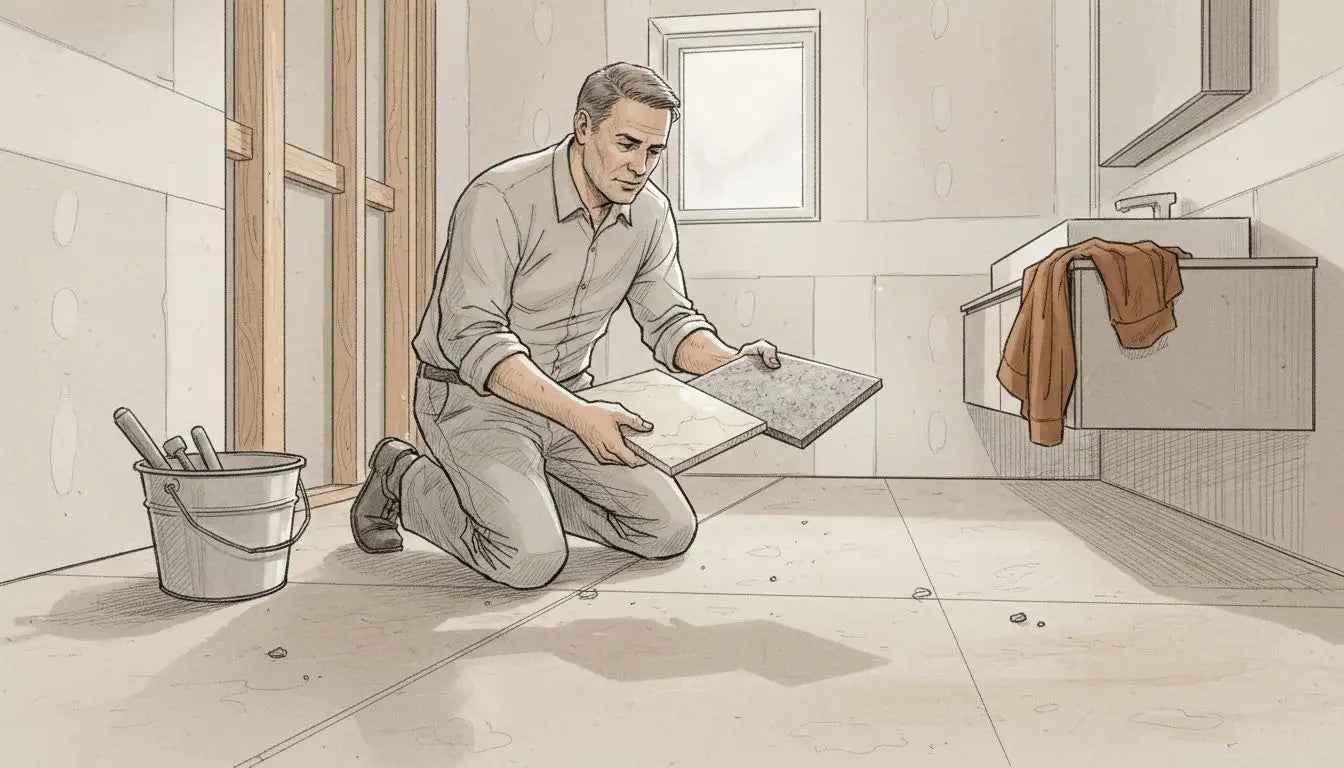
Each stone type demands specific maintenance strategies based on its geological composition. Marble requires careful sealing to preserve its luminous appearance, while granite offers superior durability for high-traffic areas. Travertine’s unique porosity makes it ideal for creating textured, organic design elements that connect interior spaces with natural environments.
Pro tip: Always consult professional stone specialists to understand the precise maintenance requirements and performance characteristics of your selected natural stone surface.
Surface Finishes: Honed, Polished, Tumbled, Leathered
Natural stone surfaces reveal their true character through unique surface finishes, each offering distinct visual and functional qualities. Stone surface finishes transform raw materials into sophisticated design elements that dramatically impact both aesthetic appeal and practical performance.
The primary surface finish techniques include:
- Polished: High-gloss, reflective surface with maximum shine
- Honed: Smooth, matte appearance with minimal reflection
- Tumbled: Aged, rustic texture with rounded edges
- Leathered: Soft, textured surface with subtle sheen
Maintenance requirements vary significantly across different finish types. Polished surfaces create an elegant, mirror-like appearance but can show scratches more prominently, while honed finishes offer superior scratch camouflage and improved traction. Tumbled stones provide a weathered, antique look but typically require more intensive sealing due to increased porosity.
Designers carefully select surface finishes based on specific project requirements, considering factors like lighting, traffic patterns, and desired aesthetic mood. Leathered finishes, particularly popular with darker granites, offer a unique tactile experience that minimizes fingerprint and water spot visibility, making them ideal for high-use surfaces like kitchen countertops.
Compare common stone finishes by functional and aesthetic benefit:
| Finish Type | Surface Gloss | Stain Resistance | Best for |
|---|---|---|---|
| Polished | High shine | Low to moderate | Formal interiors |
| Honed | Matte | Moderate | High-traffic areas |
| Tumbled | Rustic | Low | Outdoor applications |
| Leathered | Subtle sheen | High | Kitchen countertops |
Pro tip: Request stone samples with different finishes and observe how they interact with your space’s lighting and existing design elements before making a final selection.
Ideal Applications in Kitchens and Bathrooms
Natural stone surfaces transform kitchens and bathrooms into sophisticated design environments, offering both aesthetic elegance and remarkable functionality. Natural stone countertop options provide designers and homeowners with versatile materials that combine beauty and performance across different architectural spaces.
Ideal natural stone applications in kitchen and bathroom environments include:
-
Kitchen Countertops:
- Granite for exceptional heat and scratch resistance
- Quartzite for durability and unique visual patterns
- Marble for luxurious, high-end aesthetic
-
Bathroom Applications:
- Marble surfaces for elegant vanities and wall cladding
- Travertine for textured flooring
- Granite for shower surrounds and accent walls
Stone surface durability depends on proper maintenance and appropriate stone selection. Different stones perform distinctly in high-moisture and high-traffic environments, requiring careful consideration of factors like porosity, acid resistance, and recommended sealing techniques.
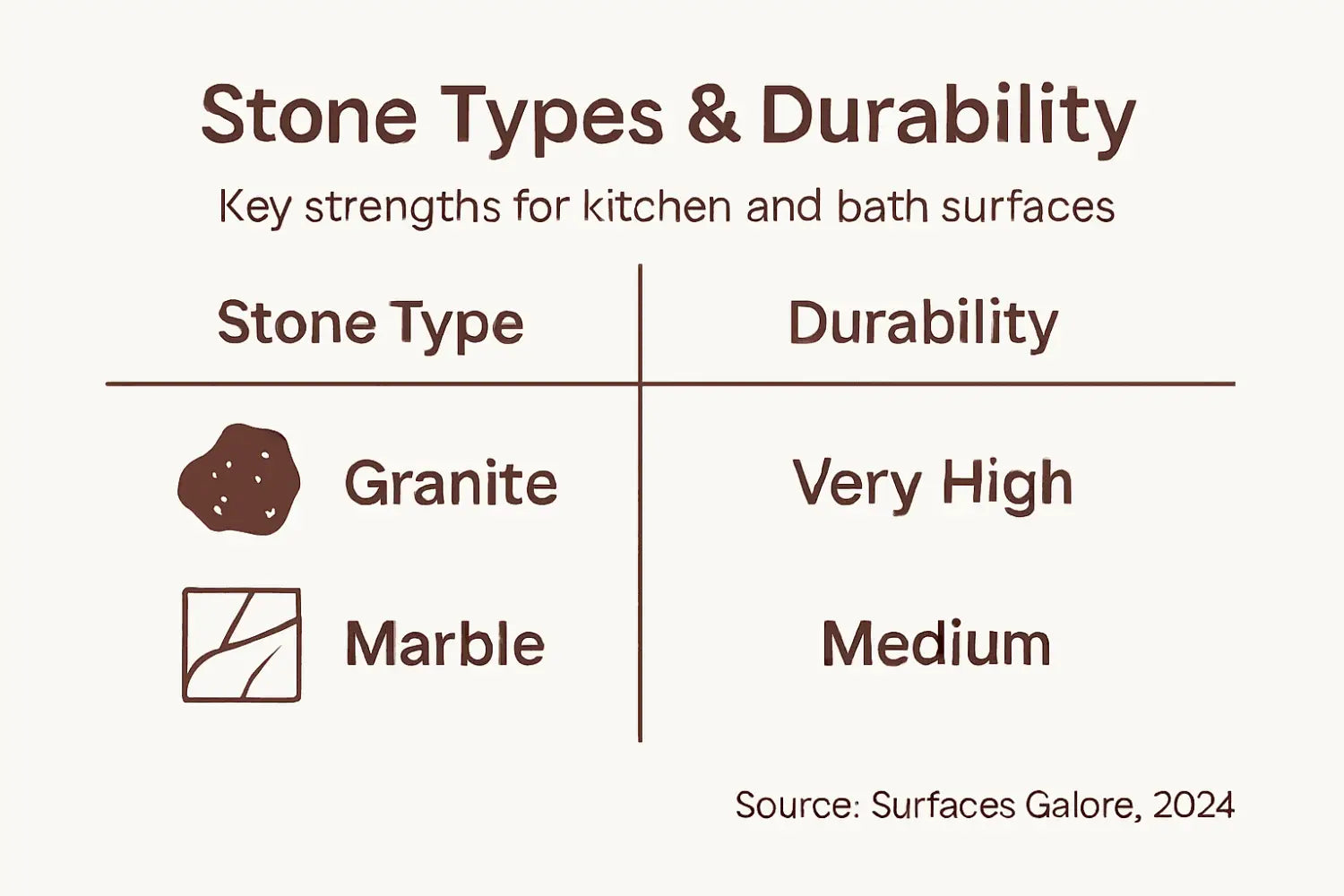
Designers must balance aesthetic preferences with practical performance when selecting natural stone surfaces. Granite offers superior durability for kitchen countertops, while marble provides unparalleled elegance for bathroom vanities. Understanding each stone’s inherent characteristics helps create spaces that are both visually stunning and functionally robust.
Pro tip: Consult professional stone specialists to determine the most appropriate stone type and finish for your specific kitchen or bathroom environment.
Maintenance Needs and Common Pitfalls
Natural stone surfaces demand sophisticated care strategies that protect their inherent beauty and structural integrity. Stone maintenance requires understanding the unique chemical sensitivities and geological characteristics of different stone types.
Common maintenance challenges include:
-
Chemical Sensitivity:
- Marble and limestone are vulnerable to acid etching
- Require pH-neutral cleaning solutions
- Immediate spill management is critical
-
Cleaning Hazards:
- Avoid abrasive cleaners
- Never use vinegar or acidic substances
- Select specialized stone cleaning products
Stain prevention strategies involve categorizing potential contamination types. Oil-based, organic, metal, biological, and ink stains each demand unique removal techniques, highlighting the complexity of natural stone maintenance.
Proper sealing represents the most fundamental protection mechanism for natural stone surfaces. Different stones require specific sealing frequencies and techniques, with more porous materials like travertine needing more frequent applications. Professional stone specialists recommend annual professional assessments to evaluate sealant effectiveness and identify potential maintenance issues.
Pro tip: Create a maintenance log tracking cleaning methods, sealant applications, and any surface changes to optimize your natural stone surface’s long-term performance.
Discover Timeless Elegance and Lasting Durability with Premium Natural Stone
Selecting the right natural stone surface means balancing style with performance. The article highlights key challenges like choosing between marble, travertine, and granite based on their unique durability and finish options such as honed or polished. You want natural stone that not only captivates visually but also endures daily wear especially in high-traffic kitchens and bathrooms. Understanding maintenance needs and stain resistance is essential to protect your investment long term.
At Surfaces Galore, we specialize in offering authentic natural stone solutions including beautifully crafted marble and travertine tiles, mosaics, and decorative pieces. Explore our premium natural stone selection to find exactly the style and finish that fits your project’s demands. Our direct importer model guarantees you access to high quality stone at affordable prices nationwide.
Experience the perfect combination of elegance and durability for your next design.
Ready to elevate your space with genuine natural stone? Visit Surfaces Galore today and discover expert guidance, exclusive products, and nationwide shipping that help your vision come to life with confidence.
Frequently Asked Questions
What are the main types of natural stone surfaces?
Natural stone surfaces are primarily categorized into three types based on geological formation: sedimentary stones (like limestone and sandstone), metamorphic stones (such as marble), and igneous stones (including granite).
How does the durability of different natural stones vary?
The durability of natural stones varies by type; typically, igneous stones like granite are the most durable, while sedimentary stones like limestone are considered moderate in durability. Metamorphic stones like marble offer moderate to high durability depending on their care and maintenance.
What are the best applications for natural stone surfaces in kitchens and bathrooms?
In kitchens, granite is ideal for countertops due to its heat resistance, while marble adds luxury to bathroom vanities. Travertine works well for textured flooring, and granite can also be used for shower surrounds.
How should I maintain natural stone surfaces?
Maintenance includes using pH-neutral cleaning solutions for sensitive stones like marble and limestone, avoiding acidic cleaners, and sealing surfaces regularly. More porous stones like travertine require frequent sealing to prevent stains.
Leave a comment