What Is Cross-Cut Travertine and Its Design Impact

American luxury homeowners are increasingly drawn to materials that marry refined aesthetics with natural authenticity. For interior designers in California, cross-cut travertine offers a standout choice for transforming exclusive residential spaces. With its distinctive circular patterns and unmatched visual depth, cross-cut travertine delivers an organic elegance that elevates high-end home renovations. Discover how this American-favored stone unlocks new design potential for your most discerning clients.
Table of Contents
- Cross-Cut Travertine Defined and Explained
- Comparing Cross-Cut and Vein-Cut Travertine
- Visual Qualities and Installation Patterns
- Luxury Applications for Interior Designers
- Benefits, Drawbacks, and Care Best Practices
Key Takeaways
| Point | Details |
|---|---|
| Cross-Cut Travertine Aesthetic | Offers soft, cloud-like textures that create a neutral and harmonious visual experience, differing from the linear patterns of vein-cut travertine. |
| Design Flexibility | Highly versatile, allowing seamless integration into various design styles from minimalist to rustic, enhancing spatial elegance. |
| Maintenance Considerations | Softer and more prone to scratching, requiring regular sealing and careful handling to preserve its beauty. |
| Optimal Usage | Ideal for high-end residential and commercial spaces where a sophisticated, natural aesthetic is desired. |
Cross-Cut Travertine Defined and Explained
Cross-cut travertine represents a distinctive natural stone cutting technique that reveals unique textural characteristics by sawing stone perpendicular to its natural geological formation. Unlike vein-cut travertine, which exposes linear striations, cross-cut processing creates a more uniform, soft appearance with subtle circular and randomized patterns that mirror the stone’s organic development. Vein Cut vs Cross Cut Travertine A Comparison provides deeper insights into these cutting variations.
The cross-cutting method involves carefully slicing travertine blocks at a 90-degree angle to their original bedding plane, which results in a surface that displays intricate, cloud-like textures and more balanced coloration. This technique exposes the stone’s natural layers, creating visual depth and complexity that differs dramatically from traditional linear cutting methods. Design professionals appreciate cross-cut travertine for its ability to introduce organic, almost sculptural elements into architectural spaces.
Typically, cross-cut travertine exhibits softer visual movement with rounded, sweeping patterns that create a more neutral and harmonious aesthetic. The cutting technique allows designers to leverage the stone’s inherent variations, making each tile a unique canvas of natural artistry. Interior designers often select cross-cut travertine for spaces requiring a sophisticated, understated elegance that maintains strong connections to natural materials.
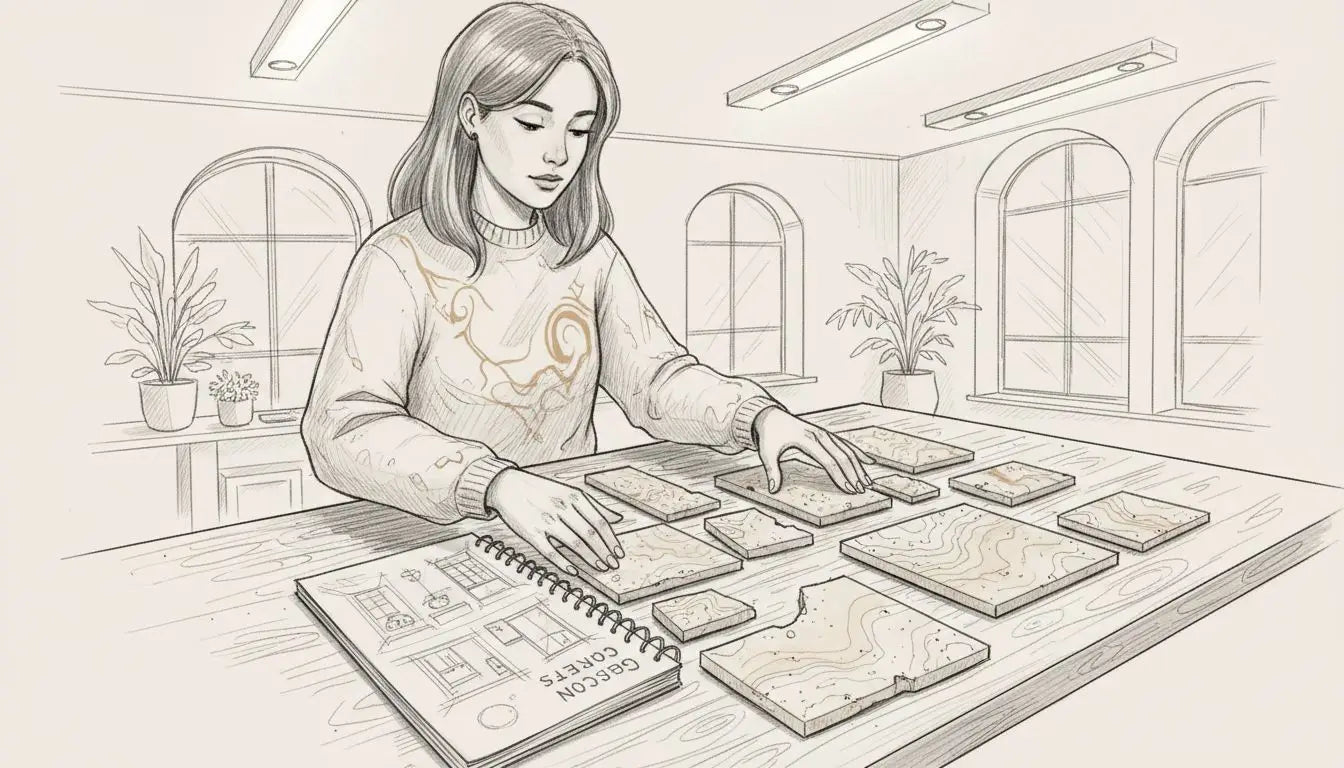
Pro tip: When selecting cross-cut travertine, examine multiple tiles together to appreciate the full range of natural pattern variations and ensure a cohesive design approach.
Comparing Cross-Cut and Vein-Cut Travertine
Travertine comes in two primary cutting styles that dramatically influence its visual appearance and design potential: cross-cut and vein-cut. While both techniques derive from the same natural stone, they produce remarkably different aesthetic outcomes. The Enduring Appeal of Travertine Tile in Modern Homes highlights how these cutting techniques can transform interior spaces.
Vein-cut travertine is characterized by parallel linear patterns that emerge when the stone is cut along its natural sedimentary layers. This technique reveals elongated, striped patterns that resemble wood grain or geological strata, creating a more directional and structured visual effect. Designers often select vein-cut travertine for spaces requiring strong linear movement or a more graphic, pronounced stone appearance.
Cross-cut travertine, in contrast, offers a softer, more organic visual experience. By cutting the stone perpendicular to its natural layers, this method exposes circular and cloud-like patterns that create a more neutral and harmonious aesthetic. The resulting surface appears more random and fluid, with gentle swirling textures that distribute color and movement more evenly across the stone’s surface. Architects and interior designers frequently choose cross-cut travertine when seeking a more subtle, sophisticated stone application that feels less rigid and more naturally inspired.
Pro tip: Always request multiple tile samples and arrange them together to understand how the cutting technique impacts overall visual texture and color distribution in your specific design project.
Here’s a comparison of cross-cut and vein-cut travertine to help with design selection:
| Attribute | Cross-Cut Travertine | Vein-Cut Travertine |
|---|---|---|
| Visual Pattern | Soft, swirling, cloud-like textures | Linear, stripe-like veining |
| Aesthetic Feel | Neutral and organic | Structured and graphic |
| Best Used In | Contemporary, understated spaces | Areas needing directional focus |
| Design Flexibility | High, patterns blend naturally | Medium, patterns emphasize lines |
| Common Colors | Beige, ivory, subtle browns | Beige with pronounced bands |
| Tile Uniqueness | Every tile appears different | Bands can repeat across sets |
Visual Qualities and Installation Patterns
Cross-cut travertine offers designers a remarkable palette of visual textures and installation possibilities that transform spaces with natural elegance. Timeless French Tile Patterns for Elegant Homes demonstrates how strategic stone placement can dramatically enhance interior aesthetics, a principle particularly relevant to cross-cut travertine’s unique characteristics.
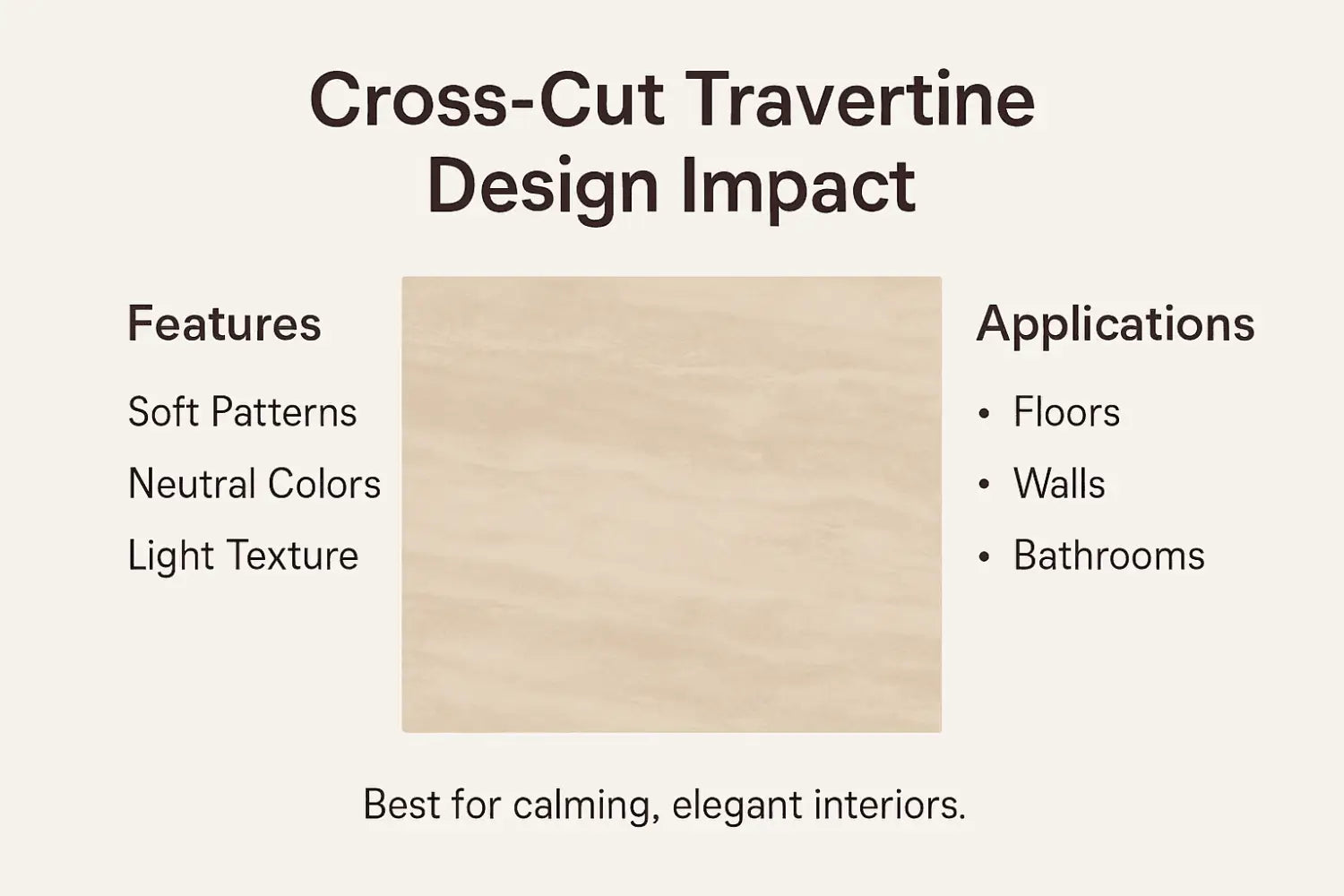
Installation patterns for cross-cut travertine range from traditional grid layouts to more contemporary herringbone and diagonal arrangements. The stone’s organic, swirling texture allows for exceptional design flexibility, enabling architects to create surfaces that appear simultaneously structured and naturally fluid. Large-format tiles work especially well, showcasing the stone’s intricate circular patterns and minimizing visual interruptions across expansive areas.
Color variations in cross-cut travertine further expand design potential. Tiles typically feature subtle gradients of beige, ivory, and soft brown, with gentle color transitions that create depth and visual interest. These nuanced tonal variations mean that cross-cut travertine can seamlessly integrate with multiple design styles—from minimalist modern interiors to warm, rustic environments. Designers often select tiles with complementary but slightly varied patterns to create a natural, cohesive look that feels intentionally organic.
Pro tip: When installing cross-cut travertine, randomize tile placement from different boxes to ensure a balanced, natural appearance that maximizes the stone’s inherent visual complexity.
Luxury Applications for Interior Designers
Cross-cut travertine has become a hallmark of sophisticated interior design, offering luxury spaces an unparalleled blend of natural elegance and refined aesthetic complexity. Luxury Interior Design for an Expensive Home underscores the transformative power of strategic material selection in creating high-end environments.
High-end residential projects particularly benefit from cross-cut travertine’s versatility. Architects and designers leverage its unique visual characteristics in statement spaces like grand entryways, feature walls, and luxurious bathroom installations. The stone’s organic swirling patterns create visual depth that elevates minimal modern designs and warm contemporary interiors alike, making it an ideal material for clients seeking a sophisticated, natural aesthetic that communicates understated luxury.
In premium commercial spaces such as boutique hotels, executive lobbies, and exclusive wellness centers, cross-cut travertine serves as a design element that communicates refined taste. Its subtle color variations and intricate textures provide a backdrop of natural sophistication that resonates with discerning clientele. Designers often specify large-format tiles or book-matched panels to maximize the stone’s inherent visual drama, creating immersive environments that feel simultaneously organic and meticulously curated.
Pro tip: Specify cross-cut travertine with consistent color undertones but varied pattern movements to create a harmonious yet dynamic luxury design approach.
Benefits, Drawbacks, and Care Best Practices
Cross-cut travertine offers designers a sophisticated natural stone option with distinctive aesthetic and functional characteristics. cross-cut travertine maintenance techniques reveal the nuanced considerations required to preserve its unique beauty and structural integrity.
Benefits of cross-cut travertine include its extraordinary visual depth, organic texture, and remarkable design versatility. The stone’s soft, cloud-like patterns create visual interest without overwhelming spaces, making it ideal for both minimalist and warm, layered interior designs. Its natural color variations provide exceptional flexibility, allowing seamless integration across diverse architectural styles—from contemporary urban lofts to traditional Mediterranean-inspired homes.
However, cross-cut travertine does present specific maintenance challenges that designers and homeowners must carefully consider. The stone’s softer composition makes it more susceptible to scratching and chipping compared to harder natural stone varieties. Regular sealing is essential to protect against moisture penetration and staining, with professionals recommending comprehensive treatments every 12 to 18 months. Careful selection of installation locations and strategic protection measures can mitigate potential durability concerns.
Pro tip: Select higher-grade cross-cut travertine with denser geological composition and implement a consistent maintenance protocol to maximize the stone’s long-term aesthetic and structural performance.
To summarize the main advantages and care considerations for cross-cut travertine:
| Benefit | Drawback | Care Best Practice |
|---|---|---|
| Visual depth enhances luxury | Softer, prone to scratches | Seal regularly (12–18 months) |
| Versatile for many styles | Sensitive to acids, some moisture | Use pH-neutral cleaners only |
| Unique patterns reduce monotony | May require more protection | Avoid heavy impacts or dragging |
Discover the Lasting Elegance of Cross-Cut Travertine for Your Next Project
If you are inspired by the organic textures and sophisticated patterns of cross-cut travertine but worry about finding high-quality stone that matches your vision and durability needs you are not alone. Many designers and homeowners seek that perfect balance of unique natural beauty and reliable performance for luxurious interiors. Key challenges include selecting stone with consistent color undertones while embracing the swirling patterns that bring spaces to life. You also need expert advice on care and installation to protect your investment and maintain that timeless appeal.
Surfaces Galore is here to help you transform your space with premium cross-cut travertine that meets those goals. As a leading direct importer specializing in marble and travertine tiles we offer a carefully curated selection of authentic natural stone designed to deliver outstanding visual depth and organic elegance. Trust us to provide stone that blends beauty with strength and expert guidance so you can fully realize your design aspirations.
Explore our comprehensive collection today at Surfaces Galore and see how cross-cut travertine elevates interiors with its soft cloud-like patterns and neutral palette.
Bring the subtle sophistication of cross-cut travertine to your project now. Visit https://surfacesgalore.com to browse our premium stone options and get personalized support from experts who understand the unique demands of natural travertine. Don’t wait to create a space with enduring luxury that captures natural artistry perfectly.
Frequently Asked Questions
What is cross-cut travertine?
Cross-cut travertine is a natural stone cut perpendicular to its geological formation, resulting in a soft, uniform appearance with subtle circular and randomized patterns, unlike the linear striations of vein-cut travertine.
How does cross-cut travertine differ from vein-cut travertine?
Cross-cut travertine features soft, swirling patterns that create a neutral and organic aesthetic, while vein-cut travertine displays pronounced linear patterns with a more structured look. The choice between them impacts the overall design and feel of a space.
What are the installation options for cross-cut travertine?
Cross-cut travertine can be installed in various patterns, including traditional grid layouts, herringbone, and diagonal arrangements. Its unique textures allow for flexible designs that can suit both modern and rustic environments.
How do you maintain cross-cut travertine?
Maintaining cross-cut travertine involves regular sealing every 12 to 18 months to protect against staining and moisture. Using pH-neutral cleaners and avoiding heavy impacts can also help preserve its beauty and structural integrity.

Leave a comment