

24 Must-See Travertine Bathroom Texture Ideas Shaping Design


Travertine is back in a big way because it adds a natural warmth that cold marble just cannot match. If you want a space that feels grounded and high end, the texture you choose changes everything. We gathered 24 Must-See Travertine Bathroom Texture Ideas Shaping Design to help you find the right look for your next renovation project.
1. Raw Unfilled Stone Slabs
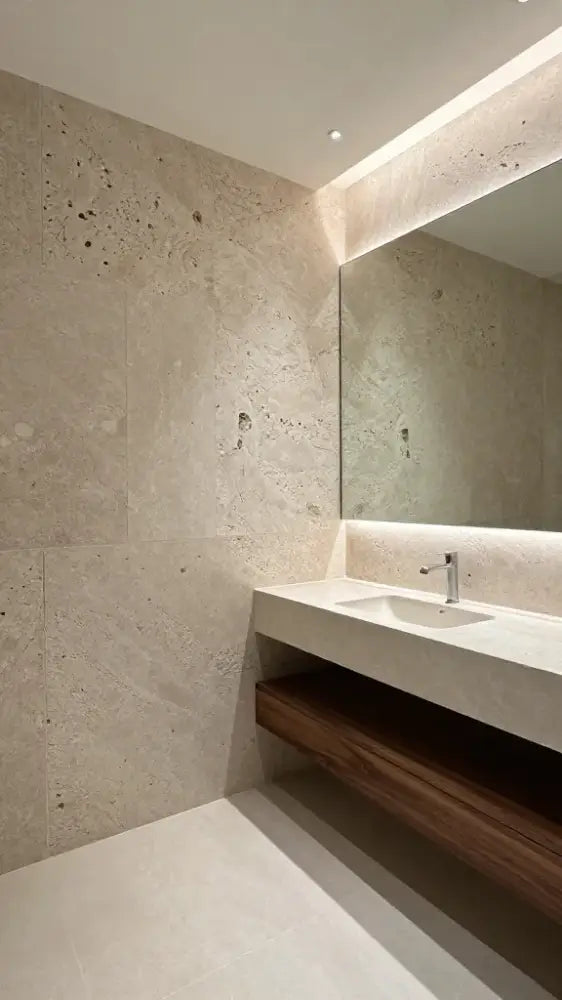
Choosing raw unfilled stone is about embracing the natural pits and voids that form over thousands of years. Most people fill these holes with resin to make the surface smooth, but leaving them open creates a rugged, ancient look that feels incredibly grounded. It brings a tactile, honest quality to your bathroom that polished materials just can't match.
These slabs work best as a focal point behind a vanity or as a dramatic feature wall in a dry area. Since the surface is porous, you'll want to avoid placing them directly inside a high-moisture shower zone where soap scum might settle into the crevices. Instead, use them where the natural shadows and deep textures can be highlighted by soft, directional lighting.
To keep the look sophisticated, pair the rough stone with sleek, modern fixtures like matte black faucets or a simple glass partition. The contrast between the jagged, earthy texture and clean metal lines makes the space feel curated rather than unfinished. It is a bold choice for anyone who prefers the raw beauty of the quarry over a sanitized, factory finish.
2. Honed Matte Floor Tiles
| Feature | Honed Matte Finish | Polished Finish |
|---|---|---|
| Surface Grip | High slip resistance | Slippery when wet |
| Light Reflection | Soft and diffused | Mirror like shine |
| Maintenance | Hides water spots well | Shows every streak |
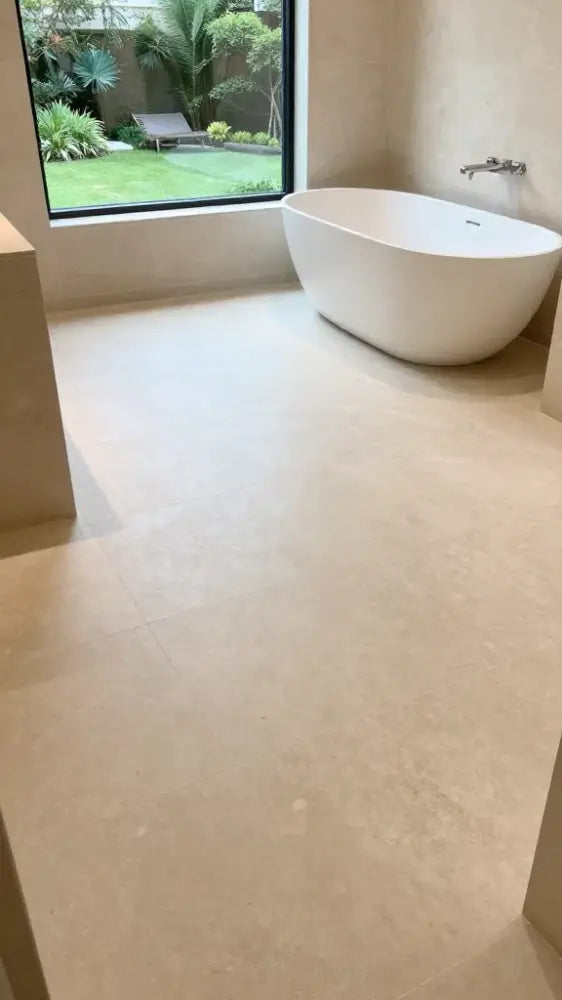
Imagine stepping out of a steaming hot shower onto a floor that feels velvety and secure under your feet. Unlike shiny stone that turns into a skating rink with one drop of water, honed matte travertine provides a grounded, tactile grip.
The surface is ground down to a perfectly flat, smooth plane without the high gloss buffing stage. This leaves the natural pores slightly visible, giving the stone a raw and organic character that works beautifully in modern wet rooms.
You won't have to constantly buff out watermarks or fingerprints because the flat finish naturally hides those little daily messes. It creates a quiet, understated look that lets the unique veining of the stone speak for itself without the distraction of harsh overhead reflections.
3. Fluted Wall Panel Accents
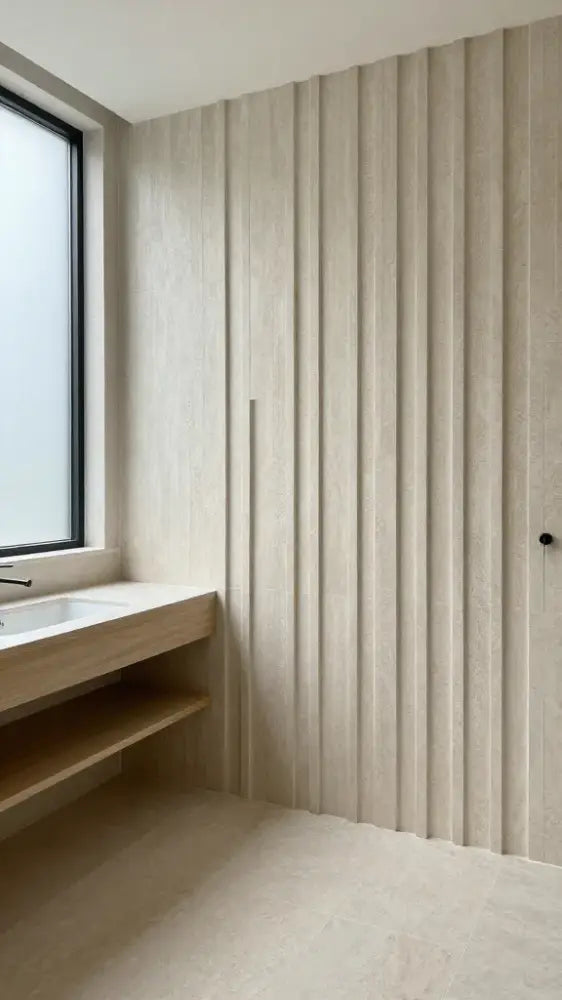
Vertical grooves carved into travertine slabs create a rhythmic shadow play that flat stone simply cannot match. This fluted texture breaks up the heavy look of large format tiles by introducing architectural depth and a tactile surface you'll want to touch. It works best when applied to a single focal point, like the wall behind a floating vanity or inside a walk-in shower niche.
The linear ridges draw the eye upward, which makes even small bathrooms feel significantly taller and more spacious. You can pair these ribbed panels with smooth, honed travertine floors to keep the room from feeling too busy or overwhelming. The natural pits and color variations of the stone settle into the grooves, highlighting the raw beauty of the material in a structured, modern way.
4. Tumbled Edge Mosaic Backsplashes
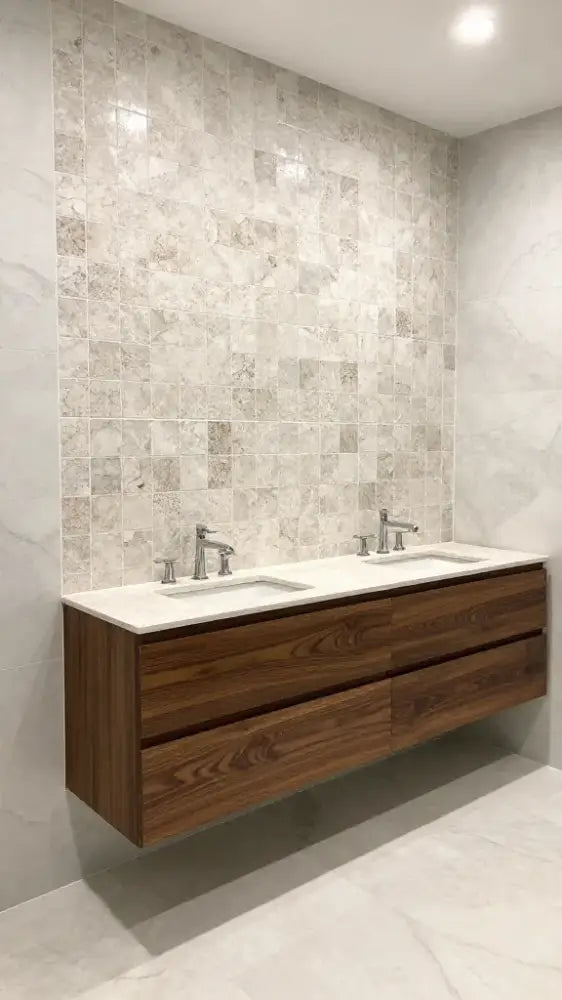
Installing tumbled edge mosaics behind your vanity or inside a shower niche adds immediate depth to a flat wall. The rounded, slightly chipped edges of these small tiles create a rugged look that breaks up the clinical feel of a modern bathroom.
Because the edges aren't perfectly straight, the grout lines look more natural and forgiving. This texture catches the light at different angles, which helps hide water spots and soap scum much better than polished stone.
- Select a 1x1 inch square or small brick pattern to maximize the number of textured edges visible.
- Use a grout color that closely matches the stone to keep the focus on the physical pitted surface.
- Seal the tiles before grouting so the dark pigments don't get trapped in the natural pores of the travertine.
It is a smart way to get that old world Mediterranean vibe without needing a massive renovation budget.
5. Polished Silver Vein Cut Planks
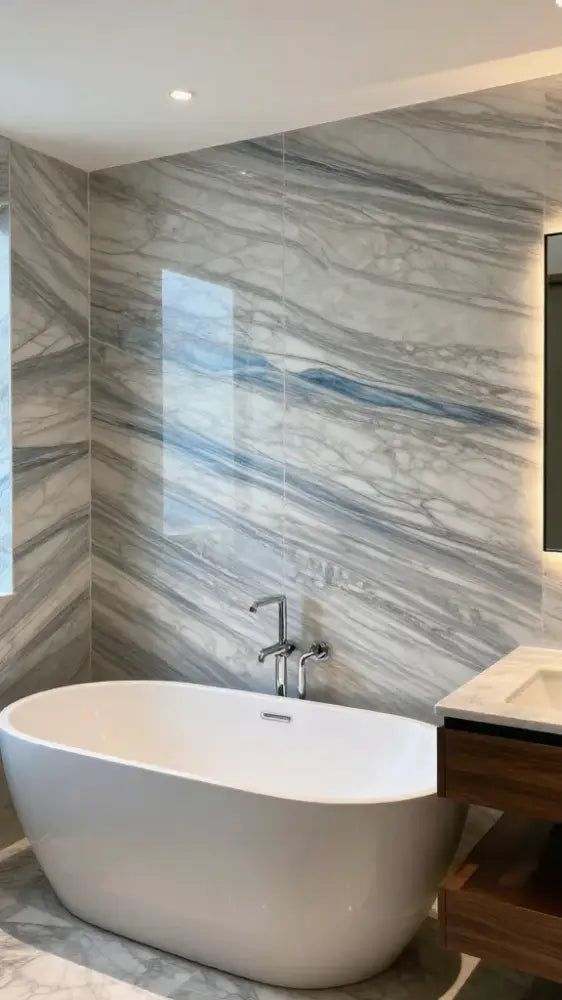
If you're looking for that sleek, high-end hotel vibe, you really can't beat the look of silver vein cut planks. Most people think of travertine as just beige or tan, but the silver variety has these incredible cool grays and smoky blues that feel much more modern.
By cutting the stone with the grain, you get these long, linear streaks that mimic the look of expensive wood flooring. When it's polished to a high shine, the light bounces off those veins and makes a small bathroom feel twice as large.
I usually recommend using these in a stacked bond pattern on the walls rather than a traditional brick layout. It keeps the lines clean and emphasizes the horizontal movement of the stone.
Just keep in mind that a polished finish can be a bit slippery when wet. It's usually best to save the high gloss for the walls and use a honed or textured version of the same stone for the shower floor.
The contrast between the mirror-like surface and the organic, earthy stripes is what makes this material so special. It gives you that crisp, clean aesthetic without feeling cold or clinical like plain white tile often does.
6. Brushed Cross Cut Shower Walls
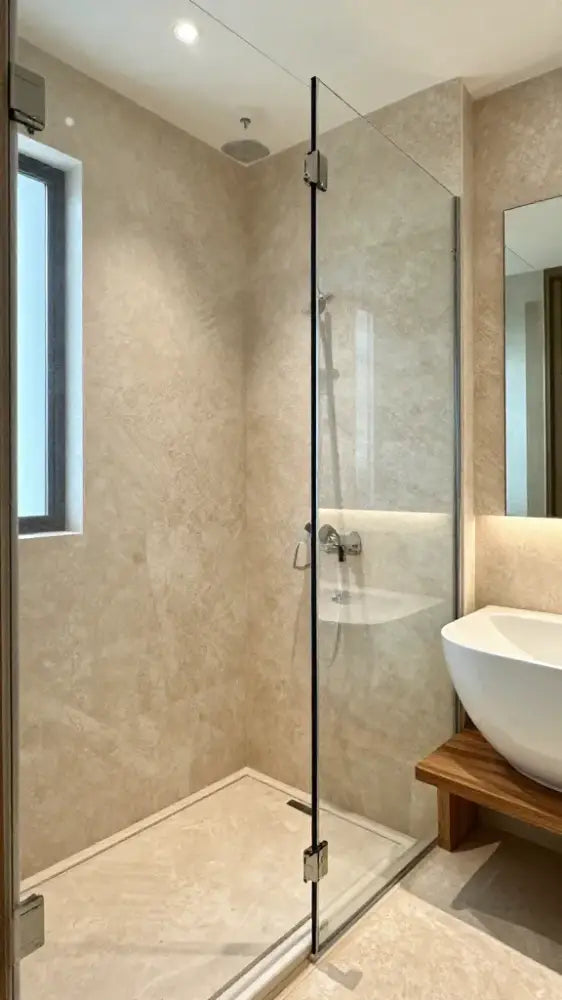
Cross cutting travertine reveals a cloudy, circular pattern that feels softer than the typical linear veins you see in hotels. When you add a brushed finish to these shower walls, you get a tactile surface that feels amazing against your skin and doesn't get slippery when wet.
The brushing process uses stiff wire brushes to wear away the softer parts of the stone. This creates a slightly rugged, aged look that hides water spots and soap scum much better than a polished surface ever could.
- Subtle Texture: The wire brushing creates tiny ridges that catch the light without looking overly shiny or artificial.
- Warm Tones: Cross cutting highlights the natural beige and cream swirls that make a small shower feel much larger and brighter.
- Low Maintenance: Since the surface is already textured, you won't have to obsess over buffing out every single fingerprint or streak.
- Safe Grip: The slight grit of the brushed finish provides extra traction if you lean against the walls while washing.
This specific combination works best if you use larger tiles to minimize grout lines. It gives your bathroom a quiet, organic feel that reminds me of a natural stone grotto rather than a sterile box.
7. Hand-Carved Integrated Stone Sinks
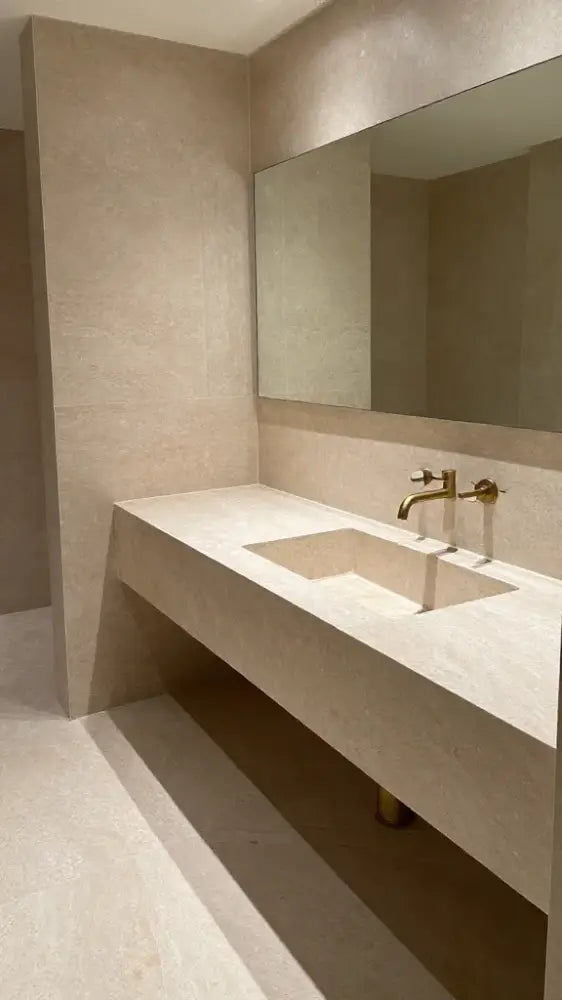
You can choose between a standard drop-in basin or a hand-carved integrated sink made from a single block of travertine. The drop-in version is cheaper and easier to swap out later, but you'll always have that annoying seam where the sink meets the counter. It collects grime and breaks the visual flow of the stone's natural veining.
An integrated sink eliminates those joints entirely by carving the basin directly into the slab. This creates a monolithic look where the pits and cream-colored swirls of the travertine continue uninterrupted from the countertop down into the bowl. It feels much more like a custom piece of sculpture than a basic plumbing fixture.
I highly recommend going with the integrated carved approach if your budget allows for it. Just make sure your installer angles the bottom of the basin slightly toward the drain. Since travertine is porous, you want to ensure water never pools in the corners to prevent staining or mineral buildup over time.
8. Linear Grooved Feature Walls
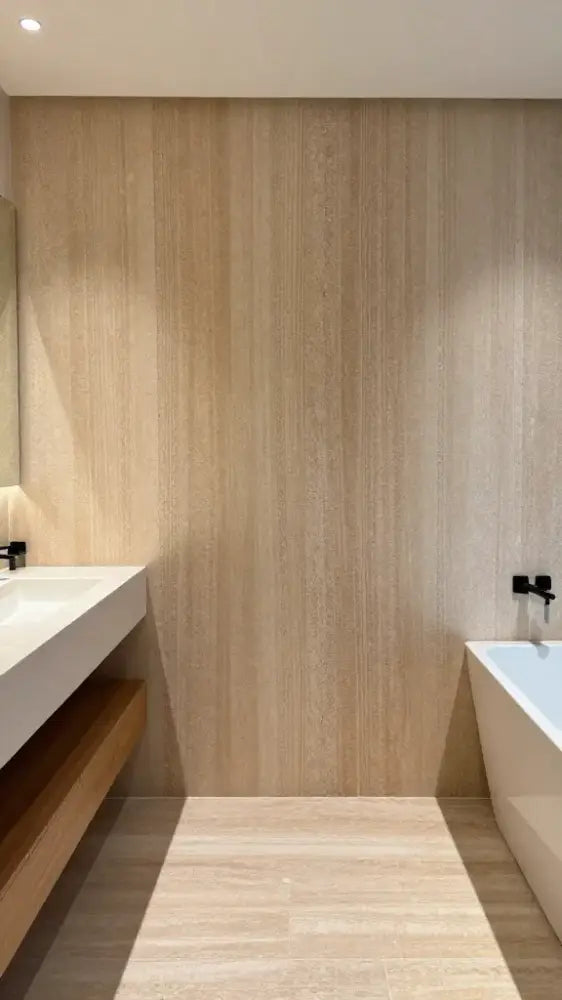
Travertine naturally feels earthy, but a flat slab can sometimes feel a bit heavy in a small space. Adding linear grooves breaks up the visual weight and introduces a rhythmic pattern that draws the eye upward.
This texture involves carving deep, parallel channels into the stone surface, creating a corrugated look that plays with light and shadow. It's a smart way to add architectural interest without introducing new colors or materials that might clutter your design.
Try using these fluted panels behind a floating vanity or inside a walk-in shower to create a focal point. The vertical lines help a low ceiling feel much taller, while the honed finish keeps the stone feeling soft to the touch. It's a sophisticated way to make a standard bathroom feel like a high-end spa retreat.
9. Pebble-Style Tumbled Floor Stones
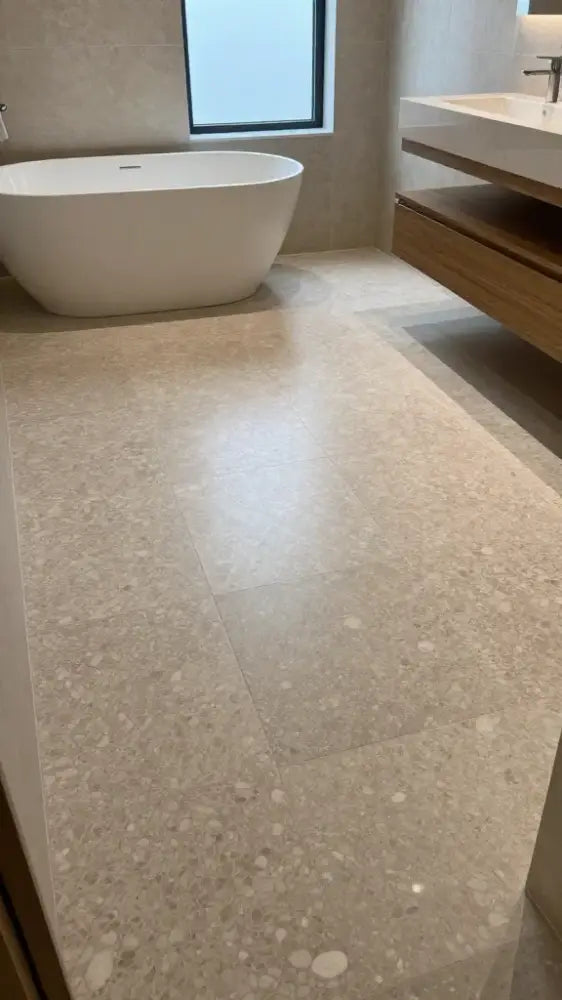
| Feature | Tumbled Pebble Travertine | Standard Honed Tile |
|---|---|---|
| Texture | Rounded, organic, and raised | Flat and uniform |
| Grip | High slip resistance due to grout lines | Slippery when wet |
| Feel | Massage-like underfoot | Cool and smooth |
Imagine stepping into your shower and feeling the rounded edges of smooth stones under your feet. These tumbled travertine pebbles are sorted by size and then smoothed down to remove any sharp corners. This process gives you a floor that feels more like a natural creek bed than a standard bathroom.
The beauty of this texture is how it handles water. Because the stones have irregular shapes, you need more grout to fill the gaps between them. This extra grout creates a built-in non-slip surface that's perfect for wet rooms or walk-in showers.
You can find these in shades ranging from creamy ivory to deep walnut. They look best when you use a matching grout color to make the floor look like one continuous, textured sheet. It's a great way to add a bit of a spa vibe without the maintenance of actual loose river rocks.
10. Textured Split Face Borders
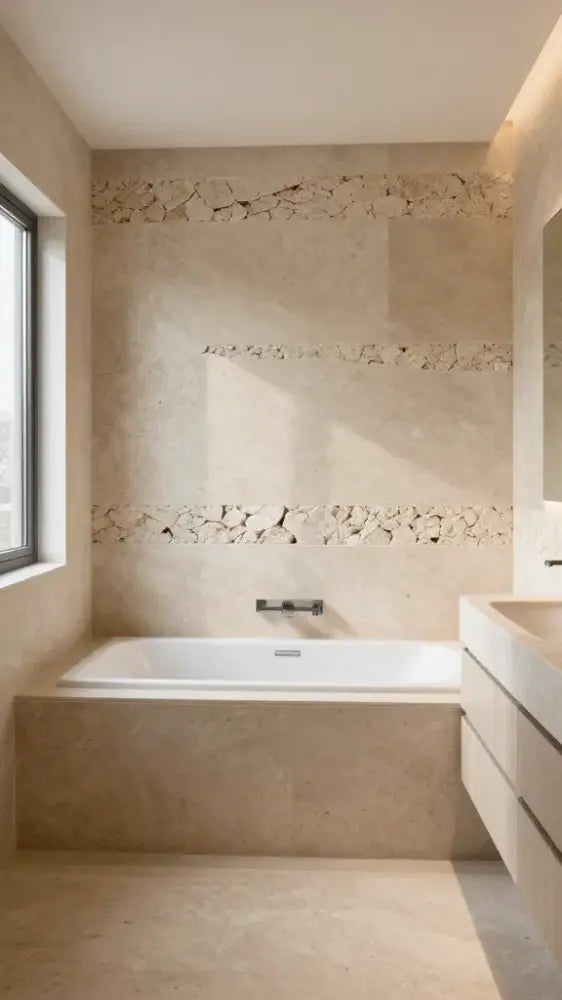
Split face borders are the best way to break up the visual monotony of a flat shower wall. These strips feature raw, uneven surfaces where the stone has been literally snapped to reveal its internal grain.
The craggy edges catch the light from your overhead fixtures and create deep shadows. It's a tactile contrast that makes the smoother honed tiles around it look more expensive.
You should place these at eye level or use them to frame a recessed shampoo niche. Since the texture is quite aggressive, a single horizontal band is usually enough to ground the entire room.
The natural variations in beige and walnut tones look particularly striking when the stone is left unsealed. This keeps the organic matte finish intact so the bathroom feels more like a high end spa than a standard washroom.
11. Reclaimed Antique Travertine Blocks
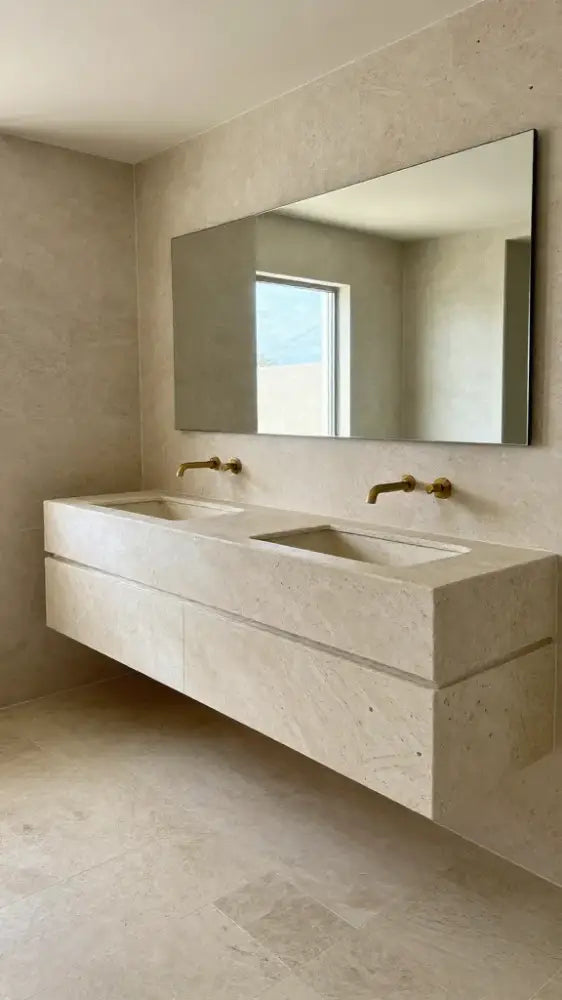
You can use reclaimed antique travertine blocks to build a vanity base or a thick, structural partition wall in your shower. These blocks usually come from old European courtyards or salvaged building foundations, meaning they have rounded edges and deep pits you won't find in new slabs.
The heavy weight of these blocks creates a sense of permanence that thin tiles can't replicate. Because they've been exposed to the elements for decades, the stone has a soft, muted patina that feels incredibly smooth to the touch.
- Stack the blocks with recessed mortar joints to highlight the irregular, hand-cut shapes of each piece.
- Leave the stone unsealed if it's in a dry area to let the natural, chalky texture stand out against modern metal fixtures.
- Mix different block heights to create a custom ledge for holding soaps and glass bottles.
Choosing salvaged stone gives your bathroom a grounded, historic soul that makes the entire space feel like it has been there for centuries.
12. Herringbone Patterned Sanded Tiles
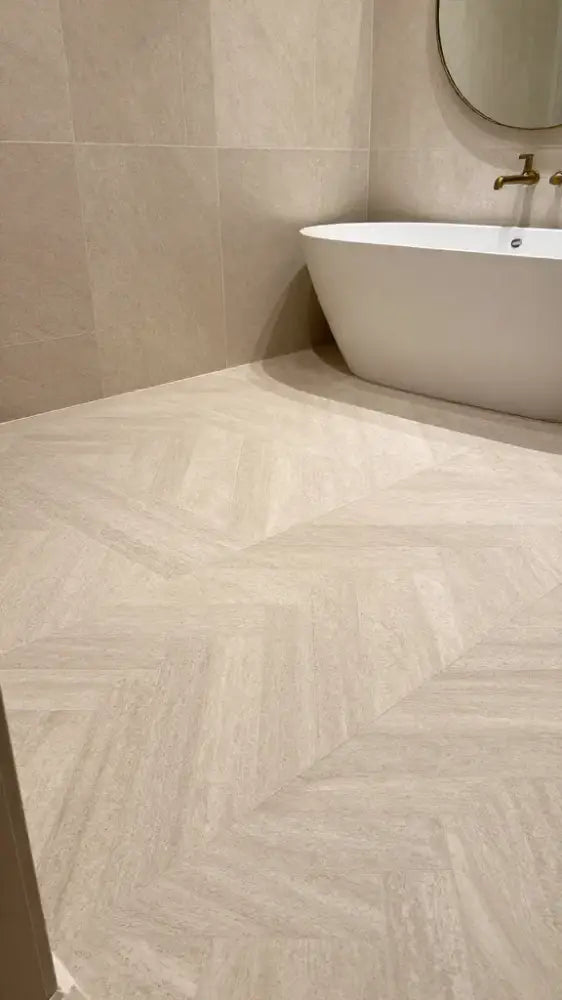
You might think the classic herringbone layout is just for hardwood floors, but it actually works wonders with sanded travertine. When you use tiles that have been sanded flat, you get this incredibly smooth surface that feels soft under your bare feet.
The geometric zig-zag pattern adds a sense of movement to a small bathroom floor without making the space feel cluttered. Since the stone is sanded rather than polished, it stays matte and hides those annoying water spots that usually show up on shiny finishes.
I suggest using a light ivory or silver travertine to keep the look airy. Pair it with a slightly darker grout to make the individual rectangular tiles pop. It gives the room a custom, high-end look that doesn't feel too stiff or formal.
This texture is especially great for walk-in showers because the extra grout lines provide a bit of natural slip resistance. You get the benefit of a flat, comfortable surface while still keeping the bathroom safe. It's a smart way to mix traditional patterns with a modern, tactile finish.
13. High-Gloss Filled Resin Finishes
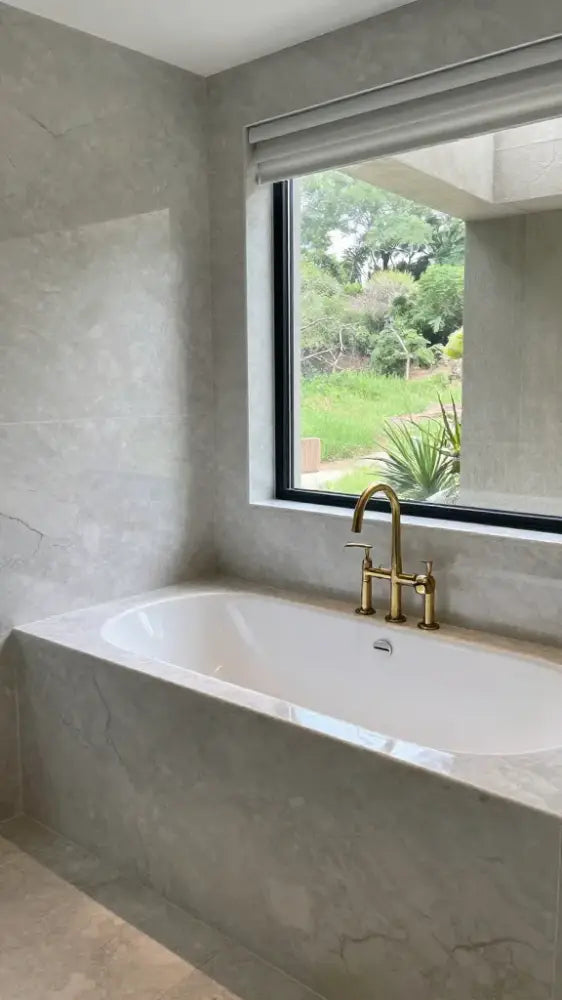
Travertine is naturally full of tiny pits and holes. While that look is great for a rustic patio, it can be a nightmare to clean in a shower where soap scum loves to hide.
A filled resin finish solves this by packing those voids with a clear or color matched epoxy. The surface is then buffed until it shines like a mirror, giving you the natural stone patterns without any of the texture issues.
- The resin creates a flat surface that prevents water from sitting inside the stone.
- The high gloss polish reflects light to make small, dark bathrooms feel much larger.
- You can choose a tinted resin to highlight the stone's unique veining or keep it clear for a subtle look.
- Maintenance is much easier because you can just wipe it down without scrubbing deep into the pores.
This style works best on vertical surfaces like shower walls or backsplashes. It gives the stone a sleek, modern edge that feels more like high end marble than old world limestone.
14. Chiseled Edge Vanity Tops
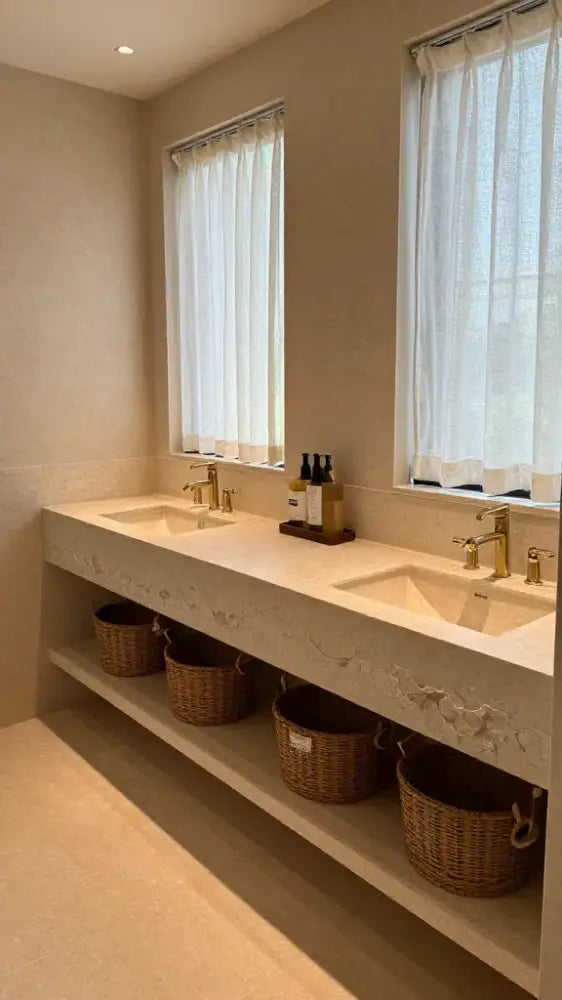
You can choose between a perfectly honed straight edge or a hand-chipped chiseled finish for your travertine vanity. The straight edge looks clean and modern, but it often highlights every tiny chip or scratch that happens over years of use.
A chiseled edge embrace's the stone's organic flaws by exposing the inner pockets and pits of the travertine. This rough texture hides water spots and accidental dings much better than a smooth surface ever could.
I suggest going with the chiseled edge if you want your bathroom to feel like a high-end Mediterranean spa. It adds a heavy, grounded weight to the room that makes a standard slab look much more expensive. Just make sure your installer applies a high-quality penetrating sealer into those deep crevices to prevent soap scum buildup.
15. Micro-Etched Non-Slip Surfaces
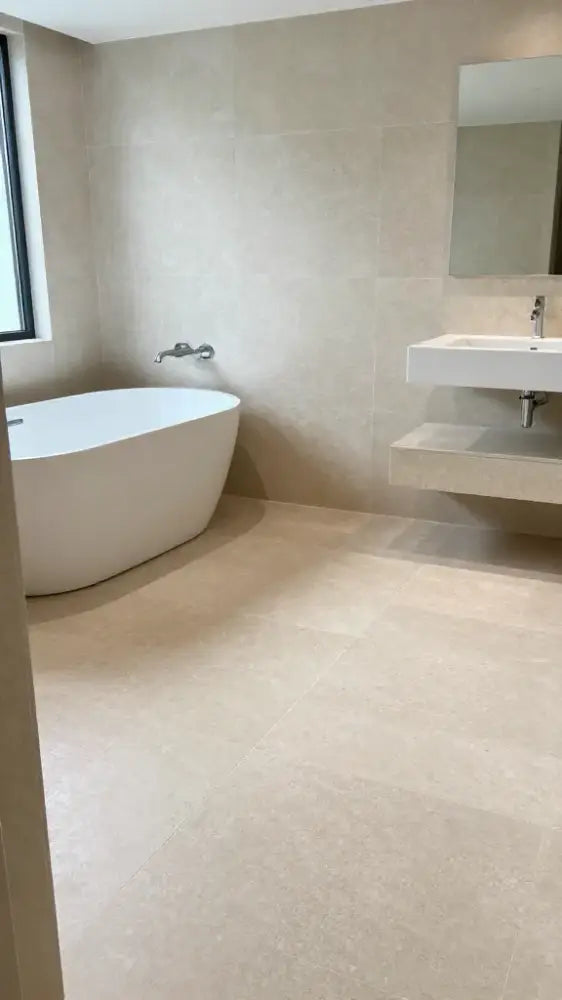
Safety is usually the last thing people think about when picking stone, but travertine is notoriously slick when wet. You don't want to choose a beautiful tile only to realize you're sliding around every time you step out of the shower.
Micro-etching solves this by using a specialized acid or laser process to create tiny, invisible indentations on the stone surface. These microscopic pits increase friction without ruining the soft, buttery feel that makes this stone so popular in high end bathrooms.
Because the etching is so small, it doesn't trap dirt or grime like a heavy tumble or a deep brush finish might. It is the perfect middle ground for a walk-in shower floor where you need grip but still want that refined, honed aesthetic.
You can apply this treatment to large format tiles to keep the room looking expansive and modern. It works particularly well on silver or walnut travertine varieties where you want the natural veining to stay crisp and clear.
16. Large Format Seamless Slabs
| Feature | Standard Tiles | Large Slabs |
|---|---|---|
| Grout Lines | Frequent and visible | Virtually nonexistent |
| Visual Flow | Interrupted pattern | Continuous veining |
| Maintenance | Scrubbing grout joints | Easy wipe down |
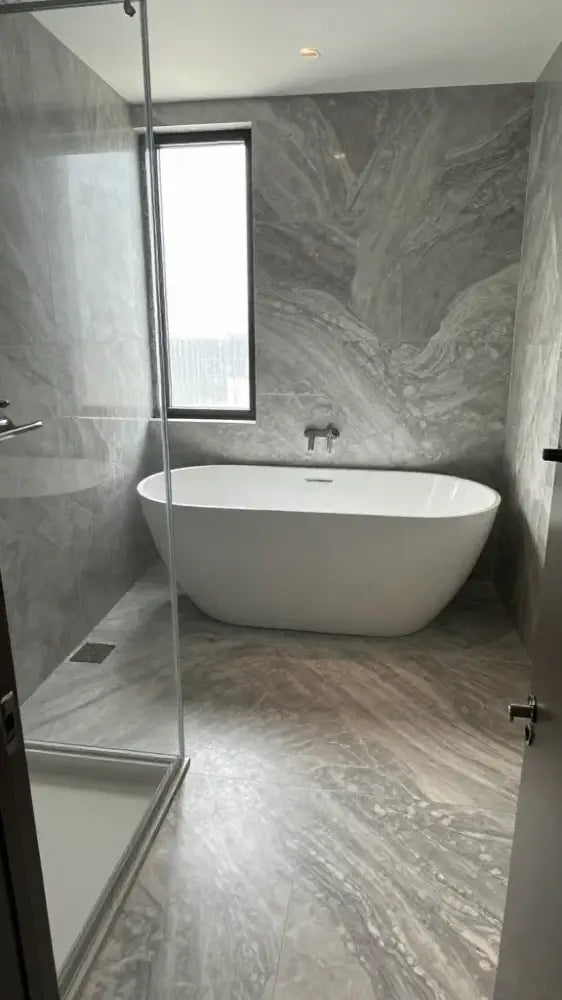
Imagine walking into a shower where the silver travertine flows from the floor to the ceiling without a single break. Using massive slabs creates a high end look that feels more like a natural stone cave than a tiled room.
These oversized panels eliminate the busy grid lines that usually distract the eye. This makes even a small guest bath feel much larger because the visual movement never hits a "stop" sign at a grout joint.
You'll need a skilled installer for these because the pieces are heavy and require precision handling. However, the payoff is a surface that stays cleaner since there aren't many places for soap scum to hide.
17. Scalloped Relief Wall Tiles
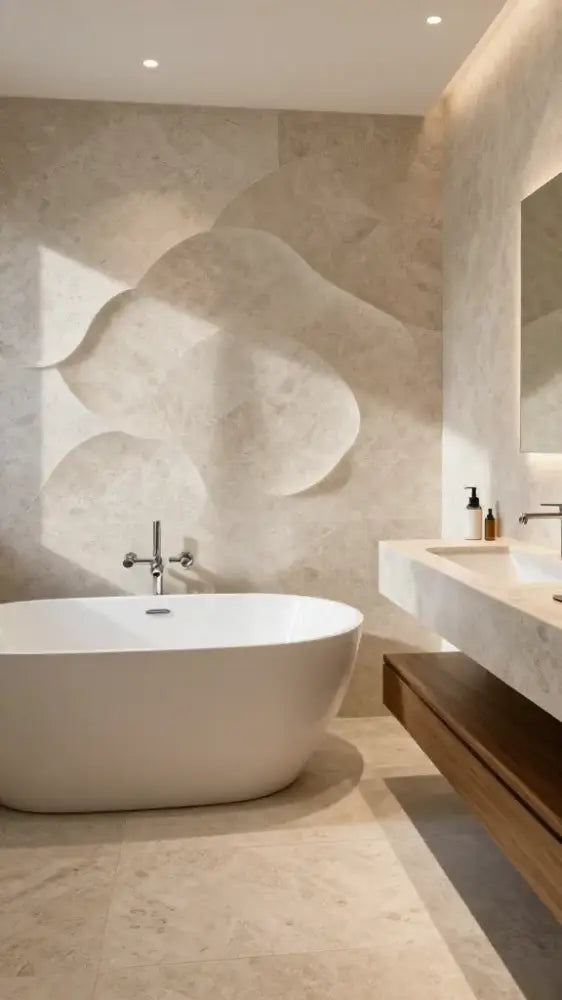
Standard flat tiles are fine, but scalloped relief travertine is what you choose when you want the wall to actually feel alive. The repetitive, curved grooves create a rhythmic pattern that plays with shadows as the bathroom lighting changes throughout the day.
You'll notice that the honed finish on these tiles softens the look, making the stone feel like draped fabric rather than cold masonry. It is a brilliant way to add tactile interest to a walk-in shower without relying on loud colors or busy patterns.
Because travertine is naturally porous, these deep ridges catch the light and highlight the tiny pits and tonal shifts in the stone. Pair these with a simple unlacquered brass shower head to let the texture do the heavy lifting.
Cleaning them isn't as tough as you'd think if you use a soft brush during your weekly wipe down. The visual payoff is worth the extra minute of effort because it makes a standard vanity wall look like a custom architectural installation.
18. Pitted Natural Honey Tones
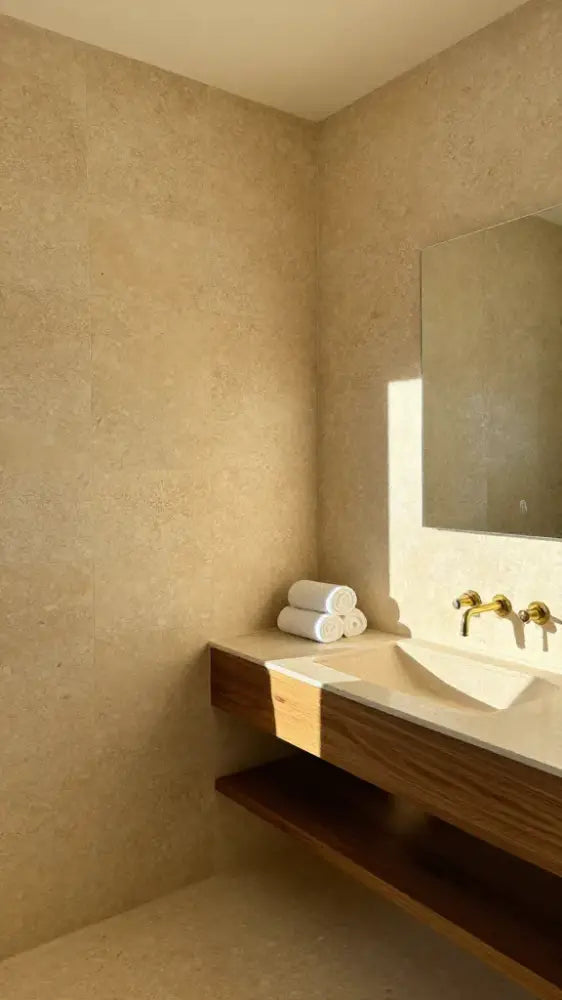
You can use unfilled travertine in a warm honey shade to create a focal point behind a vanity or inside a walk-in shower. The small pits and craters across the surface catch the light differently throughout the day, which gives the walls a sense of history that flat tiles just can't mimic.
The golden beige tones feel incredibly cozy when paired with soft white towels and antique brass fixtures. It's a smart choice if you want a bathroom that feels like a Mediterranean villa rather than a sterile hotel room.
- Pair these tiles with matte black hardware to ground the warm colors and add a bit of modern contrast.
- Leave the natural pits open on wall installations to maximize the raw, organic texture.
- Use a clear penetrating sealer to protect the stone from moisture without changing its golden glow.
- Mix different tile sizes to break up the pattern and make the natural variations look more intentional.
This specific texture works best when you let the imperfections stand out as the main design feature of the space.
19. Stacked Stone Bathtub Surrounds
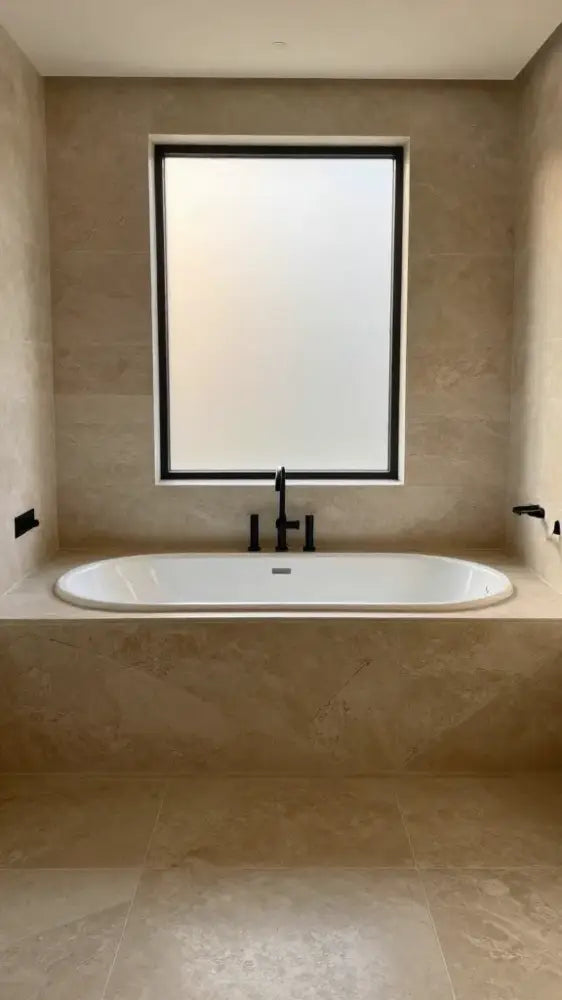
If you're tired of seeing the same flat, polished surfaces everywhere, you should really look into stacked travertine for your tub. It uses thin, staggered strips of stone to create a rugged face that feels like something you'd find in a natural hot spring. The uneven edges catch the light beautifully when you're soaking in the evening.
I've noticed that this texture works best when you keep the rest of the bathroom fairly simple. Because the stone has so much physical depth and shadow, it acts as a massive focal point that doesn't need extra decor. It's a great way to bring some earthy grit into a space that might otherwise feel too sterile or cold.
One thing to keep in mind is the maintenance around the water line. Since the surface is craggy, you'll want to use a high quality sealer to prevent soap scum from hiding in those small crevices. If you stay on top of that, it stays looking incredible for years. It honestly makes every bath feel like a tiny getaway to a mountain retreat.
20. Chevron Cut Veined Panels
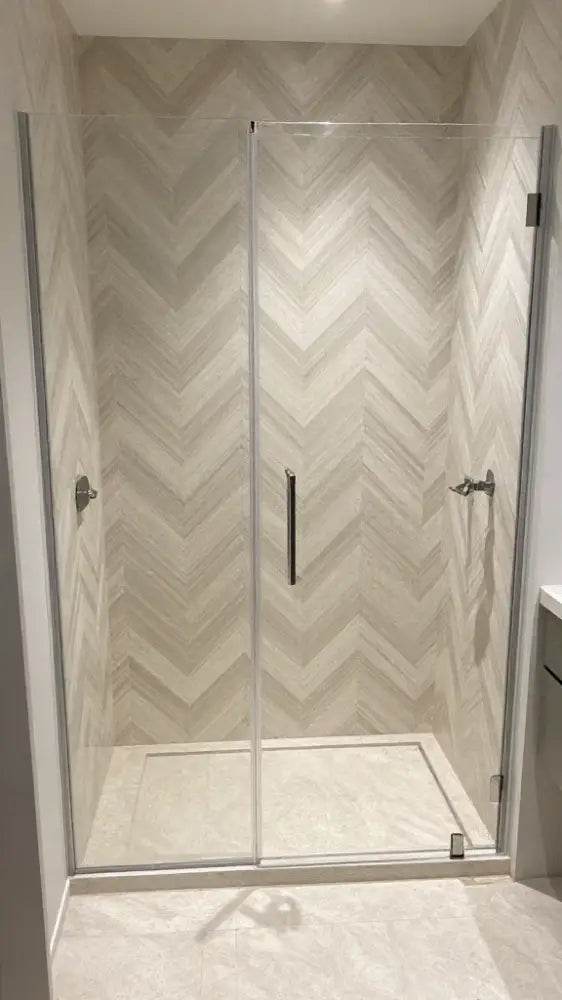
This style takes the natural linear movement of vein-cut travertine and turns it into a sharp, geometric statement. By cutting the slabs at precise angles and aligning them, you create a zigzag pattern that pulls the eye across the room.
The real magic happens when you use high-contrast stone where the tan and cream layers are distinct. It turns a standard shower wall into something that looks like a custom art installation without needing extra decor.
- Directional Flow: The angled veins create a sense of constant motion that makes small bathrooms feel much wider.
- Symmetry Control: You can choose to mirror the patterns perfectly or keep them slightly offset for a more organic, handmade look.
- Texture Play: Using a honed finish instead of polished helps the chevron lines stand out without harsh light reflections.
- Grout Planning: Matching your grout color exactly to the stone's base tone ensures the focus stays on the natural veins.
It is a bold choice that works best on a single accent wall. If you wrap the whole room in this pattern, it might feel a bit too busy for a relaxing space.
21. Leathered Finish Countertop Edges
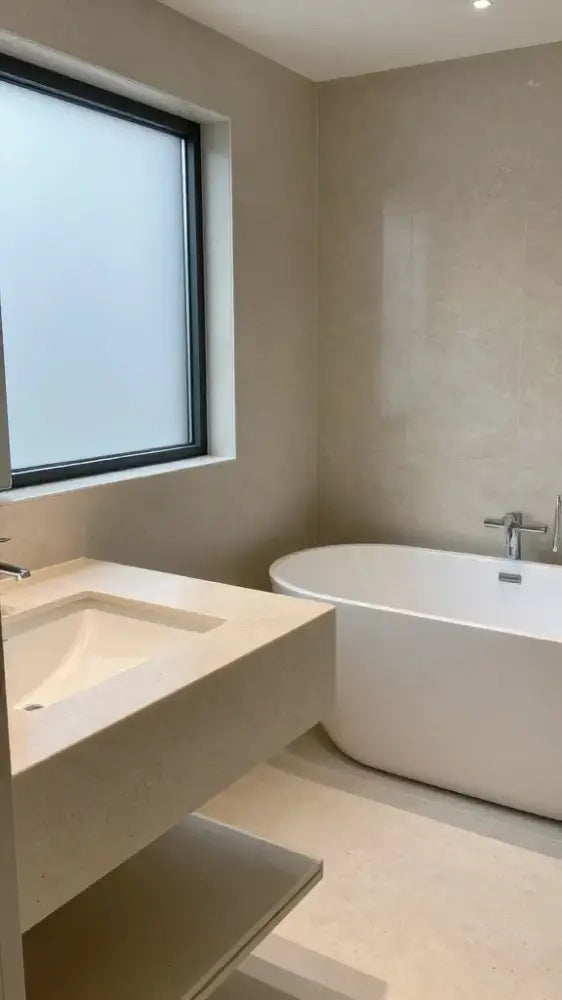
Choosing between a standard honed edge and a leathered one really comes down to how much you want to feel the stone. A honed edge is smooth and predictable, but it can sometimes look a bit flat in a bathroom with bright vanity lights. It lacks the tactile character that makes natural travertine so interesting to touch while you're brushing your teeth.
A leathered finish edge creates a textured, matte surface that follows the natural pores and pits of the travertine. This approach hides water spots and fingerprints much better than a polished surface does. It gives the countertop a rugged, organic look that feels more like a piece of found stone than a factory product.
I usually recommend the leathered edge if you're using a darker travertine like silver or mocha. The texture catches the light in a way that highlights the stone's hidden colors and fossils. It adds a layer of sophistication that feels expensive without being flashy or overly shiny.
22. Bush-Hammered Anti-Fatigue Floors
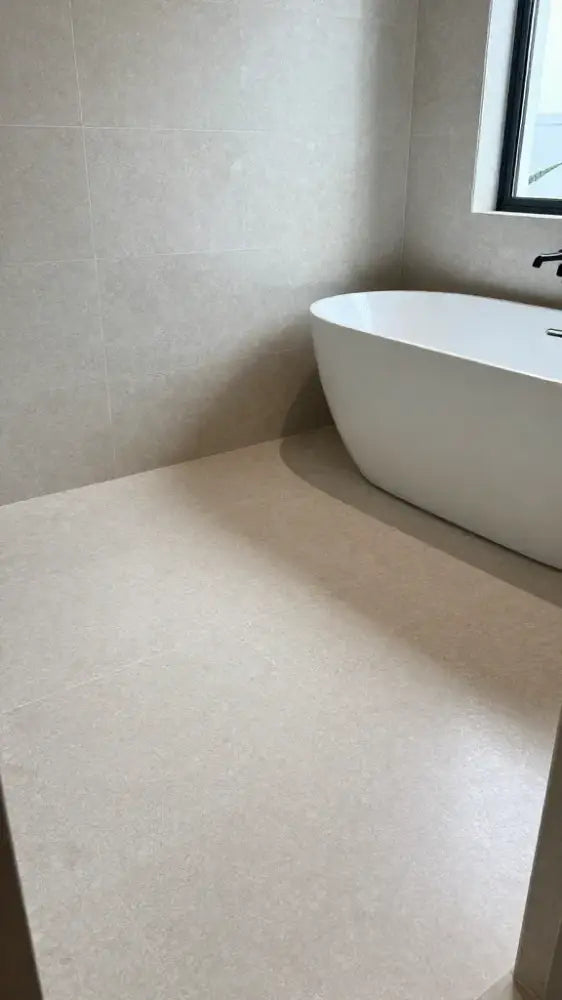
Standing on a hard stone floor for too long while you get ready in the morning can actually make your back and feet ache. Most people think they have to choose between the beauty of natural stone and the comfort of a soft mat. Bush-hammered travertine solves this by creating a surface that feels more like a foot massage than a cold slab.
This texture is created by hitting the stone with a specialized tool that leaves thousands of tiny indentations. These small craters break up the surface tension and provide a natural grip that prevents slipping in wet areas. It also creates a soft, cushioned sensation underfoot because your weight is distributed across the peaks of the texture rather than a flat plane.
You should consider using these tiles specifically in the walk-in shower or right in front of the vanity mirror. The pitted look hides water spots and soap scum much better than a polished finish does. It gives your bathroom a rugged, organic feel that stays comfortable even during your longest morning routines.
23. Arched Travertine Niche Insets
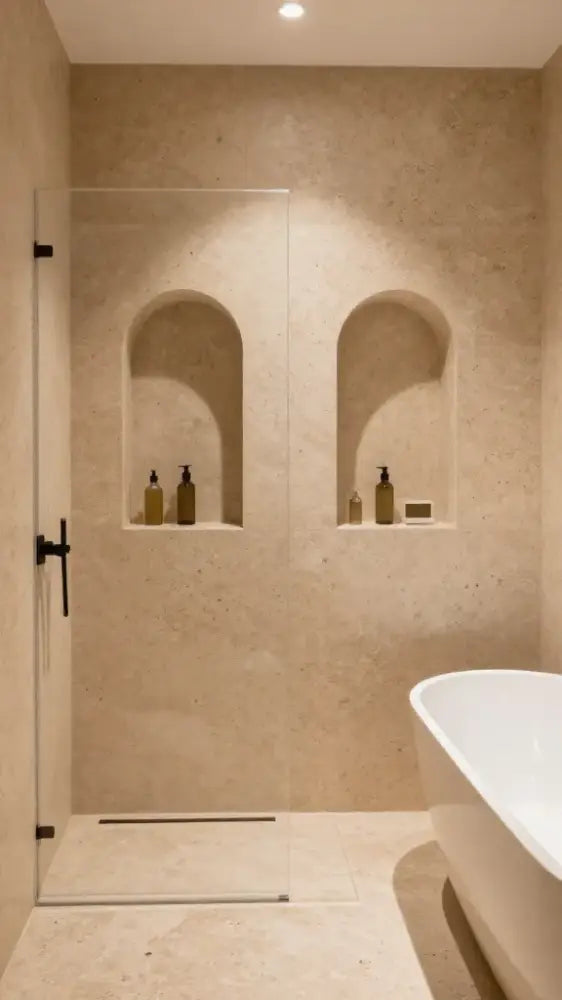
Picture a shower wall where the stone doesn't just stop at a flat surface. Instead, a soft, rounded arch is carved directly into the travertine, creating a built-in shelf for your soaps and oils.
The natural pits and pores of the stone look incredible inside a curved recess. These arched cutouts break up the sharp, rectangular lines typically found in modern shower stalls.
| Feature | Standard Square Niche | Arched Travertine Niche |
|---|---|---|
| Visual Flow | Boxy and functional | Soft, architectural feel |
| Cleaning | Grout lines in corners | Smoother, rounded edges |
| Style Vibe | Modern industrial | Old-world Mediterranean |
When you use a honed finish for these insets, the stone feels like a piece of ancient sculpture. It's a small detail that makes the entire bathroom feel custom and high-end.
You can even use a contrasting tile pattern inside the arch to make it pop. A herringbone travertine mosaic tucked inside a smooth arched frame adds a layer of depth that flat walls simply can't match.
24. Mixed Texture Geometry Layouts
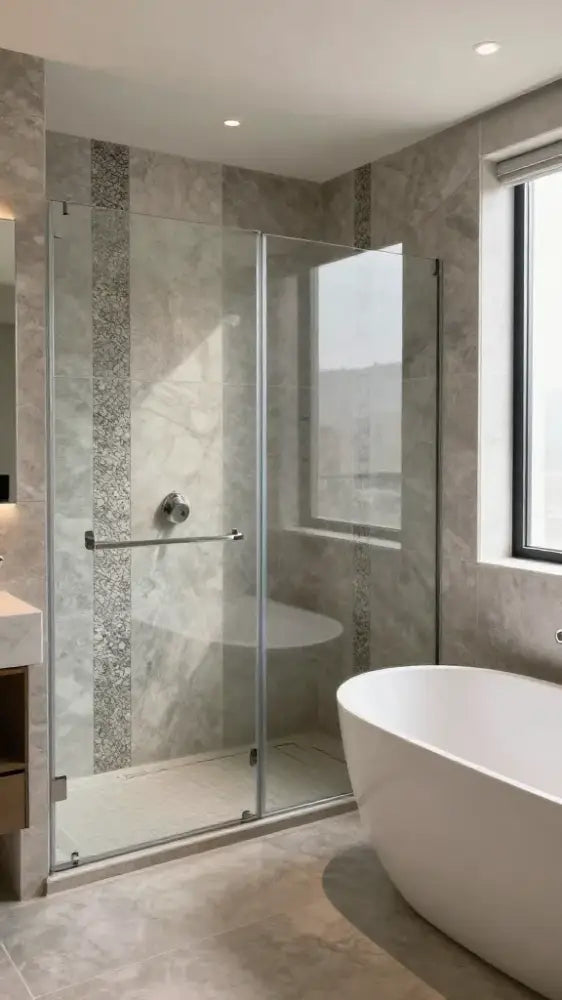
Standard uniform tile grids are boring when you can mix honed and split-face travertine in a single layout. This approach uses the natural pits of the stone to create a physical depth that catches shadows throughout the day.
Try alternating narrow vertical strips of rough, chiseled stone against large, smooth squares of silver travertine. The contrast keeps the bathroom from looking flat or clinical.
You can even use a herringbone pattern for the floor while keeping the walls in a classic stacked bond. This shift in geometry guides the eye toward specific features like a freestanding tub or a walk-in shower.
It works best when you stick to a single color palette so the different shapes don't feel chaotic. Using a matte finish alongside a high-texture trim keeps the space feeling grounded and sophisticated.
Wrapping Up
These 24 must-see travertine bathroom texture ideas shaping design show how much variety this stone offers. You now have plenty of inspiration to help you choose between smooth finishes or rugged surfaces for your next renovation. Pick the texture that fits your personal style and start turning your bathroom into a space you actually enjoy using every day.
Leave a comment