
A complete guide to buying and installing travertine floor tiles

Key Takeaways
Travertine is a timeless natural stone flooring choice that marries durability with unique aesthetic character for any design project. Understanding its geological origins, various finishes, and proper installation techniques ensures you maximize its longevity and visual appeal.
- Travertine is a limestone derivative formed by mineral springs, resulting in distinct veining and surface textures that vary from ivory to deep walnut.
- Selecting the right finish—be it honed, polished, or tumbled—depends on both your design goals and the expected foot traffic in the space.
- Proper subfloor preparation, including the use of an uncoupling membrane or crack-isolation layer, is vital to prevent stone movement and cracking.
- Sealing travertine is non-negotiable, as its porous nature requires a quality penetrating sealer to resist stains, moisture, and everyday wear.
- Partnering with an expert, such as Surfaces Galore, connects you with high-quality inventory and logistics support for a seamless project execution.
Understanding the natural beauty of travertine floor tiles
The unique geological formation of travertine
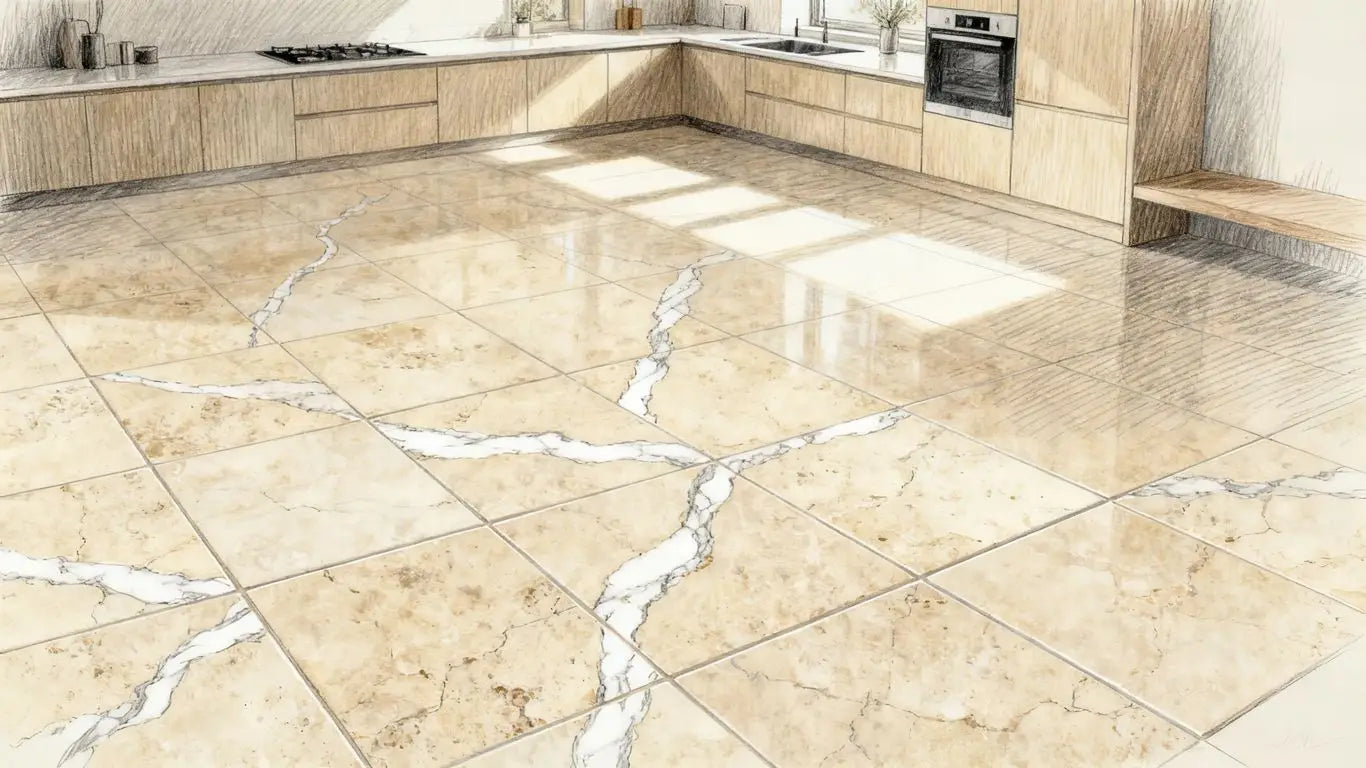
Travertine is a fascinating form of limestone deposited by mineral-rich hot springs over thousands of years. This process infuses the stone with a distinctive pitted texture and earthy character, leaving behind beautiful, natural voids and veins. Every single tile tells a story of these geological origins, ensuring that no two pieces are exactly identical, which adds massive depth to any interior floor plan.
Aesthetic variety: From ivory to walnut tones
Designers often favor this stone because of its vast spectrum of neutral colors. You can find soft ivory and creamy beige options that brighten a space, or lean into the drama of deep walnut and rustic golds for a warmer, intimate environment. By integrating La Travonya Travertine 12x24 marble tiles, you can achieve a sophisticated balance of light and shadow, creating a foundation that feels both grounded and incredibly luxurious.
Why travertine is a smart home investment
Choosing natural stone is a proven way to increase the long-term desirability of your property. Unlike synthetic materials that can look tired or dated, travertine remains classic and elegant through shifting style trends. It is a robust and timeless flooring solution that stands up remarkably well to heavy use provided it receives the necessary care, making it a reliable choice for homeowners focused on both beauty and durability.
Selecting the right finish for your home
Honed vs. polished: Choosing your surface texture
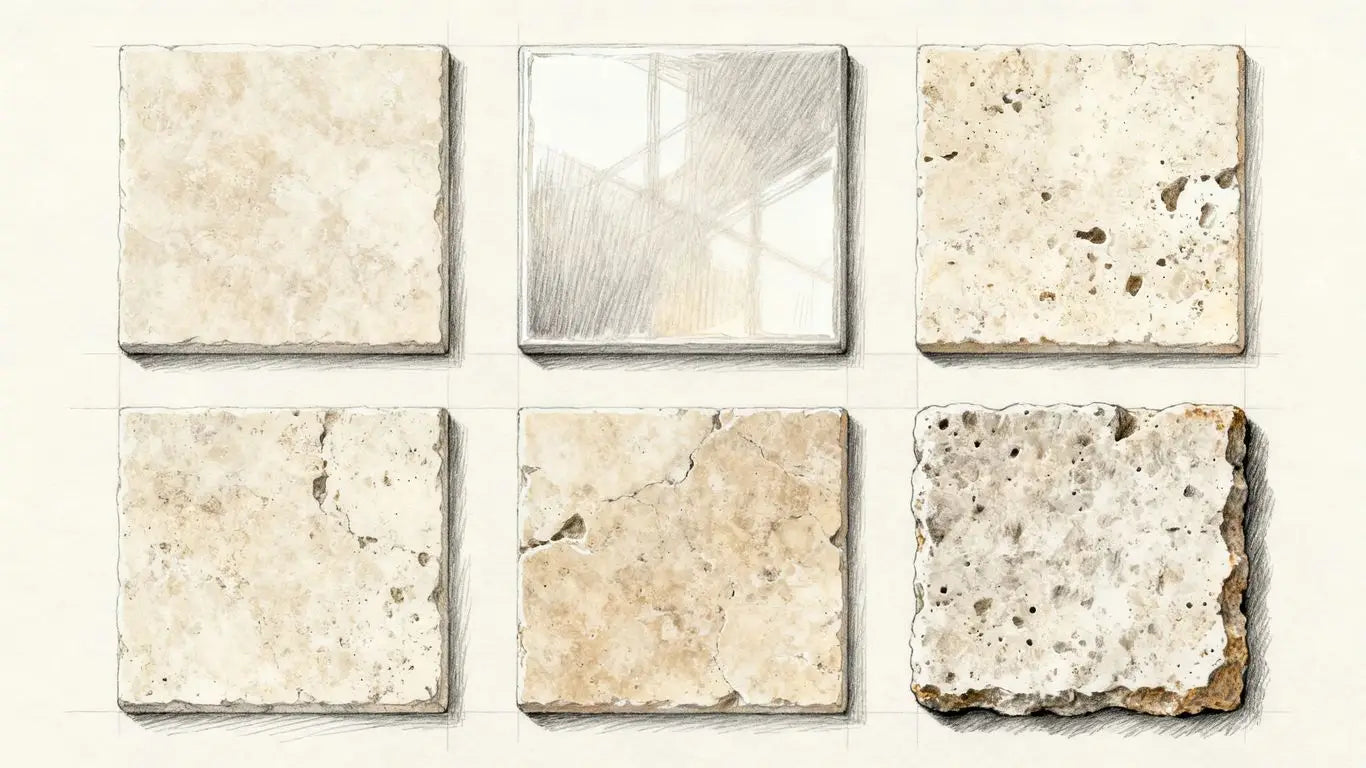
Surface treatments completely change the personality of your room by altering how light interacts with the floor. Honed travertine has a matte, velvet-like finish that feels soft underfoot and hides minor scratches exceptionally well. In contrast, polished finishes have a high-gloss, reflective quality that makes a room feel grand and open. Choosing between these depends on whether your priority is warmth or high-end brilliance.
The rustic appeal of tumbled and chiseled edges
If you prefer a style that feels organic or weathered, consider finishes that embrace the stone's rough edges. Tumbled tiles undergo a process to soften all sharp borders, resulting in a charming, time-worn appearance reminiscent of ancient European villas. This style is particularly effective for those creating a warm and relaxing Mediterranean vibe in their living areas.
Matching finishes to specific room traffic levels
| Finish Type | Best Room Application | Grip Level | Maintenance Needs |
|---|---|---|---|
| Polished | Living Rooms, Office | Low (Slick) | High (Buffing) |
| Honed | Bathrooms, Kitchens | Moderate | Moderate (Sealing) |
| Tumbled | Patios, Entryways | High (Textured) | Low (Periodic wash) |
Selecting the right finish ensures that your floor is both gorgeous and practical. High-maintenance glossy surfaces should be reserved for low-traffic areas, while textured finishes improve safety in kitchens and outdoor spaces. For those interested in a balanced look, exploring La Travonya Travertine Tile 12x12 Filled Honed provides an excellent middle ground that works for most interior residential environments.
Key considerations for commercial and residential applications

Durability for high-traffic commercial spaces
Commercial environments demand flooring that refuses to quit, even under constant foot traffic. Natural stone manages weight distribution well, making it ideal for lobbies or bustling offices where wear resistance is critical. Because La Travonya Travertine 16x24 is dense and hard-wearing, it provides the reliability needed for high-demand areas where cheap alternatives might fail.
Enhancing interior designs in kitchens and bathrooms
Natural stone brings a level of sophistication into the home that synthetic tiles simply cannot replicate. Bathrooms benefit immensely from the slip-resistant nature of certain travertine finishes, and kitchens gain a warm, earthy backdrop that balances appliances and cabinetry. When combined with appropriate La Travonya Travertine Beige Mosaic Tile accents, your room gains an immediate architectural focal point.
Outdoor suitability for patios and pool decks
Many homeowners prefer stone for their exterior spaces because it remains cooler than other materials. Its natural porosity and texture provide inherent grip, making it a wonderful choice for pool surrounds where water might collect. Selecting a product from the timeless travertine collection is a safe bet for ensuring the tile has been assessed for environmental durability.
Installation and maintenance best practices
Importance of sealing for long-term protection
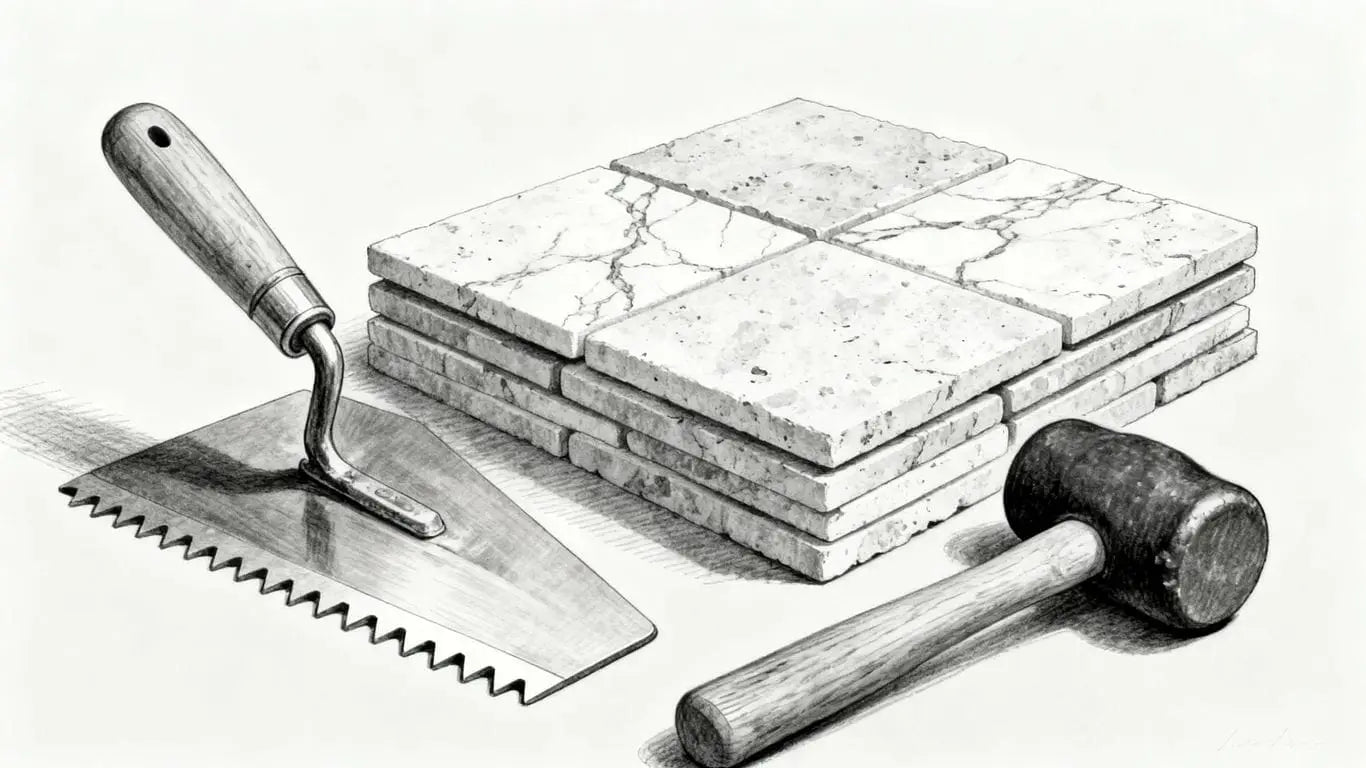
Sealing creates a critical barrier that prevents spills from penetrating the surface of your beautiful new floor. Without this step, even simple household accidents involving red wine or cleaning liquids could cause permanent discoloration. We recommend applying a high-quality sealant immediately after installation to ensure your stone remains pristine.
Routine cleaning routines to preserve natural luster
- Sweep or vacuum regularly to clear away grit and debris.
- Use only pH-neutral cleaners specifically designed for natural stone.
- Wipe up spills immediately to prevent deep moisture absorption.
- Avoid acidic or abrasive scrubbing tools that dull the stone surface.
Following these simple steps keeps the surface vibrant and prevents micro-scratches caused by tracked-in dirt. Consistent, gentle care helps maintain that initial, fresh installation shine indefinitely.
Preventive care to avoid wear and tear
Placement of rugs in high-traffic areas acts as a secondary defense, catching abrasive dirt before it reaches the tile. Keeping your floors clean and protected through these small habits ensures your flooring installation guide results remain evident for decades rather than just a few years.
Why partner with Surfaces Galore for your flooring needs
Nationwide shipping and expert logistics
We bridge the gap between premium quarries and your front door, simplifying the procurement process for your entire project. Our logistics team handles packing with extreme care to reduce transit damage, so you get the materials exactly as described. Clients often remark on the fast lead times, highlighting that they experienced a seamless process throughout the transport of their travertine floor tiles.
Exclusive bulk discounts for designers and architects
Buy marble tiles online USA through our dedicated portal to access pricing tiers designed for large-scale professional builds. We support interior design projects by offering volume-based savings that keep your project budget on track while maintaining luxury material standards. Contact us to receive a personalized quote based on your specific square footage and pattern requirements.
Personalized guidance for your custom project requirements
We provide tailored support for those seeking specific cuts, mosaics, or unique layouts. Whether you are curious about mixing different stone types or need technical advice on specific thresholds, our team walks you through the best choices for your space. We are proud to serve as a resource, helping you transform concepts into enduring, beautiful realities.
Conclusion
Investing in travertine flooring creates a beautiful, resilient foundation for your home that gains personality with every passing year. By focusing on smart selection, correct installation techniques, and routine care, you ensure that this natural stone element remains a core highlight of your design and building efforts.
Frequently Asked Questions
Is travertine better than porcelain tile?
Travertine offers a natural warmth and variation that mass-produced man-made tiles cannot mimic. While porcelain is often more uniform, natural stone provides a timeless elegance and increased property value, though it does requires specific sealing and honest maintenance to maintain that high-end look.
How often should I reseal my travertine floor?
We recommend reapplying a penetrating stone sealer at least once annually for high-traffic areas, though some lower-traffic rooms may only need it every two years. Always check for water bead-up as a sign that your current protective layer is still effective.
Can I install travertine on a concrete slab?
Yes, travertine is well-suited for installation over concrete as long as the surface is level and clean. It is highly recommended to include a crack-isolation membrane between the slab and the tile to protect the stone from any movement that might occur in the foundation over time.
Does travertine scratch easily?
Travertine is a durable material, but it can be prone to scratching from abrasive materials like sand or grit. Regular sweeping and the use of protective pads under heavy furniture are common, highly effective ways to minimize surface marks and keep the floor looking professionally finished.
Why does some travertine have holes in it?
These natural voids are created by trapped gas during the formation of the stone near mineral springs. In a filled travertine product, these are skillfully patched during production for a smooth, refined surface, while unfilled options embrace these voids for a rustic and highly authentic aesthetic.
Can travertine withstand freezing temperatures outdoors?
When selected correctly, many travertine products are suitable for exterior environments, including those that experience light frost cycles. Always confirm with your supplier that the specific batch of stone you are purchasing has been rated for the exterior conditions of your climate.
Will professional installation add value to my home?
High-quality natural stone flooring is frequently recognized by appraisers and buyers as a premium home upgrade. When installed with proper patterns, correct grouting, and a level finish, it creates an impression of luxury and attention to detail that sets a property apart from homes with entry-level materials.

Leave a comment